



נמאס לכם מהבידור הרגיל? הלקוחות מחפשים רגשות חדשים
כל עונה קשה יותר ויותר להחזיק את תשומת הלב של האורחים. הבידור הקלאסי—חדרי בריחה, לייזר טאג, מתקנים מוכרים—הופך למיושן: המבקרים כבר ראו דברים דומים בעבר, וקשה להפתיע אותם. הקהל מחפש רגשות חדשים והולך למקום שבו הוא מוצא אותם. כתוצאה מכך, מתחמי בילוי מאבדים אורחים קבועים ונאלצים להוריד מחירים שוב ושוב.
זה פוגע במדדי העסק המרכזיים: תדירות הביקורים החוזרים יורדת, חשבון הממוצע מתכווץ, והאזכורים ברשתות החברתיות פוחתים. הפרסום מתייקר, בעוד שההמלצות מפה לאוזן, שההכנסה תלויה בהן, דועכות—לאורחים פשוט אין מה לשתף אחרי הביקור.
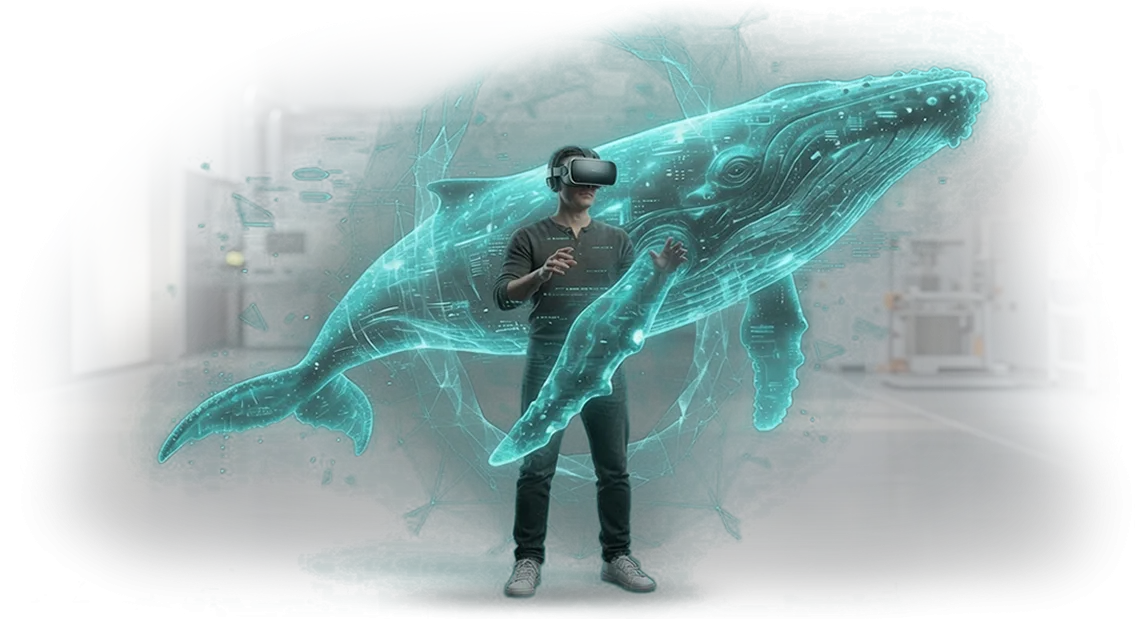
מציאות מעורבת (MR) משנה את כללי המשחק. היא מחברת את החלל הפיזי של המתחם שלכם עם אובייקטים דיגיטליים: האורחים מוצאים את עצמם בתוך הסיפור ומקיימים אינטראקציה עם העולם הווירטואלי בזמן אמת.
כל סשן הוא מופע אינטראקטיבי ייחודי שאי אפשר לחזור עליו פעמיים, ואנשים רוצים לתעד אותו בוידאו.
מתקנים חדשים מבוססי MR מספקים את מה שהפורמטים הסטנדרטיים לא יכולים—עומק חוויה ואפקט ה"וואו". האורחים לא רק מבלים—הם הופכים למשתתפים בסיפור שהם ידברו עליו ויראו לחברים אחר כך. זה הופך ביקור חד-פעמי להרגל קבוע ומניע קידום אורגני דרך הרשתות החברתיות.
אנחנו עוזרים להביא פורמטים כאלה לחיים בהתאם למטרות העסקיות שלכם—מפרויקטים לאירועים נקודתיים ועד אזורי בילוי קבועים. בקיצור: אנחנו ממלאים את הצורך של האורחים בחוויות חדשות והופכים אותו לתנועת מבקרים יציבה עבורכם.
מה פיתוח VR/AR/MR מניב לעסק שלכם
בידור הוא רגשות שהאורחים רוצים לחוות, לא רק לצפות בהם. פורמטים של VR/AR/MR הופכים ביקור רגיל לאירוע חי ובלתי נשכח שמדברים עליו וזוכרים אותו.
מבחינה עסקית, זה לא סתם גימיק אופנתי—זה כלי עבודה אמיתי שפותר כמה בעיות בבת אחת: מושך מבקרים חדשים, שומר על הקבועים, ומגדיל את החשבון הממוצע.
מה מקבלים עם בידור אימרסיבי:
- חיבור למותג. האורחים מוצאים את עצמם לגמרי בתוך הסיפור שלכם לכמה דקות. החוויה הזו יוצרת קשר רגשי חזק למותג ומגבירה את הזיהוי—אחר כך קשה לשכוח איפה זה קרה.
- מעורבות קהל. הפורמט האימרסיבי מחזיק תשומת לב יותר טוב מכל מסך. האורחים משתתפים פעיל, מצלמים תמונות וסרטונים, ומשתפים את ההתרשמות ברשתות החברתיות בעצמם—אתם מקבלים חשיפה אורגנית והמלצות אמיתיות.
- חשבון ממוצע גבוה יותר. המתקן או המופע הופכים לאופציה בתשלום נפרד שהאורחים שמחים לרכוש. זה מגדיל את החשבון הממוצע, וחוויה עוצמתית גם מגבירה את הנאמנות—האורחים חוזרים ומביאים חברים.
אנחנו יוצרים פתרונות VR/AR/MR לבידור כבר למעלה מ-10 שנים. אנחנו יודעים להפוך טכנולוגיה לנקודת משיכה עבורכם: אנחנו מתכננים תסריט למתחם שלכם, בוחרים ציוד, ומשיקים את הפרויקט במפתח מלא—מהרעיון ועד המבקרים הראשונים. נחשב את הכדאיות הכלכלית כך שהפרויקט יחזיר את ההשקעה, ואנחנו נשארים זמינים גם אחרי ההשקה.
פורמטי בידור: מהרפתקת VR ועד מופע AR
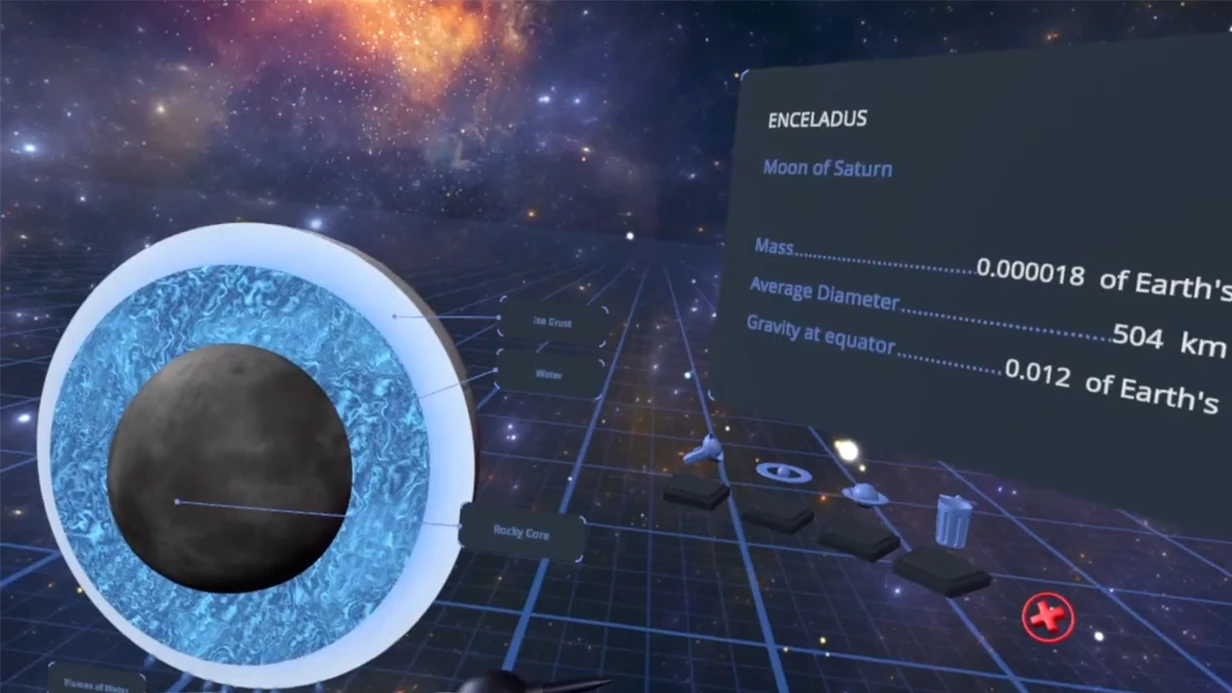
בפרויקט בידור חשוב לבחור פורמט שיפתיע את האורחים ויתאים למתחם שלכם. הרפתקת VR מטבילה את השחקנים בעולם דיגיטלי מלא—אידיאלית כשיש לכם חלל ייעודי וקבוצת שחקנים.
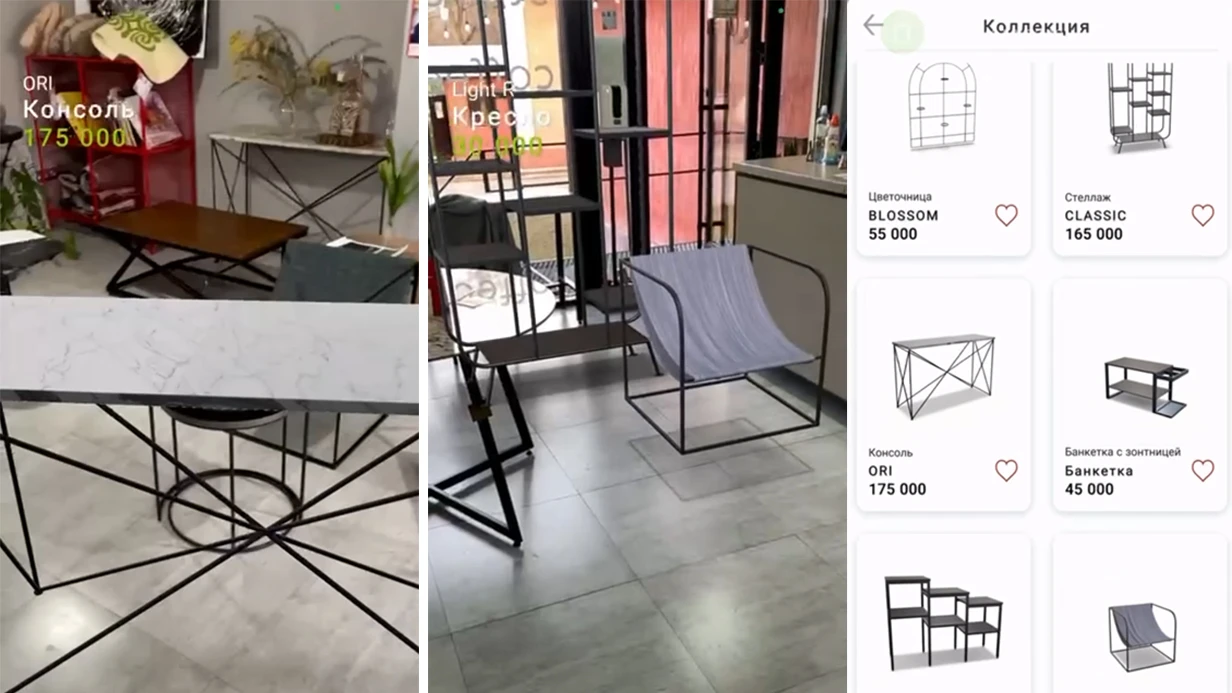
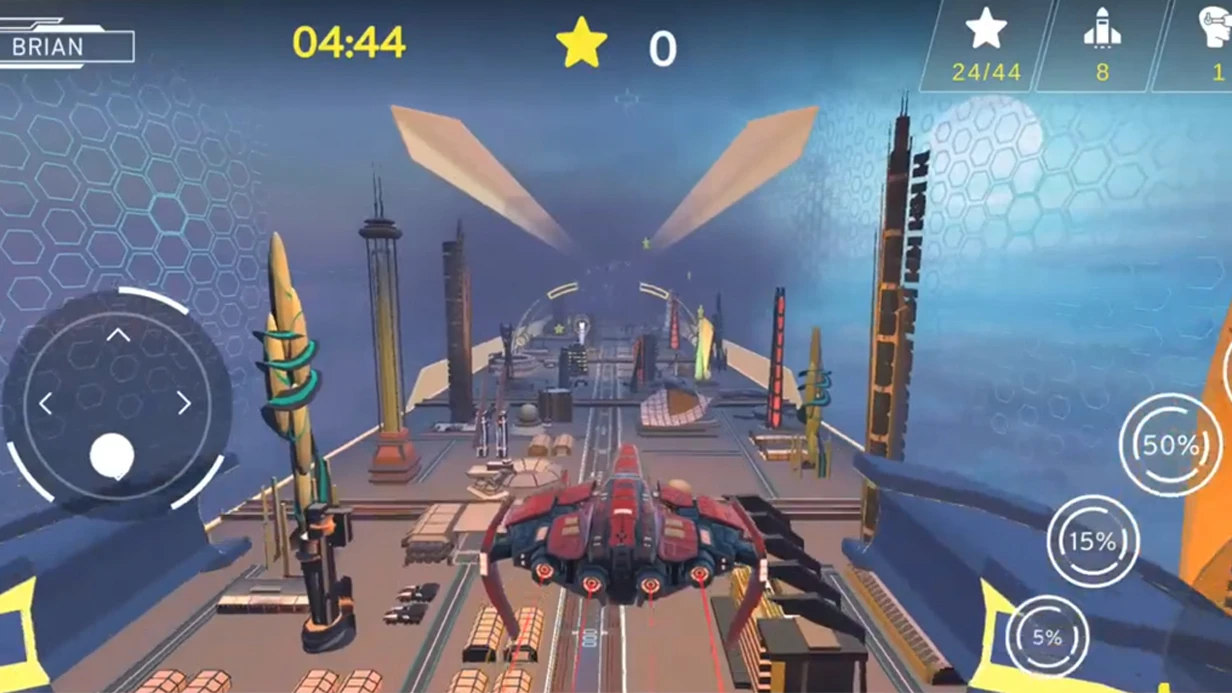
הרפתקת AR עובדת על ידי הרחבת המציאות: האורחים רואים דמויות תלת-ממדיות דרך מסכי הסמארטפון שלהם, מה שהופך אותה למתאימה לשטחים גדולים.
מתקן אינטראקטיבי במציאות מעורבת משלב אובייקטים פיזיים והקרנות—ללא צורך במשקפיים, ועשרות מבקרים יכולים להשתתף בו זמנית.
השוואת פורמטים
| פורמט | מתאים במיוחד ל | מה הוא נותן ללקוח |
|---|---|---|
| הרפתקת VR | קבוצות של 2 עד 10 אנשים | חוויה עמוקה, עלילה, התרגשות קבוצתית, מעורבות גבוהה לכל שחקן. |
| הרפתקת AR | אירועים עם תנועת קהל גבוהה | האורחים משחקים דרך המכשירים שלהם—אין צורך בפיקוח צוות, מקבלים נתוני חשיפה ופעילות. |
| מתקן אינטראקטיבי (MR) | מופעים, תערוכות, מצגות, פסטיבלים עירוניים | אפקט מרהיב לקהל, ויזואליה עם מיתוג, ותוכן לרשתות החברתיות. |
אם המטרה שלכם היא חשיפה מקסימלית ואפקט ויראלי, בחרו בהרפתקת AR: כל משתתף מצלם תמונות וסרטונים בעצמו. לסיפור עמוק, הרפתקת VR היא הבחירה הנכונה.
וכשצריך להדהים קהל על במה גדולה, מתקן אינטראקטיבי במציאות מעורבת ייצור מופע בלתי נשכח.
אנחנו מפתחים בידור בשלושת הפורמטים האלה כבר למעלה מ-10 שנים.
נציע קונספט שמתאים למטרות שלכם, נעזור בהתאמת החלל, ונספק תמיכה טכנית בכל שלב—כך שהאורחים יקבלו רק רגשות חיוביים ואתם תקבלו תוצאה מדידה למותג שלכם.
איך עובד פיתוח אפליקציה למתחם שלכם
אנחנו מבנים את התהליך כך שתמיד תדעו באיזה שלב נמצא הפרויקט ומה הצעד הבא. בלי "קסם" ובלי הפתעות לא צפויות: מהבריף הראשוני ועד ההשקה, אנחנו עוברים 7 שלבים ברורים שבהם אתם מעורבים בהחלטות המפתח.
-
בריף וגילוי צרכים. אתם מספרים לנו על המתחם, הקהל והמשימה שהאפליקציה צריכה לפתור. אנחנו שואלים שאלות כדי להבין טוב יותר את ציפיות האורחים ואת המטרות העסקיות שלכם—למשל, הגברת זיהוי או הכנסה נוספת.
-
אישור קונספט. אנחנו מכינים את תרחיש השימוש, הסגנון הוויזואלי והלוגיקה של האינטראקציה. אתם רואים איך המוצר ייראה לפני תחילת הפיתוח—ויכולים לבצע שינויים ללא עלויות נוספות.
-
תוכנית עבודה ולוח זמנים. אנחנו קובעים שלבים, נקודות ביקורת ותאריכים. אתם מקבלים לוח שנה ברור שמראה מתי כל חלק בפרויקט יהיה מוכן ומתי מתוכננת ההשקה.
-
פיתוח האפליקציה. אנחנו בונים את המוצר עם ציוד וכלים מקצועיים המשמשים בפרויקטים מסחריים. אנחנו מראים לכם באופן קבוע גרסאות ביניים כדי שתוכלו לראות את ההתקדמות ולתת משוב.
-
בדיקות ואיתור תקלות. אנחנו בודקים תרחישים על מכשירים אמיתיים בתנאים קרובים למתחם שלכם. אנחנו מוודאים שהאפליקציה פועלת ביציבות גם בעומס מבקרים גבוה.
-
השקה. אנחנו מתקינים את כל מה שצריך, מגדירים את הציוד ומכשירים את הצוות שלכם. אנחנו מלווים אישית את ההשקה בימים הראשונים כדי שהכל יעבור חלק.
-
תמיכה וצמיחה. אנחנו נשארים זמינים אחרי ההשקה: עוזרים בעדכונים, מוסיפים תרחישים חדשים ומשפרים את האפליקציה בהתאם לשימוש בפועל. כך המוצר לא מתיישן וממשיך לייצר ערך.
מה כלול במסירת פרויקט בידור
חשש נפוץ של לקוחות הוא לקבל פרויקט "גולמי" ולהישאר לבד מולו. אנחנו מבנים את המסירה כך ששבוע אחרי ההשקה הצוות שלכם עובד באופן עצמאי, ותוך חודש הם מפתחים את הפרויקט בביטחון.
הנה מה שכלול בחבילה.
- קוד המקור של הפרויקט — זכויות מלאות על כל הלוגיקה של האפליקציה, ללא הגבלות נסתרות.
- הכשרת צוות — 2-3 מפגשים מעשיים: העובדים שלכם לומדים להפעיל, להגדיר ולנהל תרחישים.
- מדריך למנהל — מדריך ברור בעברית: איך להתחיל סשנים, לשנות תוכן באזורים, לעדכן לוחות זמנים.
- מדריך למשתמש — רשימת בדיקה קצרה למפעילים: הפעלה, מצבים סטנדרטיים, פתרונות מהירים.
- אחריות על הפרויקט — 12 חודשים: אנחנו מתקנים באגים ועוזרים בשיפורים ללא תשלום נוסף.
- גיבוי — הגנה מפני אובדן נתונים במקרה של תקלות ציוד.
- שעת תמיכה טכנית אחת לאחר ההשקה — סקירת הסשנים הראשונים ומענה על השאלות הבוערות של הצוות.
אנחנו מוסרים את הפרויקט בהדרגה: קודם אתם צופים, אחר כך אתם מבצעים בפיקוח שלנו, ולבסוף לגמרי לבד. ההכשרה נעשית על התרחישים האמיתיים שלכם, לא על דוגמאות מופשטות—כך הצוות נקלט מהר יותר.
האחריות היא לא פורמליות. אם משהו משתבש במהלך השנה, אנחנו זמינים ומגיבים תוך יום עסקים אחד. הגישה הזו מאפשרת לכם לתכנן תקציב לשנים קדימה—ללא תשלומים נסתרים וללא תלות בקבלן יחיד.
אחרי המסירה, המוצר שייך לכם לחלוטין. אין תלות נסתרות—רק נכס נקי שמייצר רווח. עדיין יש שאלות על היקף העבודה או האחריות? שאלו אותן בחלק הבא.
מקרה בוחן: איך הכפלנו את זמן השהייה של האורחים
בעלי מתחמי בידור—פארקים, קניונים, מוזיאונים—יודעים את הבעיה המרכזית: אורחים מגיעים, עוברים על כל האזורים, ועוזבים. ככל שמבקר מבלה פחות זמן, כך הוא מוציא פחות וחוזר פחות. הממוצע בענף הוא כשעתיים, וכדי לשנות אותו צריך סיבה מיוחדת להישאר.
הסיבה הזו הפכה להרפתקת MR שיצרנו עבור פארק השעשועים המשפחתי "סקזקה". זו מציאות מעורבת ללא משקפיים כבדים: האורחים רואים דמויות וירטואליות המשולבות בתפאורה האמיתית ומקיימים איתם אינטראקציה באמצעות מחוות ידיים פשוטות.
התרחיש מתוכנן ל-25-30 דקות של משחק פעיל, אבל הוא כל כך מרתק שהמשתתפים מאבדים תחושת זמן ולעתים קרובות מבקשים לשחק שוב.
התוצאה עלתה על כל הציפיות: זמן השהייה הממוצע בפארק הוכפל—מ-1.5 ל-3 שעות. בחודש הראשון ביקרו באזור יותר מ-12,000 אורחים, והחשבון הממוצע של המשתתפים היה גבוה ב-35% מזה של מבקרים אחרים.
מה שהיה משמח במיוחד היה הביקורים החוזרים—40% מהשחקנים חזרו לפארק תוך חצי שנה, והביאו חברים ובני משפחה.
בונוס נוסף היה החשיפה האורגנית. האורחים משתפים בשפע תמונות וסרטונים מאזור ה-MR כי זה נראה יוצא דופן ויפה.
בחודשיים הראשונים הופיעו יותר מ-5,000 פוסטים שמזכירים את המתקן ברשתות החברתיות של הפארק—פרסום חינמי שמביא מבקרים חדשים.
עבור הלקוח, זו תועלת ישירה: כל שעה נוספת שאורח מבלה מביאה הכנסה מוחשית לבתי הקפה, החנויות והקופות. אחרי השקת אזור ה-MR, הפארק הגדיל את ההכנסות הכוללות והזמין מאיתנו שני תרחישים נוספים לעונות שונות.
היום, "סקזקה" פועל ביציבות עם התמיכה שלנו, והמתקן הפך לחלק מהמסלול המוכר למבקרים חדשים.
איך לבחור את הפורמט הנכון למטרות העסקיות שלכם?
השאלה המרכזית היא לא "VR או AR" אלא איזה תרחיש בידור יעבוד עבור המתחם שלכם ועבור האורחים שלכם. VR מספק חוויה מלאה: אדם נכנס לעולם אחר ושוכח מהמציאות לכמה דקות.
AR ו-MR מוסיפים אובייקטים דיגיטליים לחלל המוכר, כך שהמבקרים נשארים מחוברים למקום, למותג ולאנשים אחרים.
זו ההתלבטות המרכזית: רוצים לקחת את האורחים לסיפור נפרד—בחרו ב-VR; רוצים להחיות מיקום ולחזק את הזיהוי שלו—תסתכלו על AR/MR.
עדיף להשוות פורמטים לפי שלושה קריטריונים: תנועת אורחים, אורך סשן אחד, והאפקט שאתם מצפים לו. אזורי VR בדרך כלל דורשים חלל ייעודי ומספקים אפקט וואו מוכר אבל אמין—הם עובדים היטב כמתקן עצמאי.
תרחישי AR/MR משתלבים בצורה טבעית יותר בבופה, תערוכה או סיור: המבקרים לא מחכים בתור אלא מצטרפים למשחק תוך כדי תנועה.
לבידור עם תנועת קהל גבוהה, מציאות רבודה ומעורבת לרוב מתאימות יותר כי הן לא מוגבלות במספר המכשירים ולא יוצרות צווארי בקבוק.
במקביל, הבחירה לא יכולה להתבסס על שם הטכנולוגיה. הסתכלו על המשימה שלכם: אם האורחים מצפים לרגשות חזקים ומוכנים להקדיש 5-10 דקות, VR מספק חוויה אישית עוצמתית.
אם אתם רוצים להפוך את המיקום עצמו למגרש משחקים ולערב עשרות מבקרים בבת אחת, AR/MR מאפשרים לעשות זאת בלי תורים ארוכים ולוגיסטיקה מורכבת.
אנחנו לא מוכרים "חומרה" או פלטפורמה ספציפית. בבריף, אנחנו עוזרים לכם להבין אילו תרחישים כבר הוכחו בתחום שלכם ומציעים פורמט שהכי קל להתאים לתקציב, לחלל וללוח הזמנים שלכם.
כך אתם מקבלים לא טכנולוגיה אופנתית אלא כלי בידור עובד שמגביר את עניין האורחים ומועיל לעסק שלכם.
טיפול בחששות: שאלות נפוצות על פיתוח
לפני השקת פרויקט אימרסיבי, ללקוחות יש את אותן שאלות: כמה זה עולה, מתי זה יהיה מוכן, ומה עושים אם משהו משתבש. להלן, אנחנו עונים על חמשת החששות המרכזיים—בקצרה ולעניין.
כמה עולה פיתוח אפליקציית MR?
העלות תלויה בפורמט: בידור פשוט לאירוע או מתקן אינטראקטיבי בקנה מידה מלא. בפגישה הראשונה, אנחנו מגדירים את המשימות ומכינים הערכת עלות שקופה—אתם רואים בעד מה אתם משלמים. העלות הסופית ידועה לפני ההתחלה ולא משתנה בדרך.
מהם לוחות הזמנים לפיתוח?
פרויקט טיפוסי אורך בין שבועיים לחודשיים בהתאם למורכבות. החוזה מפרט שלבים ונקודות ביקורת, כך שאתם תמיד יודעים מתי תקבלו את התוצאה. לוחות הזמנים ריאליים, עם מרווח לאישורים.
האם קשה לשלב את זה באירוע?
לא. אנחנו לוקחים על עצמנו את כל הצד הטכני: התקנה, הגדרה, הרצת ניסיון וניהול ביום האירוע. הצוות שלכם צריך רק לספק את החלל וגישה לחשמל—כל השאר באחריותנו.
מה אם הציוד יתקלקל במהלך האירוע?
יום לפני האירוע, אנחנו עושים חזרה מלאה. ביום האירוע, המהנדס שלנו נמצא בשטח, ומסופקים ערכות גיבוי לציוד קריטי. אתם מקבלים פעולה יציבה ללא הפתעות—אנחנו אחראים לתוצאה.
האם תהיה תמיכה אחרי ההשקה?
כן. אחרי האירוע, אנחנו אוספים משוב ומבצעים תיקונים אם צריך. לשימוש מתמשך, אנחנו מציעים הסכם תחזוקה: עדכונים, תמיכה טכנית ופיתוח תכונות למשימות חדשות.
הזמינו פיתוח בידור שהאורחים שלכם יזכרו
אורחים ולקוחות נמאסו מהפורמט של "צפו–מחאו כפיים–שכחו". מציאות מעורבת הופכת אירוע רגיל לתרחיש שבו כולם הופכים למשתתפים: הם מתחרים, חוקרים ויוצרים תוכן. אלה הרגשות שאנשים זוכרים, מדברים עליהם ומתעדים בוידאו.
כדי לקבל בידור שעובד עבור המותג שלכם, פשוט עקבו אחרי חמישה שלבים פשוטים.
- שלחו פנייה. תארו את המשימה בכמה מילים—מתחם, קהל ואפקט רצוי. זה לוקח כמה דקות; משם, אנחנו מטפלים בכל השאר.
- קבלו ייעוץ. נבהיר את המטרות שלכם: להחזיק תשומת לב, לאסוף פרטי קשר, ליצור חשיפה ויראלית. נראה מקרי בוחן אמיתיים ונציע קונספטים לפורמט שלכם—מאירוע חברה ועד קניון.
- בחנו את ההערכה. אחרי הבריף, תקבלו הערכת עלות ראשונית ולוח זמנים. הערכה שקופה ללא תשלומים נסתרים—אתם מיד מבינים בעד מה אתם משלמים.
- אשרו את התרחיש והעיצוב. אתם רואים איך הבידור ייראה לפני ההשקה. בצעו שינויים בלי סבבי אישורים מיותרים—אנחנו עובדים לנוחות הלקוח.
- קבלו את הפתרון המוכן. אנחנו מספקים את הציוד, מקימים את האזור, מתדרכים את הצוות ונשארים זמינים עד סוף האירוע.
מה אתם מקבלים בסופו של דבר: קהל מעורב (אנשים מבלים פי כמה יותר זמן באזור), עשרות פוסטים ברשתות החברתיות עם המותג שלכם, וסיפור חדשותי מוכן שמדברים עליו אחרי האירוע.
מספר המשתתפים בו-זמנית, משך הסשנים ואזורי המיקום מותאמים לתרחיש שלכם—הכל ניתן לדיון.
שלחו פנייה באתר וקבלו ייעוץ עם הערכת עלות ראשונית תוך יום עסקים אחד. ספרו לנו על המשימה שלכם—ונראה לכם איך להפוך אותה לחוויה חיה ובלתי נשכחת.