



פיתוח אפליקציות VR/AR/MR: מה מפריע לעסקים כיום
הלקוח מגיע עם מוצר מוגמר על הנייר: תוכניות, רינדורים, מצגת בת 40 שקופיות. והמזמין מסתכל על זה ולא מבין מה הוא יקבל בעוד שנה. כל עוד האובייקט לא נבנה, הערך אינו נראה — וההחלטה נדחית, ואף עוברת למי שמציג תוצאה באופן חזותי.
זה נוגע לא רק לבנייה. הקונה בוחר דירה לפי תמונה, אבל אינו יכול "להסתובב" במטבח העתידי ולהבין אם המקום יספיק. המנהל מאשר תוכנית של בית מלאכה בלי לראות כיצד הציוד יתמקם. הרופא מסביר על הניתוח, והמטופל מהנהן מנימוס. בכל מקום אותה בעיה: בין המודל להחלטה אין חוויה חיה.
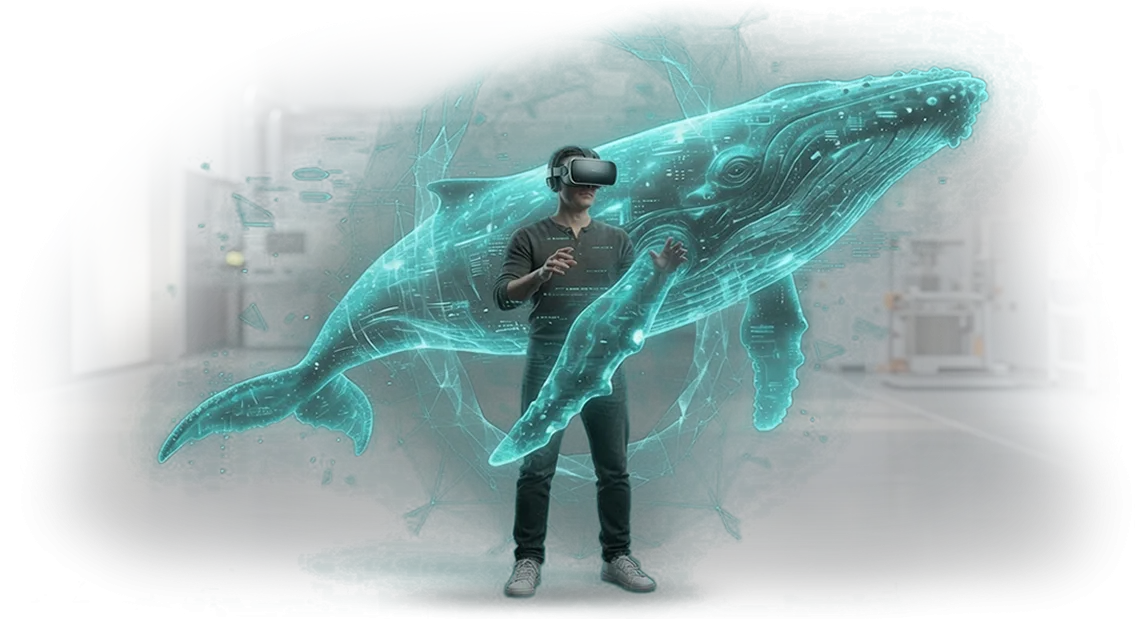
פיתוח אפליקציות VR/AR/MR סוגר את הפער הזה. פתרונות אימרסיביים לעסקים נותנים ללקוח לא תיאור, אלא חוויה: הוא רואה את האובייקט בקנה מידה, משנה חיפוי, מסדר רהיטים, עובר מסלול במרחב העתידי.
ויזואליזציה של אובייקטים הופכת מתמונה לכלי מכירה — ההתנגדות "אני לא בטוח" מאבדת את הבסיס שלה, כי האדם כבר ראה הכל בעצמו.
בהמשך פועלת מעורבות לקוחות. כאשר אדם מקיים אינטראקציה עם המוצר, הוא זוכר אותו טוב פי כמה מאשר לאחר מצגת, וחולק את הרושם ברצון רב יותר. עבור המזמין משמעות הדבר היא מחזור אישורים קצר יותר, פחות תיקונים בשלבים מאוחרים ופחות עסקאות שנכשלו בגלל אי-הבנה.
אנחנו מבצעים פרויקטים כאלה עבור משימה ספציפית: מחלון ראווה אינטראקטיבי למחלקת מכירות ועד סימולטור מלא לעובדים. אנחנו עובדים על ציוד מקצועי וכלים מכוילים — המזמין מקבל תוצאה יציבה, שאפשר להציג ללקוחות כבר מהיום הראשון.
מה הלקוח מקבל ממוצר אימרסיבי
אפליקציה אימרסיבית היא לא "צעצוע יפה", אלא כלי שמשנה את ההתנהגות של הקהל שלכם. קונה, משקיע או גורם מאשר מפסיקים לדפדף במצגות ומתחילים לתקשר עם האובייקט: לעבור בתוך החלל העתידי, לראות איך יתמקם הציוד, להעריך את קנה המידה.
המעורבות בתרחיש כזה גבוהה פי כמה מאשר בווידאו או בחוברת, וזה בא לידי ביטוי ישירות בהמרה של מצגות — ההחלטה מתקבלת מהר יותר ובביטחון רב יותר.
האפקט השני — מהירות האישורים. כשאפשר להציג את הפרויקט בתלת-ממד ולא להסביר על שרטוטים, שאלות שנויות במחלוקת נפתרות בפגישה, ולא בשרשרת של תיקונים ודיונים חוזרים. מחזור האישורים מתקצר, כי כל המשתתפים רואים את אותה תמונה ומדברים על אותו אובייקט. זה חוסך שבועות של זמן לוח שנה בכל פרויקט גדול.
התוצאה השלישית — הכרת המותג. חוויה אימרסיבית נזכרת ומעוררת רצון לשתף: אורחים, שותפים ולקוחות מספרים עליה בעצמם במעגלים שלהם. כך נבנית המוניטין של חברה שמציגה את המוצר שלה בצורה מודרנית ומשכנעת, ולא מספרת עליו במילים.
ולבסוף, אלו ערוצי לידים חדשים. הדגמה בתערוכה, בחדר תצוגה או באתר אוספת אנשי קשר של מי שכבר "נגעו" במוצר שלכם — ופניות כאלה חמות יותר ומגיעות לעסקה לעתים קרובות יותר. אנחנו בונים את המוצר כך שכל אחד מהאפקטים האלה יעבוד עבור העסק שלכם, ולא יישאר הדגמה טכנית.
פורמטים של VR/AR/MR בהתאמה למשימה של העסק שלכם
הפורמט נבחר לא לפי אופנה, אלא לפי המשימה: במקום שבו נדרש מיומנות — עובדת הטבילה, במקום שבו נדרשת בחירה — עובדת ההנחה על המציאות, ובמקום שבו צריך להציג אובייקט בשלמותו — עובדת המציאות המעורבת. להלן שלושה תרחישי בסיס, שמהם מתחילים רוב הפרויקטים שלנו.
| פורמט | למי מתאים | מה נותן לעסק |
|---|---|---|
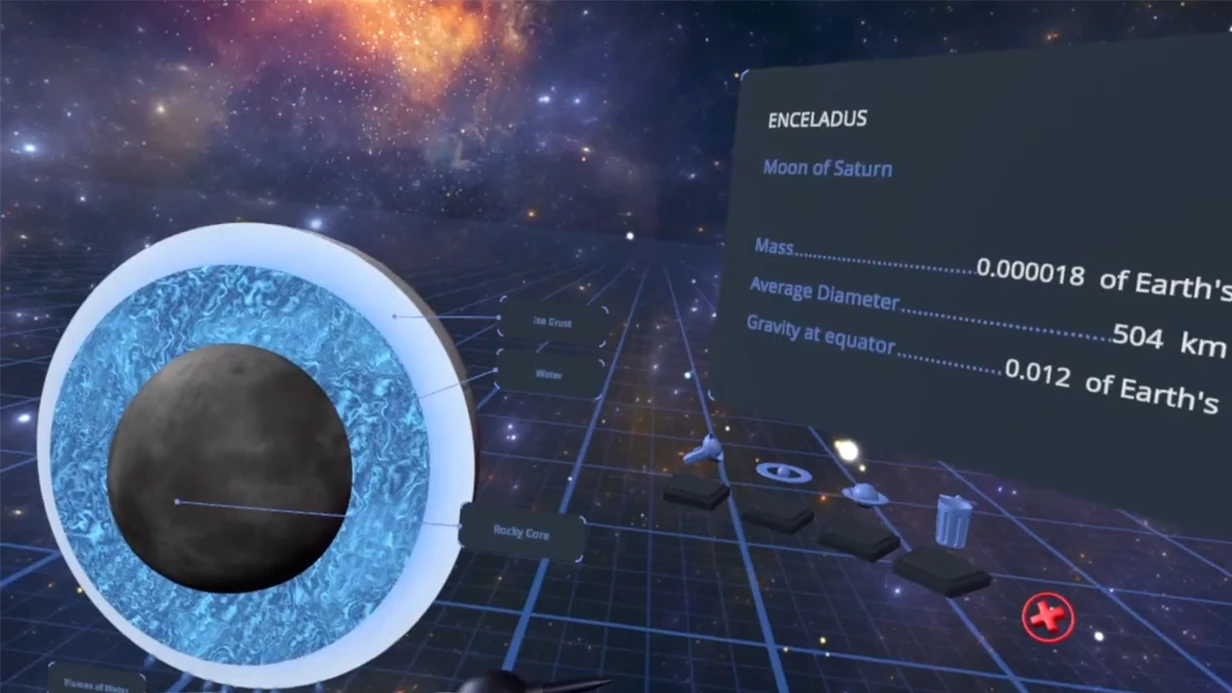
| סימולטור VR | הכשרת עובדים, תהליכים מסוכנים ויקרים | העובד מתרגל פעולות בלי סיכון ובלי לעצור את העבודה: פחות טעויות בשבועות הראשונים, עלויות נמוכות יותר למדריך |
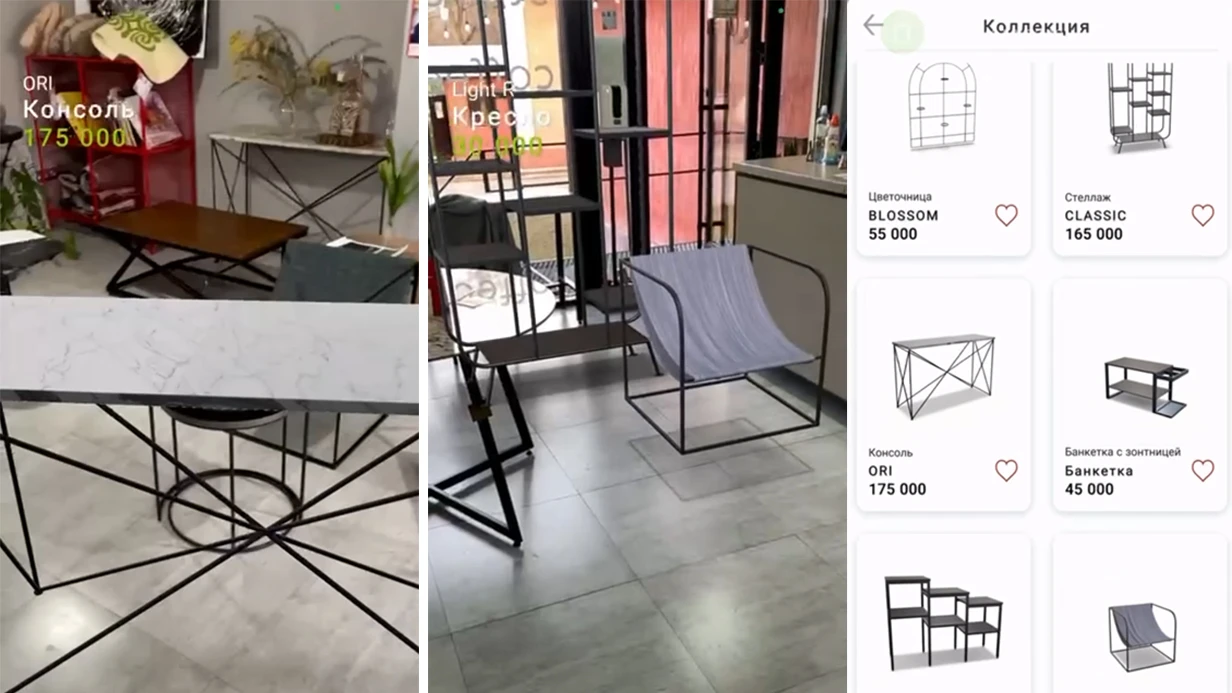
| מדידה וירטואלית AR | מכירות, התאמה והדגמה של מוצר | הלקוח רואה את המוצר "אצלו" לפני הרכישה: פחות החזרות, המרה גבוהה יותר להזמנה, המוכר מבלה פחות זמן בהסברים |
| מצגת MR | מכירות של נדל"ן, ציוד, אובייקטים מורכבים | הלקוח "נכנס" לאובייקט לפני בנייתו: העסקה נדונה באופן ענייני, האישורים מתקדמים מהר יותר |
כיצד לבחור פורמט
צאו ממה שאמור להשתנות לאחר ההטמעה. אם המטרה היא להפחית תאונות ולהאיץ את הכנסת המתחילים לעבודה, בחרו בסימולטור VR. אם צריך להעלות מכירות ולצמצם החזרות — מדידה וירטואלית AR. אם אתם מוכרים משהו שיקר להציג באופן חי (דירה, בית מלאכה, קו ייצור) — מצגת MR.
מה אפשר לשלב
הפורמטים אינם סותרים זה את זה: מוצר אחד יכול לכלול סימולטור לעובדים ומצגת ללקוחות. אנחנו עוזרים לבחור תרחיש שמתאים למשימה שלכם, ולא מתאימים את המשימה לפתרון מוכן.
איך עובר הפרויקט: מהבריף ועד ההשקה
התהליך בנוי כך שתוכלו להבין באיזה שלב נמצא הפרויקט ומה תקבלו בסופו. בלי "חודשים של שקט": בכל שלב יש תוצאה שאפשר לראות, לדון בה ולתקן אותה. גישה כזו חוסכת זמן למנהל ומפחיתה את הסיכון שהאפליקציה המוגמרת תתגלה כמשהו אחר ממה שדמיינתם.
- בריף ומטרות. דנים במשימה במונחים שלכם: אילו עובדים או לקוחות ישתמשו באפליקציה, איזו עבודה היא אמורה לכסות, ואיך תדעו שהתוצאה הושגה. מגדירים תרחישים וקריטריונים להצלחה.
- תוכנית ואומדן. חוזרים עם הערכת לוחות זמנים, שלבים והיקף העבודה. אתם רואים מה ומתי תקבלו, ומקבלים החלטה לפני ההתחלה — בלי התחייבויות ובלי הפתעות בדרך.
- אישור הקונספט. מציגים איך האפליקציה תיבנה ואיזו חוויה יחווה המשתמש. תיקונים בשלב הזה עולים מינימום זמן ומאמץ — לכן אנחנו משיגים בהירות לפני הפיתוח.
- מימוש. בונים את האפליקציה באיטרציות: כל 1-2 שבועות אתם רואים תוצאה עובדת, ולא דוח על שעות שהושקעו. כך אתם משפיעים על המוצר תוך כדי, ולא רק בסוף.
- בדיקות. בודקים תרחישים במכשירים אמיתיים ובתנאים אמיתיים — באתר, באולם, בשטח. מוודאים שהאפליקציה עובדת ביציבות במקום שבו ישתמשו בה.
- השקה והדרכה. פורסים את האפליקציה, מראים לצוות שלכם איך להשתמש בה, ומוסרים תיעוד. אתם מקבלים כלי עובד, ולא אוסף קבצים.
- תמיכה. נשארים בקשר אחרי ההשקה: מפתחים תרחישים, מעדכנים תוכן, ועוזרים בשאלות. רוב הלקוחות חוזרים עם משימות חדשות — חשוב לנו שהפרויקט הראשון יהיה מוצלח.
לוחות הזמנים תלויים בהיקף: אפליקציה פשוטה אפשר להשיק בתוך כמה שבועות, פרויקט מורכב עם אינטגרציות לוקח יותר זמן. אומדן מדויק תקבלו לאחר הבריף — והוא לא ישתנה במהלך העבודה בלי הסכמתכם.
מה ייכלל באספקה
אספקה היא לא אוסף קבצים ולא "גישה למאגר". אתם מקבלים כלי עובד שצוותכם משתמש בו מהיום הראשון: האפליקציה פועלת באתרים שלכם, הצוות הוכשר, ואנחנו נשארים בקשר כל עוד הפתרון מביא תוצאות.
הנה מה שנכלל בחבילה לכל פרויקט:
- אפליקציה מוכנה למשימות שלכם — בנייה למכשירים הנדרשים לכם, מותאמת לתרחישים אמיתיים: הצגת אתר ללקוח, תדרוך בשטח, תיאום שינויים עם קבלנים.
- הכשרת צוות — מפגשים מעשיים עם העובדים שלכם: איך להפעיל, איך להציג ללקוחות, איך לבצע עריכות בתוכן בלי לפנות אלינו.
- תיעוד ברור — הוראות למשתמשים ולמנהלים בשפה אנושית, ולא תמצית מתוך לוגים טכניים.
- העברת קוד המקור והזכויות — הפתרון נשאר הנכס שלכם, אתם לא כבולים אלינו כקבלן בלעדי.
- תמיכת אחריות — תקופה מוסכמת שבה אנחנו מתקנים תקלות ועונים על שאלות בנוגע לתפעול האפליקציה.
- תוכנית פיתוח — המלצות מה לחזק בהמשך: תרחישים חדשים, אתרים, אינטגרציות עם מערכות החשבונאות שלכם.
- סיוע בהפעלה באתר — מלווים את ההצגה הראשונה או המשמרת הראשונה, כדי שהצוות ייכנס לעבודה בלי תקלות.
אנחנו עובדים על ציוד מקצועי וכלים מכוילים — ולכן התוצאה יציבה גם במצגת מול הלקוח וגם בעבודה היומיומית בשטח. במהלך שנות практики השתכנענו: הערך לא מגיע מהטכנולוגיה עצמה, אלא מכמה מהר האנשים שלכם מתחילים להשתמש בה. לכן הכשרה ותמיכה הן לא פורמליות בסוף הפרויקט, אלא חלק מלא ממנו.
אם במהלך הדרך יהיה צורך להרחיב את הפונקציונליות או להוסיף אתר חדש — נדון במשימה ונחזור עם הערכה ותוכנית.
מקרה בוחן: כיצד אפליקציית MR האיצה מכירות של נכסים
יזם של מתחם מגורים מכר דירות לפי שיטה קלאסית: מקדמה, קטלוג תוכניות דירה, מנהל עם מצגת. הקונים לא הצליחו "לראות" את הדיור העתידי — את הגימור, האור, הנוף מהחלון — והלכו לחשוב.
הצענו להרכיב אפליקציית MR שמציגה את הנכס ישירות בחדר התצוגה: הלקוח חובש משקפיים ומוצא את עצמו בתוך דירתו העתידית, מחליף גימור, סידור רהיטים ושעת יום.
מה השתנה לאחר ההשקה
לפני ההטמעה, ההמרה מהצגה להזמנה נשמרה ברמה שלא התאימה לכולם: לקונה היה חסר תחושת "אני גר כאן". לאחר השקת אזור ה-MR, שיעור ההצגות שהסתיימו בהזמנה עלה כמעט פי שניים — הלקוחות קיבלו את ההחלטה ישירות בחדר התצוגה, ולא "לאחר התייעצות עם המשפחה".
משך העסקה התקצר באופן ניכר: בעבר בין הביקור הראשון לחתימה עברו מספר שבועות ופגישות חוזרות, כעת חלק מהקונים הגיעו להסכם באותו היום. המנהלים הפסיקו לבזבז זמן על הסברים אין-סופיים של תוכניות דירה — האפליקציה מציגה הכל באופן חזותי.
מדוע זה עבד
לא עשינו "צעצוע יפה": כל תרחיש באפליקציה קשור לשלב המכירה — מהרושם הראשון ועד לבחירת דירה ספציפית. היזם קיבל כלי שעובד בחדר התצוגה בכל יום ואינו דורש נוכחות של מומחה טכני.
הפרויקט צוין בפרס הענפי Urban Awards — עבור צוות המכירות זה הפך לטיעון נוסף בשיחה עם הקונים. לאחר התוצאות הראשונות הלקוח חזר עם משימה להרחיב את הפתרון לנכס שני — זה המדד הטוב ביותר לכך שההשקעה החזירה את עצמה.
איך לבחור את הפורמט המתאים למשימה?
מתחילים לא מהטכנולוגיה, אלא מהשאלה: מה האדם צריך לעשות ובאילו תנאים. אם עובד צריך לתרגל מיומנות בסביבה בטוחה — זה VR: הוא צולל לסביבה מדומה וחוזר על הפעולה כמה פעמים שצריך.
אם למומחה חשוב לראות הנחיות מעל אובייקט אמיתי — זה AR: הוא מסתכל על מקום העבודה שלו ומקבל את המידע הדרוש ישירות בשדה הראייה. ואם האובייקט קיים פיזית, אבל דורש שינויים חזותיים ועבודה משותפת — מדובר ב-MR לבנייה: האתר האמיתי מתווסף בשכבות דיגיטליות שכולם רואים בו-זמנית.
בשלב הבא מסתכלים על הקהל וההיקף. לאימון של עובד אחד מספיק תרחיש אישי, להצגה ללקוח — פתרון שמרשים ומובן בלי הסברים, לעבודה יומיומית של צוות — כלי שמשתלב בתהליכים הרגילים.
הטעות היא לבחור פורמט לפי העיקרון "זה נראה מרשים יותר": אז הפתרון או עומד ללא שימוש, או לא פותר את המשימה. אנחנו תמיד מתחילים מהמטרה ורק אחר כך בוחרים את הפתרון.
בנפרד כדאי לבדוק היכן המשתמש יעבוד. באתר בנייה אין תנאים אידיאליים: אבק, שמש חזקה, כפפות, זמן מוגבל. זה משפיע על בחירת הפורמט יותר ממה שנדמה, ואנחנו מביאים בחשבון פרטים כאלה בשלב ההתאמה, ולא אחרי ההשקה.
בדיוק בגלל זה אנחנו עושים את התאמת הפתרון יחד איתכם: מנתחים את המשימה, הקהל והתנאים, ואז מציעים פורמט שבאמת יסגור את המטרה.
אם אתם מתלבטים בין VR, AR ו-MR — תארו את המשימה, ואנחנו נחזור עם הערכה ותוכנית: נראה איזה פורמט ייתן תוצאה במקרה שלכם ולמה.
ספקות נפוצים של לקוחות לפני התחלה
ספקות לפני התחלה — חלק נורמלי מקבלת החלטה. במשך יותר מ-10 שנים השקנו עשרות אפליקציות של מציאות מדומה, מציאות רבודה ומציאות משולבת, וכמעט תמיד אנחנו שומעים את אותן שאלות: האם הציוד יתיישן, האם העובדים יסתדרו, מה יקרה אם משהו יישבר. להלן — תשובות כנות ללא ייפוי.
הציוד יתיישן בעוד שנה — נצטרך לעשות הכל מחדש?
אנחנו מתכננים אפליקציות כך שהן ישרדו החלפת מכשירים: הלוגיקה והתוכן מופרדים מדגם ספציפי של קסדה או משקפיים. כאשר יוצאת דור חדש, אנחנו מתאימים את האפליקציה אליו, ולא כותבים מחדש. לקוחות מעדכנים את מלאי המכשירים ללא עצירת העבודה וללא השקעות חוזרות בפיתוח מאפס.
העובדים לא יסתדרו — ההדרכה תימשך שבועות?
את הממשק אנחנו בונים בהתאם למשימות אמיתיות ולרמת ההכנה של האנשים: ככל שפחות פעולות מיותרות, כך האדם מגיע לתוצאה מהר יותר. בדרך כלל עובדים שולטים בתרחישים במשך משמרת-שתיים, ולא במשך שבועות. החבילה כוללת הוראות ברורות וחומרי הדרכה, ובמידת הצורך אנחנו מבצעים את ההשקה יחד עם הצוות שלכם.
מה יקרה אם האפליקציה תישבר או שיידרשו שיפורים?
אנחנו נשארים בקשר לאחר ההשקה: מלווים, מעדכנים ומשפרים את האפליקציה בהתאם למשימות המשתנות. תקלות אנחנו מטפלים לפי עדיפות — קודם כל מה שמפריע לעבודה, אחר כך שיפורים. יש לכם נקודת כניסה ברורה לכל שאלה, ולא חיפוש מפתח מחדש.
הפרויקט יתברר כמיותר ואף אחד לא ישתמש בו?
לכן אנחנו מתחילים מהמשימה, ולא מהטכנולוגיה: בודקים היכן מציאות מדומה ומציאות משולבת באמת חוסכות זמן או משפרות איכות, ורק אחר כך מציעים תרחיש. בהתחלה מתאמים תוצאה מדידה — מהירות, כיסוי, מספר שגיאות — ובודקים מולה לאורך העבודה.
אם נותרו לכם ספקות משלכם — נדון במשימה ונחזור עם הערכה ותוכנית.
נדון במשימה שלכם ונחזור עם תוכנית
תארו את המשימה כפי שהיא נשמעת לכם מבפנים: מהו האובייקט, מי עובד או לומד בו, ואיזו תוצאה נדרשת בסוף. זה מספיק כדי שנחזור עם תוכנית עבודה והערכת פרויקט — בלי סבבי אישורים ארוכים ושאלונים טכניים כבר בהתחלה.
אנחנו עוסקים בפיתוח אפליקציות VR/AR/MR כבר יותר מעשר שנים, והרכבנו צוות שמוביל את הפרויקט כולו: מהשיחה הראשונה ועד ההשקה והתמיכה. אין צורך לחפש קבלנים נפרדים לעיצוב, לתוכן תלת-ממדי ולהרכבה — הכול בתוך צוות אחד.
מה אתם מקבלים לאחר הפנייה
- תוכנית עבודה — שלבים, לוחות זמנים ומה שתראו בכל אחד מהם. ברור היכן אתם מתחברים והיכן אנחנו עובדים.
- הערכת פרויקט — לפי היקף ולוחות זמנים, עם אפשרויות: אפשר להתחיל בפיילוט על אובייקט אחד, ולא להשיק הכול בבת אחת.
- צוות למשימה — מהנדסים, מעצבים ומומחי תוכן תלת-ממדי שכבר עבדו על תרחישים דומים.
- תמיכה לאחר ההשקה — עדכונים, שדרוגים וליווי כשהפתרון כבר בשימוש באובייקט.
- תהליך שקוף — אתם רואים את ההתקדמות בהדגמות, ולא רק בדוחות בסוף.
איך מתנהל השיחה הראשונה
אנחנו מנתחים את המשימה ואומרים בכנות: היכן מציאות מעורבת תיתן תוצאה, והיכן יספיק פתרון פשוט יותר. אם התרחיש לא ישתלם — נגיד זאת ישירות, לפני תחילת העבודה.
כדי להזמין פיתוח, אין צורך להכין אפיון טכני: תארו את המשימה בצורה חופשית. נשאל שאלות הבהרה, נחזור עם תוכנית עבודה והערכת פרויקט — ואתם תחליטו אם להמשיך הלאה או לא.