



VR/AR/MR לתקשורת: למה לקוחות עוברים למתחרים
שוק התקשורת כבר מזמן הפסיק להתחרות על מהירות ומחיר—התעריפים דומים בין הספקים, והכיסוי כמעט זהה. לקוחות הולכים למקום שבו הם מרגישים יותר מעורבים: למפעילים שלא רק מחברים אותם אלא מושכים אותם לתוך המערכת הדיגיטלית של המותג.
ללא פורמטים חדשים של אינטראקציה, חברה מסתכנת להישאר "ספק שירות אפור" שאנשים נוטשים בהזדמנות הראשונה.
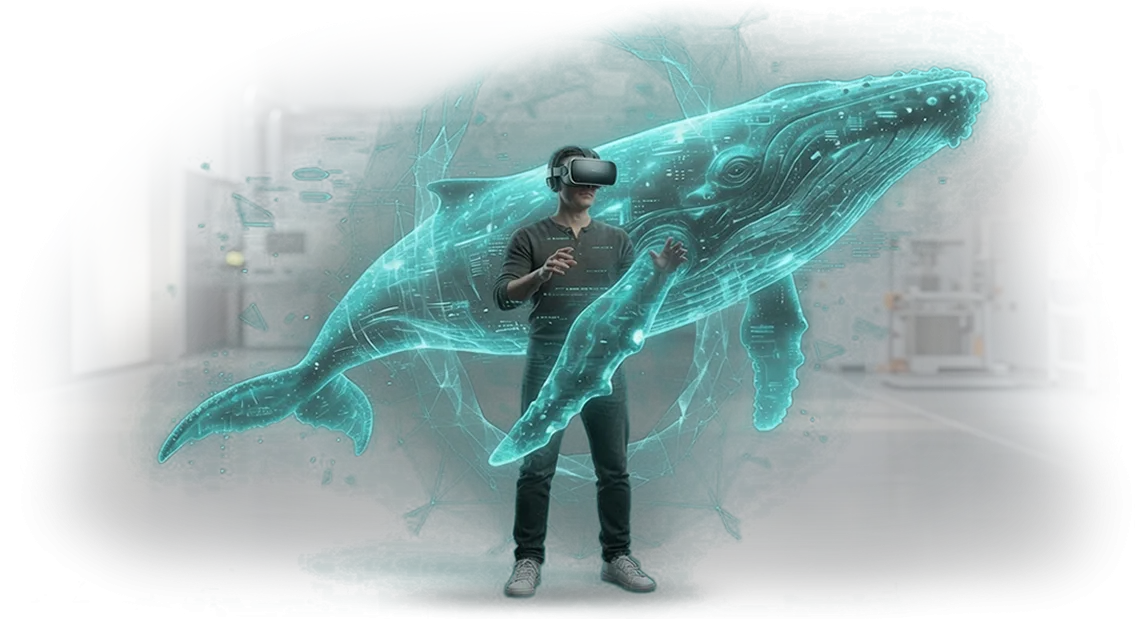
VR לתקשורת פותח את מה שאין למתחרים—חוויה חיה.
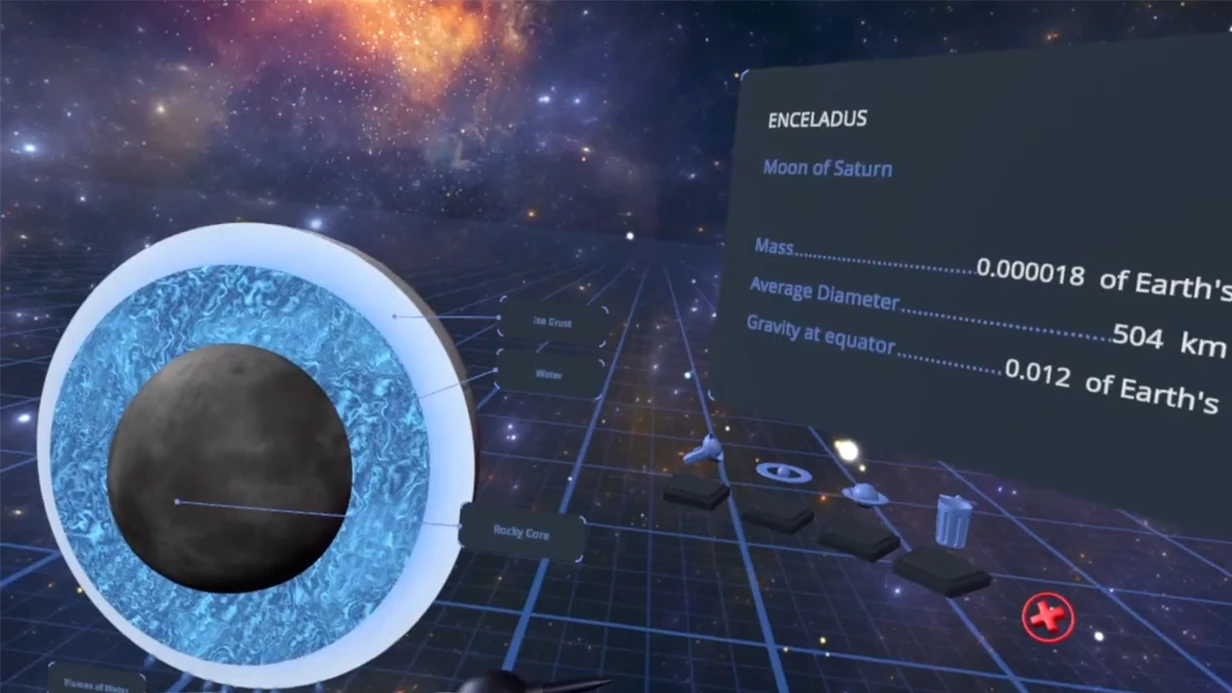
במקום תיאור משעמם של תוכנית או אפשרות, המנוי נכנס לסביבה אינטראקטיבית: הוא יכול "להסתובב" באזור הכיסוי, לראות מהירויות נתונים בזמן אמת, ולבדוק שירותים דיגיטליים לפני ההרשמה.
זה עובד לשימור: לקוחות זוכרים לא ג'יגה-בייט אלא את התחושה של אינטראקציה עם המותג.
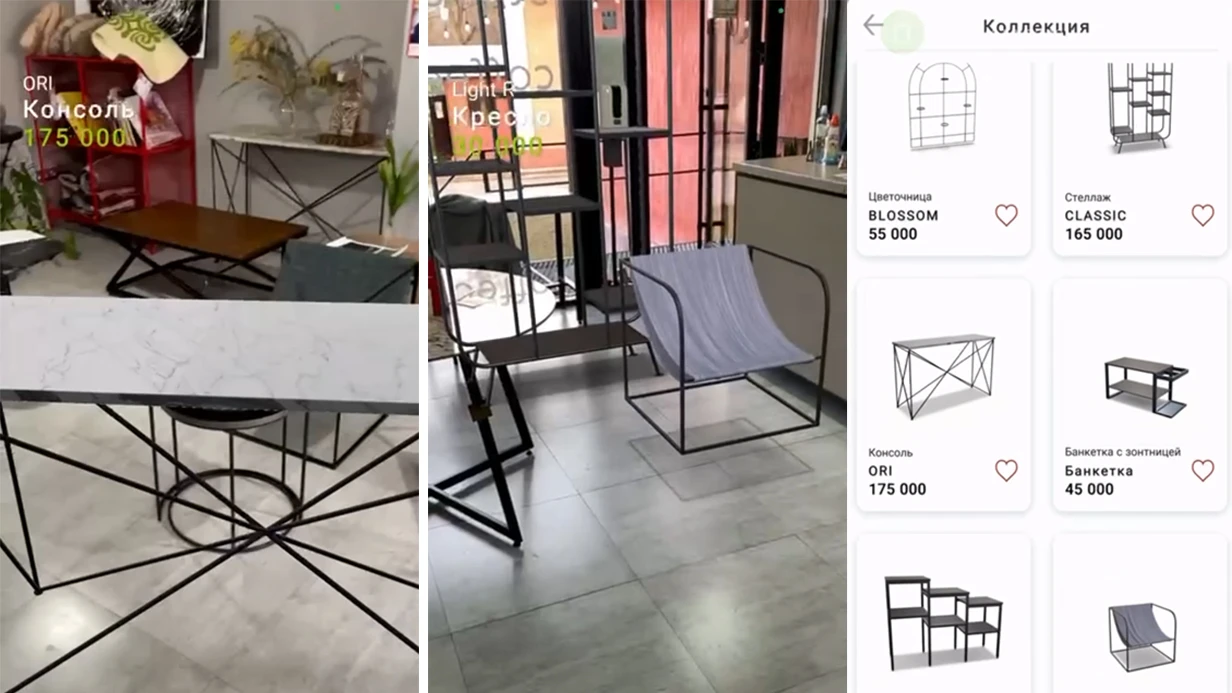
AR למפעילי תקשורת פותר משימות מעשיות: כוון את המצלמה לסמארטפון—וראה את התוכנית המתאימה; למשרד—הערך את אזור הכיסוי; לנתב—קבל הוראות התקנה.
מציאות מעורבת מקצרת את הדרך מעניין לרכישה ומפחיתה את העומס על התמיכה, כי לקוחות מבינים שירותים בעצמם ללא שיחות או צ'אטים.
מפעילים שמאמצים ראשונים יישומי VR לתקשורת מקבלים יותר מסתם קהל נאמן—הם הופכים למובילי טכנולוגיה בעיני המנויים.
ואז לקוחות לא עוברים למתחרים; הם מחכים לחוויות הדיגיטליות הבאות שלך וחוזרים לעוד.
למה מפעילי תקשורת מאמצים VR/AR/MR: 5 יתרונות מרכזיים
מפעילי תקשורת מחפשים דרכים להתבלט בין תעריפים זהים ושירות סטנדרטי. טכנולוגיות מציאות רבודה ווירטואלית מאפשרות להם לא רק להפתיע מנויים אלא להפוך כל אינטראקציה עם המפעיל לחוויה ברורה ובלתי נשכחת. להלן חמישה יתרונות שעסק מקבל מהטמעת VR/AR/MR.
מכירות גבוהות יותר של תוכניות ושירותים
אולם תצוגה וירטואלי מאפשר למנויים "לנסות" תוכנית: לראות כמה ג'יגה-בייט הם צריכים לסרטים ומוזיקה, ואיך נדידה ללא הגבלה עובדת. במקום תיאורים משעממים, לקוחות מקבלים מודל תלת-ממדי חזותי של החוויה העתידית שלהם. זה מגביר את ההמרה בחנויות ומפחית נטישה לאחר ההרשמה.
במציאות רבודה, אפשר להראות כיסוי רשת ישירות על מפת העיר—המנוי מכוון את המצלמה לביתו ורואה את רמת האות. המכניקה הזו לא רק מוכרת אלא גם מפחיתה את העומס על מוקד השירות.
עלויות הכשרת עובדים נמוכות יותר
מומחים טכניים ואנשי מכירות צריכים לשלוט בציוד מורכב ובקווי תעריפים חדשים. במקום הרצאות ארוכות—סימולטורי VR שבהם עובדים מתרגלים תרחישי התקנה או שיחות עם לקוחות. טעויות לא גורמות להפסדים אמיתיים, ומיומנויות נטמעות מהר יותר.
גישה זו מקצרת את זמן הקליטה ומפחיתה הוצאות על מדריכים ונסיעות עסקים.
נאמנות והכרה גדולים יותר במותג
אזורי חוויה סוחפים בחנויות תקשורת מושכים תשומת לב ונותנים לאנשים סיבה להיכנס. מבקר יכול "להסתובב" בדירה עתידית עם מכשירים חכמים או לראות איך הבית שלו ישתפר עם סיבים אופטיים. זה יוצר רגשות שאנשים משתפים ברשתות החברתיות.
כל אינטראקציה כזו היא פרסום חינם למפעיל ועוד סיבה לחזור.
תמיכה טכנית ושירות מהירים יותר
כשמנוי לא יכול להגדיר נתב, הוא לא צריך לחכות לטכנאי—הוראות AR מראות איזה כבל לחבר ואיפה ללחוץ על הכפתור. זה מפחית פניות לתמיכה ומגביר את שביעות רצון הלקוחות.
למתקינים, מציאות רבודה מקרינה את דיאגרמת הרשת ישירות על הציוד. מומחה מוצא את התקלה מהר יותר ומתקן אותה בביקור הראשון.
מקורות הכנסה חדשים
קונצרטים וירטואליים, שידורי ספורט ואירועי חברה—המפעיל יכול להפוך לפלטפורמה לפורמטים כאלה. מנויים מקבלים תוכן ייחודי, והעסק מקבל הכנסה נוספת.
אנחנו כבר מיישמים פרויקטים כאלה, ועוזרים למפעילים להרוויח מטכנולוגיה ולא רק מתעבורה. אנחנו מתאימים את הפורמט למודל העסקי שלך ותומכים בפרויקט מהרעיון ועד ההשקה.
פורמטים של VR/AR/MR לתקשורת: בחר את התרחיש שלך
עבור מפעיל תקשורת, המשימה המרכזית היא לא רק למכור תוכנית אלא להראות את הערך של שירות שקשה להסביר במילים. המנוי לא יכול לראות כיסוי, המהנדס לא יכול להיות ליד כל לקוח, והמנהל מבזבז זמן על ייעוץ חוזר.
VR/AR/MR פותר את זה: הוא הופך נתוני רשת, תעריפים וציוד לתרחישים חזותיים שמערבים גם עובדים וגם לקוחות.
פורמטים של VR/AR/MR נעים ממציאות רבודה ניידת ועד סימולטורים וירטואליים מלאים. הבחירה תלויה במטרה שלך: הדרכה, מכירות, תמיכה או מצגת. להלן מקרי שימוש אופייניים לתקשורת.
| פורמט יישום | למי | מה זה נותן ללקוח |
|---|---|---|
| סימולטור VR למתקינים | מרכז ההדרכה של המפעיל | תרגול מיומנויות בטוח, פחות טעויות, מוכנות מהירה יותר לעבודה בשטח |
| המחשת כיסוי ב-AR | מנהל מכירות | מראה בבירור אזורי כיסוי—הלקוח רואה את היתרון ללא ספק |
| עוזר MR לשירות בשטח | מהנדס באתר | מומחה מרוחק מדריך בזמן אמת, תיקונים מהירים יותר |
| אולם תצוגה וירטואלי לתוכניות | מנוי באפליקציה | "מנסה" מהירות ואפשרויות—ההחלטה מתקבלת ללא יועץ |
| מסכת AR לרשתות חברתיות | קמפיין שיווקי | מערב את הקהל, מגדיל טווח הגעה ויוצר תוכן ויראלי |
נעזור לך לבחור את הפורמט המתאים ולפתח יישום לתרחיש שלך—מרעיון ועד השקה. עבור מפעילים וחברות בתעשיות אחרות, פרויקטים כאלה כבר עובדים—התוצאה נראית בהדרכה מהירה יותר ובהמרה גבוהה יותר.
איך עובד פיתוח יישומי VR/AR/MR: 7 שלבים
פיתוח יישום MR לתקשורת הוא לא משימה חד-פעמית אלא תהליך מובנה שבו כל שלב מקרב אותך לתוצאה ברורה.
בנינו את מחזור החיים של הפרויקט כך שתמיד תדע מה קורה, תשלוט בלוחות זמנים ותשפיע על החלטות ביניים.
-
בריף וצלילה למשימה. אתה מתאר את המטרה שלך—לדוגמה, משיכת מנויים חדשים לתוכנית תעריף או הדרכת עובדים על ציוד. אנחנו חוקרים את הקהל שלך, מקרי השימוש והאילוצים הטכניים כדי להציע פתרון שבאמת עובד.
-
קונספט ותרחיש שימוש. אנחנו מפרטים בדיוק איך המשתמש מתקשר עם היישום: איפה הוא נמצא, מה הוא רואה, אילו פעולות הוא מבצע. אנחנו מסכימים על התרחיש—זה הבסיס שקובע את כל הפיתוח הנוסף.
-
אב-טיפוס ועיצוב ממשק. אנחנו יוצרים אב-טיפוס חזותי שמראה את ההיגיון והמראה של היישום העתידי. אתה רואה איך זה ייראה ויתנהג, ויכול לבצע שינויים לפני תחילת הפיתוח הפעיל.
-
יישום טכני. בשלב זה, מתכנתים, מעצבים ומומחי תלת-ממד בונים את היישום—מגרפיקה ועד לוגיקת שרת. אנחנו עובדים עם ציוד מקצועי כך שהתוצאה תהיה יציבה ומגיבה.
-
בדיקות ואיתור באגים. אנחנו בודקים את היישום על מכשירים שונים, בתרחישים אמיתיים ועם משתמשים שונים. אנחנו מבטלים תקלות ומשכללים את חווית המשתמש—אתה מקבל פתרון שאפשר לסמוך עליו.
-
השקה ותמיכה. אנחנו עוזרים לפרוס את היישום: הגדרה, התקנה על מכשירים, הדרכת הצוות שלך. אנחנו נשארים בקשר כדי להגיב במהירות לשאלות ולמצבים בלתי צפויים.
-
אנליטיקה ואבולוציה. לאחר ההשקה, אנחנו אוספים נתוני שימוש ודנים איך לשפר את היישום—להוסיף פיצ'רים, להרחיב תרחישים, לשלב עם מערכות אחרות. הפרויקט ממשיך לספק ערך.
מה כלול במסירה: חבילה מלאה לפרויקט שלך
מסירה שקופה היא מה שמבדיל קבלן אמין מ"קופסה שחורה." לאחר סיום הפרויקט, אתה מקבל לא רק יישום אלא חבילת עבודה מלאה שמאפשרת לצוות שלך לנהל את המוצר באופן עצמאי ולפתח אותו ללא צורך בנו.
אנחנו קובעים את היקף המסירה בחוזה מההתחלה, כך שאחרי השחרור אין הפתעות או עלויות נסתרות נוספות. הנה מה שכלול כברירת מחדל:
- קוד מקור וזכויות עליו — הקוד הוא כולו שלך, ללא הגבלות וללא דמי רישוי חודשיים.
- מערך תיעוד פרויקט מלא — תיאור ארכיטקטורה, תרחישי שימוש ומבנה נתונים, ברור גם למי שלא השתתף בפיתוח.
- מדריכים למנהל ולמשתמש — הוראות להגדרה, השקה ותפעול יומיומי.
- הדרכה לצוות שלך — אנחנו מקיימים מפגשים אישיים שלאחריהם העובדים שלך עובדים עם תוכן, מעדכנים תרחישים ומוסיפים משתמשים חדשים בעצמם.
- תמיכה טכנית לתקופה מוסכמת — אנחנו מגיבים במהירות לשאלות ומתקנים כל בעיה לאחר ההשקה.
- אינטגרציה עם המערכות שלך — אנחנו מגדירים חילופי נתונים עם CRM, חיוב או אנליטיקה פנימית כך שהיישום עובד יחד עם התהליכים שלך, לא בנפרד מהם.
כל פריט ברשימה זו סוגר אזור סיכון: אתה יודע מראש מה יישאר אצלך לאחר סיום העבודה. אין "הקוד נמצא איפשהו" מעורפל והבטחות מילוליות.
אם תרצה, לפני ההתחלה נכין רשימת מסירה מפורטת לפרויקט הספציפי שלך—פשוט שלח לנו את המשימה. כך תראה את היקף העבודה ואת גודל התוצאה לפני חתימת החוזה.
מקרה בוחן: איך סימולטור VR קיצץ את זמן שירות הלקוחות ב-30%
מפעיל תקשורת גדול נתקל בבעיה אופיינית: עובדים חדשים עשו טעויות בעיבוד שירותים, ולקוחות חיכו 15–20 דקות. הדרכה על מנויים אמיתיים שרפה תקציב ועצבים—כל טעות של מנהל הובילה לשיחות חוזרות. הם היו צריכים פתרון שיאיץ את ההדרכה וישפר מיד את איכות השירות.
פיתחנו סימולטור VR שבו עובדים תרגלו דיאלוגים, יישומי שירות וטיפול במצבים קשים בתרחישים וירטואליים.
הסימולטור חיקה את המסכים האמיתיים של המפעיל ואת קול הלקוח—מנהלים למדו לפעול במהירות מבלי לסכן את המוניטין של החברה. יישמנו גם מודול AR: בטאבלט, מהנדסים ראו רמזים בעת הגדרת ציוד, מה שהפחית ביקורי שטח חוזרים.
התוצאות מדברות בעד עצמן:
- זמן שירות הלקוחות ירד ב-30%—מ-15 ל-10 דקות בממוצע.
- מספר טעויות העיבוד ירד בחצי, ובקשות חוזרות הפכו נדירות ב-40%.
- הדרכת עובדים חדשים הואצה: חניכים הגיעו לפרודוקטיביות מלאה תוך שבוע במקום שלושה.
המקרה הזה מראה: VR/AR בתקשורת הוא לא בידור אלא כלי עבודה שמשפיע ישירות על מהירות ואיכות השירות. עובדים לומדים מהר יותר, לקוחות מחכים פחות, החברה חוסכת בהדרכה ומגבירה נאמנות.
אם אתה רוצה את אותם מדדים—נתחיל בביקורת של התהליכים שלך ונבחר תרחיש למשימה שלך.
איך לבחור פורמט VR/AR/MR למשימה שלך?
בחירת פורמט מתחילה לא בטרנדים אלא בשאלה: איפה המשתמש יעבוד עם מידע? טבילה מלאה בסביבה דיגיטלית היא VR. השלמת אובייקט אמיתי עם רמזים היא AR. אינטראקציה עם מודל דיגיטלי כאובייקט פיזי באתר היא MR.
גישה זו מסירה ויכוחים על "מה עדיף, AR או MR" ומסתכמת בבחירת פתרון לפעולה ספציפית.
הקריטריונים לבחירת פורמט בתקשורת כוללים בדרך כלל שלושה פרמטרים: אופי המשימה, תנאי העבודה של העובד ורמת ההמחשה הנדרשת של נתונים. VR מתאים להדרכת בטיחות ותרגול פעולות על ציוד.
AR מתאים לאבחון ותחזוקה על מגדל תקשורת, כשנתונים מוצגים על ציוד אמיתי. MR מתאים לעבודה משותפת מרחוק של מהנדסים עם מודל רשת.
| פורמט | לאילו משימות תקשורת | מה הלקוח מקבל |
|---|---|---|
| VR | הדרכת עובדים, תרגול תרחישי חירום | עלויות נמוכות יותר למתקני אימון, מוכנות מהירה יותר של עובדים |
| AR | רמזים להתקנה, אבחון, תחזוקת צמתים | פחות טעויות, מהירות עבודה גבוהה יותר, גישה לנתונים ללא נייר |
| MR | עבודה משותפת עם מודל רשת דיגיטלי באתר | פחות שיגורי מומחים, פתרונות ברורים ללקוחות |
איך לבחור VR, AR או MR במקרה ספציפי? הסתכל על מה שהמשימה לא יכולה בלעדיו. אם מסך מספיק—AR לא נחוץ. אם צריך להיות באתר ולשנות את המודל בו-זמנית—MR. אם העיקר הוא תרחיש וריכוז ללא הסחות חיצוניות—VR.
אנחנו בוחרים את הפורמט על בסיס התרחיש, לא להיפך. שלח לנו תיאור של המשימה שלך—נציע פתרון שמשתלם, לא רק מרשים.
שאלות נפוצות על פיתוח VR/AR/MR: טיפול בחששות שלך
לפני הזמנת פיתוח VR/AR/MR לתעשיית התקשורת, רוב הלקוחות שואלים את אותן שאלות. אנחנו עונים על הספקות המרכזיים—ללא ז'רגון טכני, אבל עם התמקדות בתוצאות לעסק שלך.
כמה זמן לוקח פיתוח יישום?
לוחות הזמנים תלויים במורכבות התרחיש ובכמות התוכן. אבל אנחנו תמיד מפרקים את הפרויקט לשלבים עם נקודות ביקורת ברורות—מאב-הטיפוס הראשון ועד ההשקה הסופית. אתה רואה תוצאות ביניים תוך מספר שבועות, לא מחכה "לתוך הריק."
זה לא יקר—ואיך נדע שההשקעה תשתלם?
העלות מחושבת לאחר ביקורת על בסיס הפורמט והמשימות, לא מ"מחירון קבוע." עבור חברות תקשורת, VR/AR/MR בדרך כלל פותר בעיות עסקיות ספציפיות: מציג תוכניות ואפשרויות מורכבות בבירור, מפחית עלויות הדרכת עובדים ומגדיל את זמן השהייה של לקוחות בנקודות מכירה.
אנחנו מחשבים את האפקט הכלכלי יחד איתך לפני ההתחלה—כך אתה מבין מתי הפרויקט יתחיל להשתלם.
האם נוכל לשנות תוכן לאחר ההשקה?
כן. אנחנו מוסרים מערכת ניהול פשוטה שדרכה תוכל לעדכן תוכניות, לשנות תרחישים ולהוסיף חומרים חדשים ללא מעורבות של מפתח. זה לא דורש כישורים טכניים ולוקח דקות—כמו עריכת טקסט בפאנל מוכר.
מה לגבי אחריות ותמיכה?
אנחנו תומכים בפרויקט לאחר ההשקה: מאמנים את הצוות שלך, מתקנים בעיות, עוזרים באינטגרציה ונשארים בקשר. עבור פרויקטי תקשורת, חשוב במיוחד שהכל יעבוד ביציבות בעומסי שיא—אז יש לנו SLA תמיכה ברור. אתה מקבל לא "קופסת קוד" אלא שותפות ארוכת טווח.
אם אתה לא בטוח ש-VR/AR/MR מתאים למשימה הספציפית שלך—שלח לנו תיאור של התרחיש. נבחן אותו בייעוץ חינמי ונראה איפה הטכנולוגיה תניב תוצאות מדידות ואיפה פתרון פשוט יותר מספיק.מוכן לדון בפרויקט שלך? קבל ייעוץ VR/AR/MR
השאר בקשה לייעוץ—וקבל תשובה ישירה על איפה VR/AR/MR יניב תוצאות בעסק שלך. עבדנו עם תעשיית התקשורת שנים: אנחנו יודעים איך טכנולוגיה עוזרת להציג מוצרים, להכשיר עובדים ולהחזיק את תשומת הלב של הלקוחות.
אתה לא צריך להבין בצד הטכני—נתרגם אותו לשפת הערך ולוחות הזמנים.
בייעוץ AR, VR או MR תקבל:
- ניתוח של המשימה שלך: מה להפוך לאוטומטי, להאיץ או להפוך לוויזואלי יותר;
- בחירת פורמט—מציאות וירטואלית, רבודה או מעורבת לתרחיש שלך;
- תוכנית יישום שלב-שלב—מהדמו הראשון ועד השקה מלאה;
- הערכת לוחות זמנים ועלויות—ללא עבודה נסתרת או "הפתעות";
- המלצות לאינטגרציה עם המערכות והשירותים הנוכחיים שלך;
- מפרט טכני אם תחליט להמשיך.
התקשר או כתוב לנו—פנה אלינו דרך כל ערוץ שנוח לך. כדי להתחיל, כל מה שצריך זה 30 דקות: נדון במצבך, נראה דוגמאות מתחום התקשורת ונציע פתרון.
אם המשימה ברורה מיד, אתה יכול להזמין יישום VR או פיתוח MR במפתח מלא—ולקבל גרסה עובדת תוך מספר שבועות בלבד.
אנחנו עובדים מרחוק בכל העולם, כך שהייעוץ זמין מכל מקום. ללא התחייבויות—רק ערך ופרטים. השאר בקשה באתר, ונחזור אליך תוך יום עסקים אחד.