



מדוע תעופה עוברת ל-VR: תרגול ללא סיכונים
חברות תעופה מאזנות כל הזמן בין עלות הכשרת טייסים לדרישות בטיחות הטיסה. כל שעת אימון על מטוס אמיתי או סימולטור טיסה מלא כרוכה בדלק, בלאי ציוד, שכר מדריכים וזמן מוגבל על המטוס.
בינתיים, תרגול תרחישי חירום נדירים הוא החלק היקר ביותר, והסיכון לאנשים ולציוד נותר גבוה.
מה שחסר לרוב לטייסים הוא תרגול מעשי של תרחישים כאלה: כשל מנוע, תנאי מזג אוויר קשים, התנהגות חריגה של מערכות. בחיים האמיתיים, לא ניתן לחזור על מצבים אלה בבטחה, בעוד שסימולטורים קלאסיים מספקים רק התעמקות חלקית ולא תמיד זמינים.
צוותים עשויים לעבור שנים מבלי להיתקל במקרים קיצוניים, וכשהרגע לפעול באופן מיידי מגיע, הניסיון אינו מספיק. כאן בדיוק VR לתעופה סוגר את הפער הקריטי.
סימולטור VR יוצר התעמקות מלאה: הטייס רואה את המכשירים, שומע את הצלילים ומבצע פעולות מוכרות בידיו — בדיוק כמו במטוס אמיתי.
במקביל, כל תרחיש, מטיסה שגרתית ועד חירום נדיר, ניתן לחזרה בלתי מוגבלת, עם רמות קושי מתכווננות ויכולת לעצור בכל נקודה כדי לבחון טעויות.
הכשרת טייסים מתבצעת בסביבה בטוחה שבה טעות עצמית היא הזדמנות לנתח פעולות בפירוט, לא איום על חיים. גישה זו מפחיתה לחץ ומאיצה פיתוח מיומנויות אמינות.
בסופו של דבר, חברות תעופה משיגות לוחות זמנים קצרים יותר להכשרה, חיסכון משמעותי בהפעלת ציוד אמיתי, והכי חשוב — ביטחון במוכנות הצוות למצבים חריגים.
אנו מפתחים פתרונות VR כאלה על חומרת Pico מקצועית, תוך התאמת תרחישים לצרכים של יחידה תעופתית ספציפית — מהליכים סטנדרטיים ועד תרגילי חירום מורכבים.
תרגול ללא סיכון כבר הפך לכלי עבודה, לא לניסוי: הוא משפר את בטיחות הטיסה והופך את הכשרת הטייסים ליציבה וצפויה.
אילו משימות עסקיות פותרות אפליקציות VR/AR/MR
בתעופה, עלות הטעות גבוהה במיוחד: כל שעת תרגול טיסה דורשת דלק, ציוד תקין ומדריכים מנוסים.
אפליקציית VR מעבירה את ההכשרה לסביבה וירטואלית בטוחה — טייסים ומהנדסים מתרגלים מצבים שגרתיים ולא שגרתיים ללא סיכון לאנשים או למטוסים.
גישה זו אינה מחליפה טיסות אמיתיות, אך היא מסירה חלק ניכר מהעומס מסימולטורים וממטוסים.
הטיעון המרכזי לעסקים הוא חיסכון בהכשרה. אותו תרחיש וירטואלי ניתן לחזרה בלתי מוגבלת ללא צריכת משאבים, השכרת ציוד או תפיסת זמן מדריך נוסף.
חברות מפחיתות עלויות הכשרת עובדים בעד 40–60%, ומפנות את הכספים שהתפנו לפיתוח צי ושאר משימות עדיפות.
מהירות ההכשרה גם עולה: עם אפליקציית VR, עובד יכול להיכנס לסביבת הלמידה בכל מקום וזמן נוחים. עובדים חדשים משננים תקנות ורשימות בדיקה מהר יותר, בעוד שצוות מנוסה שומר על מיומנויות מבלי לשבש את לוח הזמנים הראשי.
זה חשוב במיוחד כשצריך להכשיר מחדש צוות במהירות לדגם חדש או כשהנהלים משתנים.
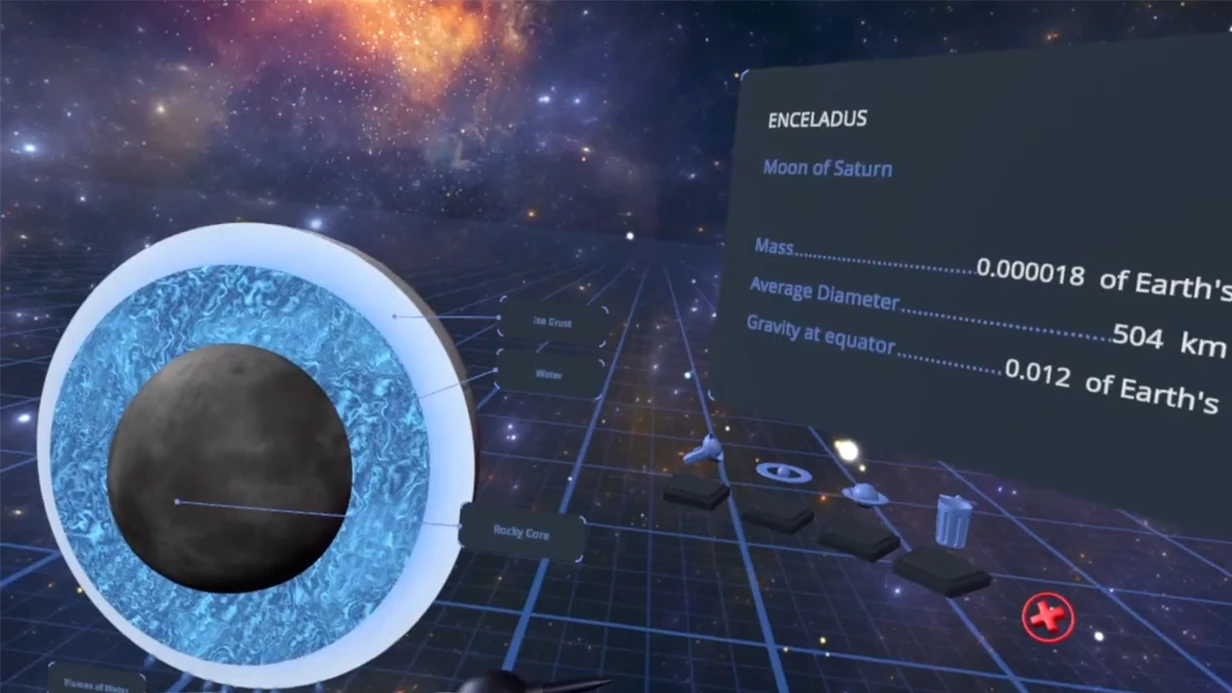
למהנדסים וטכנאים, בהירות חזותית היא ערך ייחודי. ניתן "לפרק" מכלולים מורכבים, מערכות הידראוליות וחשמליות בתלת-ממד, תוך הצגת המבנה הפנימי ורצף הפעולות.
מציאות רבודה מספקת נקודות חיבור ונהלי תחזוקה ישירות על אזור העבודה — ומפחיתה טעויות ואת הזמן המושקע בחיפוש מידע.
כתוצאה מכך, אפליקציית VR הופכת לכלי המשלב בטיחות, חיסכון ומהירות. חברות תעופה, מרכזי שירות ומוסדות חינוך מקבלים תקן הכשרה מודרני שהוא מדיד, ניתן לחזרה ומחזיר את ההשקעה במהירות.
פורמטים של אפליקציות VR/AR/MR לתעופה
תעופה זקוקה לפורמטים הפותרים משימה עסקית ספציפית: האצת הכשרת כוח אדם, הפחתת עלויות הכשרה, שיפור בטיחות טיסה ותחזוקה. VR, AR ו-MR משיגים זאת מבלי להיות תלויים בלוחות זמנים אמיתיים של טיסות וללא סיכון לאנשים או לציוד. אנו מתאימים את הפורמט למטרה שלך — מסימולטור יחיד ועד מערכת הכשרה מקיפה.
| פורמט | למי | מה הוא מספק ללקוח |
|---|---|---|
| סימולטור VR לתעופה | טייסים, אנשי צוות | תרגול מצבים נדירים וחירום ללא סיכון, עם התעמקות מלאה ובקרת תוצאות |
| סימולטור | מרכזי הכשרה, חברות תעופה | הפחתת הוצאות על טיסות אמיתיות, הכשרה מהירה יותר והערכת מיומנויות אובייקטיבית |
| תדרוך VR | צוות טכני, שירות בטיחות | שליטה מהירה יותר בתקנות ונהלים, פחות טעויות במהלך פעולות |
| אפליקציית AR | טכנאי תעופה, מהנדסים | הנחיות שלב-שלב לתיקון ותחזוקה: הוראות המוצגות על גבי ציוד אמיתי |
| תאום דיגיטלי | מחלקות תחזוקה, מהנדסי תכנון | ניתוח מצב מטוס, בדיקת שינויים ואופטימיזציה של שירות ללא גישה פיזית לאובייקט |
זו אינה רשימה מלאה — אנו משלבים פורמטים ומתאימים אותם להיקף המשימה שלך, מסימולטור חד-פעמי ועד מערכת הכשרה קבועה. במהלך פגישה, נציג דוגמאות לתעשיית התעופה ונחשב את העלות בהתאם למטרה ולהיקף ההכשרה שלך.
כיצד אנו מפתחים פתרונות VR/AR: 6 שלבים במפתח
בפיתוח פתרונות VR לתעופה, הסיכון העיקרי הוא קבלת "קופסה שחורה" במקום פרויקט. כשלא ברור מה קורה בין הבריף לבנייה הסופית, לוחות הזמנים נפגעים והתוצאה אינה עומדת בציפיות.
אנו מבנים את התהליך אחרת: בכל שלב, אתה רואה מה אתה מקבל, מה זה עולה ומתי זה יהיה מוכן.
אנו עובדים על בסיס "מפתח" — מהשיחה הראשונה ועד מסירת הפתרון המוגמר ותמיכה שוטפת. להלן ששת השלבים שכל פרויקט עובר, כך שתקבל כלי למשימות שלך, לא הדגמה מופשטת.
-
בריף והתעמקות. אנו לומדים את המשימה שלך: הכשרת כוח אדם, תרגול תגובת חירום, הצגת ציוד. אנו מגדירים מטרות, קהל וקריטריוני הצלחה כדי שכל הצדדים ידברו באותה שפה.
-
קונספט ותוכנית. אנו מציעים תרחיש שימוש ב-VR/AR, בוחרים חומרה ומגדירים לוחות זמנים. אתה מקבל מסמך המתאר את ההיגיון והשלבים — לפני השקעת כסף בפיתוח.
-
אישור אב-טיפוס. אנו מראים כיצד הממשק והאינטראקציה ייראו לפני תחילת העבודה המרכזית. בשלב זה, הלקוח יכול לבצע שינויים ללא עלויות נוספות.
-
פיתוח הפתרון. אנו בונים את המוצר: סצנות וירטואליות, לוגיקת פעולה, אינטגרציה עם החומרים והמערכות שלך. אנו מסנכרנים את כל השלבים איתך ולא נעלמים לחודשים.
-
בדיקה על חומרה אמיתית. אנו מוודאים תרחישים על המכשירים שבהם תשתמש בפועל. אנו מאתרים ומתקנים שגיאות לפני ההשקה, לא כשהמשתמשים כבר עובדים עם המערכת.
-
השקה, תדרוך ותמיכה. אנו מאמנים את הצוות שלך, מוסרים תיעוד ברור ונשארים בקשר. אם נדרשים שיפורים נוספים, אתה יודע בדיוק למי לפנות.
התהליך בנוי כך שאתה שולט בהתקדמות הפרויקט במקום לחכות לתוצאה בעיוורון. כל שלב מסתיים בתוצר ברור: מסמך, אב-טיפוס, גרסה עובדת.
זה מסיר את החששות העיקריים של הלקוח — החמצת מועדים, תיקונים נסתרים ותוצאה שאינה תואמת את הבריף. אתה מקבל תהליך צפוי וכלי עובד למשימות תעופתיות.
מה כלול במסירה של פתרון VR/AR
כשמרכז הכשרה תעופתי מזמין סימולטור VR, חשוב להבין שהתוצאה אינה רק האפליקציה עצמה. הרכב המסירה קובע אם תוכל לעדכן שיעורים, להציג סוגי מטוסים חדשים ולהכשיר מדריכים בעצמך.
אנו מבנים את המסירה כלולאה סגורה: אפליקציה, תיעוד, הכשרה וחומרי מקור.
החבילה הסטנדרטית כוללת:
- אפליקציית VR מוכנה לשימוש המותאמת לתוכניות הכשרת טייסים וצוות הנדסי. היא מותקנת ומוגדרת עבור תצורת החומרה שלך, כך שההכשרה יכולה להתחיל ביום המסירה.
- תיעוד מלא: מדריכי משתמש, נהלי תחזוקה, הוראות עדכון ותיאורים של כל תרחישי ההכשרה לקטגוריות עובדים שונות.
- הכשרת צוות: מדריכים, מנהלים ומומחים טכניים משלימים קורס מעשי. אתה מקבל צוות מוכן המנהל את המערכת באופן עצמאי ומתאים תרחישים לצרכיו.
- חומרי מקור וקבצי פרויקט: מודלים תלת-ממדיים, הגדרות סימולציה ותיעוד ארכיטקטורת הפתרון. זה מבטיח עצמאות מהקבלן ומאפשר פיתוח עתידי.
- רישיון שימוש ותמיכה טכנית עם זמן תגובה קבוע ועדכונים מתוזמנים. התמיכה כלולה במסירה כך שלא תצטרך לחפש מפתחים בכל עדכון מערכת.
- תדרוך בטיחות והמלצות לארגון חללי עבודה למתאמנים ומדריכים, כולל דרישות שטח ותקנים סניטריים.
חבילה כזו מסירה את סיכוני היישום העיקריים: אינך תלוי בספק יחיד, אתה יכול להעביר תיעוד בקלות בין משמרות, ולהציג למבקרים סט מלא של נהלים.
המסירה הופכת לשלב הכשרה מלא, לא רק לרכישת טכנולוגיה — וזה הבסיס לפעולה יציבה של פתרון VR בתעופה.
מקרה בוחן: סימולטור VR להכשרת כוח אדם
תעופה היא ענף שבו כל טעות עולה הרבה. הכשרת כוח אדם על ציוד אמיתי קשה: יש סיכון לתקלות, מספר מוגבל של מטוסים זמינים ומחזורי הכשרה ארוכים.
זו בדיוק הבעיה שפתר הסימולטור התעופתי שיישמנו עבור לקוח על חומרת Pico.
הלקוח נזקק להכשרת מומחי טיפול קרקעי ותרגול מצבי חירום. בעבר, מיומנויות כאלה תורגלו על מתקני אימון, מה שלקח זמן רב ודרש נוכחות מדריך.
העברנו את התרחישים המרכזיים לסביבה וירטואלית: העובד ממוקם בתוך מצב מציאותי, מקיים אינטראקציה עם ציוד ומקבל החלטות — בדיוק כמו בעבודה אמיתית.
מה השתנה
התוצאות הראו שיישום VR מחזיר את ההשקעה כבר עם קבוצת ההכשרה הראשונה. הזמן לתרגול תרחיש אחד ירד משעה לחמש עשרה דקות — המתאמן מרכיב את המשקפת ומיד מתחיל לתרגל, ללא המתנה למתקן או מדריך.
מספר הטעויות במהלך נהלי חירום ירד בכמעט חצי, מכיוון שבסביבה הווירטואלית ניתן לחזור על התרגיל עד שהוא הופך לאוטומטי, ללא סיכון לציוד או לאנשים.
הרחבת הפרויקט
ההזמנה החוזרת ראויה לציון מיוחד. לאחר שראה את המדדים, הלקוח הרחיב את הפרויקט לקטגוריות כוח אדם אחרות: כיום הסימולטור משמש להכשרת לא רק שירותי קרקע אלא גם צוות קבינה למצבים לא שגרתיים.
מקרה VR זה מראה שסימולטורים תעופתיים המבוססים על חומרה מודרנית אינם ניסוי אלא כלי עבודה המספק ערך מדיד וממשיך לגדול.
שאלות נפוצות על יישום VR/AR בארגון
כל חברה השוקלת VR/AR בפעם הראשונה נתקלת באותן שאלות. לוחות זמנים, תאימות לתהליכים קיימים, ערבויות ובטיחות הם מה שמדאיג מנהלים לפני תחילת הפרויקט. להלן תשובות לנושאים שהלקוחות שלנו דנים בהם לרוב.
אנו עובדים עם ארגונים בגדלים שונים — ממרכזי הכשרה ועד מפעלים תעופתיים — ולכן אנו עונים לא באופן מופשט אלא על סמך ניסיון יישום אמיתי.
כמה זמן לוקח ליישם VR/AR?
הכל תלוי במורכבות המשימה. מודול הכשרה פשוט ניתן להשיק תוך 2–3 שבועות, בעוד שסימולטור מקיף המשולב במערכת מעקב לוקח 1–2 חודשים.
בתחילת הדרך, אנו מרכיבים תוכנית ברורה עם שלבים ונקודות בקרה כדי שתוכל לראות התקדמות ולדעת מתי תקבל את התוצאה.
האם קשה לשלב VR/AR בתהליכים הנוכחיים של החברה?
התפקיד שלנו הוא להבטיח שהיישום לא יעצור את הפעילות. אנו מנתחים את התרחישים שלך מראש ובוחרים חומרה ותוכנה התואמים לתשתית הקיימת שלך. אתה מקבל פתרון מוכן שמשוגר עם מעורבות מינימלית של מחלקת ה-IT שלך.
אילו ערבויות אתם מספקים?
הערבות מכסה את הפונקציונליות של הפתרון ואת תוצאת ההכשרה המתועדת. אם משהו משתבש, אנו מתקנים אותו ללא תשלום במסגרת ההיקף המוסכם.
לאחר ההשקה, יהיה לך ערוץ תמיכה: מומחה זמין בשעות העבודה ועדכוני תוכן לפי בקשה.
האם VR/AR בטוח לעובדים?
כן, כל עוד מקפידים על הנהלים. אנו משתמשים בציוד מוסמך ומגדירים תרחישים כדי למנוע עומס על המערכת הווסטיבולרית. מפגשי משקפת כוללים הפסקות ומגבלות זמן — זה מצוין בהוראות שאנו מספקים עם הפרויקט.
האם ההשפעה הכלכלית תהיה מורגשת?
עובדים רוכשים מיומנויות מהר יותר ועושים פחות טעויות על ציוד אמיתי. ההכשרה אינה צורכת חומרים, והציוד אינו בסיכון. כתוצאה מכך, עלויות ההכשרה יורדות והבטיחות באתר עולה — זה נראה כבר בחודשים הראשונים לפעילות.
כיצד לבחור את פורמט ה-VR/AR המתאים למשימה שלך?
בחירת פורמט VR/AR אינה עניין של טרנדים אלא של המשימה. לתעופה, ההבדל הוא מהותי: ללמד טייסים לפעול במצב חירום ולעזור למהנדסים לטפל במטוס מהר יותר הם תרחישים שונים לחלוטין.
לכן איננו מוכרים "סתם VR" — אנו מתאימים VR למשימות של מחלקה ספציפית כדי שלא תשלם יותר מדי או תבזבז זמן על הכשרה לא יעילה.
התעמקות מלאה מוצדקת במקום שבו יש לתרגל נהלי חירום, פעולות בתא הטייס או אינטראקציה עם מערכות על-קרקעיות — ללא סיכון לאנשים או לציוד.
מציאות וירטואלית נותנת לעובד מצב מציאותי, ואימון חוזר על סימולטור וירטואלי עולה פחות מאשר על סימולטור אמיתי. אם המשימה היא פיתוח מיומנויות מואץ לצוות, VR הוא הבחירה שלך.
מציאות רבודה פותרת בעיה אחרת — היא עובדת ישירות על האובייקט האמיתי. מהנדס רואה רמזים מודגשים ורצף פעולות על מנוע או לוח מבלי לעצור כדי לחפש הוראות.
זה נוח לתחזוקה, בדיקות לפני טיסה ובקרת איכות: העובד פועל כאן ועכשיו במקום להיזכר בנהלים מהזיכרון.
בפועל, הבחירה מסתכמת בשלוש שאלות: היכן מתבצעת ההכשרה, כמה אנשים צריך להכשיר, וכמה פעמים התוכנית משתנה. VR להכשרת צוות שגרתית מתקפל בקלות רבה יותר: ניתן לשכפל תרחיש אחד לכל מספר מכשירים.
לעבודה חד-פעמית על ציוד ספציפי, AR מתגלה כפתרון מהיר וזול יותר. אנו עוזרים בבחירת הפורמט בפגישה אחת — מהגדרת המשימה ועד פרויקט פיילוט.
לא בטוח איזה פורמט מתאים לך? שלח לנו תיאור של תהליך ההכשרה או התחזוקה שלך — תוך 2–3 ימים נציע שתיים או שלוש אפשרויות עם הערכת עלות ולוח זמנים ליישום.
השלב הבא: בואו נדון במשימה שלך ונחשב את העלות
אנו מבינים שיישום פתרון VR בתעופה הוא צעד משמעותי. חשוב לא רק לקבל הדגמה אלא גם להבין בבירור את התקציב, לוחות הזמנים ושלבי העבודה.
לכן אנו מציעים דרך פשוטה: השאר בקשה באתר — ונשוחח על המשימה שלך, נציע את הפתרון האופטימלי ונכין הערכת עלות.
כיצד תעבוד שיתוף הפעולה שלנו:
- אתה משאיר בקשה ל-VR — מתאר בקצרה למה נדרשת האפליקציה: הכשרת טייסים, סימולטור לצוות טכני, בדיקת מטוס וירטואלית או מצגת ללקוחות.
- אנו עורכים ייעוץ ראשוני: מבהירים מטרות, מספר משתמשים, תרחישי שימוש ודרישות חומרה.
- המומחים שלנו בוחרים את הפורמט המתאים — מסימולטור פשוט ועד מערכת הכשרה ארגונית מלאה המתחשבת בנהלים שלך.
- אתה מקבל הערכת עלות שקופה: פירוט לפי שלבים, לוחות זמנים והיקף עבודה. ללא עמלות נסתרות או אותיות קטנות.
- לאחר הסכמה, אנו מכינים את החוזה ותוכנית ההשקה. בכל שלב, אתה רואה תוצאות ביניים ויכול לבצע שינויים.
לוחות הזמנים והתקציב תלויים במורכבות התרחיש: סימולטור אחד או שניים לפעולות סטנדרטיות הוא טווח אחד, בעוד שמערכת מקיפה למספר סוגי מטוסים היא טווח אחר. אבל בכל מקרה, תקבל תוכנית ברורה ומספרים כנים.
כדי לדעת את העלות ולוחות הזמנים, אין צורך להכין מפרט טכני. פשוט תאר את המשימה במילים שלך, ואנחנו נמשיך משם. השאר בקשה — ובשלב הבא נדון כיצד לפתור את המשימה שלך עם VR.