

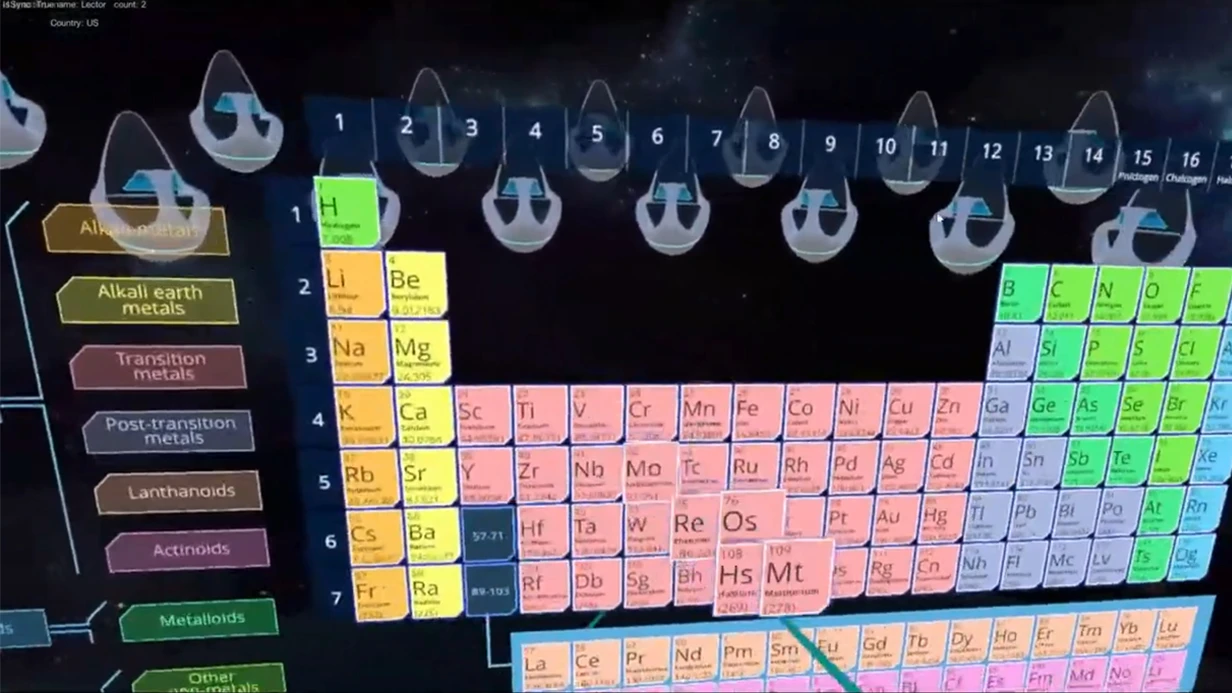


מחקר מדעי דורש דיוק: אפליקציות VR לאיסוף נתונים
איסוף נתונים מדויק ושמיש הוא הבסיס של כל מחקר מדעי. עם זאת, שיטות קלאסיות תלויות לרוב בתנאי הניסוי, בפעולות האישיות של הנבדק ובזמן הנדרש להכנה.
התוצאה היא שגיאות שקשה לבטלן וניסויים שלא ניתן לחזור עליהם במקום אחר באותה רמת דיוק.
אפליקציות VR משנות את הגישה: החוקר מקבל סביבה מבוקרת לחלוטין שבה ניתן לשנות פרמטרים, לתעד תגובות ולאסוף נתונים אובייקטיביים ללא אובדן.
משתתף הניסוי מקיים אינטראקציה עם אובייקטים וירטואליים באופן טבעי כמו בחיים האמיתיים — בעוד כל אלפית שנייה וכל פעולה מתועדת אוטומטית. זה פותח אפשרויות חדשות בפסיכולוגיה, רפואה, ארגונומיה ותחומים מדעיים נוספים.
האתגר המרכזי אינו רק בחירת ציוד VR, אלא יצירת אפליקציה שתואמת את ההשערה, המתודולוגיה ודרישות הדיוק. מעבדות רבות נוטשות את הטכנולוגיה משום שפתרונות מוכנים אינם מותאמים לצרכי החוקר. במקום לזרז את עבודתם, הם נתקלים בקשיים נוספים.
אנו מפתחים אפליקציות VR למחקר מדעי על מכשירי Pico, תוך התחשבות במאפייני הניסוי שלך: מהכנת תוכנית הסשן ועד לכיול הנתונים.
יחד איתך, אנו מגדירים את המדדים שיש לתעד, יוצרים את התרחיש ומגדירים את המערכת כך שתקבל נתונים בפורמט נוח — מיד לאחר סיום המחקר, ללא עיבוד ידני ממושך.
כתוצאה מכך, הצוות שלך חוסך מאמץ בארגון הניסוי, מקבל תוצאות שניתנות לשחזור ומרחיב את גבולות המחקר. ואנחנו לוקחים על עצמנו את פיתוח פתרון ה-VR ואת התמיכה בו בכל השלבים — מהרעיון הראשון ועד לניתוח הנתונים הסופי.
מה אפליקציית מחקר VR מביאה לפרויקט שלך
מחקר נתקל לעתים קרובות במגבלות העולם האמיתי: קשה להבטיח תנאים ניתנים לשחזור, יקר לשנות פרמטרים וקשה להציג תוצאות חזותית.
VR מסיר את המגבלות הללו — המעבדה עוברת לסביבה וירטואלית שבה אתה שולט בתרחיש והנתונים נאספים אוטומטית.
דיוק מוגבר
בסביבה וירטואלית, כל משתנה מבוקר: תאורה, קול, תנועת אובייקטים והתנהגות הנבדק. כל המשתתפים עוברים תרחישים זהים, והמערכת מתעדת אוטומטית תגובות ופעולות.
זה מפחית את השפעת הגורם האנושי ומגביר את מהימנות המסקנות — דבר שבתנאים רגילים דורש עשרות חזרות.
ניסויים מהירים יותר
הכנת תרחיש ב-VR אורכת ימים במקום שבועות. אין צורך לבנות מתקנים פיזיים מחדש, להזמין חומרים או לחכות לזמן מעבדה — ניתן לבדוק השערה חדשה מיד. סדרות ריצות מתרחשות בזו אחר זו, ואתה מקבל משמעותית יותר נתונים באותו תקציב.
הדמיה ברורה של נתונים אינטראקטיביים
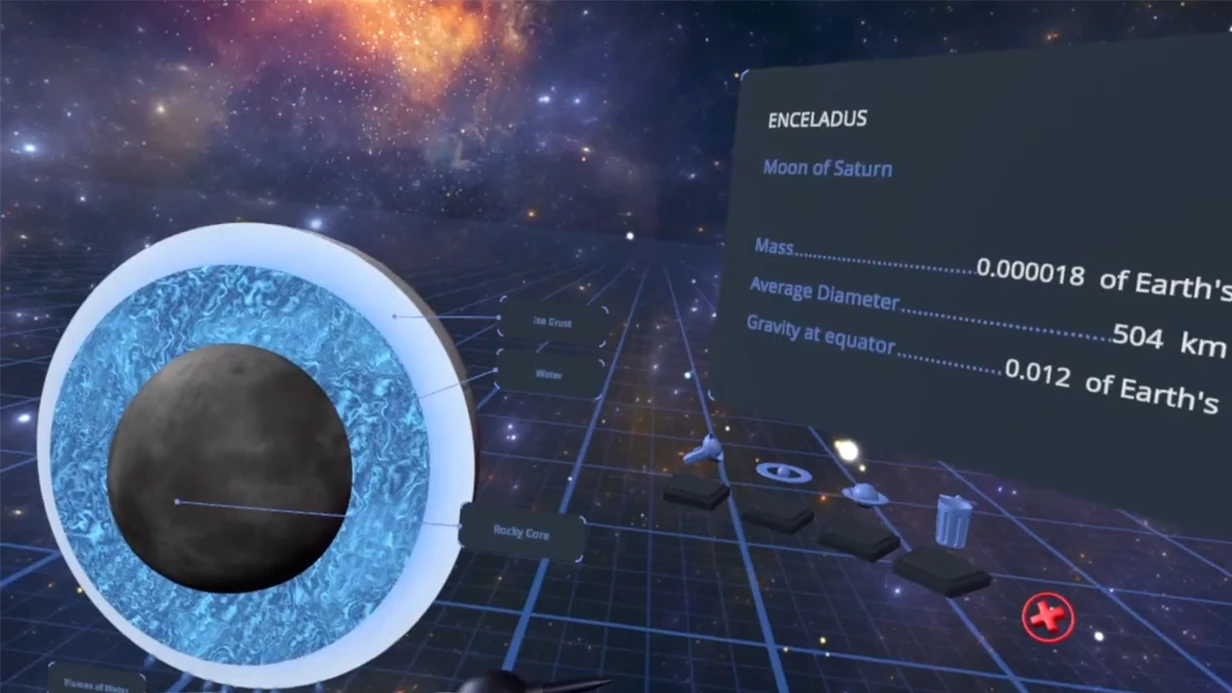
תוצאות המחקר אינן רק טבלה. ב-VR ניתן לראות מודלים תלת-ממדיים של תהליכים, דינמיקת תנועה, מפות חום של קשב ומסלולי מבט. הדגמה כזו ניתנת להצגה בקלות למנחה, שותף או לקוח — וניתן להסכים על הצעדים הבאים מהר יותר.
חיסכון במשאבים
מעבדה וירטואלית אינה דורשת ציוד יקר, חומרים מתכלים או נסיעות, וחלק מהניסויים ניתנים לביצוע מרחוק.
אנו מפתחים אפליקציות למשימות מחקר ולפלטפורמות VR מרכזיות, כולל Pico, כך שתקבל תוצאות מדידות עם הוצאה מינימלית של זמן ותקציב.
פורמטים של אפליקציות VR: מסימולציה לניתוח אינטראקטיבי
VR במחקר מדעי אינו רק "תמונה יפה", אלא כלי ניהולי לניסויים. סימולציה מאפשרת לחזור על תנאי ניסוי מאות פעמים, תוך ביטול הגורם האנושי והסיכונים של ציוד אמיתי.
ניתוח אינטראקטיבי עוזר לראות נתונים היכן שהעין אינה מגיעה — ממבנים מולקולריים ועד זרימת נוזלים.
כיצד לבחור פורמט למשימה שלך
אנו בוחרים את הפורמט בהתאם לשאלות המחקר שלך: מה בדיוק צריך למדוד, עם מי הנבדק מקיים אינטראקציה ואיזה נתונים אתה רוצה לקבל כפלט. זה קובע אם האפליקציה תהיה סימולטור סביבה, מאמן או כלי הדמיה. הטבלה מציגה תרחישים אופייניים.
| פורמט VR | למי הוא מיועד | מה הוא נותן ללקוח |
|---|---|---|
| סימולציית סביבה מדעית | חוקרים של תהליכים פיזיקליים, כימיים וביולוגיים | שחזור מדויק של ניסויים, בקרת משתנים ונתוני ניסוי בזמן אמת |
| ניתוח נתונים אינטראקטיבי | צוותי מחקר העובדים עם מערכי נתונים מורכבים | הדמיה ברורה של מודלים ותהליכים, פרשנות מהירה יותר של תוצאות |
| מאמן וירטואלי | מעבדות ומרכזי הכשרה | תרגול מיומנויות בטוח ללא צריכת ריאגנטים או סיכון לציוד |
| מעבדה מרובת משתמשים | צוותים בין-תחומיים | עבודה משותפת של חוקרים מארגונים שונים במרחב וירטואלי אחד |
עבור כל אחד מהפורמטים הללו, אנו מעצבים את הממשק סביב המשימה המדעית: אנו מתעדים פעולות משתמש, אוספים מדידות ומייצאים אותן בצורה נוחה לניתוח. הלקוח מקבל כלי עבודה, לא הדגמת טכנולוגיה — זו הנקודה המרכזית.
כיצד עובד פיתוח אפליקציות VR למחקר מדעי
פרויקט מדעי דורש יכולת חיזוי: חשובים לך לוחות זמנים, עמידה במתודולוגיה והיכולת להתערב לפני השחרור הסופי.
לכן, אנו מבנים את הפיתוח כתהליך שקוף, שלב אחר שלב, עם אישור בכל שלב — מהבריף הראשון ועד להשקה ולתמיכה שוטפת.
- בריף והבנת המשימה. אנו דנים ביעדי המחקר, בקהל, בנתונים הצפויים ובאילוצים. אתה מתאר את המתודולוגיה וההשערות שלך — אנו מתעדים את קריטריוני ההצלחה ומגבשים חזון משותף לפרויקט.
- קונספט ומפרט טכני. אנו ממסדים מקרי שימוש, לוגיקת אינטראקציה ורשימת מדדים מדידים. אתה מאשר את המסמך שכל העבודה הנוספת נשענת עליו — זה מגן מפני פערים בלתי צפויים בציפיות.
- תוכנית ולוח זמנים. מפת דרכים עם שלבים, אבני דרך ומועדים. אתה רואה מתי יהיו מוכנים אב הטיפוס, גרסת הבדיקה והגרסה הסופית ויכול לתכנן את המחקר בהתאם.
- אב טיפוס. אנו יוצרים אב טיפוס עובד של התרחיש המרכזי — ניתן לבדוק אותו על נבדקים אמיתיים או ציוד מעבדה. בשלב זה, שינוי הלוגיקה זול בהרבה מאשר לאחר פיתוח מלא.
- פיתוח ובדיקה איטרטיבית. אנו בונים את האפליקציה המלאה ומציגים תוצאות ביניים באופן קבוע. אתה שומר על בקרה מתודולוגית ומתאים פרטים — הממשק, מהירות הצגת הגירויים ושיטות רישום הנתונים.
- השקה ותמיכה. אנו מסייעים בפריסה על מכשירים, מאמנים את הצוות שלך ותומכים בפרויקט לאורך תקופת האחריות. אם המחקר נמשך, אנו מתאימים את האפליקציה להשערות חדשות.
לוח הזמנים תלוי במורכבות התרחישים ובמספר הפלטפורמות, אך אתה מקבל הערכה ריאלית כבר לאחר הבריף — עד שבוע לעיצוב ומשלושה שבועות לאב טיפוס.
כל שלב מסתיים בשלב אישור, כך שאתה תמיד מבין את מצב הפרויקט ואת מה שתקבל כתוצאה.
מה כלול במסירת אפליקציית VR לצוות שלך
כאשר אתה מזמין אפליקציית VR למחקר מדעי, חשוב להבין: אתה מקבל לא רק תוכנה, אלא כלי עבודה לצוות שלך.
אנו מבנים את המסירה כך שתוכל להתחיל להשתמש בפתרון מיד, ללא "הגדרות" נוספות על ידי המומחים שלך.
הנה מה שכלול:
- אפליקציית VR עובדת המותאמת למשימות המחקר שלך: התרחיש הנדרש, הממשק ולוגיקת איסוף הנתונים.
- הכשרה לצוות שלך: מפגש מעשי שבו העובדים לומדים כיצד להפעיל, לתפעל ולהריץ תהליכי עבודה אופייניים עם האפליקציה.
- תיעוד ברור: הוראות התקנה, הגדרה ותפעול באנגלית, כולל תיאורים של כל הפונקציות והשגיאות האפשריות.
- תמיכה בהשקה: אנו מסייעים בריצות הראשונות, עוזרים לחבר ציוד ומוודאים שהכל עובד כראוי.
- גישה לעדכונים: לתקופה מוסכמת, אתה מקבל תיקונים ושיפורים ללא עלות נוספת.
- חומרי מקור: נתונים שנאספו על ידי האפליקציה במהלך המחקר — בפורמט נוח לניתוח נוסף.
- פוטנציאל לפיתוח נוסף: אם מתעוררות משימות חדשות במהלך הניסוי, אנו מבצעים שינויים מהירים בלוגיקה או בממשק.
בסופו של דבר, אתה מקבל לא "תוכנה גולמית" אלא פתרון שלם שעובד בפועל במעבדה. החוקרים שלך מתמקדים במדע במקום להבין פרטים טכניים — וזה חוסך זמן ועצבים לכל הצוות.
מקרה בוחן: כיצד אפליקציית VR סייעה למעבדה
אחת ממעבדות הלקוחות שלנו חקרה זיכרון מרחבי והתמצאות. בעבר, נבדקים ביצעו משימות באתר פיזי: זה היה איטי, קשה היה לשנות תרחישים, וכל בדיקה צרכה משאבים משמעותיים. החוקרים איבדו שבועות על הכנה, והנתונים היו לא אחידים עקב גורמים חיצוניים.
פיתחנו עבורם אפליקציית VR על משקפי Pico — מכשיר שאינו דורש מחשב חזק וניתן להגדירו בחדר רגיל. הנבדק נכנס למבוך וירטואלי, והמערכת מתעדת אוטומטית את המסלול, הזמן בכל צומת ומספר השגיאות. המעבדה קיבלה מיד תקן אחיד לכל משתתפי המחקר.
תוצאה אמיתית, לא רק הדגמה
זמן הכנת הניסוי ירד משבועיים ליום אחד: תרחישים משתנים ללא סידור רהיטים, ונתונים מועלים אוטומטית.
בשלושה חודשים, החוקרים ערכו פי שלושה יותר סשנים מאשר בחצי השנה הקודמת, וכל משתתף שני נרשם שוב — אינדיקטור נדיר לעבודה מדעית.
החשוב מכל, המדענים הפסיקו לבזבז זמן על משימות שגרתיות. הם אוספים יותר דגימות, מכינים פרסומים מהר יותר ומרחיבים את הניסוי לערים אחרות: האפליקציה עובדת באופן זהה על כל משקפי הסדרה.
זה חיזק את האמון, והמעבדה הזמינה שלב שני של המחקר — עם תרחישים חדשים ומדגם גדול יותר.
מה אם יש לי דרישות ספציפיות לאפליקציית VR?
דרישות ספציפיות במחקר מדעי הן הנורמה, לא החריג. לכל פרויקט יש פרוטוקולים, השערות ופרמטרי מדידה משלו, כך שפתרונות סטנדרטיים rarely מתאימים.
בדיוק למקרים כאלה בנינו את תהליך הפיתוח שלנו: בשלב הראשון, אנו מנתחים בפירוט את המתודולוגיה שלך, פרוטוקול הניסוי והמדדים שיש לאסוף, ולאחר מכן דנים כיצד אפליקציית VR יכולה לתת מענה למשימות אלה.
עבורנו, התאמה אישית מתחילה לא בממשק, אלא בהבנת תוכן המחקר. אנו שואלים שאלות: מי הם הנבדקים, מה בדיוק צריך להציג, אילו פרמטרי תגובה מתועדים ואילו תנאי ניסוי הם קריטיים.
התשובות הופכות למבנה אפליקציה שיכול לכלול תרחישי גירוי ייחודיים, שיטות רישום נתונים ופורמטי פלט תוצאות. בסופו של דבר, אתה מקבל לא "סוס עבודה" לשימוש כללי, אלא כלי המשקף את עיצוב המחקר שלך.
חשוב גם שאנו אחראים לתוצאה, לא רק למסירת קוד. האפליקציה חייבת לפעול ביציבות במהלך סשנים של שעות רבות, להסתנכרן כראוי עם ציוד חיצוני (אם נדרש) ולהפיק נתונים התואמים לתוכנית הניתוח שלך.
כדי להבטיח זאת, אנו מסכימים מראש על סובלנות ודרישות ייצוא, ומתכננים סובלנות לתקלות — כך שלא יהיה צורך להפעיל מחדש את הניסוי עקב כשל טכני ברגע הקריטי ביותר.
הניסיון מראה שרוב משימות המחקר מתאימות לפתרונות מותאמים ללא אובדן ערך מדעי. אנו לא חוששים מדרישות מורכבות — להיפך, משימה לא סטנדרטית נותנת לנו הזדמנות ליצור מוצר שימושי באמת.
אם הפרוטוקול שלך דורש תצורת אינטראקציה נדירה עם חומרה, תרחיש מסירת גירויים לא סטנדרטי או פורמט רישום נתונים מיוחד — בוא נדון בכך במהלך ייעוץ ונציע תוכנית יישום ספציפית.
הדבר העיקרי שאתה מקבל הוא שקט נפשי. אנו נשארים בקשר בכל השלבים: מהמפרט הטכני ועד לתמיכה בהשקה. דרישות ספציפיות לא יפתיעו אותנו; הן יהפכו לבסיס שסביבו נבנה הפתרון.
כתוב לנו על המשימה שלך — יחד נקבע כיצד אפליקציית VR יכולה לחזק את המחקר שלך ואילו צעדים יהפכו את ההשקה למהירה וצפויה.
שאלות נפוצות על פיתוח אפליקציות VR
פיתוח אפליקציות VR עבור Pico למחקר מדעי אינו בידור; זה כלי מדידה. לכן, בשלב טרום ההזמנה, לקוחות שואלים לרוב על לוחות זמנים, תאימות לציוד מעבדה ושחזור נתונים. אנו עונים על השאלות המרכזיות — ישירות, ללא סטיות טכניות.
להלן התשובות לשאלות שלקוחות שואלים לרוב לפני תחילת העבודה. אם השאלה שלך לא מופיעה כאן, נשלח לך תשובה מפורטת תוך יום עסקים אחד.
כמה זמן לוקח לפתח אפליקציית VR למחקר?
לוח הזמנים תלוי במורכבות התרחיש ובדרישות הנתונים. בתחילת הדרך, אנו מגבשים אב טיפוס — תוך 4 עד 6 שבועות — כך שתוכל להעריך את הריאליזם והנוחות של הניסוי.
פתרון מלא למחקר שוטף אורך בדרך כלל 2–3 חודשים, כולל בדיקות עם נבדקים אמיתיים.
האם אתם יכולים לשלב VR עם הציוד ומערכות איסוף הנתונים שלנו?
כן. אנו עובדים עם ציוד VR מקצועי התומך בשיטות החלפת נתונים סטנדרטיות. בשלב הבריף, אתה שולח לנו תיאור של המתקנים שלך — אנו מסכימים על פרוטוקולים ומכינים פתרון שמעביר מדידות למערכת שלך ללא הזנה ידנית.
כמה מדויקים ושמישים הנתונים שאתם מספקים?
יכולת שחזור חיונית למחקר. אנו קובעים תנאים זהים לכל הנבדקים ומתעדים פרמטרי תנועה, פעולות ותגובות בתדירות הנדרשת.
במידת הצורך, אנו מוסיפים נקודות בקרה כדי שתוכל לוודא את מהימנות התוצאות בכל שלב של הניסוי.
מה קורה לאחר ההשקה — כיצד עובדת התמיכה?
אנו לא נעלמים לאחר מסירת הפרויקט. אנו מאמנים את הצוות שלך, מספקים תיעוד ונשארים זמינים לשיפורים נוספים. אם מתעוררות השערות חדשות במהלך המחקר, אנו מבצעים שינויים מהירים בתרחיש מבלי לשנות את מבנה הנתונים הבסיסי.
הזמן אפליקציית VR לפרויקט שלך
במחקר מדעי, חשוב לא רק להשיג נתונים, אלא גם להציג אותם לעמיתים, מבקרים ומשתתפי ניסוי. אפליקציית VR על Pico הופכת מודל מופשט למרחב שבו הנבדק מקיים אינטראקציה עם אובייקטים בזמן שאתה מקבל מדדים נקיים.
אנו מפתחים אפליקציות כאלה סביב המתודולוגיה שלך, לא סביב תבנית מופשטת — זה מקצר את זמן היישום ומגביר את מהימנות התוצאות.
לפני תחילת העבודה, אנו דנים בפרויקט ללא עלות, מבהירים את יעדי המחקר ובוחרים את הפתרון המתאים. אתה מקבל אפליקציה עובדת, הוראות לצוות שלך ותמיכה בכל השלבים — מהגרסה הראשונה ועד לדוח הסופי.
אם עדיין לא החלטת על פורמט הניסוי, נייעץ לך אילו תרחישים מתאימים ביותר להשערה שלך.
מה אתה מקבל בהזמנת פיתוח מאיתנו:
- ייעוץ עם מומחה ממשקי VR ייעודיים לניסויים מדעיים;
- תכנון תרחיש וארכיטקטורה המותאמים למתודולוגיית איסוף הנתונים שלך;
- התאמה לדגם Pico ספציפי ולתנאי המעבדה;
- בדיקות עם נבדקים אמיתיים עם שילוב תיקונים לפני ההשקה;
- הכשרת הצוות שלך לשימוש באפליקציה ותמיכה טכנית לאחר המסירה;
- שלבים שקופים ומועדים קבועים — אתה יודע את הסטטוס בכל נקודת בקרה.
השאר בקשה לייעוץ — נדון במשימה שלך ונראה כיצד פתרון VR משתלב בתהליך המחקר. זה לא מחייב, אבל תדע בדיוק את תוכנית הפעולה ואת העלות המחושבת לאחר בדיקה.