



מדוע נדל"ן נמכר מהר יותר עם מצגת VR
קונים לא בוחרים מטרים רבועים, אלא את התחושה של חיים עתידיים.
תמונות רגילות ותוכניות קומה לא מעבירות אור, מרחב, או איך הבניין נראה מבחוץ — ולכן נדל"ן לרוב לוקח יותר זמן למכירה, ולקוחות הולכים לאלה שידעו להציג את הנכס בצורה חיה וברורה יותר.
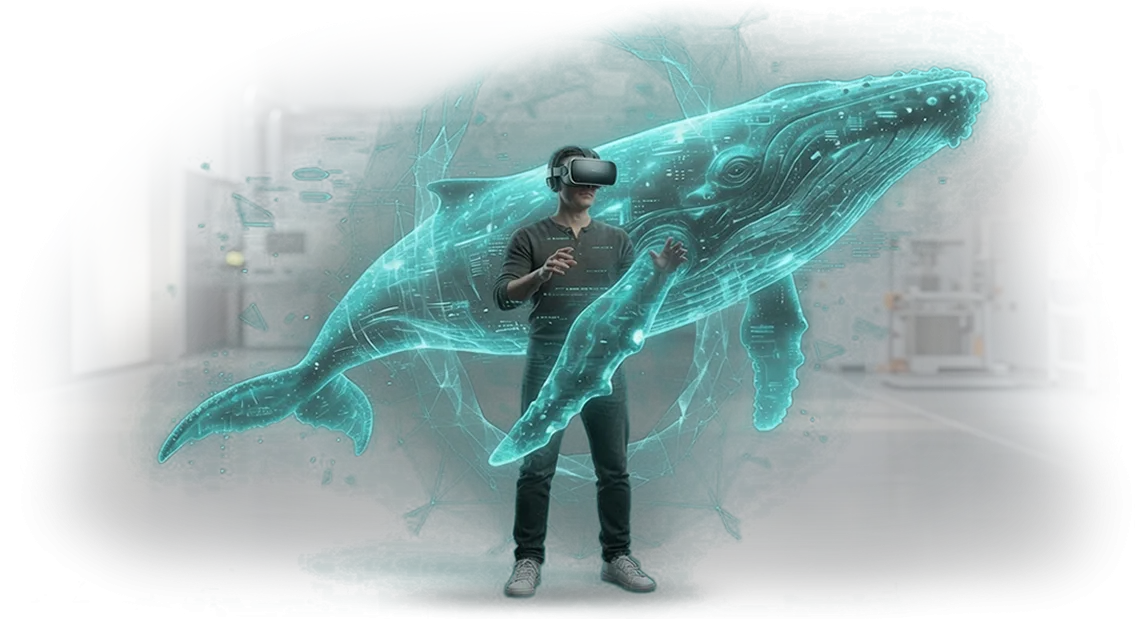
VR לנדל"ן פותר את זה: אדם מרכיב משקפיים ומוצא את עצמו בתוך דירה שעדיין לא נבנתה.
הם הולכים בין חדרים, מעריכים נופים מהחלונות, מסובבים את הראש ורואים את החלל בקנה מידה אמיתי — זה מעורר רגשות אמיתיים ואמון שסיור תלת-ממדי סטטי על מסך לא יכול לספק.
הצגת דירה וירטואלית חשובה במיוחד בשלב היסוד או כשמוכרים דירות על הנייר. במקום עשרות שאלות כמו "מה גובה התקרה כאן?" או "לאיזה כיוון החלון פונה?", הקונה רואה ומרגיש הכל בעצמו. הם לא צריכים לדמיין — הם רק צריכים להשוות ולבחור.
מצגת VR של נכס מזרזת את העסקה: פחות ביקורים פיזיים, אחוז גבוה יותר של הזמנות אחרי הפגישה הראשונה, והחלטות חוזמה מהירות יותר.
יתר על כן, אתם בולטים מול מתחרים — לקוחות זוכרים חברות שנתנו להם לחוות דיור עתידי בקצות האצבעות.
עבור יזמים ומשרדים, זה גם כלי מכירה ללא מגבלות גיאוגרפיות: קונה מעיר אחרת יכול "להיכנס" לדירה מהעיר שלו, ומשא ומתן עם משקיע מתרחש ללא נסיעה לאתר הבנייה.
אנחנו מייצרים מצגות VR כאלה במפתח מלא — ממדידה ועד השקה — והלקוח מקבל כלי עבודה שמייצר לידים.
מה מקבלים מהצגות וירטואליות
סיור וירטואלי הופך ביקור בדירה לאירוע שאנשים רוצים לזכור ולהעביר הלאה.
במקום תמונות שטוחות ותיאורים ארוכים — חלל חי שבו הקונה בוחר את המסלול שלו: מציץ לחדר השינה, מעריך את הנוף מהחלון, רואה את תוכנית הקומה בקנה מידה אמיתי.
טבילה כזו יוצרת חיבור רגשי לנכס, ורגשות הם מה שלרוב מניע החלטת רכישה.
הטווח גם גדל: אפשר להזמין קונה מעיר אחרת או אפילו ממדינה אחרת להצגה וירטואלית בלי לחכות שיגיע. מתווך מציג את הנכס לעשרות משפחות בו-זמנית במקום לבזבז ימים על פגישות אישיות.
אלה שכבר ראו את הסיור מגיעים לביקור פיזי עם כוונה מוכנה — והעסקה לוקחת פי כמה פחות זמן.
נכסים שאפשר "למדוד" לפני הרכישה נמכרים הכי מהר. סיורי VR מפחיתים את מספר הנסיעות המיותרות ונותנים לקונים ביטחון: הם כבר יודעים לאן הם הולכים.
כתוצאה מכך, אתם מבזבזים פחות זמן על הצגות, מתמודדים עם פחות סירובים אחרי ביקור, וסוגרים עסקאות מהר יותר.
זה לא רק פורמט נחמד, אלא כלי מכירה עובד: מצגת רגשית מעלה מעורבות, טווח רחב מביא יותר אנשים מתעניינים, וחיסכון בזמן מאיץ כל שלב במשפך.
הזמינו סיור VR לנכס שלכם וקבלו חומר מכירה מוכן — איתו, הנכס מוכר את עצמו.
פורמטים של פרויקטי VR לנדל"ן
כשקונה בוחר דירה, הוא מסתמך על תחושת המרחב: תוכנית קומה, נופים מהחלונות, זרימת אור.
תמונות ותוכניות קומה מספקות מספרים יבשים, בעוד פורמט VR נותן את הרגש של נוכחות — אדם מסתובב בדירה לפני שהיא בכלל נבנתה, או חוזר לנכס שאהב בלי להזמין ביקור נוסף.
לנדל"ן אנחנו משתמשים בשלושה פורמטים בסיסיים. הם מכסים את כל מחזור המכירה: מהתעניינות ראשונית ועד סגירה.
| פורמט | למי זה מיועד | מה זה נותן ללקוח |
|---|---|---|
| פנורמת 360 | דירות מוכנות, חללים מסחריים | חיסכון בביקורים: הקונה "מסתובב" בנכס מכל מקום. זמן הצפייה מצטמצם, טווח הקהל גדל — קל לשתף את הקישור |
| סיור תלת-ממדי אינטראקטיבי | פרויקטים חדשים בבנייה | מכירות לפני סיום הבנייה: הקונה רואה תוכניות קומה, נופים מהחלונות וגימורים. האמון ביזם עולה, פחות התנגדויות של "משהו לא בסדר בתכנון" |
| סיור VR מודרך | מחלקות מכירות, משרדים | מנהל עובר עם הלקוח בדירה, עונה על שאלות במקום. מעורבות גבוהה יותר, פחות התנגדויות, קל יותר להגיע לסגירת עסקה |
עבור מתחמי מגורים, אנחנו משלבים פורמטים: פנורמות של יחידות מוכנות ומודלים תלת-ממדיים של חלקים שעדיין לא נבנו. הקונה בוחר "בחיים" במקום מתוך PDF — וחוזר אליכם, לא למתחרה.
צרו קשר כדי לבחור את הפורמט לנכס שלכם. נספר לכם מה ייקח פחות זמן ויביא יותר לידים מכל ביקור.
איך אנחנו בונים פתרון VR ב-5 שלבים
אנחנו עובדים עם נדל"ן כבר שנים ואנחנו יודעים: מה שחשוב ליזם הוא לא הפורמט עצמו, אלא התוצאה — מכירות מהירות בלי הוצאות על חדרי תצוגה פיזיים וביקורי שטח.
לכן אנחנו מריצים כל פרויקט במסלול קצר ושקוף שבו אתם שולטים בהחלטות מפתח ואנחנו מטפלים בכל התהליך — מרעיון ועד השקה.
-
בריף ויעדי פרויקט. אנחנו מגדירים למי נוצר פתרון ה-VR: קוני דירות, משקיעים, סוכנים. אנחנו קובעים מה חשוב יותר — הגדלת טווח, קיצור זמן אישור, או האצת עסקאות. בפלט, אנחנו מספקים מפרט טכני ברור עם משימות ותוצאות צפויות.
-
אישור תסריט. אנחנו מציגים את המבנה של הסיור העתידי: אילו חדרים, קומות, נופי חלונות ותוכניות קומה ייכללו באפליקציה. בשלב זה, אתם מאשרים את לוגיקת הניווט ונקודות השיא המרכזיות שיעזרו לקונים לקבל החלטה.
-
פיתוח אפליקציית VR. אנחנו יוצרים מודלים תלת-ממדיים ריאליסטיים ומרכיבים תסריט עם רמזים אינטראקטיביים: הדגשות תוכנית קומה, שינויי גימור, הדגמות תשתית. אתם מקבלים גרסאות עבודה כל כמה ימים ורואים את הפרויקט הופך למוצר מוגמר.
-
בדיקות וליטוש. אנחנו בודקים את התסריט על מכשירי Pico אמיתיים ורואים איך אנשים חסרי ניסיון משתמשים בו. אנחנו מסירים כל מה שמפריע — רמזים לא ברורים, זמני טעינה ארוכים, בקרות מסובכות. האפליקציה חייבת לעבוד בצורה אמינה גם בידיים של קונה רחוק מטכנולוגיה.
-
השקה ותמיכה. אנחנו מוסרים את הפתרון המוגמר, מאמנים מנהלים וסוכנים, ועוזרים לשלב את סיור ה-VR במצגות, בתערוכות ובמחלקת המכירות. אנחנו מספקים תמיכה לאחר ההשקה: מעדכנים תוכן, מוסיפים מבנים ותוכניות חדשות כשצריך.
בסופו של דבר, אתם מקבלים לא רק "פיתוח אפליקציית VR", אלא כלי עבודה שמוכר את הנכס גם בלי ביקור באתר הבנייה.
אנחנו מיישרים כל שלב ביצירת סיור ה-VR איתכם אישית — אתם רואים את המוצר לפני ההשקה הסופית ויכולים לבצע התאמות בלי לפספס מועדים.
מה כלול במסירה: ממודל ועד הדרכה
המסירה של פתרון VR לנדל"ן היא לא רק מודל תלת-ממדי מוכן. זה כלי מכירה עובד שעובד פותח ומציג ללקוח ביום הראשון.
אנחנו מוסרים חבילה מלאה — מהנכס המעובד ועד הכשרת הצוות שלכם — כך שתוכלו להתחיל להשתמש בו מיד במקום להבין הגדרות.
מה כלול במסירה של פתרון VR לנדל"ן:
- מודל תלת-ממדי מדויק של הנכס. דירות, תוכניות קומה, חומרי גימור, תאורה ונופי חלונות — כל מה שלקוח יראה במהלך ביקור אמיתי ניתן להציג גם בשלב הבנייה. זה מסיר את ההתנגדות העיקרית "לא ברור מה תהיה התוצאה".
- אפליקציה מוכנה לשימוש לנכס שלכם. ניווט קומה-אחר-קומה, מעבר בין תוכניות ומצבי "גמור / לא גמור" — הממשק ברור גם למנהלים וגם ללקוחות. אין כפתורים מיותרים או הגדרות מסובכות.
- הוראות והנחיות. מדריכים קצרים על הפעלה, עבודה עם הציוד ופעולות שגרתיות. כל עובד יכול להתמצא גם בלי ניסיון קודם ב-VR.
- הכשרת צוות. מפגש מעשי שלאחריו המנהלים שלכם מריצים ביקורים בעצמם ועונים בביטחון על שאלות. אין צורך להעסיק מפעיל נפרד או מומחה טכני.
- אחריות ותמיכה. אנחנו עוזרים בהשקה, מתקנים בעיות במהירות ושומרים על הפתרון פעיל. אם תוכניות הקומה או הקונספט משתנים, אתם יודעים למי לפנות.
בסופו של דבר, אתם מקבלים לא "פרויקט גולמי" אלא כלי מוכן שעובד להכנסות שלכם מהיום הראשון. החבילה מתוכננת כך שהצוות שלכם לא יצטרך להבין או לשפר דבר בעצמו.
מקרה בוחן: איך עזרנו למכור דירות לפני סיום הבנייה
עבור יזם שמכר דירות בבניין שעדיין לא הושלם, הבעיה העיקרית הייתה אי-ודאות. לקוחות ראו בור חפירה או אתר בנייה אבל לא יכלו לדמיין איך תיראה הדירה. זה דחה את ההחלטה: אנשים עזבו "לחשוב על זה" ולעתים קרובות לא חזרו.
הצטרפנו בשלב שבו מחלקת המכירות כבר איבדה תנועה. הצוות שלנו יצר סיור VR של הדירות העתידיות והסביבה: לקוחות "הלכו" בין חדרים, הדליקו אורות, פתחו את נוף המרפסת ומיד ראו את המידות.
אין צורך לחכות לסיום הבנייה או להסתמך על הבטחות של מנהל — הכל מול העיניים.
מה השתנה במכירות
הצגת ה-VR הפכה לחלק ממשפך המכירות ולא לגימיק. המנהל נותן למבקר משקפיים ל-10–15 דקות, ובזמן הזה ההתנגדויות העיקריות נפתרות — "לא ברור", "המידות לא נכונות", "אני לא יודע איך נראה הנוף". אחרי הסשן, הלקוח דן בתוכניות ספציפיות במקום ברכישה מופשטת.
תוצאות היישום
מדדים מדידים אישרו את הערך של הגישה. ההמרה מביקורים לעסקאות עבור דירות עם תמיכת VR גדלה פי אחד וחצי עד פי שניים בהשוואה לייעוץ רגיל.
חלק מהלקוחות הזמינו דירות באותו יום, וביקורים חוזרים הפכו מטיול לכלי מכירה עובד.
עבור היזם, זה אומר צמיחה בהכנסות בלי להרחיב את מחלקת המכירות ובלי הנחות. הבניין הושלם, ואנשים עברו לדירות שבחרו במשקפיים. מאז, יצרנו VR לכמה פרויקטים אחרים בבנייה — הדפוס חוזר על עצמו.
איך לבחור פורמט VR לנכס שלכם?
איך לבחור פורמט VR לנדל"ן תלוי לא בטכנולוגיה אופנתית, אלא במה הלקוח צריך להרגיש אחרי הביקור. אם אתם רוצים להראות את התוכנית בשלב היסוד — אתם צריכים מודל וירטואלי.
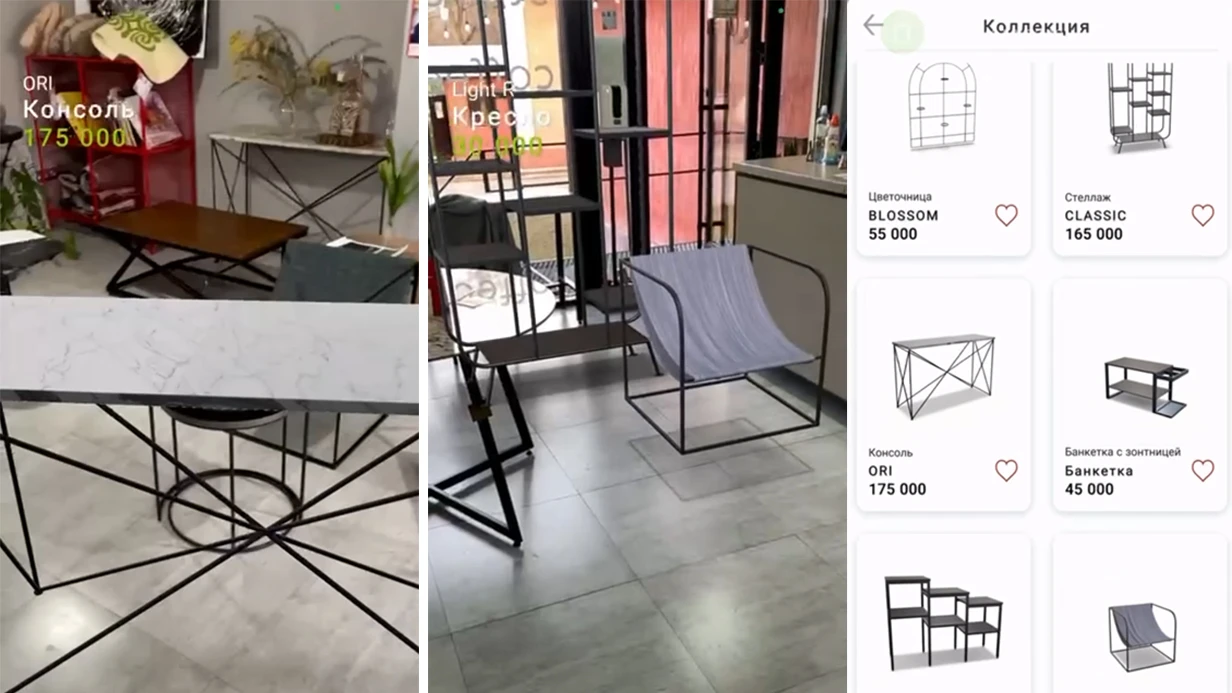
אם אתם רוצים להעביר את האווירה של לופט מוגמר ואת הנוף מהחלון — פנורמות 360 מספיקות. אם אתם רוצים שקונה "ינסה" רהיטים משלו בחדר אמיתי — הביאו מציאות רבודה.
השלב הראשון הוא לנסח את המטרה: הדגמה מהירה, מצגת מעמיקה, או היכרות אינטראקטיבית עם הנכס.
הקריטריון השני הוא שלב המוכנות. עבור מתחם מגורים בבנייה, מודל וירטואלי הוא הכרחי: אדם נכנס לדירה העתידית ומעריך את השטח, האור והלוגיקה של התוכנית.
עבור חללים מוכנים, יעיל יותר להשתמש בסיורים פנורמיים או בהצלבה של אלמנטים וירטואליים על תמונות — זה מהיר יותר, זול יותר, ולא דורש מהקונה להתרגל למשקפיים.
גישה זו חשובה במיוחד כשבחירת גימורים, סידורי רהיטים או השוואת יחידות דומות באותו בניין.
הקריטריון השלישי הוא הקהל. זוג שבוחר דירה לערכי החיים שלו מעריך ריאליזם ויכולת "להסתובב" בשקט בין חדרים.
משקיע שמשווה כמה נכסים מעריך מהירות ובהירות: מספיק לראות את התוכנית הכללית, השטח והפרמטרים המרכזיים. קונה של חלל מסחרי ידרוש פרטים על אזורים, תאורה ותנועת רגליים עתידית.
אותו נכס יכול להיות מוצג בפורמטים שונים — כך אתם עונים על הציפיות של פלחים שונים בלי השקעה נוספת.
הבחירה הסופית תמיד מסתכמת בשלוש שאלות: מה בדיוק אנחנו בונים, למי אנחנו מציגים, ואיזו החלטה הלקוח צריך לקבל.
התשובות נותנות בריף ברור, ואנחנו מרכיבים תסריט VR עובד לנכס שלכם, ללוחות הזמנים ולתקציב — בלי לשלם יותר מדי על אפשרויות מיותרות.
מענה לספקות נפוצים על פיתוח VR
ספקות לפני תחילת פרויקט VR הם נורמליים. לרוב, לקוחות נדל"ן דואגים לשלושה דברים: תקציב, מורכבות יישום, והצורך לקנות ציוד מיוחד. בואו נבחן כל חשש בנפרד — בשפה עסקית, בלי פרטים טכניים.
האם פיתוח VR יקר ובלתי צפוי מבחינת לוחות זמנים?
למעשה, העלות של פרויקט VR תלויה בקנה המידה והמטרות — כמו בכל פרויקט דיגיטלי. לנדל"ן, אפשר להתחיל עם הצגה וירטואלית אחת של נכס: זה מהיר וזול יותר מסיור וירטואלי מלא של מתחם מגורים.
אנחנו קובעים את היקף העבודה בשלב הבריף ומסכימים על אבני דרך מרכזיות — לפני תחילת הפיתוח, אתם יודעים על מה אתם משלמים ומתי תקבלו את התוצאה.
האם יישום VR במכירות מורכב ודורש ארגון מחדש של תהליכים?
לא נדרש ארגון מחדש. ההצגה הווירטואלית משמשת ככלי נוסף של המנהל: הלקוח מרכיב משקפיים, רואה את הדירה, והמוכר בו-זמנית עונה על שאלות ומדגיש יתרונות.
הכשרת צוות לוקחת יום אחד, והשילוב עם ה-CRM והאתר הקיימים שלכם הוא משימה טכנית שאנחנו לוקחים על עצמנו.
האם אצטרך לקנות ציוד יקר ולהתקין אותו בעצמי?
אנחנו מספקים חבילה במפתח מלא: משקפיים, התקנה, תמיכה טכנית במהלך ההצגה וייעוץ לצוות. אתם מחליטים אם לקנות מכשירים משלכם או לשכור אותם לאירוע ספציפי.
בכל מקרה, ההתקנה והבדיקה מטופלות על ידינו — הצוות שלכם פשוט לוחץ על כפתור "התחל" במהלך ההצגה.
כבר עזרנו לכמה משרדי נדל"ן לצמצם את זמן הביקור הראשון ולהגדיל את מספר הפניות מאזורים אחרים — שבהם לקוח פיזית לא יכול לבקר בנכס. אם אתם לא בטוחים אם VR מתאים לעסק שלכם, התחילו בייעוץ קצר: תוך 15 דקות תבינו אם זה מוצדק למטרות שלכם.דונו בפרויקט שלכם עם מהנדס
יצירת מצגת VR לנדל"ן מתחילה לא בקניית ציוד, אלא בדיון על המשימה שלכם.
ספרו לנו את מי אתם רוצים למשוך — קוני דירות, שוכרי חללים מסחריים, או שותפים — ואנחנו נציע פתרון שמאיץ עסקאות ומרחיב את גיאוגרפיית המכירות.
המהנדס לא יציף אתכם בפרטים טכניים: הוא יתרגם יעדים עסקיים לשפת פרויקט ויראה איך המצגת הווירטואלית משתלבת במשפך המכירות שלכם.
במהלך הייעוץ החינמי, תקבלו:
- ניתוח המשימה שלכם: איזה פורמט יעבוד — משקפיים אישיים, סיור וירטואלי, או קטלוג נכסים אינטראקטיבי.
- הערכת לוחות זמנים והיקף עבודה: כמה נכסים יהיו במצגת, אילו סצנות אפשר פשוט למודל ואילו דורשות פיתוח מפורט.
- המלצות תסריט: איך להפוך הצגה פסיבית למכירות שיטתיות ולהגדיל המרה מצפיות לפניות.
- הערכת מדיה: איפה הכי טוב להציג את הפרויקט — בתערוכה, במשרד מכירות, או מרחוק דרך קישור.
- תוכנית השקה ברורה: מארכיטקטורת פרויקט ועד הכשרת המנהלים שלכם לשימוש בכלי ה-VR.
הייעוץ נמשך כשעה. תקבלו הכוונה על תקציב, לוחות זמנים ומבנה צוות, ותבינו אילו שלבי פיתוח אתם יכולים לשלוט בעצמכם.
כדי להזמין מצגת VR או פשוט לשאול שאלות, השאירו בקשה לייעוץ. מהנדס יחזור אליכם תוך יום עסקים, יבהיר פרטים ויכין פתרון מותאם לנכס הספציפי שלכם וללקוחות שלכם.