



לקוחות עוזבים למתחרים — תעשיית המזון נשארת מאחור ללא VR
כיום, יצרני מזון מתחרים לא רק במחיר ובאיכות אלא גם במהירות בניית האמון. הקונה — רשת קמעונאית, מפיץ או לקוח גדול — מקבל החלטה תוך ימים, בעוד שבדיקות הייצור אורכות שבועות.
בזמן שאתם מארגנים ביקורים אישיים ומכינים מצגות, המתחרים כבר מציגים את המתקן שלהם במציאות מדומה וזוכים בחוזה.
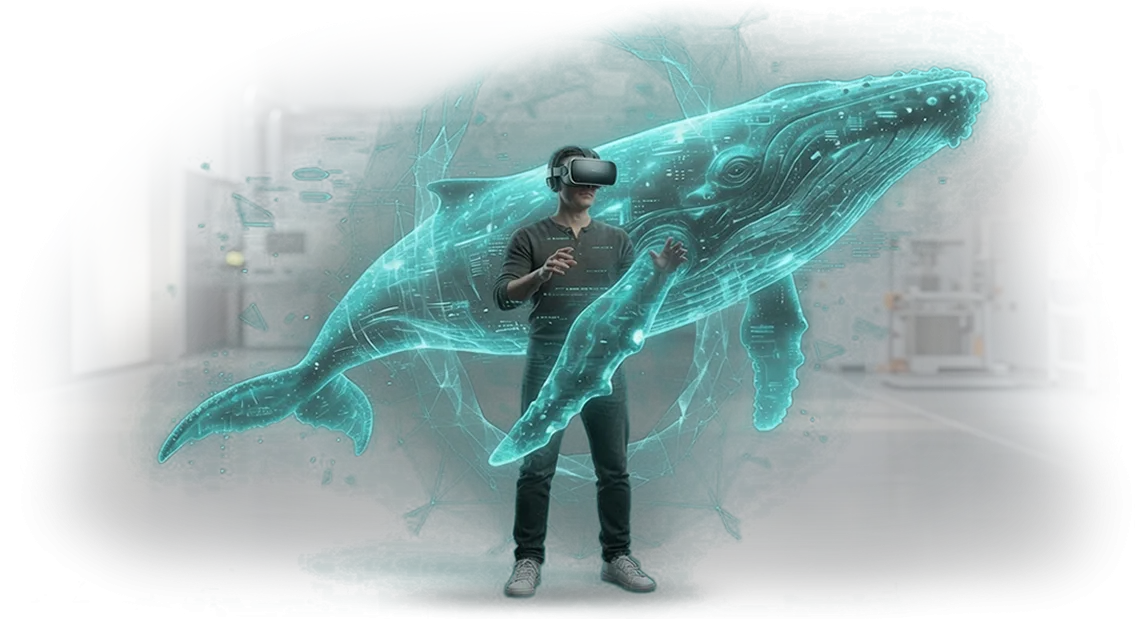
הטמעת VR בתעשיית המזון אינה עוד ניסוי. זהו כלי עבודה שמקצר את הדרך ממגע ראשון לחתימת חוזה.
הלקוח מרכיב משקפיים ומוצא את עצמו בסדנה שלכם: הוא רואה את קו הייצור, מערכת בקרת האיכות, האריזה והניקיון של המתחם — ללא טיסות, אישורי כניסה סניטריים או אישורים. פורמט זה מסיר התנגדויות מהר יותר מכל ברושור.
בתעשייה, אובדן לקוחות קורה לעיתים קרובות דווקא בשלב חוסר האמון. במיוחד כשמדובר בשותפים חדשים שאינם מוכנים לקחת את דבריכם כמובן מאליו. פתרון VR לייצור נותן להם הוכחה נראית לעין לכשירותכם ומפחית את הסיכון לדחייה.
אתם מציגים את התהליך האמיתי, לא הבטחות — וזה הופך ליתרון שלכם במכרזים ובמשא ומתן.
אנחנו עוזרים לחברות מזון להטמיע VR במפתח אחד: אנחנו מתכננים תרחישים למשימות שלכם, ממפים את אזורי הייצור ומכשירים את הצוות שלכם. אתם מקבלים כלי שעובד על התדמית, המכירות ונאמנות השותפים שלכם תוך מספר שבועות. בזמן שהמתחרים מהססים, צוות המכירות שלכם מקבל טיעון חדש.
VR לתעשיית המזון: 5 יתרונות עסקיים מדידים
הקונים בתעשיית המזון מוצפים ברושמים, וקטלוגים ומצגות משפיעים פחות ופחות על ההחלטה. פתרונות VR של Pico יוצרים חוויה שנזכרת ומובילה לתוצאות מדידות.
יתרון: מודעות למותג
הדגמת מוצר ב-VR או סיור וירטואלי בקו הייצור מעוררים רגשות שאנשים משתפים ברשתות החברתיות. כל מבקר מרחיב את טווח ההגעה של המותג בחינם. פעילות כזו מגבירה את ההכרה בקרב מפיצים וקמעונאים.
יתרון: לידים דרך VR
חידונים, טעימות וקטלוגים ב-VR אוספים פרטי קשר של מבקרים מתעניינים. בקשה נוצרת בתוך התרחיש, ונתוני העניין מועברים מיד למכירות. גישה זו מגדילה את ההמרה למכירות.
יתרון: חיסכון בתערוכות
דוכן פיזי דורש לוגיסטיקה וכוח אדם. VR מחליף חלק מהחומרים ומאפשר להשתתף בכמה אירועים בו זמנית. החיסכון בהובלה ובהקמה משפיע ישירות על תקציב השיווק.
יתרון: הכשרת עובדים
קל יותר ללמוד תקנים סניטריים ונהלים בסימולטורים וירטואליים. העובדים מתאמנים מבלי לעצור את קו הייצור ועושים פחות טעויות. הכשרה מהירה מפחיתה תחלופה ומשפרת את איכות הייצור.
יתרון: השקות מוצר מהירות יותר
טעמים חדשים ואריזות ניתן להציג ב-VR לפני השקת הייצור. זה מקצר את זמן האישורים ומפחית את הסיכון לריצה כושלת. משוב מלקוחות מפתח נאסף לפני תחילת הייצור.
פורמטים של יישומי VR לעסקים ויעילותם
בתעשיית המזון קשה להציג מוצר בצורה בלתי נשכחת: בתערוכות יש רעש ותחרות, בהכשרת עובדים יש סיכון לטעויות על ציוד אמיתי, ובמשא ומתן עם שותפים יש מצגות יבשות.
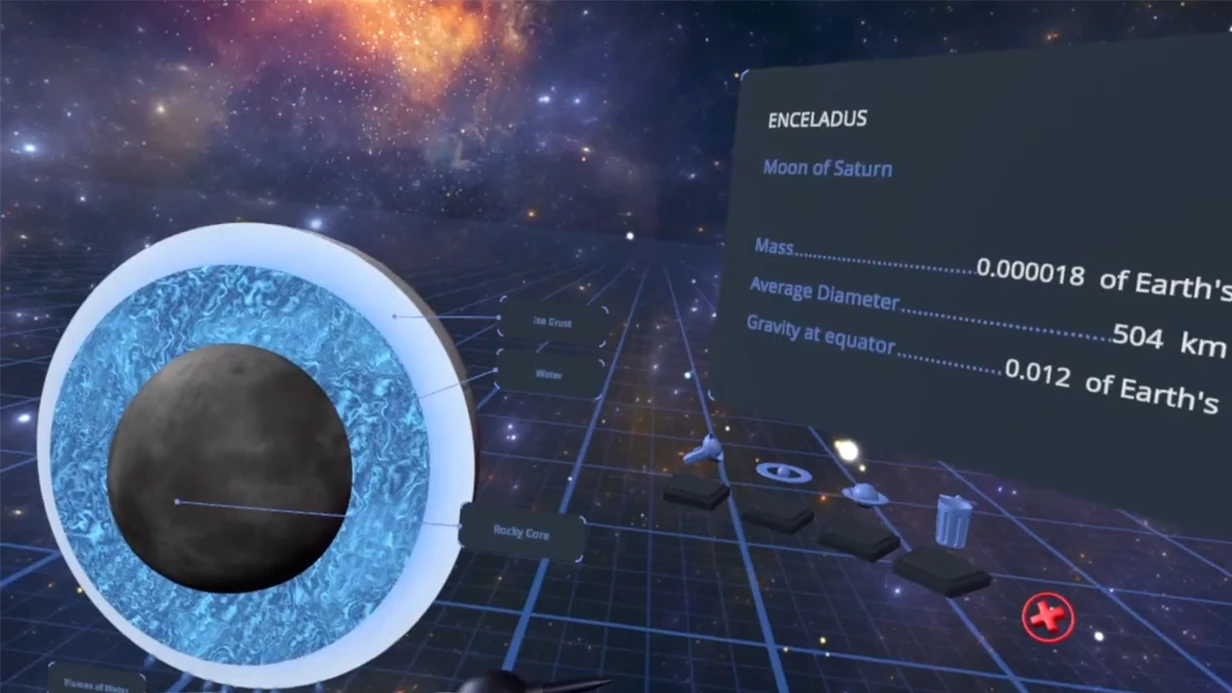
פורמטי VR פותרים בעיות אלה: הם יוצרים תחושת נוכחות ומאפשרים לאנשים "לגעת" במוצר, בתהליך או בטכנולוגיה בעצמם.
אנחנו בוחרים פורמט למשימה עסקית ספציפית ומתקינים את הפתרון על ציוד מקצועי. הלקוח מקבל כלי מוכן שעובד בתערוכה, במפעל או בחדר ישיבות — ללא התקנה ארוכה או כישורים מיוחדים מצד העובדים.
| פורמט | למי | מה הוא נותן ללקוח |
|---|---|---|
| דוכן אינטראקטיבי | לתערוכות, כנסים ואזורי טעימות | מושך מבקרים, שומר אותם בדוכן פי 2-3 יותר זמן, מגדיל את טווח ההגעה של המותג ואוסף פרטי קשר של לקוחות פוטנציאליים |
| סימולטור הדרכה | לעובדים חדשים, מפעילי קו וצוות ייצור | הדרכה ויזואלית ללא סיכון לציוד או לחומרי גלם, קליטה מהירה יותר, פחות טעויות בשבועות הראשונים לעבודה |
| מצגת אינטראקטיבית | לצוותי מכירות, מפיצים ושותפים מרכזיים | מציגה את המוצר "מבפנים": מחומרי גלם ועד אריזה. מגדילה את זכירת היתרונות ועוזרת למחלקת המכירות לסגור עסקאות מהר יותר |
כל פורמט מחזק שלב ספציפי בעבודה עם המוצר: משיכת תשומת לב, הכשרת אנשים או ביצוע מכירות.
לכן אנחנו часто משלבים שניים או שלושה פורמטים בפרויקט אחד — למשל, דוכן תערוכה ומצגת קומפקטית לפגישות עם מפיצים.
בין אם אתם צריכים לקדם מוצר חדש, להכשיר עובדים או להפתיע שותפים — יש פתרון VR מוכן למשימה שלכם. ספרו לנו היכן וכיצד אתם רוצים להשתמש בו, ואנחנו נציע את הפורמט המתאים ונחשב את התוצאה.
שלבי הפרויקט: מהבריף ועד ההשקה והתמיכה
העבודה על פרויקט VR לתעשיית המזון מתחילה לא בקוד אלא בהבנת המשימה שלכם: מה צריך להשתנות בהכשרת העובדים, בהצגת המוצר או בעבודה עם משווקים.
אנחנו מתעדים מטרות, לוחות זמנים וקריטריוני הצלחה — כך שאתם רואים בעד מה אתם משלמים ומה תקבלו בכל שלב.
להלן תהליך עבודה שמושחז על פני עשרות פרויקטים וברור גם למי שנתקל במציאות מדומה בפעם הראשונה.
-
בריף והתעמקות במשימה. אנחנו דנים בקו הייצור, במוצר או בהליך ההכשרה שלכם. אנחנו מזהים היכן VR יספק את הערך הרב ביותר: יקצר את זמן הכנת העובדים, יסיר סיכונים על ציוד אמיתי או יחזק מצגת תערוכה.
-
תוכנית והערכת עלות. אנחנו מסיימים את התרחיש, היקף התוכן, לוח הזמנים והעלות. אתם מקבלים מסמך שבו כל שלב קשור לתוצאה — ללא "הפתעות" באמצע הפרויקט.
-
אישור תרחיש. יחד עם הטכנולוגים וצוות השיווק שלכם, אנחנו מאשרים את לוגיקת היישום: אילו צעדים המשתמש מבצע וכיצד המערכת מעריכה את פעולותיו.
-
הטמעת אב טיפוס. אנחנו מציגים גרסה עובדת מוקדם — אתם רואים את הגרפיקה, המכניקה והטקסטים תוך מספר שבועות מתחילת העבודה.
-
בדיקות עם הצוות שלכם. אנחנו בודקים את התרחיש עם משתמשים אמיתיים — מפעילים, אנשי מכירות, מבקרים. אנחנו אוספים משוב ומבצעים תיקונים לפני ההשקה.
-
השקה והתקנת ציוד. אנחנו מכינים את המשקפיים, מתקינים את היישום ומעבירים הדרכה לעובדים שלכם. אתם מקבלים מערכת שניתן להשתמש בה כבר באותו יום.
-
תמיכה ופיתוח. אנחנו עונים על שאלות, מעדכנים תוכן למוצרים או נהלים חדשים ועוזרים להרחיב את הפרויקט למיקומים אחרים — מסדנה אחת ועד רשת סניפים.
תהליך עבודה זה מאפשר לכם לשלוט בתקציב ובלוחות הזמנים בכל שלב. אתם תמיד יודעים היכן עומד הפרויקט ומה יקרה בהמשך — בזמן שאנחנו מטפלים בצד הטכני ובתוצאה.
מה אתם מקבלים כתוצאה מהטמעת VR
כשאתם מזמינים פיתוח VR מאיתנו, אתם מקבלים לא רק "תוכנה" אלא כלי עבודה מוכן למשימות ייצור המזון שלכם. אנחנו מספקים כל מה שצריך להשקה, להכשרת עובדים ולשימוש יומיומי בצורה ברורה ותומכים בכם בכל השלבים. הנה מה שכלול במסירה.
- יישום VR מוכן למשקפי Pico, מותאם לתהליכים שלכם: מפיתוח מיומנויות צוות הקו ועד בקרת איכות והצגת מוצר לשותפים.
- תיעוד VR ברור: הוראות התקנה, הפעלה והגדרה — המומחה שלכם יכול להתמודד איתן ללא מעורבות מפתחים, והעובדים יכולים להתחיל להתאמן ביום המסירה.
- הכשרת עובדים על ציוד ותרחישי VR: אנחנו מראים כיצד לנהל מפגשים, לנהל אותם ולהשתמש בתוצאות להערכת כוח אדם.
- חומרים מתודולוגיים להכשרה פנימית: תרחישי שיעור, רשימות בדיקה למפעילים והמלצות לשילוב VR במערכת ההכשרה הקיימת שלכם.
- זכויות לתוכן שפותח: מודלים וירטואליים, תרחישים וחומרים נשארים שלכם — אתם יכולים לשפר או להרחיב אותם ללא הגבלות כשצריך.
- מדיניות תמיכה טכנית: איש קשר ייעודי מוקצה לכם, אנחנו בודקים באופן קבוע את תקינות היישום ומעדכנים תרחישים בהתאם לשינויים בנהלים שלכם.
- ארכיון של כל גרסאות היישום והתיעוד — אתם יכולים לשחזר את המערכת או לפרוס אותה על מכשירים חדשים בכל עת ללא אובדן עבודה.
בסופו של דבר, אתם מקבלים תוצאה ברורה: המערכת עובדת, העובדים מוכשרים, והתיעוד והתמיכה במקום. אתם לא צריכים להבין בפרטים טכניים — פשוט להשתמש ב-VR למשימות ייצור ספציפיות ולראות השפעה מדידה.
מקרה בוחן: כיצד יישום VR ל-Pico הגדיל מכירות בתערוכה
באחת התערוכות התעשייתיות הגדולות, הלקוח שלנו — יצרן מזון למגזר HoReCa — נתקל בבעיה: הדוכן הלך לאיבוד בין עשרות דוכנים זהים. המבקרים חלפו על פניו, והמנהלים נאלצו לחזור על אותו סיפור על הייצור שוב ושוב. הצענו להחליף את המצגת הרגילה בחוויה סוחפת במשקפי Pico VR.
מה עשינו
פיתחנו יישום VR ללקוח שהציג למבקרים את מחזור הייצור המלא ב-3 דקות: מבקרת חומרי גלם ועד אריזה.
אורח הרכיב את המשקפיים ו"הלך דרך" הסדנאות, ראה את הניקיון והאוטומציה, ובסוף קיבל כרטיס ביקור אינטראקטיבי עם פרטי המנהל והרכב המוצר. זה הקל על צוות הדוכן — עובד אחד יכול היה לעבוד עם כמה מבקרים בו זמנית.
תוצאת המקרה
במשך שלושה ימי תערוכה, 420 מבקרים עברו בתרחיש ה-VR, וזמן האינטראקציה הממוצע עם הדוכן גדל מ-1.5 ל-6 דקות. ההמרה לאנשי קשר מוסמכים הוכפלה בהשוואה לתערוכה הקודמת, שבה השתמשו רק בברושורים ובסרטון על מסך.
חודש לאחר האירוע, הלקוח ציין עלייה בפניות סיטונאיות חדשות והזמין יישום דומה להכשרת עובדים.
עבורנו, זה אישר ש-VR לתערוכות אינו בידור אלא כלי שממש "מוכר" את המוצר בזמן שהמבקר עדיין בדוכן.
התייחסות לדאגות נפוצות של לקוחות
אנחנו יודעים שהדאגות העיקריות של הלקוחות הן לוחות זמנים, מורכבות, תקציב ואמינות. האם הפרויקט יימשך? האם נצטרך לשנות תהליכים? האם זה יעלה יותר מחומרים מסורתיים?
בתעשיית המזון, שאלות אלה חשובות במיוחד — עצירת קו או עיכוב בהשקה עולים יותר מהפיתוח עצמו. אנחנו מתייחסים לפחדים העיקריים בקצרה ולעניין.
כמה זמן לוקח לפתח יישום VR ל-Pico?
לוחות הזמנים תלויים בתרחיש: מצגת מוצר פשוטה לחדר טעימות אורכת מספר שבועות, סימולטור הדרכה מלא לצוות אורך עד שלושה חודשים.
לפני התחלה, אנחנו קובעים את השלבים והתאריכים בחוזה, כך שאתם יודעים בדיוק מתי תקבלו את התוצאה ותקבלו את העבודה.
האם קשה לשלב בתהליכים הקיימים?
לא. היישום פועל באופן עצמאי על משקפי Pico ואינו דורש ארגון מחדש של הייצור או אינטגרציה עם מערכות הנהלת חשבונות. העבודה העיקרית היא יצירת מודלים תלת-ממדיים של המוצר והתרחיש, וכל עובד יכול להפעיל אותו ללא הכשרה מיוחדת.
האם זה יעלה יותר מחומרים מסורתיים?
VR מחזיר את ההשקעה דרך חיסכון בדוגמיות, נסיעות עסקים וזמן שאבד בהכשרת עובדים חדשים. אנחנו מאשרים את ההערכה לפני תחילת העבודה; התשלום מתבצע בשלבים, ללא עלויות נסתרות.
מה אם הציוד יתקלקל או יתיישן?
אנחנו עובדים עם משקפי Pico מקצועיים ומספקים אחריות ליישום ולתמיכה בו. אם יופיעו דרישות או פורמטים חדשים, נשפר את התרחיש. צוות התמיכה שלנו נשאר זמין לאחר מסירת הפרויקט.
האם פתרון כזה מתאים לייצור מזון?
כן. VR כבר משמש לחדרי טעימות, תערוכות, הכשרת עובדים והצגת פעולות קו למפיצים וקמעונאים. ספרו לנו על המשימה שלכם — נציע תרחיש שפותר בדיוק את זה, ונראה דוגמאות מותאמות לפרטים שלכם.
מוכנים לדון בפרויקט שלכם? שלחו בקשה עכשיו
אתם כבר מבינים ש-VR יכול לטפל במשימות אמיתיות של ייצור מזון — מהכשרת עובדים ובקרת איכות ועד הצגת מוצר לשותפים. נותר שלב אחד: לדון בפרטים עם צוות שמספק פרויקטים כאלה במפתח אחד.
שלחו בקשה ל-VR, ותוך יום עסקים אחד תקבלו ייעוץ על הפרויקט שלכם. ננתח את המצב שלכם, נציע פורמט פתרון מתאים ונאמר לכם בכנות היכן מציאות מדומה תספק השפעה מדידה והיכן לא.
מה תקבלו לאחר שליחת הבקשה:
- נדון בפרויקט ונגדיר יחד את המטרה העיקרית: הכשרת עובדים, הדגמת מוצר או תרגול תרחישי ייצור.
- נחשב את עלות הפיתוח — הערכת עלות שקופה לפי שלבים, ללא עמלות נסתרות או "הפתעות" בדרך.
- נראה כיצד פתרון VR ישתלב בעבודה הנוכחית שלכם ונייעץ לגבי הציוד שתצטרכו.
- נתן לוחות זמנים אמיתיים להשקה — מהדגמה ראשונה ועד אינטגרציה מלאה בתהליכים שלכם.
- נספק משוב על אינטגרציה עם מערכות הנהלת חשבונות ותוכניות הכשרה שכבר בשימוש בארגון שלכם.
- נציע תרחיש פיילוט — תוכלו להעריך את התוצאה על משימה ספציפית לפני השקעה בפיתוח מלא.
ללא התחייבויות — רק ערך מהשיחה. תקבלו הבנה ברורה כיצד VR יאיץ את קליטת העובדים, יפחית את הסיכון לטעויות ויחזק את הצגת המוצרים שלכם.
מלאו את הטופס או כתבו לנו — נתחיל בשיחה קצרה, ותוך כמה ימים תהיה לכם תוכנית פעולה.
כיצד לבחור את פורמט ה-VR המתאים לעסק שלכם?
בחירת פורמט VR אינה שאלה של טכנולוגיה אלא של משימה עסקית. אותו ציוד פותר בעיות שונות: מהכשרת צוות קו ועד יצירת מצגת תערוכה מרשימה. לכן אנחנו קודם מגדירים את המטרה, ואז בוחרים את התרחיש, אורך המפגש ורמת האינטראקטיביות.
שלושה פורמטים נפוצים ביותר בתעשיית המזון. הראשון הוא סימולציות הדרכה: עובד חוזר על פעולות עם חומרי גלם, קו בקבוקים או אריזה בסביבה וירטואלית. השני הוא סיורים וירטואליים בסדנה או בחווה עבור לקוחות ושותפים.
השלישי הוא הדגמות מוצר אינטראקטיביות קצרות — למשל, "פתחו קופסת שוקולדים" או "בחרו מרכיבים לטעם חדש".
איך תדעו מה אתם צריכים?
ענו על ארבע שאלות: מי יהיה המשתמש (עובד או לקוח), כמה זמן אדם מוכן לבלות במשקפיים (2-3 דקות בתערוכה, עד חצי שעה במהלך הדרכה), איזו תוצאה נדרשת (מיומנות או רגש), והיכן זה יעבוד (דוכן נייח, סדנה, אירוע חיצוני). התשובות מיד פוסלות פורמטים מיותרים.
להכשרת עובדים, אנחנו ממליצים על סימולטורים מלאים עם בקרה שלב אחר שלב. לתערוכות ומצגות, אנחנו ממליצים על תרחישים קצרים שאינם דורשים מדריך.
לדוגמה, עבור משקפי Pico יצרנו הדגמה של קו ייצור: המבקר שולט בעצמו בשלבי הבקבוק ורואה על המסך כיצד איכות המוצר משתנה עם הגדרות שונות.
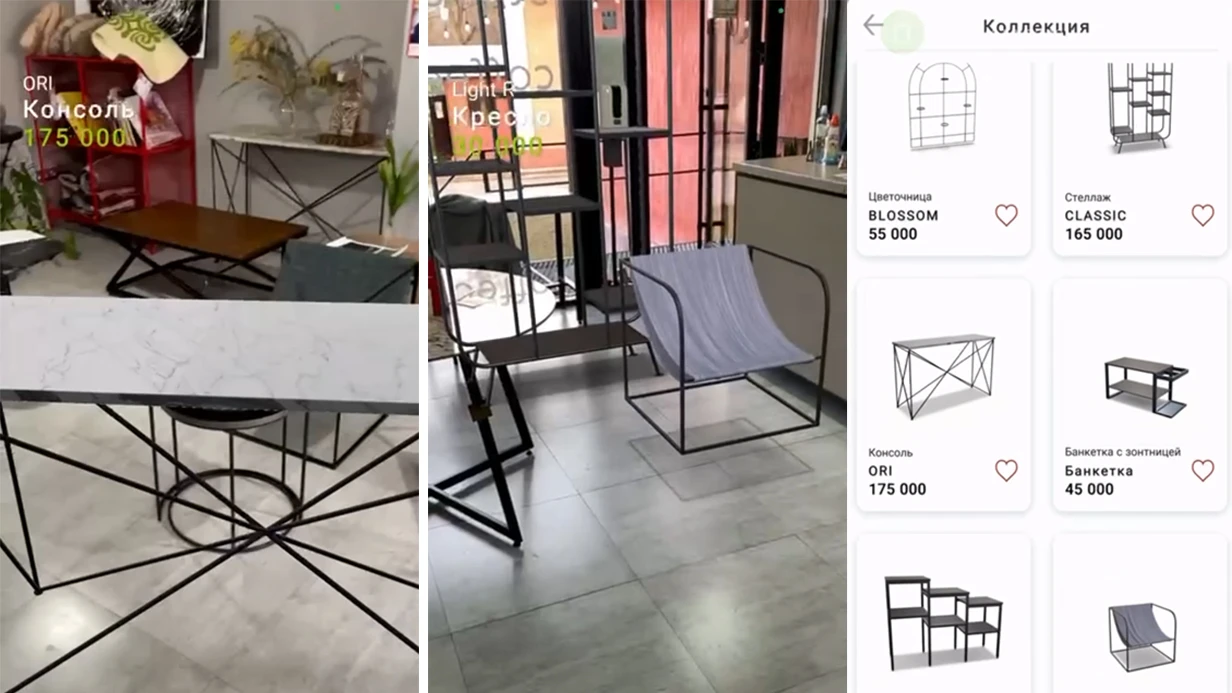
אנחנו לא מוכרים "קופסה" — אנחנו בוחרים פורמט למשימה שלכם ובמידת הצורך משלבים VR עם שכבות AR על עצמים אמיתיים. בואו אלינו עם השאלה איזו בעיה אתם רוצים לפתור — יחד נבחר פתרון שמחזיר את ההשקעה.