



התעשייה מפסידה יעילות בגלל תהליכים מיושנים
תהליכי ייצור מיושנים עולים יותר ממה שנראה: כל טעות של עובד משמעותה מוצר פגום, השבתת קו ייצור והחמצת מועדים.
כשההכשרה וההדרכה מסתמכות על תקנות נייר וידע שעובר מעובדים ותיקים, הידע אובד והמיומנויות אף פעם לא מתחזקות. החברה ממשיכה לשלם על אותה בעיה שנה אחר שנה במקום לטפל בשורש שלה.
הכשרה מסורתית מרחיקה אנשים מהעבודה לשעות או ימים, אבל גם אחרי זה, עובד חדש פועל בהיסוס על ציוד אמיתי. לעשות טעות זה מפחיד—זה מסכן את בריאות העובדים ומכונות יקרות.
כתוצאה מכך, התעשייה סופגת הפסדים ישירים: יעילות נמוכה, תחלופת עובדים גבוהה ותלות בכמה מומחים מנוסים שאי אפשר להגדיל את מספרם.
הפתרון הוא הכשרת VR. היא מאפשרת לעובדים לתרגל פעולות בבטחה בתרחישים שמדמים מציאות מקרוב, בלי לסכן את עצמם או את הציוד.
ההכשרה לוקחת פחות זמן ומניבה תוצאות מדידות: עובדים מגיעים ליעדים מהר יותר, עושים פחות טעויות ומתמודדים עם מצבים חריגים בביטחון רב יותר.
אנחנו עוזרים למפעלים תעשייתיים לעבור לפורמט מודרני של הכשרת עובדים. אנחנו מפתחים אפליקציות VR המותאמות לצרכים של מתקן ייצור ספציפי—מתרגול נהלים ועד תגובה למצבי חירום.
אתה מקבל לא רק טכנולוגיה, אלא כלי שמפחית הפסדים ומשפר את היעילות של כל משמרת.
מה אתה מקבל מאפליקציית VR
VR בתעשייה פותר שלוש משימות מרכזיות: הוא מאיץ הכשרת עובדים, מפחית את מספר הטעויות והופך את ההכשרה לבטוחה באמת. במקום סימולטורים יקרים והסיכונים של ציוד אמיתי, עובדים מתרגלים מיומנויות בסביבה וירטואלית.
התוצאה נמדדת לא לפי פרמטרים טכניים, אלא לפי כמה מהר עובד חדש מגיע לפריון מלא ולפי עלות נמוכה יותר לשעת הכשרה.
מהירות היא היתרון המרכזי של VR. עובד שולט בפעולות פי 2–3 מהר יותר מאשר עם הוראות קלאסיות או חונכות. הסביבה הווירטואלית מאפשרת לחזור על תהליך מורכב מספר בלתי מוגבל של פעמים עד שהפעולה הופכת לאוטומטית.
עובד חדש מגיע לייצור האמיתי עם מיומנויות מוכנות, כך שהמפעל לא צריך לעצור קווי ייצור או להסיח את דעתם של מומחים מנוסים לצורך הכשרה.
בטיחות היא התוצאה המרכזית השנייה. ב-VR אפשר לדמות מצב חירום, תקלת ציוד או תרחיש חריג שיהיה מסוכן לשחזר במציאות. העובד לומד לפעול בתנאים קיצוניים בלי לסכן חיים או ציוד יקר.
אחרי הכשרה כזו, מספר פציעות העבודה והתאונות יורד—כלומר פחות השבתות, פחות קנסות ותשלומי ביטוח נמוכים יותר.
פתרון כזה מחזיר את עצמו במהירות. המפעל מפסיק להוציא כסף על חומרים מתכלים לעמדות הדרכה, שכירות שטח ותשלום למדריכים על כל קבוצה.
סימולטור וירטואלי אחד מחליף עשרות שעות של הפעלת ציוד אמיתי, ועדכון תרחישים לא דורש קניית מכונות חדשות—רק התאמת התוכנה.
בסופו של דבר, הלקוח מקבל לא רק "אפליקציה במשקפת", אלא כלי שמשתלב בתהליכי הייצור: קליטת עובדים מהירה יותר, פחות מוצרים פגומים ומשמעת בטיחות חזקה יותר.
כל אחד מהגורמים האלה משפיע ישירות על היעילות התפעולית והתחרותיות של המפעל. אנחנו לוקחים אחריות על פיתוח פתרון לצרכי הייצור הספציפיים שלך ומספקים תוצאה יציבה.
פורמטים של פתרונות VR לתעשייה
משימות תעשייתיות כמעט אף פעם לא מתאימות לתרחיש VR אוניברסלי אחד. מפעל אחד צריך הכשרת עובדים בטוחה, אחר צריך להראות ציוד ללקוח לפני משלוח, ושלישי צריך לבדוק הרכבה של יחידה בלי אב טיפוס פיזי.
לכן אנחנו מחלקים פתרונות VR לפורמטים, שכל אחד מהם פונה לאתגר עסקי ספציפי ומספק תוצאה מדידה. להלן התרחישים האופייניים שלקוחות מגיעים אלינו איתם.
בחירת הפורמט המתאים למשימה שלך
| פורמט | למי זה מיועד | מה זה נותן ללקוח |
|---|---|---|
| מאמן וירטואלי | מרכזי הכשרה, סדנאות | הכשרה בטוחה בלי סיכון לפציעות או השבתות, תרגול פעולות עד שהן הופכות לאוטומטיות |
| אב טיפוס VR | מעצבים, מהנדסי תהליך | בדיקת ארגונומיה והרכבה לפני יצירת דגם פיזי, עלויות אב טיפוס נמוכות יותר |
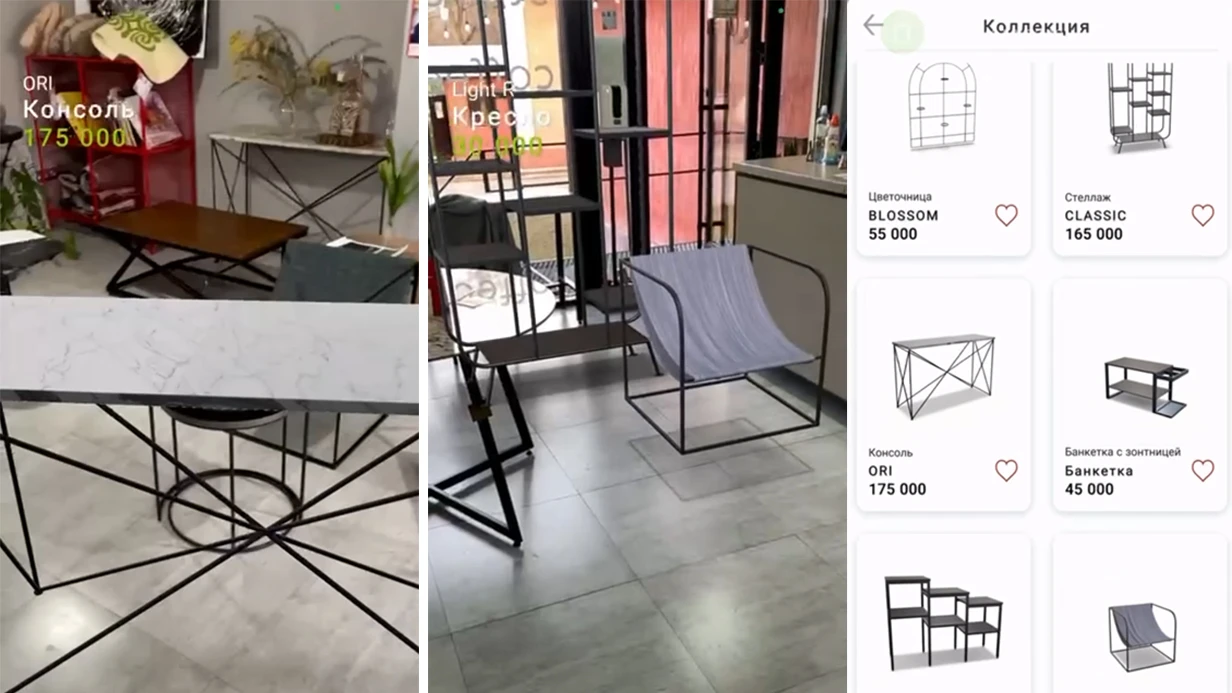
| ויזואליזציית VR | מחלקות מכירות, צוותי מכרזים | הדגמת מוצר ביחס 1:1 ללקוחות בכל מקום בעולם בלי לוגיסטיקה |
| סיור וירטואלי | מנהלים, משקיעים, משרדי דוברות | הצגה ריאליסטית של הייצור למשלחות, הגברת אמון בחברה |
לא משנה איזה פורמט מתאים למשימה שלך, אנחנו לא מספקים רק "תמונה"—אנחנו מתכננים תרחיש שפותר בעיה מדידה: קיצור זמן הכשרה, הפחתת טעויות או האצת אישור פרויקטים. צור איתנו קשר, תאר את המצב שלך, ואנחנו נייעץ לך איזה פורמט יניב תוצאות מהירות.
איך אנחנו מפתחים אפליקציית VR למפעל שלך
אנחנו מתחילים כל פרויקט לא עם קוד, אלא עם ניתוח המשימה שלך: מה צריך להשתנות בייצור אחרי הטמעת VR—מהירות הכשרה, בטיחות או איכות פעולות. כדי לא לבזבז תקציב, אנחנו עובדים בשלבים ברורים, ואתה מאשר את התוצאה בכל שלב.
-
בריף וסקירת משימה. אנחנו נפגשים איתך, לומדים את התהליכים הטכנולוגיים ומזהים היכן ל-VR תהיה ההשפעה הגדולה ביותר: הכשרת עובדים חדשים, תרגול מצבים נדירים או הערכת מיומנויות. התוצאה היא הבנה ברורה של היקף העבודה ולוח הזמנים.
-
תרחיש ומפרט טכני. אנחנו מתעדים בדיוק מה המשתמש עושה בסביבה הווירטואלית, אילו שגיאות אנחנו עוקבים אחריהן ואיך אנחנו מעריכים את התוצאה. אתה מקבל מסמך עם מטרות, קריטריוני קבלה ושלבי עבודה—בלי הפתעות באמצע הפרויקט.
-
אב טיפוס ואישור. אנחנו בונים אב טיפוס עובד עבור Pico ומראים לך אותו—התרחיש מתעורר לחיים לפני הפיתוח המלא. בשלב הזה, תיקונים הם זולים, אז אנחנו פותרים את כל השאלות הפתוחות לפני היקף העבודה העיקרי.
-
פיתוח האפליקציה. אנחנו ממלאים את התרחיש בתוכן: מודלי תלת-ממד של הציוד שלך, הוראות ומערכת הערכת פעולות. במקביל, אנחנו מכינים המלצות על הגדרת החלל ותחנת העבודה כדי שההשקה תתנהל בצורה חלקה.
-
בדיקות באתר שלך. אנחנו בודקים את האפליקציה עם העובדים שלך ובתנאים שלך—זה חושף מה אי אפשר לראות מהמשרד. אנחנו מתקנים בעיות לפני ההשקה, לא אחריה.
-
פריסה, הכשרה ותמיכה. אנחנו פורסים את הפתרון, מאמנים את המנהלים שלך ומוסרים את מדריך התפעול. אחרי ההשקה, אנחנו נשארים בקשר: אנחנו מספקים תמיכה, מעדכנים תרחישים ועוזרים להרחיב את ה-VR לאזורים אחרים.
מה כלול במסירת פרויקט VR
סרטון הדגמה פשוט הוא לא מסירה. אתה מקבל כלי עובד שמשתלב בתהליכים שלך ונשאר איתך לנצח. החבילה כוללת את כל מה שצריך כדי להשיק הכשרת VR באתר ייצור ולהמשיך לעבוד באופן עצמאי.
- אפליקציית VR מוכנה למשימות שלך — סימולציה של פעולות ספציפיות, ציוד או תרחישי בטיחות. האפליקציה מותאמת למכשירי Pico ופועלת ביציבות בסדנה, במחסן או בחדר הדרכה.
- חומרי מתודולוגיית הכשרה — תרחישי הדרכה, נהלי השלמה, קריטריוני הערכה והוראות למפעילים ומדריכים. הכל מוכן להשקה: הקצה עובד, והוא משלים את מחזור ההכשרה המלא.
- קוד מקור וזכויות תוכנה — אתה הבעלים של הקוד ויכול לשנות את האפליקציה עם כל מפתח, בלי להיות כבול אלינו. זה מגן על העצמאות שלך ומאפשר לך לפתח את המערכת בלי אישורים נוספים.
- תיעוד טכני — תיאור ארכיטקטורה, הוראות פריסה ועדכון ומדריכי מנהל. צוות ההנדסה שלך יכול לבצע שינויים ולתחזק את המערכת בעצמו.
- הכשרה למפעילים ומנהלים — אנחנו מעבירים מיומנויות סביבת VR לעובדים שלך: מהדלקה והגדרת ציוד ועד ניהול משתמשים וניתוח תוצאות. הקבוצה הראשונה מוכשרת כחלק מהמסירה.
- בדיקות קבלה ודוח בדיקות — לפני המסירה, אנחנו מתעדים השגת יעדים: דיוק סימולציה, יציבות תפעולית ועמידה במפרט הטכני. אתה מקבל את התוצאה על סמך עובדות, לא הבטחות.
- תמיכה בתקופת האחריות — תיקון תקלות, עדכוני תאימות וייעוץ אינטגרציה. אחרי ההשקה, אתה לא נשאר לבד עם המערכת.
בסופו של דבר, הלקוח מקבל לא קבצים מפוזרים, אלא מעגל סגור ושלם: אפליקציה, חומרי הדרכה, הכשרת צוות ותיעוד.
זה מאפשר להפעיל את פתרון ה-VR מהיום הראשון ולהרחיב אותו לאזורים ועובדים חדשים בלי תלות בקבלן חיצוני.
מקרה בוחן: מאמן VR לתעשייה
עבור מפעל לבניית מכונות, יצרנו מאמן VR תעשייתי—סימולטור וירטואלי של עבודה על קו ייצור.
בעבר, הכשרת מפעילים ארכה שבועיים: תיאוריה, צפייה בעמית מנוסה ואז הכשרה ישירות על המכונה, עם סיכון לטעויות, מוצרים פגומים והשבתות.
הלקוח רצה להאיץ את הבאת המפעילים החדשים למשמרות עצמאיות ולהפחית את העומס על המדריכים.
איך עבדה ההכשרה
בנינו עותק וירטואלי של אתר אמיתי—עם אותם לוחות בקרה, מנגנונים ומצבים חריגים. העובד מתאמן במשקפת Pico בלי לגעת בציוד אמיתי. המערכת מתעדת כל פעולה, נותנת רמזים כשמתרחשת שגיאה ומראה ציון סופי.
המדריך רואה סטטיסטיקות קבוצתיות ומבין מי מוכן לעלות לקו ומי צריך תרגול נוסף.
תוצאה מדידה
תוצאות מהרבעון הראשון של הפעילות: זמן ההכשרה ירד מ-14 ל-3 ימים, מספר הטעויות במשמרת העצמאית הראשונה ירד ב-62%, והעובדים משלימים כ-120 מפגשי הכשרה בחודש.
הנהלת המפעל העריכה את ההשפעה—הפרויקט לא רק החזיר את עצמו דרך הפחתת מוצרים פגומים והשבתות, אלא גם המשיך: תרחישים חדשים לאזורים סמוכים והזמנות חוזרות קבועות להרחבת הסימולטור.
היום המאמן הוא חלק ממערכת ההכשרה של המפעל: הוא משמש להערכת מיומנויות, תרגול מצבי חירום נדירים ובניית צנרת כישרונות. זה לא הדגמה חד-פעמית, אלא כלי עובד שמספק ערך מדיד כל יום.
תשובות לשאלות נפוצות על VR בתעשייה
מנהלי ייצור ומנהלים טכניים שואלים אותנו את אותן שאלות: האם קשה לשלב VR בתהליכים קיימים, מתי יופיעו תוצאות, והאם זה ישפיע על הבטיחות. אנחנו עונים על חששות נפוצים—בקצרה ולעניין.
האם קשה לשלב VR בייצור קיים?
פתרון VR לא דורש עצירת רצפת הייצור או החלפת ציוד. אנחנו משתלבים בתהליכים שלך בהדרגה: קודם אזור פיילוט, ואז הרחבה לצוותים אחרים. במהלך הפיילוט, תדריכים ומאמני VR פועלים במקביל, כך שהעובדים מסתגלים בלי לחץ או השבתות.
מהו לוח הזמנים ליישום?
פרויקט טיפוסי מבריף ועד השקה אורך 3–5 שבועות תלוי במספר התרחישים. במהלך הזמן הזה, אנחנו מיישרים קו על הקונספט, מפתחים את המאמנים ומאמנים את המדריכים שלך. התאמות נוספות נעשות באופן אינטראקטיבי—אתה רואה תוצאות בכל שלב, לא רק בסוף.
מתי זה יחזיר את עצמו?
ההשפעות הראשונות נראות כבר במהלך הפיילוט: עובדים חדשים מתאמנים מהר יותר ומספר הטעויות יורד. עם שימוש קבוע, VR מחזיר את עצמו דרך חיסכון בחומרים, הפחתת מוצרים פגומים ופחות השבתות.
תוך 2–3 חודשים, אתה מקבל נתונים קונקרטיים—לפני ההשקה, אנחנו מחשבים את החיסכון עבור כל תרחיש.
האם הכשרת VR בטוחה?
להיפך, מאמן VR משפר את הבטיחות: העובד מתרגל מצבים מסוכנים בלי סיכון לעצמו או לציוד. אנחנו מתכננים תרחישים כדי למנוע עומס וחוסר התמצאות: מפגשים קצרים, ומצב המשתמש מנוטר. הפתרון לא דורש אישורים מיוחדים ועומד בתקנות בטיחות בעבודה.
הזמן פיתוח אפליקציית VR עבור Pico
אתה בא בשביל מוצר, אבל אתה מקבל פתרון עובד למשימת הייצור שלך: הכשרת עובדים, תרגול תגובת חירום ובקרת ידע. אנחנו מטפלים במחזור המלא—מתרחיש ועד פריסה—כך שאתה לא צריך להיכנס לפרטים טכניים.
השאר בקשה לייעוץ—נחזור אליך תוך יום עסקים אחד, נדון בתרחיש שלך ונציע אפשרות פיתוח VR עבור Pico שמתאימה ללוח הזמנים ולפורמט שלך.
אם התרחיש לא ברור, נעזור לזהות אזור שבו הכשרה וירטואלית תניב תוצאות מהירות.
מה אתה מקבל אחרי ההזמנה:
- תרחיש VR מפורט לפעולה או נוהל טכנולוגי שלך.
- אפליקציה מוכנה עבור Pico, מותאמת לציוד ולדרישות הבטיחות שלך.
- הכשרה לעובדים שלך ומסירת הוראות לעבודה עצמאית.
- שלבי פיתוח ברורים עם הדגמות של גרסאות ביניים.
- תמיכה טכנית ועדכונים אחרי ההשקה.
- ייעוץ החזר השקעה: זמן הכנה מופחת ופחות שגיאות עובדים.
- הרחבת הפתרון לסדנאות ואתרים אחרים.
מלא את הטופס—ותוך כמה ימים, העובדים שלך יתחילו לתרגל מיומנויות בסביבה וירטואלית. או כתוב לנו דרך המסנג'ר—נייעץ אם VR מתאים למשימה שלך עוד לפני שהפרויקט מתחיל.
איך לבחור את פורמט פתרון ה-VR המתאים למשימה שלך
בחירת פורמט פתרון VR מתחילה לא בטכנולוגיה, אלא במשימה העסקית. לתעשייה, זה לרוב הכשרת עובדים, תרגול תגובה למצבים חריגים, בקרת איכות או הצגת מוצרים ללקוחות.
מה שאתה צריך להשיג—מיומנות מהירה, פחות תקריות או מכירות גבוהות יותר—קובע איזה פורמט יעבוד.
אז קודם, יחד איתך, אנחנו מתעדים את הדרישות: כמה עובדים צריכים הכשרה, באיזו תדירות, באילו תנאים, והאם יש הבדלים בין אתרים. אנחנו מבהירים מי ישתמש בפתרון—מפעילים, מהנדסים, מנהלים או לקוחות.
לאחר מכן, על סמך הפרמטרים האלה, אנחנו מציעים פורמט מתאים: מאמן VR קומפקטי לתדריכים קבועים, תרחיש סוחף למצבי חירום נדירים או מציאות רבודה לסיוע מרחוק במהלך תיקוני ציוד.
כל פורמט פותר משימה משלו, ולכל אחד יש כלכלה משלו. מגרש ניסויים וירטואלי מלא מספק חוויה עמוקה אבל דורש יותר זמן ליישום. תרחיש קל יותר מושק מהר יותר וקל יותר להרחבה לעשרות עובדים.
מציאות רבודה לא מרחיקה אדם ממקום העבודה ומספקת עזרה ישירות באתר. אנחנו בוחרים אפשרות שעונה על הצורך שלך בלי לשלם יותר מדי על מורכבות מיותרת.
בחירת פתרון היא שלב נפרד שאנחנו לוקחים על עצמנו. אנחנו סוקרים את המשימה, בודקים תרחיש פיילוט, מראים תוצאות על הנתונים שלך ונותנים המלצה שקופה. אתה מקבל לא "וירטואליזציה" מופשטת, אלא כלי קונקרטי עם לוחות זמנים ברורים להשקה והשפעה עסקית.
בסופו של דבר, פורמט פתרון ה-VR מתגלה לא כפשרה, אלא כתשובה מדויקת למשימה האמיתית שלך.