



VR/AR/MR בקמעונאות: איך להחזיר לקוחות לחנות
קונים מבקרים בחנויות פיזיות פחות ופחות: האונליין מציע מהירות ומבחר, אבל לא חוויות או מגע ישיר עם המוצר. לכן הקמעונאות מאבדת תנועת רגליים — ואיתה גם הכנסות. אבל זה לא שהחנויות כבר לא נחוצות — הן פשוט הפסיקו להפתיע אף אחד.
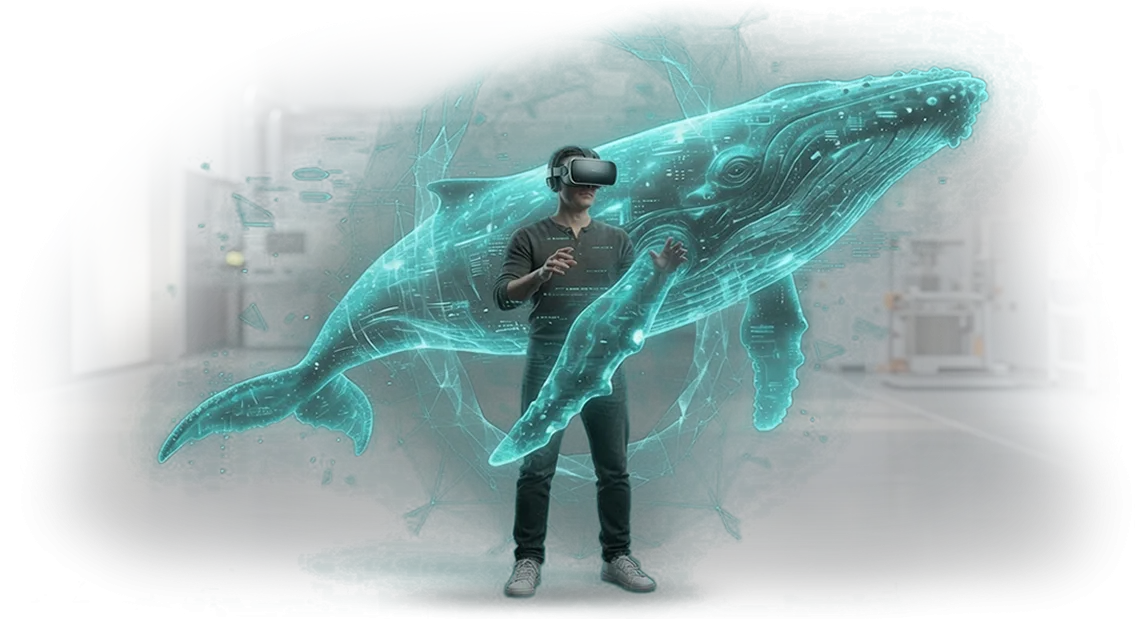
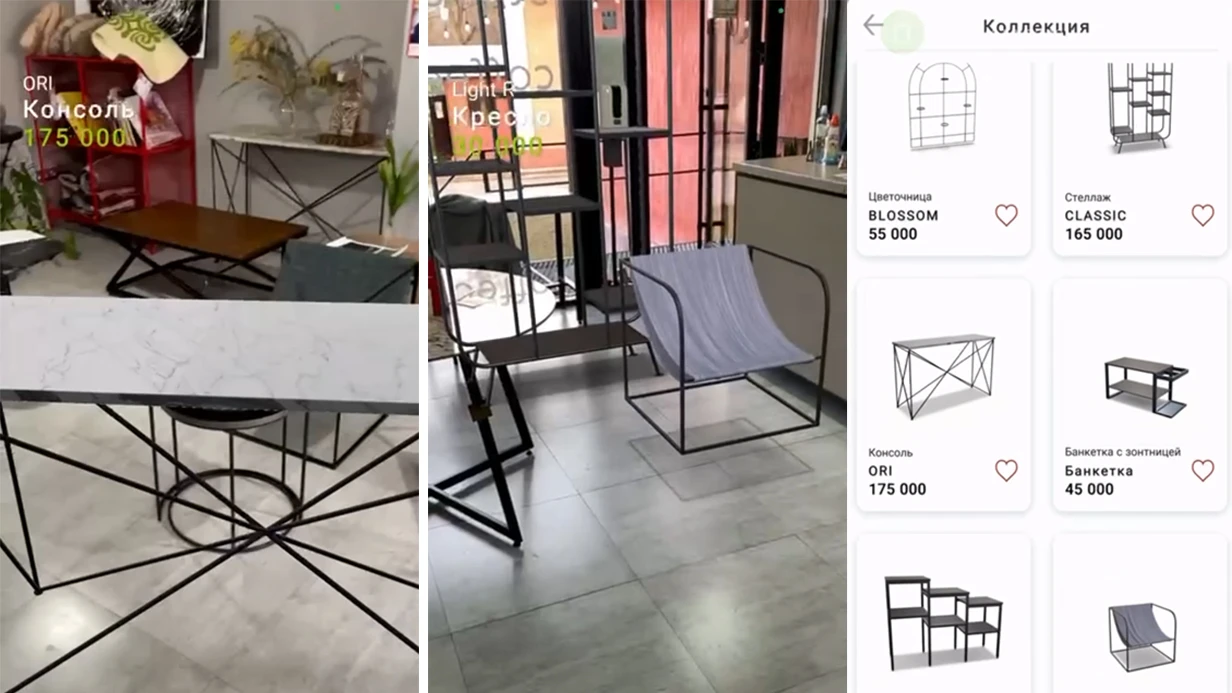
טכנולוגיות אימרסיביות של VR, AR ו-MR הופכות את חוויית הקנייה לאירוע. אפשר למדוד בגדים בלי לחכות בתור לחדר מדידה, לראות איך ספה משתלבת בסלון שלך, או לצאת למיני-מסע ממש בתוך אולם המכירה.
שום מסך סמארטפון לא יכול להחליף את החוויה הזו — היא מערבת רגשית וגורמת ללקוחות לחזור לעוד.
עבור קמעונאים, אלה לא רק "טכנולוגיות טרנדיות" — הן כלי צמיחה. חלון ראווה אינטראקטיבי עוצר עוברי אורח, חדר מדידה וירטואלי מפחית החזרות, וניווט AR עוזר ללקוחות למצוא מוצרים מהר יותר.
כתוצאה מכך, הזמן שמושקע בחנות גדל, יחד עם ערך הסל הממוצע וחלקם של הלקוחות שחוזרים — ומביאים חברים.
אנחנו מתמחים בפיתוח פתרונות VR/AR/MR המותאמים ספציפית לאתגרי קמעונאות. אנחנו עוזרים להפוך את נקודות המכירה שלך למקומות שהלקוחות רוצים לחזור אליהם — מהקונספט ועד ההשקה והתמיכה.
ספרו לנו מה קורה באולם המכירה שלכם, ואנחנו נציע פתרון שמתמודד עם האתגר שלכם.
מה מקבלים מהטמעת טכנולוגיות אימרסיביות
הטמעת טכנולוגיות אימרסיביות בקמעונאות היא לא רק ניסוי טרנדי — היא כלי שמשפיע ישירות על מדדי המפתח של החנות. המבקרים כבר לא צופים פסיביים: הם נכנסים למשחק, מתקשרים עם המוצר, וזוכרים את נקודת המכירה שלכם בין עשרות אחרות. זה מה שיוצר יתרון תחרותי ארוך טווח.
הדבר הראשון שמקבלים הוא מעורבות עמוקה של המבקרים. תרחישי VR ו-AR הופכים רכישה רגילה לאירוע רגשי: המבקרים חוקרים את המוצר במרחב תלת-ממדי, מרכיבים אותו מחלקים, ורואים איך הוא נראה עליהם או בתוך פנים. הזמן שמושקע באזור האינטראקטיבי גדל, ואיתו — הנאמנות והזיכרון של המותג.
ההשפעה השנייה היא הגדלת המודעות למותג. המבקרים מצלמים את החוויה יוצאת הדופן ומשתפים ברשתות החברתיות, מה שיוצר חשיפה אורגנית חינמית.
כל ביקורת או סטורי כזה עובד בשבילכם הרבה אחרי שהחנות נסגרת, מושך קהלים חדשים ומחזק את המעמד שלכם כקמעונאי מודרני וטכנולוגי. זה המוניטין שלכם — והוא מתורגם לביקורים חוזרים.
המרכיב השלישי הוא איסוף נתונים יקרי ערך. תרחישים אימרסיביים שרצים על מכשירים כמו Pico מאפשרים לראות אילו מוצרים מעניינים את המבקרים ביותר, היכן המבט שלהם מתמהמה, ואילו תרחישים הם מפעילים בתדירות הגבוהה ביותר.
אתם מקבלים אנליטיקה להתאמה אישית של הצעות ולשינוי מיקום מוצרים — מה שפעם דרש סקרים וקבוצות מיקוד, מגיע עכשיו אוטומטית.
לבסוף, כל היתרונות האלה מתכנסים למטרה המרכזית של הקמעונאות — גידול במכירות. מדידה אינטראקטיבית, חלון ראווה וירטואלי או משחק עם תגמול קוד קידום דוחפים את הלקוחות לרכוש כאן ועכשיו.
מחקרים מראים שאחרי חוויה כזו, ההמרה עולה וערך הסל הממוצע גדל הודות למוצרים נוספים ש"נוסו" בתוך התרחיש.
במילים פשוטות, טכנולוגיות אימרסיביות בקמעונאות מחזירות את ההשקעה דרך שילוב של רגש, נתונים ומכירות ישירות. אנחנו עוזרים ליישם אותן לפי היעדים העסקיים הספציפיים שלכם — כך שכל מבקר הופך ללקוח נאמן ושגריר מותג.
פורמטים של פתרונות VR/AR/MR לקמעונאות
הקמעונאות רצה על מהירות: לקוחות מקבלים החלטות בשניות, ומתחרים גונבים תשומת לב אפילו מהר יותר.
אין פתרון VR/AR אחד שמתאים לכולם — יש פורמטים שפותרים בעיות ספציפיות: למשוך אנשים לחנות, לדחוף אותם לרכישה, או להכשיר צוות מהר יותר. להלן תרחישים מוכחים שכבר עובדים בקמעונאות ומניבים תוצאות מדידות.
אילו פורמטים מתמודדים עם משימות קמעונאיות
| פורמט | למי | מה הוא נותן ללקוח |
|---|---|---|
| חלון ראווה עם מצגת VR/AR | עוברי אורח, לקוחות חדשים | עוצר את העין, מושך אנשים לכניסה, מבדל את המותג מהשכנים |
| חדר מדידה וירטואלי | קונים בחנות | מפחית היסוסים, מעלה המרה וערך סל ממוצע |
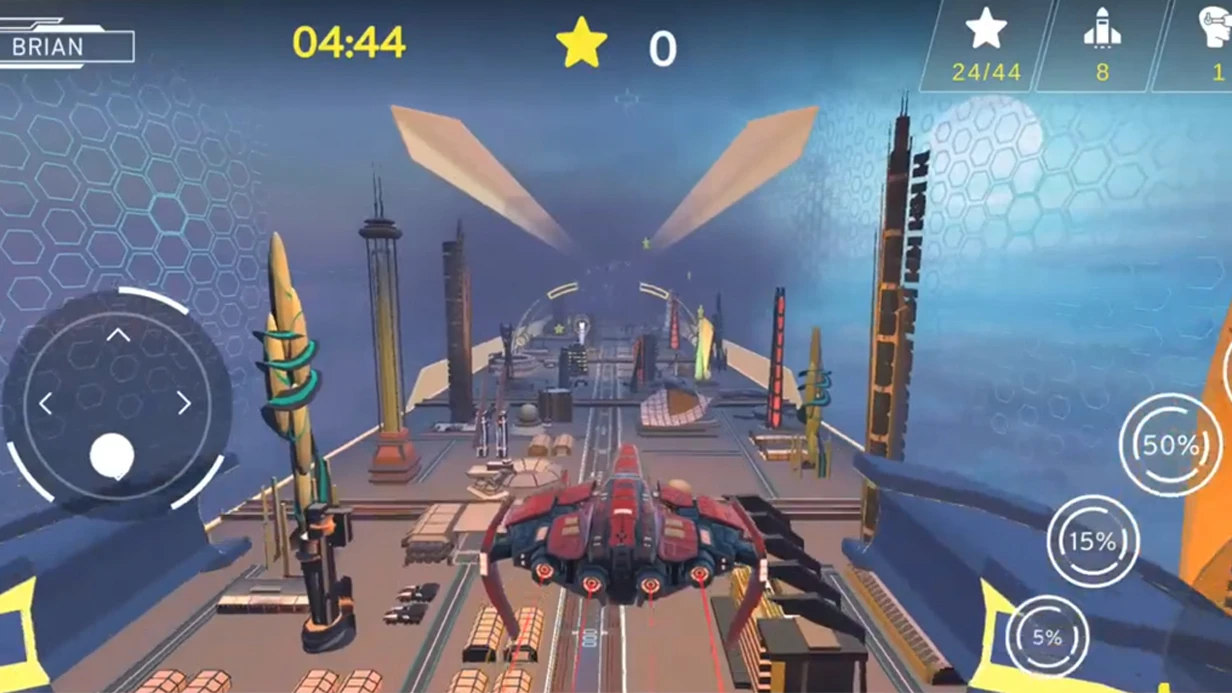
| אזור קידום עם אפקטי AR | מבקרי קניון, משתתפי מבצעים | מערב במשחק, יוצר תמונות וסרטונים לרשתות החברתיות — חשיפה אחרי הקמפיין |
| סימולטור אימון VR לצוות | עובדי חנות | מאיץ הכשרה על מוצרים ותקני שירות |
| ניווט AR בחנות | קונים עם טלפונים | עוזר למצוא מוצרים, מקצר תורים בקופה, מדגיש מבצעים |
לא משנה איזה פורמט תבחרו, אנחנו מתאימים אותו למותג, לחלל הקמעונאי ולהתנהגות הקהל שלכם. לא צריך להזמין הכל בבת אחת — התחילו עם מיקום אחד, מדדו את התוצאות, ותרחיבו לחנויות אחרות.
אנחנו מבינים שכל פרויקט קמעונאי נמדד במספרים: תנועת רגליים, המרה, ביקורים חוזרים. לכן אנחנו מגדירים את המדד המרכזי לפני ההשקה, ואחרי שבוע פיילוט מראים איך הפורמט משפיע על ה-KPI שלכם.
ציוד ה-Pico שלנו מכוונן היטב — אתם מקבלים ביצועים יציבים בלי הפתעות טכניות ברגע הכי חשוב למותג שלכם.
איך עובד הפיתוח לתרחיש שלכם
אנחנו מבנים את העבודה כך שכל שלב ותוצאותיו יהיו ברורים לכם. אתם תמיד יודעים מה קורה ויכולים להשפיע על התהליך — מהפגישה הראשונה ועד ההשקה. זה מסיר אי-ודאות ואישורים מיותרים, והתוצאה מגיעה מהר יותר.
- ניתוח והגדרת יעדים. אנחנו צוללים לתוך התרחיש שלכם, אוספים דרישות ומגדירים יעדים עסקיים. אתם מקבלים הבנה ברורה של מה בדיוק יפותח ולמה.
- אב-טיפוס ותרחיש. אנחנו יוצרים אב-טיפוס עובד שמראה את ההיגיון והמסכים המרכזיים. אתם רואים איך זה ייראה ויכולים מיד להתאים פרטים.
- תוכנית עבודה ואבני דרך. אנחנו קובעים שלבים, לוחות זמנים ואחראים. כל שלב כולל נקודות אישור, כך שאתם תמיד מעודכנים בהתקדמות הפיתוח.
- פיתוח והדגמות ביניים. אנחנו בונים את הפונקציונליות ומראים גרסאות ביניים. אתם בודקים אותן ממקור ראשון ומספקים משוב.
- בדיקות וקבלה. אנחנו בודקים את הפתרון על ציוד אמיתי, ואתם מקבלים ומאשרים את התוצאה.
- השקה ותמיכה. אנחנו פורסים את הפתרון, מאמנים את הצוות שלכם ומספקים תמיכה אחרי ההשקה. אם צריך, אנחנו משכללים את התרחיש.
מה כלול בחבילת המסירה
חבילת המסירה כוללת יותר מסתם אפליקציה — היא ערכה מלאה להפעלת פרויקט VR בקמעונאות. אתם מקבלים כלי מוכן לשימוש לאולם המכירה, דוכן או הכשרת צוות. אנחנו מכסים כל שלב: מהתקנה ועד תפעול שוטף.
- אפליקציה ל-Pico, מותאמת למשימה שלכם: חלון ראווה, הדרכה, מצגת מוצר או קטלוג אינטראקטיבי.
- תוכן — מודלים תלת-ממדיים של מוצרים, סצנות ותרחישים נוצרים עבור הקטלוג שלכם, לא נלקחים מתבניות סטנדרטיות.
- הכשרת צוות — סשן הטמעה קצר כדי שעובדים יוכלו להפעיל VR בביטחון ולסייע למבקרים.
- תיעוד — מדריכי משתמש ומנהל ברורים: איך להפעיל, מה לעשות במצב חריג.
- תמיכה — תמיכה טכנית ועדכונים בחודשים הראשונים של התפעול כדי לשמור על הפרויקט פעיל.
- אינטגרציה עם מערכת המלאי שלכם — אם צריך, אנחנו מחברים תמחור בזמן אמת, רמות מלאי או הצעות מותאמות אישית.
החבילה הזו מכסה הכל — אין צורך לחפש קבלנים נוספים לתוכן, הדרכה או שכלולים. הפרויקט נמסר מוכן להפעלה, והצוות שלכם מקבל כלי ברור שמספק ערך מיידי: הוא מגביר מעורבות לקוחות ומפשט הכשרת עובדים.
מקרה בוחן: פרויקט לרשת קמעונאית
הקמעונאות מתמודדת עם פרדוקס: מאות אנשים נכנסים לחנות, אבל רובם יוצאים בלי לקנות כלום. הכשרת צוות למכירות היא יקרה, וחלונות ראווה קלאסיים כבר לא מעוררים עניין.
הצענו לרשת האלקטרוניקה הגדולה TechnoPlaza דרך אחרת — הפיכת אזור המדידה למתקן VR שבו קונים יכולים "לחיות" ולבדוק מכשירים בחדר מדומה.
בשתי דקות של הדגמה, המבקר ראה איך מערכת שמע אהובה תיראה בסלון שלו: איכות סאונד, מידות, ואיך לשלב אותה בפנים.
יועץ המכירות קיבל נקודת מכירה מוכנה, והלקוח קיבל חוויה רגשית ששום חלון ראווה לא יכול לספק. זה פתר שתי בעיות בבת אחת: הגברנו מעורבות במוצר וקיצרנו את זמן ההחלטה.
מה הרשת השיגה בחודש הראשון
- אזור ה-VR משך 17,000 מבקרים — 70% יותר ממה שהרשת ציפתה.
- המרת הרכישה בקרב מבקרי VR הייתה 31% — כמעט פי שלושה מהשיעור הסטנדרטי.
- ערך הסל הממוצע גדל ב-18% הודות לביטחון בבחירה.
- הרשת הרחיבה את הפתרון ל-14 חנויות והזמינה קטלוג חדר מדידה וירטואלי.
התוצאה המרכזית היא לא במספרים הגולמיים — אלא בשינוי בהתנהגות הלקוחות. הם באים לא "להסתכל" על מוצרים אלא "לנסות" אותם, והחנות מפסיקה להיות רק מחסן.
כיום אנחנו תומכים במערכת מרחוק ומעדכנים את הקטלוג באופן קבוע — הרשת לא מבזבזת זמן על אינטגרציה ופשוט רואה את המדדים שלה גדלים.
שאלות נפוצות על VR/AR/MR בקמעונאות
לפני הטמעת VR/AR בקמעונאות, לבעלי עסקים יש אותם ספקות: האם הציוד יעמוד בעומס המבקרים, מתי ההשקעה תחזיר את עצמה, האם הצוות יצליח לנהל את זה בלי תקלות. אנחנו עונים על השאלות האלה ישירות — בשפת מספרי המכירות, לא בפרטים טכניים.
האם המשקפיים ישברו באמצע יום עמוס?
אנחנו בוחרים ציוד קמעונאי עם מרווח ביטחון: מארזים מחוזקים, מתקנים עמידים לוונדליזם וחלקים מתכלים המדורגים לעשרות אינטראקציות ביום.
בפרויקטים אמיתיים לתערוכות ורשתות קמעונאיות, נזק שנגרם על ידי מבקרים הוא חריג נדיר, והחלפה מהירה כבר כלולה בתוכנית השירות.
מתי VR/AR יתחיל לייצר רווח?
ההחזר מגיע מהשפעה מדידה: ערך סל ממוצע גבוה יותר, זמן שהלקוחות מבלים בחלון הראווה, ופחות החזרות אחרי מדידת AR.
בחנות טיפוסית, תוצאות מופיעות בתוך המכירות העונתיות הראשונות, ואחרי ההשקה הפתרון עובד ככלי משיכה מתמשך, לא כקמפיין חד-פעמי.
האם קשה לתפעל VR/AR על בסיס יומי?
התפעול מצטמצם לפעולות פשוטות: הפעלה מתוזמנת, בחירת תרחיש בכפתור אחד, והחלפת חלקים מתכלים לפי המדריך. הכשרת הצוות אורכת פחות משעה, ואבחון ועדכונים מרחוק מטופלים על ידי הצוות שלנו כחלק מתוכנית השירות.
איך לבחור את הפורמט המתאים למשימה שלכם?
בחירת פורמט VR לקמעונאות מתחילה לא בציוד אלא בשאלה: "איזו בעיה עסקית אנחנו פותרים?" אם אתם רוצים למשוך תשומת לב לחלון ראווה ולהגביר מודעות, סצנה אינטראקטיבית קצרה של 1–2 דקות מספיקה.
אם אתם צריכים להראות מוצר בפעולה או לאפשר ללקוחות "למדוד" פריט, נדרשת סצנה עמוקה יותר עם בחירת דגם והדמיה בזמן אמת. ואם המשימה היא הכשרת צוות או בדיקת פריסה חדשה, נדרש פתרון ארגוני מלא.
שטח הרצפה הוא הגורם השני בחשיבותו. לדוכן קטן באזור המכירה, אזור קומפקטי עם משקפי Pico עצמאיים עובד היטב: המבקר מרכיב אותם ממש ליד התצוגה ומיד מקבל את החוויה.
לביתן תצוגה נפרד או שואורום, אפשר לתכנן חלל פתוח של 3×3 מטר עם גבול בטיחות — כך שהלקוח יוכל להסתובב, לבחון את המוצר מכל הזוויות ולתקשר איתו בתנועות טבעיות.
התקציב קובע את עומק הפיתוח אבל לא מגביל את התוצאה. אם אתם רוצים להתחיל בקטן, בחרו בתרחיש הבסיסי של "הצגת מוצר" — הוא מספק חשיפה ורגעים ראויים לצילום לרשתות החברתיות כבר כמה שבועות אחרי ההשקה.
ברגע שהפורמט מוכיח את ההמרה שלו, הפתרון מתרחב: נוספים תרחישים חדשים, האזור גדל, ומחוברת אנליטיקת התנהגות מבקרים. הגישה המדורגת הזו מאפשרת להימנע מהקפאת תקציב גדול מראש ולהשיג אפקט מדיד במהירות.
טיפ מרכזי: הפורמט צריך להתאים לאופן שבו הלקוחות שלכם מקבלים החלטות בנישה שלכם. בקמעונאות תכשיטים, בחינה מקרוב של הפריט היא החשובה ביותר; בריהוט — מיקום בקנה מידה אמיתי; בחנויות ספורט — בדיקת ציוד בתנועה.
במהלך ייעוץ, אנחנו עוזרים לכם להגדיר את המטרה, שטח הרצפה וטווח התקציב, ואז מציעים 2–3 פורמטים מתאימים ומסבירים איזה מהם יניב את ה-ROI המקסימלי בתנאים שלכם. אתם מקבלים החלטה על בסיס תרחישים ברורים, לא מורכבות טכנית.
קבעו ייעוץ לפרויקטים אימרסיביים
בקמעונאות, אפליקציות VR ל-Pico פותחות פורמטים חדשים: אורחים יכולים לבחון מוצרים בפירוט, למדוד בגדים או נעליים, ולראות פנים בפרספקטיבה. אבל כדי שהפרויקט יחזיר את ההשקעה, צריך הערכה מפוכחת: מה בדיוק ליישם, לאיזה קהל, ובאיזה עלות. ייעוץ נותן לכם את ההערכה הזו לפני הפיתוח, לא אחרי ההשקה.
אחרי שליחת הבקשה, תקבלו:
- ניתוח של הרעיון שלכם והתאמת פורמט VR/AR למשימה הספציפית — חלון ראווה, מדידה, ניווט, הכשרת צוות או תרחיש קידום.
- הערכת תרחיש: היכן הפרויקט ירוץ — באזור קבוע, באולם המכירה או באירוע.
- הערכה ראשונית של לוחות זמנים והשקעה הנדרשת לקנה המידה שלכם — מאזור פיילוט ועד לכל הרשת.
- אפשרות השקת פיילוט: חנות אחת, קטגוריית מוצר אחת או אירוע ספציפי.
- תוכנית יישום עם אינטגרציה למערכת המלאי והכשרת צוות — בלי להפריע למסחר.
- רשימת מדדים: מבקרים, זמן אינטראקציה, המרת רכישה, ביקורים חוזרים.
השקת פיילוט מפחיתה סיכון: אתם בודקים את ההשערה על קהל מוגבל, צופים בהתנהגות מבקרים אמיתית, ואוספים נתונים להחלטת הרחבה. אנחנו עוזרים להכין את הפיילוט כך שתוצאותיו יהיו דומות למכירות עתידיות, לא רק הדגמה טכנית.
השאירו בקשה — תוך יום עסקים אחד נשלח לכם שאלות לדיוק המשימה ונציע זמן לייעוץ. תקבלו לא מצגת סטנדרטית אלא הכנה אמיתית לפרויקט: ניתוח רעיון, הערכה ראשונית ותוכנית פיילוט.