



VR ברפואת שיניים: איך להפסיק לאבד מטופלים
מטופלים דוחים ביקורים אצל רופא השיניים לא בגלל המחיר או לוח זמנים לא נוח — לעתים קרובות יותר, הפחד מהטיפול הוא זה שעוצר אותם.
רעש המקדחה, הציפייה לכאב, תחושת חוסר האונים בכיסא הטיפול — כל אלה יוצרים חרדה עוד לפני שהם מגיעים למרפאה. ולעתים קרובות אדם בוחר לא במרפאה שבה הטיפול הוא הטוב ביותר, אלא בזו שבה פחות מפחיד.
עבור המרפאה, זה אומר הפסדים ישירים: כל מטופל מפוחד הוא מינוס להכנסות ולמוניטין. הם מגיעים פחות לבדיקות מונעות, דוחים טיפולים ומפקפקים בהמלצות. ואם הם כן מוצאים מרפאת VR באינטרנט, הם לא יחזרו אליכם.
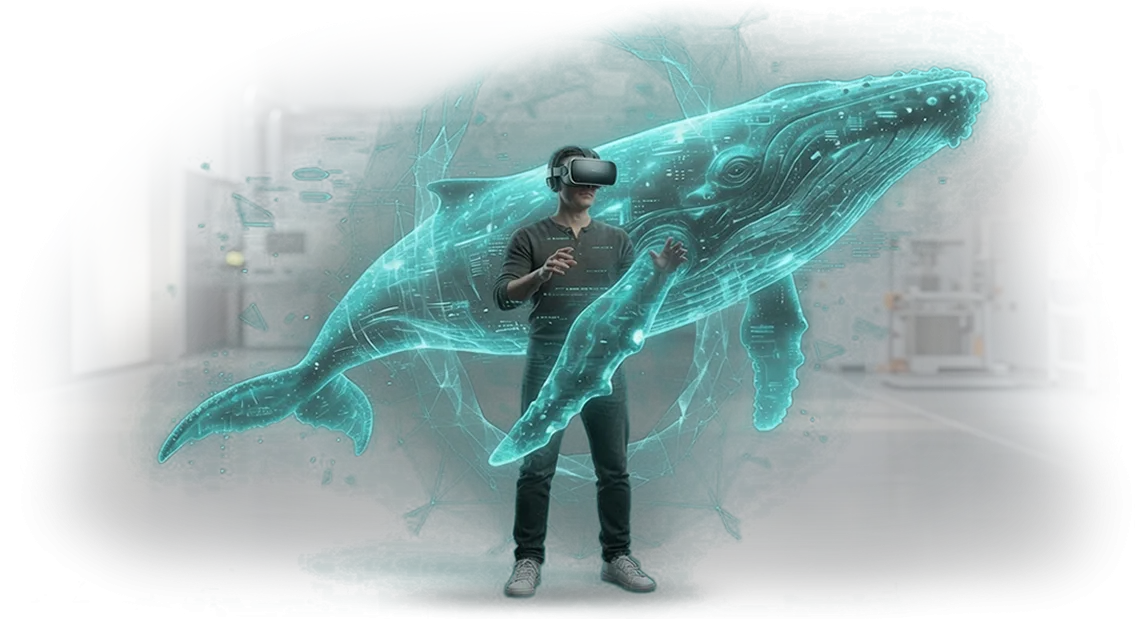
מציאות מדומה ברפואת שיניים מסירה את המחסום המרכזי — חרדה. המטופל מרכיב משקפי VR מקצועיים, מועבר לסצנה רגועה, ומפסיק להתמקד במה שקורה בפה שלו.
המוח עובר לתמונה אחרת, תחושת הכאב מתעמעמת, וההליך מתקדם מהר יותר. הרופא לא צריך לבזבז זמן על שכנוע או הפסקות — הטיפול מתנהל בשלווה ובקצב המתוכנן.
זה מגדיל ישירות את נאמנות המטופלים: אדם זוכר את המרפאה כמקום שבו לא כואב ולא מפחיד. הם חוזרים בעצמם ומביאים חברים — זה מתורגם להפניות חינמיות וליותר תורים ללא עלויות פרסום.
מטופלים שמחים לשתף את החוויה יוצאת הדופן ברשתות החברתיות וביישומוני המסרים — ההכרה במרפאה גדלה יחד עם האמון.
אנחנו עוזרים למרפאות שיניים להטמיע תרחישי VR המותאמים למטרותיהן: אנו בוחרים תוכן, מתקינים ציוד ומכשירים צוות. תוך מספר ימים בלבד, אתם מקבלים כלי עבודה שמשמר מטופלים ומבדל אתכם מהמתחרים.
קחו את הצעד הראשון — הזמינו מטופלים לנסות VR לפני הטיפול, ותראו איך היחס שלהם לביקור משתנה.
מה הפלטפורמת VR נותנת למרפאה ולמטופלים
נוחות המטופל
פלטפורמת ה-VR מסיטה את תשומת הלב של המטופל מהקולות והתחושות לעולם וירטואלי מרגיע. החרדה יורדת באופן ניכר, וזה חשוב במיוחד לילדים ולמטופלים עם דנטופוביה.
אדם רגוע סובל את ההליך בקלות רבה יותר, והמרפאה מפחיתה את הסיכון לביטולים ולדחיות. עבור רבים, זה הופך לגורם המכריע בבחירת מרפאת השיניים שלכם.
גידול בהזמנות תורים
מטופלים שנהנו מהביקור מספרים לחברים ולקולגות על המרפאה. חוויית ה-VR הופכת לנושא שיחה שמבדל אתכם — ומטופלים חדשים מגיעים אליכם.
הפלטפורמה גם מעצימה קמפיינים שיווקיים: למשל, מפגש VR במתנה בהזמנת טיפול ארוך טווח.
הכרה במרפאה
אזור VR מושך תשומת לב וגורם לאנשים לרצות לצלם. מטופלים מפרסמים תמונות ברשתות החברתיות, ויוצרים חשיפה חינמית למותג. זה מבדל את המרפאה מהמתחרים ומחזק את התדמית של מרפאת שיניים מודרנית ואכפתית.
הפחתת עומס העבודה על הצוות
מטופל רגוע זז פחות ולא מסיח את דעתו של הרופא, כך שהתורים מתקדמים מהר יותר וללא מתח. המרפאה יכולה לטפל ביותר מטופלים ביום, והצוות שומר על אווירה ידידותית.
פלטפורמת ה-VR אינה דורשת הכשרה מורכבת: הרופא בוחר תרחיש מוכן ומתחיל את המפגש.
פורמטים של פתרונות VR לרפואת שיניים לפי המשימה שלכם
רפואת השיניים כיום אינה רק טיפול, אלא גם הרושם שהמרפאה עושה. מטופלים בוחרים יותר ויותר מקום על סמך האווירה שלו עוד לפני הביקור, והצוות זקוק לתרגול קבוע ללא לחץ.
VR פותר משימות אלה, אבל אותו תרחיש לא יעבוד עבור לובי, חדר טיפולים וחדר הדרכה. לכן חילקנו את הפתרונות שלנו לפורמטים — עבור נקודת מגע ספציפית ומטרה עסקית.
אם המטרה שלכם היא למשוך מטופלים חדשים ולהגדיל נראות, אתם צריכים אזור הדגמה בלובי. אם אתם רוצים שמטופלים יסבלו טיפולים בקלות רבה יותר ויחזרו שוב, בחרו בהרגעה בחדר הטיפולים.
ולשיפור איכות השירות והכשרת צוות מהירה, פורמט ההדרכה עובד. כך זה נראה בפועל.
| פורמט | למי | מה זה נותן למרפאה |
|---|---|---|
| אזור הדגמת VR בלובי | מטופלים חדשים, מבקרים, מלווים | מציג שירותים וטכנולוגיות בצורה משחקית, מקצר את זמן ההמתנה, יוצר סיבה לבקר במרפאה |
| הרגעה בחדר הטיפולים | מטופלים במהלך טיפול, ילדים, אנשים עם דנטופוביה | מפחית חרדה, עוזר לסבול בשלווה הליכים ארוכים, מגביר נאמנות ואת חלקם של ביקורים חוזרים |
| הדרכת צוות ב-VR | רופאים, סייעות, אדמיניסטרטורים | תרגול מיומנויות ללא סיכון למטופלים, קליטה מהירה, סטנדרטים אחידים של עבודה לכל הצוות |
כל פורמט מותאם למרפאה שלכם: מספר האזורים, מאפייני זרם המטופלים, והאם הקהל שלכם הוא ילדים או מבוגרים. ואם אתם צריכים אפקט מקיף, אנו משלבים כמה פורמטים במערכת אחת — מהלובי ועד חדר הטיפולים. נייעץ לכם מה הכי מתאים ונראה דוגמאות בהדגמה.
איך עובד פיתוח פרויקט VR למרפאה: 7 שלבים
בנינו את התהליך כך שבכל שלב אתם מבינים מה קורה עם הפרויקט ואילו תוצאות אתם מקבלים.
אין 'קופסאות שחורות': אישור הפרויקט עובר דרך נקודות בקרה ברורות, ואתם תמיד רואים איך יישום ה-VR בפיתוח מתקרב להשקה במרפאה שלכם.
-
בריף והתעמקות במטרות המרפאה. אנו אוספים פרטים: אילו שירותים אנו מקדמים, מי הם מטופלי היעד, ואילו פחדים ונקודות כאב אנו רוצים לטפל בהם. הפלט הוא מסמך עם יעדים, לוחות זמנים וקריטריוני הצלחה. אתם מאשרים אותו ומקבלים מחיר קבוע.
-
ניתוח ובחירת פורמט. אנו מחליטים היכן ל-VR תהיה ההשפעה המקסימלית: הצגת המרפאה, הדמיית טיפול, או הסחת דעת של המטופל במהלך הליך. אנו מתאימים את התרחיש לזרם המטופלים שלכם — מהדגמה קצרה ועד סיור תלת-ממדי מלא במרפאה.
-
תרחיש ואב-טיפוס. אנו מפתחים את התרחיש: אילו צעדים המטופל עושה בסביבה הווירטואלית, אילו רגשות הוא חווה, ואיך זה מתחבר לשירותים שלכם.
אנו יוצרים אב-טיפוס — מתאר אינטראקטיבי של פתרון ה-VR העתידי שניתן "לגעת" בו ולהתאים לפני תחילת הפיתוח המלא.
-
פיתוח יישום VR. המומחים שלנו בונים יישום פונקציונלי מלא: גרפיקה, הוראות ואינטראקציה עם הרופא. אתם מקבלים גרסאות ביניים ויכולים להשאיר הערות. אנו עובדים על ציוד מקצועי, כך שהתמונה נשארת חדה גם בשימוש ממושך במשקפיים.
-
בדיקה בתרחישים אמיתיים. אנו בודקים איך היישום מתנהג במהלך תור: האם קל למטופל להרכיב את המשקפיים, כמה זמן נמשך המפגש, והאם הסביבה הדיגיטלית גורמת לאי-נוחות כלשהי. על סמך התוצאות, אנו מבצעים התאמות — לפני שהמטופל האמיתי הראשון רואה את הפתרון.
-
אישור והתאמות אחרונות. אנו מציגים את הגרסה העובדת, אתם מבצעים בדיקות קבלה, ואנו מבצעים את השינויים הסופיים.
בשלב זה, אתם שולטים בכל פרט: מהתרחיש ועד הטקסט וצבעי הממשק — הכל חייב להתאים לזהות המותג של המרפאה.
-
השקת פתרון ה-VR והכשרת צוות. אנו מתקינים את הציוד, מגדירים את היישום לחדרי הטיפולים שלכם, ומכשירים אדמיניסטרטורים ורופאים. לאחר ההשקה, אנו נשארים בקשר: אנו מעדכנים תוכן, מוסיפים תרחישים חדשים ועוזרים בבעיות טכניות. אתם מקבלים לא רק יישום, אלא כלי עבודה להגדלת נאמנות המטופלים.
מה כלול במסירת פתרון VR למרפאה
אתם לא קונים "תוכנה" אלא כלי מוכן לשימוש שעובד במרפאה מהיום הראשון: הוא מקבל מטופלים, תומך בצוות, ונותן לכם תמונה ברורה — מי השלים הדרכה, אילו תרחישים מבוקשים, והיכן מטופלים עוצרים. כל מה שצריך כדי להשיק ולהפעיל אזור VR על בסיס יומיומי מורכב לחבילה אחת.
המסירה כוללת:
- יישום VR המותאם למטרות המרפאה. הוא כולל כמה תרחישים: מסיחים ומרגיעים למטופלים במהלך טיפול, חינוכיים להוראת מיומנויות היגיינה לילדים ולמבוגרים, ומשעשעים לאזור ההמתנה או לאירועים מחוץ למרפאה.
- פאנל ניהול. ממשק אינטרנט פשוט לצוות: הפעלת התרחיש הרצוי, לוח זמנים למפגשים, הערות תוצאות וצפייה בסטטיסטיקות לכל מטופל ולמרפאה כולה.
- הוראות ונהלים. מדריכים קצרים לרופאים, אדמיניסטרטורים ומטופלים: איך להפעיל את המשקפיים, לבחור תוכנית, לסיים מפגש ולהכין את הציוד למטופל הבא.
- התקנת ציוד. אנו מספקים, מתקינים ומחברים את כל מה שצריך — אתם לא צריכים להתעסק בצד הטכני או לערב מומחים משלכם.
- הכשרת צוות. אנו עורכים מפגש לצוות: מראים איך להשתמש במערכת, עונים על שאלות ומספקים רשימות בדיקה למשמרות יומיות.
- תמיכה לאחר ההשקה. קו התמיכה שלנו עוזר אם משהו משתבש, אם נשכחה סיסמה, או אם צריך להוסיף תרחיש חדש. אנו ממשיכים לעבוד עד שהבעיה נפתרת לחלוטין.
- עדכוני תוכן. אנו מעדכנים מעת לעת את היישום: מוסיפים תרחישים חדשים הרלוונטיים לרפואת שיניים ומבטיחים שהפתרון יישאר שימושי ומרתק.
לאחר מסירת החבילה, המרפאה פועלת בצורה חלקה ללא כיבוי שריפות: הצוות יודע היכן למצוא תשובות, מטופלים רואים שירות מודרני, ואתם מקבלים נתוני שימוש. משם, המערכת פשוט עובדת.
מקרה בוחן: סימולטור VR למרפאת שיניים וגידול בהזמנות תורים
רפואת שיניים היא אחד התחומים שבהם הפחד של המטופל פוגע ישירות בהכנסות. בגלל חרדה, אנשים דוחים ביקורים, מפספסים תורים ופחות מוכנים להסכים לטיפול מורכב.
מרפאה אחת פנתה אלינו עם משימה: להפחית את הלחץ של המטופלים ולהגדיל את סדירות הביקורים. הצענו סימולטור VR המבוסס על מכשירי Pico — ממש בכיסא הטיפול, המטופל שקוע בסביבה מרגיעה בזמן שהרופא עובד.
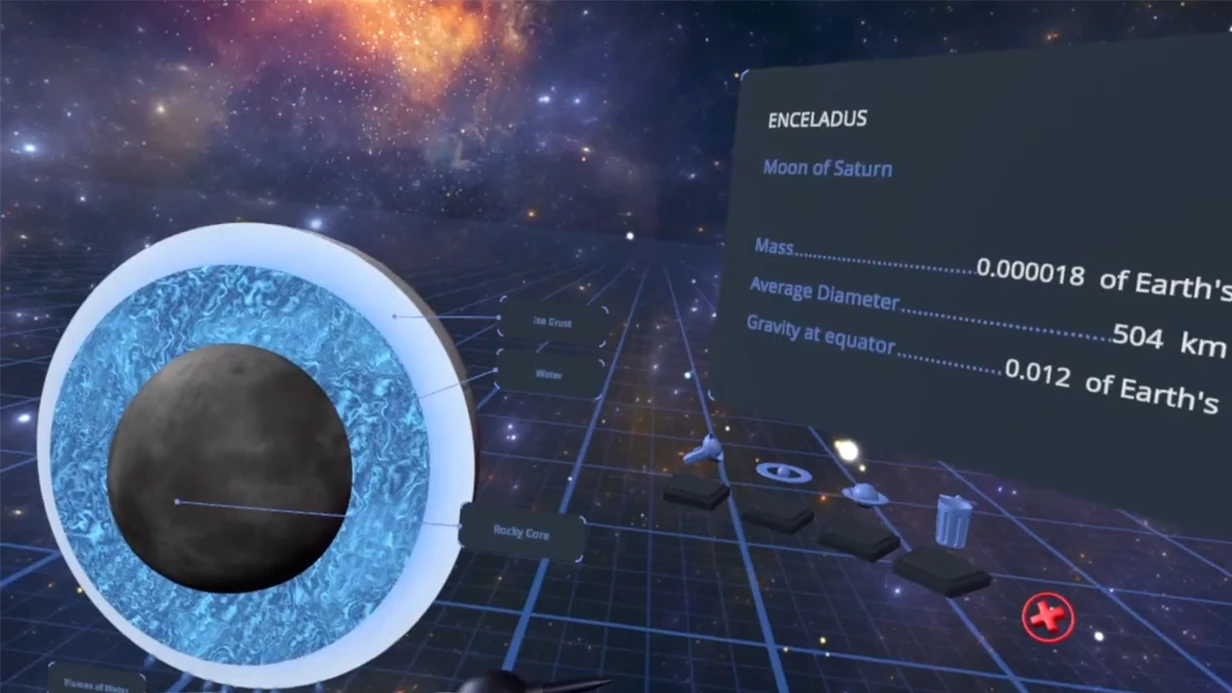
בנינו את הפתרון סביב תרחישים פשוטים וברורים: נופים מדיטטיביים, תרגילי נשימה ומשימות אינטראקטיביות קצרות.
המטופל מפסיק להתמקד בקול המקדחה ובתהליכים בפה שלו, והרופא מקבל אדם רגוע ושליו שלא מתכווץ ולא שואל שאלות מיותרות. זה הפחית את החרדה כבר מהדקה הראשונה.
תוצאות היישום
בחודשיים הראשונים, יותר מ-300 מטופלים השתמשו בסימולטור. משך התור הממוצע ירד כי הרופאים כבר לא נאלצו לבזבז זמן על הרגעת מטופלים. ההזמנות לבדיקות מונעות גדלו ב-40% — אנשים הפסיקו לפחד מביקורים חוזרים. כמו כן צוין שמטופלים היו מוכנים יותר להסכים לטיפול בהרדמה מקומית.
אבל העיקר היה האמון של הצוות. הרופאים עצמם ביקשו להשאיר את סימולטור ה-VR בחדרי הטיפולים והציעו להרחיב את הפתרון למחלקת ילדים.
בסופו של דבר, המרפאה הזמינה הרחבה של התרחישים ומשקפיים נוספים לסניפים אחרים. כך, מקרה ה-VR ברפואת שיניים הפך מניסוי לכלי קבוע להגדלת הזמנות התורים.
איך לבחור את פורמט פתרון ה-VR המתאים למשימה שלכם?
בחירת פורמט פתרון VR מתחילה לא בציוד, אלא במשימה שאתם רוצים לפתור.
אין תשובה אחת שמתאימה לכולם: מרכז שיניים אחד צריך כלי להפחתת חרדה לפני טיפול, אחר צריך דרך להראות למטופלים את התוצאות העתידיות שלהם, ושלישי צריך תוכנית הדרכה לצוות.
לכן בחירת פתרון VR צריכה להתחיל בשלוש שאלות: מה המטרה, מה זרם המטופלים, ואיזו תוצאה אתם רוצים למדוד.
השאלה הראשונה היא המטרה. אם הבעיה העיקרית היא פחד מהמקדחה, בחרו בתרחישי הרגעה עם טבע או הדרכה מדיטטיבית.
אם אתם צריכים להסביר חזותית את שלבי הטיפול או להראות מודל תלת-ממדי של התוצאה, מצגות אינטראקטיביות שבהן אדם "הולך" דרך החיוך העתידי שלו מתאימות.
אם אתם מתכננים להשתמש ב-VR ככלי שיווקי, צרו תרחישים משעשעים או חינוכיים שמטופלים משתפים ברשתות החברתיות.
השאלה השנייה היא זרם המטופלים והזמן. במרפאה עמוסה עם מטופלים כל 20–30 דקות, אתם צריכים פורמט שמתחיל במהירות ואינו דורש הכנה ארוכה: מפגשים קצרים של 3–5 דקות, ממשק ברור ומעורבות מינימלית של הצוות.
אם משתמשים ב-VR להליכים ארוכים או בחדר נפרד, תרחישים ארוכים ומורכבים יותר אפשריים. המפתח הוא שהפתרון לא יאט את הזרם, אלא יעזור לארגן אותו.
השאלה השלישית היא התוצאה הצפויה. החליטו מראש אילו מדדים יראו לכם ש-VR עובד: זמן מופחת בהרגעת מטופלים, יותר תורי טיפול, ביקורים חוזרים, ביקורות חיוביות.
בחירת פתרון VR למשימת המרפאה כוללת תמיד קישור של התרחיש למדדים אלה. בהתחלה, אנו דנים אתכם במדדי היעד ומגדירים תרחישים כך שתוכלו לראות את האפקט — לא רק לקבל "תמונה יפה".
ברגע שתענו בבירור על שלוש השאלות האלה, הדבר היחיד שנשאר הוא בחירת היישום הטכני. אבל זה כבר החלק שלנו: אנו נציע פתרון למשרד שלכם, לזרם המטופלים ולתקציב, נבדוק אותו עם מטופלים אמיתיים ונתאים אותו.
המפתח הוא להתחיל מהבנה איזו משימה של המרפאה VR צריך לטפל בה, ולא מחיפוש אחר מכשיר מגניב. כך, אתם נמנעים מהוצאות מיותרות ומקבלים פתרון שמחזיר את ההשקעה כבר מהשבועות הראשונים.
שאלות נפוצות על הטמעת VR ברפואת שיניים
אנו שומעים לעתים קרובות את אותם חששות מבעלי מרפאות: האם VR בטוח למטופל, האם הציוד יתקלקל, וכמה זמן תיקח הכשרת הצוות. אלה שאלות נורמליות — אנו עונים עליהן בכנות, על סמך ניסיון מעשרות הטמעות ברפואת שיניים.
האם VR בטוח למטופל?
כן. אנו משתמשים במשקפיים מוסמכים בעיצוב סגור ועם רפידות היגייניות מתחלפות שמנוקות לאחר כל מטופל.
לפני המפגש, אנו בודקים התוויות נגד: אפילפסיה, מצבים פסיכיאטריים חריפים, השליש הראשון של ההריון — למקרים כאלה, אנו בוחרים חלופה.
המפגש עצמו נמשך 10–15 דקות, כך שאין סיכון שהמטופל יתעייף או יחווה אי-נוחות. בהירות, עוצמת קול ומהירות התרחיש מותאמים אישית לכל אדם, כך שגם מטופלים חרדים מסתדרים ללא לחץ.
מה אם ציוד ה-VR יתקלקל?
משקפי VR הם אותו סוג של ציוד כמו מחשב או כיסא שיניים, ועם טיפול נכון הם מחזיקים שנים. אנו מספקים מדריך תחזוקה פשוט, ואחריות הציוד מכסה תקלות במהלך השימוש.
אם המכשיר בכל זאת מתקלקל, אנו מחליפים אותו תוך 2–3 ימים ומספקים משקפיים חלופיים לתקופה זו. בנוסף, אנחנו תמיד זמינים: אנו עוזרים בהתקנה, אבחון ותחזוקה מונעת כדי שהמרפאה לא תשב בטלה.
כמה זמן לוקחת הכשרת הצוות?
בדרך כלל, מפגש אחד של 1–2 שעות מספיק.
האדמיניסטרטור והאחות לומדים במהירות כיצד להפעיל את התרחיש, להחליף רפידות היגייניות ולבצע הגדרות בסיסיות, בעוד הרופא צריך רק להרכיב למטופל את המשקפיים ולבחור את התוכנית — כל השאר קורה אוטומטית.
תוך שבוע, הצוות עובד בביטחון ללא הנחיות. אבל אנחנו לא נעלמים אחרי ההכשרה: במשך חודש אנו עונים על שאלות באמצעות יישומוני מסרים, ובמידת הצורך, מקיימים מפגשי המשך קצרים לעובדים חדשים.
אם עדיין יש לכם ספקות, שלחו לנו רשימה של פרוצדורות שתרצו לכסות עם VR — נציע את הפתרון האופטימלי ונראה לכם איך הוא ישתלב בזרימת העבודה של המרפאה. היישום אורך שבוע עד שבועיים, כולל התקנה, הכשרה והשקה ניסיונית.בקשת פרויקט VR: התחילו בייעוץ ראשוני
מטופלי שיניים חשים לעתים קרובות חרדה עוד לפני שהם יושבים בכיסא הטיפול. VR יכול להקל על המתח הזה: אדם שקוע בסצנה רגועה, הרופא עובד מהר יותר, והלקוח חוזר שוב.
אבל כדי שהפרויקט באמת יעבוד, יש לבחור את הקונספט והתרחיש הנכונים כבר מההתחלה — וזו משימה לאנשי מקצוע.
לכן אנו מציעים להתחיל בייעוץ VR ראשוני למרפאה שלכם. במהלך הייעוץ, נסקור את המשימה שלכם: מה בדיוק אתם רוצים להפוך לאוטומטי או לשפר — הכנת המטופל לטיפול, הדמיית התוכנית, הכשרת צוות, או משיכת מבקרים חדשים. נייעץ איזה פורמט מתאים למטרותיכם ונכין תוכנית יישום ראשונית.
אנחנו הצוות שלנו — אנו מפתחים פרויקטי VR/AR/MR לעסקים כבר למעלה מ-10 שנים. אנו עובדים על ציוד מקצועי, כולל משקפי Pico עצמאיים, שמרפאות מעריכות בזכות הנוחות וחופש התנועה שלהם. עבורכם, זה אומר: הצעה ברורה, לוחות זמנים ריאליים ותוצאה שמחזירה את ההשקעה.
מה תקבלו לאחר פנייתכם אלינו:
- ניתוח של משימת המרפאה ותרחיש יישום ה-VR — לא "באופן כללי", אלא מותאם לפרטים הספציפיים שלכם.
- המלצת פורמט: הסחת דעת למטופלים, הדמיית טיפול תלת-ממדית, הדרכת צוות.
- תוכנית עבודה ראשונית: שלבים, לוחות זמנים ואבני דרך מרכזיות בפרויקט.
- הערכת משאבים: מה נדרש מהמרפאה ומה אנחנו לוקחים על עצמנו.
- דוגמאות לפתרונות דומים בתחום הרפואי.
- הבנה ברורה של הצעדים הבאים — ללא התחייבויות או תיאוריה מיותרת.
שלחו את בקשת פיתוח ה-VR שלכם בעמוד זה — ונחזור אליכם תוך יום עסקים אחד. הייעוץ הראשוני יעזור לכם להבין איך VR יכול לחזק את המרפאה שלכם לפני שתחליטו בכלל להשיק את הפרויקט.