



לקוחות הולכים לאן שיש AR: איך להחזיר את תשומת הלב שלהם
המבקר של היום מוצף במידע: ביום אחד הוא עובר ליד עשרות דוכנים ורואה מאות מצגות ובאנרים. תשומת הלב מתפזרת תוך דקות, ותצוגה סטטית רגילה לא נותנת סיבה להתעכב.
בסופו של דבר, האורח מהנהן בנימוס, לוקח מזכרת ועובר לדוכן השכן — זה שבו קורה משהו חי ויוצא דופן.
זו בדיוק הסיבה ש-AR לאירועים הפסיק להיות ניסוי והפך להכרח. מציאות רבודה הופכת צופה פסיבי למשתתף פעיל: האדם מתקשר עם המוצר, רואה אותו בהקשר הנכון ומניע את התרחיש.
אינטראקטיביות כזו לוכדת תשומת לב, מעוררת רגש ונשארת בזיכרון הרבה יותר חזק מכל ברושור או וידאו. המבקר לא רק צופה — הוא מצטרף לחוויה, מצלם את התוצאה ומספר עליה לעמיתים.
בזמן שאתם שוקלים את האפשרויות, המתחרים כבר משלבים מעורבות AR בקמפיינים שלהם ולוקחים לכם את הקהל. אורחים חוזרים אליהם שוב ושוב, מוכנים יותר להשאיר פרטי קשר ומשתפים התרשמויות ברשתות החברתיות. כל יום בלי אינטראקטיביות משמעותו לידים אבודים ומיתוג חלש יותר.
אנחנו עוזרים לסגור את הפער הזה: אנחנו מתכננים ומשיקים פתרונות AR המותאמים למטרת האירוע שלכם — מהקונספט ועד ההפעלה על ציוד מקצועי.
אתם מקבלים כלי שמחזיר את תשומת הלב של הקהל, מחזיק אנשים ליד הדוכן שלכם והופך מבקרים ללקוחות נאמנים.
מה מרוויחים כשמוסיפים מציאות רבודה לשיווק
הקונה של היום מוצף בפרסום — באנר רגיל או וידאו כבר לא תופסים תשומת לב.
מציאות רבודה משנה את חוקי המשחק: במקום צפייה פסיבית, אנשים מקבלים הזדמנות "למדוד", "להזיז" או "להחיות" מוצר ממש במרחב שלהם.
זה הופך את המסר השיווקי מתקשורת חד-כיוונית לדיאלוג אינטראקטיבי, ואת המותג עצמו לחלק מהחוויה של הלקוח. זו הסיבה ש-AR הופך לכלי שמספק תוצאות עסקיות מדידות.
מעורבות מוגברת
כשמישהו מתקשר עם מציאות רבודה, הוא מבלה דקות, לא שניות, עם המותג. ניסוי וירטואלי של בגדים, הצבת רהיטים בחדר או אריזה אינטראקטיבית — כל אלה תופסים תשומת לב ודוחפים לפעולה. קהל מעורב נוטה יותר להגיע לנקודת הרכישה ומוכן יותר לחזור.
הגעה מורחבת
פורמט לא שגרתי הופך בעצמו לסיבה לשיתוף. אנשים מצלמים ומקליטים סרטונים עם אפקטים של AR, מפרסמים אותם ברשתות החברתיות ומספרים לחברים על החוויה.
כך, לקוח אחד מביא עיניים חדשות למותג — בלי שום תקציב פרסום נוסף. ההגעה האורגנית גדלה, וכל משתתף הופך לשגריר חי.
יותר לידים
מציאות רבודה דורשת פעמים רבות פעולה: בחירת צבע, בחירת מידה, התאמת פרמטרים. אפשר להמיר את זה ללכידת לידים — למשל, לבקש מהמשתמשים להשאיר פרטי קשר כדי לקבל תוצאה מותאמת אישית.
אנשים משתפים את הנתונים שלהם ברצון כשהם מקבלים בתמורה חוויה שימושית ומרתקת. אתם מקבלים לידים חמים שכבר מתעניינים במוצר.
זיכרון מותג
רגשות הקשורים לחוויות אינטראקטיביות נזכרים הרבה יותר טוב מטקסט או וידאו. הלקוח נזכר במותג שלכם מאוחר יותר, כשעולה צורך, וסביר הרבה יותר שיחזור. ביקורים חוזרים והפניות הם התוצאה הטבעית של גישה זו.
אינטגרציה שיווקית
כדי שמציאות רבודה תניב תוצאות, היא חייבת להיות משולבת באסטרטגיה הכוללת ולא לעמוד לבדה כמבצע חד-פעמי. אנחנו מפתחים פתרונות AR שמחזקים ערוצים קיימים — מתערוכות ומיקומים פיזיים ועד קטלוגים מקוונים. זו גישה אינטגרטיבית שבה הטכנולוגיה משרתת יעדים עסקיים ספציפיים.
פורמטים של פרויקטי AR למטרה העסקית שלכם
למשימה אחת מספיקה מסכת AR; לאחרת נדרש קטלוג אינטראקטיבי מלא. מציאות רבודה מציגה מוצר "בשידור חי", מובילה אורח במסלול או נותנת למותג כלי להגעה ויראלית. המפתח הוא לבחור את הפורמט שמתאים למשפך שלכם: משיכה, מעורבות או מכירות.
אנחנו מיישמים את כל הפורמטים המרכזיים של AR. הטבלה מציגה את התרחישים האופייניים שלגביהם אנחנו מכווננים את הממשק ואת זרימת השימוש.
| פורמט | מתאים במיוחד ל | מה הוא נותן ללקוח |
|---|---|---|
| מסכות AR | קמעונאות, אירועים, קידום מותג | הגעה ויראלית: המשתתפים מרכיבים את המסכה, משתפים תוצאות ברשתות החברתיות, והמותג זוכה לאזכורים בלי לקנות פרסום |
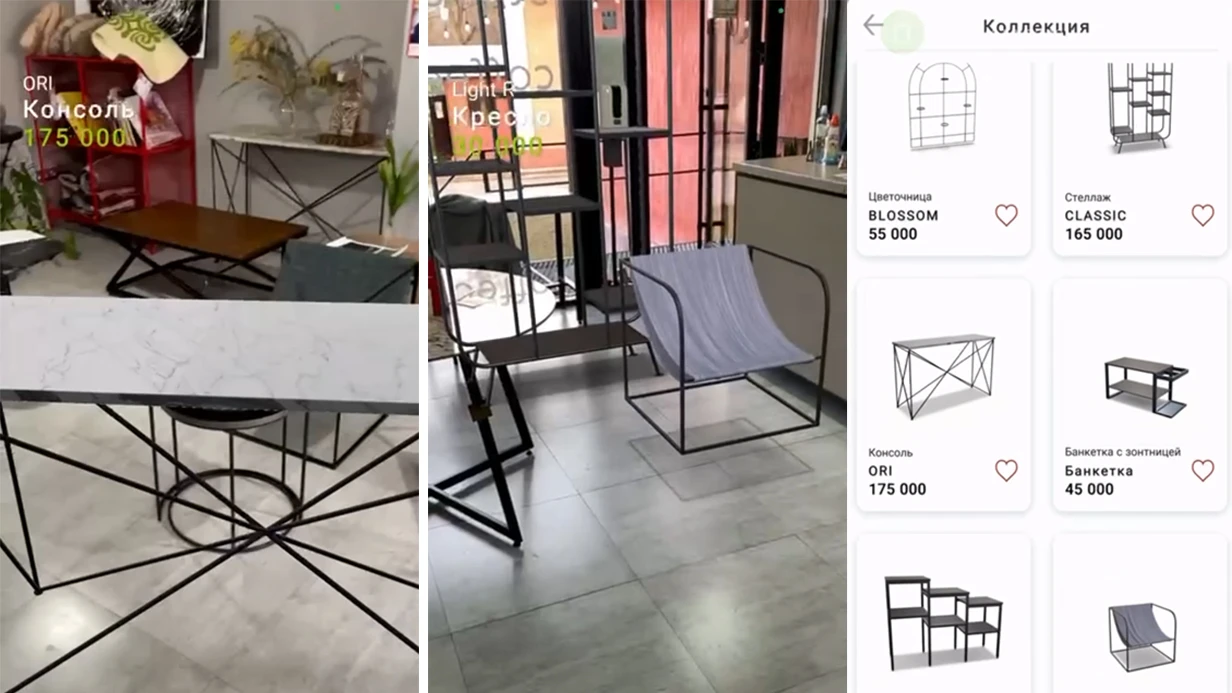
| קטלוג AR אינטראקטיבי | חנויות מקוונות, אולמות תצוגה, מכירות B2B | הקונים רואים את המוצר במרחב שלהם ומבצעים פחות החזרות, בעוד המנהלים סוגרים עסקאות מהר יותר |
| ניווט אינטראקטיבי | תערוכות, קניונים, אירועים, חללי מוזיאון | המבקרים מוצאים במהירות דוכן או מוצג, בעוד המארגנים אוספים נתונים על תנועה ותחומי עניין |
| אריזה משופרת ב-AR | יצרני מוצרי צריכה (FMCG) | האריזה "מתעוררת לחיים" ותופסת תשומת לב על המדף, ומגדילה את הסבירות לרכישה |
אנחנו בוחרים את הפורמט אחרי הבריף — בהתבסס על המטרה, התקציב והתנהגות הלקוחות שלכם. אם צריך, אנחנו משלבים פורמטים לפרויקט אחד: למשל, מסכה להשקת קמפיין וקטלוג למכירות.
כל פורמט נמדד לפי מדדים משלו: מספר שימושים, אירועי הוספה לסל ומסלולים שהושלמו. נסכים מראש אילו מספרים יהוו הצלחה לעסק שלכם. כתוצאה מכך, אתם מקבלים כלי שפותר משימה, לא רק "טכנולוגיה אופנתית".
התהליך שלנו: מהרעיון שלכם ועד לאפליקציה אינטראקטיבית
בנינו את התהליך כך שתבינו בכל שלב מה קורה ומה תהיה התוצאה. בלי הפתעות נסתרות: קודם כל מגדירים את היעדים, אחר כך מאשרים את התוכנית ואת הערכת העלות, ורק אז מתחילים בעבודה.
- בריף והתעמקות במשימה. אתם מספרים לנו על העסק, הקהל והיעדים של אפליקציית ה-AR. אנחנו שואלים שאלות הבהרה ומתעדים את התוצאה הצפויה כדי שכולם ידעו בדיוק מה אנחנו יוצרים.
- פיתוח קונספט ותוכנית. אנחנו מגדירים את תרחיש השימוש, נקודות האינטראקציה המרכזיות והמימוש הטכני. מאשרים את השלבים ולוחות הזמנים — אתם יודעים מה יהיה מוכן ומתי.
- אישור עיצוב ו-UX/UI. אנחנו מעצבים את הממשק ואת לוגיקת האפליקציה באב-טיפוס ויזואלי. אתם רואים כיצד משתמשים יתקשרו עם אובייקטי ה-AR ויכולים לבצע שינויים לפני תחילת הפיתוח.
- פיתוח האפליקציה. אנחנו בונים מוצר עובד: הגדרת זיהוי אובייקטים, עיבוד תוכן תלת-ממדי ולוגיקת אינטראקציה. אנחנו מציגים גרסאות ביניים באופן קבוע כדי שתישארו בתמונה.
- בדיקות והשקה. אנחנו מוודאים יציבות במכשירי יעד, מתקנים תקלות ומסייעים בפרסום בחנויות האפליקציות או בהתקנה על המכשירים שלכם.
- תמיכה והתפתחות. אנחנו נשארים בקשר אחרי ההשקה: עובדים על עדכונים, מוסיפים תרחישים חדשים ומסייעים לשלב את האנליטיקה שנאספה בפיתוח המוצר.
כל שלב מסתיים בתוצר קונקרטי — מתוכנית מאושרת ועד אפליקציה עובדת. כך שגם אם עולים רעיונות חדשים בדרך, אתם תמיד מבינים איך הם ישפיעו על לוחות הזמנים והתקציב.
אתם מקבלים לא רק פיתוח אפליקציית AR, אלא פרויקט שקוף עם היגיון ברור ושינויים ניתנים לניהול.
מה כלול במסירת פרויקט מציאות רבודה
אתם מקבלים יותר מסתם אפליקציה — אתם מקבלים כלי שלם ועובד עם כל מה שצריך כדי להשיק, לפתח ולעקוב אחר תוצאות.
אנחנו מוסרים את כל הפרויקט, מקוד המקור ועד חומרי הדרכה, כדי שלא תהיו תלויים בנו בכל צעד ותוכלו לנהל את המוצר בעצמכם.
- קוד מקור וכל חומרי הפרויקט — אתם הבעלים של התוצאה ויכולים לבצע עריכות, להרחיב את הפתרון או למסור אותו לצוות אחר.
- תיעוד ברור — תיאור מפורט של הלוגיקה, התרחישים וההגדרות כך שכל מומחה יוכל להתעדכן בלי עקומת למידה ארוכה.
- הדרכה לצוות שלכם — מפגש מעשי שמכסה איך להוסיף תוכן חדש, לעדכן סצנות, לשנות טקסטים ולעבוד עם אנליטיקה.
- תמיכה טכנית לאחר ההשקה — אנחנו קובעים תקופת אחריות שבה אנחנו מתקנים באגים במהירות ומסייעים בשיפורים.
- חבילת שיווק — חומרי קידום מוכנים, צילומי מסך ותיאורי תרחישים כדי שתוכלו להתחיל לתקשר עם לקוחות במהירות.
- אנליטיקת שימוש — אנחנו מגדירים איסוף נתונים: כמה אנשים מתקשרים עם ה-AR, אילו תרחישים מבוקשים ואיפה משתמשים נושרים.
- הוראות למשתמשי קצה — מדריכים פשוטים וטיפים שמפחיתים שאלות מאורחים או צוות ומאיצים את האימוץ.
תיעוד והדרכה חוסכים לכם זמן וכסף בעתיד. אתם לא משלמים בכל פעם על עריכות קטנות — הצוות שלכם מטפל בהן באופן עצמאי, בעוד אנחנו נשארים זמינים למשימות מורכבות. בסופו של דבר, אתם מקבלים מוצר ניתן לניהול שיכול להתפתח בקלות לצרכים עסקיים חדשים.
מקרה בוחן: איך מסכה אינטראקטיבית עזרה למותג למשוך קהל
האתגר
מותג הקוסמטיקה Nova Beauty הציג לצד עשרות מתחרים — כל אחד משך אורחים עם הנחות וטעימות. דוכן רגיל הלך לאיבוד ברעש, והקהל היעד היה צריך יותר ממבט חטוף; הם היו צריכים לזכור את המותג.
הצענו להפוך את המציאות הרבודה למגנט המרכזי: במקום יועצת, מסכת AR אינטראקטיבית שמורחת איפור על פני האורחת בזמן אמת.
התוצאה
במהלך היומיים, הדוכן ייצר יותר מ-1,200 אינטראקציות — אנשים חזרו מספר פעמים, ניסו מראות שונים והביאו חברים. זמן השהייה הממוצע בדוכן הגיע לארבע דקות, לעומת שלושים השניות הרגילות שהושקעו בבדיקת מוצרים.
הכי חשוב: קהל העוקבים של המותג ברשתות החברתיות גדל ב-30% בשבוע שאחרי האירוע. מציאות רבודה לא הייתה רק בידור: כל משתתף שיתף תמונה עם המסכה, והפך את הדוכן למקור של הגעה חינמית.
המקרה הזה הראה ש-AR באירוע משתלם לא רק בתשומת לב אלא במדדים מדידים: פרטי הקשר של הקהל שולשו, והאורחים המשיכו לקדם את המותג בעצמם אחרי התערוכה.
אנחנו לוקחים על עצמנו פיתוח ותמיכה, מרעיון ועד השקה, כך שהלקוח מקבל נקודת משיכה מוכנה בלי להיכנס לפרטים טכניים.
איך לבחור פורמט אינטראקטיבי למשימה ולתקציב שלכם?
בחירת פורמט אינטראקטיבי מתחילה לא בטכנולוגיה אלא במטרה העסקית שלכם. AR הוא כלי שצריך לפתור בעיה ספציפית: למשוך תשומת לב למוצר, להאיץ הכשרת עובדים, לשפר המרה או להפוך אירוע לבלתי נשכח.
ככל שהמטרה ברורה יותר, כך קל יותר לבחור פתרון שמספק תוצאות מדידות בלי עלויות מיותרות.
אנחנו בוחרים את הפורמט לפי שלושה פרמטרים: המשימה שלכם, הקהל שלכם והתקציב הזמין. לחלון ראווה או קמפיין קידום, למשל, מספיקה מסכת AR אינטרנטית פשוטה שעובדת דרך מצלמת הסמארטפון בלי להתקין אפליקציה.
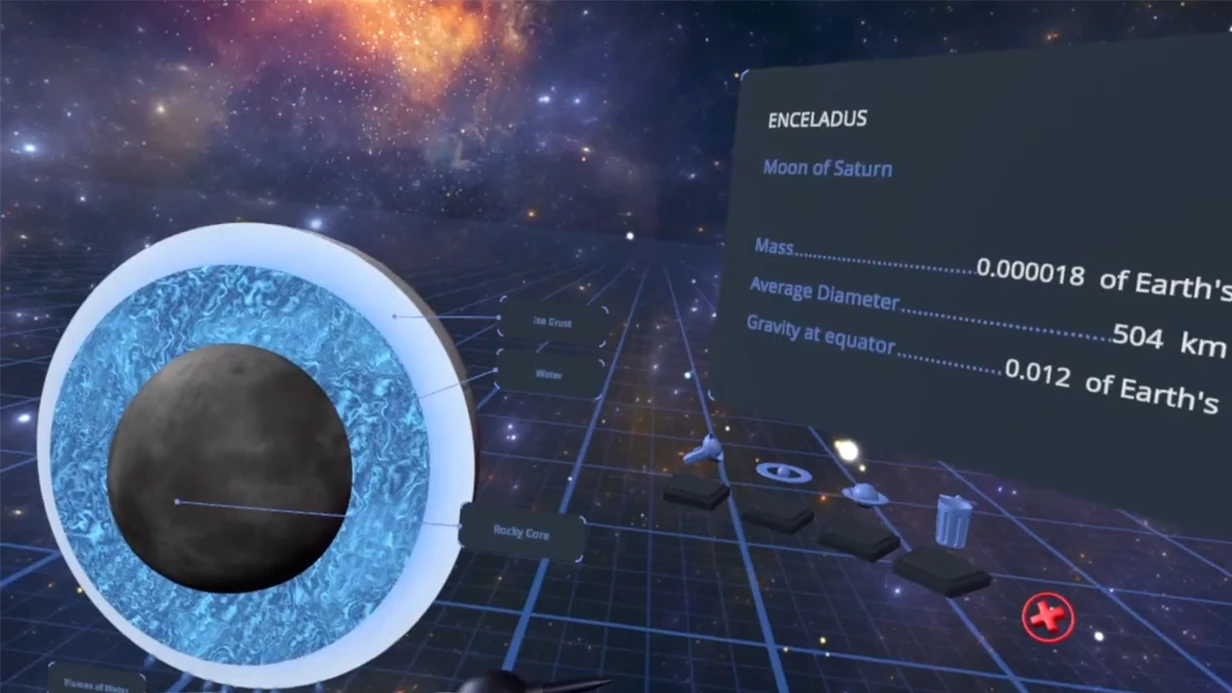
להכשרת עובדים או להצגת מוצר מורכב, ייתכן שתצטרכו אפליקציה ייעודית עם תמיכה במשקפי מציאות רבודה. עלות הפיתוח תלויה דווקא בהיקף ובמורכבות התרחיש, לא בכמה "אופנתית" הטכנולוגיה.
הניסיון שלנו מראה ש-80% מהמשימות העסקיות מטופלות עם פורמטים פשוטים ואמינים שלא דורשים השקעה גדולה. לכן אנחנו לא מציעים "הכל בבת אחת"; במקום זה, אנחנו מחפשים את האפשרות האופטימלית — מ-AR אינטרנטי מהיר ועד פיתוח מותאם אישית מלא.
בייעוץ המקדים, אתם מקבלים הערכת עלות שקופה ותוכנית יישום: מה כולל כל שלב, מהם לוחות הזמנים ואיזו תוצאה לצפות. בלי חיובים נסתרים ובלי הבטחות מעורפלות.
אל תדאגו שבחירת הפורמט תהיה מסובכת מדי. אנחנו תומכים בכם בכל שלב: מנתחים את המשימה, מציעים שתיים או שלוש אפשרויות ברמות מחיר שונות ומסבירים בבירור את היתרונות והחסרונות של כל אחת.
אתם מקבלים החלטה על סמך טיעונים עסקיים פשוטים — הגעה, מעורבות, לוחות זמנים ו-ROI — ולא על פרטים טכניים.
קבעו ייעוץ — נפרק את המשימה שלכם, נציע את פורמטי ה-AR הטובים ביותר וניתן לכם את העלות המדויקת של הפיתוח. כך תחסכו זמן ותימנעו מתשלום יתר, ותקבלו בדיוק מה שיועיל לעסק שלכם.
חששות נפוצים של לקוחות: תשובות כנות
לרוב, לקוחות חוששים שאפליקציית ה-AR לא תעבוד על המכשירים של הלקוחות שלהם, ושאחרי ההשקה הצוות "ייעלם" יחד עם הבאגים והשאלות. אנחנו מתייחסים לחששות האלה ישירות — בלי ז'רגון טכני ובלי אותיות קטנות.
מה אם האפליקציה לא תיפתח בטלפונים של חלק מהמבקרים?
לפני ההשקה, אנחנו בונים גרסת בדיקה ובודקים את התרחישים על דגמי מכשירים שונים — אותם אלה שהלקוחות שלכם משתמשים בהם. אתם רואים את התוצאה לפני הפרסום, לא אחריו.
אם משהו משתבש במכשיר מסוים, אנחנו מתקנים אותו בשלב הבדיקות, לא במהלך האירוע.
אילו ערבויות אתם נותנים על תוצאות ולוחות זמנים?
אנחנו קובעים את הדרישות, היקף העבודה ולוחות הזמנים בחוזה, ומפצלים את המסירה לשלבים. אתם מקבלים אב-טיפוס, אחר כך גרסה עובדת, ואתם שולטים בהתקדמות הפרויקט בכל שלב.
לאחר סיום העבודה חלה תקופת אחריות — אנחנו מתקנים באגים ותקלות ללא תשלום במסגרת הזמן המוסכם.
האם תישארו איתנו אחרי ההשקה?
אנחנו לא "מוסרים את הפרויקט ועוזבים": אחרי הפרסום, אתם נשארים בקשר עם הצוות. אנחנו עוזרים לשחרר עדכונים, להתאים תרחישים לקמפיינים חדשים ולהכשיר את העובדים שלכם לשימוש בלוח הבקרה — כך שתוכלו לשנות תוכן בלי מפתחים.
מה אם נצטרך שינויים או תכונות חדשות?
אנחנו בונים את הפרויקט מתוך מחשבה על התפתחות: הארכיטקטורה והממשק מאפשרים להוסיף תרחישים חדשים בלי עיבוד מלא. אתם מתארים את המשימה, אנחנו מעריכים את לוחות הזמנים והעלות ומבצעים את השינויים בתהליך ברור. גישה זו חוסכת תקציב ומסירה הפתעות.
כמה זמן לוקח לפתח פרויקט AR?
לוח הזמנים תלוי במורכבות התרחיש ובמספר המכשירים, אבל בדרך כלל אנחנו נכנסים להשקה תוך 2–4 שבועות. אנחנו נותנים את התוכנית המדויקת אחרי הבריף ומציגים לוח זמנים שלבי עם נקודות ביקורת.
אם לוחות הזמנים צפופים — ספרו לנו מיד, ונציע פתרון בלי לפגוע באיכות.
אם עדיין יש לכם ספקות — שאלו אותנו ישירות, נענה בכנות ונראה דוגמאות של פרויקטים דומים בתחום שלכם.מוכנים לדון בפרויקט שלכם? שלחו לנו פנייה
אם אתם קוראים את הסעיף הזה, הרעיון לאפליקציית AR כבר קיים, והשאלה היחידה שנשארה היא מאיפה להתחיל ומה זה עולה. כל פרויקט הוא ייחודי, ולכן מחירונים סטנדרטיים לא עובדים — אנחנו צריכים להבין את היעדים, הקהל והקשר השימוש. נדון בזה במהלך הייעוץ ונהפוך את הרעיון לתוכנית קונקרטית.
אחרי שתפנו אלינו, תקבלו:
- הערכת עלות ולוחות זמנים ריאליים למשימה שלכם;
- ייעוץ על תרחישי שימוש ב-AR בתחום שלכם;
- המלצות על פורמט: אפליקציה לנייד, AR אינטרנטי או חלק מפרויקט גדול יותר;
- ניתוח של קהל היעד שלכם ונקודות המגע שלו;
- דוגמאות לפתרונות דומים ורעיונות ראשונים לממשק;
- תוכנית ברורה של הצעדים הבאים בלי התחייבות לשלם הכל מראש.
שליחת פנייה לא חותמת חוזה — היא מעניקה לכם הערכה מקצועית.
הניסיון שלנו של יותר מ-10 שנים ותיק פרויקטים לאירועים, קמעונאות ולקוחות ארגוניים מאפשרים לנו לראות במהירות את החוזקות והחולשות של רעיון ולהראות לכם איך להפוך אותו ליעיל יותר.
מלאו את הטופס למטה או צרו איתנו קשר בכל דרך שנוחה לכם. ספרו לנו על המשימה שלכם — ונכין הערכה מפורטת והמלצות כדי שתוכלו לקבל את ההחלטה הבאה על סמך עובדות, לא ניחושים.