

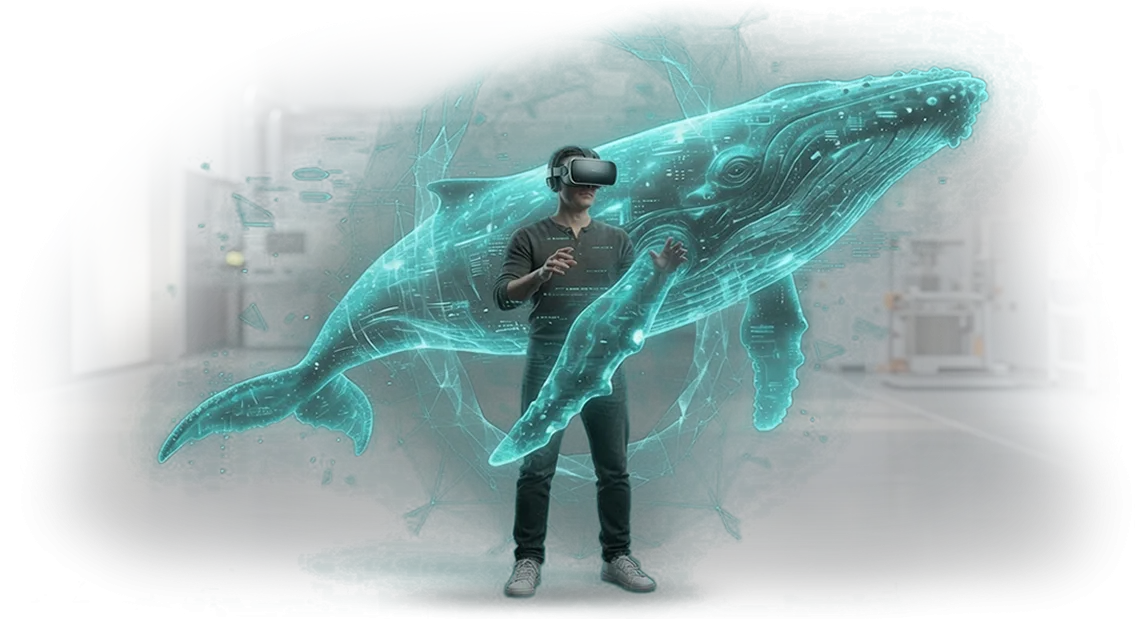


לקוחות כבר מחפשים אתכם בפלטפורמות Metaverse — ואתם לא שם
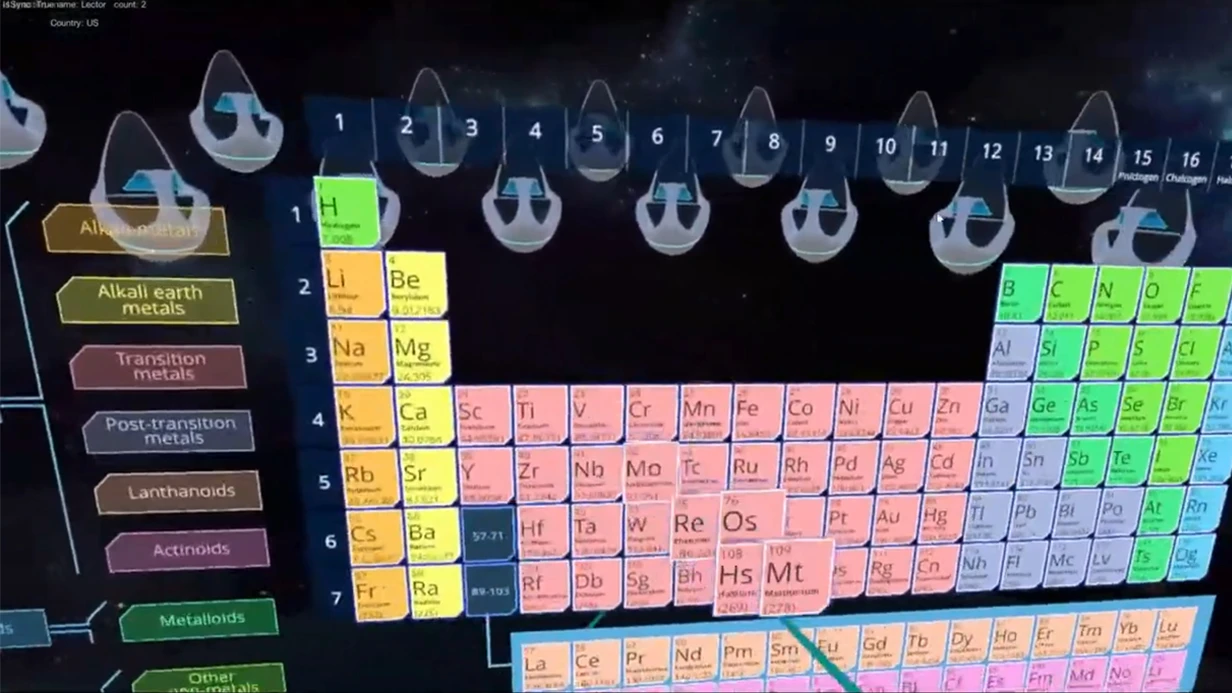
הקהל כבר חי במטאוורס, וזה לא תחביב נישתי. משתמשים מבלים שעות ביישומי VR, מתקשרים, לומדים, קונים ובוחרים מותגים במרחבי תלת-ממד.
בזמן שהעסק שלכם מתמקד באתרים מסורתיים וברשתות חברתיות, הקהל הזה חולף על פניכם, ולוקח את כספו למתחרים.
סביבה דיגיטלית חדשה מתעצבת בפלטפורמות Metaverse: כאן מתקיימות מצגות מוצר, נפתחים אולמות תצוגה, ומאורגנים תערוכות וקונצרטים.
הלקוחות הפוטנציאליים שלכם כבר מחפשים שם מוצרים ושירותים, ולעתים קרובות מוצאים מתחרים ומחליטים לטובתם. הרוב המוקדם — משתמשים בעלי יכולת כלכלית שהחוויה הווירטואלית הופכת לחלק מהבחירה בעולם האמיתי.
זה לא רק על קבלת משרד וירטואלי. חשוב שהמותג שלכם יהיה נראה, מובן ונוח לשימוש בתוך המטאוורס.
עיצוב ממשק מחושב עוזר למבקרים למצוא במהירות את המוצר המתאים, ליצור קשר אתכם, לקבל רגשות חיוביים ולחזור לעולם האמיתי מוכנים לקנות. כך נבנית נאמנות בערוץ החדש.
אנחנו מפתחים פתרונות UX/UI לפלטפורמות Metaverse: מהלוגיקה של הניווט ועד לזהות החזותית, מחלון הראווה ועד ליועץ הווירטואלי.
אנחנו מתאימים את המותג שלכם למאפייני יישומי VR ומרחבי תלת-ממד, תוך שמירה על הזיהוי והוספת הפונקציות שהלקוחות שלכם באמת צריכים.
הנוכחות בפלטפורמות Metaverse לפני המתחרים מעניקה לכם יתרון במאבק על תשומת הלב והנאמנות של המשתמשים המוקדמים. אם תישארו בצד, תמסרו ערוץ מכירות חדש לאלה שכבר עשו את הצעד הראשון.
אנחנו נעזור להפוך את הנוכחות שלכם במטאוורס למחושבת ויעילה — מהרושם הראשוני ועד לביקור החוזר.
מה פיתוח VR/AR מביא לעסק שלכם
פתרונות VR/AR לוקחים את האינטראקציה עם הלקוח לרמה חדשה: במקום לדפדף פסיבית בקטלוג, אדם נכנס לתוך המוצר או הסיפור שלכם. חוויה כזו נזכרת הרבה יותר חזק, מה שאומר שהמעורבות והרצון לחזור גדלים.
היתרון הראשון הוא תצוגת מותג מרשימה. אפשר להציג מוצר מקרוב, לאפשר לאנשים "לגעת" בו במציאות רבודה, או להדריך לקוחות דרך מתקן עתידי לפני שהוא בכלל נבנה.
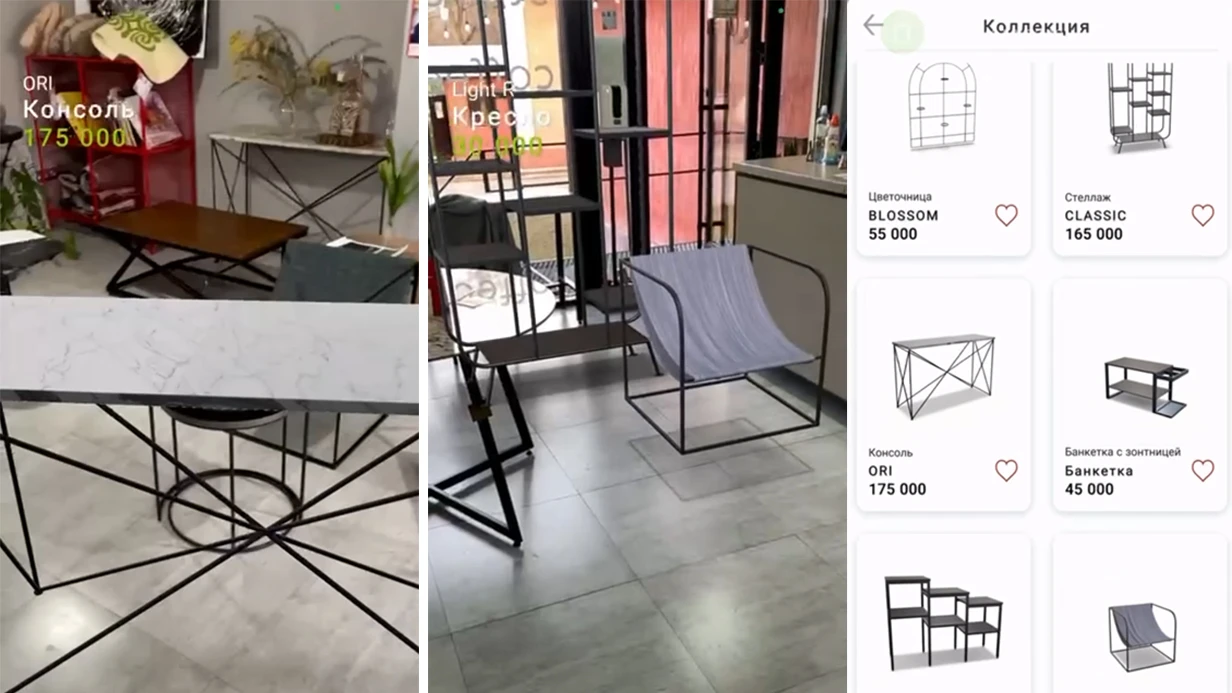
פתרונות AR מאפשרים ללקוחות לנסות רהיטים, בגדים, איפור — כל מה שבעבר דרש נוכחות פיזית. ככל שיש פחות מחסומים בין עניין לרכישה, כך ההמרה גבוהה יותר.
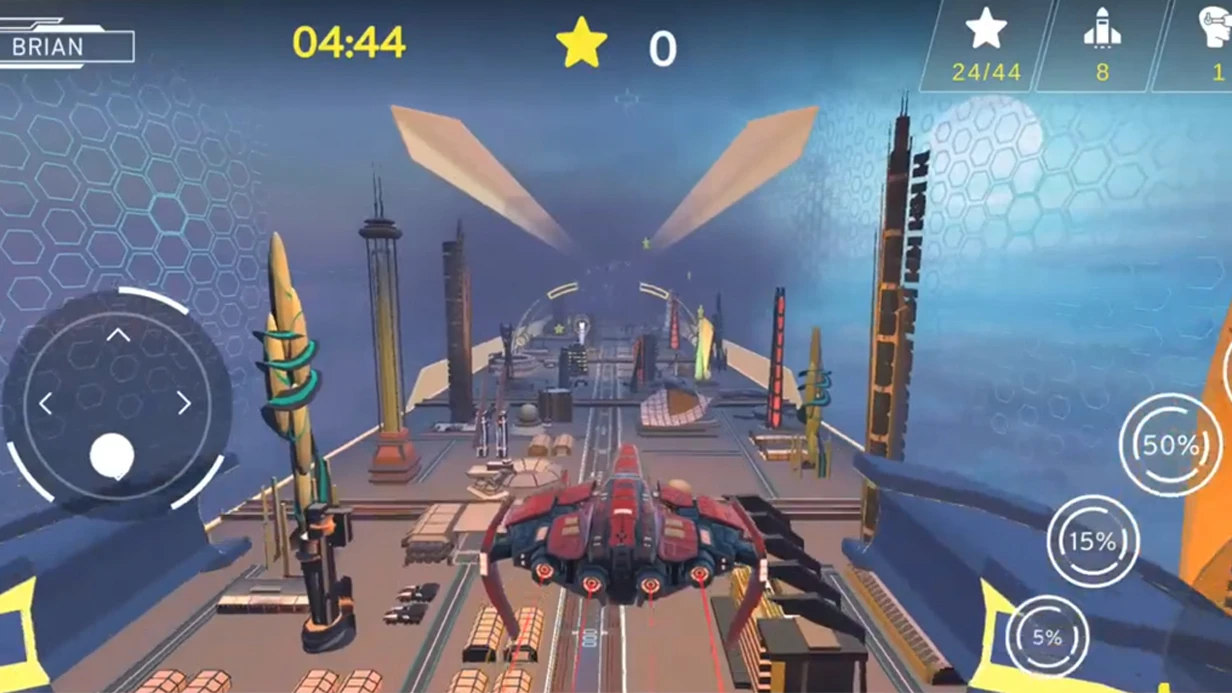
השני הוא אירועים מרשימים שמרחיבים את החשיפה. אזור VR בתערוכה או במצגת מושך תור של מבקרים, והאורחים מצלמים את החוויה בעצמם ומפרסמים אותה ברשתות החברתיות.
אתם מקבלים רגשות אמיתיים ויחסי ציבור חינם: כל מבקר מביא את תשומת הלב של מאות עוקבים שלו. אירוע הופך מפורמליות לנקודת שיחה שאנשים דנים בה במשך שבוע.
השלישי הוא ערוצי מכירה חדשים. במטאוורסים וביישומי VR ארגוניים אפשר להקים אולם תצוגה וירטואלי שבו לקוחות בוחנים את המבחר מכל מקום בעולם.
זה עובד גם לעסקים וגם לצרכנים קצה: עלויות שכירות נמוכות יותר, גיאוגרפיה רחבה יותר, קבלת החלטות מהירה יותר. VR שימושי גם להכשרת עובדים וקליטת עובדים חדשים — התהליך הופך ברור וויזואלי יותר.
בסופו של דבר, אתם מקבלים לא רק פתרון טכנולוגי אלא כלי לצמיחה במעורבות, בזיהוי ובמכירות. כל פרויקט בנוי סביב משימה ספציפית ונמדד במדדים עסקיים ברורים: זמן מגע, מספר אינטראקציות חוזרות, חלק המעברים לרכישה. אנחנו מובילים את הפתרון מהרעיון ועד ההשקה ותומכים בו לאחר מכן, כך שאתם רואים את האפקט האמיתי.
פורמטי יישום לפלטפורמות Metaverse
פלטפורמות Metaverse משלבות מרחבים וירטואליים ומוגברים — אולמות תצוגה ב-VR, ניסיונות ב-AR, סימולטורים להכשרה, משימות וקונפיגורטורים עובדים כאן. אבל כדי לקבל תוצאות, הפורמט חייב להתאים למשימה שלכם: להציג מוצר, להכשיר צוות, למשוך מבקרים או לעזור בבחירה. פורמט לא נכון מוביל להוצאות מבוזבזות ולתגובה נמוכה.
| פורמט | למי | מה הוא נותן ללקוח |
|---|---|---|
| אולם תצוגה וירטואלי | לחברות עם קטלוגים גדולים ומוצרים מורכבים | מציג את המוצר בפירוט ללא לוגיסטיקה ושכירות, מגביר אמון |
| יישום הכשרה | להכשרת עובדים ותרגול מיומנויות | מערב את הצוות, מפחית עלויות הכשרה, מתרגל מצבים מסוכנים |
| משימת VR | לאירועים, תערוכות וקידום מכירות | מושך מבקרים, יוצר באזז, נותן סיבה לפוסטים ברשתות החברתיות |
| קונפיגורטור | למכירת מוצרים עם אפשרויות והגדרות | עוזר ללקוחות לבנות גרסה משלהם, מעלה את ערך ההזמנה הממוצע, מפחית החזרות |
אנחנו עוזרים לבחור את הפורמט למשימה ספציפית: ניתוח הקהל, תרחיש השימוש והיעד העסקי. לאחר מכן אנחנו יוצרים את היישום על ציוד מקצועי — אתם מקבלים תוצאה שמשתלמת.
אנחנו גם משלבים פורמטים, למשל אולם תצוגה עם קונפיגורטור, כדי לכסות את כל שלבי המכירה.
התוצאה היא יישום לא לשם הטכנולוגיה אלא לתועלת מדידה: חשיפה רחבה יותר, חיסכון בזמן, המרה גבוהה יותר. צרו קשר כדי לדון באיזה פורמט מתאים לעסק שלכם.
איך פרויקט פיתוח במפתחה מלאה עובד
פיתוח במפתחה מלאה הוא מסלול ברור שבו אתם רואים מה קורה בכל שלב ויכולים להשפיע על התוצאה. הגדרנו את התהליך כך שתשלטו בלוחות הזמנים ובתקציב מבלי להיכנס לפרטים טכניים.
- בריף והבנת המשימה. אנחנו דנים ביעדים, בקהל ובתרחיש השימוש. אתם מקבלים הבנה ברורה כיצד הפתרון מתאים לפרויקט שלכם ואילו משימות הוא יכסה.
- קונספט ותרחיש. אנחנו מציעים את הרעיון ואת הלוגיקה של אינטראקציית המשתמש עם המוצר. אנחנו מיישרים את החזון לפני תחילת הייצור — כך שאתם יודעים מראש מה תקבלו.
- אישור אבטיפוס ולוגיקה. אנחנו מציגים אב-טיפוס ומסכים מרכזיים. אתם עורכים שינויים בשלב זה, לא אחרי ההשקה כשהשינויים עולים יותר.
- ייצור והרכבה. אנחנו יוצרים את הפתרון ובודקים אותו בתרחישים אמיתיים. אתם מקבלים הדגמות ביניים ורואים את ההתקדמות בעיניים שלכם.
- השקה והתקנה. אנחנו פורסים את המוצר באתר שלכם, מוודאים שהוא עובד בשידור חי ועוזרים בהגדרות. אתם מקבלים פתרון מוכן לשימוש מלא.
- תמיכה ופיתוח. אנחנו נשארים בקשר אחרי ההשקה: עוזרים בעדכונים, שיפורים ושאלות טכניות. הפרויקט ממשיך לעבוד, ואתם לא נשארים לבד עם המוצר.
הרצף הזה מוכח בעשרות פרויקטים: הוא מסיר אי-ודאות ומאפשר לכם לקבל החלטות על סמך עובדות ולא ניחושים.
מה כלול במסירת פתרון VR/AR
לפני ההשקה, חשוב להבין מה תקבלו בסופו של דבר. הרכבנו חבילה שבה כל חלק עובד לקראת התוצאה: מהמגע הראשון של האורח עם הסביבה הווירטואלית ועד לניתוח שלאחר המכירה. להלן היקף המסירה המלא.
- תרחיש ומכניקת אינטראקציה. לוגיקה מוכנה: מה האורח רואה, לאן הוא הולך, אילו פעולות הוא מבצע. התרחיש מתאים את עצמו למשימה שלכם — בין אם זו מצגת מוצר, הכשרת עובדים או בידור באירוע. המכניקה מובנת ללא הכנה, כך שאין צורך ביועץ.
- ממשק המשולב בסביבה הווירטואלית. כל הרמזים, הכפתורים והתפריטים מופיעים באופן טבעי — האורח לא "נופל" מהמציאות. אנחנו מעצבים UX/UI כך שמשתמשים בכל רמת ניסיון ירגישו מיד בטוחים. זה מפחית שגיאות ומעלה את שיעורי השלמת הסשנים.
- תוכן ל-VR/AR. מודלים תלת-ממדיים, סרטונים, אנימציות, סאונד — כל מה שממלא את המרחב הווירטואלי. התוכן מעוצב למשימה שלכם ולסגנון הארגוני. כתוצאה מכך, אתם מקבלים סביבה מזוהה, לא "תמונה" מופשטת. האורחים זוכרים את המותג, לא רק את הרכבת המשקפיים.
- אבטחה ופרטיות. אנחנו מגדירים גישה כך שנתוני לקוחות ומידע פנימי יישארו בפנים. זה קריטי למשימות עסקיות: אתם לא מסתכנים בדליפות, והמשתמשים מרגישים בטוחים. כל התרחישים עומדים בדרישות החוק.
- הוראות והכשרה. כל מי שיפעיל את הפתרון — מנהלים, מפעילים, מקדמים — מקבל חומרים ברורים. הגדרת הציוד אורכת דקות, לא שעות. הצוות שלכם יכול להפעיל את המערכת גם ללא מומחה טכני.
- אנליטיקה ודוחות. אנחנו אוספים נתונים: כמה אנשים השלימו את התרחיש, היכן הם התעכבו, אילו פעולות ביצעו. אתם רואים מה עובד ומה צריך התאמה. הדוחות מופקים בצורה נוחה — להנהלה, לשיווק או למחלקת המכירות.
החבילה הזו מכסה את כל המחזור — מהרעיון ועד לתוצאה מדידה. אתם מקבלים לא טכנולוגיה "גולמית" אלא כלי מוכן שמגביר את מעורבות הקהל ומשתלם. כל פריט מעוצב כך שתחסכו זמן ותקבלו אפקט צפוי מפתרון ה-VR/AR שלכם.
מקרה בוחן: איך שילשנו המרה באולם תצוגה
בקמעונאות רכב, לקוח עוזב לעתים קרובות בלי נסיעת מבחן: אין זמן לניירת, המסלול העירוני לא מרשים, ולהשוות שלושה דגמים בביקור אחד כמעט בלתי אפשרי.
זה מה שקרה לרשת הסוכנויות AutoPrime — התנועה באולמות התצוגה הייתה יציבה, אבל רק 5–7% מהמבקרים הזמינו נסיעות מבחן. המכירות נתקלו בחסם הזה.
מה עשינו
התקנו אזור נסיעת מבחן ב-VR באולם התצוגה. המבקר יושב במושב, מרכיב משקפיים, ובתוך שבע דקות "נוהג" בדגם הנבחר בעיר, בכביש מהיר ובכבישי חורף, תוך מעבר בין רמות גימור ואפשרויות.
זו לא אטרקציה — זה כלי מכירה עובד: אחרי הנסיעה הווירטואלית, היועץ דן בדיוק בקונפיגורציה שהלקוח כבר "ניסה".
תוצאות
הפרויקט הושק בסוכנות דגל אחת. במשך חודשיים, 900 מבקרים עברו באולם התצוגה הווירטואלי, אחד מכל שלושה הזמין נסיעת מבחן אמיתית, והמרת נסיעות המבחן שולשה בהשוואה לתקופה המקבילה ללא VR.
המנהלים גם החלו לבזבז פחות זמן על ייעוץ מקדים — אנשים מגיעים כבר כשבחרו דגם ואפשרויות.
אחרי החודשיים הראשונים, הנהלת הסוכנות החליטה להרחיב את האזורים לשלושה סניפים נוספים. ההזמנה החוזרת אישרה: עבור העסק, זה לא בידור אלא דרך להגדיל הכנסות בלי להגדיל את תקציב הפרסום.
הפורמט הזה מתקפל היטב וכבר הראה ROI שקל לחשב לפי מספר נסיעות המבחן והחוזים שנחתמו.
איך לבחור את פורמט ה-VR/AR הנכון למשימה שלכם?
אין פורמט VR/AR אוניברסלי — הנכון הוא זה שמתאים למשימה העסקית שלכם, לקהל ולתוצאה הצפויה. הטכנולוגיות מציעות תרחישים שונים: חלק עובדים הכי טוב באירועים המוניים, אחרים חיוניים להכשרה או להדגמת מוצר.
אז הבחירה צריכה להתחיל לא בציוד אלא בשאלה: מה הלקוחות, העובדים או המבקרים שלכם צריכים להרגיש ולעשות אחרי האינטראקציה?
לאירועים ותערוכות, המטרה העיקרית היא למשוך תשומת לב, ליצור אפקט וואו ולתת לאנשים משהו ששווה לשתף.
המציאות הווירטואלית מטביעה אדם לחלוטין בסביבה אחרת ונשארת בזיכרון לאורך זמן, בעוד המציאות הרבודה מחייה דוכנים, באנרים וחומרים מודפסים, ומערבת מבקרים במשחק או באינטראקטיביות.
זה מרחיב את החשיפה והמעורבות: מבקרים מצלמים את התוצאה, מפרסמים אותה ברשתות החברתיות — והמותג מקבל קידום נוסף בלי הוצאות פרסום.
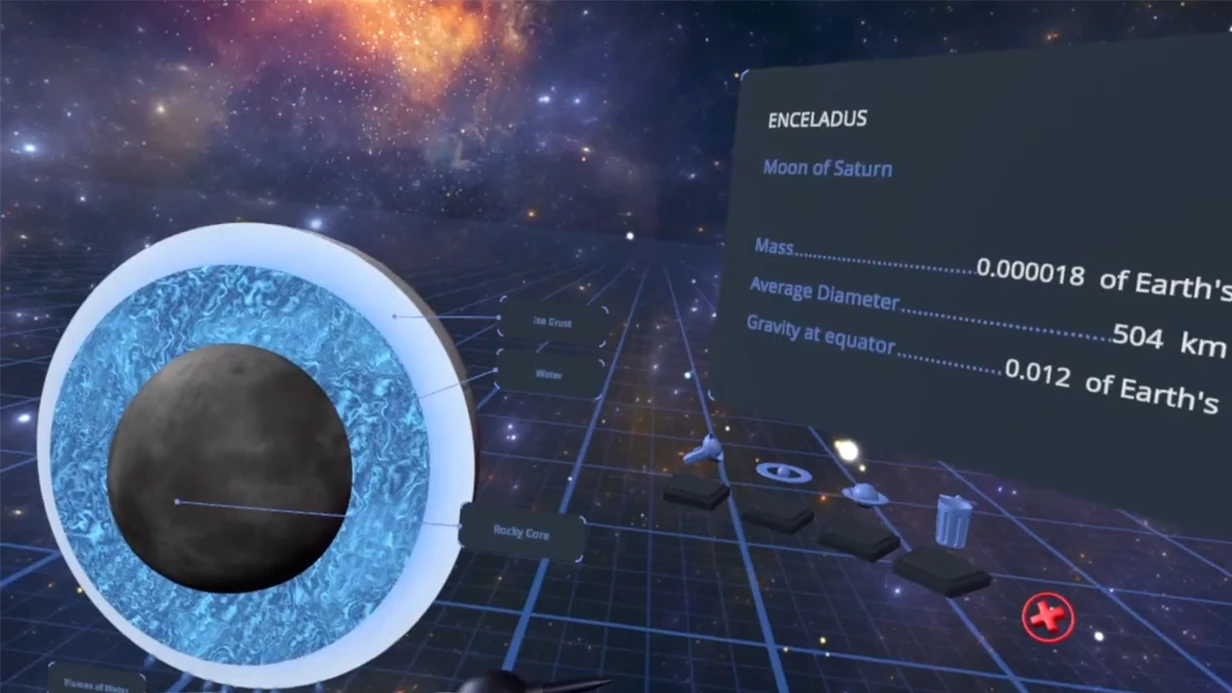
אם המשימה היא הכשרת עובדים או תרגול מיומנויות, המציאות הווירטואלית עוזרת ליצור סביבה בטוחה לתרגולים: מצבי חירום, עבודה עם ציוד מורכב או תרחישי לקוחות.
במקום הרצאות ומצגות, אדם עובד עם הידיים ורואה את ההשלכות של החלטות בזמן אמת. מחקרים מאשרים: מידע נזכר טוב יותר באופן משמעותי בדרך זו, וטעויות קורות בסימולציה ולא בעבודה בפועל.
להדגמת מוצר, המציאות הרבודה יעילה יותר — היא מרכיבה אובייקט דיגיטלי על המרחב האמיתי. לקוח יכול "לנסות" רהיט בחדר שלו, לראות איך מכשיר משתלב בעיצוב הפנים, או לצפות באריזה בתנועה.
זה מסיר את הפחד מהרכישה, מפחית החזרות ומעלה המרה, כי אנשים בוחרים בביטחון רב יותר כשהם רואים מוצר בהקשר מתאים.
אנחנו עוזרים לבחור פורמט לתקציב, לתעשייה ולקהל שלכם: מציעים תרחיש, מחשבים לוחות זמנים ומספקים פרויקט במפתחה מלאה.
במהלך ייעוץ, נקבע איזו אפשרות VR או AR מביאה תועלת מרבית במצב שלכם, כך שלא תשלמו יותר מדי על "טכנולוגיה נוצצת" בלי תוצאות עסקיות מדידות.
שאלות נפוצות על פיתוח והטמעה
לקוחות ממעטים לשאול על טכנולוגיה — הם מתעניינים במשהו אחר: כמה זמן ייקח הפרויקט, מה צריך כדי להתחיל, ומי אחראי על התוצאה. להלן טיפלנו בחששות הנפוצים ביותר כדי שתבינו בבירור איך הכל עובד לפני שמתחילים.
כמה זמן לוקח פיתוח מטאוורס במפתחה מלאה?
פרויקט טיפוסי אורך 2 עד 4 חודשים: מהבריף הראשון ועד ההשקה. בהתחלה, אנחנו קובעים את לוחות הזמנים והשלבים — אתם רואים את התאריכים ויודעים מתי הפתרון יעלה לאוויר ויתחיל להניב תוצאות.
מה אם אין לנו מסמך דרישות טכניות?
מסמך דרישות טכניות הוא לא בעיה — זה חלק מהעבודה שלנו. אנחנו אוספים את הדרישות בעצמנו, מנתחים את המשימות העסקיות שלכם והופכים אותן למסמך ברור. אתם מאשרים אותו, ואז אנחנו מטפלים בהטמעה.
איך אתם מבטיחים איכות ויציבות?
כל פרויקט עובר כמה שלבי בדיקה: מבדיקות פנימיות ועד השקה על המכשירים האמיתיים של המשתמשים שלכם. אחרי הפרסום, אנחנו נשארים בקשר: תומכים בפתרון, מתקנים כל בעיה ועוזרים לפתח את הפלטפורמה הלאה.
האם אנחנו צריכים לקנות ציוד יקר?
לא. אנחנו עובדים על ציוד מקצועי, ואתם צריכים רק מה שכבר יש ללקוחות שלכם. במידת הצורך, אנחנו עוזרים לבחור מכשיר למשימות שלכם — גם לבדיקות וגם להדגמות באירועים.
אם לא מצאתם את התשובה לשאלתכם בסעיף זה — כתבו לנו. נספר לכם איך חברות אחרות פתרו משימות דומות, נראה דוגמאות ונציע פורמט שמתאים לכם.הזמינו פיתוח יישומי VR/AR עבור הלקוחות שלכם
הזמנת פיתוח יישומי VR/AR היא לא תהליך מסובך עם עשרות אישורים אלא מסלול ברור מהרעיון ועד ההשקה.
אתם מקבלים לא רק פתרון טכני אלא כלי שמחזק את המותג שלכם ומניב תוצאות מדידות — לידים חדשים, זיהוי רחב יותר ומעורבות לקוחות.
אנחנו לוקחים על עצמנו את כל השרשרת: מפיתוח התרחיש ועד לפרסום בפלטפורמות הנכונות. אתם שולטים בשלבים המרכזיים, ואנחנו אחראים על איכות ולוחות זמנים. כל מה שצריך כדי להתחיל הוא שיחת טלפון אחת.
איך להזמין פיתוח VR/AR
- שלחו בקשת ייעוץ — ספרו לנו על המשימה, הקהל ויעדי הפרויקט שלכם.
- קבלו הערכת עלות ראשונית ולוח זמנים — תוך יום עסקים אחד לאחר השיחה.
- אשרו את הקונספט ואת ה-UX/UI — אתם רואים איך היישום ייראה ויפעל לפני תחילת הפיתוח.
- עברו שלבי פיתוח ובדיקות — אתם מקבלים גרסאות ביניים ועורכים שינויים בכל שלב.
- השיקו את הפרויקט וקבלו את התוצרים — היישום מוכן לשימוש, והצוות שלכם מוכן לפתח אותו.
- אנחנו נשארים בקשר אחרי ההשקה — תמיכה, עדכונים, הרחבה לפלטפורמות Metaverse חדשות.
גישה זו מסירה סיכונים: אתם תמיד יודעים מה קורה עם הפרויקט ומבינים על מה אתם משלמים. אין עבודה נסתרת ואין "הפתעות" בשלב הסופי.
קחו את הצעד הראשון לקראת פרויקט אימרסיבי — נדון במשימה שלכם, נחשב את התקציב ונציע פתרון שמשתלם. שלחו את בקשתכם, ואנחנו ניצור קשר בזמן שנוח לכם.