

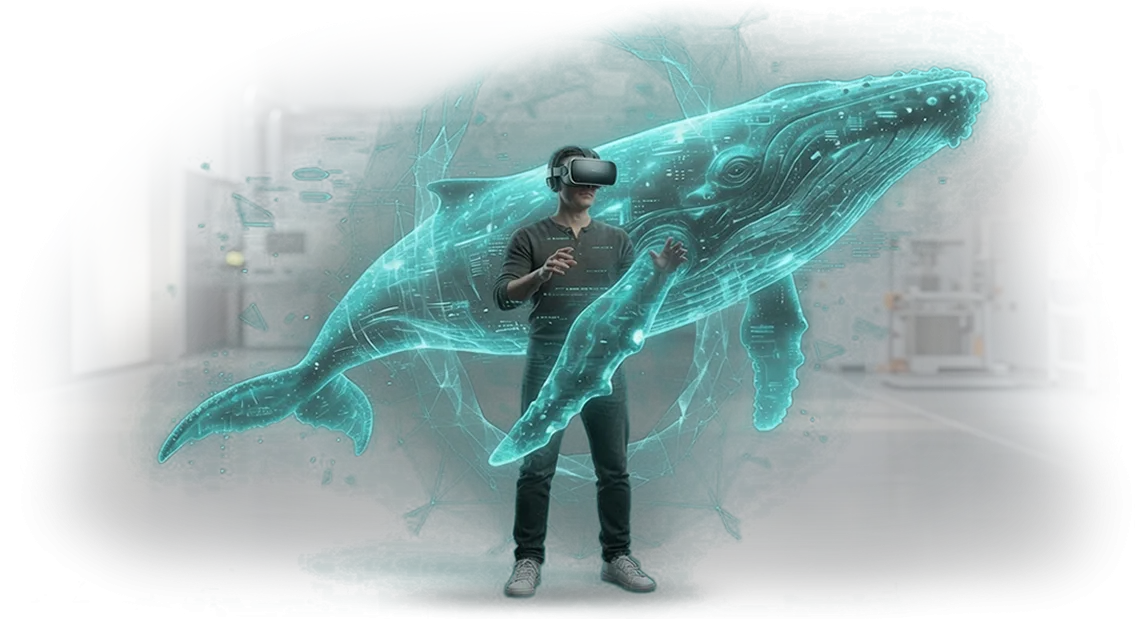
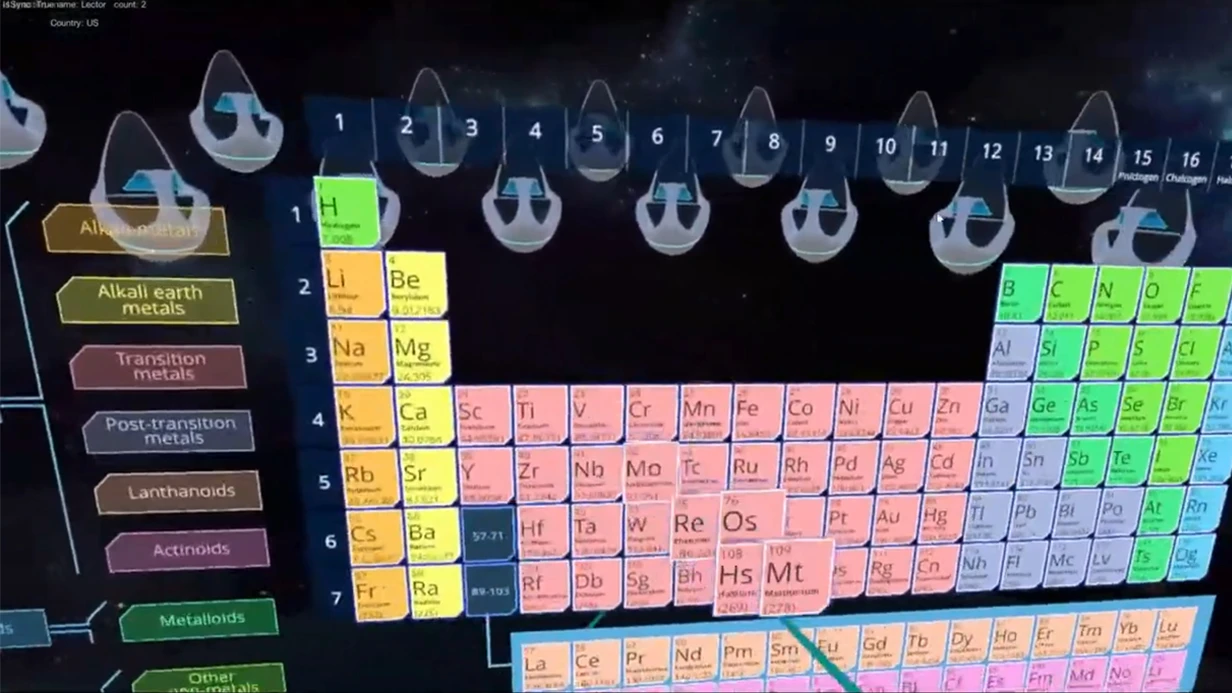


הלקוחות שלכם כבר נמצאים ב-MR — האם אתם מאבדים אותם?
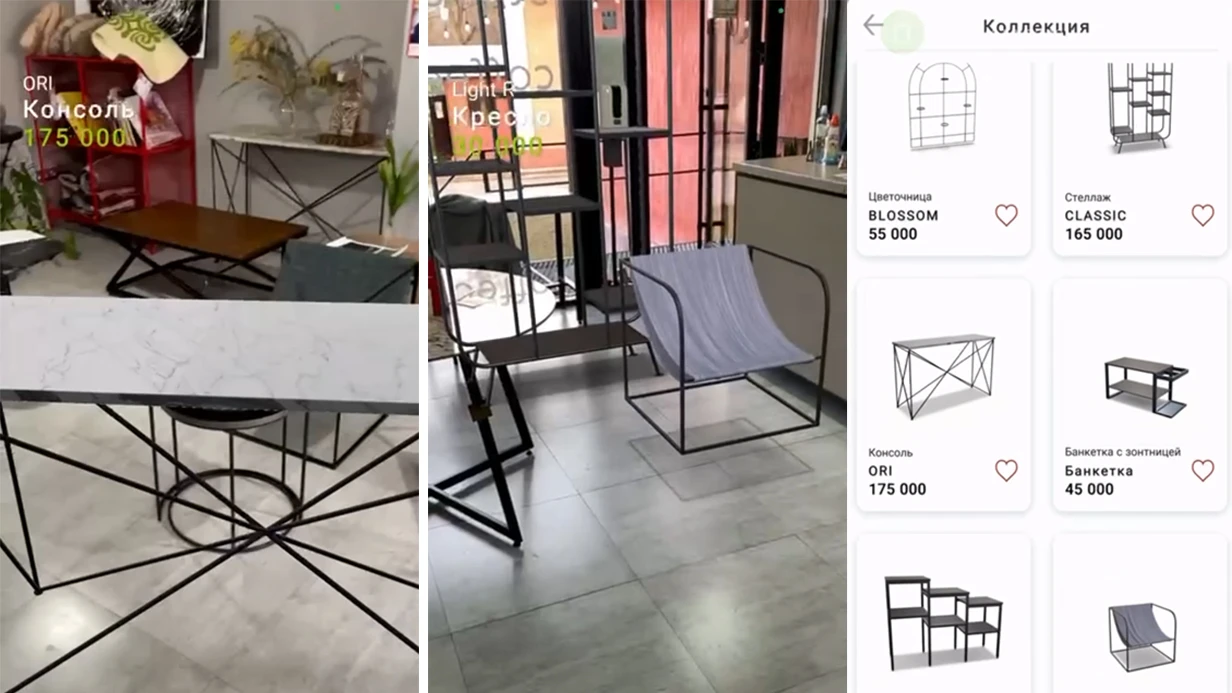
הלקוחות שלכם כבר משתמשים במציאות מעורבת (MR) כל יום: הם מנסים רהיטים במציאות רבודה, צוללים למציאות מדומה לסיורים וירטואליים, ומקבלים החלטות במקומות שבהם קיימת אינטראקטיביות.
הם רגילים ליכולת להסתכל על מוצר מכל זווית, לשנות את הצבע שלו, ולהסתכל פנימה. אם המוצר שלכם לא מציע את זה, הלקוח לא יבזבז זמן בהסברים — הוא פשוט יעבור למי שכבר עובד ב-MR.
MR הוא לא בידור לשם הייפ, אלא כלי שמקצר את המרחק בין עניין לרכישה.
במקום קטלוגים סטטיים — מודלים תלת-ממדיים של מוצרים, במקום מצגות מסורתיות — תרחישים אינטראקטיביים חיים שבהם המשתמש שולט בתהליך בעצמו. חוויה כזו נזכרת, אנשים משתפים אותה, וחוזרים לעוד. עבור עסקים, זה אומר יותר פניות חוזרות והכרת מותג גבוהה יותר.
כל חודש בלי MR, אתם לא רק נופלים מאחור בשוק — אתם מאבדים לקוחות ספציפיים. הם לא מתלוננים ולא כותבים לכם — הם עוזבים בשקט למתחרים שכבר יש להם מציאות מעורבת. השאלה היא לא האם ליישם MR, אלא מתי תתחילו ומי יגיע לשם ראשון.
אנחנו מפתחים פתרונות MR למטרות עסקיות: מתצוגות אינטראקטיביות ועד תרחישי הדרכה ארגוניים. אנחנו עובדים על ציוד מקצועי ומוודאים שהטכנולוגיה מביאה ערך ולא מהווה מטרה בפני עצמה.
נראה לכם בדיוק כיצד MR יכול לחזק את ההיצע שלכם ולעזור לכם להשיק פרויקט שמבדל אתכם מהמתחרים.
מה אתם מקבלים: מעורבות גבוהה יותר ולידים חדשים
פרויקט MR מפסיק להיות "תמונה לגלריה" — הוא עובד למטרות עסקיות. מעורבות המבקרים גדלה דרך סיפור אינטראקטיבי שבו אדם משתתף בתנועות ומחוות ולא צופה מהצד.
המבקר בוחר את התרחיש שלו, יוצר אינטראקציה עם אובייקטים דיגיטליים, ונשאר באזור פי 3–5 יותר זמן מאשר בדוכן רגיל. זו התוצאה הראשונה שאתם מבחינים בה מיד: תור של אנשים שרוצים לנסות ורגשות אמיתיים במקום הנהנים מנומסים.
התוצאה השנייה — לידים חדשים. אנחנו בונים מנגנוני לכידת פרטי קשר ישירות לתוך התרחיש: המבקר משאיר את הפרטים שלו כדי לקבל תוצאה, המלצה אישית או בונוס.
כך אתם מקבלים לא רק סטטיסטיקת ביקורים, אלא מאגר של אנשים מתעניינים עם הקשר ברור — מי התעניין במה ובאיזה שלב. אפשר להעביר את הלידים האלה ישירות למכירות או להשתמש בהם לניוזלטרים מותאמים אישית על מוצרים חדשים.
היתרון השלישי — הכרת מותג. הפורמט הלא-סטנדרטי עצמו הופך לסיבה לדבר עליכם: המבקרים מצלמים תמונות, מצלמים וידאו, ומתייגים את החברה ברשתות החברתיות. כל פוסט מחזק את התדמית של מותג מודרני וטכנולוגי ומרחיב את הקהל בחינם.
לבסוף, טווח הגעה והמרה. אזור MR מושך תנועה גם אם האירוע מתנהל בלוח זמנים צפוף: ויזואליזציה בהירה ואפקט "נסו בעצמכם" עובדים כמו מגנט.
אחרי האירוע, אתם מקבלים טביעת רגל מדידה — מספר הסשנים, עומק האינטראקציה, ואנשי קשר שהופכים להזמנות חוזרות.
כשפתרון MR עובד על ארבע משימות בו-זמנית, הוא מחזיר את ההשקעה לא כבידור, אלא כערוץ רכישת לקוחות מלא.
פורמטים של יישומי MR: איך לבחור לפי המשימה שלכם
יישומי MR פותרים משימות עסקיות שונות: ממשיכת תשומת לב למוצר ועד להדרכת עובדים. אבל אותו פורמט לא מתאים להכל — חשוב להתאים את המטרה ליכולות הטכנולוגיה, אחרת קל לשלם יותר מדי על תכונות מיותרות.
אנחנו מחלקים תרחישים טיפוסיים לארבעה פורמטים וריכזנו אותם בטבלה. זה יעזור לכם לראות איזו אפשרות מתאימה למשימה שלכם ואיזו תוביל לעלויות נוספות ללא האפקט הרצוי.
| פורמט | למי זה מיועד | מה זה נותן ללקוח |
|---|---|---|
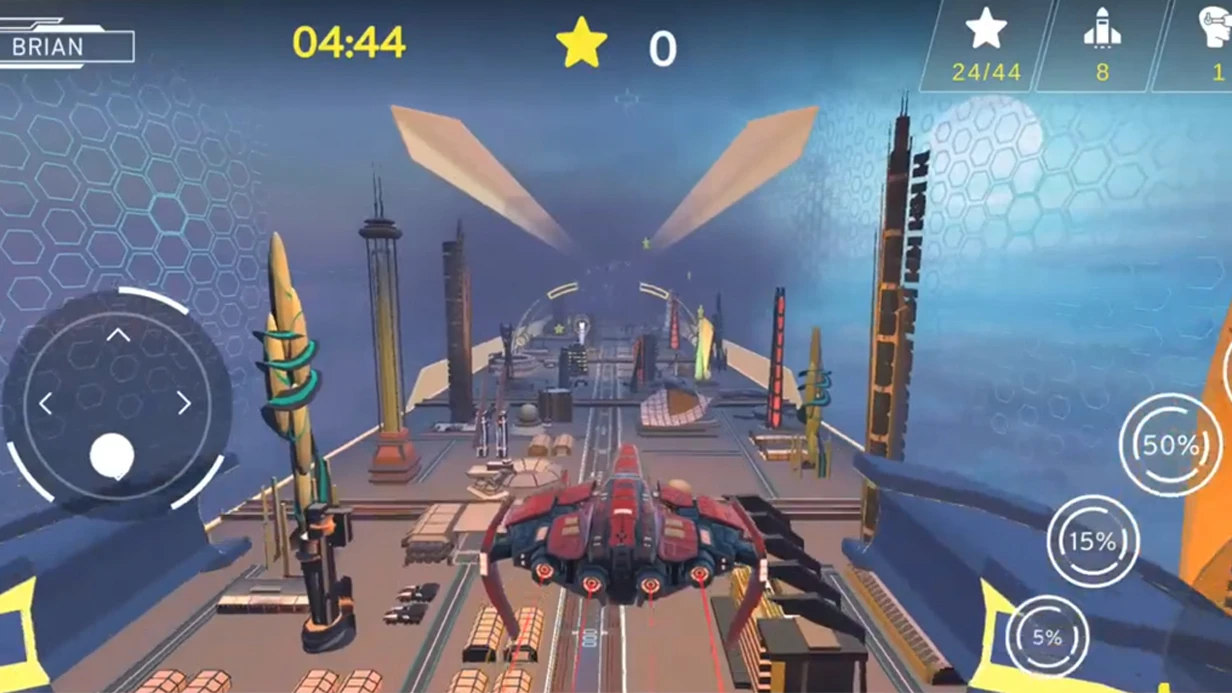
| יישום פרומו | שיווק, תערוכות, אירועים | בידול מהמתחרים, טווח הגעה ויראלי, מגע בלתי נשכח עם המותג |
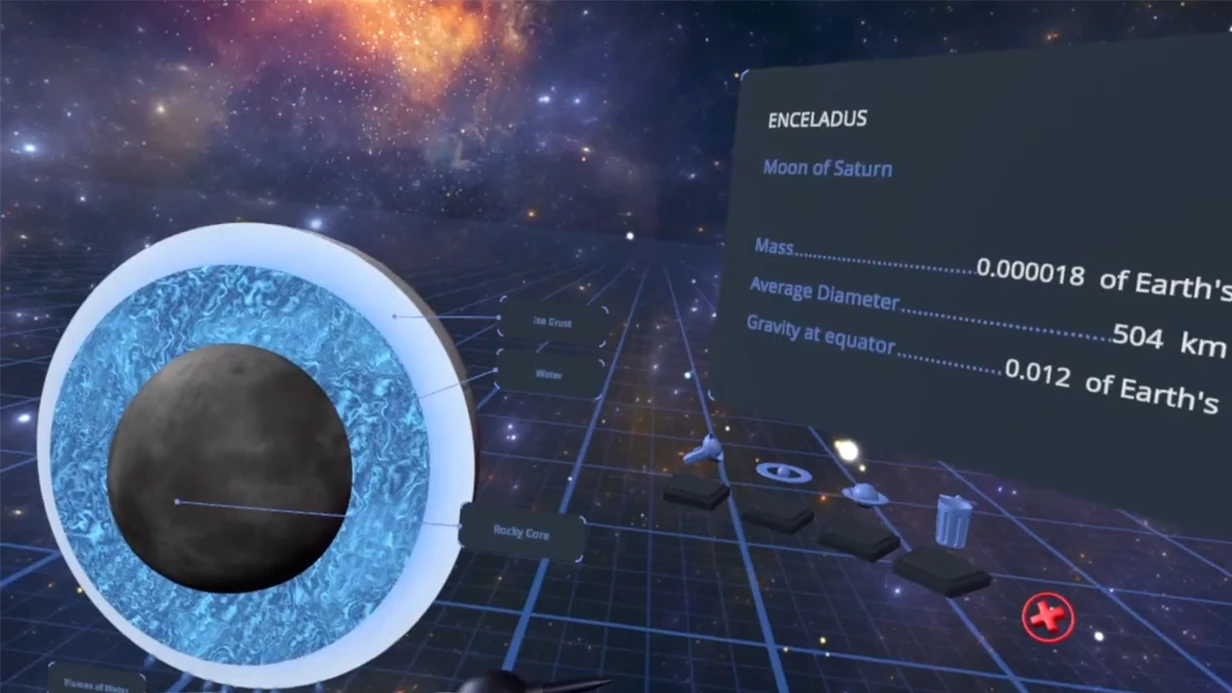
| הדרכה | מחלקות משאבי אנוש, מרכזי הכשרה, תעשייה | רכישת מיומנויות מהירה ללא סיכון לציוד, פחות טעויות עובדים |
| תצוגה / קטלוג | קמעונאות, מסחר אלקטרוני | הצגת מוצר ברורה, המרה גבוהה יותר וערך הזמנה ממוצע גבוה יותר |
| אולם תצוגה וירטואלי | יצרנים, סוכנויות, נדל"ן | הדגמת מוצר ללא לוגיסטיקה, הצגת המוצר בכל קנה מידה ובכל סביבה |
איך לבחור? אם המטרה היא למשוך לקוחות חדשים וליצור סיפור חדשותי, לכו על פורמט הפרומו. אם אתם צריכים להכשיר צוות ולהפחית עלויות — בחרו בהדרכה. לעבודה שוטפת עם המגוון שלכם, תצוגה וירטואלית או אולם תצוגה עובדים הכי טוב.
אנחנו עוזרים לכם לבחור את הפורמט לפני תחילת הפיתוח: אנחנו מנתחים את הקהל שלכם, תרחיש השימוש וערוצי הקידום. כתוצאה מכך, אתם מקבלים יישום MR שפותר בדיוק את המשימה שלכם — בלי לשלם יותר מדי על תכונות מיותרות.
איך אנחנו בונים יישום: 6 שלבים מהבריף ועד ההשקה
כדי שלעולם לא תצטרכו לנחש באיזה שלב נמצא הפרויקט או מה יקרה בהמשך, מבננו את העבודה שלנו סביב תרחיש ברור. כל שלב מסתיים בתוצאה קונקרטית ונקודת אישור — אתם תמיד יודעים מה נעשה ובעבור מה שולם. כך זה עובד בפועל.
-
בריף והתעמקות. אנחנו לומדים את המשימה שלכם, קהל היעד ותרחישי השימוש. הפלט הוא מסמך עם מטרות הפרויקט וקריטריוני הצלחה שאתם מאשרים לפני תחילת העבודה.
-
תוכנית והיקף עבודה. אנחנו קובעים לוחות זמנים, שלבים ותחומי אחריות. אתם מבינים בעבור מה אתם משלמים, מתי תקבלו את התוצאה, וכיצד תאשרו כל שלב.
-
אב-טיפוס. אנחנו יוצרים מודל אינטראקטיבי של היישום העתידי. אתם יכולים לראות כיצד מבקר ינוע, יסתכל וייצור אינטראקציה עם אובייקטים וירטואליים לפני שהתכנות בכלל מתחיל.
-
אישור. אנחנו מבצעים תיקונים באב-טיפוס ומאשרים את הגרסה הסופית שלו. זהו ביטוח מפני עבודה חוזרת בשלבים מאוחרים יותר — כששינוי משהו הוא כבר יקר וגוזל זמן.
-
יישום. מעצבים משכללים את הממשק, מפתחים בונים את היישום, ובודקים מאמתים את כל התרחישים. אנחנו שולחים לכם גרסאות ביניים כדי שתוכלו לשלוט בהתקדמות.
-
השקה ותמיכה. אנחנו עוזרים בהתקנה על הציוד שלכם, מאמנים את הצוות שלכם, ונשארים בקשר אחרי ההשקה. אם צריך לשכלל תרחישים או להוסיף תכונות — היישום גדל יחד עם הפרויקט שלכם.
כתוצאה מכך, אתם מקבלים לא רק יישום, אלא כלי עבודה שפותר משימה עסקית — מושך תשומת לב, מגביר מעורבות ובלתי נשכחות. ובכל שלב, אתם שולטים בתהליך, בלוח הזמנים ובתקציב.
מה כלול בפרויקט: חבילת השקה מלאה
כשאתם מזמינים יישום מציאות מעורבת, אתם מקבלים לא ארטיפקטים נפרדים, אלא מוצר מוכן לעבודה. אנחנו מכסים את כל המחזור — מחקר המשימה ועד הפרסום בחנות האפליקציות — ומוסרים את הפתרון עם תיעוד והדרכת צוות. להלן בדיוק מה כלול במסירה.
- מחקר וניתוח. אנחנו צוללים לאתגרים העסקיים שלכם ולהתנהגות הקהל. אנחנו קובעים אילו תרחישי שימוש ב-MR יביאו ערך אמיתי ואילו אפשר לזנוח. זהו הבסיס שחוסך תקציב בתיקונים מאוחרים יותר.
- אב-טיפוס עיצובי. אנחנו יוצרים UX/UI תוך התחשבות במאפייני המציאות המעורבת: נוחות ויזואלית, מחוות אינטואיטיביות, אינטראקציה עם אובייקטים וירטואליים במרחב הפיזי. אתם רואים איך היישום נראה ואיך הוא עובד לפני תחילת הפיתוח.
- פיתוח. אנחנו הופכים את אב-הטיפוס המאושר ליישום מלא. אנחנו מחברים את השירותים והאינטגרציות הנדרשות כך שהמוצר ישתלב בתהליכים העסקיים הקיימים שלכם ללא הפתעות.
- בדיקות. אנחנו בודקים את היישום על מכשירים אמיתיים, בתרחישים ובתנאים שונים. אנחנו תופסים לא רק באגים, אלא גם רגעים מביכים שעלולים לפגוע בחוויית המשתמש. לאחר מכן, המוצר יציב ומוכן לעומס.
- שחרור והשקה. אנחנו אורזים את היישום, עוברים את אישור החנות, מכינים דף הורדה וכותבים הוראות. אנחנו עוזרים להתקין את פתרון ה-MR עבור העובדים או הלקוחות שלכם.
- תמיכה לאחר ההשקה. אנחנו נשארים בקשר: מעדכנים תוכן, מתקנים אי-דיוקים ומוסיפים תכונות חדשות ככל שהמשימות שלכם גדלות.
כתוצאה מכך, אתם מקבלים חבילת מסירה אחת — ממחקר ועד מוצר עובד ותמיכה — במקום קבצים וקוד מפוזרים. זה חוסך זמן ומפחית סיכוני השקה.
מקרה אמיתי: תוצאה שאפשר למדוד
אנחנו רגילים לכך ששיחות על יעילות עיצוב נתקלות לעתים קרובות בקיר של "טעם אישי". כשמדובר ב-MR, קל להיסחף בטכנולוגיה ולשכוח את העיקר — איך היישום משפיע על מכירות. לכן אנחנו אוהבים להראות מספרים במקום הבטחות.
מקרה: תצוגת MR עבור מרכז סוכנות
עבור רשת סוכנויות רכב, עיצבנו את הממשק של יישום MR שמאפשר לקונה "להרכיב" את הרכב העתידי שלו בגודל מלא ממש באולם התצוגה: לבחור צבע, רמת גימור ולחקור פרטי פנים. במשך חודש של הפעלת אזור הקונפיגורציה הווירטואלית, מדדנו את ההתנהגות של 600 מבקרים.
זמן האינטראקציה הממוצע עם היישום היה 9 דקות — אנשים לא רק הסתכלו, הם חקרו אפשרויות. בקשות לנסיעת מבחן גדלו ב-32% בהשוואה לרבעון הקודם, וחלקם של הלקוחות שהשאירו פרטי קשר לאחר הקונפיגורציה הוכפל.
חודש לאחר מכן, הלקוח הזמין את השלב השני — פריסת היישום באולמות תצוגה אזוריים.
"היינו סקפטיים שמציאות רבודה תוכל להחזיק את תשומת הלב של הקונים. אבל תוך שבועיים, מנהלים ביקשו לא להסיר את אזור ה-MR: הוא הפך לטיעון המכירה החזק ביותר.
ההמרה לנסיעות מבחן היא המדד הטוב ביותר שראינו מזה זמן רב", מעיר מנהל השיווק.
עבורנו, מקרה זה מאשר שממשק MR מעוצב כראוי משפיע ישירות על ההכנסות. הלקוח לא קיבל רק צעצוע טכנולוגי, אלא כלי שהחזיר את ההשקעה בעונה אחת וממשיך לייצר לידים. זו בדיוק התוצאה שאנחנו בונים כבסיס לכל פרויקט.
איך לבחור פורמט למשימה שלכם?
בחירת פורמט היא לא עניין של טעם, אלא עניין של תוצאות. אותו מוצר יכול להיות מוצג כאולם תצוגה וירטואלי, כמאמן אינטראקטיבי או כהדגמה מרשימה באירוע — וכל אפשרות פותרת את המשימה שלה.
העיקר הוא לענות בכנות מה אתם רוצים להשיג בסופו של דבר: טווח הגעה, הדרכה, מכירות או תדמית מותג בלתי נשכחת.
הדרך האמינה ביותר היא להתחיל לא בטכנולוגיה, אלא במטרה עסקית. אם אתם צריכים להחזיק את תשומת הלב של המבקרים בדוכן שלכם ולאסוף אזכורים ברשתות החברתיות, בחרו אזור MR קצר וחי שבו אדם יוצר אינטראקציה עם אובייקט תוך כמה דקות.
אם המשימה היא לשפר מיומנויות עובדים או להכיר להם ציוד חדש, תרחיש עם הנחיות שלב-אחר-שלב ובדיקות פעולה עדיף. ולמוצר מורכב ויקר, מצגת וירטואלית מפורטת שמקצרת את מחזור המכירות היא יעילה.
קחו בחשבון את המאפיינים של התעשייה שלכם. קמעונאות מרוויחה מוויזואליזציה מיידית, תעשייה מרוויחה מהוראות מדויקות והדרכה בטוחה, וחינוך מרוויח מחזרתיות ומעורבות.
לכן אנחנו תמיד מתחילים עם בריף: אנחנו שואלים שאלות על הלקוחות שלכם, לוחות זמנים, ציפיות ומדדים, ורק אז מציעים אפשרות ספציפית עם תחזית ברורה של השפעה.
הטבלה למעלה היא דף רמאות לבחירה מהירה. התאימו את המצב שלכם לתרחישים הטיפוסיים, ותראו איזה פורמט הגיוני ביותר. ואם המשימה שלכם לא מתאימה לאף שורה — זה בסדר, אלה הפרויקטים שאנחנו הכי אוהבים.
טכנולוגיה היא כלי עבודה עבורנו, לא מטרה בפני עצמה. לכן אנחנו לא דוחפים את אותה תבנית — אנחנו בונים פתרון שעונה למשימה הספציפית שלכם. בואו אלינו עם בעיה — נעזור לכם לבחור, לעצב ולהשיק בזמן.
שאלות נפוצות על פיתוח יישומים
פתרונות MR מעלים שאלות לעתים קרובות אפילו לפני ההתחלה — וזה נורמלי. אספנו את חמש החששות הנפוצים ביותר של לקוחות ועונים עליהם בכנות, ללא ז'רגון טכני.
כמה זמן ייקח הפיתוח? לוחות הזמנים תלויים בפורמט: אב-טיפוס לבדיקה לוקח כמה שבועות, יישום מלא במפתח אחד לוקח חודש וחצי עד חודשיים.
לפני שאנחנו מתחילים, אתם מקבלים תוכנית לוח שנה עם שלבים ברורים כדי שתוכלו לראות מיד מתי תתחילו להשתמש בתוצאה.
כמה זה עולה? התקציב נקבע לפי היקף המשימות ומספר התרחישים, לא לפי "שעות מתכנת". אנחנו נועלים את ההערכה לפני תחילת העבודה ולא מבקשים תשלומים נוספים באמצע הפרויקט — אלא אם אתם משנים את הגדרת המשימה בעצמכם.
על איזה ציוד זה ירוץ? אנחנו בוחרים משקפי MR לתרחיש שלכם: משקפיים, קסדות או טאבלטים. אם עדיין אין לכם את החומרה, אנחנו עוזרים בהשכרה או רכישה ובודקים על מכשירים אמיתיים לפני ההשקה כדי שלא תקבלו מוצר "לא גמור".
איך זה משתלב עם המערכות שלנו? אנחנו מחברים את היישום ל-CRM שלכם, למאגר הלקוחות או לשירותים פנימיים. אנחנו עובדים דרך ממשקים פתוחים ומודולים מוכנים, כך שאנחנו לא שוברים תהליכים קיימים ולא דורשים החלפת כל התשתית שלכם.
כדי להקל על חשש נוסף, הנה מה קורה אם משהו נשבר:
מה אם משהו מפסיק לעבוד אחרי ההשקה?
אנחנו מספקים אחריות על כל העבודה שבוצעה ותומכים במוצר לאחר השחרור. למצבים דחופים, אנחנו קובעים זמן תגובה — בדרך כלל כמה שעות. עדכונים ושכלולים נעשים בהסכמה, כך שהפרויקט שלכם לעולם לא נשאר ללא השגחה.
קבלו הערכת עלות ולוח זמנים תוך יום אחד
השאירו פנייה — ותוך יום עסקים אחד תקבלו ייעוץ, הערכת עלות מדויקת ותוכנית עבודה. ללא "טווחים" וללא תנאים נסתרים: אתם מקבלים החלטה כשאתם רואים את המספרים, לוחות הזמנים והשלבים.
הנה מה שתקבלו לאחר הפנייה:
- ייעוץ — מומחה מציאות מעורבת ינתח את המשימה, הקהל והמטרות שלכם כדי להציע את הפורמט האופטימלי לפתרון MR.
- הערכת עלות — נציין את התקציב למשימה הספציפית שלכם וננמק אותו: אתם מבינים בעבור מה אתם משלמים ולמה.
- לוחות זמנים ריאליים — נראה לוח זמנים מאב-הטיפוס ועד ההשקה כדי שתוכלו לתכנן את השיווק והאירועים שלכם.
- תוכנית עבודה שלב-אחר-שלב — נתאר מה אנחנו עושים בכל שלב ואילו תוצאות תקבלו בנקודות מפתח.
- בדיקת תאימות — נוודא שהיישום רץ באופן אמין על המכשירים של הלקוחות או המבקרים שלכם.
- הרכב הצוות — מנהל, מעצב, מפתחים ובודק שיטפלו בפרויקט מקצה לקצה.
לאחר הייעוץ, תקבלו את ההערכה והתוכנית בדוא"ל. אם המשימה שלכם לא מתאימה ל-MR, נאמר זאת בכנות ונציע חלופה. השאירו פנייה באתר או במסנג'ר — נגיב תוך יום עסקים אחד ונשלח לכם את כל הפרטים.