



מדוע מחשוב מרחבי הופך לסטנדרט החדש למעורבות לקוחות
לקוחות מודרניים מוצפים במידע: בכל יום הם רואים מאות מסרים פרסומיים וגוללים דרך עשרות אתרים ואפליקציות. מסך רגיל כבר מזמן לא מצליח להחזיק תשומת לב — המבט גולש על פני באנרים מבלי להיתפס על אף אחד מהם.
למותגים קשה יותר ויותר לבלוט בזרם הזה ולגרום לאדם לעצור לפחות לדקה.
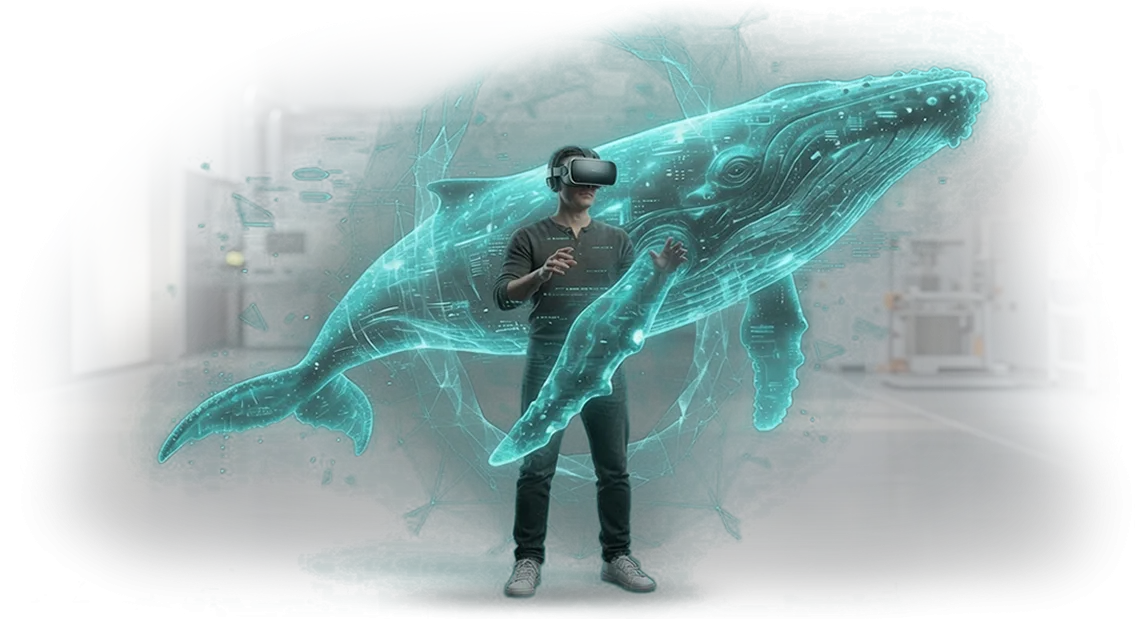
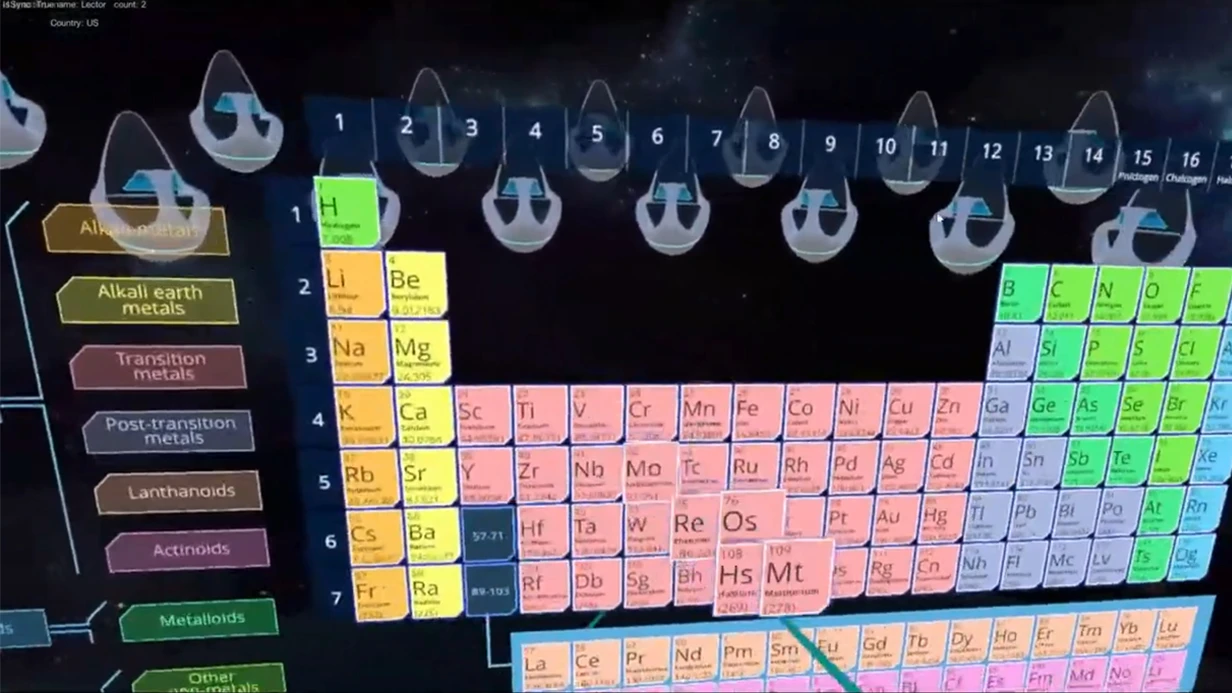
מחשוב מרחבי משנה את הגישה לחוויה הדיגיטלית. במקום תמונה שטוחה, אדם נכנס לתוך המוצר שלך: הוא נע סביב, מביט סביב ומקיים אינטראקציה עם אובייקטים וירטואליים.
אי אפשר לגלול מעבר לתרחיש הזה או להתעלם ממנו — הוא תופס את תשומת הלב לחלוטין, מה שאומר שהמותג והמסר שלך נשארים עם הלקוח לאורך זמן.
מעורבות משפיעה ישירות על תוצאות עסקיות: ככל שאדם מקיים אינטראקציה עם מוצר זמן רב יותר, כך עולים הזיכרון, האמון והסבירות ליצירת קשר חוזר.
ממשק מרחבי הופך נקודת מגע חד-פעמית עם חברה לחוויה רגשית — ורגשות נזכרים חזק יותר מכל סיסמאות או הבטחות פרסומיות.
אנחנו עוזרים לעסקים לאמץ את סטנדרט המעורבות החדש הזה. אנו מעצבים UX/UI עבור יישומים מרחביים כך שהטכנולוגיה פותרת את היעדים העסקיים שלך ולא רק מהווה תכונה נחמדה.
אנו מתחשבים בהרגלי הקהל, בהיגיון התרחיש וביעדים שלך — ממודעות למותג ועד לגידול בהמרות והזמנות חוזרות.
מה יישום מחשוב מרחבי מעניק לעסק שלך
ממשקים מרחביים משנים את הדיאלוג המוכר עם הלקוח: במקום צפייה פסיבית — שקיעה מלאה במוצר שלך.
אדם לא רק רואה הצעה אלא מוצא את עצמו בתוכה — הוא יכול לבחון פרטים, לפתוח תרחישים נסתרים או להרכיב תצורה משלו. חוויה זו מעוררת תגובה רגשית חזקה, ורגשות, כידוע, מניעים החלטות רכישה.
מעורבות משפיעה ישירות על מודעות למותג. תרחיש מרחבי חי הופך לאירוע שמדברים עליו: מבקרים מצלמים תמונות וסרטונים, משתפים רשמים ברשתות חברתיות ובהודעות.
המותג זוכה לחשיפה אורגנית ללא הוצאות פרסום — כל משתתף הופך לנושא המסר שלך זמן רב לאחר סיום המגע.
פורמטים אינטראקטיביים פועלים לאיסוף לידים ואנשי קשר. במהלך החוויה הסוחפת, ניתן להציע לאדם המלצות מותאמות אישית, חידון או משחק מיני — והוא ישמח להשאיר את פרטיו בתמורה.
אתה מקבל לא רק כרטיס ביקור אלא מאגר מפולח של לידים חמים עם עניין ברור במוצר או שירות ספציפי.
בעוד מתחרים מציגים אתרים ומצגות רגילים, אתה מציע חוויה שאי אפשר להתעלם ממנה. זה יוצר תדמית של מוביל טכנולוגי שאכפת לו מלקוחות ומשקיע באיכות האינטראקציה.
אפילו אזכור פשוט של המוצר בביקורות כמו "רק הם ניסו את זה" מעלה את ערך המותג ומחזק את הנאמנות.
הנקודה המרכזית היא שזו לא חידוש טכנולוגי אלא תוצאה עסקית מדידה: מעורבות גבוהה יותר, לידים חדשים, עמדה חזקה יותר בנישה ויתרון ארוך טווח על פני אלה שעדיין לא משתמשים בממשקים מרחביים. היישום מחזיר את ההשקעה באמצעות המרה מוגברת וערך הזמנה ממוצע גבוה יותר.
פורמטי שקיעה: איזה מהם מתאים למשימה שלך
כל פרויקט מתחיל בשאלה: איזה פורמט שקיעה יניב את התוצאה הרצויה?
אנו עובדים עם רמות שונות של מעורבות — מתרחישי AR קלים בטלפון ועד לחללי VR רחבי היקף — ועוזרים לבחור את הטכנולוגיה שמתאימה למשימה, לתקציב ולקהל ספציפיים.
להלן הפורמטים האופייניים שאנו עובדים איתם לרוב, והמשימות שהם פותרים בצורה הטובה ביותר.
| פורמט | מתי לבחור | מה הלקוח מקבל |
|---|---|---|
| קמפיין AR למובייל | להגעה לקהל רחב: קטלוגים, אריזות, שילוט, מבצעים | לקוחות "מחיים את המוצר" מהטלפון שלהם ללא התקנת אפליקציה, ההמרה לרכישה גדלה |
| Web AR (בדפדפן) | כשצריך להשיק קמפיין מהר ולא לבזבז תקציב על אפליקציה | חשיפה מקסימלית: עובד על כל סמארטפון, ללא צורך בהורדות |
| מתקן VR | לאירועים, תערוכות, אזורי קידום בקניונים | אורחים עומדים בתור, יוצרים תוכן ממותג, החשיפה ברשתות החברתיות מוכפלת |
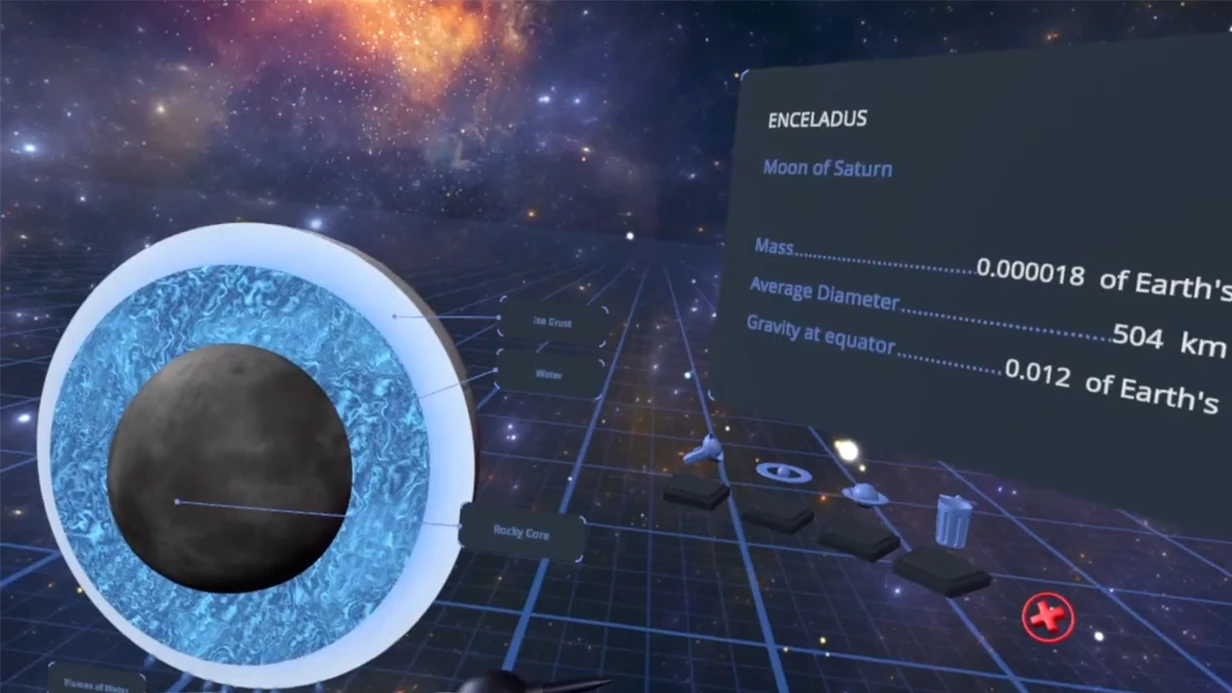
| הדרכת VR | לתרגול מיומנויות כשטעות עולה יותר מדי (רפואה, ייצור, שירות) | העובד מתאמן בסביבה בטוחה ולומד את התהליך מהר יותר וללא סיכונים |
| מתקן אינטראקטיבי לאירוע | למופעים סוחפים, מצגות מוצר, אירועים עסקיים | מעורבות עמוקה: המבקר הוא משתתף, לא צופה; רגשות נקשרים למותג |
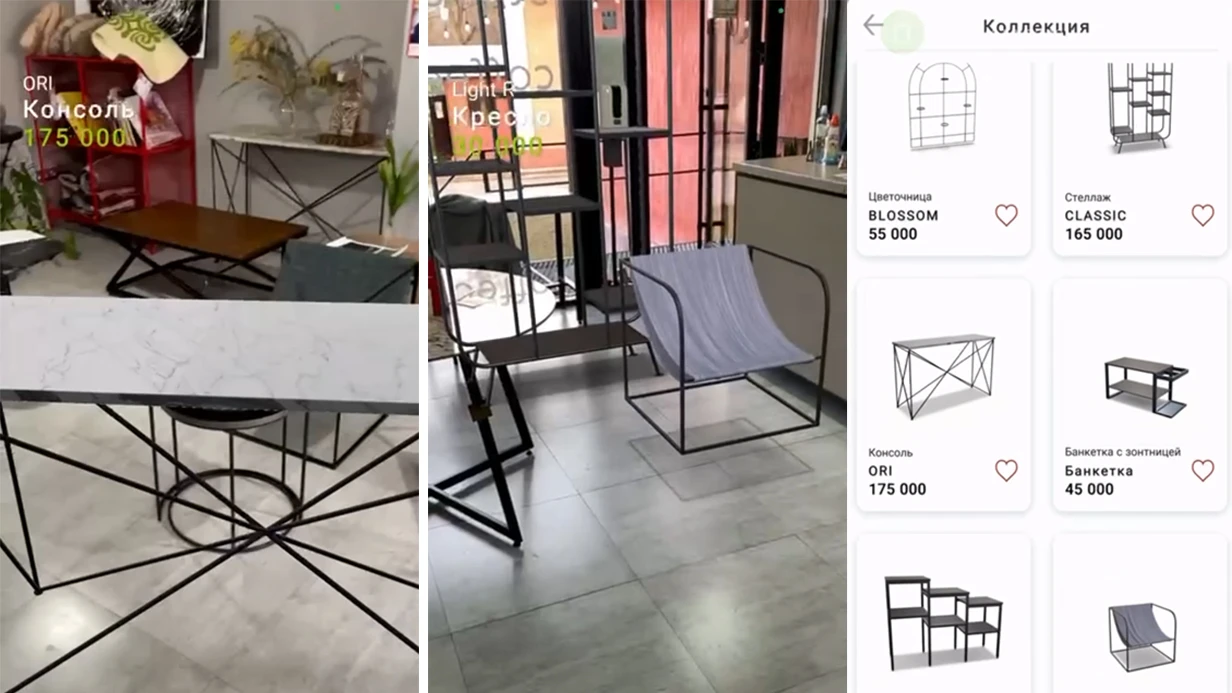
| מצגת Showroom / MR | כשצריך להציג מוצר "חי" אבל דוגמה פיזית אינה זמינה | הלקוח רואה את המוצר בסביבה אמיתית ומקבל החלטה מהר יותר |
איך אנחנו עוזרים בבחירה. בהתחלה, אנו עושים ניתוח קצר של המשימה והקהל. אם המטרה היא חשיפה המונית בתערוכה, אנו מציעים מתקן VR על ציוד מקצועי כדי לשמור על זרם קבוע של אורחים.
אם צריך להציג מוצר ללקוחות ברחבי הארץ במהירות, אנו בוחרים ב-AR למובייל או בגרסת web שניתן להשיק תוך שבועות ספורים.
מה אתה מקבל בסופו של דבר. פרויקט שעובד למען תוצאה עסקית: יותר זמן במגע עם המותג, המרה גבוהה יותר וזכירות אירוע.
עבור כל פורמט אנו מכינים מכניקת תרחיש ייעודית: היא מנחה את האורח לאן להביט ומה לעשות — כך שאדם לא חולף על פניו, אלא נמשך לתוך הסיפור.
כיצד זורם תהליך העבודה בפרויקט: מבריף ועד השקה
כדי להבטיח שפרויקט לא יהפוך לניסוי ארוך ויקר, אנו מבנים את העבודה כך שתבין בכל שלב מה קורה ועל מה אתה משלם. להלן נתיב אופייני מהבריף הראשון ועד לפתרון מושק ותמיכה שוטפת.
-
בריף ושקיעה במשימה. אנו אוספים הקשר: מי הקהל שלך, איזו בעיה היישום המרחבי פותר, אילו תרחישי שימוש נדרשים. כתוצאה מכך, אתה מקבל מפרט טכני ברור והערכת עלות שקופה ללא פריטי עבודה נסתרים.
-
קונספט ואב-טיפוס. אנו מציעים תרחישי אינטראקציה וסגנון ויזואלי. אנו מיישרים קו על המכניקות המרכזיות עם אב-טיפוס פשוט — לפני שמשקיעים משאבים רציניים בפיתוח.
-
אישור ותוכנית עבודה. אנו קובעים מועדים, שלבים ונקודות קבלה. אתה רואה את ציר הזמן, מבין מתי תקבל תוצאה ספציפית ויכול להשפיע על סדרי עדיפויות — זה מסיר אי-ודאות ומגן על התקציב.
-
הפקה. אנו יוצרים ממשקים, מודלים תלת-ממדיים ולוגיקת יישום. אנו משתמשים בכלים מקצועיים כך שהתוצאה תהיה יציבה במכשירים שונים — מאוזניות ועד טאבלטים. אנו מציגים גרסאות ביניים באופן קבוע, כך שהפתעות אינן נכללות.
-
בדיקות והשקה. אנו בודקים תרחישים על מכשירי יעד, מתקנים שגיאות ומכינים את הגרסה הסופית. אנו עוזרים בפרסום בחנויות אפליקציות או בהתקנה על ציוד לאירוע שלך — אתה מקבל פתרון עובד בדיוק במועד הנדרש.
-
תמיכה וצמיחה. לאחר ההשקה אנו נשארים בקשר: עדכונים, חידודים, תמיכה טכנית למשתמשים. אם הפרויקט צריך להתרחב, אנו מוסיפים תכונות חדשות או מעבירים אותו לפלטפורמות אחרות מבלי לפגוע באיכות.
מה כלול בתוצר ונשאר אצלך
אתה מקבל לא רק "אפליקציה מוגמרת" אלא נכס עבודה מלא. לאחר מסירת הפרויקט, כל מה שצריך כדי להשיק, לגדל ולנהל באופן עצמאי נשאר אצלך — ללא התחייבויות נסתרות או תשלומים שנתיים מצידנו.
מה כלול בתוצר:
- קוד מקור ולוגיקה פנימית — גישה מלאה ללא הגבלות. אתה יכול לפתח את המוצר עם הצוות שלך או למסור אותו לקבלן.
- זכויות לתוצאה — הזכויות לאפליקציה ולכל התוכן שנוצר במסגרת הפרויקט עוברות אליך. המוצר הופך לנכס שלך, לא לפתרון שכור.
- גרסת אפליקציה מוכנה — פתרון פרוס על הציוד שלך או בחנות אפליקציות נבחרת: App Store, Google Play וחנויות חלופיות.
- תיעוד — דיאגרמות ארכיטקטורה ברורות, הוראות השקה, הגדרה ועדכונים. לא "רומן טכני" אלא חומרי עבודה שאתה וכל קבלן יכולים להבין ללא מעורבותנו.
- כלי ניהול ועורך תוכן — אתה משנה תרחישים, טקסטים, מחירים או תוכן בעצמך מבלי לחזור למפתח בכל פעם.
- רישיונות וחשבונות — גישה לכלים ואישורים הרשומים על שמך כדי למנוע חסימות או תשלומי יתר בעתיד.
במהלך תקופת התמיכה אנו נשארים בקשר: אנו עונים על שאלות, מתקנים בעיות ועוזרים בעדכונים לגרסאות מערכת חדשות. לאחר מכן, אתה נשאר הבעלים המלא של המוצר ללא סיכון של "תקיעות" עם סטודיו מסוים.
גישה זו מסירה את החשש המרכזי של הלקוח: קבלת תוצאה שאי אפשר לשנות ללא האנשים שבנו אותה. אתה משקיע במוצר, לא בתלות.
מקרה בוחן: כיצד הגדלנו מעורבות פי 2.5
הלקוח היה חברת פיתוח שהשיקה רובע מגורים חדש בשוק. במקרה זה, היה צורך ב-VR כדי להציג נכסים שעדיין לא נבנו כך שמבקרי התערוכה יזכרו את הדוכן וישאירו ליד.
רנדורים ומודלים רגילים לא החזיקו תשומת לב: אנשים חלפו על פניו, והתור בדוכן נשאר קצר.
הצענו סיור VR סוחף בדירות ובאזורים ציבוריים. במקום תמונות סטטיות — חלל מלא שבו אדם הולך דרך התכנון העתידי, משנה גימורים ורואה כיצד התאורה משתנה לאורך היום.
זו לא טכנולוגיה לשם טכנולוגיה: הלקוח מקבל רגש שמשפיע ישירות על החלטת הרכישה.
המשימה והגישה
הצוות שלנו בנה את הפתרון על ציוד VR מקצועי והתאים את הממשק למשתמשים לא מוכנים. אורחים למדו את הפקדים בקלות, בעוד היועץ ראה את אותה תמונה על מסך — עוזר, עונה על שאלות והופך עניין לשיחה חיה.
מדדי מעורבות ותוצאה
במשך יומיים של תערוכה, יותר מ-400 איש ביקרו בדוכן, ואחד מתוך שניים הרכיב את האוזנייה. זמן האינטראקציה הממוצע גדל פי 2.5 — אנשים נשארו בפרויקט 6–7 דקות, בחנו פרטים ודיונו בתכנון עם משפחותיהם. כתוצאה מכך, ההמרה של מבקרים מתעניינים ללידים מוסמכים עלתה ב-40%.
הסיפור של הלקוח מאשר את המספרים. מנהלת השיווק של מתחם המגורים סוורני פארק ציינה: "לא ציפינו ש-VR יאסוף כל כך הרבה תגובות.
אנשים שיתפו רשמים ברשתות החברתיות וחזרו לדוכן עם משפחותיהם." חודש לאחר התערוכה, השקנו את אותו סיור בחדר התצוגה של החברה וקיבלנו הזמנה חוזרת — האישור המרכזי לערך הפרויקט.
כיצד לבחור את הפורמט הנכון למשימה שלך?
ראשית, ענה לעצמך על שתי שאלות: איזו משימה הפרויקט צריך לפתור, ומי קהל היעד שלך. זה בדיוק מה שקובע איזה פורמט יתאים — VR לשקיעה מלאה, AR לשכבת אובייקטים דיגיטליים על המציאות, או MR לאינטראקציה בחלל מעורב.
התחל עם מטרת הפרויקט. אם אתה צריך למשוך תשומת לב בתערוכה ולהחזיק מבקרים יותר משתי דקות, בחר אזור VR סוחף. אם המשימה היא להציג מוצר בסביבה אמיתית, בחר תרחיש AR על טאבלט או סמארטפון.
אם אתה רוצה להכשיר עובד או להדגים תהליך מורכב, MR עם רמזים ותרחישים יספק ערך מקסימלי. המבקר הממוצע לא חושב על טכנולוגיה — הוא חושב על רגשות ויתרונות, ולכן הפורמט צריך להיות פשוט ואינטואיטיבי.
השלב השני הוא לנתח את הקהל שלך. קהלים צעירים יותר ומשתמשים בקיאים בטכנולוגיה יאמצו בשמחה אוזניות VR ופקדי מחוות. קהל שמרני או אורחים מבוגרים ילמדו מהר יותר מסכות AR על המכשירים שלהם — ללא ציוד נוסף.
אם אתה בספק, בנה כמה רמות קושי לתוך התרחיש: מ"הרים והביט" ועד "אתה שולט ומשפיע על התוצאה." זוהי דרך אוניברסלית לבחור את הפורמט הנכון מבלי להסתכן בניכור חלק מהמבקרים.
בצוות שלנו עזרנו לעשרות חברות לנווט בדיוק בדרך זו: ראשית אנו צוללים ליעדי הפרויקט שלך, אחר כך חוקרים את קהל היעד, ורק אז מציעים את הפתרון האופטימלי. אנו מתחשבים במקום, בזמן לכל אורח, במספר הסשנים וב-ROI הצפוי.
אתה לא צריך להבין פרטים טכניים — פשוט תאר את המצב, ואנו נגיד לך איזה פורמט יפתור את המשימה שלך הכי מהר.
אם אתה מתלבט בין שתי אפשרויות — נסה נסיעת מבחן איתנו. בדרך כלל שיחה אחת מספיקה כדי לצמצם בחדות את הבחירה ולהבין מה לעשות הלאה. קבע ייעוץ — נחזור עם אפשרויות קונקרטיות למשימה שלך.
ספקות נפוצים: אנו עונים לפני שהפרויקט מתחיל
לפני שפרויקט מתחיל, ללקוחות יש לעתים קרובות את אותם ספקות: האם הממשק יהיה קשה מדי לאורחים, האם יידרש ציוד יקר, ומה קורה לאחר ההשקה.
אנחנו שומעים את השאלות האלה בכל פגישה, ולכן אנו עונים עליהן לפני שהעבודה מתחילה — כדי שתבין על מה אתה משלם ואיזו תוצאה תקבל.
מחשוב מרחבי כבר מזמן חדל להיות ניסוי והפך לכלי עבודה לתערוכות, אירועים והדרכות. המשימה של קבלן מקצועי היא לשמור את הטכנולוגיה ברקע ולהעמיד את השימושיות והערך ללקוח בחזית.
האם הממשק לא יהיה מורכב מדי עבור מבקרים?
אנו מעצבים את היגיון התרחיש כך שישקף פעולות מוכרות: להביט, לקחת, להחליף. לוקח לא יותר מדקה ללמוד את הפקדים, ורמזים מובנים ישירות בסביבה.
אורחים שוכחים במהירות מהמכשיר וצוללים לתוכן — זה בדיוק מה שיוצר את האפקט שאתה מזמין.
האם נצטרך לקנות ציוד מיוחד?
לעתים קרובות, המכשירים שכבר יש לחברה שלך מספיקים — אנו מתאימים את הפתרון למשימה ולתקציב שלך. אם נדרש משהו נוסף, נעזור לך לבחור ולא נדחוף שום דבר מיותר. השכרה לתקופת הפרויקט אפשרית גם כן, כך שהוצאות ההון נשארות בשליטה.
מה קורה לאחר ההשקה? מי תומך ומפתח את הפרויקט?
אנחנו לא מוסרים את הפרויקט ונעלמים. אנו חותמים על הסכם תמיכה, עוקבים אחר יציבות ומבצעים תיקונים במהירות. אם מתעוררות משימות חדשות, אנו מרחיבים את הפונקציונליות בתנאים ברורים עם הערכת עלות קבועה ומועדים מוסכמים.
מוכן לדון בפרויקט שלך? ספר לנו על המשימה שלך
ספר לנו על המשימה שלך — ואנו נראה כיצד טכנולוגיות מרחביות יכולות לפתור אותה מהר יותר ויעיל יותר. השאר בקשה באתר או כתוב לנו: נתחיל בייעוץ כדי להבהיר את היעדים, הקהל ותרחיש השימוש שלך.
לאחר פנייתך, תקבל:
- ייעוץ מומחה — נקבע אם אתה באמת צריך מחשוב מרחבי או שממשק 2D קלאסי מספיק.
- הערכת פורמט — נזהה את סוג הפתרון הנכון: VR, AR או מעורב, ונסביר כיצד הוא משתלב במערכת האקולוגית שלך.
- תוכנית יישום — תוכנית עבודה שלב אחר שלב עם שלבים, מועדים והרכב צוות.
- הצעה מסחרית — אנו קובעים את ההיקף, ציר הזמן והעלות כך שתוכל לקבל החלטה ללא תנאים נסתרים.
- הערכת סיכונים — נאמר לך בכנות היכן הטכנולוגיה תניב תוצאות והיכן עדיף לחסוך בתקציב.
אתה יכול להזמין פיתוח כבר עכשיו: פשוט השאר בקשה בעמוד זה או כתוב לנו דרך כל ערוץ נוח. אנו מגיבים תוך יום עסקים אחד ועוזרים להעריך את הפרויקט בשיחה הראשונה — באופן ראשוני וללא התחייבות.
אין צורך להכין מפרט טכני — נשאל את השאלות הנכונות ונהפוך את הרעיון שלך לבריף ברור יחד. גם אם אתה עדיין בשלב של "אנחנו רוצים משהו מודרני ומעניין" — ספר לנו על כך, ואנו נציע את התרחיש הטוב ביותר.
תן לנו לטפל בצד הטכני בזמן שאתה מתמקד ביעדים עסקיים. השאר בקשה — ותוך מספר ימים תהיה לך הבנה ברורה כיצד להשיק את הפרויקט במסגרת זמן קצרה.