



פתרונות VR בעסקים: למה לקוחות עוזבים בלי טכנולוגיות אימרסיביות
הלקוח המודרני מוצף בפרסומות: בכל יום הוא רואה מאות מסרים, ורובם פשוט לא שמים לב אליהם.
פורמטים סטנדרטיים — טקסט, תמונות, וידאו — כבר לא תופסים את תשומת הלב, והלקוח הפך לחסר סבלנות יותר: הוא מקבל החלטות בשניות ומוכן יותר לתת אמון במה שהוא יכול לראות ולהרגיש.
אם מתחרה מציע חוויה אינטראקטיבית — היכולת "לגעת" במוצר במרחב וירטואלי, להסתכל פנימה לתוך תהליך, או לשקוע באווירה של המותג — המוצר שלך מפסיד עוד לפני שמשווים מחירים. לקוחות הולכים למקום שבו יותר מעניין להם.
עסקים עומדים בפני פרדוקס: ההשקעות בשיווק גדלות בעוד שההמרה יורדת. זה לא קשור לאיכות המוצר אלא לדרך שבה הוא מוצג. טכנולוגיות אימרסיביות מערבות את הלקוח בפעולה במקום להשאיר אותו כצופה פסיבי.
הפורמט הזה נזכר, מעורר רגשות ומחזק את הרצון לקנות — גם מיד וגם אחרי הפגישה. לכן מתחרים כבר מיישמים אולמות תצוגה וירטואליים וסימולטורים להדרכה, וההיסוס עולה לך בנתח שוק.
במשך יותר מ-10 שנים, אנחנו בצוות שלנו עוזרים לחברות לזכות בחזרה בתשומת הלב של הקהל עם פתרונות VR: אולמות תצוגה וירטואליים, מצגות תלת-ממד אינטראקטיביות וסימולטורים להדרכה. אנחנו עובדים מרחוק ומתאימים את עצמנו לצרכים של התעשייה שלך — מקמעונאות ועד ייצור.
הפרויקטים שלנו מגבירים מעורבות והמרה במקומות שבהם ערוצים סטנדרטיים הפסיקו לעבוד. ספר לנו על המשימה שלך — ואנחנו נראה לך איך טכנולוגיה אימרסיבית יכולה לחזק את העסק שלך.
מה אתה מקבל מהטמעת מציאות וירטואלית ורבודה
הקונה המודרני מוצף בפרסומות והצעות סטנדרטיות — הוא פשוט מתעלם מהן. מציאות וירטואלית ורבודה שוברות את הדפוס הזה: הן נותנות ללקוח חוויה, לא תיאור. החוויה הזו נזכרת, משתפים אותה וחוזרים אליה.
שיווק ומעורבות
היתרון המרכזי של VR ו-AR הוא מעורבות גבוהה יותר. כשאדם מתנסה במוצר, "נכנס" לתוך פנים עתידי, או בוחן מוצר בתלת-ממד, הוא מבלה פי כמה יותר זמן עם המותג מאשר כשצופה בוידאו רגיל.
זה משפיע ישירות על הכרת המותג: רגשות עזים מקושרים ספציפית לחברה שלך.
פורמט אימרסיבי גם מביא חשיפה חינמית. מבקרים מצלמים את מה שקורה, משתפים ברשתות החברתיות ומספרים לחברים. זה נותן לך אזכורים ששום תקציב פרסום לא יכול לקנות. חוויה מוצלחת אחת מביאה עשרות אנשי קשר חדשים בלי השקעה נוספת.
מכירות וערוצים חדשים
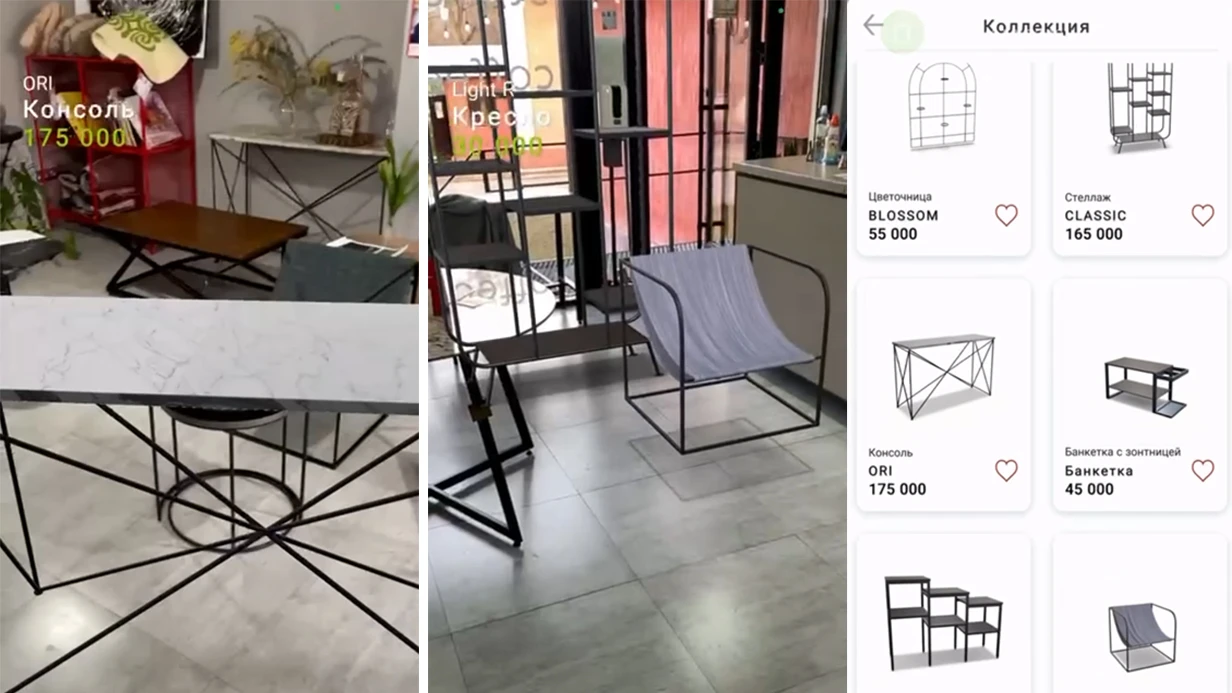
מציאות רבודה מאיצה את החלטת הקנייה. הלקוח רואה את המוצר בסביבה שלו — בדירה שלו, על עצמו, במשרד שלו — ומפסיק לפקפק.
בפועל, זה מגדיל את ההמרה ב-20–30% בהשוואה לקטלוג רגיל, ומספר ההחזרות יורד כי הציפיות תואמות את המציאות.
עבור B2B, VR פותח ערוץ מכירות נוסף: הדגמת ציוד מורכב, הדרכת צוות, או הצגת מתקנים עוד לפני שהם נבנים. אתה מפחית עלויות על נסיעות עסקים, השכרת אולמות תצוגה וחומרים מודפסים.
וכל הדגמה הופכת למקור של לידים חמים — אתה אוסף אנשי קשר של לקוחות מתעניינים ומעביר אותם למחלקת המכירות שלך. הטמעת VR ו-AR היא לא רק שדרוג טכנולוגי אלא כלי שמחזיר את עצמו דרך עלייה במכירות וחיזוק מעמד המותג. אתה מקבל יתרון תחרותי שהלקוחות שלך רואים וזוכרים.
פורמטים של יישומי VR למשימות העסקיות שלך
פורמטים של יישומי VR למשימות עסקיות — מתצוגת מוצר ועד סימולטור להדרכת צוות. אנחנו בוחרים את הפורמט לפי תוצאה ספציפית: מכירות גבוהות יותר, זמן הדרכה קצר יותר, או מעורבות רגשית של אורחים.
לקמעונאות וללקוח הקצה
בקמעונאות, VR עובד כחלון ראווה מורחב: אפשר להציג מוצר בכל קנה מידה ובכל סביבה, גם אם הוא לא נמצא פיזית בחנות. מצגת אינטראקטיבית מחזיקה את תשומת הלב של אורח פי 2–3 יותר מאשר וידאו רגיל.
| פורמט | למי | מה זה נותן ללקוח |
|---|---|---|
| אולם תצוגה וירטואלי | חנויות, סלונים, אולמות תצוגה | הצגת מוצר בלי לוגיסטיקה: הלקוח "הולך" באולם, בוחן את המוצר ומבצע הזמנה מיד |
| מצגת אינטראקטיבית | שיווק ואירועים | היכרות חיה עם המוצר, חשיפה גבוהה ואפקט ויראלי מתמונות וסרטונים של אורחים |
ל-B2B, הדרכה וייצור
כאן, VR מטפל במשימות שיקרות או מסוכנות לפתור במציאות: תרגול מיומנויות בלי סיכון, כוונון עדין של תהליכים לפני השקה.
הדרכת VR מתבצעת בסביבה בטוחה, וסימולטור נותן לעובדים ניסיון עם מצבים נדירים בלי השבתת ציוד.
| פורמט | למי | מה זה נותן ללקוח |
|---|---|---|
| הדרכת VR | מרכזי הדרכה, חברות ייצור | הצוות רוכש מיומנויות פי 2 מהר יותר, וטעויות לא מובילות להפסדים |
| סימולטור | תעשייה, תחבורה, רפואה | תרגול תרחישי חירום ופעולות מורכבות בלי סיכון לאנשים ולציוד |
ברגע שהפורמט נבחר, אנחנו מכינים אב טיפוס ותקציב — זה לוקח יומיים-שלושה. אתה מקבל יישום עובד, ואנחנו מעריכים את התוצאה באמצעות מדדים עסקיים: המרה, מהירות הדרכה, ביקורים חוזרים.
איך מפתחים פרויקט אימרסיבי: מבריף ועד השקה
פיתוח פרויקט אימרסיבי הוא לא כאוס יצירתי אלא תהליך עקבי שבו כל צעד מקרב אותך לתוצאה ברורה. עיצבנו אותו כך שתמיד תבין מה קורה, כמה עולה כל שלב ואילו החלטות צריך לקבל.
שבעה שלבי פיתוח
- בריף — אנחנו צוללים לתוך המשימה שלך: לומדים את הקהל, המטרות ותרחישי השימוש. אנחנו מתעדים איזו תוצאה אתה רוצה — מודעות למותג, מכירות, הדרכה או בידור.
- קונספט — אנחנו מציעים את רעיון הפרויקט, הסגנון החזותי והאווירה הכללית. אתה רואה את הכיוון לפני שמשקיעים כספים גדולים.
- תסריט — אנחנו מתארים את לוגיקת האינטראקציה: מה המשתמש רואה, מה הוא עושה ואילו החלטות הוא מקבל. כבר בשלב הזה ברור אם הפרויקט פותר את המשימה העסקית.
- אב טיפוס — אנחנו בונים מודל אינטראקטיבי שאפשר לבדוק. זה מאפשר לנו להתאים את השימושיות והפונקציונליות לפני הייצור — מהר יותר וזול יותר מאשר לעבוד מחדש על מוצר מוגמר.
- יישום — אנחנו מרכיבים יישום מלא על ציוד מקצועי. כאן מתחברים הוויזואליה, הסאונד, הלוגיקה והאינטגרציות עם המערכות שלך.
- בדיקות — אנחנו בודקים על מכשירים אמיתיים, מתקנים שגיאות ומבטיחים פעולה יציבה. כתוצאה מכך, אתה מקבל מוצר שלא יאכזב אותך ברגע הקריטי ביותר.
- השקה ותמיכה — אנחנו מפרסמים את היישום ועוזרים בהתקנה ובהגדרה. אנחנו נשארים בקשר כדי לפתור כל בעיה במהירות אחרי ההשקה.
התפקיד של הלקוח בתהליך
אתה לא רק צופה — אתה מקבל החלטות מפתח בכל שלב. אנחנו מציגים תוצאות ביניים, מתעדים הסכמות ומתקנים את הכיוון כשצריך.
הגישה הזו מבטלת הפתעות לא נעימות: אתה תמיד יודע באיזה שלב נמצא הפרויקט ומקבל בדיוק מה שסוכם בבריף. בסופו של דבר, היישום האימרסיבי פועל בצורה אמינה, והצוות נשאר איתך אחרי ההשקה.
מה כלול במסירת היישום הסופי
כשאתה מזמין יישום VR, חשוב להבין מה בדיוק אתה מקבל בסוף. אנחנו לא מוסרים "קובץ בינארי כלשהו" — אנחנו מספקים חבילת מפתח מלאה שהצוות שלך יכול לעבוד איתה באופן עצמאי מהיום הראשון.
זה מסיר את הפחד המרכזי של הלקוח: תלות במפתח וחוסר יכולת לשנות משהו בלי תיקונים יקרים.
חלק טכני
- יישום מוכן — זו התוצאה הסופית של הפיתוח: מורכב במלואו, נבדק על מכשירים אמיתיים ומוכן להשקה עבור המבקרים או העובדים שלך. אין גרסאות "גולמיות" ואין עבודה שנשארה לך לסיים.
- פאנל ניהול — ממשק פשוט שדרכו הצוות שלך יכול לשנות טקסטים, תמונות, תרחישים ולוחות זמנים בעצמו. אתה לא צריך לקרוא למתכנת כדי לערוך כפתור בודד — הכל לוקח כמה דקות.
- קוד המקור של הפרויקט — כל העבודה מועברת אליך במלואה. זה הרכוש שלך: אתה לא קשור לספק ספציפי, ואתה יכול להעביר את הפיתוח של המוצר לצוות אחר בכל עת.
תיעוד והדרכה
- תיעוד ברור — הוראות להפעלה, הגדרה וניהול של היישום: מההתחלה הראשונה ועד עדכוני תוכן מתוזמנים. כתוב בשפה שמובנת לא רק למומחים טכניים.
- הדרכה לצוות שלך — אנחנו עורכים מפגש מעשי קצר, שלאחריו מנהלים ומפעילים עובדים בביטחון עם היישום ופאנל הבקרה. אתה לא מבזבז שבועות על למידה עצמית.
- תמיכה לאחר השקה — במהלך תקופה מוסכמת, אנחנו נשארים בקשר, עונים על שאלות ועוזרים עם שיפורים. גם אם משהו משתבש,你不会 נשאר לבד מול המערכת.
החבילה הזו הופכת מסירה טכנית לכלי עסקי ברור. יש לך יישום עובד, צוות מיומן, פאנל ניהול לניהול עצמאי, קוד מקור ותיעוד. אתה מקבל תוצאה שאתה יכול לנהל — לא "קופסה שחורה" ממפתח.
מקרה בוחן: קטלוג אימרסיבי ליצרן תעשייתי
בתעשייה, בחירת ציוד היא תהליך ארוך: קונה לומד עשרות עמודים של מפרטים, מנסה לדמיין מידות משרטוטים.
קטלוג PDF רגיל לא עונה על השאלה המרכזית: "איך המכונה הזו תתאים לבית המלאכה שלי?" סגרנו את הפער הזה עבור מפעל בניית המכונות "טכנו-פרום" — בנינו קטלוג VR אינטראקטיבי.
איך זה עובד
במקום תמונות שטוחות, המוצרים הפכו לתלת-ממדיים. משתמש עם משקפת נכנס לאולם תצוגה וירטואלי, יכול להסתובב סביב המכונה מכל הצדדים, לפתוח מכסי מגן ולבחון רכיבים פנימיים ומפרטים.
הבקרות אינטואיטיביות — אין צורך בידע מיוחד; הניווט עצמו מרמז על הצעד הבא.
התוצאה — המרה גבוהה יותר בכל הערוצים. לידים עם פרטי קשר אחרי הדגמות וירטואליות גדלו ב-40%: מנהלים הפסיקו לבזבז שעות בהסברת פרמטרים בסיסיים כי הקונה כבר ראה את הציוד בפירוט.
גם ערכי ההזמנות גדלו: לקוחות היו מוכנים יותר לבחור אפשרויות יקרות יותר, כשהבינו את הערך שלהן.
הכי חשוב — המרה לפניות חוזרות. הקטלוג משמש בתערוכות ובמשא ומתן; הוא החליף שלושה עלונים מודפסים ושני קבצי PDF.
חודשיים אחר כך, המפעל הזמין עדכון לדגמים חדשים — כלומר הכלי מספק ערך אמיתי, לא רק משיכה ויזואלית.
עבורנו, זה מאשר כלל פשוט: בתעשייה, מי שמראה את המוצר בפעולה מנצח, לא אלה שמתארים אותו במילים. אם קשה לדמיין את המוצר שלך מתמונות — קטלוג אימרסיבי עובד כמו מחלקת מכירות.
איך לבחור את הפורמט הנכון של יישום אימרסיבי?
בחירת פורמט של יישום אימרסיבי היא לא שאלה טכנולוגית אלא שאלה של איזו משימה אתה פותר. חלק מהפורמטים עוזרים למשוך תשומת לב למוצר חדש, אחרים מאמנים עובדים או יוצרים רושם בלתי נשכח לאורחי אירוע.
אז הצעד הראשון הוא להגדיר את המטרה: מה צריך להשתנות אחרי מגע של משתמש עם היישום?
כשהמטרה ברורה, הפורמט הופך מובן מאליו. להצגה קצרה בתערוכה, תרחישי VR קלים של כמה דקות שנשלטים בלי הוראות מתאימים.
להדרכת צוות בקנה מידה גדול — סימולטורים מלאים עם הערכת פעולות משתמש. ולתוכניות מופע או אזורי קידום, מצבי AR שעובדים ישירות מהטלפון של האורח בלי ציוד נוסף נוחים.
תקציב ולוחות זמנים תלויים ישירות במורכבות התרחיש ובכמות הגרפיקה. אם מהירות וחיסכון חשובים — בחר פתרון סטנדרטי עם סצנות מוכנות.
אם סגנון ויזואלי ייחודי ולוגיקה לא סטנדרטית הם בראש סדר העדיפויות — אפשר יותר זמן לפיתוח ובדיקות.
זכור: אפילו פורמט פשוט, כשהוא מיושם כראוי, מניב תוצאות מוחשיות, בעוד שמורכב דורש הכנה קפדנית — אחרת הוא מסתכן בהפיכה ל"צעצוע יפה ויקר."
כלל מעשי: לאירועים שבהם המגע נמשך 2–3 דקות, אין טעם ליצור תרחישים רב-רמתיים. אורחים לא יוכלו לצלול לעומק — הם צריכים לקבל במהירות רגש ולרצות לשתף אותו ברשתות החברתיות.
אם אתה מתכנן התקנה קבועה באולם תצוגה או באזור המתנה, הפורמט צריך להחזיק תשומת לב לפחות חמש דקות, לעמוד בזרימה של אנשים שונים ולהיות קל להפעלה מחדש.
אנחנו עוזרים ללקוחות לבחור פורמט למשימה, לתקציב וללוחות הזמנים שלהם, ואז מיישמים אותו כך שהיישום יהיה פשוט עבור המשתמשים שלך ויעיל עבור העסק שלך.
אתה מקבל לא חידוש טכנולוגי לשם החידוש אלא כלי שעובד למען מטרה ספציפית: הוא מושך, מאמן או נזכר.
ספקות נפוצים לפני התחלת פרויקט
ספקות לפני התחלת פרויקט VR הם נורמליים. תקציב, לוחות זמנים, החזר השקעה, תמיכה: השאלות זהות. עברנו עשרות פרויקטים ואנחנו יודעים איפה לקוחות בדרך כלל מודאגים ואיפה באמת כדאי להיזהר.
אז בואו נטפל בפחדים הנפוצים ביותר נקודה אחר נקודה — בכנות, בלי פרטים טכניים, בשפת התוצאות.
"זה לא יקר? ניכנס לתקציב?"
העלות תלויה בפורמט: אזור VR פשוט לתערוכה וסימולטור הדרכה מלא לצוות הם תקציבים שונים. אנחנו לא מוכרים "קופסה" — אנחנו מציעים פתרון למשימה שלך.
בשלב הבריף, אנחנו קובעים את אומדן העלות ואת לוחות הזמנים, והם לא משתנים אחר כך. ואם התקציב מוגבל, נציע אילו תכונות אפשר לדחות לשלב שני בלי לאבד את העיקר — חשיפה ורושם.
"מה אם הפרויקט לא מחזיר את ההשקעה?"
החזר ההשקעה מחושב לא ב"פונקציות" מופשטות אלא במדדים קונקרטיים: מספר מבקרים, זמן אינטראקציה, חלק מהזמנות חוזרות, צמיחה בהכרת המותג. לפני ההתחלה, אנחנו מגדירים יחד מדדי יעד — ובונים את התרחיש סביבם.
לתערוכה, למשל, זה בדרך כלל זמן הסשן הממוצע ומספר התמונות ברשתות החברתיות. כשזה ברור מה אנחנו מודדים, החזר ההשקעה הופך גלוי כבר שבוע אחרי ההשקה.