



מדוע מוסכי רכב מאבדים לקוחות: הבעיה המרכזית והפתרון
מוסכי רכב מאבדים לקוחות לא בגלל איכות העבודה שלהם — אלא בגלל פורמט תקשורת מיושן עם הלקוח.
בעוד מתחרה מציג את התקלה על מסך ומיד נותן לוחות זמנים, מוסך רגיל גורם ללקוחות לחכות, מסביר "עם תנועות ידיים" ומאבד אמון. הלקוח הולך למקום שבו הכל ברור, מהיר ושקוף — וחוזר שוב למישהו אחר.
היום הלקוח מצפה לא רק לתיקון הרכב שלו, אלא להראות לו בדיוק מה קרה, כמה זה עולה ולמה.
אם המוסך לא מספק בהירות ויזואלית, ההחלטה פועלת לרעתו: ספקות הופכים לסירוב לתיקון או לחיפוש אחר מכונאי אחר. שימור לקוחות מבוסס על רושם — והוא מתחיל לפני שהמכונאי אפילו מרים כלי עבודה.
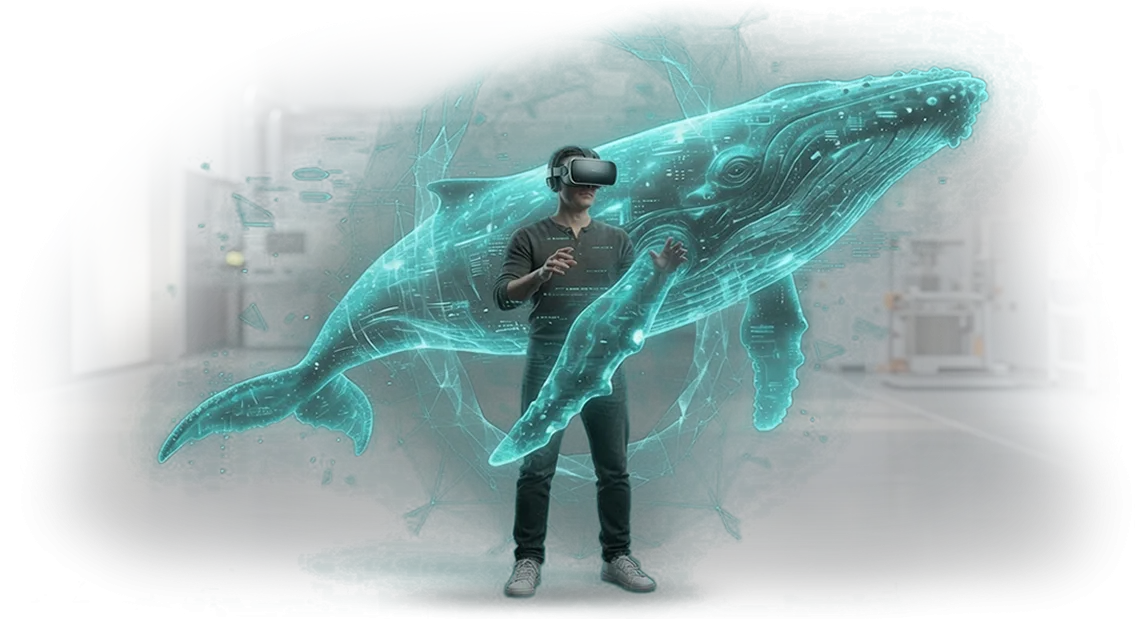
VR ו-AR פותרים את המשימה הזו: הלקוח רואה מודל דיגיטלי של הרכב שלו, מוצג לו הרכיב הפגום, מוסברים לו ההשלכות, והוא רואה את התוצאה של התיקון העתידי מודגמת. כך המוסך הופך תהליך טכני לא ברור לדיאלוג שקוף.
הלקוח מפסיק להרגיש כבן ערובה של המוסך — ומסכים ביתר קלות לעבודות מומלצות, כולל שירותים נוספים.
יישום פורמטים כאלה משפיע ישירות על ביקורים חוזרים ומוניטין: לקוח שהבין הכל חוזר בעצמו ומביא מכרים.
לכן אנחנו עוזרים למוסכי רכב להביא את השירות שלהם לרמה מודרנית — עם כלי VR/AR שבונים אמון ומגדילים את החשבון הממוצע ללא מכירות אגרסיביות.
מציאות מדומה ומוגברת: 5 יתרונות לעסק שלך
מציאות מדומה ומוגברת כבר מזמן יצאו מקטגוריית הצעצועים — הן כלי עבודה שמגדילים את הרווח של המוסך.
אנחנו יוצרים פתרונות על ציוד מקצועי ובפלטפורמת Unity, כך שאתה מקבל תוצאה יציבה המותאמת למשימות שלך, לא "ניסוי לשם הטכנולוגיה." הנה חמישה יתרונות חסכוניים ש-VR/AR מביאים לעסק.
-
גידול בחשבון הממוצע. הלקוח רואה על מסך הטאבלט איך הרכב שלו ייראה אחרי התיקון ומסכים ביתר קלות לעבודות נוספות — ליטוש, טיפול במרכב, החלפת חומרים מתכלים. אתה פשוט מראה את הערך של השירות לפני שהוא ניתן.
-
משיכת תשומת לב וזכירות. אזור AR באזור ההמתנה או עמדה אינטראקטיבית בכניסה מבדלים אותך ממוסכים אחרים. אורחים מצלמים, משתפים ברשתות החברתיות — וזו זרימה חינמית של פניות חדשות ללא הקמת פרסום.
-
פחות טעויות של צוות. במקום מדריכים עבים, המכונאי מרכיב משקפי VR ורואה הוראות שלב-אחר-שלב ממש ליד רכיב הרכב. זה מפחית את מספר התיקונים השגויים, כלומר פחות תלונות ועבודות חוזרות על חשבונך.
-
הכשרה מהירה לעובדים חדשים. אימון על מודלים וירטואליים לא דורש תפיסת עמדת עבודה או המתנה לרכב פנוי. העובד מתאמן בסביבה בטוחה ומגיע ללקוחות מוכן, עם פחות סיכון למוניטין של המוסך.
-
שקיפות ואמון לקוחות. שכבת AR מציגה איזו עבודה מתוכננת ולמה היא נחוצה. דרך האפליקציה, הלקוח רואה את מצב החלקים ומאשר את התיקון אונליין — זה מגביר נאמנות ואת חלקם של אלה שחוזרים אליך שוב.
כל אחד מהיתרונות האלה משפיע ישירות על ההחזר על ההשקעה ב-VR/AR. או שאתה מושך יותר לקוחות ומעלה את החשבון הממוצע, או שאתה מפחית עלויות על טעויות והכשרה.
אנחנו נעזור לך ליישם פתרון לתהליכים ולתקציב שלך — מהדמיית AR פשוטה ועד סימולטור VR מלא.
פורמטי VR/AR למוסך: איזה מהם מתאים למשימה שלך
כל מוסך רכב פותר שלוש משימות: למשוך לקוח, להשלים עבודה במהירות ולמכור שירותים נוספים. פורמטי VR/AR מכסים את כל השלוש — אבל בדרכים שונות. חלק מהפתרונות עובדים למשיכה, אחרים למהירות תיקון, ועוד אחרים לגידול בחשבון הממוצע.
לפני הבחירה, הגדר את המטרה: האם אתה צריך יותר הזמנות, יותר מכירות נוספות, או מהירות ביצוע גבוהה יותר? הפורמט נבחר לפי המטרה — מאפשרויות מוכנות ועד פתרונות המשולבים בתהליך שלך.
| פורמט | למי | מה הוא נותן למוסך |
|---|---|---|
| הצגת שירות וירטואלית | לקוחות פרטיים בעת הזמנה | מציג את התהליך והיקף העבודה לפני ההגעה — מגביר אמון ומפחית סירובים |
| הוראת AR | מכונאים ויועצי שירות | הדרכה לתיקון שלב-אחר-שלב — השלמת הזמנות מהירה יותר ופחות טעויות |
| סיור VR במוסך | לקוחות עסקיים ושותפים | מציג את התחנה ללא ביקור אישי — עוזר לעבור מכרזים |
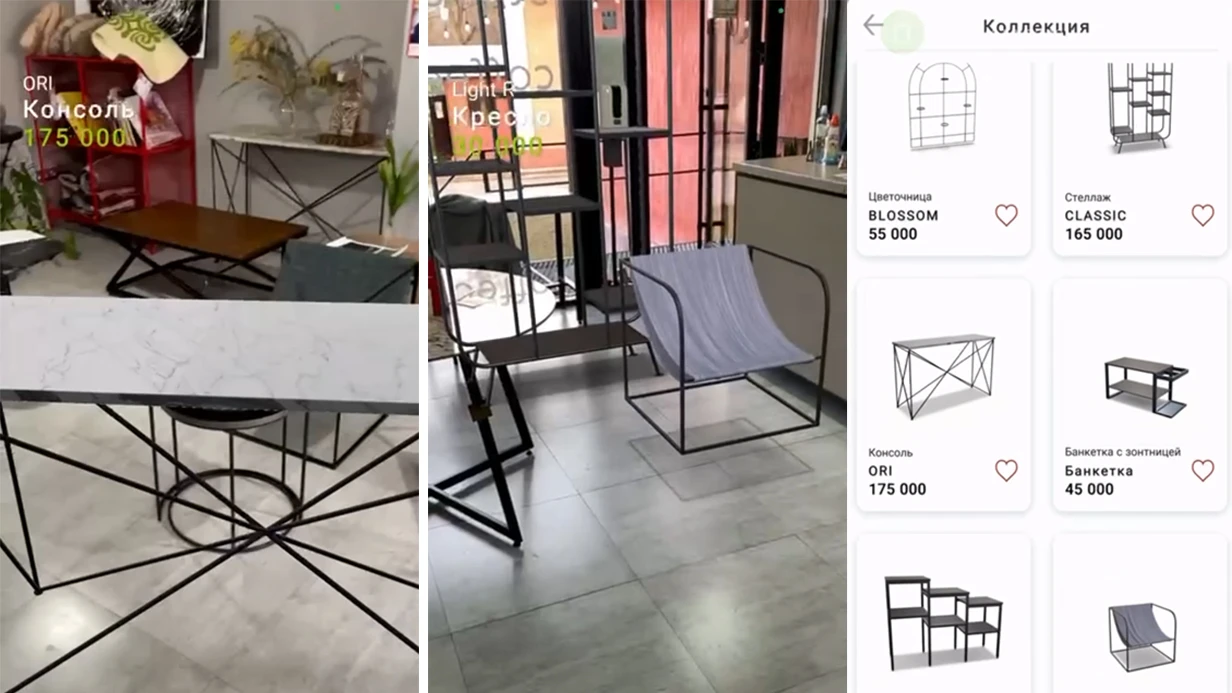
| קטלוג חלקים אינטראקטיבי | לקוחות באזור ההמתנה | מראה איך חלק עובד — מקל על אישור עבודות נוספות |
| תצוגה מקדימה של שדרוג וירטואלי | בעלי רכב | הלקוח רואה את התוצאה לפני ההתקנה — פחות מחלוקות על עבודות שבוצעו |
פתרונות סטנדרטיים מתאימים כשצריך השקה מהירה וכלכלה ברורה. פתרונות מותאמים אישית — כשחשוב לחבר את ההדמיה למערכת החשבונאות, למותג ולתהליך המכירה האמיתי, לא רק להציג "תמונה יפה."
אנחנו מייצרים את שני סוגי הפורמטים: אחרי בריף קצר, נראה איזה תרחיש יניב תוצאות בחודש הראשון לפעילות ונציע גרסת פיילוט למשימות שלך.
שלבי פיתוח פתרון VR/AR: מבריף ועד השקה
אנחנו עובדים בתהליך שקוף — אתה תמיד יודע באיזה שלב נמצא הפרויקט ומה הלאה. אין "קופסאות שחורות": כל שלב מתואם איתך כך שהתוצאה בהחלט פותרת את המשימות של המוסך — ממשיכת לקוחות ועד הכשרת עובדים.
-
בריף והתעמקות במשימה. אתה מספר לנו מה אתה רוצה להשיג: הדגמת רכב וירטואלית, הכשרת צוות, קטלוג חלקים אינטראקטיבי. אנחנו מתעדים את המטרות, הקהל וקריטריוני ההצלחה.
-
קונספט ואב-טיפוס. אנחנו מציעים תרחיש לשימוש ב-VR/AR בעסק שלך: איפה ואיך לקוח או עובד מתקשרים עם הפתרון. אנחנו מראים איך זה ייראה בלי להיכנס לפרטים טכניים.
-
אישור והערכת עלות. אנחנו מאשרים את הקונספט, לוח הזמנים והעלות. אתה מקבל תוכנית ברורה עם נקודות ביקורת — מה בדיוק אנחנו עושים בכל שלב ואיזו תוצאה אנחנו מספקים.
-
פיתוח והרכבת הפתרון. אנחנו בונים את אפליקציית ה-VR/AR על ציוד מקצועי וכלים מוכחים. במהלך התהליך, אתה רואה גרסאות ביניים ויכול לבצע עריכות — זה זול יותר מאשר לבצע שינויים אחרי ההשקה.
-
בדיקות והשקה. אנחנו מוודאים שהכל עובד ביציבות: על המכשירים שלך, בתנאי המוסך שלך — באור בהיר, בתוך מבנה, על הכביש. אנחנו משיקים את הפתרון ומכשירים את הצוות שלך.
-
תמיכה ופיתוח. אחרי ההשקה אנחנו נשארים בקשר: מעדכנים תוכן, מוסיפים מודלים או תרחישים חדשים, עונים על שאלות של עובדים. אתה לא נשאר לבד עם הטכנולוגיה.
הסדר הזה עוזר למנוע הפתעות: אתה תמיד מבין על מה אתה משלם ומה תקבל בסופו של דבר. ואנחנו לוקחים על עצמנו את כל החלק הטכני — מרעיון ועד כלי עובד שמביא ערך לעסק.
מה כלול בחבילת הפרויקט הסופית של VR/AR
החבילה המלאה היא לא "קובץ עם אפליקציה" אלא פתרון מוכן שניתן ליישם כבר בשבוע הבא. אתה מקבל לא רק תוכנה אלא כלי שמכשיר עובדים מיד, מוכר שירותים ללקוחות ומאיץ תהליכים במוסך.
הנה מה שכלול במסירת פרויקט VR/AR סטנדרטית למוסך, ומה כל רכיב אומר לעסק שלך.
- אפליקציית VR/AR מוכנה המותאמת לפרטים שלך — מודלים תלת-ממדיים אינטראקטיביים של מכוניות, רכיבים ותהליכים המוגדרים לשירותי המוסך שלך. עובדים לומדים על דוגמאות ויזואליות, ולקוחות רואים על מה הם משלמים.
- ציוד מקצועי (משקפי VR או מכשירי AR) — ערכה מכוילת שעובדת מיד אחרי החיבור. אין צורך להבין בטכנולוגיה: היא כבר מוגדרת, מכוילת ומוכנה לשימוש יומיומי.
- פאנל ניהול — אתה מוסיף מודלים חדשים, משנה תרחישי הכשרה ועמדות מחיר בעצמך ללא מעורבות מתכנתים. רוצה להראות ללקוח שירות חדש — הוסף אותו למערכת תוך 10 דקות.
- הכשרת העובדים שלך — אנחנו מקיימים מפגש הכשרה למכונאים, מנהלים ואדמיניסטרטורים: איך להפעיל תוכניות, לעבוד עם לקוחות ולשלב VR/AR בתהליכים יומיומיים. ההכשרה מתקיימת במקום שלך, מרחוק או במשרד שלנו.
- תמיכה טכנית ואחריות — אנחנו תומכים בפרויקט אחרי ההשקה: עדכונים, ייעוץ, עזרה מהירה בתקלות. אם משהו לא עובד — אנחנו מטפלים בזה תוך יום עסקים.
- חומרים מתודולוגיים — הוראות, רשימות בדיקה ודפי עזר לתפקידים שונים במוסך. אין צורך לזכור הכל: כל עובד חדש נקלט תוך שעה.
כל פריט בחבילה נותן מענה לנקודת כאב ספציפית: ממחסור בצוות מיומן ועד לקושי במכירת שירותים יקרים. אתה מקבל מערכת עובדת, לא "מוצר חצי גמור" שדורש השלמה.
מקרה בוחן: מאמן וירטואלי הגדיל מכירות ב-40%
כשלקוח לא רואה על מה הוא משלם, הוא מטיל ספק ועוזב למוסך אחר. רשת המוסכים Motors נתקלה בזה: שירותים מורכבים — החלפת שרשרת, תיקון גיר, אבחון מתלים — קשה להסביר במילים, ותמונות לא מעבירות את ההיקף.
פיתחנו מאמן VR אינטראקטיבי שמציג את תהליך העבודה בצורה ויזואלית, וזה שינה את השיחה עם הלקוח. בנינו אותו על Unity, כך שהפתרון עובד על כל משקפי VR מודרניים ומתרחב בקלות למספר סניפים.
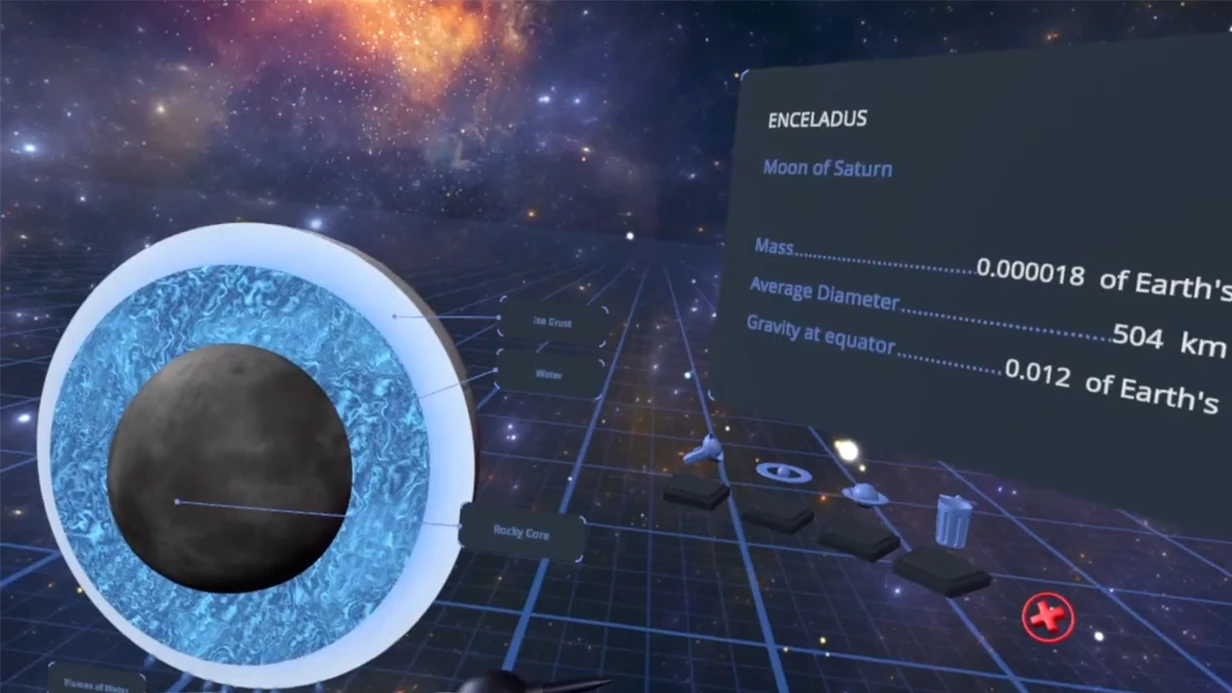
הלקוח מרכיב את המשקפיים, רואה את הרכב שלו בחתך, יכול "לסובב" את החלקים, לבחון בלאי ולהבין למה נדרשת החלפה. המכונאי בקרבת מקום עוזר, מצביע על אזורים בעייתיים, והלקוח רואה בעצמו שהתיקון הכרחי.
זה מסיר את ההתנגדויות העיקריות "יקר" ו"אולי זה יחזיק מעמד" — האדם מקבל החלטה על סמך מה שראה, לא תחת לחץ של מנהל.
תוצאות אחרי חודשיים של שימוש במאמן: מכירות של עבודות נוספות גדלו ב-40%, וההמרה מאבחון לתיקון כמעט הוכפלה.
גם החשבון הממוצע גדל — לקוחות רואים את ההבדל בין חלק מקורי לחלק חלופי ובוחרים יותר פעמים במה שיחזיק מעמד זמן רב יותר. המאמן החזיר את ההשקעה בחודש הראשון והמשיך להניב רווח ללא השקעות נוספות.
אחרי ההשקה, "Motors" הזמינו מאמן שני לסניף חדש והרחיבו את מערך התרחישים לשירותים שלהם. תמכנו ביישום: הכשרנו את המכונאים, הגדרנו את הציוד ומעדכנים תוכן כשמופיעים סוגי עבודה חדשים. אם אתה רוצה את אותו כלי למוסך שלך — נתחיל עם הדגמה חינמית באתר שלך.
איך לבחור את הפורמט המתאים למשימה העסקית שלך?
הבחירה בין VR ל-AR היא לא שאלה של אופנה אלא שאלה של משימה. אם אתה צריך להראות ללקוח ויזואלית מה קורה בתוך הרכב — איפה הבלאי, איזה חלק צריך החלפה — מציאות מוגברת הופכת את התהליך לשקוף.
הלקוח רואה את הבעיה במו עיניו, האמון במכונאי גדל, והחשבון הממוצע עולה דרך מכירות נוספות מוצדקות.
מציאות מדומה פותרת משימות אחרות — הכשרה ורושם. מאמן VR יכין עובד חדש לתיקון ללא סיכון לציוד, ואזור VR באולם התצוגה ירשים מבקרים יותר מכל מסך. הכל תלוי במה שאתה צריך: להפחית טעויות צוות או להגביר הכרה.
אנחנו לא מציעים פורמט "ברירת מחדל." בייעוץ, אנחנו מנתחים את המצב שלך: מי הקהל — בעלי רכב, מכונאים או שותפים? מה המטרה — גידול בהזמנות, חשבון ממוצע, מהירות הכשרה? התרחיש, מכניקת האינטראקציה ועומק הפיתוח תלויים בתשובות.
דוגמה: מוסך רצה לזרז אישור אבחון וקיבל אפליקציית AR לטאבלט — המכונאי מראה ללקוח מודל ויזואלי של הרכיב עם נתונים אמיתיים. מחלוקות על הערכות נעלמו, ועבודות החלו להיות מאושרות מיד יותר פעמים. ורשת עם תחלופת עובדים הטמיעה מאמן VR, וקיצצה את זמן הכשרת העובדים החדשים פי שלושה.
הפורמט עוקב אחרי המטרה. אם אתה רואה צוואר בקבוק — חוסר אמון, הכשרה איטית או הכרה חלשה — תאר לנו את זה, ואנחנו נציע פתרון שמביא תוצאה מדידה, לא רק תמונה יפה.
תשובות לשאלות נפוצות על פיתוח VR/AR
לקוחות מוסכים מצפים יותר ויותר לא לאתר רגיל אלא לחוויה "חיה": צפייה ברכב במציאות מוגברת, אימון בסימולטור VR או הצגה ללקוח איך התיקון יתנהל.
אבל לפני ההזמנה, לבעלים יש את אותן שאלות — על עלות, לוחות זמנים, ציוד ואחריות.
אנחנו עונים בקצרה ולעניין, ללא פרטים טכניים — רק מה שמשפיע על התקציב והתוצאה שלך.
כמה עולה פיתוח אפליקציית VR/AR למוסך?
העלות תלויה במשימה: הדמיית AR פשוטה של שירות ומאמן VR מלא להכשרה הם פרויקטים שונים. בפגישה, אנחנו מתעדים את המשימה שלך ומציעים פתרון לתקציב, לא להפך.
כמה זמן לוקח הפיתוח?
פרויקט טיפוסי לוקח בין מספר שבועות למספר חודשים. אנחנו נותנים לוח זמנים מדויק אחרי הבריף — זה תלוי במורכבות התרחיש ובמספר הפונקציות. בכל מקרה, אתה מקבל תוכנית עם תאריכים ומסירה בשלבים.
אילו ערבויות יש שהאפליקציה תעבוד ללא תקלות?
אנחנו עובדים על ציוד מקצועי וכלים מוכחים, ולכן אנחנו מספקים תוצאה שעובדת ביציבות על המכשירים שלך. אחרי ההשקה, אנחנו תומכים בפרויקט: מתקנים שגיאות ועוזרים בעדכונים.
האם אנחנו צריכים לקנות ציוד יקר?
זה תלוי בפורמט. לאזורי לקוחות, טאבלט או סמארטפון עם AR לרוב מספיקים. למאמני VR, אפשר לשכור משקפיים או לכלול את העלות שלהם בפרויקט — נחשב את שתי האפשרויות.
מה אם נצטרך שינויים אחרי ההשקה?
זה תהליך נורמלי: אתה רואה איך האפליקציה עובדת בפועל ומבין מה אתה רוצה לשפר. אנחנו נשארים בקשר ומציעים אפשרויות נוחות לפיתוח הפרויקט — מתרחישים חדשים ועד הרחבה לפלטפורמות אחרות.
מוכן לדון בפרויקט שלך? השאר פנייה
אנחנו מבינים: בעל מוסך צריך לא רק "אפליקציה" אלא גידול במספר הלקוחות ונאמנות. VR ו-AR עוזרים להראות ויזואלית את עבודת המוסך, להציג את הציוד או להכשיר עובדים — אבל כל פרויקט הוא ייחודי, ולא מתאים לכולם. כדי להבין מה יעבוד במקרה הספציפי שלך, נדרשת שיחה קצרה.
השאר פנייה — ואנחנו נייעץ לך על שימוש ב-VR/AR במוסך. תקבל עלות מחושבת אחרי בדיקה, המלצות מומחים ותבין איך הטכנולוגיה תשתלם בעסק שלך.
אחרי הפנייה, תקבל:
- ייעוץ על פתרונות VR/AR/MR למוסך;
- חישוב עלות הפרויקט ולוח זמנים ליישום;
- הערכת מומחה לרעיון שלך ובחירת הפורמט המתאים;
- המלצות ליישום: הכשרת צוות, הדגמת שירות ללקוחות, הוראות תיקון אינטראקטיביות;
- תשובות לכל שאלה על יישום טכני, ציוד ואינטגרציה;
- תוכנית ברורה של הצעדים הבאים ללא כל התחייבות מצידך.
הפנייה לוקחת כמה דקות: אתה משאיר את פרטי הקשר, אנחנו חוזרים אליך בזמן נוח ודנים במשימה. אין פרטים טכניים בשלב זה — רק המטרות שלך וההצעה שלנו.
מלא את הטופס או כתוב לנו בהודעה — יחד נקבע איזה פתרון VR/AR יביא את התועלת הגדולה ביותר למוסך שלך.