



מדוע בנקים מאבדים לקוחות באירועים
אירועים בנקאיים כיום הם שדה קרב על תשומת הלב. ביום אחד, מבקר עובר ליד עשרות דוכנים, רואה מאות מסכים, ומקבל ערימה של חומרים שנשכחים תוך שעה.
בתוך הרעש הזה, מצגת סטטית רגילה או עלון פשוט לא עובדים: הם זוכים למבט חטוף, ואחרי כמה דקות הכל מתערבב לרקע מונוטוני.
אם בנק לא מצליח למשוך אורח בתוך השניות הראשונות, הוא מאבד אותו כלקוח פוטנציאלי. יש כל כך הרבה אלטרנטיבות מסביב—בנק אחר, מוצר אחר, רושם אחר—שאנשים הולכים בלי היסוס למי שיותר מעניין.
החזקת תשומת הלב הופכת חשובה יותר ממספר הפליירים שחולקו או מגודל הדוכן. זה בדיוק מה שמנהלי שיווק ומנהלי אירועים בוחנים כשהם מעריכים את האפקטיביות של השתתפות באירוע.
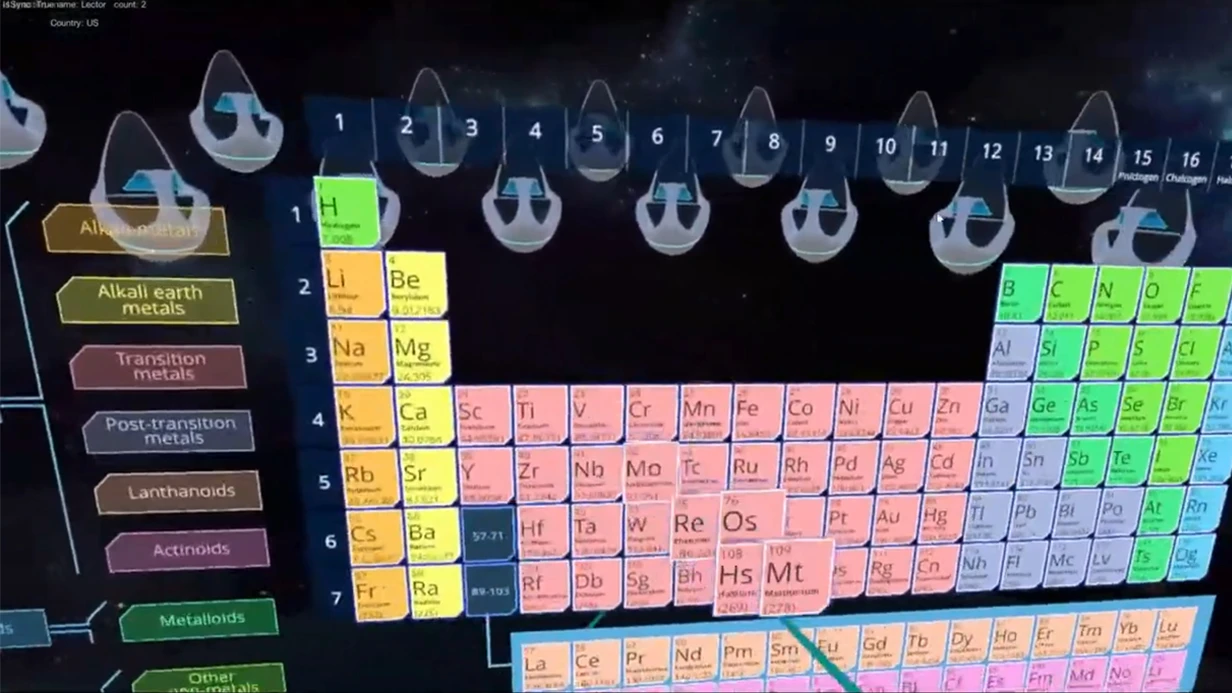
הצגת מוצר ויזואלית פותרת את הבעיה הזו. כשבמקום פוסטר סטטי, מבקר רואה סצנה תלת-ממדית שהוא יכול לשלוט בה באמצעות מחוות, הוא עוצר ומתערב.
זה משנה את מהלך השיחה: עובד בנק לא מתחיל מאפס אלא ממשיך שיחה על מה שהלקוח כבר חוקר במו עיניו. הפורמט הזה נזכר ויוצר רושם נכון לגבי התחכום הטכנולוגי של הבנק.
בסופו של דבר, בנקים מאבדים לקוחות לא כי המוצרים שלהם גרועים, אלא כי אין שום דבר באירוע שמחזיק תשומת לב. אנחנו עוזרים לתקן את זה על ידי הפיכת הדוכן לאזור אינטראקטיבי שבו המבקר הופך למשתתף במצגת.
כך הדוכן שלכם בולט מול המתחרים, והלקוח עוזב עם רושם ברור—וחשוב מכך, עם רצון לחזור.
מה פרויקט VR/AR מספק: מעורבות, אמון, לידים
מעורבות היא התוצאה הראשונה ששמים לב אליה באירוע. משתתפים ניגשים לאזור ה-VR ונשארים פי כמה יותר זמן מאשר בדוכן רגיל. הם מדברים על מה שראו, מצלמים תמונות, וחוזרים שוב—המותג מוצא את עצמו באופן טבעי במרכז תשומת הלב.
היתרון של VR עבור בנק הוא היכולת להציג מוצרים מורכבים ללא סיכון. לקוח יכול "לחיות" בתוך תרחיש: לבחור פיקדון, ללמוד תנאי הלוואה, לנסות תוכנית משכנתא.
אחרי חוויה כזו, הם מבינים את ההצעה טוב יותר ומקבלים החלטות מהר יותר, ורמת האמון גדלה עוד לפני שמוקדן מתקשר.
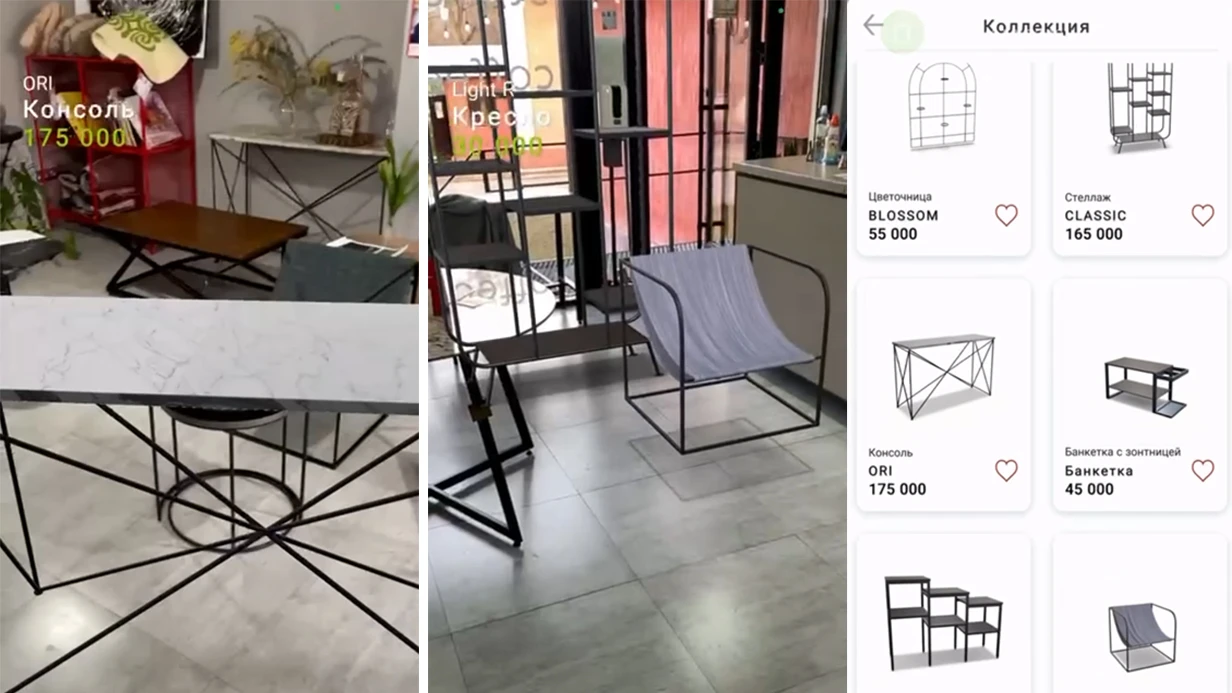
האפקטיביות של AR בולטת במיוחד בסניפים ובתערוכות. פשוט מכוונים טלפון למפה או פוסטר, והמשתמש רואה מדריך אינטראקטיבי, שערי ריבית עדכניים, או תוכנית בונוסים. זה מגביר את פעילות המבקרים ומאיץ את דרכם לפנייה ממוקדת.
יצירת לידים הופכת מדויקת: אנחנו רואים אילו תרחישים מופעלים הכי הרבה, כמה משתתפים מגיעים לסיום, וכמה הם מעורבים. סטטיסטיקות כאלה עוזרות למחלקת המכירות לקבוע סדרי עדיפויות נכונים, ולשיווק לתכנן את הקמפיינים הבאים. ביום אחד אפשר לאסוף מאות אנשי קשר חמים.
ההשקעה ב-VR/AR מחזירה את עצמה לא רק בפניות אלא גם בעניין מתמשך של הקהל. משתתפים משתפים חוויות ברשתות החברתיות ועם עמיתים, ומרחיבים את החשיפה ללא תקציב נוסף.
בסופו של דבר, הבנק מקבל כלי שעובד על מודעות, אמון, וצמיחת מאגר הלקוחות בבת אחת.
פורמטים של VR/AR לבנקים: ממצגות ועד הדרכות
עבור בנק, ההבדל בין פורמטים הוא לא על טכנולוגיה אלא על איזו משימה הוא פותר: להעביר מוצר ללקוח, להראות סניף ללא ביקור, או להכשיר עובדים בלי להפסיק את העבודה. אנחנו בוחרים את הפורמט שיתאים למטרה שלכם, לא מתאימים את המטרה לפורמט.
| פורמט | למי | מה הוא מספק |
|---|---|---|
| סיור וירטואלי בסניף | לקוחות ושותפים | חוסך זמן בביקורים, מאפשר להכיר את החלל לפני ההגעה |
| מצגת מוצר תלת-ממדית | שיווק ומכירות | מוצרים מורכבים הופכים ברורים, ההמרה לפניות עולה |
| הדרכת עובדים | משאבי אנוש ורשת הסניפים | תרחישים סטנדרטיים מתורגלים ללא מדריך וללא הפסקת עבודה |
| קבלה וירטואלית ל-VIP | בנקאות פרטית | קשר אישי ללא המתנה בתור וללא נסיעות עסקים |
| ניווט AR בסניף | לקוחות ויועצים | חיפוש מהיר של האזור או הכספומט הנכון, פחות עומס על הצוות |
סיורים וירטואליים נדרשים כשבנק צריך להראות משרד או חלל של סניף עתידי לפני שהוא נפתח. מצגות תלת-ממדיות עובדות בשלב השקת פיקדונות או תוכניות השקעה—כשטקסט רגיל באתר לא מספק את רמת המעורבות הנדרשת.
הדרכת עובדים היא סיפור נפרד. סימולטור שיחות עם לקוח מאפשר לעובד לטעות ללא השלכות, ולבנק להשיג רמת שירות עקבית בכל סניף. זה מהיר יותר מהדרכות קלאסיות ולא דורש ריכוז של אנשים במקום אחד.
מה שתבחרו, אנחנו מטפלים בכל המסע: מתרחיש ועד השקה. כל מה שצריך זה להגדיר את המשימה—ואז הפורמט, הטקסטים, והלוגיקה של האינטראקציה ייבנו סביב הקהל והמדדים העסקיים שלכם.
איך פרויקט עובד: מבריף ועד השקה
בנינו את התהליך כך שבכל שלב תבינו מה קורה ומה תוצאה תקבלו. אין "קופסאות שחורות": כל שלב מתואם איתכם, ולוחות זמנים והיקף מקובעים לפני תחילת העבודה.
כתוצאה מכך, אתם מקבלים השקה צפויה של הפרויקט—ללא תקלות או עריכות בלתי צפויות בשלב הסופי.
-
בריף והתעמקות. אנחנו מקיימים פגישה עם הצוות שלכם ולומדים את המשימות שלכם: הדרכת עובדים, רכישת לקוחות, או תקשורת פנימית. אנחנו מגדירים מטרות, קהל, וקריטריוני הצלחה כדי שנוכל להמשיך בכיוון המדויק.
-
קונספט ואב-טיפוס. אנחנו מציעים 2–3 אפשרויות תרחיש לשימוש ב-VR/AR בבנק שלכם. בשלב הזה, אתם רואים איך הטכנולוגיה תשתלב בתהליכים קיימים—מקליטת עובדים חדשים ועד שירות בסניף.
-
אישור ותוכנית. אנחנו מאשרים את הקונספט ויוצרים תוכנית עבודה מפורטת עם תאריכים ואחראים. אנחנו חותמים על חוזה שקוף—אחרי זה, היקף ולוחות זמנים לא משתנים ללא הסכמתכם.
-
ייצור. אנחנו מפתחים את האפליקציה, הממשקים, והגרפיקה. הדגמות קבועות כל 1–2 שבועות—אתם רואים התקדמות ומבצעים שינויים בלי לאבד מומנטום.
-
בדיקות. אנחנו בודקים תרחישים על מכשירים אמיתיים ומערבים את העובדים והמשתמשים שלכם בקבוצת פיילוט. אנחנו מוודאים שהאפליקציה עובדת בצורה אמינה תחת עומס וקלה לשימוש.
-
השקת הפרויקט. אנחנו פורסים את הפתרון בתשתית שלכם ומכשירים מנהלים ועובדים. אנחנו עוזרים באינטגרציה עם מערכות בנקאיות ועמידה בתקני אבטחת מידע ארגוניים.
-
תמיכה ופיתוח. אחרי ההשקה, אנחנו נשארים בקשר: אנחנו מעדכנים תוכן ומשפרים פיצ'רים כדי להתאים לצרכים המשתנים של הבנק. במידת הצורך, אנחנו מרחיבים את הפרויקט לסניפים או מוצרים אחרים.
הגישה הזו כבר אפשרה לכמה בנקים להשיק הדרכות VR ושירותי AR בזמן. אתם שולטים בתהליך, בעוד אנחנו לוקחים אחריות על הטכנולוגיה ואיכות התוצאה.
מה כלול במסירה: חבילת מפתח מלאה
אתם מקבלים פתרון מוכן לחלוטין—מתרחיש ועד זכויות שימוש. זה מחליף שרשרת של קבלנים מפוזרים: ספק אחראי אחד מטפל בכל היקף העבודה. להלן הרכב חבילת המסירה.
-
תרחיש. לוגיקת אפליקציה מפורטת ביסודיות: מודול הדרכת עובדים, מצגת מוצר חדש, או משרד וירטואלי. התרחיש לוקח בחשבון את המטרות של הבנק ואת האופן שבו משתמשים יתקשרו עם המערכת.
-
תוכן. מודלים תלת-ממדיים, גרפיקה, וממשקים שבוצעו בסגנון הארגוני של הבנק. כל האלמנטים הוויזואליים נוצרים עבור המותג שלכם, כך שהאפליקציה נראית אחידה ומגבירה את אמון הלקוחות.
-
אפליקציה. פתרון מהודר ומוגדר עבור הפלטפורמה שלכם—משקפי מציאות מדומה, טאבלטים, או מחשבים. היא רצה בצורה אמינה, נפתחת ללא הכנה מיוחדת, ומשתלבת בקלות בתהליכים הנוכחיים.
-
הוראות. חומרים ברורים למנהלים ולמשתמשי קצה. עובדים יוכלו להבין לבד, ומחלקת ה-IT תוכל לתמוך באפליקציה ללא מעורבות מפתחים.
-
זכויות שימוש. הבנק מקבל רישיון לכל הקוד, הגרפיקה, והתרחישים. התוצאה היא רכושכם המלא, כך שתוכלו לשפר אותה בעתיד עם כל צוות.
-
הטמעה והדרכה. בהתחלה, אנחנו עוזרים להגדיר ציוד, להכשיר צוות, ולתמוך בפרויקט עד שהוא רץ ביציבות. אתם אף פעם לא נשארים לבד עם מערכת חדשה.
חבילה כזו מכסה את הפרויקט כולו: מרעיון ועד פעילות יומיומית. אתם חוסכים זמן ומשאבים בחיפוש אחר מומחים בודדים ומקבלים תוצאה מוכנה לשימוש ביום ההשקה.
מקרה בוחן: איך מותג פיננסי הפתיע אורחים ואסף פניות
לא קל לבנקים לבלוט באירועים עסקיים: דוכנים סטנדרטיים וחוברות לא מחזיקים תשומת לב, ואורחים חולפים על פניהם בשניות. זה בדיוק מה שצוות השיווק של בנק ווסטוק נתקל בו כשהתכונן לפורום פיננסי תעשייתי.
הצוות הציב מטרה שאפתנית: לא רק למשוך מבקרים לדוכן, אלא להראות איך השירותים הדיגיטליים של הבנק פותרים בעיות אמיתיות של לקוחות.
איך זה הלך
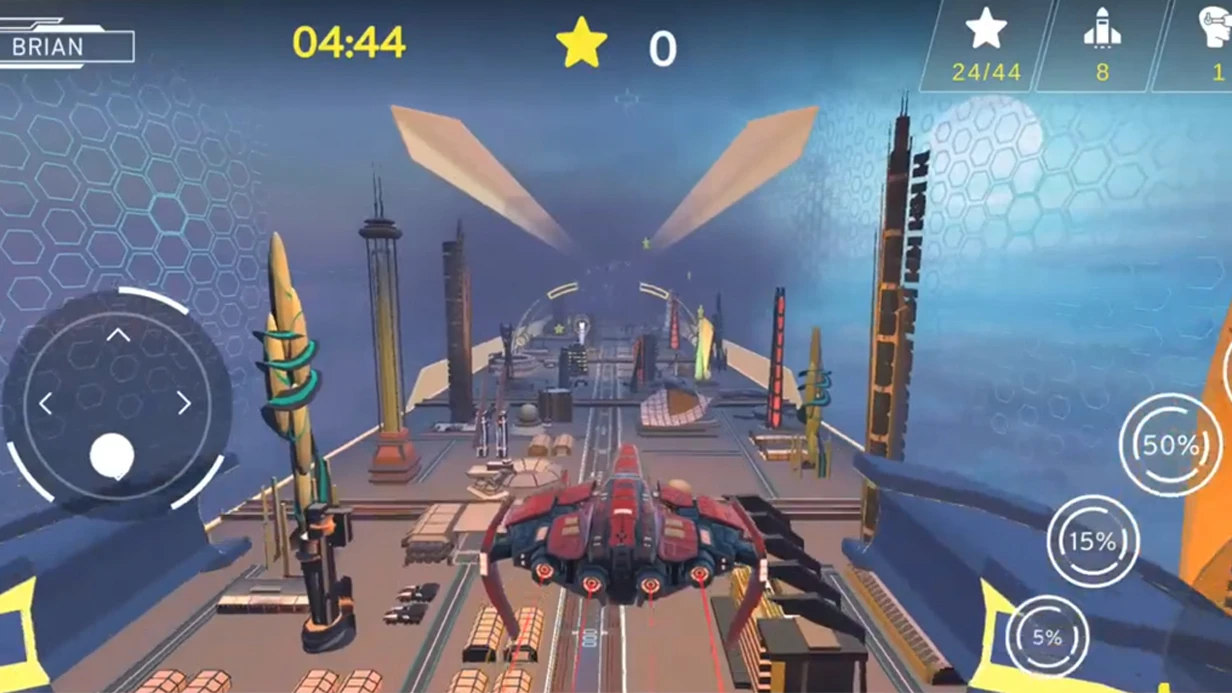
פיתחנו תרחיש VR אינטראקטיבי עבור ווסטוק. אורח נכנס למשרד הווירטואלי של הבנק ועבר מסע לקוח: פתיחת פיקדון, קבלת ביטוח, קבלת ייעוץ משכנתא—הכל בצורה של משחק קצר עם אלמנטים של גיימיפיקציה.
זה הדגים בצורה חיה את המהירות והנוחות של השירותים, וחשוב מכך, נתן לאורחים חוויה רגשית שהם זוכרים ומשתפים.
תוצאות
במשך יומיים של פעילות, יותר מ-1,200 משתתפי פורום הגיעו לדוכן. זמן האינטראקציה הממוצע היה 4.5 דקות—פי כמה יותר ממצגת טיפוסית.
מבקרים השאירו 380 פניות למוצרים, וכ-60% צילמו תמונות וסרטונים ופרסמו אותם ברשתות החברתיות. עבור הבנק, זה אומר חשיפה מורחבת ללא תקציב פרסום נוסף.
חוות דעת לקוח
"ציפינו לתגובה טובה, אבל המספרים עלו על הציפיות: קיבלנו פי שניים פניות מאשר מהדוכן המסורתי בתערוכה הקודמת", אומר מנהל השיווק של בנק ווסטוק.
"האורחים עדיין זוכרים את החוויה הזו, ועבורנו זה המדד העיקרי לכך שהמותג נשאר בזיכרון שלהם."
הגישה הזו משתלמת: במקום "אפקט וואו" חד-פעמי, החברה מקבלת לידים מדידים וטביעת רגל מתמשכת ברשתות החברתיות.
בנק ווסטוק כבר הזמין התאמה של התרחיש להשקת כרטיס חדש—הם רוצים לחזור על ההצלחה ולאסוף עוד יותר אנשי קשר ממוקדים.
תשובות לשאלות נפוצות על פרויקטי VR/AR
זה נורמלי שיש ספקות לפני שמתחילים פרויקט VR/AR. לא ברור כמה זמן זה ייקח, מה זה יעלה, ואיך להימנע מהפרת דרישות אבטחה. להלן התייחסנו לארבע השאלות הנפוצות ביותר מבנקים—אנחנו עונים ישירות, בלי פרטים טכניים.
כמה זמן לוקח פיתוח אפליקציית VR/AR?
זה תלוי בהיקף ובמשימות. אנחנו מציגים אב-טיפוס לבדיקת השערה 3–4 שבועות אחרי הבריף; פרויקט מפתח מלא לוקח מ-2 חודשים.
אנחנו תמיד קובעים את לוח הזמנים בחוזה עם תוכנית שלבים. אתם רואים תוצאות ביניים בכל שלב ומבינים מה קורה עם התקציב ולוחות הזמנים.
כמה זה עולה ואיך נוצר התקציב?
התקציב מורכב משלושה חלקים: ניתוח משימה ועיצוב, פיתוח עבור המכשירים הנבחרים, ובדיקות והשקה. אנחנו עובדים מרחוק, כך שאיננו כוללים שכירות משרד או נסיעות עסקים בהערכה.
אנחנו מציעים שלושה פורמטים של שיתוף פעולה: גרסת פיילוט לבדיקה מוגבלת, פרויקט סטנדרטי למשימה ספציפית, ופתרון מקיף עם אינטגרציה למערכות שלכם.
בהתחלה, אנחנו מבצעים ניתוח משימה חינמי ומציעים את האפשרות האופטימלית—בלי לשלם יותר מדי עבור פונקציות מיותרות.
כמה זה בטוח ואיך מגנים על נתוני לקוחות?
עבור בנקים, אבטחה היא לא אופציה אלא תנאי חובה. אנחנו מפתחים את כל הפתרונות תוך התחשבות בתקני אבטחה ארגוניים: נתונים מעובדים מקומית, לא משותפים עם שירותי צד שלישי, והגישה לאפליקציה נשלטת על ידכם.
אנחנו עובדים תחת הסכם סודיות (NDA) ומוכנים להתאים את הפרויקט לדרישות מחלקת אבטחת המידע שלכם. במידת הצורך, אנחנו מקימים סביבת בדיקה נפרדת כדי שמערכות הייצור של הבנק לא יושפעו.
האם זה משתלב עם המערכות הקיימות שלנו?
כן. אפליקציית VR/AR יכולה לעבוד באופן עצמאי או להיות משולבת באקוסיסטם שלכם—לדוגמה, מחוברת למערכת נאמנות, CRM, או פורטל הדרכה פנימי. בשלב הבריף, אתם מתארים את התרחיש, אנחנו בוחרים באפשרות האינטגרציה, ומראים לכם איך זה ייראה.
אם חלקים מהתשתית שלכם מיושנים או חסרים ממשקים פתוחים, נציע פתרון חלופי. הדבר החשוב הוא שאתם מקבלים כלי עובד שמשתלב בתהליכים הנוכחיים בלי צורך לשנות הכל מסביב.
עדיין יש שאלות על התרחיש שלכם? תארו את המשימה שלכם, ונחזור עם הערכת זמן ותקציב.השיקו את פרויקט ה-VR/AR שלכם—שלחו בקשה
אתם בטוחים ש-VR/AR יכול לחזק את השירות של הבנק שלכם, אבל לא בטוחים מאיפה להתחיל וכמה זה עולה?
כבר השקנו פרויקטים כאלה עבור ארגונים פיננסיים ואנחנו יודעים איך להפוך טכנולוגיה לתוצאות מדידות—מעורבות לקוחות מוגברת, בידול מהמתחרים, וחוויה חיה למבקרי סניפים.
שלחו בקשה, ובתוך 1–2 ימי עסקים המומחה שלנו יפנה אליכם כדי לדון במשימה שלכם ולהציע פתרונות. תקבלו:
- ייעוץ על יישום VR/AR בתחום שלכם—מתצוגות אינטראקטיביות ועד תרחישי הדרכת עובדים;
- ניתוח של המשימה שלכם והערכה איזה פורמט יניב את האפקט הגדול ביותר עבור הקהל שלכם;
- הערכת עלות וזמן המותאמת לתקציב שלכם—ללא תנאים נסתרים או סיבוכים טכניים;
- הצעה עם אפשרויות הטמעה: מפרויקט פיילוט לדמו ועד פריסה מלאה בסניפים או באירועים;
- הצעה מסחרית ותוכנית אינטגרציה עם המערכות שלכם;
- המלצות לפיתוח הפרויקט ותמיכה לאחר ההשקה: תחזוקה שוטפת, שיפורים, הרחבה.
זה לא מחייב בשום צורה. אם יש לכם רק רעיון כרגע, נייעץ לכם מאיפה להתחיל ואילו פתרונות כבר עובדים בבנקים. הבטיחו את ההערכה והייעוץ שלכם—תתקרבו צעד אחד להשקת פרויקט ה-VR/AR שלכם.
שלחו בקשה עכשיו—נבחן את האפשרויות, נחשב את התקציב, ונציע פתרון שיחזק את הבנק שלכם.
איך לבחור את פורמט ה-VR/AR הנכון למשימה שלכם?
אתם צריכים לבחור בין VR, AR, ו-MR לא על ידי שאלה "איזו טכנולוגיה יותר מגניבה", אלא על ידי שאלה "מה בדיוק אתם רוצים לשנות בפעילות הבנק": להגדיל מכירות, להאיץ הדרכת עובדים, או לחזק את אמון הלקוחות.
אין פורמט אוניברסלי—כל אחד פותר משימה עסקית משלו, והבחירה הנכונה מתחילה בהגדרת מטרה והבנה מי ישתמש בפתרון ואיפה.
אם המשימה העיקרית היא הדרכת עובדים המונית (פתיחת חשבונות, קווי מוצרים, תרחישי תקשורת עם לקוחות), VR הוא אופטימלי. הוא מטביע עובד בסביבה ריאליסטית ללא סיכון של טעויות ומאפשר לתרגל מיומנויות במרחב בטוח.
AR מתאים יותר לתרחישי לקוחות: לדוגמה, מוצרים "חיים" על תצוגה בסניף או הפניית מצלמת סמארטפון לבאנר פרסומי כדי לקבל הצעה מותאמת אישית.
MR תופס נישה ביניים—כשצריך לשלב רמזים דיגיטליים עם ציוד או חלל אמיתי.
שימו לב לשני קריטריונים: משך מחזור החיים של הפתרון ואופן האינטראקציה של המשתמשים איתו. קמפיין חד-פעמי להשקת כרטיס הוא יותר מסכת AR או קטלוג אינטראקטיבי. כלי קבוע לקליטת עובדים חדשים הוא סימולטור VR עם תרחישים הניתנים לעדכון.
אם אתם מתכננים להשתמש בטכנולוגיה במשרד עם מסכים וחיישנים מרובים, כדאי לשקול MR כדי שלא תצטרכו לארגן מחדש את החלל הפיזי.
העצה שלנו היא לא לחפש פורמט "אחד שמתאים לכולם", אלא להתחיל בפיילוט על משימה ספציפית אחת.
לדוגמה, צרו אזור AR בסניף אחד או תרחיש הדרכת VR לקו מוצרים יחיד, מדדו מעורבות וזמן השלמה, ואז הרחיבו את מה שהראה תוצאות.
כך תקבלו נתונים מדויקים להחלטה על השקעות נוספות, במקום "בואו ננסה" מופשט.
אנחנו עוזרים לבנקים לבחור פורמט שמתאים למטרות ולמגבלות שלכם—ממספר המשתמשים ועד תרחישי השימוש. בהתבסס על הבריף, אנחנו מחשבים את הכלכלה, לוח הזמנים, ומדדי היעד לפני הפיתוח, כך שאתם מקבלים החלטות על סמך מספרים ולא רגשות. תארו את המשימה שלכם—נציע את האפשרות האופטימלית ונראה איך היא תשתלם.