

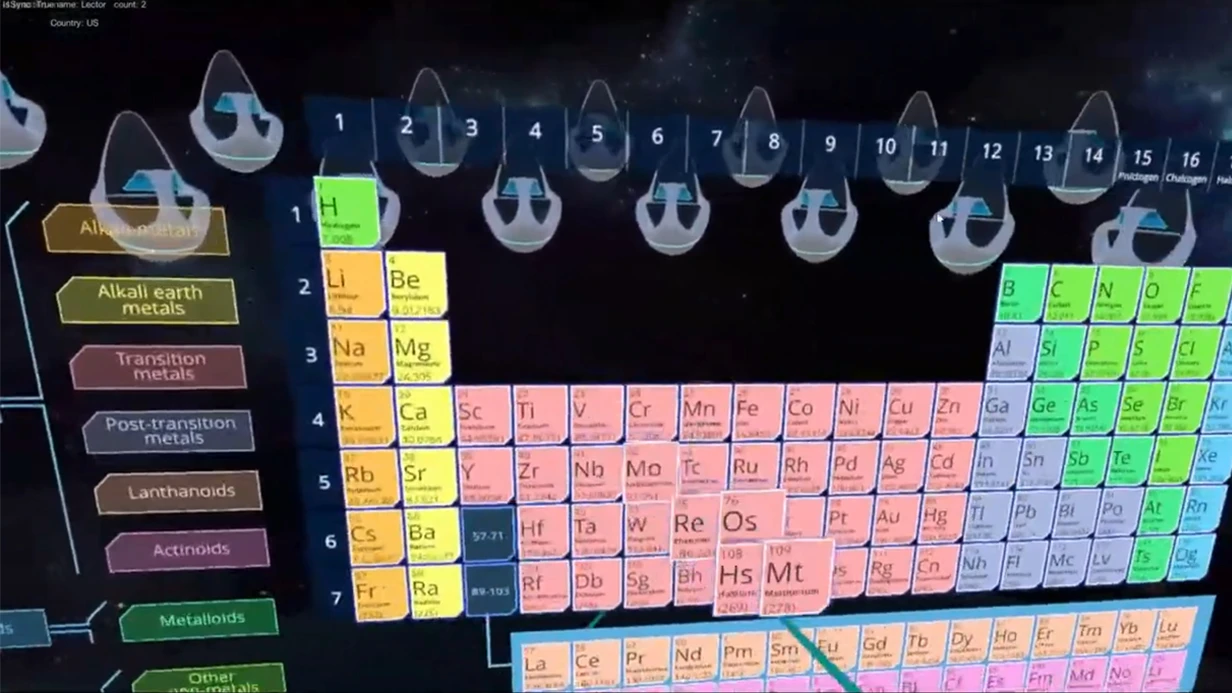


תעשיית הכרייה: כיצד להימנע מהשבתות ותאונות?
תעשיית הכרייה כיום מתמודדת עם מחסור חריף בכוח אדם מיומן. מומחים מנוסים עוזבים, וחדשים ללא ניסיון מעשי מגיעים לאתר. כל טעות הופכת לסיכון ייצור: תאונות, נזק לציוד, פציעות והשבתות ממושכות.
ההשבתות הללו עולות ביוקר: המיזם מפסיד הכנסות, משלם קנסות ומוציא כסף על שיקום.
שיטות הכשרת כוח אדם מיושנות — תדריכים, הרצאות, דיאגרמות ופוסטרים — אינן בונות מיומנויות אמיתיות. עובד יודע את החוקים אך פועל בהיסוס במצב חירום, ולכן תאונות עבודה בתעשיית הכרייה נגרמות לרוב מטעות אנוש.
הכשרה בתנאים אמיתיים מסוכנת, ולתת למומחה חסר ניסיון לעבוד מסוכן אף יותר — חברות נאלצות לקחת סיכון או להשקיע זמן רב בפיתוח כוח אדם עם חונכים.
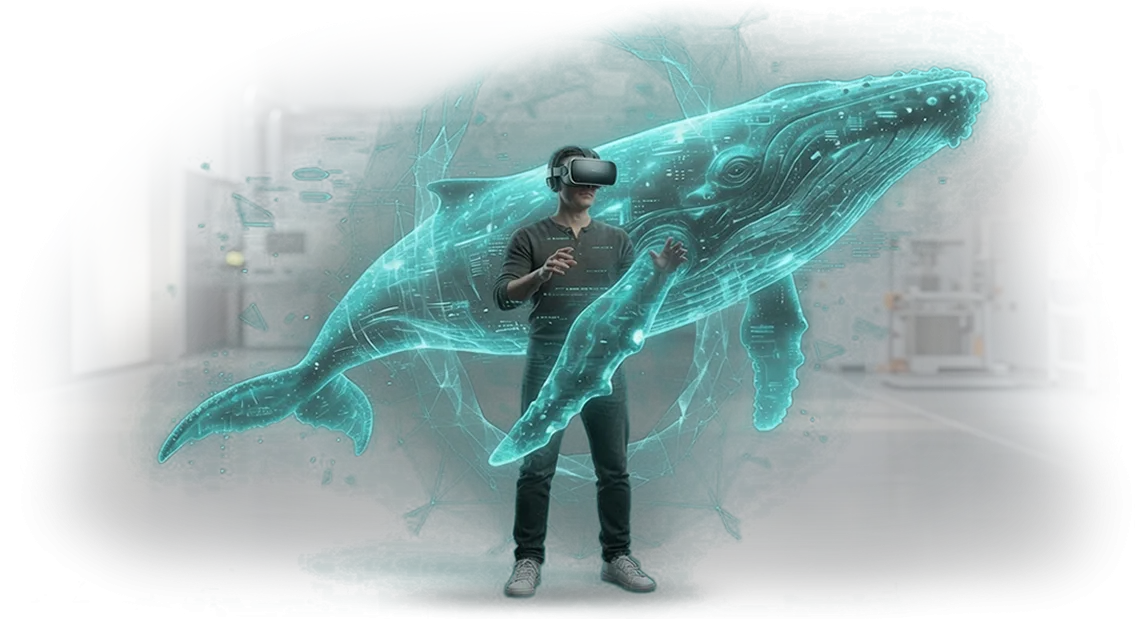
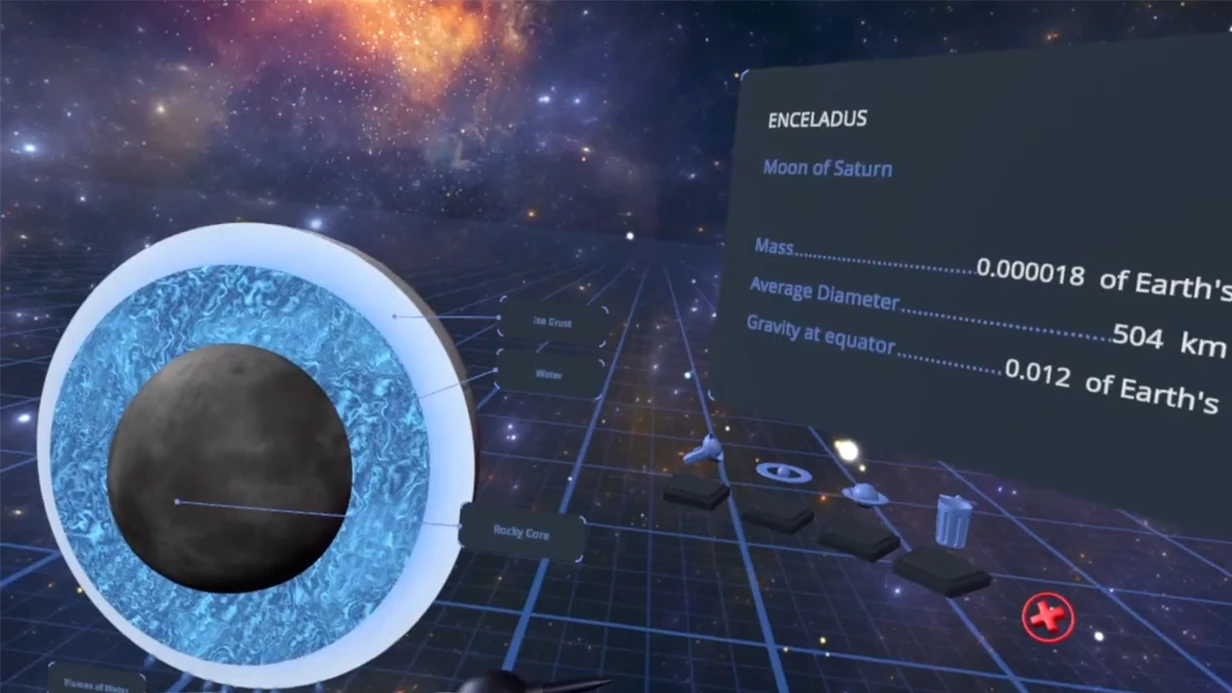
סימולטורי VR משנים את הגישה להכשרת כוח אדם. עובד נכנס לעותק וירטואלי של אזור העבודה שלו ומתרגל תגובה למצבי חירום ללא סיכון לחיים או לציוד.
הכשרה כזו בטוחה, ניתנת לחזרה כמה פעמים שצריך, ומאפשרת הערכה אובייקטיבית של תוצאות. כתוצאה מכך, הבטיחות במכרה משתפרת, ומספר התאונות וההשבתות הנלוות יורד, מה שמאפשר להכשיר עובדים חדשים מהר יותר.
באמצעות VR/AR המבוססים על מנוע מודרני, אנו יוצרים סימולטורים למפעלי כרייה שסוגרים את הפער בין תיאוריה לפרקטיקה. עובדים צוברים ניסיון שבעבר דרש חודשים רבים של עבודה עם חונך. זה מפחית סיכוני ייצור, מקצר השבתות ושומר על חיי ובריאות אנשים.
אילו יתרונות מביאה הטמעת VR/AR לייצור?
התוצאה העיקרית של הטמעת VR/AR במפעל כרייה היא הפחתה מוחשית בסיכונים ללא עצירת ייצור. עובדים מתרגלים תרחישים מסוכנים בסביבה וירטואלית בטוחה: פעולות בזמן עשן, קריסה או תקלת ציוד.
הם מגיעים לאתר האמיתי כבר מוכנים, כלומר מספר מצבי הפציעה וההשבתות הנלוות יורד כבר מהשבועות הראשונים.
הכשרת כוח אדם מואצת פי כמה בזכות טבילה בסביבה ריאליסטית. במקום תיאוריה על נייר — תרגול על ציוד וירטואלי, שחוזר על עצמו כמה פעמים שצריך למיומנות בטוחה.
עובד חדש נקלט מהר יותר, בעוד עובד מנוסה לומד מכונות חדשות ללא החמצת משמרות וללא סיכון לעצמו או לעמיתיו.
בקרת האיכות הופכת גם היא לשקופה יותר. המערכת מתעדת כל פעולה של העובד במהלך ההכשרה, מדגישה טעויות ואזורים הדורשים תרגול נוסף.
מנהל רואה תמונה אובייקטיבית של מוכנות כל מומחה במקום להסתמך על סימון פורמלי בפנקס. זה מאפשר פיתוח מיומנויות ממוקד בדיוק במקומות שבהם קיימים חולשות.
חיסכון במשאבים נובע ממספר מרכיבים: פחות חומרים מתכלים למגרשי אימונים, פחות השבתות עקב טעויות כוח אדם, ועלויות נמוכות יותר להכשרה באתר ולנסיעות עסקים.
במקביל, הסימולטור הווירטואלי עצמו מחזיר את ההשקעה באמצעות שימוש חוזר בקבוצות עובדים ומשמרות שונות.
הטמעת VR/AR אינה תחליף לניסיון מעשי אלא שיפור שלו: אתה מקבל כוח אדם מוכן יותר, מדדי בטיחות יציבים ומערכת הערכת מיומנויות ברורה שמניעה את היעילות של כל הפעילות.
פורמטים של פתרונות VR/AR לתעשיית הכרייה
נראה שההודעה לא נטענה — אני לא רואה את הטקסט של הבקשה שלך. אנא נסה שוב, ואכין את הסעיף מיד.
כיצד מתנהל הפיתוח: מהבריף ועד ההשקה
בנינו את התהליך כך שתוכל לשלוט בכל שלב ולהבין בדיוק מה אתה מקבל בסוף. עבור תעשיית הכרייה זה חשוב במיוחד: סימולטורי VR וכלי AR חייבים להיות אמינים, ברורים לעובדים וקלים לשילוב בתקנות הקיימות.
לכן בכל שלב אתה רואה תוצאת ביניים ולא "קופסה שחורה" עד למסירה הסופית.
-
בקשה ראשונית ובריף. אנו מתוודעים למשימה שלך: היכן אתה מתכנן ליישם VR/AR — להכשרת כוח אדם, תרגול תגובת חירום או ויזואליזציה של פרויקט. אנו מבהירים את מספר המשתמשים, סוגי המכשירים ותנאי ההפעלה. הפלט הוא מפרט טכני מאושר ותוכנית ריאלית ללוחות זמנים ותקציב.
-
עיצוב תרחיש וממשק. אנו מפתחים את הלוגיקה של היישום: אילו פעולות העובד מבצע, אילו הנחיות הוא רואה, כיצד המערכת מגיבה לטעויות.
במידת הצורך, אנו משתפים את הטכנולוגים ומומחי הבטיחות התעסוקתית שלך כך שהתרחיש ישקף במדויק נהלים אמיתיים. לאחר מכן, אנו מאשרים את אב הטיפוס של הממשק — לפני תחילת התכנות.
-
פיתוח אב טיפוס עובד. אנו בונים גרסת הדגמה פונקציונלית על הציוד שלך. אתה יכול להתנסות בתוצאה: להפעיל תרגיל, לבדוק ריאליזם ושימושיות.
זה מאפשר לבצע התאמות בזמן לפרטים — מכניקה, פיזיקה, טקסטים של הוראות — ללא עיבוד מחדש של הפתרון המוגמר.
-
איטרציות וכיוונון סופי. אנו מבצעים עריכות על סמך המשוב שלך: מאיצים או מפשטים תרחישים, מתאימים לדגמי משקפיים שונים ומוסיפים סטטיסטיקות נוספות למעקב אחר תוצאות. כל איטרציה אורכת זמן מועט כי אנו עובדים עם מבנה פרויקט שכבר ברור.
-
בדיקות והשקה. אנו מוודאים יציבות בתנאים אמיתיים — במהלך סשנים ארוכים, בתחנות עבודה שונות, תוך התחשבות בתאורה ובמאפייני החלל. לאחר מכן אנו מתקינים את היישום על המכשירים שלך ומכשירים מנהלים ומדריכים. אתה מקבל מערכת מוכנה להפעלה.
-
תמיכה ופיתוח. אנו נשארים בקשר לאחר ההשקה: מעדכנים תוכן כשהתקנות משתנות, מוסיפים תרגילים חדשים ומסייעים בתקלות. אם בעוד כמה חודשים תצטרך להרחיב פונקציונליות — אנחנו כבר מכירים את הפרויקט שלך ונציע פתרון במהירות.
מה כלול בחבילת מסירת פרויקט VR/AR
בהזמנת פרויקט VR/AR למפעל כרייה, חשוב להבין שחבילת המסירה כוללת לא רק את היישום עצמו. אתה מקבל כל מה שצריך כדי להשיק את המערכת, להכשיר כוח אדם ובמידת הצורך לפתח אותה בהמשך עם הצוות שלך.
הנה מה שכלול בחבילה הסטנדרטית:
- תרחישי VR/AR עובדים המותאמים למשימות שלך: הכשרת כוח אדם, תרגול תגובת חירום, הדגמת ציוד.
- תיעוד למנהלים ולמשתמשים — הוראות להפעלה, הגדרה וטיפול במצבים נפוצים.
- הכשרת עובדים — סשנים מעשיים שלאחריהם המומחים שלך יכולים לתמוך בפרויקט בעצמם.
- קוד המקור של הפרויקט — אתה מקבל בעלות והופך לבלתי תלוי במפתח.
- חומרים מתודולוגיים למדריכים — המלצות לשילוב הכשרת VR בתוכנית ההכשרה הקיימת.
- תמיכה טכנית לאחר ההשקה: תחזוקה, עדכונים ועידון תרחישים.
החבילה מורכבת באופן אישי למשימה שלך. בזכות התיעוד והכשרת העובדים, אתה מתחיל להשתמש בפתרון מהיום הראשון, וקוד המקור נותן לך ביטחון שהפרויקט נשאר שלך בטווח הארוך.
מקרה בוחן: כיצד סימולטור VR הפחית סיכונים במפעל
במפעל כרייה אחד, ההנהלה התמודדה עם בעיה אופיינית לתעשייה: כוח אדם עשה טעויות באופן קבוע בתחזוקת ציוד מורכב.
הכשרה על מכונות אמיתיות הייתה יקרה ומסוכנת, בעוד תדריכים תיאורטיים לא סיפקו מיומנויות מעשיות — במיוחד במצבי חירום.
הצענו ליישם סימולטור וירטואלי המשחזר תרחישי עבודה בסביבה בטוחה. עובדים תרגלו פעולות על מודלים תלת-ממדיים של ציוד ללא סיכון לעצמם או למכונות. זו הייתה פריצת דרך: ההכשרה הפכה מפורמליות לתרגיל מלא.
תוצאות היישום
במפעל סברני רודניק, 120 עובדים השלימו את הסימולטור בשלושה חודשים — מפעילי מכונות, טכנאי תיקונים ומוקדנים. לאחר הקורס, מספר שגיאות התחזוקה ירד ב-40%, והזמן לעיבוד מצבי חירום קוצץ בחצי.
החברה ראתה את ההשפעה מיד: עובדים חדשים החלו לעבוד באופן עצמאי מהר יותר בשבועיים, ובדיקות ידע חוזרות הראו צמיחה יציבה בכשירות.
מנהלים ציינו שלראשונה הם יכלו להעריך באופן אובייקטיבי את מוכנות כוח האדם לפני מתן גישה לייצור.
שישה חודשים לאחר מכן, המפעל הזמין תרחישים נוספים לאתרים אחרים ושילב את סימולטור ה-VR בהסמכה השנתית. המקרה אישר: סימולטור וירטואלי לא רק מפחית סיכונים אלא גם מחזיר את ההשקעה באמצעות הפחתת השבתות ועצירות חירום.
כיצד לבחור את פורמט ה-VR/AR המתאים למשימה שלך?
כדי לבחור את פורמט ה-VR/AR הנכון, כדאי לענות על שלוש שאלות: איזו משימה עסקית אנחנו פותרים, היכן נמצאים העובדים, ואיזה תקציב אתה מוכן להקצות.
התשובות קובעות אם אתה צריך סימולטור וירטואלי מלא או מציאות רבודה על גבי ציוד אמיתי.
עבור תעשיית הכרייה, המשימה הנפוצה ביותר היא הכשרה לעבודה בטוחה באזורים מסוכנים. מציאות וירטואלית מאפשרת לתרגל פעולות בזמן קריסה, שריפה או תקלת ציוד ללא כל סיכון לאנשים.
בתוך כמה סשנים בלבד, עובד צובר ניסיון שבעבר נצבר על פני שנים — והייצור לא עוצר.
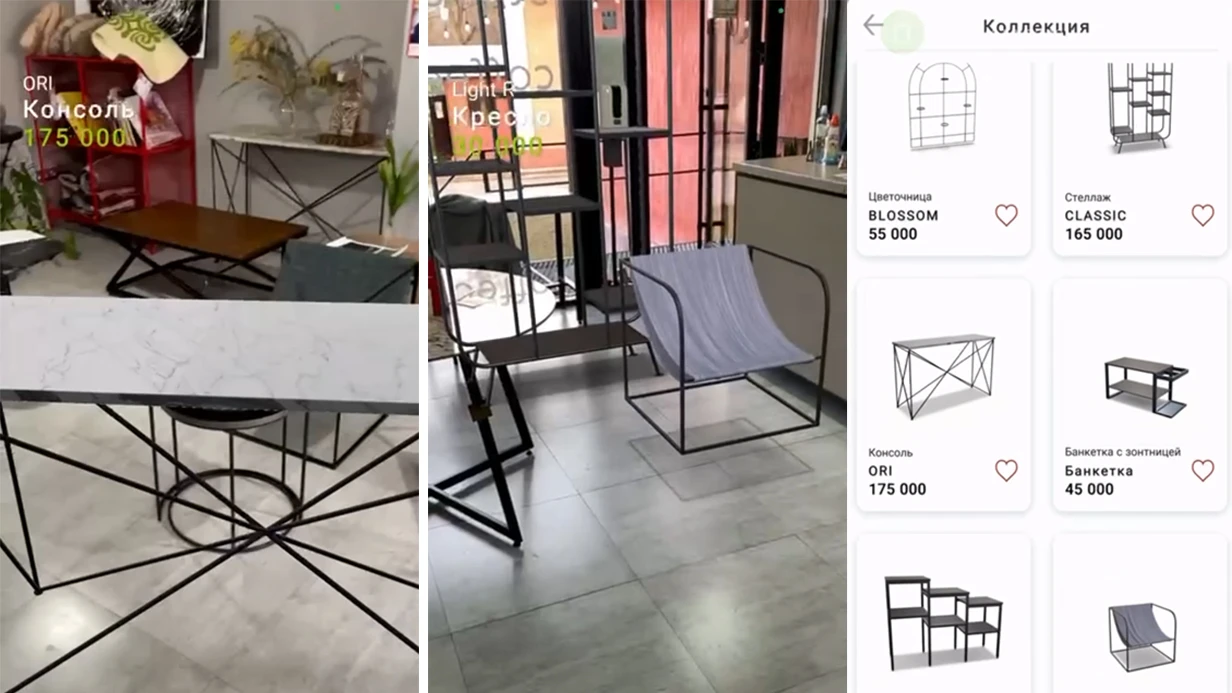
אם המשימה היא להפחית טעויות בזמן אמת, למשל במהלך תיקון מגרסה או כוונון מסוע, AR יעיל יותר: הוא מציג הנחיות ודיאגרמות ישירות על הציוד, והעובד רואה את הרכיב הדרוש ללא קריאת הוראות.
השאלה השנייה — טווח הגעה ולוגיסטיקה. כשצריך להכשיר כוח אדם במספר אתרים, פתרון VR עובד טוב יותר: מספיק להתקין ערכה בכל מיקום או לנהל את הסשן מרחוק.
אין צורך למשוך צוותים מהעבודה, להביא אותם למרכז הכשרה או להוציא תקציב על נסיעות.
AR, לעומת זאת, שימושי במקום שבו המומחה כבר נמצא באתר: מומחה מהמשרד הראשי רואה את שדה הראייה שלו ונותן הוראות שלב אחר שלב, פותר את הבעיה במהירות ללא ביקור.
לבסוף, תקציב ולוחות זמנים. סימולטור VR גדול דורש יותר זמן פיתוח אך מחזיר את ההשקעה באמצעות הפחתת שיעור התאונות, ההשבתות ועלויות ההכשרה מחדש. כלי AR נפרסים מהר יותר ומשתלבים בקלות רבה יותר בתהליכים קיימים.
אנחנו עוזרים לך להחליט בכנות: אנו מנתחים את הפעילות שלך, מחשבים את ההשפעה האמיתית ומציעים פורמט שפותר את המשימה ולא רק מרשים עם תמונה נוצצת. בסופו של דבר, אתה מקבל פתרון שעובד לבטיחות, למהירות ולתוצאות מדידות.
תשובות לשאלות נפוצות על הטמעת VR/AR
הטמעת VR/AR בתעשיית הכרייה מעלה שאלות — ממורכבות האינטגרציה ועד תקופת ההחזר.
אספנו וטיפלנו בשאלות הנפוצות ביותר כדי שתוכל לראות את התמונה האמיתית: מה יידרש מהצוות שלך, אילו תוצאות יגיעו, וכיצד זה ישפיע על בטיחות והכשרת עובדים.
האם קשה לשלב VR בתהליכים קיימים?
אנחנו לוקחים על עצמנו את כל המחזור: ניתוח משימה, עיצוב תרחיש, פיתוח והשקה. מחלקת ה-IT שלך צריכה רק למנות אדם אחראי לתיאום גישה — אנחנו מכסים את השאר ללא עצירת פעולות שוטפות.
כמה זמן אורכים ההכנה וההשקה?
לוחות הזמנים תלויים במשימות. אנו משיקים סימולטור בטיחות תעסוקתית פשוט תוך מספר שבועות; מערכת הכשרה מקיפה אורכת 2–3 חודשים. בהתחלה, אנו מגדירים שלבים ונקודות ביקורת כדי שתוכל לראות התקדמות ולהתאים עדיפויות.
האם VR יעבוד עם הציוד שלנו?
אנו מתכננים את הפתרון עבור התשתית שלך: ממשקפי standalone ועד מערכות המבוססות על מחשבים קיימים. אנו בוחרים מכשירים תואמים ומשתלבים בתהליכים שלך ללא החלפת צי הציוד שלך. במידת הצורך, אנו מארגנים השקה פיילוט באזור מוגבל.
מי תומך במערכת לאחר היישום?
אנו תומכים בפרויקט לאחר ההשקה: מעדכנים תוכן, עוזרים להוסיף תרחישים חדשים, מכשירים מדריכים ואת הצוות הטכני. תמיכת VR היא חלק סטנדרטי מהחוזה, כך שאתה לא נשאר לבד עם המערכת.
אנו מוכנים לענות על שאלותיך בפירוט — פשוט שלח תיאור של המשימה שלך, ונציע פתרון בקנה המידה שלך.מוכן לדון בפרויקט שלך? השאר בקשה
השאר בקשה — ובשלב הראשון תקבל לא רק תשובה, אלא תוכנית פעולה קונקרטית למשימה שלך בתעשיית הכרייה. אנו נתקשר אליך בעצמנו, נבהיר את הפרטים ונציע פתרון שמתאים לתקציב וללוחות הזמנים שלך.
לאחר פנייתך, הצוות שלנו עובר איתך את כל הדרך — מהקשר הראשון ועד ההשקה והתמיכה:
- בקשה. אתה שולח את הטופס באתר — אנו יוצרים קשר תוך יום עסקים אחד כדי למצוא זמן נוח לשיחה.
- ייעוץ. אנו דנים במשימות שלך: הכשרת כוח אדם, בקרת בטיחות, הדגמת ציוד או תאום דיגיטלי של המפעל. אנו מבהירים איזו תוצאה העסק צריך.
- חישוב עלות. אנו מכינים הערכה שקופה ללא עמלות נסתרות — אתה רואה על מה אתה משלם ויכול להתאים את היקף העבודה לתקציב שלך.
- תוכנית יישום. אנו מתארים את שלבי הפרויקט: הכנה, פיתוח, בדיקות, השקה. אנו מציינים לוחות זמנים ואחראים — אתה מבין מה תקבל ומתי.
- גרסת הדגמה. אנו מציגים אב טיפוס של הפתרון העתידי בשלב מוקדם כדי שתוכל להעריך שימושיות ופונקציונליות לפני הפיתוח הסופי.
- השקה ותמיכה. אנו פורסים את הפתרון באתר שלך, מכשירים עובדים ונשארים בקשר לאחר מסירת הפרויקט.
אין לך מה להפסיד: הייעוץ וחישוב העלות אינם מחייבים אותך לכלום. אבל אתה מקבל הבנה ברורה כיצד טכנולוגיות VR/AR יפתרו את המשימה שלך — בין אם זה הפחתת תאונות, האצת הכשרה או מצגת ויזואלית למשקיעים.
השאר בקשה עכשיו — ועד מחר תדע כמה עולה הפרויקט שלך וכמה מהר אפשר להשיק אותו.