



מדוע הנדסת מכונות מפסידה הזמנות ללא ויזואליזציה של VR/AR
הקונה של ציוד תעשייתי מקבל החלטות לא מתוך שרטוטים, אלא מתוך תמונה שהוא יכול "לגעת" בה בעיניים. כשאתה מציג מכונה מורכבת או קו ייצור רק כרנדר סטטי, הלקוח לא יכול לראות את עצמו עובד עם המוצר.
נוצר חוסר אמון, המשא ומתן נמשך, והמנצח הוא זה שהביא לא רק מצגת, אלא הדגמה מלאה. בסופו של דבר, הזמנות אובדות לא בגלל איכות המוצר, אלא בגלל דרך מיושנת להציג אותו.
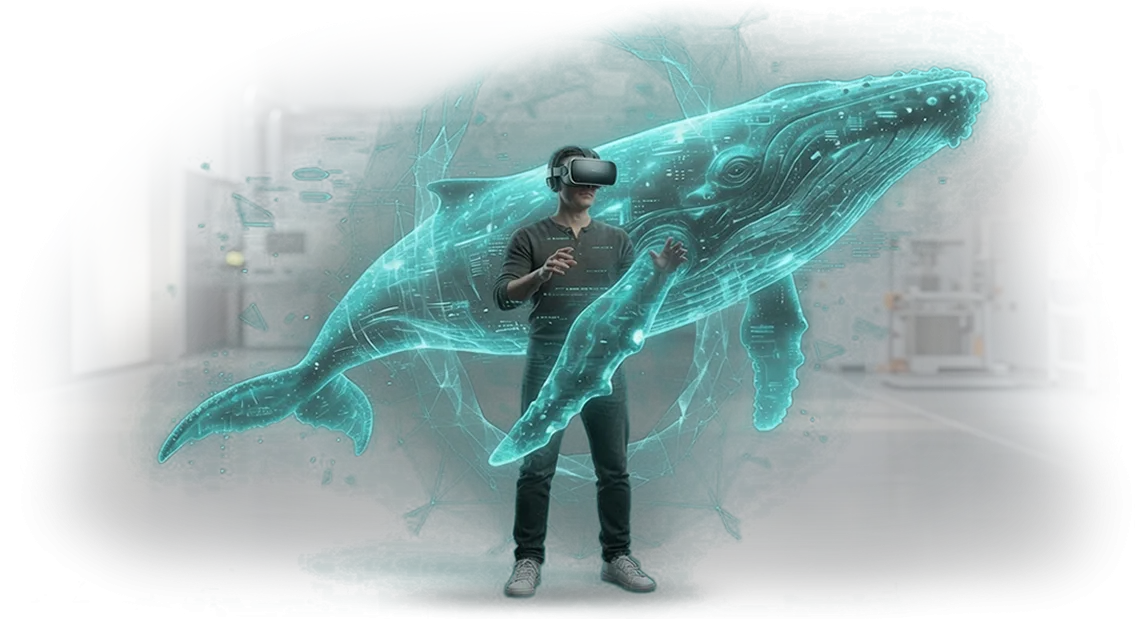
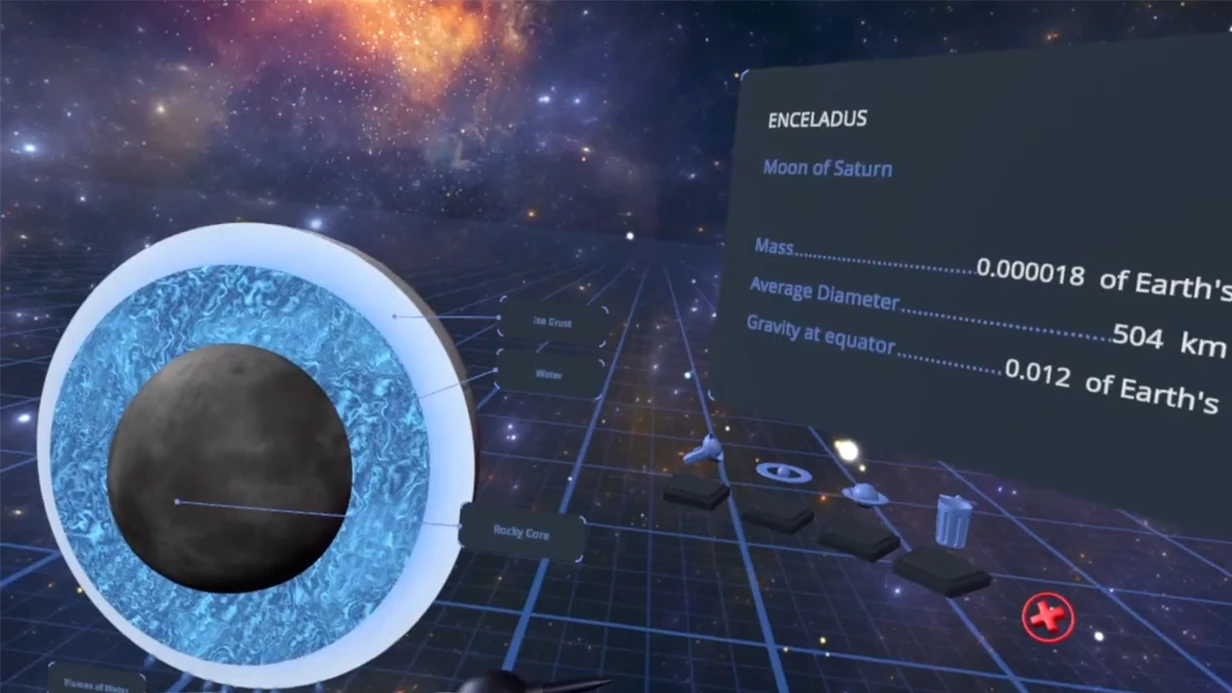
VR לתעשייה פותר את הבעיה הזו מהיסוד: הלקוח מרכיב משקפיים ונכנס לתוך בית המלאכה שלך לפני שהחוזה נחתם. הוא מסתובב סביב המכונה, פותח לוחות בקרה, רואה את המידות ואת לוגיסטיקת התנועה.
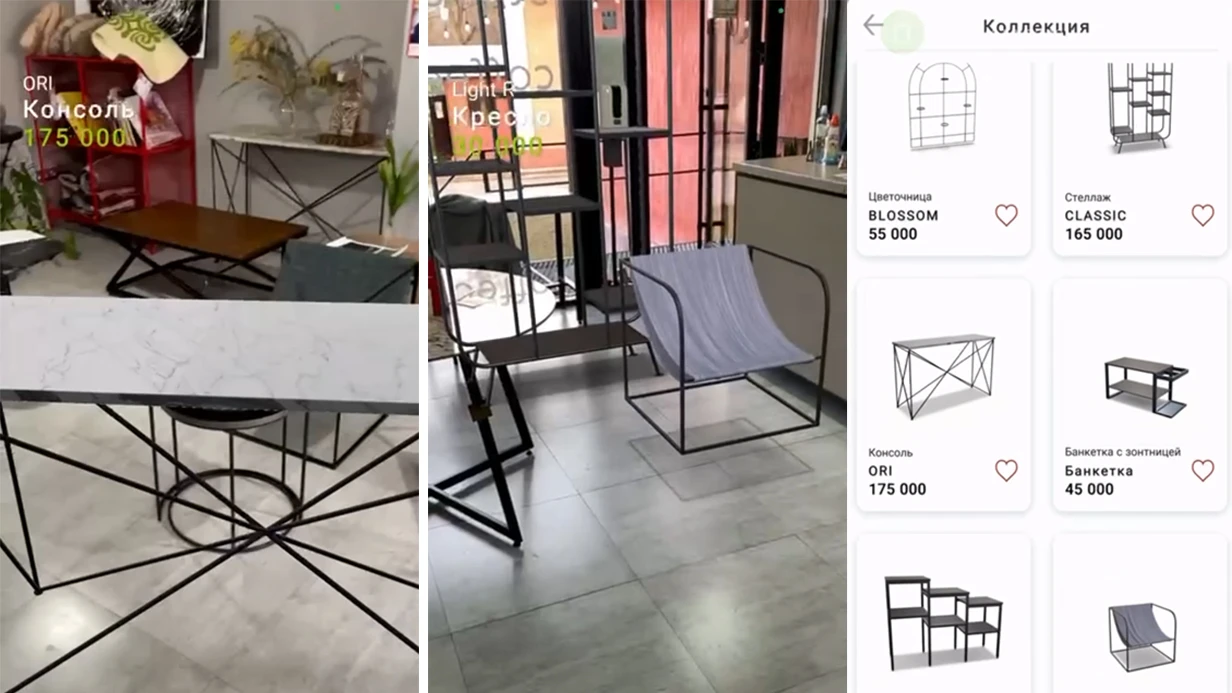
AR להנדסת מכונות עובד על אובייקט חי — סכמה וירטואלית המוצגת על מכונה אמיתית מסבירה את עקרון העבודה תוך דקות. ויזואליזציה כזו של מוצר מסירה את כל ההתנגדויות שבדרך כלל הורגות עסקה בשלב הסופי.
תארו לעצמכם: משרד תכנון מציג ללקוח פוטנציאלי לא אלבום שרטוטים, אלא עותק אינטראקטיבי של המתקן העתידי. המפרטים נשארים במסמך, בעוד ההבנה הרגשית של המוצר עוברת למישור של "זה מתאים לנו".
הלקוח מאשר את התקציב מהר יותר ולעתים רחוקות יותר שולח את הפרויקט חזרה לתיקון — כי הוא כבר ראה את התוצאה. זה חשוב במיוחד בהנדסת מכונות, שבה טעות בהערכת פריסה יכולה להיות יקרה מאוד.
אנחנו עוזרים למפעלים תעשייתיים לסגור עסקאות מהר יותר על ידי החלפת חומרים שטוחים במצגת אינטראקטיבית חיה.
המהנדסים שלך עובדים עם כלים מוכרים, והלקוח מקבל מודל ויזואלי שניתן לבחון מכל זווית ואפילו לשנות בזמן אמת.
זו לא פורמט בידורי, אלא כלי מכירות שמסיר את המחסום המרכזי בינך לבין הלקוח — חוסר הבנה של המוצר.
כשהלקוח רואה את המכונה שלך בפעולה לפני הקנייה, החלטת ההזמנה מפסיקה להיות עניין של אמונה והופכת לעניין של תועלת ברורה.
מה פיתוח יישומי VR/AR/MR מביא לעסק שלך
בהנדסת מכונות, המחיר של טעות גבוה: תכנון שגוי או אב טיפוס כושל גורמים לאובדן זמן ותקציב. יישומי VR/AR מעבירים את העבודה עם המוצר לסביבה דיגיטלית שבה אפשר לבדוק הכל לפני תחילת הייצור. זה כלי שמשפיע ישירות על מכירות, מהירות השקה ועלויות.
היתרון הראשון הוא גידול במכירות. אתה מציג ללקוח מוצר מוגמר בקנה מידה מלא לפני שאפילו הדגימה הראשונה מיוצרת. הלקוח רואה איך המכונה תיראה, תעבוד ותשתלב בבית המלאכה שלו — ומקבל החלטה מהר יותר.
מצגת כזו עובדת בצורה משכנעת יותר משרטוטים ומודלים תלת-ממדיים על מסך, מה שאומר שמחזור העסקה מתקצר.
השני הוא אישורים מהירים יותר. מעצבים, טכנולוגים והלקוח רואים את אותו אובייקט, יכולים להסתובב סביבו, להחליף רכיבים ולהעריך מיד את התוצאה. תיקונים נעשים במקום במקום אחרי שבוע של התכתבות. כתוצאה מכך, הפרויקט עובר את כל שלבי האישור מהר יותר ונכנס לייצור מוקדם יותר.
השלישי הוא הפחתת עלויות. אבות טיפוס פיזיים ומודלים הם תענוג יקר, במיוחד עבור ציוד בגדלים גדולים. בסביבה וירטואלית, אתה בודק ארגונומיה, גישה לרכיבים ולוגיקת הרכבה ללא דגימת מתכת אחת. זה חוסך חומרים, שעות מכונה וזמן מהנדסים.
הרביעי הוא הכשרת כוח אדם. עובדים חדשים לומדים הפעלת ציוד בסביבה וירטואלית בטוחה, מבלי לסכן את עצמם או מכונות יקרות.
הם מגיעים לרמת הביצועים הנדרשת מהר יותר, ועובדים קיימים מוכשרים מחדש לקו מוצרים חדש מבלי לעצור את הייצור.
הטמעת פתרונות VR/AR משתלמת בכל שלב — מהמצגת ועד התפעול.
אנחנו מפתחים יישומים על הפלטפורמה המקצועית Unity שמשתלבים בתהליכים העסקיים שלך ומספקים תוצאות מדידות: יותר מכירות, אישורים מהירים יותר, עלויות נמוכות יותר וכוח אדם מיומן.
פורמטים של פרויקטי VR/AR למשימה שלך
בהנדסת מכונות, אותה טכנולוגיה פותרת משימות שונות: הצגת ציוד בתערוכה, הכשרת עובד ללא סיכון למכונות, או ניטור הרכבה.
הפורמט תלוי במטרה שלך — מה התוצאה צריכה להיות: מודעות, מיומנות או מוצר מוגמר. אנחנו בוחרים פרויקט VR/AR לשלב הספציפי של העבודה עם מוצר.
כל פורמט מוכח בתעשייה: סימולטורים וירטואליים למפעילי מכונות, הוראות AR להתקנה, עמדות VR בתערוכות תעשייתיות. חשוב שהפרויקט יהפוך לחלק מתהליך העבודה ולא הדגמה חד-פעמית — ואז הוא משתלם.
| פורמט | למי | מה זה נותן ללקוח |
|---|---|---|
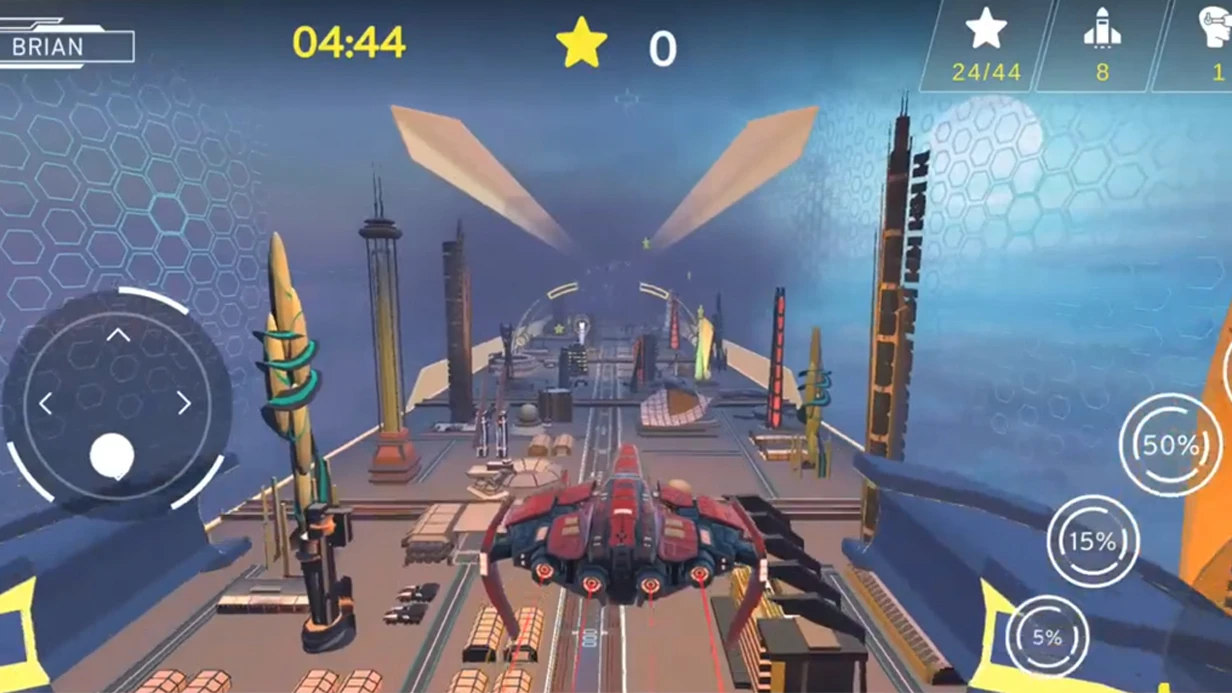
| סימולטור VR | להכשרת מפעילים ואנשי תחזוקה | תרגול מיומנויות בטוח ללא השבתת מכונות, פחות טעויות ותאונות, מעבר מהיר למצב עבודה |
| AR לתערוכות | להצגת ציוד בגדלים גדולים | מושך תשומת לב מבקרים, מציג מבנה פנימי ומידות ללא דגימה פיזית, מגדיל את טווח ההגעה והזיכרון של העמדה |
| הוראה אינטראקטיבית | להתקנה, תחזוקה ותיקון | רמזים שלב-אחר-שלב בשדה הראייה מקצרים את זמן התפעול, מורידים שיעורי פגמים ומפחיתים תלות בכישוריו של המבצע |
| מודל VR לבקרה | למעצבים, טכנולוגים והנהלה | מאפשר להעריך פרויקט לפני שהוא נכנס למתכת, למצוא התנגשויות בשלב מוקדם ולחסוך בעריכות |
ניתן לשלב בין הפורמטים המפורטים — למשל, להשתמש בהדגמת AR בתערוכה וליצור סימולטור VR לכוח אדם על אותו ציוד. זה מפחית עלויות ומאיץ השקה.
ספרו לנו על המשימה שלכם — נציע פורמט מתאים ונראה דוגמאות להנדסת מכונות.
פיתוח VR/AR להנדסת מכונות: שלבי הפרויקט
עבור מפעלים להנדסת מכונות, פרויקט VR/AR הוא לא "אפליקציה לשם האפליקציה," אלא כלי עבודה: הכשרת כוח אדם, הצגת מוצר ללקוחות ובקרת הרכבה.
לכן בנינו את התהליך כך שבכל שלב אתה רואה תוצאה ביניים, יכול לבצע עריכות ולהבין בבירור מה קורה עם הפרויקט.
- בריף והתעמקות במשימה. אנחנו מגדירים את המטרות: סימולטור וירטואלי, הוראת AR או מצגת מוצר. אנחנו קובעים את הקהל, התרחישים, לוחות הזמנים והמשאבים הנדרשים. ראש מחלקה או מהנדס שמכיר את פרטי המוצר משתתף מהצד שלך.
- עיצוב ואישור מודל. אנחנו יוצרים את המבנה של האפליקציה העתידית: מסכים, לוגיקה וסגנון ויזואלי. אתה מקבל מודל לאישור — זה ה"שלד" של הפתרון, שקל להתאים לפני תחילת הפיתוח. כך אנחנו נמנעים מעבודות חוזרות בשלבים מאוחרים יותר.
- פיתוח ויצירת תוכן. נוצרים מודלים תלת-ממדיים, אנימציות, צלילים וקוד תוכנה. אנחנו משתמשים בכלים מקצועיים כדי להבטיח שהאפליקציה רצה ביציבות על הציוד שלך. גרסת בדיקה מוכנה במקביל.
- בקרת איכות ובדיקות. אנחנו בודקים תרחישים על מכשירי יעד: השקה, אינטראקציה ובהירות. לאחר מכן אתה מקבל build לבדיקה ומנסה אותו עם משתמשים אמיתיים — מפעילים, מהנדסים ולקוחות. המשוב שלך משולב לפני השחרור הסופי.
- השקה והטמעה. אנחנו מתקינים את הפתרון, מגדירים אותו למכשירים ולמערכות שלך ומבצעים הדרכת צוות קצרה. פרויקט ה-VR נמסר במפתח פתוח — אתה לא צריך להבין בפרטים טכניים.
- תמיכה ופיתוח. אחרי ההשקה, אנחנו נשארים בקשר: אנחנו מעדכנים תוכן, משפרים פונקציונליות ומוסיפים תרחישים חדשים כשהמוצרים שלך משתנים.
המחזור כולו אורך בין 4 ל-10 שבועות תלוי במורכבות האובייקטים ובמספר התרחישים.
אתה מאשר כל שלב — אתה משלם על תוצאה קונקרטית, לא על "תהליך." בסופו של דבר, אתה מקבל כלי עבודה שמשתלם דרך צמצום זמן ההכשרה והגברת אמון הלקוחות.
מה אתה מקבל כתוצאה מהפרויקט: היקף המסירה
אנחנו מבנים את המסירה כך שתקבל לא "קופסה שחורה," אלא כלי עבודה שהצוות שלך יכול להשתמש בו ולפתח. הפרויקט כולל חבילה מלאה — מאפליקציה מוכנה ועד הכשרת עובדים והתחייבויות אחריות.
- אפליקציה מוכנה למשימה שלך: עמדות וירטואליות, סימולטורים, קטלוגים אינטראקטיביים או תאומים דיגיטליים של ציוד. הפתרון עובד על הציוד שכבר קיים אצלך בייצור.
- קוד מקור — כולו שלך. אתה לא תלוי בנו: כל פיתוח עתידי יכול להתבצע על ידי צוות ה-IT שלך או כל קבלן שאתה סומך עליו.
- תיעוד טכני — הוראות ברורות להתקנה, השקה וניהול. הארכיטקטורה מתוארת כך שמומחה חדש יכול להבין אותה תוך כמה ימים, לא חודשים.
- הכשרת עובדים — אנחנו מקיימים הדרכות למהנדסים ומפעילים. האנשים שלך ילמדו לעבוד עם האפליקציה ולבצע שינויים פשוטים באופן עצמאי: לעדכן מודלים תלת-ממדיים, לשנות תרחישים ולהוסיף חלקים חדשים.
- אחריות על האפליקציה — תקופה קבועה שבה אנחנו מתקנים שגיאות ועונים על שאלות בחינם. אחרי שהאחריות מסתיימת, אתה יכול לחתום על הסכם תחזוקה או להמשיך לעבוד באופן עצמאי.
בנוסף, במידת הצורך, אנחנו מעבירים מקורות מודלים תלת-ממדיים הניתנים לעריכה וקבצי פרויקט כדי שתוכל לשנות תוכן ללא מעורבות מפתחים.
אנחנו אורזים את כל החבילה ומוסרים אותה עם פרוטוקול קבלה — בליווי רשימת בדיקה, טבלת גרסאות ואנשי קשר לתמיכה טכנית.
אנחנו עובדים על Unity כי זה הסטנדרט התעשייתי לפתרונות VR/AR תעשייתיים: כך אתה מקבל פעולה יציבה על פני מכשירים שונים וגישה למאגר רחב של מומחים בשוק. התוצאה — אתה הבעלים של הטכנולוגיה, לא שוכר אותה.
מקרה בוחן: איך סימולטור VR הגביר את מהירות הכשרת כוח אדם
השלמנו מקרה עבור קבוצת הנדסת מכונות: המשימה הייתה להכשיר מרכיבים לקו חדש בזמן קצר. בעבר, הכשרת מפעיל אחד ארכה עד שישה חודשים, והשבתת בית המלאכה משמעותה אובדן הכנסות חמור.
מפגשי הדרכה קלאסיים לא סיפקו את המהירות הנדרשת — הצענו ליישם סימולטור VR.
במקום הרצאות ותקנונים על נייר, עובדים עובדים בבית מלאכה וירטואלי שמשכפל ציוד אמיתי. המערכת מתעדת כל פעולה, מציגה שגיאה מיד ומאפשרת לתרגל את הפעולה עד כדי אוטומטיזם ללא סיכון למכונות או לאנשים.
המפקח רואה את ההתקדמות של כל מתאמן בחשבון אישי ומתאים את התכנית לכל עובד בנפרד.
הפרויקט עבר את כל המחזור: למדנו פעולות הרכבה, יצרנו מודלים תלת-ממדיים של בית המלאכה, השקנו פיילוט עם קבוצה של עשרה אנשים, ואז הגדלנו לכל כוח העבודה.
ארבעה שבועות עברו מרגע הגדרת המשימה ועד ההשקה הראשונה — הלקוח קיבל מערכת הניתנת לעדכון, לא אב טיפוס חד-פעמי.
מדדי ההכשרה אישרו את היעילות: הזמן לעובד חדש להגיע למהירות המתוכננת ירד משישה חודשים לשלושה שבועות, שיעור הפגמים בימי העבודה הראשונים ירד בשליש, ועלויות הכשרת כוח אדם פחתו פי שניים. הסימולטור החזיר את השקעתו על קבוצת המתאמנים הראשונה.
עכשיו הלקוח מרחיב את קו הסימולטורים: אנחנו מכינים מקרה חדש לרתכים. הזמנה חוזרת היא האישור הטוב ביותר לכך שהכשרת VR פותרת בעיה עסקית, לא רק יוצרת "אפקט וואו" במצגת.
איך לבחור את פורמט ה-VR/AR הנכון למשימות שלך?
איזה פורמט VR/AR מתאים למפעל שלך תלוי לא בטכנולוגיה אופנתית, אלא במשימת הייצור הספציפית. אם אתה צריך להכשיר עובד בבטחה להרכיב יחידה מורכבת — טבילה מלאה בסביבה וירטואלית נוחה יותר.
אם אתה צריך להראות למתקין הוראות שלב-אחר-שלב ישירות על הציוד — מציאות רבודה מעשית יותר, כי היא מציגה רמזים על גבי אובייקט אמיתי. לתערוכה והצגת מוצר ללקוח, אפליקציית AR על טאבלט מספיקה.
חשוב לשקול מי יעבוד עם הפתרון, באילו תנאים ואיזו תוצאה אתה רוצה למדוד. בבית מלאכה עם שטח מוגבל, AR נוח יותר: העובד רואה גם את היחידה האמיתית וגם את הרמזים.
בתרגול מצבי חירום, VR בטוח יותר — שגיאה בסימולטור לא תעצור את הייצור. לתמיכה מרחוק של מומחה בשטח, מציאות רבודה מאפשרת למהנדס לראות את אותו דבר כמו העובד ולתת הוראות בזמן אמת.
טעות אופיינית היא להתחיל בדיון על משקפיים ופלטפורמות במקום על המשימה. אנחנו מציעים את הדרך ההפוכה: ייעוץ VR, בריף פיתוח וניתוח תרחישים. אנחנו קובעים את המטרה, הקהל, תנאי ההפעלה, קריטריוני ההצלחה וציפיות התקציב.
אחרי זה, אנחנו מציעים פורמט אחד או שניים ומסבירים מה כל אחד ייתן במצב שלך וכמה השקעה הוא דורש — ההחלטה מתקבלת במודע, ללא סיכון של הוצאת תקציב על טכנולוגיה לא מתאימה.
אנחנו קובעים את הפורמט הנבחר במפרט הטכני. בו אנחנו מתארים תרחישי שימוש, פונקציונליות, דרישות ממשק ושיטת אימות לתוצאה. זה הכרחי כדי שתדע בדיוק מה תקבל ותוכל לשלוט בתהליך הפיתוח.
אם בשלב המפרט הטכני מתברר שהמשימה נפתרת טוב יותר בדרך אחרת, נציע שינויים לפני תחילת שלב העבודה המרכזי.
לכן, התשובה הנכונה היא לא לבחור פורמט מראש. קודם אנחנו מנתחים את משימת הייצור, ואז בוחרים את הטכנולוגיה.
אנחנו מתמחים בפרויקטים תעשייתיים ועובדים על Unity, כך שאנחנו עוזרים לך להחליט על הפורמט מההתחלה — ללא עלויות מיותרות ועם תוצאה ברורה.
שאלות נפוצות על הזמנת פיתוח VR/AR
לקוח מזמין פתרון VR/AR בפעם הראשונה ורוצה להבין איך הכל יעבוד: מי אחראי על התוצאה, מה קורה במקרה של תקלות וכמה זמן ייקח הפרויקט. להלן תשובות לשאלות שאנחנו שומעים הכי הרבה.
מה אם האפליקציה לא עובדת?
אנחנו לא מוסרים ללקוח מוצר "גולמי". לפני ההשקה, הפתרון עובר כמה שלבי בדיקה: מבדיקות פנימיות ועד קבלה על הציוד שלך בהשתתפות העובדים שלך. אם משהו משתבש בכל שלב, אנחנו מתקנים אותו במקום לפני המסירה הסופית.
אם מתגלה בעיה אחרי ההשקה, יש לנו נוהל תמיכה: אנחנו פותרים שגיאות במהירות ובמידת הצורך שולחים עדכון.
נקודת המפתח היא שכל התנאים מפורטים בחוזה, כך שאתה מבין איזו תגובה אנחנו מחויבים לספק במסגרת הזמן המוסכמת.
איך מובטחת תמיכה לאחר מסירת הפרויקט?
אחרי ההשקה, הפתרון פועל באתר שלך על בסיס קבוע. אנחנו נשארים בקשר: אנחנו עוזרים להגדיר עדכונים, עונים על שאלות עובדים ומייעצים כיצד לשנות תוכן ללא מעורבות מפתח.
אם המשימות העסקיות משתנות — למשל, אתה מוסיף מוצרים חדשים או משנה את טכנולוגיית ההרכבה — אנחנו מציעים תכנית שיפור עם הערכת זמן ברורה. אתה אף פעם לא נשאר לבד עם ציוד שנרכש ואפליקציה מוגמרת.
אילו ערבויות אתם מספקים?
האחריות מתחילה מהיום הראשון של העבודה על הפרויקט. אנחנו מפרטים את היקף העבודה, לוחות הזמנים של השלבים וקריטריוני הקבלה בחוזה: אתה פשוט בודק את המסמך כדי להבין באיזה שלב אנחנו נמצאים ומה תקבל בסופו של דבר.
לאחר מסירת הפרויקט, חלה תקופת אחריות על תפקוד הפתרון. במהלך תקופה זו, אנחנו מתקנים שגיאות בחינם אם הן מתרחשות. הציוד שבו אתה משתמש כלול גם במאגר המודלים שבדקנו — כך שתאימות לא תהיה הפתעה.
כמה זמן לוקח הפיתוח?
לוח הזמנים תלוי בפורמט ובמורכבות: מצגת מוצר VR עם מסך אחד מושלמת מהר יותר מאשר סימולטור הכשרה מלא לכוח אדם. בהתחלה, אנחנו נותנים טווח ריאלי, ואחרי הבריף — הערכה מדויקת בשבועות.
בממוצע, פרויקט מתרחיש ועד השקה אורך בין ארבעה לשנים-עשר שבועות. אנחנו תמיד בונים זמן לאישורים בלוח הזמנים, כך שהמועד הסופי לא נפספס בגלל עריכות — הן כבר כלולות בתכנית העבודה.
בואו נדבר על הפרויקט שלך? השאר בקשה לייעוץ
הטמעת VR/AR בהנדסת מכונות היא לא קנייה של צעצוע יקר, אלא כלי שמאיץ הכשרה, מפחית שגיאות וחוסך זמן מהנדסים. אבל לפני ההשקעה, חשוב להבין איזה פורמט יניב תוצאות ספציפית בייצור שלך. אנחנו עוזרים לך לגלות זאת.
השאר בקשה לייעוץ — ובשיחה אחת נפרק היכן מציאות וירטואלית תשתלם לך: הכשרת כוח אדם, בקרת הרכבה, הצגת מוצר או תמיכה מרחוק.
לאחר הדיון, תקבל חישוב עלות פרויקט ותכנית צעדים ראשונים. ללא התחייבויות — רק טיעונים ומספרים.
אחר כך אנחנו עובדים לפי תכנית ברורה:
- בקשת ייעוץ — אתה משאיר פרטי קשר, אנחנו חוזרים אליך תוך יום עסקים ומסכמים על זמן נוח.
- דיון ראשוני — אנחנו מנתחים את המשימה שלך, מראים כיצד VR/AR משתלב בתהליכים קיימים ועונים על השאלות שלך.
- חישוב עלות — אנחנו מכינים הערכה שקופה לתרחיש שלך: הכשרה, בקרה, מצגת או פתרון מקיף.
- צעדים ראשונים — בהתבסס על ההערכה, אנחנו מציעים אזור פיילוט או אב טיפוס כדי שתוכל לראות את האפקט לפני הגדלה.
- אישור לוח זמנים והשקה — אחרי האישור, אנחנו קובעים את לוחות הזמנים, השלבים ומתחילים בעבודה.
אתה שולט בכל שלב ומבין על מה אתה משלם. אנחנו עובדים מרחוק, כך שהגיאוגרפיה אינה מגבלה — מומחיות ותמיכה זמינות בכל שלב.
השאר בקשה לייעוץ כבר עכשיו. אנחנו נחשב את עלות הפרויקט שלך ונראה לך מאיפה להתחיל כדי ש-VR/AR יביא תועלת מדידה לייצור הנדסת מכונות.