



מדוע מצגות נדל"ן מאבדות לקוחות עוד לפני שהביקור בכלל קורה?
קונים מכירים לראשונה נכס דרך תמונות ותוכניות קומה. תכניות סטטיות ודיאגרמות דו-ממדיות לא מצליחות להעביר קנה מידה, אור, או את התחושה של החלל — הלקוח רואה קבוצה של קווים במקום דירה עתידית.
באותו רגע נוצר ספק: האם התכנית מתאימה להם, איך החדרים מסודרים, האם יש מספיק אור. כאן מתחיל אובדן הלקוחות — עוד לפני ביקור אמיתי.
בעוד היזם או הסוכנות מציגים את אותן תמונות, קונים משווים מספר אפשרויות ולא מרגישים בהבדל ביניהן. הם לא יכולים לדמיין איך מניחים רהיטים, להסתובב בחדרים, או להביט מהחלון.
ללא מעורבות כזו, ההחלטה נדחית, ותשומת הלב עוברת להצעות ויזואליות יותר של מתחרים. כתוצאה מכך, מצגת הנכס נכשלת במשימה המרכזית שלה — היא לא מוכרת את הרגש ולא מקרבת את העסקה.
קהלים מודרניים רגילים לאינטראקטיביות: החלקות אצבע, שינוי זוויות, מציאות רבודה בטלפונים שלהם. אם במכירות נדל"ן חסר זה, ההצעה מרגישה מיושנת עוד לפני ההצגה.
קונים רוצים לבדוק את הדירה בעצמם, להסתכל לתוך כל חדר, להעריך את הנוף מהחלון — ולעשות זאת בקצב שלהם.
VR ו-AR פותרים את הבעיה הזו: סיורים וירטואליים מאפשרים לאנשים ללכת דרך בתים עתידיים, בעוד מציאות רבודה מציגה את תכנית הקומה על גבי החלל האמיתי. אינטראקטיביות כזו תופסת את תשומת הלב ברגעים שבהם מתקבלת ההחלטה לבקר בביקור.
אנחנו עוזרים לכם לשלב את הפורמטים האלה במכירות שלכם כדי שלא תאבדו לקוחות בשלב המצגת ותוכלו להוביל אותם עד לסגירת העסקה.
מה הטמעת פורמטים של VR/AR מביאה לשיווק נדל"ן
שיווק נדל"ן בנוי על רגש: לקוחות לא רק בוחרים מטרים רבועים, הם בוחרים חיים עתידיים.
הצגת VR/AR הופכת ביקור רגיל לחוויה אישית — אדם הולך דרך הדירה העתידית שלו, פותח דלתות, ומביט בנוף מהחלון.
רמת מעורבות זו פועלת בעוצמה רבה יותר מכל ברושור או צילום, כי הקונה הפוטנציאלי כבר נמצא מנטלית בפנים.
מעורבות גבוהה משפיעה ישירות על המרת מכירות. כאשר לקוחות מבינים את התכנית ואת קנה המידה של החלל ללא נסיעות נוספות, הם מגיעים להחלטה מהר יותר.
באולם תצוגה או בחלון ראווה, סיור וירטואלי מושך אנשים שבאמת מוכנים לשקול רכישה — מחלקת המכירות מקבלת לידים חמים במקום עוברי אורח אקראיים.
אפקט הכרת המותג חשוב לא פחות. תצוגות VR/AR ותכניות קומה אינטראקטיביות נראות ייחודיות; אנשים מדברים עליהן, מצלמים אותן, ומשתפים אותן.
כל הדגמה כזו היא אזכור נוסף של מתחם המגורים או מרכז העסקים שלכם ברשתות החברתיות ובפלטפורמות התעשייה — והיא ממשיכה לעבוד עבורכם הרבה אחרי האירוע.
כתוצאה מכך, השיווק מקבל תוצאות מדידות: יותר אנשי קשר מתעניינים, פחות זמן מושקע בביקורים, והסתברות גבוהה יותר לסגירת עסקה.
הטמעת פורמטים של VR/AR מחזירה את עצמה על ידי צמצום פגישות לא פרודוקטיביות והגברת האמון במוצר עצמו — כי לראות משהו בעיניים שלך תמיד משכנע יותר מאשר לדמיין אותו מתיאור.
פורמטים של פתרונות VR/AR למשימות מכירה שונות
במכירות נדל"ן, לקוחות מקבלים החלטות על בסיס רגש ואמון בוויזואליה. אבל כאשר נכס עדיין בבנייה או ממוקם ברובע אחר, הצגתו "באופן אישי" היא בלתי אפשרית — והעסקה נתקעת.
פורמטים של VR/AR סוגרים את הפער הזה: קונים רואים את הדירה העתידית או מרכז העסקים בקנה מידה אמיתי, יכולים "ללכת" דרך חדרים, ולהעריך את התכנית לפני השקעת כסף.
כל פורמט פותר משימה ספציפית: סיור וירטואלי אידיאלי לחקר נכס עצמאי, מצגת AR מציגה את המודל התלת-ממדי על גבי החלל האמיתי, בעוד הדגמת MR משלבת אלמנטים וירטואליים עם הסביבה ומתאימה למצגות בתערוכות ובפגישות. להלן השוואה בין הפורמטים לפי יעדי מכירה.
| פורמט | מתאים ל | מה זה נותן ללקוח |
|---|---|---|
| סיור וירטואלי | הצגת הנכס מרחוק, מתן סיור עצמאי לקונים | חיסכון בזמן נסיעה, תמונה אמיתית של התכנית, אפשרות לחזור לסיור בכל עת |
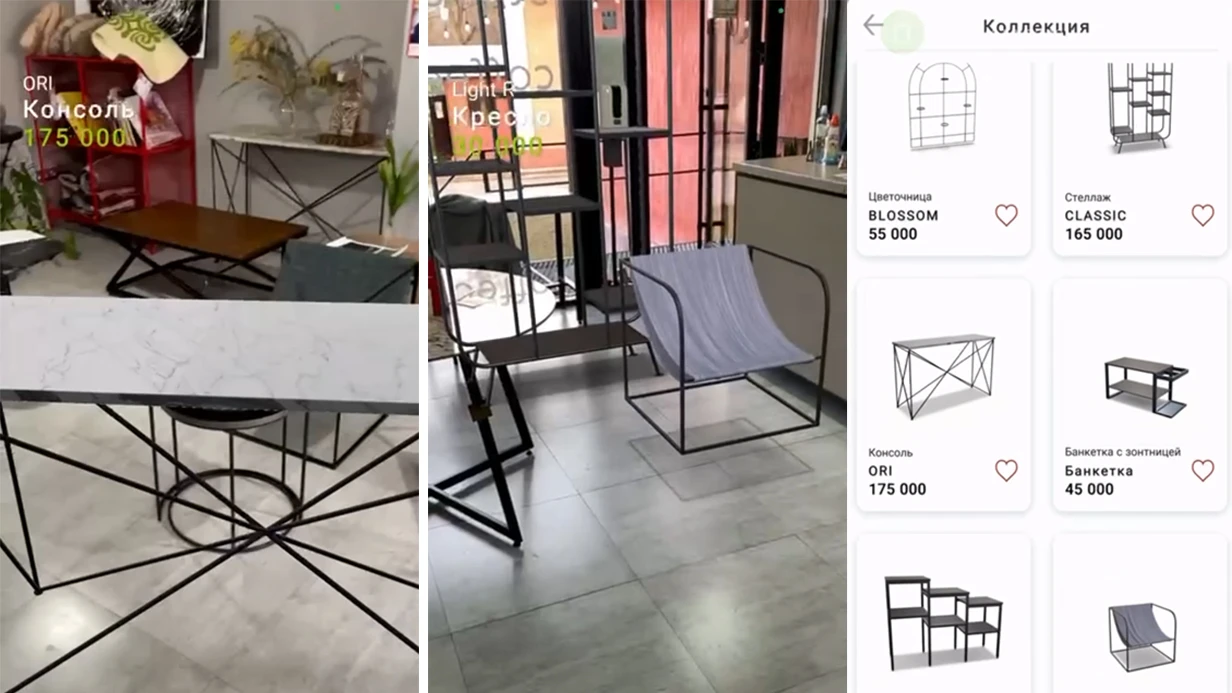
| מצגת AR | הדגמת הנכס באתר אמיתי או באולם תצוגה | תחושה ברורה של קנה מידה ומיקום, אפקט "כאן ועכשיו", טיעון חזק במהלך משא ומתן |
| הדגמת MR | מצגות למשקיעים, שותפים, תערוכות וביקורים פרטיים | מעורבות גבוהה, תדמית בלתי נשכחת של הפרויקט, יכולת להציג אפשרויות תכנית מרובות ללא מודלים פיזיים |
בחירת הפורמט תלויה בשלב העסקה ובקהל. אם אתם צריכים להכיר ללקוחות את הנכס במהירות, סיור וירטואלי מספיק — הוא עובד כמו אתר ונגיש מכל מכשיר.
לפגישה אישית או מצגת לאולם גדול, הדגמת MR מתאימה יותר: היא יוצרת תחושת נוכחות ותופסת תשומת לב אפילו בקרב קונים סקפטיים.
אנחנו משלבים את הפורמטים האלה כדי להתאים ליעדי הפרויקט שלכם: אנחנו בונים סיור וירטואלי לאתר, מצגת AR למנהלי מכירות, והדגמת MR למשא ומתן מרכזי.
כתוצאה מכך, אותו תאום דיגיטלי של הנכס עובד במספר שלבים של המשפך — מהמגע הראשון ועד לחתימת החוזה.
כיצד הפרויקט מתנהל: מבריף ועד השקה
אנחנו מבנים את העבודה שלנו כך שתראו תוצאות בכל שלב ותמיד תדעו מה קורה. אין קופסאות שחורות: מהבריף הראשון ועד ההשקה, אתם יודעים אילו משימות מטופלות, כמה זמן כל שלב לוקח, ומתי הפרויקט יהיה מוכן.
- בריף והבנת המשימה. אנחנו אוספים את הדרישות: איזה נכס אנחנו מציגים, מי קהל היעד, ואיזו משימה VR/AR צריך לפתור — מכירה, השכרה, או מצגת מתחם מגורים. אנחנו לומדים את התכניות, החומרים והזהות החזותית.
- קונספט ותוכנית עבודה. אנחנו מציעים תרחישי שימוש: סיורי דירות וירטואליים, סיורי שטח, תכניות קומה אינטראקטיביות. אנחנו קובעים לוחות זמנים, שלבים וקריטריוני קבלה כדי שתבינו בבירור למה אנחנו אחראים.
- אב טיפוס ואישור. אנחנו מראים איך הפרויקט ייראה: מבנה, ממשק, לוגיקת אינטראקציה. אתם עורכים שינויים לפני תחילת הפיתוח המרכזי — זה חוסך זמן ותקציב.
- בנייה והגדרה. אנחנו יוצרים את המוצר באמצעות כלים מקצועיים ומחברים את התכונות הנדרשות: קטלוג דירות, בחירת גימור, חישוב עלות ותמיכה במספר מכשירים.
- בדיקות ועידון. אנחנו בודקים את הפרויקט מול תרחישי קונים אמיתיים, מבטלים ליקויים ומייעלים ביצועים. אתם מקבלים גרסה יציבה, לא אב טיפוס להדגמה.
- השקה ומסירה. אנחנו ממקמים את הפרויקט במקום הנדרש: על טאבלט במשרד המכירות, בדוכן, באפליקציה או באתר. אנחנו מאמנים את הצוות שלכם ומוסרים את כל החומרים.
- תמיכה שוטפת. לאחר ההשקה, אנחנו נשארים בקשר: עדכון תכניות קומה, הוספת בניינים חדשים והתאמת המוצר ככל שהפרויקט מתפתח. אתם יכולים להמשיך לפתח את הפתרון ללא חיפוש צוות חדש.
רצף זה מאפשר לכם להשיק את הפרויקט בזמן וללא הפתעות — והכי חשוב, לקבל כלי שבאמת עוזר למכור נדל"ן.
מה כלול במסירה: חבילה למחלקת המכירות
אתם מקבלים יותר מסתם אפליקציה — אתם מקבלים כלי מכירה מוכן לשימוש עבור המחלקה שלכם. אנחנו מרכיבים את החבילה כך שמנהלים יוכלו להתחיל להשתמש ב-VR/AR מהיום הראשון מבלי להתרחק מעסקאות או להיתקע בפרטים טכניים.
המסירה כוללת:
- אפליקציות VR/AR מוכנות לנכסים שלכם: מלאות בתכניות הקומה והוויזואליזציות שלכם, מוגדרות לתרחישי הצגה — מדירה בפרויקט חדש ועד חלל מסחרי.
- הוראות לעובדים: מדריכים קצרים להפעלה ותפעול המערכת, כך שכל מנהל יכול לנהל מצגת ללא נוכחות מפתח.
- הכשרת מחלקת המכירות: מפגש מעשי שבו אנחנו מכסים תרחישים אמיתיים — איך להביא לקוח למשקפיים, מה לומר במהלך ההדגמה, ואיך לענות על שאלות.
- מדריך מנהל מערכת: תהליך עדכון תוכן פשוט וברור כך שתוכלו לשנות תכניות קומה ומחירים בעצמכם, ללא הזמנת פיתוח חדש.
- תמיכה לאחר ההשקה: סיוע בכל שלב — אם מנהל נתקל בבעיה או נדרש כוונון נוסף, אנחנו זמינים ומגיבים במהירות.
- תקנים ונהלי שימוש: המלצות להקמת חלל ההדגמה ואחסון הציוד.
חבילה זו מסירה את הסיכון המרכזי עבור לקוחות — שהצוות לא באמת ישתמש בכלי. אתם מקבלים לא פיתוח "גולמי" אלא מערכת שעובדת מיד למען ההמרה של מחלקת המכירות שלכם.
מקרה בוחן: מצגת נדל"ן ב-VR הכפילה את ההמרה
יזמים וסוכנויות נדל"ן מאבדים לקוחות בשלב הבחירה: קונים רואים תכניות קומה ותמונות, אבל הם לא יכולים לדמיין איך החלל ייראה במציאות.
ביקור בנכס לוקח זמן, ביקורים לא תמיד זמינים, וליזם בשלב היסוד אין מה להראות בכלל.
יישמנו סיור VR עבור היזם של מתחם המגורים Severny Park.
במקום אולם תצוגה מסורתי עם מודלים פיזיים, קונים שמו משקפיים ו"הלכו" דרך דירות בקנה מידה אמיתי: הם ראו את התאורה, את התכנית, את הנוף מהחלון, ואפילו יכלו לעבור בין גימורים.
זה אפשר למכור דירות בבניינים שעדיין בבנייה ללא הסיכון של "זה לא תואם לתמונה."
התוצאה לאחר רבעון אחד של עבודה — ההמרה מפנייה לעסקה הוכפלה.
מספר הביקורים הממוצע לפני רכישה ירד מארבעה לאחד או שניים: לקוחות הגיעו לאתר כבר מוכנים להחליט, לא רק "להסתכל." במקביל, טווח ההגעה של קונים מחוץ לעיר גדל — מחצית מהעסקאות נסגרו ללא ביקור אישי במשרד, לאחר רק מצגת VR והזמנה מקוונת.
עבורנו, זה לא ניסוי חד-פעמי אלא מודל מוכח: סיור VR מסיר את ההתנגדות המרכזית — "אני לא מבין מה אני קונה." היזם מקבל כלי מכירה ברור שממשיך לעבוד לאחר ההשקה — פתרונות סטנדרטיים מותאמים לפרויקט ספציפי תוך 2-3 שבועות.
איך לבחור את הפורמט הנכון ליעדי הנכס שלכם?
אין פורמט אוניברסלי — הבחירה תלויה במאפייני הנכס שלכם וביעדים שאתם רודפים אחריהם. פרויקט אחד צריך רק סיור וירטואלי; אחר דורש תכנית אב אינטראקטיבית או מציאות רבודה באתר הבנייה.
אנחנו עוזרים לכם לקבוע את האפשרות הנכונה בהתחלה, במקום לכפות על הנכס פתרון מוכן.
בשלב היסוד או במכירת דירות בבניין לא גמור, סיורים וירטואליים הם הבחירה הטובה ביותר: לקוחות נכנסים לדירה ומעריכים את התכנית והנופים מהחלונות מבלי לצאת מהמשרד.
אם הנכס גדול ורב-תכליתי, תכנית אב אינטראקטיבית עם מסננים לפי אגף, קומה וסוג נכס יעילה יותר. זה מקצר את זמן הייעוץ ומאפשר ללקוחות לחקור את ההיצע בעצמם.
המאפיינים הספציפיים של הנכס הם הגורם המרכזי. דירה גמורה, חלל מסחרי, בית כפרי או מתחם מגורים — כל אחד דורש גישה שונה.
שלב הבנייה, קהל היעד והגיאוגרפיה של הקונים — כולם חשובים: עבור לקוחות מחוץ לעיר, למשל, סיור VR מאפשר להציג את הנכס במלואו ללא כל נסיעה.
האינטראקטיביות נבחרת סביב פעולת לקוח ספציפית. אם המטרה היא להשוות במהירות מספר תכניות, אנחנו בונים ניווט נוח ומעבר בין אפשרויות. אם העדיפות היא הצגת המיקום ונגישות התחבורה, אנחנו מוסיפים תצוגות אוויריות ומפת רובע.
כל אלמנט קיים לא בשביל האפקט אלא כדי לענות על השאלה שקונה שואל במהלך תהליך הבחירה.
אז, הפורמט הנכון פותר את האתגר הספציפי שלכם: הוא מגביר את האמון בנכס, מאיץ קבלת החלטות ומפחית את העומס על מחלקת המכירות. תארו את המאפיינים של הנכס שלכם — אנחנו נציע את האפשרות הטובה ביותר ונסביר למה.
תשובות לספקות נפוצים לפני הזמנה
לפני השקת פרויקט VR/AR לנדל"ן, לקוחות נוטים לשאול את אותן שאלות: האם האפליקציה תקפא על הטאבלט של הלקוח, האם המנהלים יתמודדו, האם נעמוד בלוחות הזמנים, ומי יתמוך בפרויקט לאחר המסירה. כאן אנו מתייחסים לספקות הנפוצים ביותר — בקצרה ולעניין.
מה אם האפליקציה תקפא ברגע הקריטי ביותר — במהלך מצגת הנכס?
אנחנו מכווננים את הפרויקט על מכשירים אמיתיים לפני ההשקה. האפליקציה פועלת באופן אוטונומי, ללא תלות באינטרנט, וכל הסצנות נטענות מראש. באתר, תקבלו תמונה יציבה, לא מסך טעינה מסתובב.
האם מנהלי המכירות יוכלו לקלוט את המערכת במהירות?
אנחנו מעצבים את הממשק כך שהפעלת החוויה דורשת הקשה אחת. אנחנו גם מספקים לצוות הכשרה קצרה: אנחנו מראים להם איך לפתוח את הפרויקט, לעבור בין תכניות קומה, ולחבר את התמונה למסך. אין הגדרות מורכבות — רק מכירות.
האם הפיתוח עלול להימשך חודשים ולשבש את תוכנית המכירות?
לפני תחילת העבודה, אנחנו נועלים את לוח הזמנים בחוזה ומפרקים את הפרויקט לשלבים. אתם מאשרים כל שלב בנפרד — זה מאפשר לכם לשלוט בתהליך ולהתאים פרטים מבלי להזיז את התאריך הסופי. בממוצע, פרויקט סטנדרטי לנכס אחד לוקח 2–4 שבועות.
מה קורה לאחר ההשקה? מי מתקן בעיות ועוזר בעדכונים?
לאחר מסירת הפרויקט, החודשיים הראשונים של תמיכה כלולים בעלות. אתם מקבלים קשר ישיר עם הצוות, אחריות על פעילות יציבה, ויכולת להרחיב תרחישים — למשל, להוסיף תכניות קומה חדשות או מבצעים מיוחדים. עדכונים יוצאים במהירות, ללא אישורים ארוכים.
אם יש לכם שאלות נוספות, שלחו אותן בטופס למטה. נשיב תוך יום עסקים אחד ונשתף דוגמאות של פרויקטי נדל"ן דומים.התחילו את הפרויקט שלכם וקבלו הערכת עלות לפתרון VR עוד היום
כדי שתקבלו לא רק הצעה אלא תוכנית פעולה ברורה, בנינו תהליך פנייה ראשוני פשוט. אתם מתארים את המשימה — אנחנו יוצרים קשר תוך יום עסקים אחד, מבהירים את הפרטים ושולחים הערכת עלות אישית.
מיד לאחר הפנייה שלכם, אתם מקבלים:
- הערכת עלות לפתרון VR — הצעת מחיר שקופה המותאמת למשימה שלכם: סיור וירטואלי, קונפיגורטור תלת-ממדי, הצגת דירות ב-VR או מתחם מגורים.
- הערכת לוחות זמנים — מפורטת לפי שלבים: מאב טיפוס ועד השקה ומסירה למנהלים שלכם.
- ייעוץ לבחירת פורמט — נעזור לכם להחליט מה עובד הכי טוב עבור הלקוחות שלכם: אפליקציית AR לקטלוג, אולם תצוגה VR או מצגת תלת-ממדית אינטראקטיבית על טאבלט.
- הדגמה על בסיס הנכס שלכם — נראה לכם עם הדוגמה שלכם איך התוצאה תיראה, כדי שתדעו בדיוק מה אתם מקבלים.
- המלצות ציוד — נייעץ מה לקנות למשרד המכירות ומה משתלם יותר לשכור לאירוע או מצגת.
- תוכנית אינטגרציה לתהליכים שלכם — נציע איך להטמיע את הפתרון ב-CRM, באתר ובערוצי השיווק שלכם כך שקונים יוכלו לגשת לחומרי VR.
- מנהל אישי — נקודת קשר אחת שעונה על השאלות שלכם ומלווה את הפרויקט מהפנייה הראשונה דרך ההשקה והתמיכה.
זה מספיק כדי לקבל החלטה מושכלת מבלי להיכנס לפרטים טכניים. שלחו את בקשתכם דרך הטופס למטה — ובאותו יום, תקבלו הערכת עלות ותוכנית עבודה ראשונית.