



מדוע עסקים חקלאיים מפסידים רווחים על הדרכות ומצגות?
הדרכת עובדים בעסק חקלאי היא תמיד פשרה בין מהירות לאיכות. ברגע שהעונה התחילה, אין לך זמן להוציא מפעילי מכונות או אגרונומים לקורסים ארוכים: הציוד עומד בטל, השדה מחכה, ותקציב ההדרכה גדל.
כתוצאה מכך, העובד מתחיל לעבוד עם כישורים מינימליים, עושה טעויות בהגדרת הציוד, ומאבד יבול ששום סכום כסף לא יכול להחזיר.
הדגמות קלאסיות של מכונות חדשות או תכשירים חקלאיים יקרות לא פחות. כדי להציג מוצר לסוחרים או לחקלאים, צריך לאסוף אנשים להדגמה, לשכור אתר, ולהשקיע ימים בלוגיסטיקה.
בינתיים, המבקר רואה את המכונה במצב סטטי ויכול רק לנחש איך היא מתנהגת בשדה אמיתי—בפניות, תחת עומס, בתנאים קשים.
שיטות הדרכה והדגמה מיושנות פוגעות ברווחים פעמיים. המכה הראשונה היא עלויות ישירות: דלק, השבתת ציוד, שכר מרצים, וארגון.
השנייה היא עקיפה: עובד שלמד "על מתקן" מפחד ממצבים קשים, פוגע ברכיבים, ומפחית תפוקה. וחקלאי שלא ראה את הציוד בפעולה הולך למתחרה עם הצעה ויזואלית יותר.
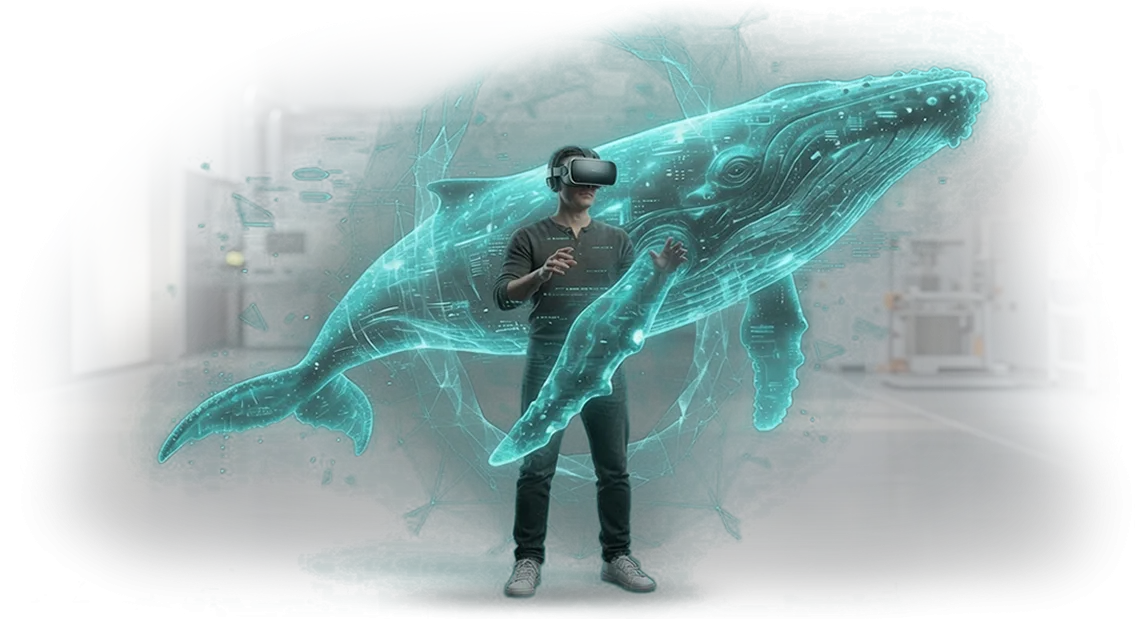
מציאות מדומה פותרת את שתי הבעיות. הדרכת עובדים מתבצעת על עותק דיגיטלי של הקומביין או הטרקטור שלך, שם אפשר להתאמן ללא סיכון ליבול או לציוד.
הצגת מכונות הופכת לנסיעת מבחן מלאה בכל תנאי שדה—אפילו במקומות שאליהם פיזית אי אפשר להגיע. אנחנו עובדים עם ציוד מקצועי וכלים מוכחים, כך שאתה מקבל תוצאה יציבה ללא תקלות.
בסופו של דבר, אתה לא רק חוסך בלוגיסטיקה והשבתות, אלא גם מקבל עובדים שמגיעים לפרודוקטיביות מלאה מהר יותר ולקוחות שקונים ציוד אחרי ההדגמה הווירטואלית הראשונה.
מה הטמעת פתרונות VR/AR מביאה לעסק החקלאי שלך
בעסק חקלאי, כל טעות עולה ביבול, והדרכת עובדים עונתיים לוקחת שבועות. בזמן שמתחיל לומד את המכונות, מועדי הזריעה נדחים; בזמן שאתה מציג מוצרים לשותף, הם בוחרים במתחרה. הצוות שלנו משתמש ב-VR/AR כדי להפוך תהליכים אלה ממרכז עלות ליתרון תחרותי.
הנה מה שמשתנה בפועל:
- הדרכת עובדים מהירה יותר. במקום הרצאות והתמחויות שדה ארוכות—סימולטורים וירטואליים. עובד מתאמן בהפעלת מכונות ובטיפול במצבי חירום תוך שעות ספורות, ללא סיכון ליבול או לציוד. טעויות קורות בסימולציה, לא בשדה.
- מצגות מוצר ויזואליות. קטלוג AR או סיור VR בחווה מאפשר לקונה לראות את המוצר בהקשר השימוש בו. אין צורך להעביר דוגמאות על פני חצי מדינה—הכל מוצג במשא ומתן, בתערוכה, או ישירות בחווה.
- מכירות גבוהות יותר. מודל תלת-ממדי חי של זורע או טיסה מעל השדה עושים רושם חזק יותר מכל ברושור. הלקוח מבין את ערך ההצעה מהר יותר ודוחה החלטות פחות. בניסיון שלנו, לקוחות סוגרים עסקאות פי שניים עד שלושה יותר אחרי משא ומתן.
- עלויות נמוכות יותר. פחות הוצאות על דלק לנסיעות הדרכה, בלאי ציוד, ונסיעות. בדיקות וירטואליות מחליפות ניסויי שדה יקרים, ומצגות מרחוק חוסכות זמן לאגרונומים ומנהלים.
ההטמעה מחזירה את עצמה בעונה אחת: צוות מוכן מהר יותר, מוצר ברור, פחות הפסדים, ויותר עסקאות. כמעט כל תהליך בעסק חקלאי—מהדרכה ועד מכירות—ניתן להעביר ל-VR/AR, עם תוצאה מדידה לתקציב.
אילו פורמטים של VR/AR מתאימים למשימות שונות של יצרנים
החקלאות היא אחד הענפים השמרניים ביותר, אבל דווקא שם VR ו-AR מספקים תוצאות מהירות ומדידות. הם מפחיתים השבתות ציוד, מזרזים הדרכת עובדים (סימולטורים ומאמנים), והופכים מצגות מוצר לברורות לשותפים.
המפתח הוא לבחור את הפורמט הנכון למשימה עסקית ספציפית, לא להציג טכנולוגיה לשם הטכנולוגיה.
אנחנו מפתחים אפליקציות על מנוע Unity המקצועי—זה מבטיח פעולה תקינה על כל מכשיר, ממשקפי מציאות מדומה ועד סמארטפונים רגילים. לכן, הפורמט נבחר לא לפי מגבלות חומרה, אלא לפי המשימה של היצרן. השוואה של פורמטים פופולריים נמצאת בטבלה.
| פורמט | למי | מה הוא נותן ללקוח |
|---|---|---|
| שקיעה מלאה (VR) | מפעילי מכונות, מכונאים, אחראי בטיחות | תרגול מיומנויות בטוח ללא סיכון לציוד, פחות תקלות ופציעות |
| שכבת AR | אגרונומים, מנהלי צוות, מומחי שדה | נתונים על שדות, גידולים ומכונות ישירות על מסך הסמארטפון—פחות טעויות ופחות ניירת |
| מצגת תלת-ממד | מחלקת מכירות, שיווק, תערוכות | הדגמה ברורה של מכונות או מוצר ללקוח, המרת משא ומתן גבוהה יותר |
כפי שאתה רואה, לכל פורמט יש תפקיד משלו. אם צריך להכשיר עובדים על מכונה מורכבת, אנחנו בוחרים בסימולטור VR. אם אגרונומים צריכים לראות תנאי שדה בזמן אמת, שכבת AR עובדת.
אם המטרה היא למכור מכונה יקרה, אנחנו משתמשים במצגת תלת-ממד. במהלך ייעוץ, נעזור לך לקבוע מה ישתלם בפעילות שלך ונציע אפשרות שמתאימה לתקציב שלך.
שלבי פיתוח אפליקציית VR/AR לחקלאות
בחקלאות, כל השבתה וטעות עולות הרבה, לכן מבננו את תהליך הפיתוח כך שבכל שלב אתה מבין מה קורה ויכול להשפיע על התוצאה. להלן ששת השלבים שכל הפרויקטים שלנו עוברים.
-
בריף. אנחנו דנים במשימה שלך: אילו עובדים צריכים הדרכה, איזה ציוד להציג, או איזה תהליך להמחיש. אנחנו יוצרים רשימת תרחישים שהאפליקציה תעבוד איתם—זה הבסיס שמונע עבודה חוזרת בשלבים מאוחרים יותר.
-
תוכנית והערכת עלות. אנחנו קובעים את לוח הזמנים, היקף העבודה והעלות. אתה מקבל לוח זמנים ברור עם נקודות ביקורת ויודע בדיוק על מה אתה משלם—ללא עבודה נסתרת בדרך.
-
אישור קונספט. אנחנו מראים איך ייראה הממשק ואיך המשתמש מתקשר עם האפליקציה: איפה הוא לוחץ, מה הוא רואה, אילו רמזים הוא מקבל. בשלב זה, ביצוע שינויים הוא הזול ביותר, ולכן אנחנו שואפים לאישור מלא.
-
פיתוח. אנחנו בונים את האפליקציה ושולחים גרסאות ביניים עובדות כל שבוע-שבועיים. אתה רואה איך פונקציה אחר פונקציה הופכת למוצר מוגמר ויכול לתת משוב בזמן.
-
בדיקות והשקה. אנחנו בודקים את האפליקציה על הציוד האמיתי שהעובדים או הלקוחות שלך משתמשים בו. אנחנו מתקנים כל בעיה, ואז מתקינים הכל על המכשירים שלך ומספקים הוראות הפעלה.
-
תמיכה. אנחנו מאמנים את העובדים שלך, עונים על שאלות, ותומכים בשבועות הראשונים של הפעולה. אם צריך, אנחנו משכללים תרחישים למשימות חדשות—זה זול יותר מהזמנת פיתוח מאפס.
אנחנו משתמשים בגישה זו לפרויקטים במגזר החקלאי: מהדרכת מפעילי מכונות על ציוד חדש ועד סיורים וירטואליים בחווה למשקיעים ושותפים. אתה תמיד יודע איפה הפרויקט עומד, מתי הוא יהיה מוכן, ומה העסק יקבל במסירה.
מה כלול בפתרון VR/AR מוגמר
פתרון VR/AR מלא לחקלאות הוא לא רק אפליקציה—זו משימה סגורה לחלוטין, מסוג מפתח לפתח. אתה מקבל כלי עבודה שניתן ליישם מיד בהדרכת עובדים, מצגות מכונות, או תהליכי בקרה. להלן בדיוק מה כלול במסירה ומה אתה יכול להשתמש בו מהיום הראשון.
- אפליקציה מוכנה למשימה שלך. מותאמת לפרטים החקלאיים: סיורי שדה וירטואליים, הדרכת הפעלת ציוד, מאמני מינון דשן, והוראות תחזוקה אינטראקטיביות לציוד.
- התקנה והגדרה על המכשירים שלך. אנחנו מגדירים הכל כך שהעובדים לא יצטרכו להתעסק עם הגדרות—רק לפתוח ולעבוד. זה עובד על משקפיים, טאבלטים וסמארטפונים שכבר קיימים בחווה.
- הוראות ברורות לצוות. חומרי וידאו ומודפסים ללא ז'רגון טכני. מפעילים, נהגי מכונות ואגרונומים יבינו אותם מההפעלה הראשונה; אין צורך בימי "התחממות".
- הדרכה לצוות שלך. אנחנו מקיימים מפגש מעשי עם העובדים: מההפעלה הראשונה ועד תרחישים טיפוסיים. בסופו של דבר, יש לך מומחה שיכול להעביר את הכישורים לעמיתים.
- זכויות למוצר. כל הזכויות לפתרון שפותח עוברות אליך. אין רישיונות נסתרים או תשלומים—אתה הבעלים של הכלי ויכול לפתח אותו הלאה עם התמיכה שלנו או בלעדיה.
- אחריות ותמיכה טכנית. לאחר ההשקה, אנחנו עוזרים בהגדרות, עונים על שאלות, ופותרים בעיות במהירות. אנחנו נשארים בקשר גם כשהפרויקט נמסר רשמית.
- עדכונים לפי צורך. החקלאות משתנה—התקנות והטכנולוגיות משתנות. אנחנו נעדכן את האפליקציה אם תשנה את דגם הציוד, מחזור הגידולים או תרחיש ההדרכה.
- דרכון פרויקט ותיעוד. תיאור קצר של כל המודולים, נהלי הפעלה ופתרונות טיפוסיים. זה לשקיפות: אתה רואה איך הפתרון בנוי ויכול לשלוט בשימוש בו.
חבילה זו מסירה את הבעיה המרכזית—כשמפתחים "מוסרים את הפרויקט ועוזבים" בעוד שאלות נשארות. אתה מקבל לא רק תוכנה אלא כלי עבודה עם תמיכה, והצוות שלך מתחיל להשתמש בו תוך ימים ספורים לאחר המסירה.
מקרה בוחן: חברה חקלאית הגדילה מכירות מכונות עם מצגת VR
הלקוח הוא סוחר מכונות חקלאיות, AgroTech. החברה מוכרת קומביינים וטרקטורים, והרכישה הממוצעת כרוכה בהשקעה משמעותית. הקונים הם חקלאים מאזורים מרוחקים, וכל ביקור באולם התצוגה פירושו ימי נסיעה.
הצגת מוצר חדש פנים אל פנים הייתה אפשרית רק בתערוכות, ולכן חלק מהלקוחות פנו למתחרים שיכלו להדגים את המכונה מהר יותר.
פיתחנו מצגת VR: הקונה מרכיב משקפיים ומוצא את עצמו בשדה וירטואלי. הוא רואה את המכונה בקנה מידה מלא, נכנס לתא הנהג, בודק ראות, ומחליף כלים. עבור המוכר, זה עובד כמו נסיעת מבחן אישית—ללא משלוח מכונות ולוגיסטיקה.
תוצאות אחרי חודשיים: ההמרה מליד לעסקה עלתה ב-37%, וזמן העסקה הממוצע ירד מ-14 ימים ל-5. המכירות האזוריות גדלו ברבע—מצגת ה-VR אפשרה לסגור לקוחות שמעולם לא הגיעו לאולם התצוגה. מנהלים משתמשים באפליקציה בכל מקום: בתערוכה, בשדה, או במהלך שיחת וידאו.
הדבר העיקרי שהלקוח ציין: לקוחות החלו לקבל החלטות מהר יותר. במקום אישורים ארוכים וביקורים חוזרים—פגישה אחת ושקיעה במכונה.
זה לא רק האיץ את המשפך אלא גם העלה נאמנות: קונים ממליצים יותר ברצון לסוחר לעמיתים.
איך לבחור את פורמט ה-VR/AR הנכון למשימה שלך
פורמט ה-VR/AR הוא לא שאלה של "אופנתי או לא" אלא של איזו משימה ספציפית אתה פותר. לחקלאות, הבחירה מצטמצמת לשלושה תרחישים: להאיץ הדרכת עובדים, למכור מכונות או מוצרים ויזואלית, ולהפחית הפסדים במהלך עבודת שדה.
ברגע שהגדרת את המטרה, הפורמט הנכון הוא כמעט אוטומטי—VR או AR פשוט עונים על שאלות שונות.
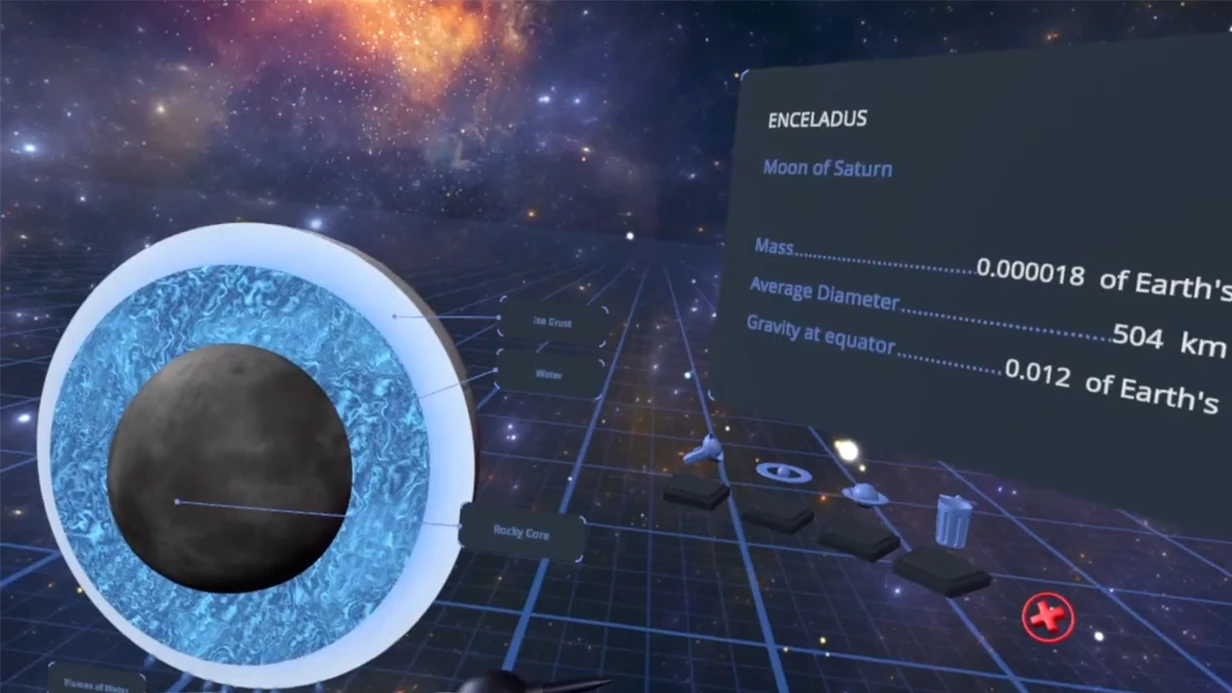
מציאות מדומה נחוצה היכן שפעולה חיה היא מסוכנת, יקרה או בלתי אפשרית. עובד חדש לומד להפעיל קומביין או מפרק מנגנון ב-VR לפני שהוא יושב במכונה אמיתית—ללא סיכון של תקלה או השבתה.
זה מקרה שבו "החוסר" במציאות הופך ליתרון: אתה יכול לעשות עשר טעויות ברצף ופשוט ללחוץ על ריווינד. להדרכה, הסמכה ותרגול מיומנויות, VR מספק תוצאות מדידות: קליטה מהירה יותר ופחות תאונות.
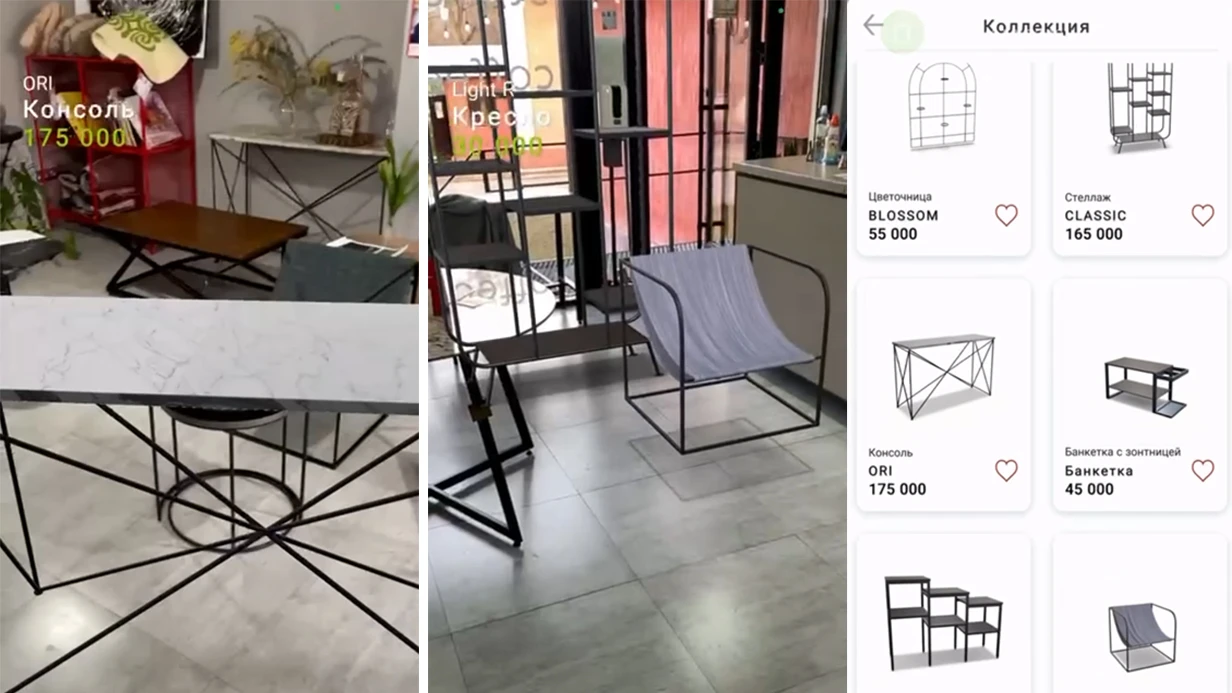
מציאות רבודה עובדת היכן שצריך הקשר ישירות "בשטח"—מונח על המצלמה האמיתית. טכנולוג מפנה טאבלט לצמח ורואה את שלב הגדילה, מינוני דשן, או היסטוריית הטיפולים של חלקה. זה לא תחליף לאגרונום, אלא כלי שמסיר ניחושים ויומני נייר.
אב-טיפוס של מכונה עתידית המונח על דוכן תערוכה הוא גם AR: מבקר רואה את המכונה חיה ומבין מיד את קנה המידה והתצורה שלה ללא הסברים ארוכים.
עקרון הבחירה המרכזי בא לידי ביטוי בשאלה: "מה המשתמש צריך לעשות—לראות סצנה וירטואלית או לקבל נתונים על האמיתית?" אם התשובה היא "לראות ולתרגל"—אנחנו בוחרים ב-VR; אם "לקבל רמז תוך הסתכלות על אובייקט חי"—AR.
אנחנו לא כופים את המשימה על הטכנולוגיה: קודם אנחנו מנתחים את התהליך שלך, ואז מציעים פורמט שמספק ערך משלב ההטמעה הראשון.
בשני המקרים, אתה מקבל פתרון שמשתלם דרך אינדיקטורים עסקיים מדידים: מהירות הדרכה, מספר הדגמות, דיוק החלטות. הראה לנו את המשימה שלך—ואנחנו נמליץ על הפורמט שפותר אותה בעלויות הטמעה מינימליות.
שאלות נפוצות וחששות של לקוחות
אנחנו מבינים: כל טכנולוגיה חדשה בעסק חקלאי מעלה שאלות—האם היא תפריע לפעילות, כמה מהר היא תשתלם, ומי יעזור אחרי ההשקה.
להלן אנו עונים על החששות הנפוצים ביותר של לקוחות כדי שתוכל לקבל החלטה ברוגע, עם בהירות מלאה לגבי עלות, לוח זמנים ותמיכה.
כמה עולה הפיתוח? האם זה יהיה יקר יותר מהדרכה מסורתית?
העלות תמיד מחושבת למשימה ספציפית: מספר התרחישים, מספר העובדים ופורמט המכשירים. ברוב המקרים, פתרון VR/AR זול יותר מביקורי מדריך קבועים או רכישות חוזרות של ציוד יקר. אתה מקבל הערכת עלות קבועה לפני תחילת העבודה, ללא עמלות נסתרות.
כמה מהר אפשר להעלות את האפליקציה לפעולה?
אב-טיפוס עובד מופיע תוך מספר שבועות מהבריף. הטמעה מלאה בדרך כלל לוקחת חודש עד חודשיים, כולל התאמה לתהליכים שלך. אנחנו קובעים את לוח הזמנים כך שהפתרון מתחיל לספק ערך בעונה הנוכחית, לא בעוד שנה.
האם קשה לעובדים לעבוד עם VR/AR? האם כולם יצטרכו הסבה?
הממשק מעוצב להיות פשוט ואינטואיטיבי ככל האפשר. רוב הפעולות מסתכמות בתנועות טבעיות והנחיות על המסך, כך שההדרכה אורכת כמה שעות.
אנחנו מוודאים שגם עובדים ללא ניסיון בשימוש בכלים דיגיטליים מתחילים להשתמש באפליקציה במהירות בשגרת היומיום שלהם.
מה קורה אחרי ההשקה? מי אחראי ליציבות ועדכונים?
אנחנו תומכים בפרויקט לאחר המסירה: מתקנים בעיות במהירות, מעדכנים תוכן, ומוסיפים תרחישים חדשים אם התהליכים שלך משתנים. תמיכה כלולה בחוזה, כך שאתה תמיד יודע למי לפנות וכמה מהר תקבל עזרה.
אם יש לך שאלה מיוחדת, שאל אותנו ישירות. נסביר בפירוט איך ייראה הפתרון עבור החווה הספציפית שלך, כמה זמן ייקח הפיתוח, ואיך להשיג תוצאות מהר יותר.האם נדון במשימת פיתוח ה-VR/AR שלך?
השאר פנייה ואנחנו ניצור איתך קשר תוך יום עסקים אחד, נבהיר את המשימה שלך, ונציע אפשרויות פתרון. זה לא מחייב: תקבל הערכה מקצועית, לא הבטחה שיווקית.
אנחנו עובדים עם עסקים חקלאיים ומבינים ש-VR/AR נחוצים לא לטכנולוגיה עצמה, אלא לתוצאה מדידה: פחות טעויות עובדים, הדרכה מהירה יותר, שליטה טובה יותר בתהליכים. אז אחרי שתפנה אלינו, תקבל תוכנית קונקרטית, לא מילים כלליות.
מה תקבל אחרי הפנייה שלך:
- ייעוץ עם מומחה — נפרק את המשימה שלך ונראה היכן ל-VR/AR תהיה השפעה והיכן הם לא נחוצים כלל.
- לוח זמנים והערכת שלבים — הבנה מתי יופיע התוצאה הראשונה וכמה זמן ייקח כל הפרויקט.
- הערכת עלות שקופה — אנחנו קובעים את העלות בהתחלה, ללא עמלות נסתרות או "הפתעות" באמצע הדרך.
- אב-טיפוס לבדיקה — לפני פיתוח בקנה מידה מלא, תראה את התרחיש המרכזי בפעולה ותוכל להעריך אותו.
- ערבויות בחוזה — אנחנו קובעים את לוח הזמנים, ההיקף והאחריות. אתה משלם על התוצאה, לא על התהליך.
- תמיכה לאחר ההשקה — אנחנו מאמנים עובדים, תומכים בהטמעה, ונשארים בקשר כשהפרויקט רץ.
אסוף את התרחיש שברצונך לשפר—אפילו רעיון גס. אנחנו נהפוך אותו לפתרון מוכן שמשתלם. השאר פנייה, והשבוע תדע איך נראה הפרויקט שלך בפירוט ומה הוא יביא לעסק שלך.