

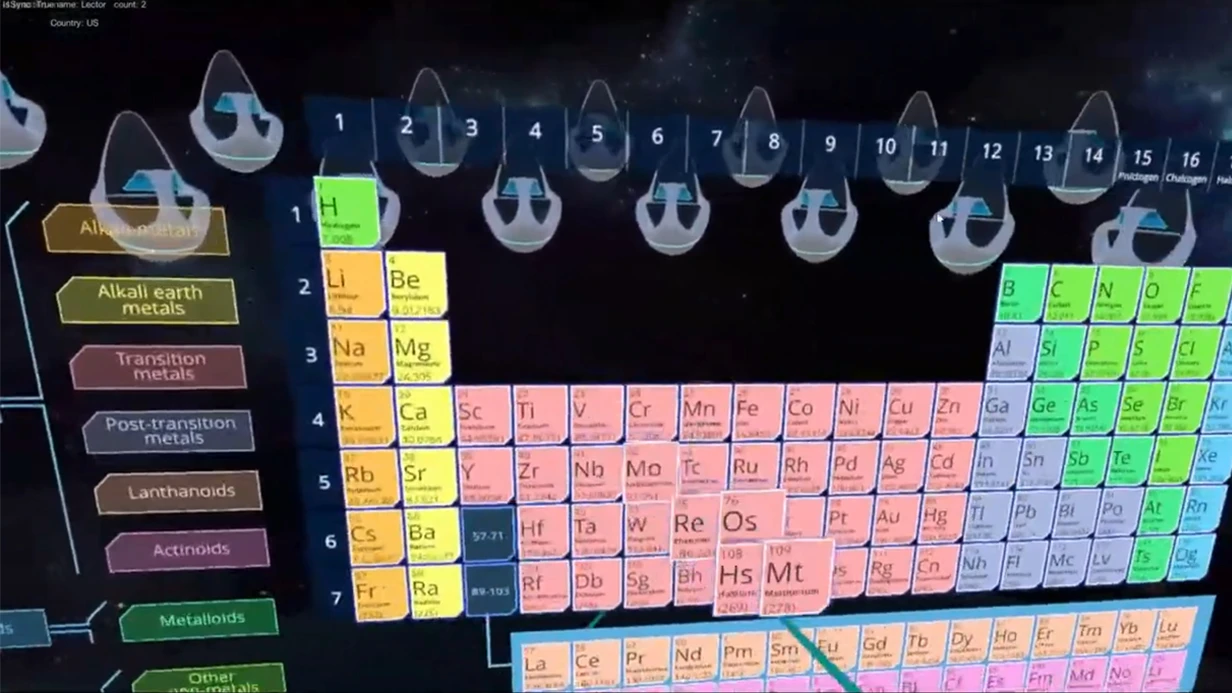


מדוע ביטוח מאבד לקוחות ללא אינטראקטיביות
מוצר ביטוחי אינו קל להסבר במילים: פוליסה, השתתפות עצמית, כיסוי סיכונים — הלקוח הולך לאיבוד בין המונחים ודוחה את ההחלטה.
ללא דוגמה ברורה, הוא לא מרגיש את הערך של השירות, ולכן עובר בקלות למתחרה או מוותר על הביטוח altogether.
כתוצאה מכך, חברות הביטוח מאבדות עד מחצית מהלקוחות הפוטנציאליים שלהן בשלב הצגת המוצר. שיטות מכירה רגילות כבר לא עוזרות להחזיר את תשומת הלב שלהם.
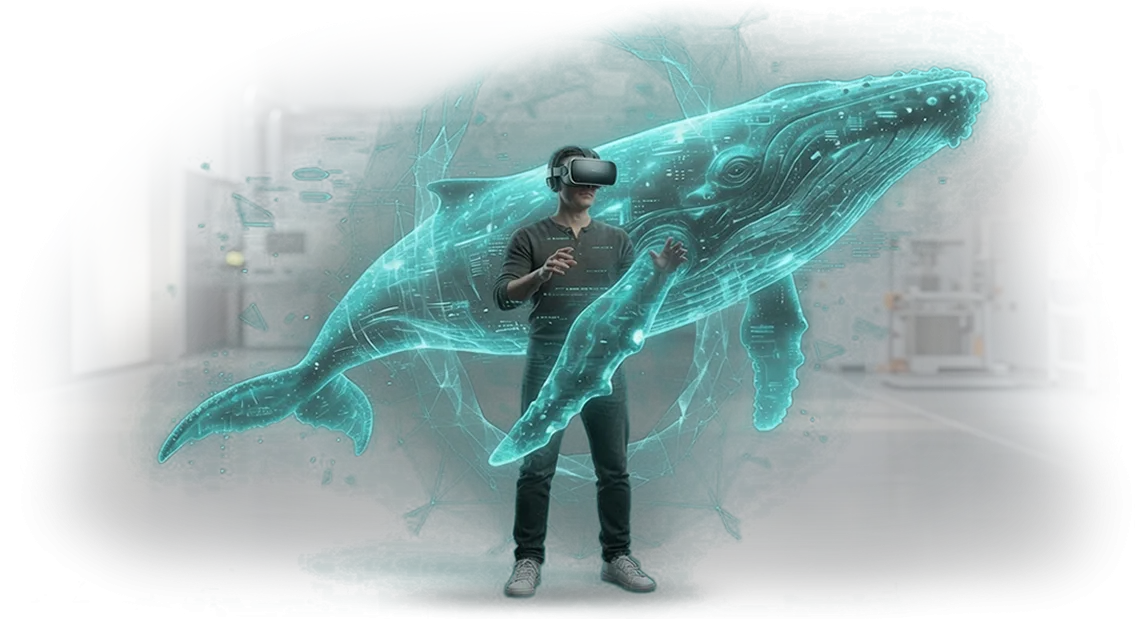
טכנולוגיות immersive משנות את הדינמיקה הזו. מציאות מדומה או רבודה מאפשרת להראות ללקוח את התרחיש שלו: איך הביטוח עובד בתאונת דרכים, שריפה או מחלה, מה בדיוק הוא יקבל ובאיזו מהירות.
במקום תיאור מופשט — חוויה חיה שבונה אמון ונשארת בזיכרון. זה משפיע ישירות על שימור לקוחות ועל המרת מכירות.
הדיגיטציה של מוצרי ביטוח מזמן הפסיקה להיות רק מחשבון מקוון. היום הלקוח בוחר את מי שמדבר אליו בצורה ויזואלית ומרתקת.
הצגת פוליסה אינטראקטיבית מקצרת את זמן ההסבר, מורידה את מספר השאלות וההתנגדויות, ובכך מזרזת את העסקה. חברת הביטוח מקבלת כלי שעובד כטיעון משכנע במשא ומתן, באתר או באפליקציה הניידת.
אנחנו יוצרים פתרונות VR/AR לביטוח שהופכים מוצר מורכב לחוויית לקוח מובנת. אנחנו עוזרים לשמר לקוחות, להגדיל מכירות ולהתבלט מול מתחרים — ללא הטמעות ארוכות או שינוי מבנה של פעילות החברה.
אילו יתרונות VR/AR מביאים לעסק וללקוחות
מוצר ביטוחי קשה למכור "מהעמוד": הלקוח לא רואה מה הוא משלם עליו ודוחה את ההחלטה.
VR/AR הופכים את הפוליסה לחוויה ויזואלית — האדם חווה את מקרה הביטוח בסביבה וירטואלית בטוחה ומבין איך הכיסוי עובד.
הצגה אינטראקטיבית מחזיקה תשומת לב הרבה יותר טוב מאשר ברושור או וידאו. הלקוח שולט בתרחיש בעצמו: בודק את הנזק, מפעיל את הביטוח, רואה את התשלום. זה יוצר מעורבות, והמותג נזכר דרך רגשות, לא דרך מונחים משעממים.
נוחות ללקוח היא יתרון נוסף. הוא לא צריך לקרוא מסמכים ארוכים: מספיק לשים משקפי VR או לפתוח מצלמת AR כדי לראות איך הביטוח עובד על הדוגמה שלו. הסבר ברור מסיר ספקות, כך שהלקוח מקבל החלטה מהר יותר. עבור העסק, זה אומר מכירות גבוהות יותר וזמני עסקה קצרים יותר.
לקוחות שהבינו את המוצר הופכים לנאמנים: הם מחפשים חלופות פחות ומחדשים פוליסות ביתר קלות. בנוסף, אפליקציה אינטראקטיבית היא סיבה מצוינת ללקוח לספר לחברים על החברה שלך, מה שמגביר את ההכרה ללא תקציב פרסום.
אנחנו מפתחים פתרונות VR/AR על Unity — פלטפורמה מוכחת שמבטיחה ביצועים יציבים על הציוד של הלקוחות שלך ואינטגרציה מהירה לערוצי המכירה שלך.
פורמטים של VR/AR לביטוח: מה לבחור
בהירות ויזואלית היא המחסור העיקרי בשיווק ביטוחי. הלקוח לא יכול "לגעת" בפוליסה לפני שמקרה הביטוח קורה, ולכן צריך לזכות באמון דרך רגשות ותרחישים ברורים.
VR ו-AR עוזרים לדמות את המצב ולהראות את ערך ההגנה לפני הרכישה. כדי לבחור פורמט, התחילו מהמשימה הספציפית: להכשיר את הצוות, למכור את המוצר או לזרז טיפול בתביעות.
להלן השוואה בין פורמטים שמכסים משימות טיפוסיות של חברת ביטוח. זו נקודת התייחסות לדיון: אנחנו מתאימים את הפתרון למשפך המכירות ולתהליכים הפנימיים שלך.
| פורמט | למי | מה זה נותן ללקוח |
|---|---|---|
| מאמן VR לאנשי מכירות | סוכני ביטוח, מנהלי מכירות | תרגול התנגדויות ודיונים קשים בסביבה בטוחה, ביטחון עצמי מוגבר וביצועי צוות |
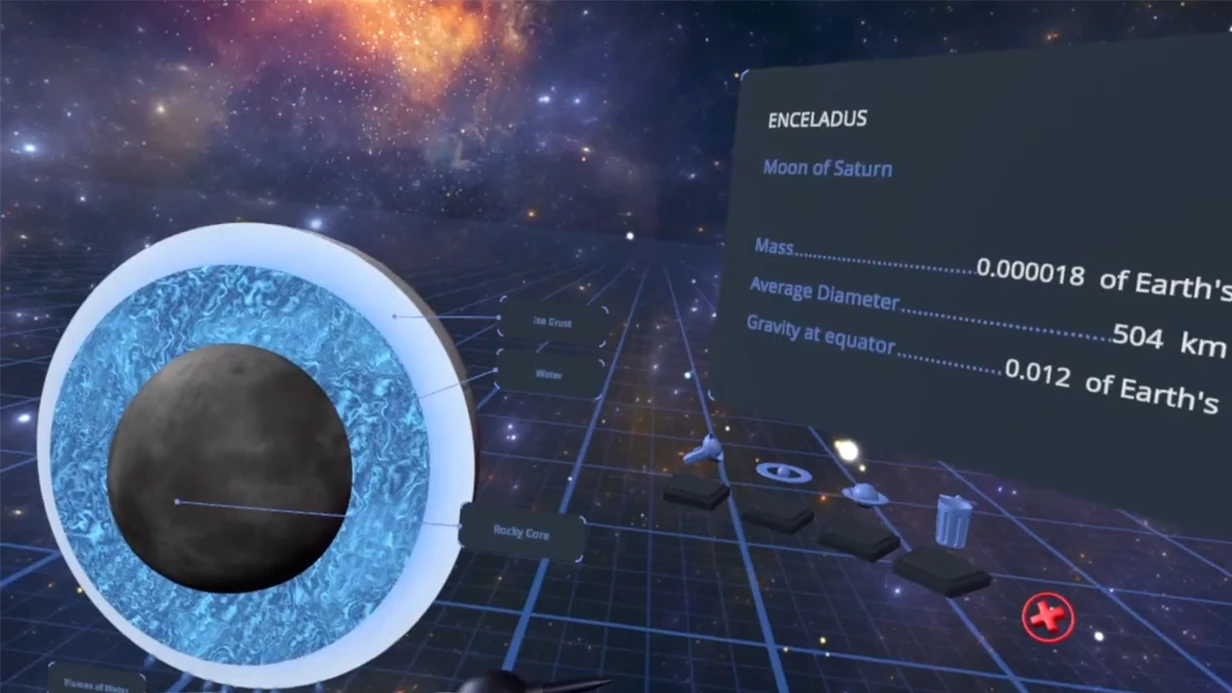
| הצגת מוצר VR | לקוחות פוטנציאליים בפגישות ותערוכות | הדגמה חיה של מקרה ביטוח, מעורבות וזכירות מותג במקום שקופיות משעממות |
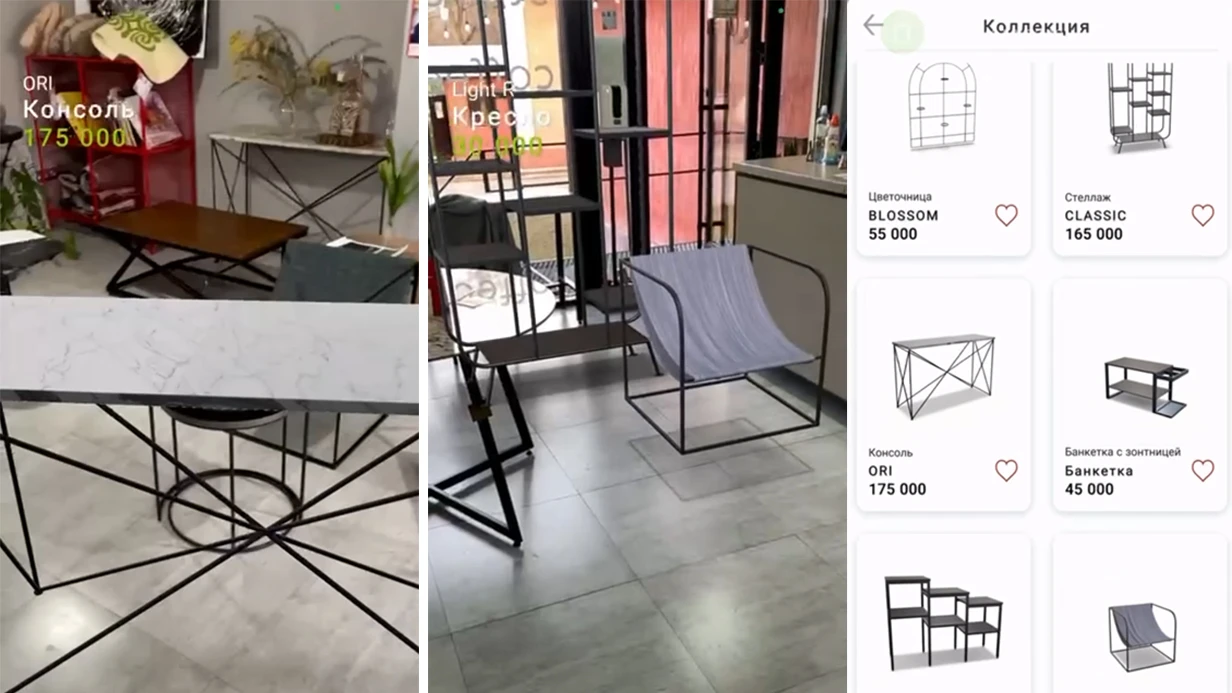
| תרחיש AR לסמארטפון | לקוחות באתר או באפליקציה | ויזואליזציה של סיכונים בסביבה אמיתית: תנאים ברורים, פחות שאלות לנציגים, המרה גבוהה יותר לפניות |
| כלי AR לבדיקת נזקים | שמאים ומומחים | תיעוד נזק מהיר ותקשורת עם המשרד, קיצור זמן טיפול בתביעות |
איך לבחור? אם המטרה היא להכין מאה סוכנים בשבוע ולהגדיל מכירות, לכו על מאמן VR. אם צריך להציג את המוצר לקהל רחב — הימרו על AR בטלפון, זה לא דורש ציוד מיוחד.
שילוב הוא לעתים קרובות יעיל: VR מאמן את הצוות, בעוד AR עובד עם לקוחות קצה. בפגישת היכרות קצרה, נעזור לקבוע את הפורמט למשימה שלך, לחשב את ההחזר ולהכין פתרון שיעבוד לתוצאות.
איך מתנהלת העבודה על פרויקט VR/AR
פרויקטים גדולים בביטוח — לדוגמה, הכשרת סוכנים או הצגות מוצר אינטראקטיביות — קשים להערכה בעין. לכן מבננו את העבודה כך שבכל שלב אתה מבין מה אתה מקבל ואילו החלטות מתקבלות. התהליך כולל שישה שלבים, כל אחד מסתיים בתוצאה ברורה.
- בריף והתעמקות במשימה. אנחנו מקיימים ראיונות עם המנהלים שלך ועם משתמשים עתידיים, לומדים את הפרטים של מוצרי הביטוח. אנחנו מתעדים מטרות, לוחות זמנים וקריטריוני הצלחה — אתה מקבל הערכת עלות ותוכנית עבודה עם אבני דרך ברורות.
- אישור אפיון ותרחיש. לפני השלב המרכזי, אנחנו מציגים אב טיפוס של הממשק והגיון האינטראקציה. אתה רואה איך עובד או לקוח עובר את המסלול: מהנפקת פוליסה ועד טיפול במקרה ביטוח. כל השינויים נעשים לפני תחילת הפיתוח — זה חוסך תקציב וזמן.
- פיתוח האפליקציה. אנחנו בונים מרחבים וירטואליים, מודולי הדרכה ותרחישים אינטראקטיביים. אנחנו משתמשים בסביבת Unity המקצועית ובכלים מוכחים כדי להבטיח ביצועים יציבים על מכשירים שכבר יש ללקוח.
- בדיקות עם העובדים שלך. אנחנו בודקים את הפתרון עם משתמשים אמיתיים: כמה מהר הם לומדים את התרחיש, מה גורם לקשיים. אנחנו אוספים משוב ומשפרים את הארגונומיה לרמה נוחה — זה מגדיל משמעותית את מוכנות הצוות לעבודה.
- השקה והתקנה של האפליקציה. אנחנו פורסים את הפתרון על הציוד שלך ועוזרים לשלב אותו בתהליכי העבודה. אנחנו מאמנים מנהלים ומכינים מדריך משתמש קצר. אתה מקבל כלי עובד, לא רק גרסת הדגמה.
- תמיכה טכנית ופיתוח. אחרי ההשקה, אנחנו נשארים בקשר: מעדכנים תרחישים, מוסיפים מוצרי ביטוח חדשים ועוזרים להרחיב את השימוש ב-VR/AR לתחומים קשורים. עבורך, זו הגנה מפני התיישנות הפתרון ותמיכה בהתפתחות מתמשכת.
הסדר הזה מקטין את מספר האיטרציות ומבטיח שעד ההשקה תקבל תוצאה צפויה. אתה תמיד יודע באיזה שלב נמצא הפרויקט ושולט בכל צעד.
מה כלול במסירת האפליקציה
כשאתה מזמין פיתוח אפליקציית VR/AR לביטוח, אתה מקבל לא קוד "גולמי", אלא מוצר מוכן לשימוש. בצוות שלנו, חבילת המסירה כוללת כל מה שצריך להשקה ולפעילות שוטפת: מאבות טיפוס ועד הכשרת צוות.
- אבות טיפוס ותרחישי אינטראקציה — לפני הפיתוח, אנחנו מסכימים על ההגיון: איך סוכן או לקוח ישתמשו באפליקציה במצבי ביטוח טיפוסיים (בדיקה, הערכת סיכונים, ייעוץ).
- עיצוב ממשק — ברור לקהל שלך: אלמנטים גדולים, רמזים, התאמה לסגנון המותג של החברה. אין צורך להכשיר עובדים מחדש או להסביר ללקוחות.
- גרסת אפליקציה סופית — גרסה מותאמת למכשירים נבחרים: משקפיים, טאבלטים, מחשבים. היא מותקנת ופועלת ללא הגדרות מורכבות.
- מדריך ותיעוד טכני — תיאור של כל התרחישים, דרישות הציוד וכללי ההשקה. הצוות שלך יכול להבין את זה גם בלי מפתח.
- הכשרת צוות — אנחנו מקיימים מפגש מעשי אונליין או באתר ומקליטים שיעורי וידאו. סוכנים ומנהלים שולטים בכלי במהירות ומתחילים להשתמש בו בעבודה.
- השקת המוצר — אנחנו עוזרים להתקין את האפליקציה, לבדוק את פעולתה ולארגן את ההשקה הראשונה במחלקת פיילוט או באירוע. בלי התעסקות עם הגדרות לבד.
- תמיכה לאחר ההשקה — אנחנו מתקנים אחריות, עונים על שאלות ומשפרים את הממשק וההגיון.
מקרה בוחן: איך מאמן VR הפחית את ההפסדים של החברה
חברת הביטוח "וקטור" פנתה אלינו עם כאב מוכר לרבים: עלויות טיפול בתביעות גדלו מהר יותר מההכנסות.
שמאים הסתכלו על אותו מקרה אחרת — אחד המעיט בנזק, אחר הפריז, וכל נכס שלישי היה צריך לבדוק שוב על ידי מומחה שני. התוצאה: כסף שאבד, תשלומים מעוכבים ולקוחות לא מרוצים.
במקום הרצאה נוספת, הצענו לתרגל מיומנויות בסביבה וירטואלית. השמאי נכנס למודל תלת-ממדי של נכס פגוע — דירה, מחסן, מכונית — ולומד לתעד נזק, למדוד אותו ולנסח מיד דוח בדיקה. זו לא בחינה, אלא מאמן: הוא יוצר תקן עבודה אחיד לכל הצוות.
בשלושה חודשים הוכשרו יותר מ-120 מומחים. הלקוח קיבל תוצאות מדידות:
| מדד | לפני VR | אחרי VR |
|---|---|---|
| זמן בדיקה ממוצע לנכס | 48 דקות | 24 דקות |
| פער בסכומי ההערכה בין מומחים | 22% | 6% |
| חלק הבדיקות החוזרות | 18% מהמקרים | 4% מהמקרים |
| שביעות רצון לקוחות מלוחות התשלומים | 3.8 מתוך 5 | 4.7 מתוך 5 |
הפחתת ביקורים חוזרים ובדיקות חוזרות הורידה את עלויות הטיפול ב-27% כבר בשנה הראשונה. המאמן החזיר את ההשקעה תוך ארבעה חודשים. עובדים חדשים מראים דיוק של עובדים מנוסים כבר מהשבועות הראשונים, ולקוחות מתלוננים על לוחות זמנים פי שלושה פחות.
אחרי פרויקט הפיילוט, "וקטור" הרחיבה את התוכנית לאזורים אחרים ומשתמשת במאמן להסמכה שנתית של הצוות. הלקוח קיבל תוצאה עסקית ברורה — עלויות נמוכות יותר, תשלומים מהירים יותר, נאמנות גבוהה יותר.
המקרה הזה הוא אחד מעשרות בתיק העבודות של הצוות שלנו. נספר לך איך נראה חישוב כזה עבור חברת הביטוח שלך ונציע פיילוט עם מדדים ספציפיים.
איך לבחור את הפורמט הנכון למשימה שלך?
הבחירה בין VR ל-AR מתחילה לא בטכנולוגיה, אלא בשאלה: איזו בעיה עסקית ספציפית אתה פותר?
בביטוח, VR מספק התעמקות מלאה במצב — לדוגמה, סימולציה של תאונת דרכים או שריפה — כך שהלקוח או העובד מרגיש את ההשלכות וזוכר את הכללים.
AR, לעומת זאת, משלים את המציאות במידע: כוון את המצלמה למכונית או לפוליסה — ותראה אילו סיכונים מכוסים. אז בחירת פורמט היא מציאת התשובה: מה האדם צריך לעשות אחרי אינטראקציה קצרה?
הקריטריון הראשון הוא מטרת הפרויקט. אם צריך להכשיר סוכן על הליכי טיפול בתביעות או להראות ללקוח "מבפנים" איך מקרה ביטוח עובד, בחר ב-VR: הוא מספק ריכוז ללא הסחות דעת.
אם המטרה היא ליידע לקוח במהירות במשרד או בתערוכה, להסביר תנאי פוליסה בצורה ויזואלית, AR יעיל יותר: הוא עובד על סמארטפון רגיל ולא דורש מקום מיוחד.
הגדר איזו תוצאה אתה מצפה — מכירות גבוהות יותר, זמן הכשרה קצר יותר, נאמנות גדולה יותר — והפורמט יקבע את עצמו.
הקריטריון השני הוא הקהל. עבור לקוחות המוניים שמגיעים למשרד או לדוכן, AR נוח יותר: האדם לא שם משקפיים, לא מתנתק מהמציאות ומתחבר מהר יותר.
להכשרה ארגונית, שבה תרגול מיומנויות ומעורבות פסיכולוגית חשובים, VR עובד טוב יותר — הוא יוצר תחושת נוכחות ועוזר לזכור אלגוריתמים התנהגותיים.
הערך את המוכנות של הקהל שלך לחוויה חדשה: מישהו ישמח לשים משקפיים, ומישהו אחר יעדיף אינטראקטיביות על מסך הטלפון.
הקריטריון השלישי הוא תקציב ולוחות זמנים. פרויקט VR בדרך כלל דורש יותר השקעה: הוא כולל פיתוח מרחב וירטואלי מפורט ורכישת ערכות ציוד לפריסה.
AR קל יותר לקנה מידה — משתמשים משתמשים במכשירים שלהם, כך שעלויות ההשקה נמוכות יותר והכיסוי רחב יותר.
אבל העלות הסופית תלויה במספר התרחישים, ברמת הפירוט ובאינטגרציה עם המערכות הפנימיות שלך, כך שחשוב לא "מחיר הפורמט", אלא עלות השגת המטרה שלך.
המסקנה פשוטה: הפורמט הנכון הוא זה שפותר את המשימה בלי לשלם יותר מדי. אנחנו עוזרים ללקוחות ביטוח לבחור: שלח לנו תיאור פרויקט, נבהיר את המטרה, הקהל והתקציב הרצוי, ואז נציע פתרון עם תוצאה ברורה. תקבל בדיוק מה שמחזיר את ההשקעה בהקשר שלך, לא "טכנולוגיה לשם טכנולוגיה".
תשובות לשאלות לפני שאתה מזמין
לפני הזמנת פיתוח VR/AR לביטוח, כנראה יש לך שאלות: כמה זה עולה, מתי זה יהיה מוכן, וכמה בטוח להשתמש בטכנולוגיות כאלה עם נתוני לקוחות ועובדים. אנחנו מבינים את זה, אז הכנו תשובות כנות לחשובות ביותר.
כמה עולה פיתוח אפליקציית VR/AR לביטוח?
העלות תלויה בפורמט, בפונקציונליות ובמשימה — לדוגמה, הכשרת סוכנים או הצגה אינטראקטיבית של מוצרי ביטוח ללקוחות. אחרי בריף קצר, אנחנו נותנים לך את המספר המדויק וקובעים אותו בחוזה כך שהתקציב לא ישתנה במהלך התהליך.
מה לוחות הזמנים לביצוע?
פרויקט טיפוסי לוקח 2-3 חודשים מהבריף ועד ההשקה. אנחנו עובדים בשלבים: אתה רואה תוצאות ביניים ומבצע שינויים בכל שלב, לא בסוף. אם אתה צריך התחלה מהירה, נבחר פתרון עם פונקציונליות מוגבלת ונשיק אותו מוקדם יותר.
האם זה בטוח להשתמש ב-VR/AR עם נתוני חברת ביטוח?
כן. אנחנו עובדים תחת חוזה NDA, רק מומחי הפרויקט מקבלים גישה לחומרים שלך, וכל העברת הנתונים עוברת בערוצים מאובטחים. אתה נשאר הבעלים של התוכן וכל הזכויות על האפליקציה.
כמה קשה לעובדים וללקוחות להשתמש באפליקציה?
אנחנו מעצבים ממשקים כך שאדם לא מאומן יכול להתחיל לעבוד תוך דקות. אנחנו מקיימים הכשרה לצוות שלך ויוצרים רמזים ברורים בתוך התרחיש ללקוחות. אנחנו כוללים גם מדריכים וסקירות וידאו.
אילו ערבויות אתם מספקים?
אנחנו קובעים את ההתחייבויות שלנו בחוזה: לוחות זמנים, היקף עבודה ותוצאה. אחרי מסירת הפרויקט, אנחנו מתקנים תקלות ללא תשלום במהלך תקופה מוסכמת ונשארים זמינים לייעוץ. אם נדרשת עבודה נוספת, נציע אפשרות נוחה.
אם עדיין יש לך שאלות — נשלח תשובות מפורטות, דוגמאות של פרויקטים בביטוח ונחשב את התרחיש שלך. השאר פנייה, ונחזור אליך בקרוב.האם נדון בפרויקט ה-VR/AR שלך?
ספר לנו איזו משימה אתה רוצה לפתור עם VR או AR בביטוח — נעזור לך להבין איפה הטכנולוגיה תניב תוצאות אמיתיות ואיפה היא לא נחוצה. לשם כך, פשוט השאר פנייה באתר, ונתחיל בשיחה קצרה על הפרויקט שלך.
אחרי הפנייה שלך, אנחנו פועלים לפי תהליך ברור. אתה מקבל לא מילים כלליות, אלא פרטים לעסק שלך: ייעוץ, הערכת פרויקט ותוכנית פיתוח.
- אתה שולח פנייה — אנחנו יוצרים קשר תוך יום עסקים אחד.
- אנחנו מקיימים שיחת ייעוץ כדי להבין אילו משימות ביטוחיות כדאי לטפל בהן עם VR/AR: הכשרת סוכנים, ויזואליזציה של סיכונים, רכישת לקוחות או משהו משלך.
- אנחנו מחשבים את הפרויקט: מציעים פורמט מתאים, לוחות זמנים משוערים והיקף עבודה.
- אנחנו מסכימים על הקונספט ותוכנית הפיתוח — אתה יודע בדיוק מה תקבל בכל שלב.
- אנחנו מתחילים בפיתוח VR/AR, מכינים אב טיפוס ובודקים אותו עם הקהל שלך.
- אנחנו תומכים בך אחרי ההשקה — עוזרים לשלב את הפתרון בתהליכי העבודה.
אתה יכול ליצור איתנו קשר דרך הטופס באתר או בטלפון. נתחיל בדיון על המשימה שלך — זה לא מחייב אותך לכלום, אבל זה ייתן לך הבנה איך VR ו-AR עובדים בביטוח ומה מזה רלוונטי אליך ספציפית.