



איך להציג ארכיטקטורת פרויקט כך שהלקוח יגיד «כן»?
תוכניות בנייה ורנדורים סטטיים מראים איך בניין נראה על הנייר, אבל הם לא מעבירים קנה מידה, אור, או תחושת מרחב.
לקוח שלא יודע לקרוא תוכניות קומה רואה קווים מופשטים — ובמקום החלטה, אתה מקבל את ה"אנחנו צריכים לחשוב על זה" הנצחי. אישורים נמשכים, עולות שאלות נוספות, ופגישות חוזרות על עצמן במעגלים.
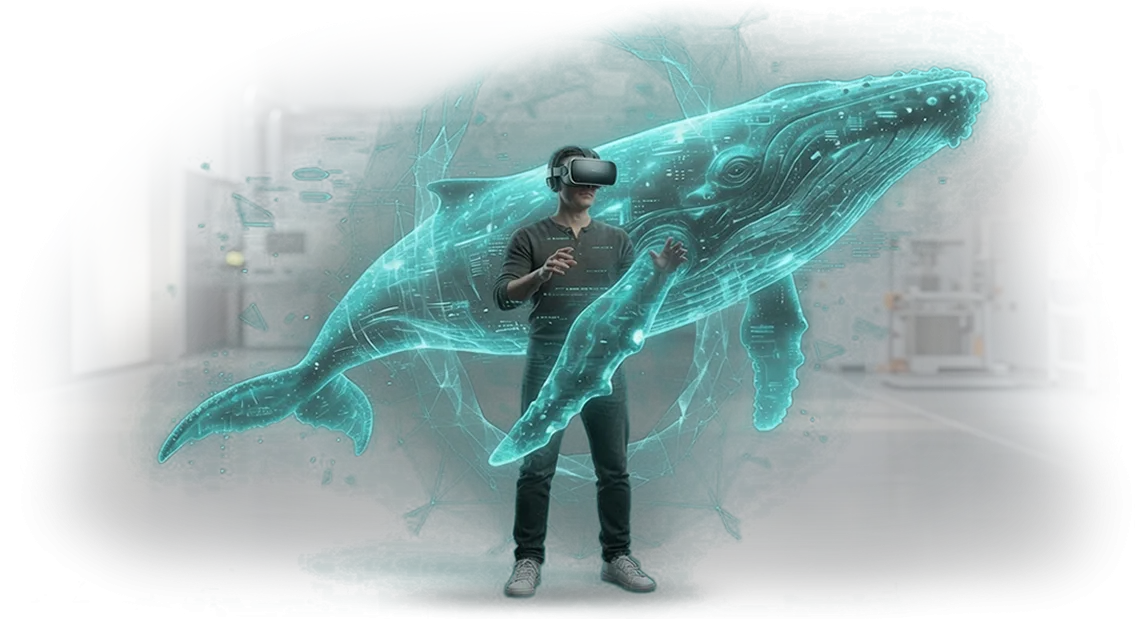
מצגת אימרסיבית על Apple Vision Pro פותרת את נקודת הכאב הזו: הלקוח מוצא את עצמו בתוך הבניין עוד לפני שהבנייה מתחילה.
הם מעריכים גבהי תקרה, רוחבי פתחים, נוף מהחלונות, והגיון התנועה — בדיוק כאילו הם כבר הולכים בתוך הנכס המוגמר.
מצגת כזו מסירה ספקות כי האדם מקבל לא תמונה, אלא חוויה אישית של המרחב.
עבור העסק שלך, זה אומר אישורים מהירים יותר, פחות תיקונים, ופחות פגישות נוספות. כשהלקוחות "הלכו דרך" הנכס בעצמם, הם ממעטים לבקש לשנות את החזית או לבצע תצורה מחדש של תוכנית הקומה — הם מבינים בדיוק מה הם מקבלים. בונוס נוסף: אתה בולט מול מתחרים שעדיין מציגים תמונות שטוחות על מחשב נייד.
אנחנו יוצרים תרחיש מצגת המותאם לפרויקט שלך: סקירה קצרה למשקיע, מסלול מפורט לקונה, או אימרסיה מרשימה לתושבים מקומיים. ארכיטקטורה מפסיקה להיות הפשטה על דיאגרמות והופכת למרחב מוחשי שרוצים להישאר בו.
ככה אנחנו משיגים את המטרה המרכזית — להראות את הפרויקט כך שהלקוח יגיד «כן» בפגישה הראשונה ממש.
תאימות של פתרונות VR למשימות של משרד אדריכלות
פתרונות VR משתלבים בשגרת העבודה היומיומית של משרד אדריכלות ללא ארגון מחדש של הצוות. מעצבים ממשיכים לעבוד בכלים שלהם, והמודל המוגמר נמסר לנו כדי ליצור גרסה אינטראקטיבית.
עבור המנהל, זה אומר: אין פספוס של מועדים, אין הסחת דעת של מומחים, וכלי מצגת מוכן.
רנדורים טיפוסיים מראים תמונה, בעוד VR מראה מרחב. לקוחות הולכים דרך הבניין העתידי, מעריכים קנה מידה, אור, מסלולי תנועה, ומזהים פתרונות לא נוחים בזמן שהפרויקט עדיין בשלביו המוקדמים.
זה מפחית את מספר התיקונים בשלבים מאוחרים יותר וחוסך בתקציב המשרד — פחות עבודות חוזרות, פחות מחלוקות עם קבלנים.
במכירות, VR עובד כטיעון החזק ביותר. במקום תריסר שרטוטים וויזואליזציות — הדגמה אחת שאחריה הלקוח מבין את ערך הפרויקט.
מצגות כאלה נזכרות, מעוררות רגש, ומקצרות את הדרך מהפגישה הראשונה לחתימת חוזה. משרד האדריכלות זוכה למוניטין של שותף טכנולוגי, וזה משפיע ישירות על הבחירה בין מתחרים.
אנחנו מטפלים בכל הצד הטכני. הצוות שלנו עובד עם המודלים של המשרד, מתאים אותם לציוד VR מקצועי, ומגדיר את התרחיש למשימה הספציפית — בין אם זו פגישה עם משקיע או אישור מול רשויות ממשלתיות. כל מה שאנחנו צריכים ממך הוא גישה לגרסה העדכנית של המודל; אנחנו נטפל בשאר.
טכנולוגיות שמחזקות מצגות אדריכליות
מודלים בקנה מידה, שרטוטים ורנדורים עוזרים להעריך פרויקט, אבל הם לא מעבירים תחושת מרחב. קשה לקונה פוטנציאלי לדמיין איך בית או משרד ייראו על מגרש בפועל.
טכנולוגיות מציאות מדומה ורבודה פותרות את זה: הן הופכות פרויקט אדריכלי לחוויה שאפשר לחקור בראייה, בתנועה ובמחוות.
כלי מודרני לתרחישים כאלה הוא Apple Vision Pro. זה לא רק קסדה אלא פלטפורמה מלאה למחשוב מרחבי: היא מאפשרת להראות בניינים דיגיטליים בקנה מידה 1:1 ממש בחלל של הלקוח או לטבול אותם לחלוטין בפנים שעדיין לא נבנו.
| פורמט | למי | מה זה נותן ללקוח |
|---|---|---|
| יישום VR | למצגות באולם תצוגה או בתערוכה | טבילה מלאה בפרויקט: הלקוח "הולך דרך" דירות, משרדים ואזורים ציבוריים לפני תחילת הבנייה. |
| יישום AR | להצגה בטאבלט או בסמארטפון באתר בפועל | הבניין "עומד" על היסוד האמיתי: אפשר לראות קנה מידה, מיקום ובידוד שמש בשעה ספציפית ביום. |
| יישום MR | למשא ומתן מרכזי ומכירות | קירות דיגיטליים בסביבה אמיתית, שינוי תוכנית הקומה במחווה אחת, וצפייה משותפת עם הלקוח. |
בחירת הפורמט תלויה במטרה: VR הוא לרגש, AR הוא לעיגון למיקום, MR הוא לדיאלוג אינטראקטיבי ותחושת נוכחות. אנחנו עוזרים לך לבחור את האפשרות הנכונה ולספק אותה במפתח מלא — מהרעיון ועד יישום מוכן לשימוש.
שלבי העבודה על פרויקט VR אדריכלי
כדי שתוכל לשלוט בהתקדמות העבודה, מבננו את התהליך מהבריף הראשון ועד השקת היישום. להלן שלבי פיתוח פרויקט VR לארכיטקטורה: אתה תמיד יודע מה קורה ומה תקבל כתוצאה סופית.
-
בריף והבנת המשימה. אנחנו מקיימים פגישה ומתעדים את מטרות הפרויקט: לאיזה בניין נוצר הסיור הווירטואלי, מי קהל היעד — משקיעים, קונים או אישורים פנימיים. זה הופך לבסיס לכל ההחלטות.
-
קונספט ועיצוב תרחיש. בהתבסס על הבריף, אנחנו מציעים את המבנה של החלל הווירטואלי: מה המבקר יראה, אילו נקודות תצפית ופונקציות חשובות — למשל, שינוי גימורים, רהיטים או שעה ביום. אנחנו מסכימים על ההגיון הכולל לפני שמתחילים בעבודה מפורטת.
-
אב טיפוס ואישור. אנחנו בונים גרסה אינטראקטיבית שאפשר לבדוק על מכשיר. אתה רואה את הניווט והסצנות המרכזיות ויכול לבצע שינויים בשלב מוקדם — זה חוסך זמן ומאמץ לשני הצדדים.
-
פיתוח מפורט ואופטימיזציה. אנחנו ממלאים את המודל בגרפיקה אדריכלית, תאורה ריאלית וחומרים.
במקביל, אנחנו מכווננים ביצועים חלקים על Apple Vision Pro כך שהיישום ייראה פרימיום ולא יגרום לאי נוחות אפילו למשתמשים חסרי ניסיון.
-
בדיקה על מכשיר אמיתי. אנחנו בודקים כל תרחיש דרך עיני המשתמש: מהירות טעינה, קלות שליטה, היעדר שגיאות. אנחנו אוספים משוב ומלטשים את הפינות — חשוב לך שהיישום ירוץ ללא רבב ביום המצגת.
-
השקה ותמיכה. אנחנו מוסרים את היישום עם הוראות ומספקים תמיכה לאחר הפרסום. אם צריך להוסיף תרחישים חדשים, סצנות או לשנות פרטים — אנחנו נשארים בקשר ועוזרים בשיפורים.
מה כלול במסירת יישום ה-VR לפרויקט שלך
כשאתה מזמין יישום VR לארכיטקטורה, חשוב להבין מה כלול בחבילת המסירה. אנחנו לא מוסרים רק "תוכנת הדגמה" אלא כלי עבודה שהצוות שלך יכול להתחיל להשתמש בו מיד לאחר ההתקנה.
הנה מה שאתה מקבל:
- יישום VR מוכן לפרויקט שלך: מותאם להצגת תוכניות קומה, פנים וקונספטים, כולל תצורה עבור Apple Vision Pro.
- זכויות מלאות על הקוד — אתה הבעלים של הפתרון המקור ויכול לשפר את המוצר בעצמך או עם כל קבלן.
- הוראות ברורות להפעלה ושימוש ביישום: תרחישים נפוצים, הגדרה ושגיאות טיפוסיות מתוארים — אין צורך לקרוא למפתח לכל מצגת.
- הוראות וידאו לעובדים: סרטונים קצרים על איך לטעון פרויקט, לבצע "סיור" בנכס ולהפעיל את השכבות הנדרשות.
- תמיכה לאחר המסירה: אנחנו מייעצים לצוות שלך בהשקה, עונים על שאלות ומפרסמים עדכונים כשצריך.
- מדריך הדגמה ללקוח: תרחישי מצגת מוכנים כך שהמנהלים שלך ייראו בטוחים ויוכלו לענות על שאלות נפוצות.
עם חבילה זו, אתה זוכה לעצמאות: הצוות שלך עובד עם היישום ללא מעורבות מתמדת של מפתח.
זה מאיץ מכירות, וכשמתרחשים שינויים בפרויקט — כמו תצורה מחדש של תוכנית קומה או בחירת חומרים חדשים — אתה תמיד מבין כמה מהר אפשר לבצע תיקונים.
מקרה בוחן: איך עזרנו למשרד לזכות בחוזה למתחם מגורים
משרד אדריכלות פנה אלינו עם משימה מאתגרת: למשקיע היו ספקות לגבי תוכניות הקומה, ולוחות הזמנים של הפרויקט היו לחוצים. רנדורים ושרטוטים סטנדרטיים לא השיגו את האפקט הרצוי — הלקוח לא יכול היה לדמיין איך המתחם ייראה במציאות.
הצענו מצגת VR של מתחם המגורים שבה המשקיע יכול "ללכת" דרך החצרות, להסתכל לתוך הדירות ולהעריך נוף מהקומות העליונות.
במקום תמונות שטוחות, המשרד הראה למשקיע טבילה מלאה בפרויקט. הם בחרו קומה בעצמם, נכנסו לדירה, בחנו את התאורה והתכנון.
זה הסיר את כל הספקות: חוזה מתחם המגורים אושר שלושה שבועות מהר יותר ממחזור האישור הרגיל. פגישה אחת הספיקה — המשקיע סימן מיד נכונות לחתום על ההסכם.
הצוות שלנו הוא צוות שיוצר מצגות VR כאלה במפתח מלא. אנחנו מטפלים בפיתוח הסצנות, התאמה למכשירים וחזרה על המצגת כך שהכל יעבוד ללא רבב בפגישה עם המשקיע. נקודת המפתח: הלקוח מקבל כלי שמוכר את הפרויקט ממש בהדגמה אחת.
תוצאות עבור המשרד
עבור המשרד, זה לא היה רק סרטון נחמד אלא טיעון במשא ומתן. אחרי המקרה המוצלח, הלקוח חזר וביקש שנכין מצגת דומה לנכס אחר — ותוך חודש, הראינו תוכניות קומה חדשות לקונים הפוטנציאליים שלהם.
כך מצגת ה-VR הפכה לחלק מתהליך המכירות הרגיל שלהם: במקום עשרות מיילים ושיחות — מפגש אחד בקסדה והחלטה שהמשקיע יכול לראות בבירור.
איך לבחור את הפורמט הנכון למשימה שלך?
כשהמשימה היא להציג פרויקט אדריכלי דרך AR או VR, חשוב להבין: איזו תוצאה אתה רוצה? טבילה מלאה עם תחושת נוכחות, סקירה מהירה לקהל רחב, או בחינה מפורטת של אלמנטים ספציפיים?
בחירת הפורמט תלויה בזה, ובדיוק בשלב הזה לקוחות רבים מאבדים זמן וכסף בניסיון לכסות הכל בבת אחת.
האפשרות הקלה והמהירה ביותר היא סיור וידאו או פנורמה של 360°. זה אידיאלי כשצריך להציג פרויקט למספר גדול של אנשים: בתערוכה, במצגת או בקמפיין פרסומי.
הצופה משקיע 1-2 דקות, מקבל רושם כללי, וזה עובד מצוין למודעות למותג. עם זאת, הפורמט הזה כמעט לא מערב צופים בדיאלוג — הם נשארים צופים, לא משתתפים.
אם המטרה שלך היא להחזיק תשומת לב, להראות פרטים ולענות על שאלות לקוח לפני ביקור בפועל, בחר סצנת AR אינטראקטיבית או מצגת VR. מבקרים מחליטים בעצמם לאן להסתכל, יכולים "לפתוח" שכבות נסתרות, ולשנות חומרים וגימורים.
זה חשוב במיוחד במכירת דירות, בתים או חללים מסחריים: אדם כבר "גר" מנטלית בחלל, מה שאומר שהוא סומך על הפרויקט ומקבל החלטות רכישה מהר יותר.
כשצריך להעביר קנה מידה, אור, אווירה ורגש של בניין עתידי, הכלי הטוב ביותר הוא טבילה מלאה במציאות מדומה.
בקסדה ברמה מקצועית, הלקוח ממש "הולך" דרך קומות, לובי ומרפסות שעדיין לא נבנו — וזה עושה רושם בלתי נשכח. הפורמט הזה מעלה את מעמד הפרויקט ומחזיר את עצמו פעמים רבות דרך אישורי החלטות מהירים יותר.
אנחנו נעזור לך לבחור את האפשרות הנכונה למשימה שלך ולא רק "לעשות יישום" — כי בחירת הפורמט הנכון היא חצי מההצלחה.
חששות נפוצים לפני הזמנת יישום VR
לפני הזמנת יישום VR לארכיטקטורה, כמעט כל לקוח שואל את אותן שאלות. מה אם הציוד ייכשל ברגע הקריטי ביותר? מה אם המשקיע או הלקוח לא יצליחו להבין את השליטה? מה אם התוצאה לא תעמוד בציפיות?
החששות האלה מובנים: מצגת פרויקט, מוניטין ואמון על הכף. אנחנו שומעים אותם כל יום — ואנחנו עונים בכנות, כי כבר ערכנו עשרות מצגות למשרדי אדריכלות, יזמים ועיריות.
מה אם הציוד יתקלקל במהלך המצגת?
אנחנו עובדים עם קסדות מקצועיות שעוברות בדיקה מלאה לפני כל אירוע. אנחנו מביאים ערכת גיבוי לאתר, וטכנאי נשאר בקרבת מקום במשך כל המצגת.
אם משהו משתבש, הם יאתחלו במהירות את המערכת — לעולם לא תישאר לבד עם הטכנולוגיה.
מה אם היישום לא ייטען באתר הנדרש?
אנחנו מתקנים את כל התרחישים מראש: אנחנו מגיעים למקום, בודקים תאורה, חלל פתוח ורשת. היישום מותאם לחלל הספציפי כך שעד זמן המצגת, כל מה שנשאר זה לשים את הקסדה ולהתחיל את החוויה. גישה זו מבטלת הפתעות ביום הגדול.
מה אם מבקרים לא מבינים איך להשתמש ב-VR?
אנחנו הופכים את הממשק לאינטואיטיבי: הנחיות קוליות, מחוות ברורות ומספר מינימלי של פעולות. עוזר נמצא תמיד בקרבת מקום במהלך המצגת כדי לעזור לשים את הקסדה ולהדריך את השניות הראשונות.
אפילו מי שחווה מציאות מדומה בפעם הראשונה יתמקם בביטחון תוך חצי דקה.
מה אם התוצאה לא תעמוד בציפיות?
בשלב האישור, אנחנו מראים גרסת טיוטה ודנים בכל פרט — מזוויות מצלמה ועד סגנון המצגת. אתה מבצע תיקונים לפני הבנייה הסופית, כך שאתה מקבל בדיוק את התוצאה שדמיינת. אנחנו לא מוסרים את הפרויקט עד שאתה אומר שהכל נראה כמו שצריך.
הצעדים הבאים שלך לאחר שליחת בקשה
לאחר שליחת בקשה, אתה לא נשאר לבד עם שאלות — אנחנו דואגים לארגון. אנחנו יוצרים קשר תוך יום עסקים אחד, מבהירים את המשימה ושולחים חוזה עם תוכנית עבודה ברורה.
בלי "נתקשר אליך מאוחר יותר": אתה מיד יודע מי מנהל את הפרויקט ויכול לראות באיזה שלב הוא נמצא בכל רגע.
צעדים ספציפיים אחרי שתפנה אלינו:
- בקשה — אתה שולח פנייה באתר, ואנחנו יוצרים קשר תוך יום עסקים אחד.
- ייעוץ ראשוני — אנחנו דנים במטרות היישום, קהל היעד וכיצד פתרון ה-VR/AR ישתלב בעבודה עם פרויקטים אדריכליים.
- חוזה ותוכנית עבודה — אנחנו מתעדים לוחות זמנים, שלבים, תחומי אחריות ונוהל קבלה. זה מגן על האינטרסים של שני הצדדים.
- מנהל ייעודי — נקודת קשר אחת לכל השאלות, בלי "תן לי להעביר אותך למחלקה אחרת." אתה תמיד יודע מי אחראי על התוצאה.
- עיצוב ראשוני — אנחנו קובעים את ההיקף, התכונות המרכזיות והקונספט החזותי של היישום העתידי.
- דוחות קבועים — אתה מקבל עדכוני סטטוס לכל שלב, לא רק בסוף. בלי הפתעות בלתי צפויות.
החוזה מגן על שני הצדדים: לוחות זמנים, עלות מחושבת לאחר בדיקה, ותנאי קבלה — הכל מפורט. מנהל ייעודי מכיר את הפרויקט שלך ועונה על שאלות תוך יום.
כך, אתה מוריד מעצמך את העומס התפעולי ומתמקד בעבודה שלך — אנחנו מטפלים בפיתוח, בעוד אתה מקבל תוצאה צפויה וחוסך זמן לצוות שלך.