



תעופה בעידן הדיגיטלי: הסיכונים שבפיגור ואובדן לקוחות
תעשיית התעופה כיום היא תחרות עזה על כל נוסע, שותף ומשקיע. חברות שממשיכות להסתמך על טכנולוגיות מיושנות — הוראות נייר, מצגות סטטיות, סרטונים שטוחים — מפסידות כסף בשקט בכל חודש.
הזמן שמתחרים משקיעים בטרנספורמציה דיגיטלית הופך ליתרון שלהם במהירות קבלת ההחלטות ובעוצמת הרושם.
ההשלכות של פיגור נראות במספרים: ירידה בנאמנות הנוסעים, הוצאות יתר על הכשרת צוות, הפסד במכרזים. הנוסע המודרני זוכר לא ברושור, אלא ברגשות ובתחושת חידוש.
משקיעים ולקוחות מקבלים החלטות על סמך הדגמה חיה, לא שקופיות — כך שדרך הצגת מוצר מיושנת פוגעת ישירות בהכנסות שלכם.
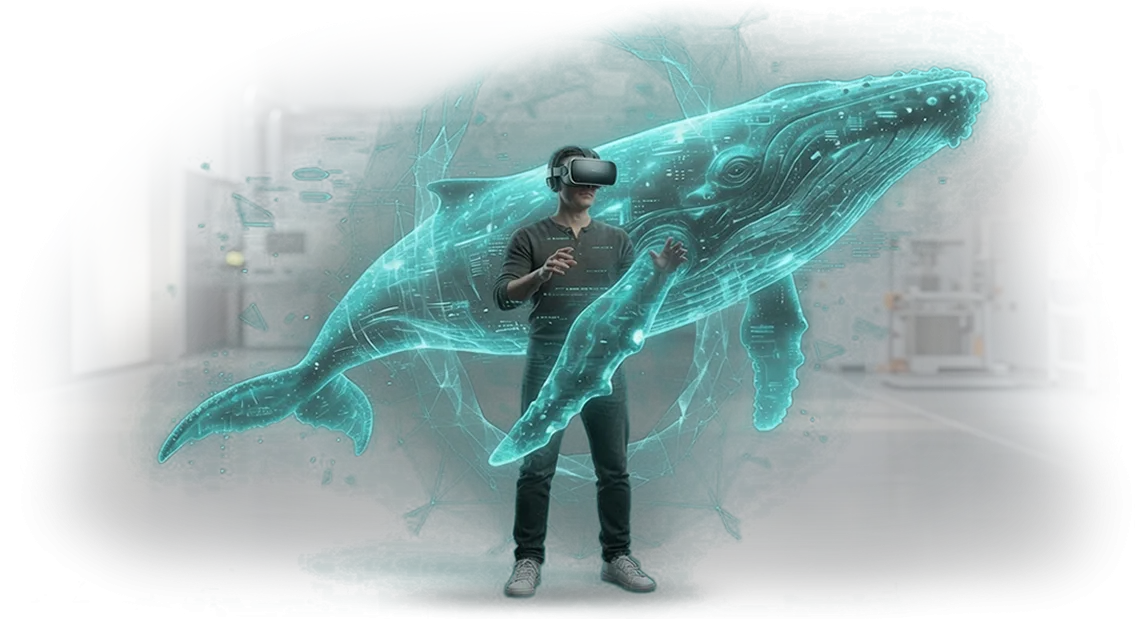
טרנספורמציה דיגיטלית בתעופה היא לא טרנד אופנתי אלא דרישת שוק. פתרונות VR/AR/MR סוחפים, כולל אפליקציות ל-Apple Vision Pro, מאפשרים להראות את תא הנוסעים של העתיד, להכשיר צוות אוויר ולמדמות שירות לפני שהמטוס בכלל נכנס לפעולה.
גישה זו מפחיתה טעויות בהתחלה, מאיצה השקת תוכניות חדשות ונותנת ללקוח ביטחון בבחירת החברה שלכם.
אנחנו סוגרים את הפער הזה: אנחנו מפתחים פתרונות סוחפים במפתח סגור שמשתלבים בזרימת העבודה שלכם — מסיורים אינטראקטיביים בתא הנוסעים ועד מערכות הכשרת צוות מרחוק. החברה שלכם מפסיקה לרדוף אחרי מתחרים ומתחילה לקבוע סטנדרטים חדשים של איכות בתעופה.
טכנולוגיות סוחפות לעסקים: 5 יתרונות מרכזיים
בתעופה, טעויות עולות ביוקר: השבתות, הכשרות חוזרות, חוזים אבודים. טכנולוגיות סוחפות המבוססות על Apple Vision Pro הופכות תהליכים לתרחישים ניתנים לניהול, שבהם כל צעד נראה ובטוח.
זה לא גחמה חולפת אלא כלי עבודה שמקצץ עלויות ומגביר תחרותיות. חברות שכבר משתמשות במחשוב מרחבי רואות תוצאות מדידות בתוך החודשים הראשונים.
- גידול במעורבות לקוחות. במקום מצגות שטוחות — מודלים תלת-ממדיים של מטוסים, פנים ותאים. הלקוח רואה את המוצר בקנה מידה מלא ומקבל החלטות מהר יותר.
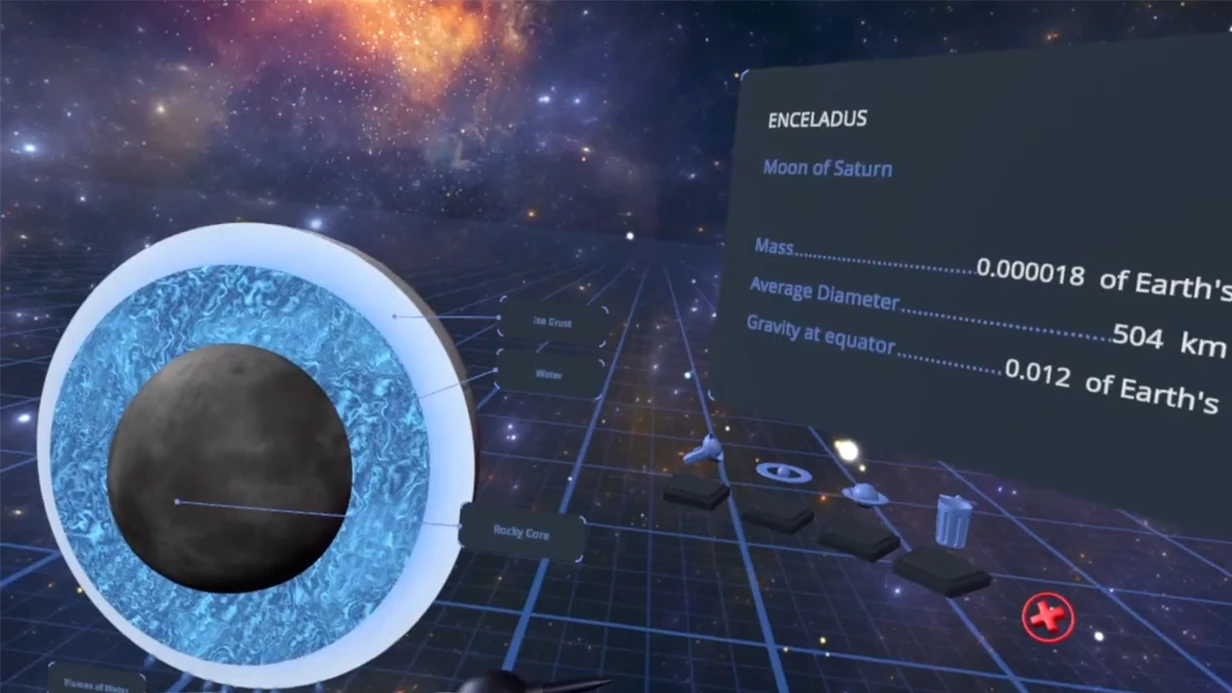
- הפחתת עלויות הכשרה. סימולטורים של מציאות מדומה מחליפים מתקנים יקרים וטיסות. הצוות מתרגל מיומנויות בסביבה בטוחה ללא שריפת דלק או צריכת משאבים.
- הכנת צוות מהירה יותר. נהלים מורכבים נלמדים פי 2-3 מהר יותר בזכות בהירות וחזרתיות. עובדים חדשים מגיעים למיומנות עבודה תוך שבועות, לא חודשים.
- הגברת הכרת המותג. מצגות מונעות טכנולוגיה בתערוכות ובמשא ומתן מבדלות חברה. המשתתפים זוכרים את החוויה האינטראקטיבית ומדברים עליה — זה חשיפה חינמית.
- בטיחות והפחתת סיכונים. תרחישי חירום מתורגלים בסביבה וירטואלית. עובדים צוברים ניסיון ללא סיכון לחיים או לציוד.
אנחנו משלבים תרחישים אלה בתהליכים קיימים ותומכים בתוצאות לאחר ההשקה — מהבריף הראשון ועד תחזוקה שוטפת.
פורמטי פיתוח למשימות תעופה
בתעופה, תוצאות תלויות במהירות ובדיוק שבו אנשים תופסים תהליכים מורכבים. מצגות והוראות מסורתיות לא משיגות את האפקט הנדרש — מידע נשכח, וטעויות עולות ביוקר.
לכן אנחנו מפתחים אפליקציות למשימות תעופה בשלושה פורמטים עיקריים: הכשרה, מצגות וסיורים אינטראקטיביים. כל אחד מהם נותן מענה לצורך עסקי ספציפי — מהכנת צוות ועד הדגמות מוצר ללקוחות.
| פורמט | למי | מה זה נותן לעסק |
|---|---|---|
| אפליקציות הכשרה | טייסים, מהנדסים, צוות קרקע | זמן הכנה קצר יותר, שליטה עקבית בנהלים, הפחתת סיכון לטעויות |
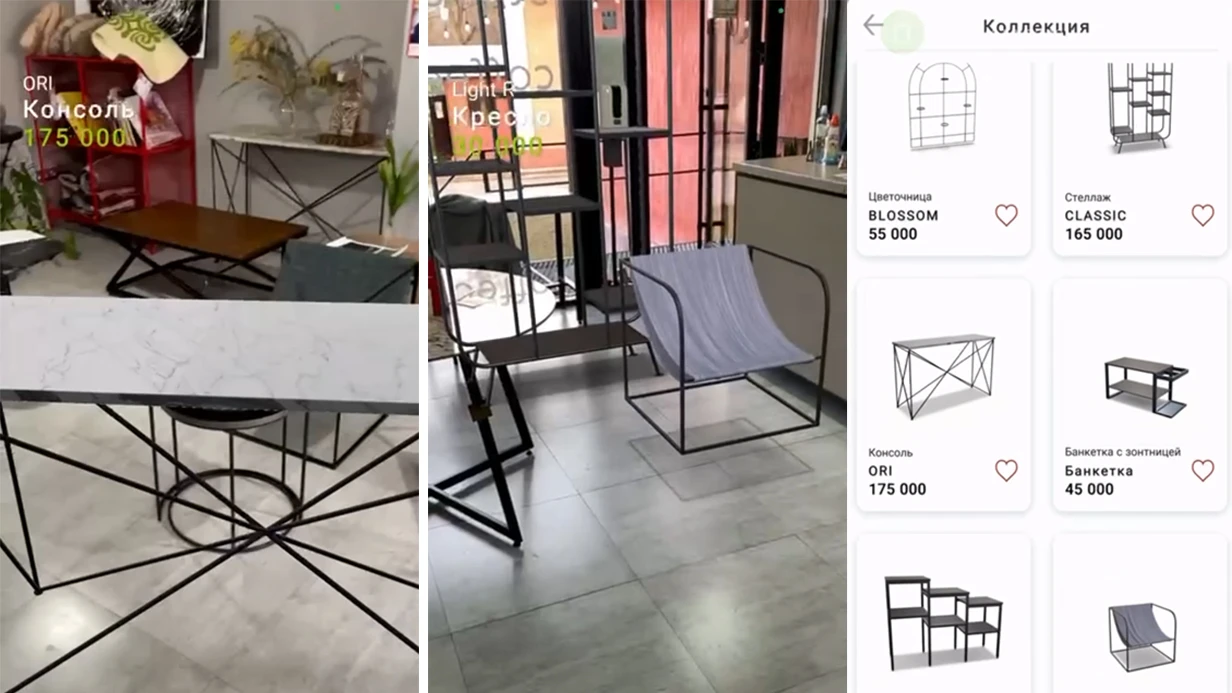
| סיורים וירטואליים | נוסעים, לקוחות, משקיעים | הכרה רבה יותר, מעורבות עם המוצר לפני רכישה, הגברת נאמנות |
| מצגות אינטראקטיביות | שיווק, מכירות, דוכני תערוכות | הדגמה ויזואלית של יתרונות, קשר מהיר עם קהל, חשיפה נוספת |
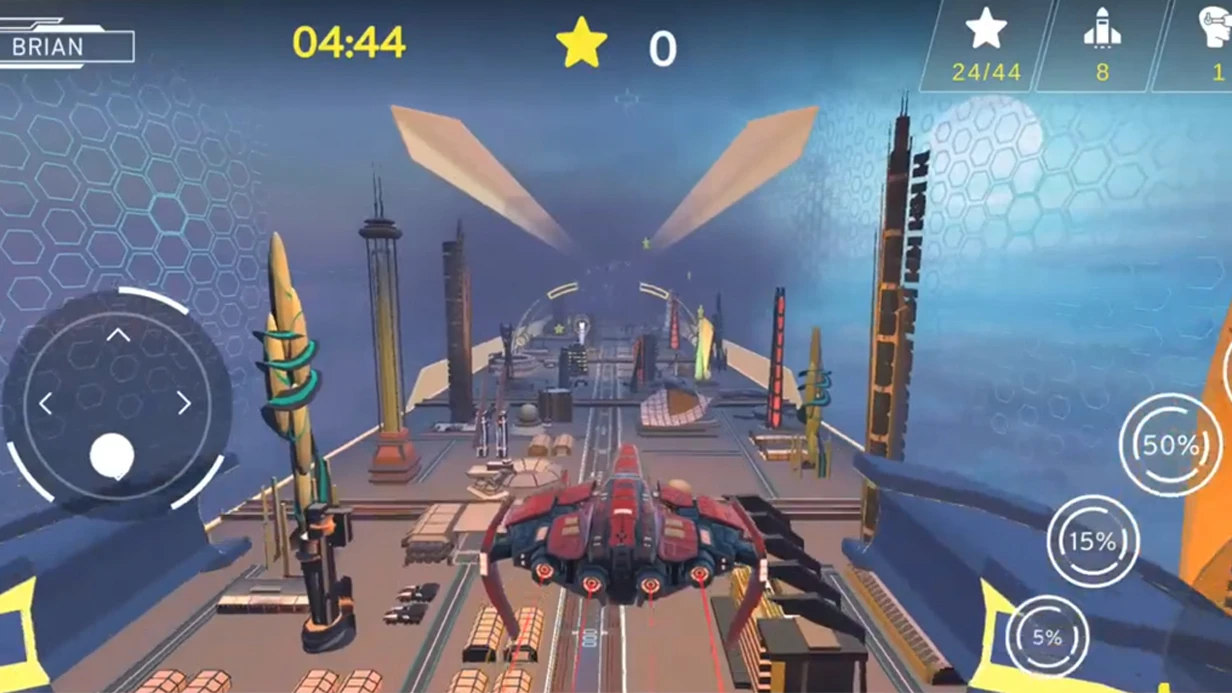
| סימולציית טיסה | מרכזי הכשרה, חברות תעופה | תרגול בטוח של מצבי חירום, הערכה אובייקטיבית של מיומנויות |
אנחנו בוחרים את הפורמט למשימה שלכם ומשלבים אותם כשצריך — לדוגמה, סיור וירטואלי בתא הנוסעים ניתן להשלים בקלות עם מצגת אינטראקטיבית לשקופיות.
התוצאה היא כלי שעובד בכל שלב: מושך תשומת לב, מאמן ומוביל להחלטה קונקרטית.
שלבי עבודה בפרויקט: מבריף ועד השקה
בתעופה, מחיר הטעות גבוה, ולכן בנינו תהליך שקוף. אתם מבינים מה קורה בכל שלב ורואים את התוצאה מראש. גישה זו מפחיתה סיכונים ומבטלת הפתעות בשלב הסופי.
- בריף. אנחנו מתחילים בלימוד המשימה שלכם: מי ישתמש באפליקציה, אילו פעולות צריך לפשט או להאיץ. אנחנו מפרקים תרחישים — מהכשרת טייסים ועד תחזוקת ציוד.
- אב-טיפוס. אנחנו יוצרים דוגמה אינטראקטיבית של המוצר העתידי. אתם רואים איך נראית הסצנה, איך עובדים מחוות וקול, ויכולים לבצע עריכות לפני שפיתוח יקר מתחיל.
- אישור. אנחנו מסיימים פונקציונליות, עיצוב, לוח זמנים ועלות. אתם מאשרים את האב-טיפוס והתוכנית — ואז עוברים ליישום ללא שינויים בלתי צפויים.
- פיתוח. אנחנו בונים את האפליקציה באמצעות כלים מקצועיים, כולל Apple Vision Pro. אנחנו מציגים גרסאות ביניים מעת לעת כדי שתוכלו לראות התקדמות.
- השקה. הפתרון המוגמר מותקן על המכשירים שלכם ומשולב עם המערכות הפנימיות שלכם. אנחנו מאמנים עובדים ומוסרים תיעוד.
- תמיכה. אנחנו נשארים בקשר לאחר ההשקה: מעדכנים את האפליקציה למשימות חדשות, מתקנים הערות ומשפרים פיצ'רים ככל שהפרויקט שלכם גדל.
מה כלול בתוצר: חבילה מלאה לפרויקט שלכם
כשאתם מזמינים פיתוח אפליקציית VR לתעופה, חשוב להבין: אתם לא מקבלים "סרטון הדגמה" אלא כלי עבודה למשימות שלכם.
לכן התוצר כולל כל מה שצריך כדי להשיק, להשתמש ולהגדיל את הפרויקט עם הצוות שלכם — ללא הפתעות נסתרות או אישורים מיותרים.
החבילה מורכבת לצרכי מפעל תעופה: ממחלקות הנדסה ועד הכשרת טייסים וחטיבות צוות קרקע.
תוכן מלא של התוצר
- קוד מקור של הפרויקט — אתם הבעלים המלאים של הפתרון, לא תלויים בקבלן, ויכולים לפתח את המוצר עם הצוות שלכם או להביא כל מפתח.
- תיעוד — הוראות ברורות להתקנה, הגדרה ותפעול: המנהל או המהנדס שלכם יכולים להתעדכן ללא תקופת הכשרה ארוכה.
- הכשרת צוות — אנחנו מקיימים מפגשים מעשיים לצוות שלכם כדי שישתמשו באפליקציה בביטחון לפני ההשקה הרשמית. אתם צוברים מומחיות במקום "לשלם על כל הבהרה."
- תמיכה טכנית — אנחנו זמינים לאחר מסירת הפרויקט, עוזרים בעדכונים ושיפורים כשהתהליכים או דרישות התעשייה שלכם משתנים.
- חומרים מתודולוגיים — המלצות לשילוב פתרונות VR/AR בתקנות ההכשרה או הנהלים ההנדסיים שלכם.
חבילה זו נותנת מענה לפחד המרכזי של כל מנהל: "נישאר לבד עם טכנולוגיה לא מוכרת." אתם מקבלים לא רק אפליקציה אלא מערכת מוכנה שהצוות שלכם יכול להשתמש בה, להרחיב ולתחזק באופן עצמאי.
מקרה בוחן: הגברת יעילות והפחתת עלויות
לתעשיית התעופה, מחיר הטעות גבוה במיוחד: כל שעת השבתת מטוס היא יקרה ביותר, והכשרת צוות אורכת שבועות.
פיתחנו פתרון Apple Vision Pro לחברת אחזקות תעופה גדולה, Vector-Avia, כדי לקצץ עלויות ולשפר את יעילות הצוות.
לפני תחילת הפרויקט, חקרנו את הבעיה: מהנדסים ומפעילים בילו זמן משמעותי בלימוד הוראות נייר ובעבודה עם סימולטורים יקרים. הכשרת עובד חדש ארכה עד שלושה שבועות, וטעויות תחזוקה קטנות הובילו לעיכובי טיסות. הלקוח היה זקוק לכלי שיאיץ את הכנת הצוות ויסיר פעולות מיותרות.
יצרנו אפליקציה אינטראקטיבית שמראה את מבנה רכיבי המטוס ממש במקום העבודה ומדריכה עובדים שלב אחר שלב בפעולות שגרתיות. במקום ספר לימוד או סימולטור — תרחישים דיגיטליים ויזואליים המשולבים בסביבת העבודה האמיתית. הצוות רוכש מיומנויות מהר יותר, ומהנדסים מקבלים תזכורות בדיוק כשהם צריכים אותן.
התוצאות מדברות בעד עצמן. בששת החודשים הראשונים, זמן הקליטה של עובדים חדשים הופחת ב-30%, וההוצאות על תיעוד נייר והשכרת סימולטורים ירדו ברבע.
הפרויקט החזיר את ההשקעה תוך ארבעה חודשים, והלקוח הרחיב את המערכת למחלקות אחרות. ההזמנה החוזרת הייתה האישור הטוב ביותר ליעילות.
מקרה בוחן זה מראה בבירור כיצד טכנולוגיות AR/VR הופכות לערך עסקי מדיד. אנחנו מוכנים לפתח תרחיש דומה למשימה שלכם — בין אם זה הכשרת צוות טיסה, תמיכה למהנדסים או ויזואליזציה של תהליכים טכניים. התוצאה: השקה מהירה, עלויות נמוכות יותר והחזר השקעה בטוח.
איך לבחור את הפורמט הנכון למשימה שלכם?
בחירת פורמט מתחילה לא בטכנולוגיה אלא במטרת הפרויקט. בתעופה, אותה משימה — הכשרה, תחזוקה, מצגת — ניתנת לפתרון עם כלים שונים.
אז קודם כל אנחנו קובעים את התוצאה שהלקוח צריך: להפחית את זמן הכנת הצוות, להפחית טעויות תיקון או להרשים את הלקוח.
קריטריוני הבחירה העיקריים הם מטרה, תקציב ולוח זמנים. אם אתם צריכים לבדוק רעיון במהירות או להראות קונספט למשקיעים, פורמט קל ללא אינטגרציה עם המערכות שלכם יספיק.
להכשרה שוטפת ותרגול חירום, אפליקציית VR מלאה מחזירה את ההשקעה דרך חיסכון בסימולטורים והפחתת טעויות אנוש.
קנה המידה של הקהל חשוב גם הוא. אפליקציה ל-Apple Vision Pro נבחרת כשנדרשים פירוט מקסימלי ועבודה עם מודלים תלת-ממדיים בקנה מידה אמיתי — לדוגמה, בעיצוב תא טייס או תחזוקה מורכבת.
להכשרה המונית של עובדים בערים שונות, פתרון לטאבלטים ומשקפיים שעובד על כל מכשיר הוא יעיל יותר.
לוחות זמנים צפופים גם מצמצמים את האפשרויות: תרחישים ותבניות מוכנים מושקים מהר יותר מפיתוח מאפס. אנחנו מתאימים את עומק העבודה — מאב-טיפוס ועד גרסת ייצור — כדי לעמוד בלוח הזמנים מבלי לשלם יותר מדי על מורכבות מיותרת.
השורה התחתונה פשוטה: בייעוץ, אנחנו שואלים על מטרות, אילוצים והחזר צפוי על השקעה, ואז מציעים פורמט שפותר את המשימה במסגרת התקציב ולוח הזמנים. אתם מקבלים כלי עבודה, לא טכנולוגיה לשם הטכנולוגיה.
חששות נפוצים של לקוחות: תשובות כנות
לקוחות בתעשיית התעופה רגילים לדרישות מחמירות: בטיחות, אמינות, דיוק. אז זה טבעי שבהזמנת אפליקציית Apple Vision Pro עולות ספקות — מהשאלה אם נעמוד בלוחות זמנים ועד לשאלות סודיות.
אנחנו מדברים בכנות: ללא ניסיון, פרויקטים כאלה הם מסוכנים, אבל עם הצוות שלנו אתם מקבלים תוצאה צפויה. להלן תשובות לארבע השאלות הנפוצות ביותר.
האם תעמוד בלוחות הזמנים שלנו?
לוחות הזמנים קבועים בחוזה ומחולקים לשלבים עם תוצרים ברורים. בהתחלה, אנחנו מנתחים את התהליכים שלכם כדי להעריך את משך הזמן בצורה ריאלית — ללא הבטחות "מתוחות".
רקורד העבודה שלנו בפרויקטי תעופה מאפשר לנו לתכנן ללא עיכובים ולמצוא דרכים להאיץ.
אילו ערבויות אתם נותנים?
אנחנו מבטיחים ביצועים יציבים של האפליקציה לאחר השחרור ומעגנים זאת בחוזה. אנחנו עובדים באיטרציות: אתם רואים גרסאות ביניים ושולטים בכל שלב. אם מתעוררות בעיות בבדיקות, אנחנו מתקנים אותן במסגרת ההיקף ולוח הזמנים המוסכמים.
עד כמה הפתרון שלכם בטוח לתעשיית התעופה?
אנחנו מבינים שבתעופה, בטיחות פירושה גם בטיחות פיזית של טייסים ונוסעים וגם הגנת נתונים. אנחנו מיישמים שיטות אבטחת מידע סטנדרטיות בתעשייה, מגבילים גישה לנתונים סודיים ובונים תרחישי גיבוי. לפני הפריסה, אנחנו בודקים בסביבה קרובה לתנאי הפעלה אמיתיים כדי לבטל סיכונים.
האם האפליקציה תואמת לציוד שלנו?
האפליקציה מפותחת עבור מכשירי Apple Vision Pro שלכם ומשתלבת בצורה חלקה עם המערכות הפנימיות שלכם. אנחנו מטפלים באינטגרציה עם תשתית ה-IT הקיימת שלכם — מערכות על-קרקעיות, סימולטורים, מאגרי נתונים פנימיים. לפני ההשקה, אנחנו מוודאים תאימות על מכשירים אמיתיים כדי שלא תיתקלו בהפתעות.
אם עדיין יש לכם ספקות — שאלו אותנו ישירות: נענה בכנות וללא שיווק מוגזם.מוכנים לדון בפרויקט שלכם? השאירו פנייה
טייסים ומהנדסים זוכרים מה הם רואים, לא מה שהם קוראים במדריכים. אם העובדים שלכם יכולים להתאמן רק על סימולטורים אמיתיים ולפגוש מצבים נדירים, כל שעת השבתה עולה ביוקר.
אפליקציות Apple Vision Pro הופכות תהליכים מורכבים לתרחישים בטוחים: עובד חדש לומד ציוד ללא סיכון, ומנוסה מתרגל מצבי חירום ללא טיסה.
בואו נדון כיצד Vision Pro פותר אתגר ספציפי לחטיבת התעופה שלכם — מהכשרה ועד בדיקות לפני טיסה. השאירו פנייה: בייעוץ, נבחן את התהליך שלכם ונחשב את עלות הפרויקט תוך 2-3 ימי עסקים.
מה תקבלו בפגישה הראשונה
- ניתוח המשימה שלכם מנקודת מבט של תוצאות — היכן VR/AR באמת חוסך לכם זמן וכסף, והיכן לא נדרש.
- הערכת עלות ולוח זמנים ראשונית לקנה המידה שלכם: תוכנית אחת או ספריית תרחישים שלמה.
- המלצות פורמט: טבילה מלאה לתרגול מיומנויות או מציאות רבודה לשליטה באתר.
- דוגמאות מתעופה: כיצד עמיתים בתעשיות קשורות כבר משתמשים בפתרונות דומים.
- תוכנית צעדים ברורה — מה נדרש מהצוות שלכם ומה אנחנו לוקחים על עצמנו.
הייעוץ מועבר על ידי מהנדס עם ניסיון בפרויקטי תעופה — תדברו באותה שפה מיד, ללא "תרגום מטכני לאנושי." ללא מצגות מופשטות: רק המצב שלכם ופרטים קונקרטיים.
השאירו פנייה — נחזור אליכם תוך יום עסקים אחד, נסכים על שעת פגישה ונתכונן אליה. זה לגמרי לא מחייב, אבל תקבלו תמונה ברורה ואת המספרים הדרושים להחלטה.