



פיתוח אפליקציות VR AR: לקוחות עוברים למי שכבר מציג את המוצר בפעולה
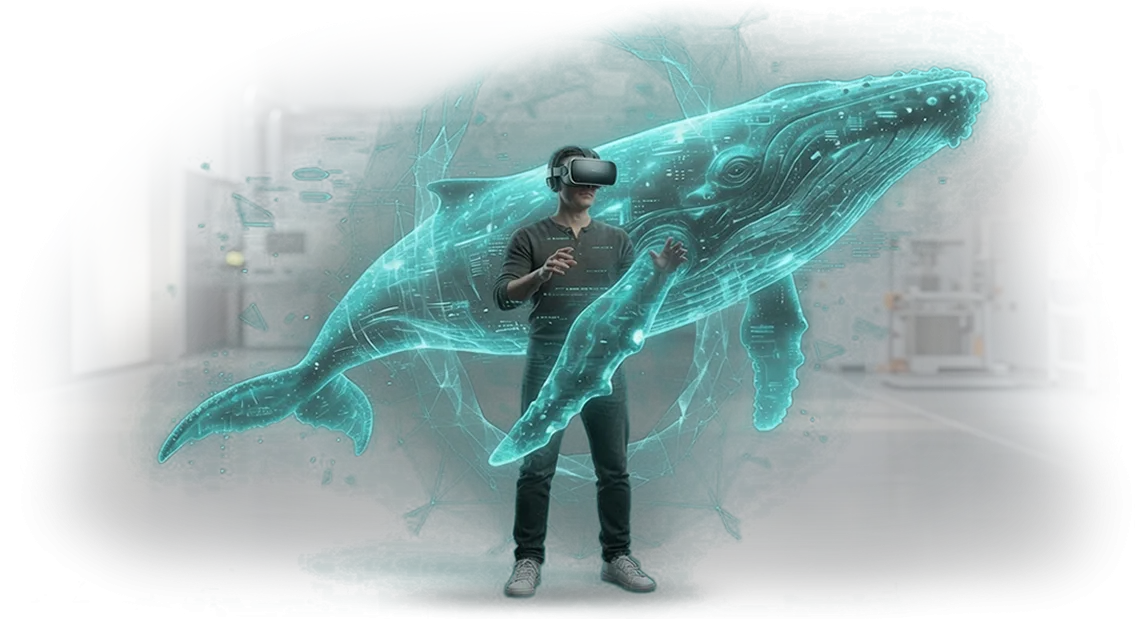
בזמן שהלקוח מדפדף בקטלוג או צופה במצגות, הוא מקבל את ההחלטה בראש — וכמעט תמיד דוחה אותה. דבר אחר לגמרי הוא כשהוא עצמו חובש משקפיים ורואה את המוצר שלכם בפעולה: מרכיב תצורה, נכנס פנימה, משווה אפשרויות.
פיתוח אפליקציות VR AR פותר בדיוק את המשימה הזו — הופך את הסיפור על המוצר לחוויה אישית, שאחריה הבחירה הופכת למובנת מאליה.
אפליקציות מציאות מדומה לעסקים כבר הפסיקו להיות ניסוי של תאגידים גדולים. סוחרי רכב נותנים ללקוח "לשבת" במכונית שאינה באולם התצוגה, יצרנים מציגים ציוד בפעולה, יזמי נדל"ן — את המתקן העתידי לפני תחילת הבנייה.
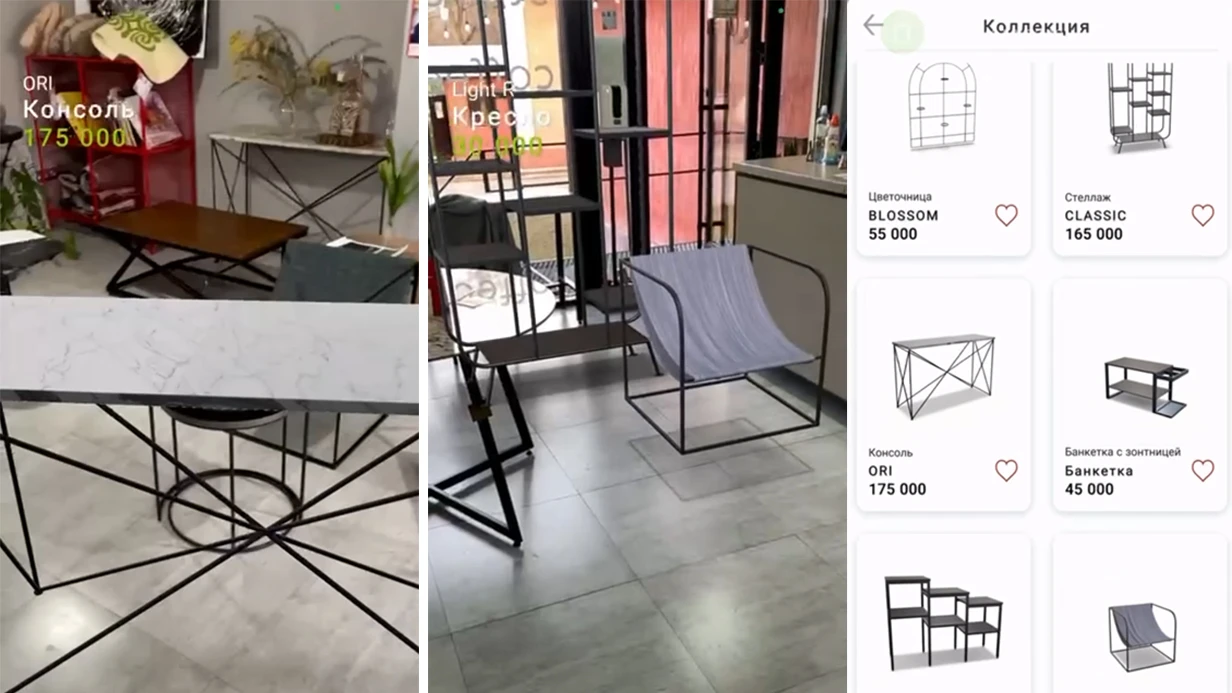
מציאות רבודה ללקוחות עובדת גם בטלפון: הקונה מכוון את המצלמה ורואה כיצד המוצר ישתלב בחלל שלו או באתר. במקום שבו בעבר היה צורך בדגם תצוגה ובלוגיסטיקה, כיום מספיק קישור.
מצגת מוצר אימרסיבית משנה לא רק את הרושם, אלא גם את הכלכלה של המכירה. הלקוח פחות יוצא "לחשוב", מאשר תצורה מהר יותר, ופחות החזרות, כי הוא ראה מראה אמיתי ולא רינדור בחוברת. המוכר מפסיק להיות מספר סיפורים והופך למורה דרך — וזו כבר רמה אחרת של אמון וסכום עסקה אחר.
אנחנו סוגרים את המשימה הזו מהיסוד עד הסוף: מתעמקים במוצר שלכם ובתרחיש המכירה, בונים חוויה למשקפיים ולטלפון, ומביאים אותה למצב שאפשר להציג ללקוח בלי שהמהנדס שלכם יהיה לידו. עובדים על ציוד מקצועי וכלים מכוילים — אתם מקבלים תוצאה יציבה שלא מתפרקת בפגישה עם הלקוח המרכזי.
מה העסק מקבל מאפליקציה אימרסיבית
אפליקציה אימרסיבית היא לא "צעצוע יפה" לתערוכה, אלא כלי עבודה שפותר משימות עסקיות מוגדרות: מביא אנשים, מחזיק את תשומת הלב שלהם והופך עניין לפניות. להלן חמש התועלות העיקריות שלקוחות מציינים לרוב.
מעורבות לקוחות. באפליקציה רגילה או באתר אדם מבלה שניות, באימרסיבית — דקות. הוא בוחן את המוצר מכל הכיוונים, "מודד" אותו, עובר את התרחיש עד הסוף. ככל שאדם מקיים אינטראקציה זמן רב יותר וברצון רב יותר, כך גדל הסיכוי שהוא יזכור את המותג ויחזור.
חשיפה ומודעות למותג. אפליקציה אחת עובדת בו-זמנית במספר זירות: שואורום, תערוכה, משרד מכירות, אתר עצמאי. כל מבקר משתף את ההתרשמות עם סביבתו — כך המודעות גדלה ללא השקעות נוספות בפרסום.
גידול בלידים. בתוך האפליקציה אפשר להוביל את האדם בעדינות לפעולה הרצויה: להשאיר פנייה, להירשם לנסיעת מבחן, לבקש הצעת מחיר. העניין נוצר כאן ועכשיו, ולכן ההמרה ליצירת קשר גבוהה באופן ניכר מאשר במצגות קלאסיות.
קיצור מחזור העסקה. הלקוח מבין מהר יותר מה בדיוק הוא מקבל: מוצר או שירות מורכב ניתן להציג באופן חזותי, ולא לתאר במילים. פחות פגישות הבהרה ותיקונים — ההחלטה מתקבלת מוקדם יותר.
יתרון מול מתחרים. בעוד שאחרים מציגים חוברות ושקופיות, אתם נותנים חוויה שאי אפשר להעתיק מתמונה. זה מבדיל אתכם במכרזים, במשא ומתן ובעיני שותפים.
אנחנו מפתחים אפליקציות כאלה בהתאם למשימה העסקית ולוקחים על עצמנו את כל הדרך — מרעיון ועד השקה ותמיכה.
פורמטים לפי משימה: מחלון ראווה ועד סביבה מלאה
הפורמט נבחר לא לפי יופי התמונה, אלא לפי המשימה העסקית. לקוח אחד זקוק ל-AR חלון ראווה שמסביר את המוצר בתוך דקה, לאחר — שואורום אימרסיבי עם קונפיגורציה מלאה, ולשלישי — אפליקציה למשקפיים, שבה העובד עובר תרחיש עבודה עם הציוד. אנחנו מתאימים את הפורמט לתרחיש שלכם, ולא להפך, ואומרים מיד איזו תוצאה הוא יניב.
| פורמט | למי מתאים | מה נותן ללקוח |
|---|---|---|
| AR חלון ראווה | שיווק, תערוכות, נקודות מכירה | המוצר "מתעורר לחיים" על מסך הטלפון או המשקפיים: המבקר בונה בעצמו את הקונפיגורציה ויוצא עם פתרון מוכן |
| שואורום אימרסיבי | מותגי רכב, סוכנויות, חברות תעשייה | הלקוח עובר באולם או בבית המלאכה בלי לנסוע: רואה גרסאות, צבעים, מכלולים ומקבל החלטה מהר יותר |
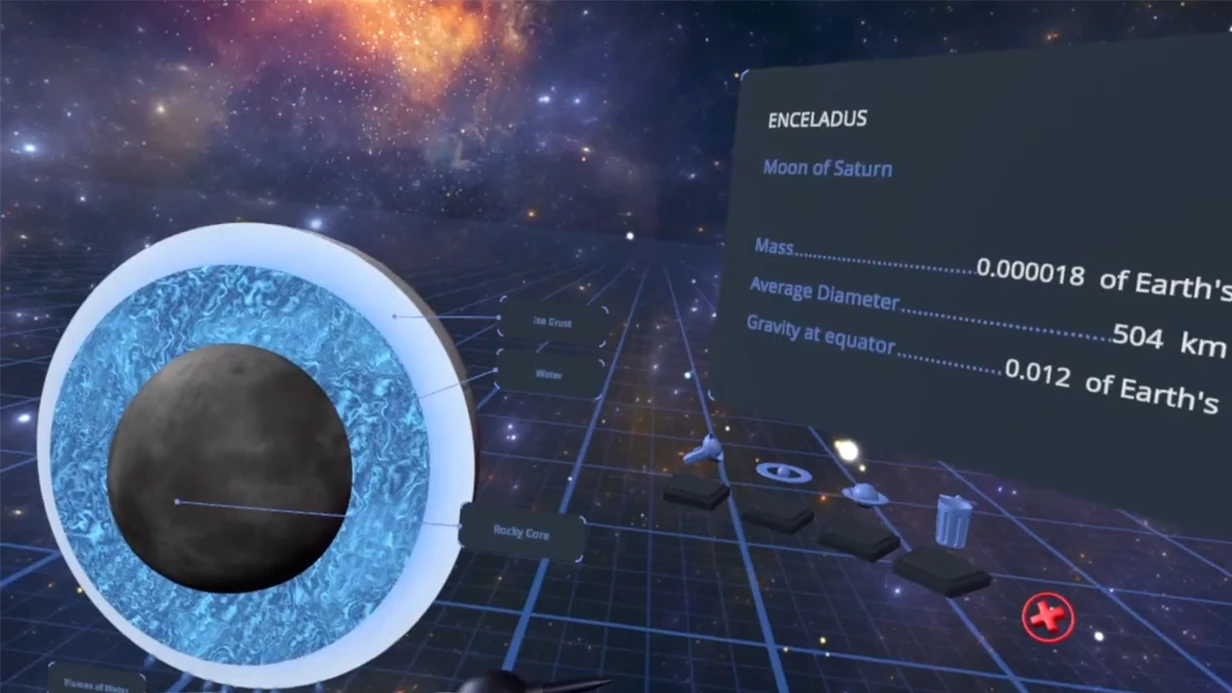
| תרחיש הדרכה במשקפיים | ייצור, שירות, הכשרת עובדים | עובד חדש מתרגל פעולות על ציוד וירטואלי — טעויות לא עולות בזמני השבתה ובפסולים |
| קונפיגורטור וירטואלי | מחלקות מכירות, כיוון B2B | הלקוח בונה את ההזמנה בעצמו, והמנהל מקבל בקשה מוכנה עם פרמטרים |
| סביבת מצגת לאירועים | צוותי אירועים, השקות מוצרים | האזור אוסף תור ואזכורים: האורחים חולקים את החוויה, והחשיפה גדלה בלי תוספת תשלום על פרסום |
פורמטים של אפליקציות VR נבדלים לא ב"פיצ'רים מתקדמים", אלא בכמה שלבים הלקוח עובר עד להחלטה. חלון הראווה סוגר את שלב ההיכרות, השואורום — את הבחירה, ותרחיש ההדרכה — את המיומנות.
לעתים קרובות השילוב עובד הכי חזק: חלון הראווה מביא את האדם, השואורום עוזר לבחור, והאפליקציה למשקפיים מקבעת את התוצאה אצל העובדים.
התחלנו מפורמטים בודדים ואנחנו רואים כיצד לקוחות חוזרים לפורמט שני ושלישי — כי הראשון כבר מביא תועלת מדידה: יותר פניות מוסמכות, מחזור עסקה קצר יותר, פחות טעויות אצל הצוות. נדון במשימה שלכם — נציע פורמט שיחזיר את ההשקעה, ולא רק יעשה רושם במצגת.
איך עובר הפרויקט: מהמשימה ועד ההשקה
התהליך בנוי כך שבכל שלב תבינו מה קורה ולמה. בלי "קופסאות שחורות": אתם רואים את ההתקדמות, משפיעים על ההחלטות ומקבלים תוצאה שאפשר להראות להנהלה ולשותפים.
- תדרוך ומטרות. דנים במשימה במונחים שלכם: מה צריך להשתנות — מודעות לדגם, המרה לנסיעת מבחן, מעורבות בתערוכה. מגדירים את קהל היעד, תרחיש השימוש ומדדי ההצלחה.
- תוכנית ואומדן. חוזרים עם תוכנית עבודה, לוחות זמנים והרכב הצוות. אתם מאשרים את ההיקף לפני ההתחלה — בלי הפתעות במהלך הדרך.
- אישור הקונספט. מציגים את התרחיש והסטוריבורד: איך המשתמש עובר את החוויה, מה הוא רואה ומה הוא עושה. תיקונים בשלב הזה עולים הכי פחות.
- בניית האפליקציה. המהנדסים שלנו בונים את המוצר על ציוד מקצועי המותאם למכשירי היעד. אתם מקבלים גרסאות ביניים ורואים איך הפרויקט מתעורר לחיים.
- בדיקות על משתמשים אמיתיים. בודקים את התרחיש על קבוצת מיקוד: היכן אובדת הקשב, מה לא ברור, היכן החוויה נחלשת. מתקנים לפני ההשקה, לא אחריה.
- השקה. מפרסמים את האפליקציה, מכינים הוראות לצוות ומלווים את ההצגה הראשונה. הצוות שלכם מעביר מצגות בביטחון מהיום הראשון.
- תמיכה לאחר ההשקה. מעדכנים תוכן בהתאם לדגמים ולאירועים חדשים, עוקבים אחר היציבות ומכניסים שיפורים לפי משוב. האפליקציה לא מתיישנת אחרי חודש.
סדר כזה מאפשר להשיק אפליקציה אימרסיבית בזמן ובלי עיבודים מחדש. אנחנו נשארים בקשר גם אחרי המסירה — אתם לא נשארים לבד עם המוצר.
מה ייכלל באספקה
אתם מקבלים לא אוסף קבצים והוראות, אלא מוצר עובד שאפשר להראות לעמיתים, לשותפים וללקוחות כבר ביום הראשון. להלן מה בדיוק נכלל באספקה ולמה כל סעיף נחוץ לכם כראש תחום.
- אפליקציה מוכנה למשקפי מציאות מעורבת: בנויה, נבדקה בתרחישים אמיתיים ומוכנה להדגמה. אתם פותחים אותה ומדגימים, ולא מסבירים "איך זה ייראה".
- ספריית תרחישים — קונפיגורטור לרכב, שואורום וירטואלי, פירוק מכלולים ויחידות, הדרכת עובדים. אפשר לשנות ולהוסיף תרחישים עבור דגמים ומשימות חדשים בלי לבנות את המוצר מחדש מאפס.
- פאנל ניהול תוכן: הצוות שלכם מעדכן בעצמו דגמים, טקסטים, צבעים ומסלולי תצוגה — בלי לפנות למפתחים על כל תיקון.
- הדרכת הצוות: מקיימים שיעורים מעשיים עם העובדים שלכם — מהדגמה ועד לניהול עצמאי של התרחישים. לאחר ההדרכה נשארת לכם מומחיות פנימית, ולא תלות בקבלן חוץ.
- תיעוד: הוראות ברורות להפעלה, להגדרה ולעדכון — למי שיעבוד עם האפליקציה מדי יום.
- אחריות על האפליקציה: קובעים את תקופת התמיכה ומטפלים בתקלות במסגרת ההסכמות. אתם מוגנים לא בהבטחות, אלא בהתחייבויות.
- זכויות על התוצאה: האפליקציה והתוכן נשארים שלכם — אתם מחליטים כיצד להשתמש בהם ללא הגבלות.
מערך כזה סוגר את הסיכון המרכזי של המזמין: המוצר עובד, הצוות יודע להשתמש בו, והתמיכה לא מסתיימת ביום המסירה. תארו את המשימה — נחזור עם הערכה, הרכב האספקה ותוכנית עבודה.
קייס: כיצד אפליקציה אימרסיבית שינתה את תצוגת המוצר
הלקוח — יצרן רכב עם מחזור מכירה ארוך: הלקוח מגיע לאולם התצוגה, אך קשה באמת "לחוות" את הרכב, במיוחד גרסאות שאינן במלאי. הקונה הולך לחשוב, ואיתו הולכת גם העסקה. לקחנו על עצמנו לסגור בדיוק את הפער הזה — להפוך את תצוגת הרכב לאימרסיבית ומשכנעת.
מה עשינו
בנינו אפליקציה לתצוגה אימרסיבית של הרכב: הלקוח חובש מכשיר ומוצא עצמו בתוך תא הנוסעים, מחליף צבע, ריפוד, גלגלים ואופציות ישירות בדיאלוג עם המנהל. המנהל מוביל את התצוגה, ולא מדפדף בקטלוג — השיחה עוסקת בבחירה, ולא במלאי. אנחנו עובדים על ציוד מקצועי, ולכן התמונה יציבה ואינה מסיחה את הדעת מהשיחה.
התוצאה במספרים שחשובים לעסק
לאחר השקת התצוגות עלו מדדי המעורבות: המבקרים בילו באזור התצוגה זמן רב יותר באופן ניכר מאשר בעמדה רגילה, ושיעור אלה שהגיעו לנסיעת מבחן גדל. העיקר — מחזור העסקה התקצר: הלקוח קיבל החלטה לגבי הגרסה מהר יותר, כי ראה את תוצאת הבחירה מיד, ולא לאחר שבועות של המתנה.
את הפרויקט עבור מותג רכב אירופי אנחנו ממשיכים לפתח — הלקוח חזר עם הרחבה לדגמים חדשים. עבורנו זה המדד הטוב ביותר: התוצאה של פרויקט ar התבררה כמורגשת עד כדי כך, שהתצוגה הפכה לחלק מעבודה שוטפת עם לקוחות, ולא לפעולה חד-פעמית.
כיצד לבחור את הפורמט המתאים למשימה?
התחילו בשאלה "מה האדם צריך לעשות לאחר המפגש עם הפתרון" — היא מסירה את רוב הספקות בבחירת פורמט VR. אם המשימה היא להציג מוצר ולהסיר התנגדויות — די בחלון ראווה אינטראקטיבי: הלקוח מסובב את המודל בעצמו, משנה את התצורה, רואה את הפרט בזווית הרצויה.
אם צריך להעביר קנה מידה, ישיבה, תחושת מרחב — זה כבר שואורום עם הליכה בתוך האובייקט. וכאשר עובד או קונה צריך לעבור תרחיש שלם — הדרכה, קבלת סחורה, הרכבה — מדובר בסביבה מלאה עם לוגיקה ומשוב.
נקודת ציון שנייה — מי ואיפה ישתמש. מבקר בתערוכה יתעכב לכמה דקות, חשובה לו בהירות מיידית והיעדר הוראות. מומחה בייצור או בכיתה עובד זמן רב יותר, וכאן משתלמת העומק: תרחישים חוזרים, תיעוד תוצאה, ניתוח טעויות.
לכן בחירת פתרון אימרסיבי תמיד מתחילה בקהל ובת�רחיש, ולא בציוד — הטכניקה נבחרת בהתאם למשימה, ולא להפך.
קריטריון שלישי — כיצד הפתרון ישתלב בתהליכים שלכם. חלון ראווה חי באתר ובמצגות, שואורום — בחדר ישיבות או בתצוגות מחוץ למשרד, סביבה — בהדרכה ובנהלים פנימיים. מכך תלוי מה יידרש בהמשך: קטלוג מתעדכן, אינטגרציה עם מערכות רישום או דיווח על מעבר. להבין זאת מראש זול יותר מאשר לעשות מחדש לאחר ההשקה.
בפועל הפורמט לעיתים רחוקות "טהור": חלון ראווה מצטבר באלמנטים של שואורום, וההדרכה — בהדגמה אינטראקטיבית של המוצר.
אנו מנתחים את המשימה יחד איתכם, מציגים תרחישים דומים מהפרקטיקה ומציעים פורמט שיניב תוצאה בקהל שלכם — בלי מורכבות מיותרת ובלי לשלם יותר עבור פונקציות שאיש לא ישתמש בהן.
חששות נפוצים של לקוחות
החששות של מנהלים בדרך כלל זהים: "זה יישבר — ומה אז", "מי יתחזק את זה בתוך הצוות", "מתי ההשקעה תחזור". אלו שאלות לגיטימיות, ואנחנו עונים עליהן לפני ההתחלה, לא אחרי ההשקה. להלן מה ששואלים הכי הרבה בפגישות.
מה יקרה אם האפליקציה תישבר אחרי ההשקה?
אף מוצר אימרסיבי לא נשאר ללא השגחה: אנחנו מטמיעים ניטור ועדכונים מהיום הראשון. אם משהו מפסיק לעבוד, לצוות שלכם יש ערוץ תקשורת ברור ונוהל תגובה — בלי לחפש "את המפתח ההוא שעשה את זה". אמינות של פתרון אימרסיבי היא לא היעדר תקלות, אלא זמן צפוי לטיפול בהן.
מי יתחזק את אפליקציית ה-VR בהמשך?
תמיכה באפליקציית VR היא שירות נפרד, ואפשר לקחת אותה מאיתנו, או להעביר אותה לצוות שלכם: אנחנו משאירים תיעוד ומכשירים עובדים. חלק מהלקוחות משאירים אותנו בליווי, כי יוצאים מכשירים חדשים ועדכוני מערכות — צריך להתאים את המוצר אליהם. אתם לא נשארים לבד עם הטכנולוגיה.
כמה מהר מחזיר פתרון AR את ההשקעה?
החזר ההשקעה של AR נמדד לא לפי האפליקציה עצמה, אלא לפי המשימה שהיא פותרת: תצוגות במקום דגמים פיזיים, הדרכת עובדים בלי נסיעות, מצגות בלי לוגיסטיקה. בדרך כלל האפקט נראה כבר במחזורי השימוש הראשונים — הזמן להכנה מתקצר והמעורבות של הקהל עולה. בהתחלה אנחנו עוזרים לנסח לפי אילו מדדים תמדדו את התוצאה.
אם השאלה שלכם לא מופיעה כאן — שאלו אותה ישירות. תארו את המשימה, ונחזור עם הערכה, תוכנית ותשובה כנה היכן פתרון אימרסיבי יעזור, והיכן כלי פשוט יותר יספיק.
נדון במשימה ונחזור עם הערכה ותוכנית
כדי להזמין אפליקציית VR, לא מספיק לתאר רעיון בשתי מילים — נדרש שיחה עניינית, שאחריה יישאר בידיכם תוכנית ברורה, ולא הבטחות כלליות. אנו שואלים שאלות על הקהל שלכם, הפלטפורמה והמשימה, ואז חוזרים עם הערכה של פרויקט אימרסיבי: מה עושים, באיזה סדר, באיזה לוח זמנים ומה תקבלו בסופו של דבר.
מכאן ואילך אינכם מסתכנים בדבר: לפני תחילת העבודה אתם רואים את הרכב הצוות, השלבים ונקודות שבהן ניתן לתקן את המסלול. פיתוח AR למשימה מתחיל רק לאחר שהתוכנית אושרה וההיגיון של כל שלב ברור לכם.
מה תקבלו לאחר הגשת הבקשה:
- ניתוח המשימה וחידוד המטרות — מה צריך להשתנות אצל הלקוחות או העובדים שלכם.
- תוכנית פיתוח עם שלבים, לוחות זמנים ותחומי אחריות.
- הערכה לפי היקף העבודה והרכב הצוות עבור הפרויקט שלכם.
- הצעה לפורמט: אזור הדגמה, סימולטור, שואורום או היברידי.
- אב טיפוס של התרחיש המרכזי, כדי לראות את התוצאה לפני ההרכבה המלאה.
- צוות מהנדסים ומעצבים המוקצה לפרויקט.
- נקודות בקרה שבהן אתם משפיעים על התוצאה, ולא לומדים עליה בסוף.
אנו עובדים מרחוק ובוחרים כלים בהתאם למשימה, ולא להפך. תארו מה ברצונכם להציג או להפוך לאוטומטי — נחזור עם הערכה ותוכנית שאפשר להתקדם לפיה.