



חברות אנרגיה מפסידות חוזים בגלל מצגות משעממות
חברות אנרגיה מפסידות חוזים לא בגלל הנדסה חלשה, אלא בגלל מצגות חסרות ברק לעסקים.
משקיעים ושותפים מקבלים החלטות תוך דקות: אם אי אפשר לראות ולהבין פרויקט במהירות, העניין דועך, והלקוח הולך למי שמדבר בשפת התמונות ולא בשפת הגיליונות האלקטרוניים.
בדיוק בגלל זה קובצי PDF מסורתיים ודיאגרמות שטוחות הופכים לסיבה להפסד במכרזים ולכישלון במשא ומתן.
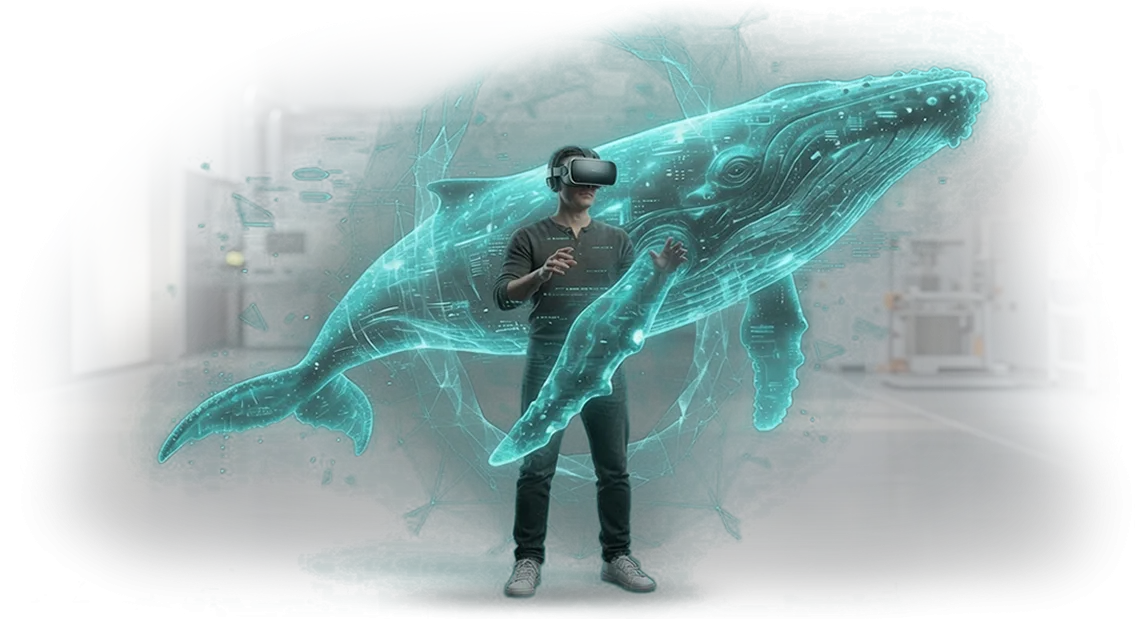
טכנולוגיות אימרסיביות משנות את חוקי המשחק: הן הופכות פתרונות טכניים מורכבים לסיפור תלת-ממדי שאפשר לחוות לפני שהמתקן האמיתי נבנה.
הלקוח ממש נכנס פנימה לתוך תחנת המשנה העתידית, מעריך את ההיקף, הבטיחות והלוגיסטיקה — ומשתכנע ביכולת הקיום של הפרויקט בלי שרטוט אחד.
זו לא רק ויזואליזציה לשם היופי. כאשר מנהל בחברת אנרגיה מראה למשקיע מודל אימרסיבי במקום ערימת מסמכים, המשא ומתן מתקדם מהר יותר, ההתנגדויות מועטות יותר, וערך החוזה נתפס בצורה מדויקת יותר. הלקוח חש בביטחון של הצוות שלך — משהו שאי אפשר להעביר באמצעות שקופיות.
אנחנו עוזרים לחברות אנרגיה לסגור את הפער הזה: אנחנו אורזים פרויקטים בפורמטים אימרסיביים התומכים ב-Vision Pro ובציוד מקצועי אחר. אתה מקבל כלי משא ומתן מוכן שעובד לפני כולם — מהמצגת הראשונה ועד להגנת הפרויקט הסופית.
מה מצגת אימרסיבית נותנת לעסק שלך
מצגת אימרסיבית הופכת הדגמה סטנדרטית לאירוע שהאורחים זוכרים ומדברים עליו.
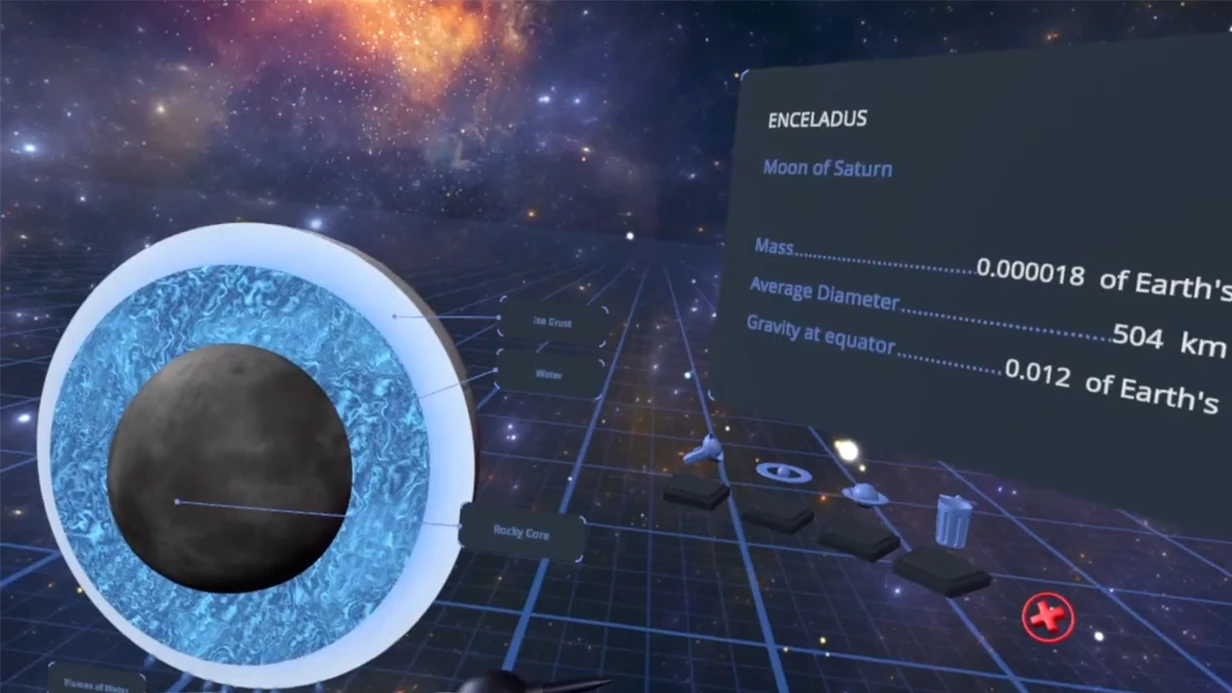
במקום שקופיות עם גרפים — מודלים תלת-ממדיים של מתקני אנרגיה שאפשר לבחון מכל הכיוונים, להסתכל פנימה לתוך מתקן או לראות כיצד זרימות האנרגיה משתנות בעומסים משתנים.
מצגת כזו מחזיקה את תשומת הלב 5–7 דקות יותר מאשר וידאו רגיל ונותנת לאורחים חוויה רגשית שהם ירצו לשתף.
התגובה החיה של הקהל נראית מיד: אנשים ניגשים, שואלים שאלות, מצלמים תמונות וסרטונים. הצילומים האלה עצמם מתפשטים אחר כך ברשתות החברתיות וביישומוני המסרים, ומרחיבים את החשיפה בלי תקציב פרסום נוסף.
כל מבקר הופך לשגריר מותג בהתנדבות, ואזכורים של האירוע ממשיכים לעבוד הרבה אחרי שהוא מסתיים.
לתעשיית האנרגיה זה חשוב במיוחד: פתרונות מורכבים — תחנות משנה דיגיטליות, סימולטורים וירטואליים, מודלי רשת — הופכים לברורים ומובנים אפילו לשותף או משקיע לא מוכן.
מצגת אימרסיבית מסירה את חסם האמון ועוזרת להעביר את ערך המוצר בלי הסברים טכניים ארוכים.
יתרון נוסף הוא לידים ברורים. תרחישים אינטראקטיביים מאפשרים לעקוב אחר אילו פתרונות עוררו את העניין הרב ביותר: האורח בוחר מה לבחון בפירוט רב יותר, והחברה מקבלת אותות מדויקים על הצרכים שלהם.
הנתונים האלה הופכים בקלות לרשימת לקוחות פוטנציאליים למשא ומתן המשך. כך, המצגת עובדת לא רק כמופע, אלא ככלי מכירה מן המניין שמחזיר את ההשקעה כבר באירוע הראשון.
פורמטים של מציאות וירטואלית ורבודה לאנרגיה
מה מתאים למשימה שלך במגזר האנרגיה
פורמטים של פתרונות אימרסיביים לחברות אנרגיה נבדלים לפי תחום היישום: דבר אחד הוא להראות פרויקט למשקיע על טאבלט, ודבר אחר הוא להכשיר צוות במתקן מסוכן.
כדי לא לשלם יותר מדי על פונקציונליות מיותרת, חשוב לבחור פורמט למשימה ספציפית — ממציאות רבודה קומפקטית ועד לחלל וירטואלי מלא המבוסס על Apple Vision Pro.
אנחנו עובדים עם כל רמות האימרסיה ועוזרים לך לבחור את זו שתניב תוצאות מהירות. הטבלה שלהלן מציגה תרחישים אופייניים שבהם חברות אנרגיה פונות אלינו.
| פורמט | למי | מה זה נותן ללקוח |
|---|---|---|
| הדגמה בטאבלט או בסמארטפון | תערוכות, פגישות משקיעים, מצגות פרויקט | מראה בבירור את המתקן לפני הבנייה; אינו דורש ציוד מיוחד |
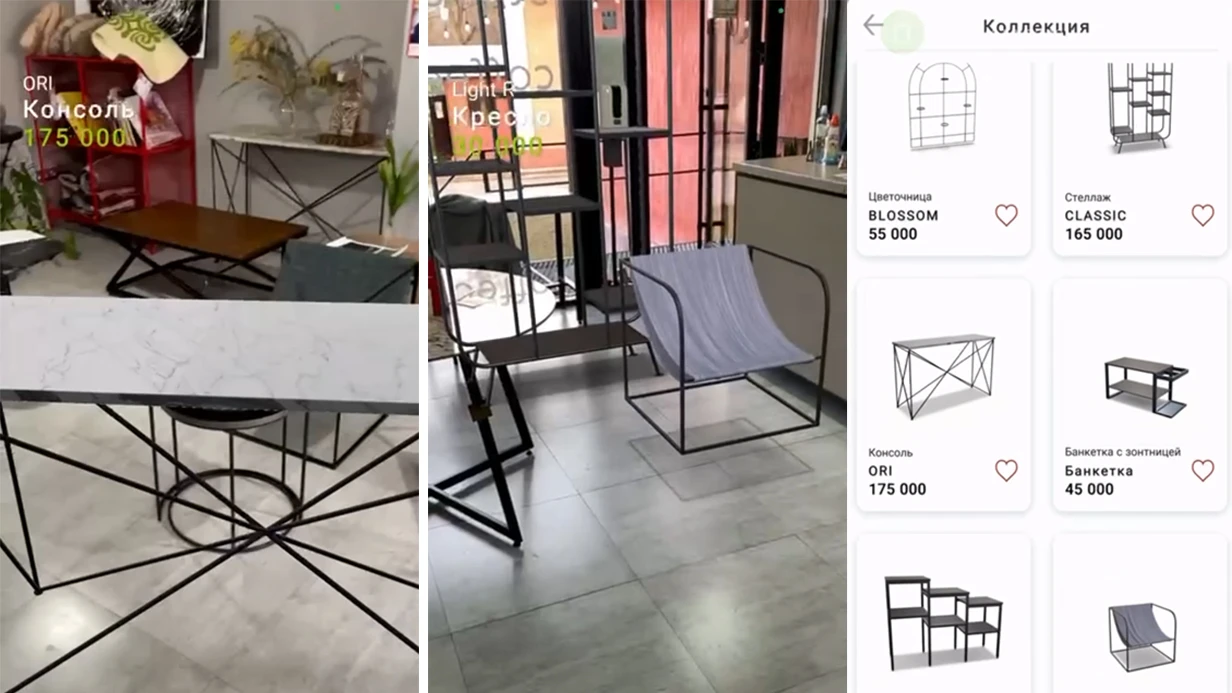
| מציאות רבודה במקום העבודה | מתקינים, צוותי תיקון, צוות תחנת משנה | הוראות שלב-אחר-שלב ישירות על הציוד — פחות שגיאות ופחות זמן קליטה |
| סיור וירטואלי במתקן | הנהלה, קבלת מדינה, דוחות לבעלי מניות | חיסכון בנסיעות עסקים: המתקן זמין לבדיקה מהמשרד, בכל קנה מידה ומכל זווית |
| חלל אימרסיבי מלא המבוסס על Apple Vision Pro | משרדי פרויקט, מרכזי הדרכה, חדרי בקרה | אימרסיה מקסימלית: קבוצות מומחים "בתוך" עותק דיגיטלי של תחנת כוח או צומת רשת |
באיזה פורמט לבחור
למצגות חד-פעמיות, מספיקה גרסת AR קלה על טאבלט. להדרכה שוטפת ולתרחישים מורכבים שבהם חשוב לתרגל פעולות עד כדי אוטומציה, בוחרים במציאות וירטואלית אימרסיבית מלאה.
Apple Vision Pro לוקח את זה לשלב הבא: החלל שמסביב הופך לחלק מהממשק, ומומחים מקיימים אינטראקציה עם אובייקטים דיגיטליים באופן טבעי כמו עם ציוד אמיתי.
אנחנו מנתחים את המשימה שלך ללא תשלום ומציעים את הפורמט שיחזיר את ההשקעה הכי מהר. השאר פנייה — נבחר פתרון שמתאים לתקציב וללוח הזמנים שלך.
איך הפרויקט מתנהל: מהבריף ועד ההשקה
אנחנו עובדים בתהליך שקוף שבו אתה תמיד מבין מה קורה ומה תקבל בכל שלב. אין "קופסאות שחורות" — אחרי הבריף, אתה מקבל תוכנית, לוחות זמנים ונקודות אישור ברורות. משם, אתה שולט בתהליך, ואנחנו לוקחים על עצמנו את היישום וההשקה.
-
בריף והתעמקות במשימה. אנחנו עולים לשיחה ודנים במטרות: אילו עובדים או לקוחות צריך לחבר, איזו תוצאה חשובה.
אנחנו לומדים את התרחישים, הרגולציות והאילוצים שלך כדי להציע פתרון שמשתלב בזרימות העבודה שלך ולא דורש לשבור אותן.
-
תוכנית פרויקט וקונספט ראשוני. אנחנו מכינים תוכנית: שלבים, לוחות זמנים, נקודות אישור והרכב צוות. אנחנו מראים איך ייראה תרחיש השימוש — מההפעלה הראשונה ועד לתוצאה הסופית. אתה רואה את התמונה המלאה ויכול להתאים סדרי עדיפויות לפני שפיתוח מתחיל.
-
אישור קונספט וממשק. אנחנו קובעים כיצד המשתמש מקיים אינטראקציה עם היישום: מה הוא רואה, אילו פעולות הוא מבצע, איך הוא מקבל רמזים.
אנחנו מיישרים את ההיגיון והסגנון החזותי כך שהפתרון יתאים לסטנדרטים הארגוניים שלך ויהיה נוח לעובדים עם רמות מיומנות שונות.
-
פיתוח וסקירות ביניים. אנחנו בונים גרסה עובדת ומציגים אותה בנקודות ביקורת. אתה בודק תרחישים על משימות אמיתיות, נותן משוב, ואנחנו מבצעים תיקונים.
גישה זו מבטלת את המצב של "תוצאה שגויה באופן בלתי צפוי" — אתה רואה את המוצר בפעולה הרבה לפני הסיום.
-
השקה והדרכה. אנחנו פורסים את הפתרון על הציוד שלך ומגדירים אותו לתנאים הספציפיים שלך. אנחנו מעבירים הדרכה קצרה למנהלים ולמשתמשים ומכינים הוראות. ההשקה מתרחשת בלי לעצור תהליכים שוטפים — העובדים נקלטים במהירות.
-
תמיכה ופיתוח המשך. אחרי ההשקה, אנחנו נשארים בקשר: עונים על שאלות, אוספים משוב ומעדכנים תרחישים בעת הצורך. אנחנו מציעים שיפורים שמגבירים את יעילות השימוש. עבורנו, הפרויקט לא מסתיים בהשקה — אנחנו תומכים בו כל עוד הוא מביא לך ערך.
מה כלול במסירת היישום
אנחנו מבינים: בתעשיית האנרגיה, שליטה, בטיחות ואחריות הם חשובים. לכן, מסירת היישום אינה "קוד גולמי" אלא חבילה מלאה שהצוות שלך יכול להתחיל לעבוד איתה מיד. אתה מקבל פתרון מתועד, תוכנית יישום וחומרים להכשרת עובדים.
מה כלול בחבילה:
- יישום פרוס על הציוד שלך. אנחנו מגדירים את הסביבה כך שתתאים לתשתית שלך — מתחנת עבודה של מהנדס ועד לשרת ארגוני.
- הכשרת עובדים. למנהלים — ניהול תוכן; למשתמשים — עבודה עם תרחישים. אנחנו מכסים את המשימות האמיתיות שלך.
- הוראות. מדריכים קצרים בטקסט ובווידאו על השקה, תפעול שוטף ומצבים אופייניים. קל להעביר אותם לעובדים חדשים.
- חומרי מקור של הפרויקט. קבצים, אבטיפוסים ומבנה הפתרון — הנכס שלך. אתה יכול לפתח את הפרויקט עם הצוות שלך או להעביר אותו לקבלן אחר.
- תיעוד ורגולציות. תיאורי תרחישים, הרשאות גישה ונהלי עדכון — לביקורות פנימיות ולבדיקות עמידה בתקנים בתעשייה.
- זכויות לפתרון. אנחנו מעבירים זכויות בלעדיות או רישיון תמידי. אתה הבעלים החוקי של המוצר ויכול להשתמש בו בכל פרויקט.
- תמיכה טכנית לתקופת ההסתגלות. אנחנו נשארים בקשר עד שהמומחים שלך מתחילים לעבוד באופן עצמאי.
גישה זו מסירה את התלות בקבלן ספציפי. אתה מקבל לא קופסה שחורה, אלא כלי ניתן לניהול — מהדרכה ועד חומרי מקור. לתעשיית האנרגיה, זו גם ערובה לשקיפות, לשחזוריות ולבטיחות של פתרונות.
מקרה בוחן: איך חברת אנרגיה הגדילה המרה
בתערוכות תעשייתיות, חברות אנרגיה נלחמות על תשומת הלב של המבקרים. דוכנים טיפוסיים עם פוסטרים וחוברות נותנים כמה דקות של קשר, ואז הזרם אובד, והפניות מהאירוע צונחות.
EnergoProm התמודדה עם המשימה הזו: הם היו צריכים לבלוט בין עשרות משתתפים ולהפוך עניין בדוכן להפניות אמיתיות.
פיתחנו עבורם יישום AR על Apple Vision Pro — מודל אינטראקטיבי של מתקן אנרגיה שאפשר לפרק לרכיבים, להראות זרימות אנרגיה ואת ההשפעה של מודרניזציה. המבקרים שלטו במודל במחוות בעצמם במקום לצפות בווידאו סטטי.
מה השתנה בתערוכה
המעורבות גדלה פי כמה: הזמן הממוצע בדוכן עלה מדקה-שתיים לכמעט עשר דקות. במשך יומיים, יותר מ-300 מבקרים ניסו את היישום, וצוות הדוכן הצליח לנהל משא ומתן איכותי במקום לחלק פליירים באופן פורמלי.
התוצאה העסקית העיקרית היא המרה להפניות. החברה קיבלה פי ארבעה לידים ממוקדים מאשר בתערוכה הקודמת עם דוכן קלאסי.
בנוסף, ההכרה במותג גדלה: האורחים צילמו תמונות וסרטונים של עבודה עם המודל ההולוגרפי, פרסמו אותם ברשתות החברתיות וסיפקו למותג חשיפה חינמית.
למה הלקוח נשאר איתנו
אחרי התערוכה, החברה הזמינה פיתוח נוסף של היישום להדגמות ארגוניות ולהכשרת צוות.
התאמנו את התרחיש לצרכים העסקיים — המודל משמש כעת בפגישות עם לקוחות תעשייתיים גדולים, שבהן בהירות חזותית עוזרת לאשר פרויקטים מהר יותר.
הסיפור של EnergoProm מראה: טכנולוגיות מציאות רבודה חדלו להיות ניסוי והפכו לכלי צמיחה עובד.
אם תערוכה תעשייתית דורשת השקעה משמעותית אך מניבה תשואה נמוכה, פתרון AR ממוקד מספק אפקט מדיד ומחזיר את ההשקעה באמצעות המרה מוגברת.
איך לבחור פורמט פיתוח למשימה שלך?
פורמט הפיתוח למשימה שלך תלוי לא בטכנולוגיה, אלא במה שאתה רוצה להשיג כתוצאה.
הקריטריון הראשון הוא הקהל: אם היישום מיועד למהנדסים ולמומחים טכניים, הדיוק והפירוט של המודל חשובים, בעוד שלמנהלים ולאורחי אירועים, חשובים המשיכה החזותית והתרחיש המרתק.
הקריטריון השני הוא מטרת המצגת: האם אתה מאמן עובדים, מראה למשקיע פרויקט מוגמר, או מתאמן בתרחיש חירום.
השלישי הוא פורמט האירוע: תערוכה, הקרנה סגורה לשותפים, או הדרכה פנימית שוטפת דורשים גישות שונות לאינטראקציה.
בכל מקרה, אנחנו בוחרים פתרון למשימה הספציפית, לא להפך. אם אתה צריך להראות את התמונה הגדולה ולהרשים אורחים, אנחנו יכולים להשתמש בציוד מקצועי עם זמן הגדרה מינימלי.
אם היישום חייב להפוך לכלי עבודה ולהשתמש בו במשך חודשים, אמינות וקלות תפעול חשובות.
ככל שתנסח בצורה ברורה יותר את התוצאה העסקית — הכרה מוגברת, זמן הדרכה מופחת, הגנה מפני מצבי חירום — כך בחירת הפורמט תהיה מדויקת יותר.
אנחנו מטפלים בזה באמצעות בריף קצר של 15 דקות והמלצה על כלי. אתה מציין את הקהל, המטרות ופורמט האירוע, ואנחנו מציעים פתרון עם הערכת עלות ברורה ולוחות זמנים.
אתה לא צריך להבין בטכנולוגיות — מספיק לתאר את המשימה במילים שלך.
הכלל העיקרי: אין פורמט אוניברסלי שמתאים לכולם. פתרון שהופיע היטב בתערוכה עלול להתגלות כלא נוח להדרכה שוטפת של צוות. לכן, לפני תחילת הפיתוח, אנחנו קובעים את תרחיש השימוש ומאשרים אותו איתך.
כך, אתה מקבל יישום שבאמת פותר את המשימה, לא רק עושה רושם במצגות.
תשובות לשאלות נפוצות של לקוחות
לרוב, לקוחות מתעשיית האנרגיה שואלים את אותן שאלות: האם יהיה צורך לשנות את התשתית, עד כמה הפתרון בטוח, האם נעמוד בלוחות הזמנים, ומה קורה אם משהו משתבש. אנחנו עונים מיד כדי שתוכל לקבל החלטה בלי סיכונים נסתרים.
האם נצטרך לשנות ציוד או תוכנה כדי שהיישום יעבוד?
לא. הפתרון עובד על מכשירי Apple Vision Pro סטנדרטיים ואינו דורש שינוי של התשתית שלך. אנחנו מתחברים למערכות קיימות דרך שערים מאובטחים, והנתונים הדרושים להצגה מועברים בכיוון אחד בלבד — מהמערכות שלך למשקפת.
כיצד מובטחת אבטחת הנתונים במתקנים?
היישום עובד בסביבה מבודדת ואינו משפיע על לולאות בקרה. הגישה לנתונים מובחנת לפי תפקידים, וההעברה עוברת בערוצים מוצפנים ומוגנים. במידת הצורך, אנו מגדירים פעולה אוטונומית מלאה ללא גישה לרשתות חיצוניות.
כמה זמן אורך הפיתוח?
פרויקט טיפוסי אורך חודשיים עד ארבעה חודשים: מבריף ועד פתרון מוכן לשימוש. אנו נותנים את לוח הזמנים המדויק לאחר ניתוח המשימות ונפח הנתונים שלך. תוכנית שקופה עם שלבים ונקודות ביקורת מקובעת בחוזה.
כיצד מתבצעת קבלת העבודה?
אתה מקבל את הפתרון לפי קריטריונים מוסכמים מראש: תרחישי הפעלה, מהירות תגובה ונוחות לעובדים. בכל שלב, אנו מציגים תוצאות ביניים — אתה רואה את המוצר בפעולה ומתאים אותו לפני הגרסה הסופית.
מה קורה במצב חירום במתקן?
היישום מסיים נכון את התרחיש הנוכחי, שומר נתונים ומעביר את העובד למצב בטוח. אנו מספקים תרחישי גיבוי ומבצעים בדיקות יחד עם המומחים שלך לפני ההשקה.
למי שייכות הזכויות על היישום?
לך. אנו מעבירים את קוד המקור ואת כל התיעוד, כך שאינך תלוי בנו לפיתוח עתידי. במידת הצורך, אנו יכולים לתמוך בפתרון ולשפר אותו למשימות חדשות.
אם עדיין יש לך שאלות, שאל אותנו ישירות. נשיב תוך יום עסקים אחד, ובמידת הצורך, נכין הדגמה על הנתונים שלך.השק פרויקט שמבדל אותך מהמתחרים
בתעשיית האנרגיה, טעויות עולות ביוקר — תאונות, השבתות, הפסדים מוניטריים. יישומי VR/AR מאפשרים לחדד את מיומנויות הצוות בסביבה וירטואלית בטוחה, לדמות מצבי חירום ולהמחיש נתונים על רשתות וציוד.
חברות גדולות כבר משתמשות בפתרונות כאלה כדי להכשיר דיספצ'רים ומפעילים, וזה מפחית סיכונים באופן ניכר. כדי להשיק פרויקט כזה, אתה צריך שותף אמין ותהליך מובן — וזה בדיוק מה שאנחנו מציעים.
אתה משאיר פנייה — ואז מתקדם במסלול מוכח שבו כל שלב קל לשליטה. הנה מה קורה אחרי שאתה פונה אלינו.
- פנייה — אתה משאיר פנייה באתר או ביישומון מסרים, ואנחנו יוצרים איתך קשר תוך יום עסקים אחד.
- ייעוץ — אנחנו דנים במשימה שלך, בתרחישי השימוש ובמטרות כדי להציע פתרון לצרכים שלך.
- הערכת עלות — אנחנו מכינים הערכת עלות ולוחות זמנים שקופים, ומפרקים את הפרויקט לשלבים ברורים בלי תשלומים נסתרים.
- הדגמה — אנחנו יוצרים אבטיפוס ומראים לך אותו לפני שפיתוח מלא מתחיל כדי שתוכל לראות את ההיגיון והממשק ולבצע שינויים.
- השקת פרויקט — אנחנו מפתחים את הפתרון, בודקים אותו, משיקים אותו לפעולה, מאמנים את הצוות שלך ומוסרים את התיעוד.
השליטה הזו בכל שלב מבטלת הפתעות: אתה תמיד יודע מה תקבל ומתי. השאר פנייה עכשיו — ונכין ייעוץ והערכת פרויקט למשימות שלך.
אתה לא רק קונה פיתוח; אתה מקבל כלי שיבדל את החברה שלך מהמתחרים.