



מדוע תעשיית הכרייה סופגת הפסדים בכל שלב
בתעשיית הכרייה, ההפסדים מתחילים הרבה לפני המטר הראשון של הסלע. נתוני חיפוש לא מדויקים, שגיאות בתכנון הכרייה, הוראות מיושנות—כל אלה מצטברים להפסדים כבר בשלב הפרויקט.
בכל שלב—מהסרת שכבת הקרקע ועד להעשרת העפרה—חברה מפסידה כסף עקב השבתת ציוד, דיוק תפעולי נמוך וסיכונים מוגברים לאנשים.
השבתת ציוד היא סעיף ההוצאות הבלתי נראות העיקרי. המתנה לתיקונים, היעדר מומחה מוסמך באתר מרוחק, זמן שהושקע בהכשרת כוח אדם חדש—כל אלה עוצרים את הייצור.
כל שעת השבתה משמעותה הכנסות אבודות, שיבוש בלוחות הזמנים של המשלוחים ועלויות נוספות ללוגיסטיקה ולמכונות.
חוסר היעילות התהליכית קשור ישירות לגורם האנושי ולשיטות בקרה מיושנות. מפעילים עובדים לפי הוראות נייר, מהנדסים לא יכולים לראות את מצב המתקן בזמן אמת, והחלטות מתקבלות על סמך נתונים לא מדויקים ומעוכבים. כתוצאה מכך, טעויות חוזרות, איכות ההפקה יורדת והעלות לטון עולה.
בטיחות היא סעיף הפסד נפרד: המחיר של טעות בתעשיית הכרייה גבוה במיוחד. פציעות, תאונות, השבתות אתר ואפילו סגירת מפעל. גם כשעומדים בתקנות, חברות סופגות הפסדים מתקריות ומתשלומי ביטוח.
ניתן להפחית סיכונים רק באמצעות דיגיטציה—הכשרה, בקרה וסימולציה של מצבים מסוכנים.
הדיגיטציה מבטלת את ההפסדים האלה בכל השלבים. סימולטורים וירטואליים מכינים עובדים ללא הפסקת ייצור, מציאות רבודה מציגה קווי תשתית נסתרים ופרמטרים של ציוד ישירות באתר, והוראות אינטראקטיביות מפחיתות את מספר השגיאות.
אנחנו מפתחים פתרונות כאלה לתעשיית הכרייה—כולל על Apple Vision Pro—כדי שתפסיקו לאבד רווח בכל שלב של ההפקה.
היתרונות של הטמעת טכנולוגיות מרחביות לעסק
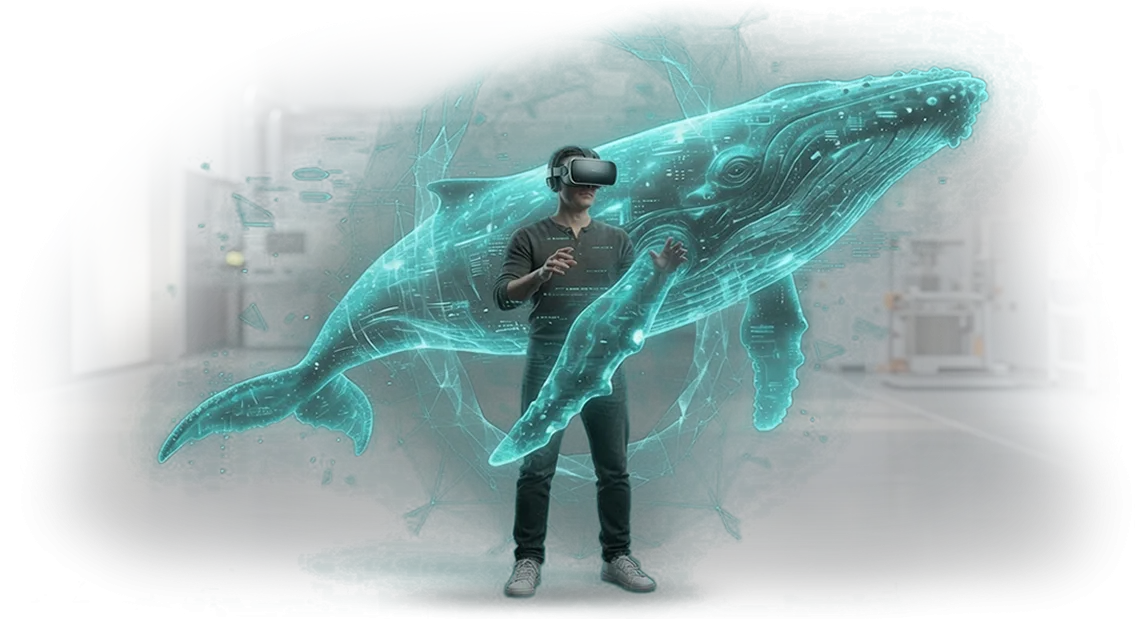
טכנולוגיות מרחביות הופכות מפעל כרייה לסביבה דיגיטלית ניתנת לניהול, שבה כל תהליך גלוי וניתן לחישוב.
הטמעת AR ו-VR פותרת לא משימות טכניות אלא משימות עסקיות: היא הופכת את העבודה לבטוחה יותר, את כוח האדם ליעיל יותר ואת מחזורי הייצור לצפויים יותר.
כתוצאה מכך, בעל העסק משיג צמיחה מדידה במדדי מפתח והפחתת עלויות בכל שלב.
יעילות ודיוק מוגברים. מהנדסים וטכנולוגים מקבלים גישה לתאומים דיגיטליים של מרבצים וציוד ישירות במקום העבודה. זה מקצר את זמן התיאום ומבטל שגיאות הקשורות לגורם האנושי.
החלטות מתקבלות מהר יותר, ותוכניות הייצור מבוצעות במדויק יותר, מה שמשפיע ישירות על כמויות ההפקה.
הפחתת עלויות והשבתות. במקום ניסויים פיזיים יקרים והשבתות ציוד, משתמשים בתרחישים וירטואליים. זה מאפשר לכוונן תהליכים לפני שהם מופעלים בתנאים אמיתיים.
ציוד מקצועי וארכיטקטורת שרתים מבטיחים ביצועים יציבים של היישום גם במתקנים גדולים. השבתות המכונות מצטמצמות, וכך יורדת העלות לטון של סלע מופק.
בטיחות בעבודה. טכנולוגיות מרחביות מאפשרות לדמות מצבי חירום ולהכשיר עובדים בפעולות תגובה ללא סיכון לחיים. סימולציה של אזורים מסוכנים ותרגול נהלים ב-VR בונים כישורים מתמשכים בקרב כוח האדם.
המפעל מפחית את מספר התקריות ואת ההפסדים הכספיים והמוניטיניים הנלווים, וגם מחזק את תדמיתו כמעסיק אחראי.
הטמעת פתרונות AR מחזירה את ההשקעה באמצעות קיצור לוחות זמנים לתכנון, האצת הכשרת עובדים חדשים ושיפור הדיוק של העבודה המבוצעת. אתם מקבלים כלי שעובד באופן פרואקטיבי: הוא עוזר למנוע בעיות במקום להגיב להן. עבור ההנהלה, זו השקעה ברורה ושקופה ביעילות המפעל.
פורמטים ויישומים לתעשיית הכרייה
בתעשיית הכרייה, המחיר של טעות גבוה: מבטיחות העובדים ועד לכלכלת המפעל. תדריכים רגילים ותקנות נייר לא תופסים את תשומת הלב, והבאת מומחה ייעודי לאתר מרוחק לרוב אינה אפשרית בזמן.
יישומים מרחביים פותרים משימות אלה בצורה ממוקדת—אך כל מצב דורש פורמט פיתוח משלו.
זיהינו ארבעה תרחישים אופייניים. כך קל יותר להבין איזה פורמט מתאים לכם ואילו תוצאות הוא יביא מההתחלה.
| פורמט | המשימות שהוא פותר | מה הלקוח מקבל |
|---|---|---|
| הכשרת עובדים | תדרוך ראשוני, תרגול פעולות במצבי חירום, לימוד ציוד | העובד מתאמן בסביבה וירטואלית בטוחה, ללא סיכון—פציעות וזמן קליטה מופחתים. |
| מומחיות מרחוק | בדיקת אתר, ייעוץ עם מומחה נדיר, קבלת עבודות | המומחה רואה את האתר כאילו הוא נמצא בו פיזית, ללא נסיעות עסקים. החלטות מתקבלות מהר יותר, חוסכים בתקציב ובזמן. |
| ניווט באתר | התמצאות לעובדים חדשים, מסלולים באתר, איתור יחידות נדרשות | העובד מתוודע במהירות לאתר ומתחיל לעבוד, עם פחות השבתות ובזבוז זמן. |
| בקרת איכות | השוואת האתר לפרויקט, תיעוד חריגות, בדיקת עמידה בתקנים | שקיפות להנהלה: חריגות נראות מיד, ליקויים מתגלים לפני שהם הופכים לבעיה. |
איך פרויקט מתנהל: מהבריף ועד ההשקה
אנחנו מתחילים לא בטכנולוגיה אלא במשימות הייצור שלכם. אנחנו צוללים לפרטים של פעולות הכרייה: אילו תהליכים לדיגיטציה (הכשרת כוח אדם, בקרת בטיחות, ניווט באתר), מי ישתמש בפתרון, ואיזו תוצאה אתם מחשיבים כהצלחה.
לאחר הבריף, אתם מקבלים תוכנית עם לוחות זמנים ריאליים ושלבי פיתוח. אתם משתתפים בקביעת סדרי העדיפויות, כך שגם לפני ההתחלה אתם מבינים בעד מה אתם משלמים ומה תקבלו בכל שלב.
- בריף והתעמקות — אנו דנים במשימה, בקהל העובדים ובפרטי האתר. אנו מתעדים את מטרות הפרויקט.
- תוכנית ואישור — אנו מאשרים תוכנית שלבית עם מועדים ותוצאות לכל שלב. אתם מבצעים עריכות לפני תחילת העבודה.
- אב טיפוס ומשוב — אנו מציגים מודל אינטראקטיבי של היישום העתידי. אנו מתאימים תרחישים וממשק לפני תחילת הפיתוח הראשי.
- פיתוח ובדיקות — אנו בונים את הפתרון על ציוד מקצועי ובודקים אותו מול תרחישי כרייה אמיתיים: הכשרה, תדרוך, ויזואליזציה של נתונים.
- השקה והכשרת עובדים — אנו מתקינים את היישום, מגדירים אותו לתשתית שלכם ומעבירים הדרכות קצרות. הצוות מסתגל במהירות לפורמט החדש.
- תמיכה והתפתחות — אנו נשארים בקשר לאחר ההשקה: מעדכנים תרחישים, מוסיפים מודולים חדשים ועוזרים בשאלות.
כתוצאה מכך, אתם מקבלים תהליך שקוף ללא "קופסה שחורה": בכל שלב יש נקודת בקרה, אתם רואים את התוצאה ומכוונים את הכיוון בזמן. הפתרון נוצר עבור החברה שלכם ועבור משימות הייצור שלכם.
מה כלול במסירה ללקוח
בהזמנת פתרון VR/AR למפעל כרייה, אתם מקבלים לא רק יישום אלא כלי עבודה מוכן לשימוש. החבילה כוללת את כל הדרוש להשקה ולפעילות יומיומית: מוצר, תיעוד, הכשרה, אינטגרציה ותמיכה.
- יישומים עבור Apple Vision Pro ומערכות VR/AR תעשייתיות, המותאמים למשימות שלכם: הכשרת כוח אדם, בקרת בטיחות, ויזואליזציה של מרבצים, ייעוץ מרחוק.
- תיעוד מלא ברוסית: מדריכי משתמש, תצורה, ניהול, עדכונים—ברור למהנדסים ולמחלקת ה-IT.
- הכשרת עובדים: הדרכות פרונטליות ומקוונות למדריכים ולמומחים טכניים. הצוות שלכם יוכל להשתמש בפתרון ולפתח אותו באופן עצמאי.
- אינטגרציה עם המערכות שלכם: חיבור למאגרי נתונים, פלטפורמות חשבונאות והכשרה—נתונים נכנסים אוטומטית לדוחות.
- תמיכה לאחר ההשקה: תמיכה טכנית, עדכונים, התאמות לתקנות חדשות. אנחנו נשארים בקשר ולוקחים אחריות על התוצאה.
- המלצות מתודולוגיות: כיצד ליישם VR/AR להפחתת פציעות, שיפור כישורים והפחתת השבתות—עם קריטריוני יעילות ברורים.
חבילה זו מבטלת את הסיכון העיקרי של הלקוח—קבלת גרסת הדגמה "גולמית" במקום כלי עבודה. אתם מקבלים פתרון סוהר עם תמיכה, ועובדים מקבלים מערכת מובנת לעבודה יומיומית.
מקרה בוחן: צמיחת יעילות באתר לקוח
תעשיית הכרייה נושאת באחריות גבוהה לבטיחות, ציוד יקר ועובדים שלעתים קרובות עובדים בתנאים קשים. כשמדובר בהכשרה או תדרוכים, כל טעות גורמת לא רק להפסדים כספיים אלא גם לסיכון לחיים.
החברה "המכרה הצפוני" פנתה אלינו עם בקשה: להאיץ את קליטתם של מפעילי מכונות חדשים ולהפחית את מספר ההפרות במהלך פעולות שגרתיות.
במקום הרצאות ארוכות והוראות נייר, הצענו תרחישים אינטראקטיביים על Apple Vision Pro.
מערכת המציאות המעורבת מציגה הנחיות וירטואליות על גבי הציוד האמיתי: העובד רואה את רצף הפעולות, בודק את נכונות כל שלב ומקבל משוב מיידי.
זו לא סימולציה "בצד" אלא התעמקות מלאה בתהליך העבודה ללא סיכון לאנשים או למכונות.
מה הראתה ההטמעה
חודשיים לאחר ההשקה, השווינו את ביצועיהם של עובדים חדשים שעברו הכשרה סטנדרטית עם אלה שעבדו עם היישום. ההבדל היה משמעותי.
- זמן הקליטה ירד ב-40%: בממוצע 3 ימים במקום 5 משמרות עבודה.
- מספר השגיאות בביצוע פעולות מפתח ירד ב-35%—גם בקרב חדשים וגם בקרב עובדים מנוסים במהלך הסבה.
- הצורך במדריכים נוסעים ירד בשתי נסיעות בחודש, חיסכון בנסיעות עסקים ובהשבתות ציוד.
מנהל האתר ציין שהעובדים הפכו לבטוחים יותר בעבודה עם הציוד, ומחלקת הבטיחות רשמה פחות הערות במהלך בדיקות תקופתיות.
משוב הלקוח
"ציפינו לאפקט מהפורמט החדש, אבל התוצאות עלו על התחזיות. ההכשרה כבר לא מסיחה מומחים מנוסים מהעבודה, ועובדים חדשים מגיעים למשמרת מלאה מהר יותר. אנחנו מוכנים לפתח את הכיוון הזה הלאה", שיתף מנהל הייצור של החברה.
הפרויקט הסתיים בהזמנה חוזרת: אנחנו מפתחים כעת מודול דומה לשירות התיקונים. עבורנו, זה המדד העיקרי—הלקוח לא רק היה מרוצה אלא מתכנן להרחיב את השימוש בטכנולוגיה.
איך לבחור את הפורמט הנכון למשימה שלכם?
אין תשובה ישירה—הפורמט הנכון נקבע על ידי המשימה שלכם, לא על ידי טכנולוגיות אופנתיות.
לקוח אחד צריך להכשיר במהירות עשרות מפעילי מכונות בכללי בטיחות, אחר צריך להראות למשקיעים מכרה עתידי לפני תחילת הבנייה, ושלישי צריך לשלוט בתהליכים במפעל פעיל בזמן אמת. אלה משימות שונות, וכל אחת דורשת פתרון משלה.
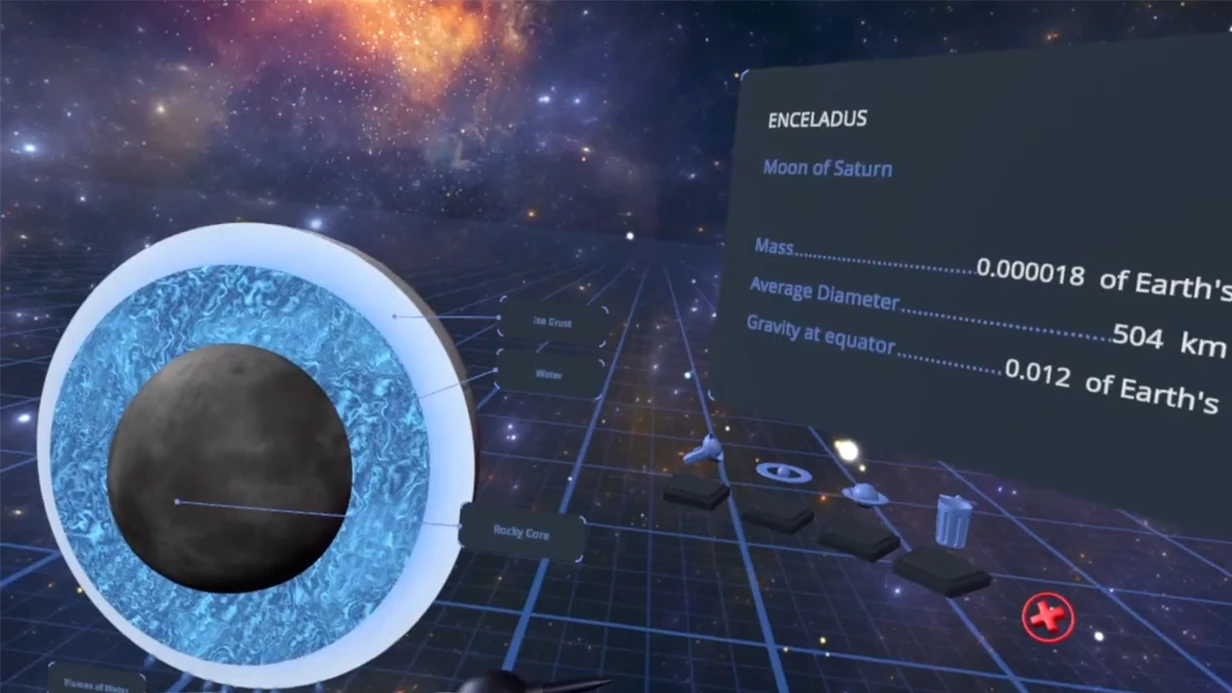
קריטריון הבחירה הראשון הוא מה צריך לקרות למשתמש. אם המטרה היא לבנות מיומנות ולחדד פעולות, אנו בוחרים בסביבת התעמקות מלאה שבה אדם מבצע פעולות בתנאים בטוחים ומתקן טעויות ללא השלכות.
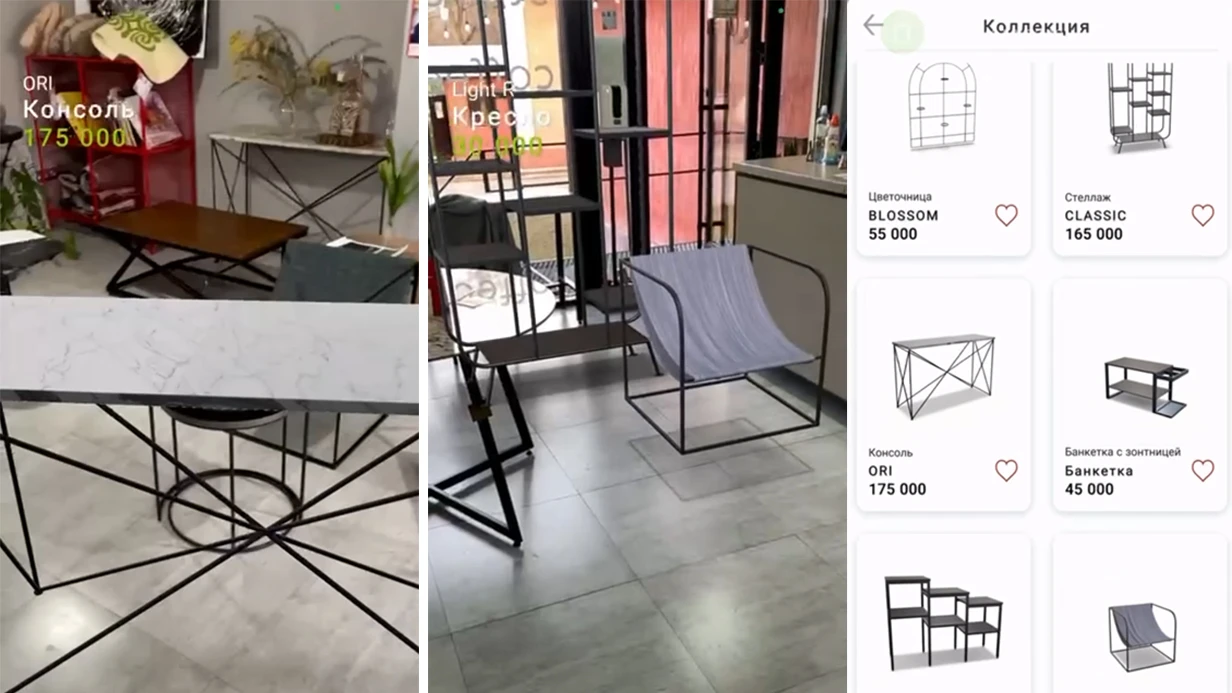
אם המטרה היא להציג נתונים דיגיטליים על גבי אובייקט אמיתי, למשל להראות תרשים תשתית על גבי ציוד פעיל, אנו משתמשים במציאות רבודה.
קריטריון הבחירה השני הוא הקהל והתרחיש. אדם אחד עובד עם היישום באופן עצמאי בכיתת הדרכה, או שקבוצה שלמה צופה במצגת על מסך גדול, או שמהנדס באתר רואה את פרמטרי האזור דרך טאבלט.
בחירת המכשיר תלויה בכך: משקפי התעמקות מלאה, אזור נייח עם מסך או פתרון נייד.
קריטריון הבחירה השלישי הוא התנאים שבהם הטכנולוגיה תשמש: משרד, מרכז הדרכה, מכונות או בית מלאכה פעיל. אבק, לחות, תאורה, קישוריות רשת ובטיחות של אדם שנע עם משקפיים—כל אלה משפיעים על הפורמט.
אנו לוקחים תנאים אלה בחשבון ומציעים פתרון שעובד ספציפית בסביבה שלכם.
זו הסיבה שאנחנו מתחילים לא בטכנולוגיה אלא בשאלות שלכם: מי יהיה המשתמש, מה צריך להשתנות לאחר השימוש, ובאיזו סביבה זה יקרה. לאחר בריף קצר, אנו בוחרים פורמט שפותר את המשימה בעלויות הטמעה ותחזוקה מינימליות.
גישה אישית היא לא תוספת לשירות אלא הבסיס שלו: קודם המשימה, אחר כך הטכנולוגיה.
מה קורה אם הציוד מתקלקל?
ציוד בתעשיית הכרייה פועל בתנאים קשים—אבק, רטט, תנודות טמפרטורה. כל תקלה עוצרת את התהליך, וכל שעת השבתה משמעותה הכנסות אבודות וסיכוני בטיחות.
לכן, אנו מתכננים את הפתרון תוך מחשבה על אמינות ומבטיחים את פעולתו הרציפה לאחר ההטמעה.
יחד עם היישום, אתם מקבלים אחריות על הציוד וגישה למחלקת השירות. במקרה של תקלה, אתם לא נשארים לבד עם הבעיה: טכנאי מבצע אבחון מרחוק ובמידת הצורך מחליף את המכשיר ביחידת גיבוי.
אנו פותרים תקלות רבות ללא ביקור באתר, באמצעות ערוץ תקשורת מאובטח, כך שזמן ההתאוששות הממוצע נע בין כמה שעות ליומיים—תלוי במורכבות המצב.
לקוחות שואלים לרוב על אחריות ותיקונים. אנו עונים ישירות:
מה קורה אם מכשיר מתקלקל במהלך העבודה?
אתם מתקשרים למוקד התמיכה בקו ייעודי. אנו בודקים מרחוק את מצב המערכת ומגדירים מיד את הציוד אם הבעיה היא בתצורה.
כאשר נדרש תיקון, אנו מספקים מכשיר עובד ממאגר הגיבוי—העובדים שלכם ממשיכים לבצע את משימותיהם ללא הפסקה.
מי אחראי על האחריות ותחזוקת הציוד?
אנו מטפלים בכל ענייני השירות בעצמנו. האחריות כוללת אבחון, תיקון, החלפת מכשירים וייעוץ לכל משך שיתוף הפעולה.
אתם מקבלים סטטוס של הבקשה שלכם ואינכם צריכים לחפש קבלנים—גורם אחד אחראי על פעילות רציפה.
גישה זו פירושה שגם במקרה של תקלה, משימת הייצור שלכם לא נעצרת. התמיכה פועלת בכל השלבים—מההטמעה ועד לפעילות היומיומית. כתוצאה מכך, אתם מקבלים לא רק יישום אלא פתרון שאינכם צריכים לדאוג לגביו.בואו נדון במשימה שלכם ונבחר את הפורמט האופטימלי
כל משימה בתעשיית הכרייה דורשת גישה משלה: הכשרת מפעילי מכונות היא דבר אחד, ניטור מצב ציוד או ויזואליזציה של נתונים גיאודזיים הוא דבר אחר.
כדי להימנע מתשלום יתר ולהשיג תוצאה עובדת, אנו מנתחים תחילה את המצב שלכם ורק אז מציעים פורמט—מסצנת הדגמה קצרה ועד יישום מלא עבור Apple Vision Pro.
איך העבודה מתנהלת
- בקשת פיתוח. אתם מתארים בקצרה את המשימה, האתר והתוצאה הצפויה—זה מספיק כדי להתחיל.
- ייעוץ. אנו דנים בתרחישי שימוש, בקהל ובקריטריוני הצלחה. אנו עונים היכן AR/VR/MR יהיו באמת יעילים והיכן עדיף להשתמש בפתרון פשוט.
- ניתוח והצעה מסחרית. אנו מכינים מסמך עם היקף העבודה, לוחות זמנים, שלבים והרכב הצוות. אתם רואים בעד מה אתם משלמים לפני ההתחלה.
- תוכנית עבודה. אנו מפרקים את הפרויקט לנקודות בקרה: אב טיפוס, בדיקות, השקה. בכל נקודה אתם מקבלים החלטה.
- קשר איתנו. בכל השלבים אתם מתקשרים עם מנהל פרויקט, לא עם "קופסה שחורה". התאמות מבוצעות מיד, לא לאחר המסירה.
כתוצאה מכך, אתם מקבלים:
- הערכה של התאמת AR/VR/MR למשימה שלכם;
- הצעה מסחרית עם שלבים קבועים;
- תוכנית עבודה עם נקודות בקרה ברורות;
- המלצות על ציוד ומכשירים לעובדים;
- אנשי קשר ישירים של הצוות לכל שאלה.
שלחו בקשת פיתוח—תוך יום עסקים אחד נערוך ייעוץ ונכין הצעה מסחרית עם תוכנית עבודה. כך תבינו במהירות איזה פורמט מתאים לחברה שלכם ותוכלו להשיק את הפרויקט ללא סיכונים מיותרים.