

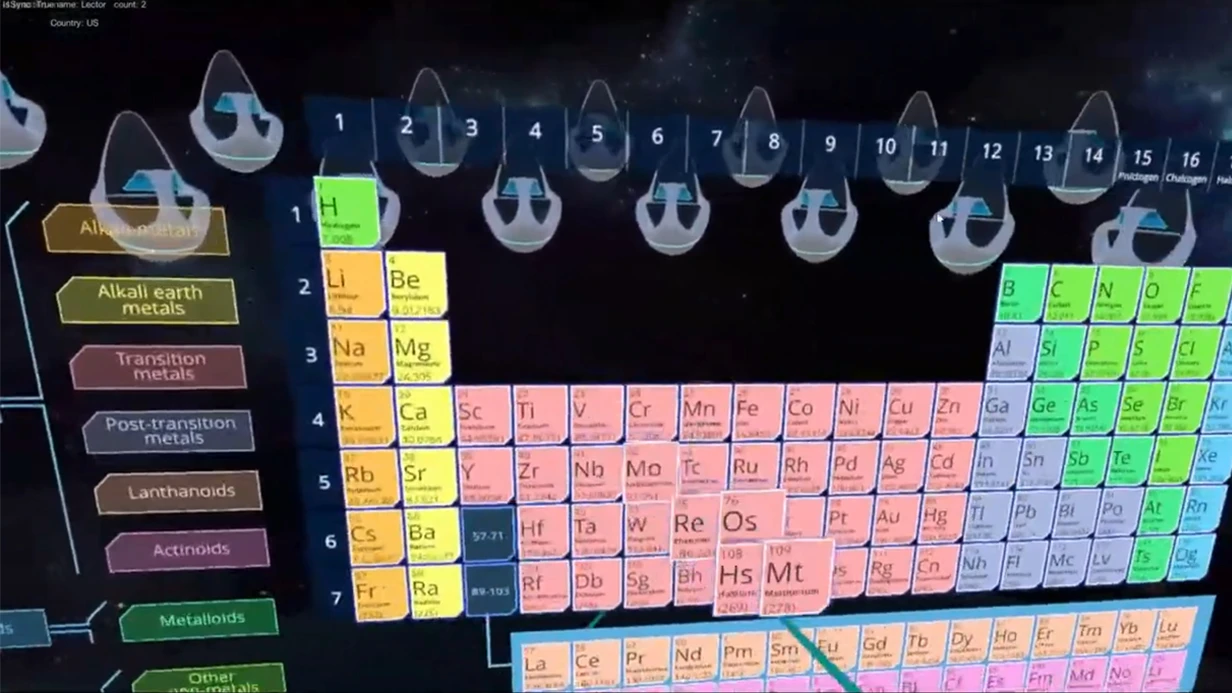


הכשרה ארגונית ב-VR/AR/MR: מדוע העובדים לא זוכרים את החומר
הדרכה קלאסית בנויה באופן לא נוח לעסק: העובדים מבזבזים שעות באולם, המנהל — תקציב וזמן של חונכים, וכעבור שבוע בעבודה מתברר שחצי מהחומר פשוט לא נקלט. הידע לא נשמר, כי האדם קורא ומקשיב באופן פסיבי — המוח לא מחשיב זאת כחשוב ולא שומר.
במיוחד יקר הדבר במקומות שבהם טעות עולה כסף אמיתי: עבודה עם ציוד, נהלי בטיחות, מכירות מורכבות, חניכת צוותים חדשים. אותו קורס בדיוק צריך לחזור עליו שוב ושוב, החונכים מוסחים מהמשימות שלהם, ורמת ההכנה של העובדים בכל זאת נשארת לא אחידה.
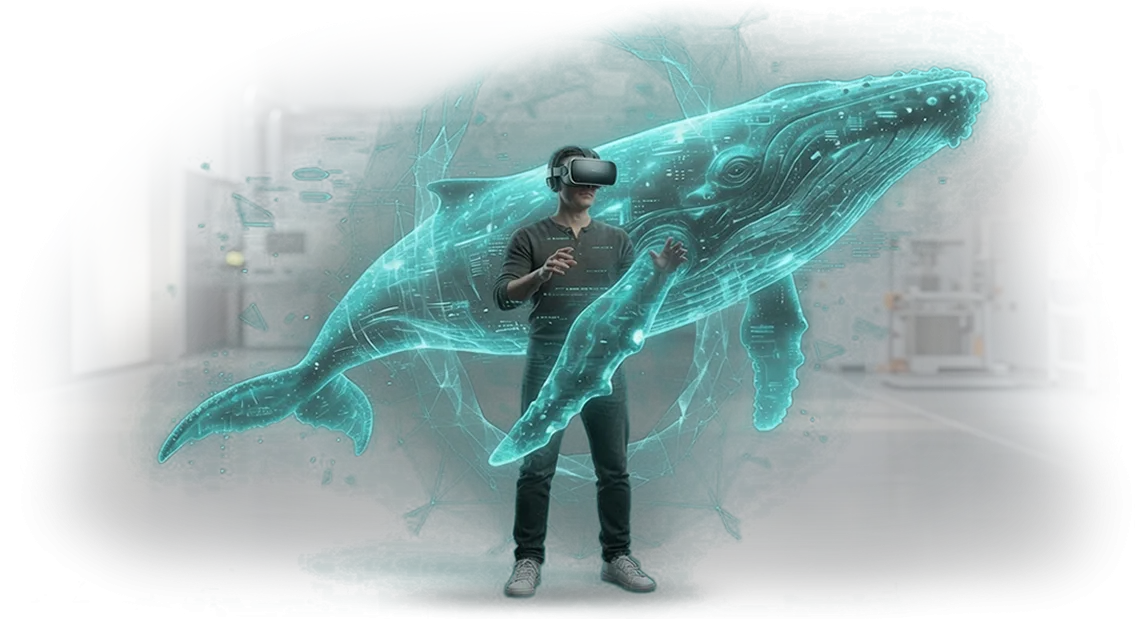
הכשרה ארגונית ב-VR/AR/MR משנה את המכניקה עצמה: העובד לא צופה מן הצד אלא פועל — מבצע משימה בידיים, עובר תרחיש, טועה בסביבה בטוחה ומיד רואה את ההשלכות. הכשרת עובדים כזו נזכרת בגוף ובניסיון, ולא בסיכום בכתב, ולכן שימור הידע גבוה noticeably מאשר אחרי הרצאה או מצגת.
עבור המנהל זה גם ניהוליות. ההדרכה ב-VR מתקיימת בלי לנתק משמרת שלמה מהעבודה, באופן זהה לכל הסניפים, וההתקדמות של כל עובד נראית לפי התרחישים שבוצעו בפועל, ולא לפי סימן וי ביומן נוכחות. המעורבות של העובדים גדלה מעצמה: הפורמט החדש נתפס כמשימה מעניינת, ולא כחובה מאולצת.
אנחנו בונים אפליקציות כאלה למשימה konkretית של החברה — ממודול קצר לחניכה ועד לתוכנית הכשרה מלאה של עובדים עם כמה תפקידים ורמות קושי. ננתח את המשימה שלכם ונחזור עם תוכנית כיצד להעביר את ההכשרה לפורמט שהעובדים באמת עוברים וזוכרים.
מה העסק מקבל מלמידה אימרסיבית
למידה אימרסיבית מפסיקה להיות ניסוי והופכת לכלי עבודה במקומות שבהם מחיר הטעות גבוה: בייצור, ברפואה, באנרגיה, בקמעונאות עם תחלופה גבוהה. העובד לא קורא הוראות ולא צופה בווידאו — הוא עובר תרחיש בידיים, בקצב שלו, ורואה מיד את ההשלכות של ההחלטות שלו.
עבור המנהל זה אומר שתוצאות הלמידה מפסיקות להיות "על הנייר": רואים מי הצליח, היכן נתקע וכמה ניסיונות נדרשו.
היתרון הראשון — מהירות ההשתלטות. עובד חדש מגיע לעבודה עצמאית מוקדם יותר, כי את הפעולות המורכבות הוא מתרגל בסביבה בטוחה, ולא על ציוד אמיתי תחת השגחת חונך. החונכים עצמם מפסיקים להיות "צוואר בקבוק": מומחה מנוסה אחד מוביל קבוצה, ולא חניך אחד.
השני — תרחישים בטוחים. מצבי חירום, תקלות נדירות, הפרות תקנון — את כל אלה אפשר לשחק בלי סיכון לאנשים, לציוד וללקוחות. טעות בסביבה וירטואלית עולה אפס, אבל ההרגל לפעול נכון נשאר.
השלישי — תקן הכשרה אחיד. כל הסניפים, המשמרות וקבלני המשנה עוברים את אותה תוכנית, ולא "כמו שלימד האחראי במשמרת". זה מסיר את הפער באיכות בין האתרים ומפשט את הביקורת.
הרביעי — התקדמות מדידה של העובדים. המנהל רואה דינמיקה לכל אדם ולכל מחלקה: היכן הנושא נלמד היטב והיכן נדרש שיפור. הלמידה מפסיקה להיות פורמליות לשם סימון וי.
החמישי — הפחתת עלויות בהדרכות חוזרות. החומר מתעדכן באופן מרוכז, ולא נכתב מחדש בכל סניף, וההכשרה החוזרת מופעלת בלי נסיעות של מאמנים. אנחנו סוגרים את זה כמקשה אחת: מתרחיש ועד הפעלה ותמיכה.
פורמטים של אפליקציות ל-Apple Vision Pro למשימות הדרכה
הדרכה ארגונית לעתים רחוקות מרוויחה מ"עוד מצגת". מרוויחים אותם פורמטים שבהם העובד פועל בידיים: מרכיב, טועה, חוזר — ורק אחר כך יוצא לאובייקט האמיתי. להלן ארבעה תרחישים שמזמינים לרוב עבור Apple Vision Pro, ומה כל אחד מהם נותן לעסק.
| פורמט הדרכה | למי | מה נותן ללקוח |
|---|---|---|
| סימולטור ציוד | מפעילים, מתקינים, מהנדסי שירות | תרגול פעולות על מכונה או יחידה וירטואלית ללא סיכון לציוד יקר וללא עצירת הייצור |
| ניתוח אירועים | משמרות, תורנים, צוותי תגובה | הרצת תרחישי חירום בסביבה בטוחה: העובד רואה את השלכות ההחלטה, ולא קורא עליהן |
| חניכה | מתחילים, מתמחים, מנהלים ישירים | הניסיון של המהנדס המוביל מוקלט ומושמע לקבוצה — החונך לא מבזבז יום על כל אחד |
| הסמכה | משאבי אנוש, מרכז הדרכה, מנהלי תחומים | בדיקה אובייקטיבית של המיומנות לפי פעולות, ולא לפי תשובות במבחן: רואים מי מוכן לאישור |
כיצד לבחור פורמט לפי המשימה
התחילו לא מהטכנולוגיה, אלא מהשאלה "איזו מיומנות עולה לנו היום הכי ביוקר כשטועים בה". אם מדובר בעבודה עם ציוד — קחו סימולטור. אם מחיר הטעות הוא בהחלטה — ניתוח אירועים.
כשצוואר הבקבוק הוא מהירות הכנסת מתחילים, הכי חזק עובדת החניכה, וההסמכה סוגרת את סוגיית האישור ומפחיתה את העומס על המנהל.
הפורמטים משתלבים היטב: העובד עובר סימולטור, מנתח אירועים עם חונך ויוצא להסמכה. אנחנו מרכיבים חיבור כזה לפי תהליך ההדרכה שלכם, ולא להפך — ומראים כיצד הוא ישתלב בתוכניות הקיימות.
איך עובר הפרויקט: מהבריף ועד התמיכה
פרויקט בלמידה אימרסיבית הולך כמעט תמיד באותו מסלול — רק התוכן משתנה. להלן איך זה נראה מנקודת המבט של המזמין: מה קורה בכל שלב ומה אתם מקבלים בסופו.
- בריף ומטרות למידה. דנים במשימה: את מי מלמדים, אילו כישורים צריכים להופיע, ואיך תדעו שהלמידה עבדה. מגדירים את התרחישים שבהם העובד טועה בתדירות הגבוהה ביותר, ואת המדדים שלפיהם נעריך את התוצאה.
- תוכנית למידה ומבנה המודולים. מפרקים את התוכנית לסצנות קצרות עם היגיון ברור: להראות → לתת לנסות → לבדוק. אתם רואים את מפת הקורס לפני תחילת הפיתוח ויכולים לתקן את הדגשים.
- אישור התרחיש. מאשרים את הטקסט, את הדיאלוגים, את סדר הפעולות ואת נקודות הבקרה. שלב זה חוסך שבועות: תיקונים בתרחיש עולים דקות, תיקונים בסצנה מוכנה — ימים.
- מימוש ותוכן. בונים את הסביבה, מוסיפים אינטראקטיביות ומשוב, ומחברים את החומרים והנהלים שלכם. מציגים גרסאות ביניים כדי שתראו התקדמות ולא תמתינו לסוף.
- הרצת פיילוט. מקיימים את הלמידה על קבוצת מיקוד של עובדים, ואוספים נתונים: כמה מגיעים עד הסוף, היכן מאבדים קשב, ומה זוכרים. בעקבות התוצאות משפרים את המקומות המורכבים.
- מסירה ותמיכה בפתרון. מלמדים את הצוות שלכם לעבוד עם הקורס, ומוסרים את החומרים וההוראות. בהמשך מלווים: מעדכנים תוכן, מוסיפים מודולים, ועוקבים אחר היציבות.
סדר כזה מסיר את הסיכון המרכזי — לקבל הדגמה יפה שאין היכן להטמיע אותה. כל שלב מסתיים בתוצאה ברורה ובהחלטה שלכם להמשיך.
מה ייכלל באספקה
אתם מקבלים לא "קובץ עם אפליקציה", אלא כלי הדרכה עובד שאפשר להעביר למחלקה ולהפעיל בלעדינו. האספקה כוללת את כל הדרוש להתחלה ולהמשך עבודה עצמאית: תרחישים, מתודיקה, תיעוד והכשרת המדריכים שלכם.
- אפליקציה למשקפי מציאות מעורבת — מוכנה לעבודה על צי המכשירים שלכם, עם תפקידי עובד וחונך וניווט ברור ללא לימוד "מאפס".
- ספריית תרחישי הדרכה — מצבים אופייניים לענף שלכם: תרגול פעולות, ניתוח טעויות, חזרה על מקומות מורכבים. התרחישים נבנים לפי הנהלים שלכם, ולא "באופן כללי".
- מתודיקת הדרכה — כיצד לשלב את השיעורים בתוכנית: משך המפגשים, סדר המודולים, הקריטריונים שלפיהם רואים שהעובד רכש את המיומנות.
- הוראות לעובדים ולחונכים — תזכירים קצרים להפעלת השיעור, לחלוקת המכשירים ולניתוח התוצאות. נקראים במפגש אחד, ללא שפה טכנית.
- הכשרת המדריכים שלכם — מעבירים את העברת השיעורים לצוות שלכם: מראים כיצד להוביל קבוצה, היכן נקודות הצוואר, כיצד להגיב לשאלות.
- נוהל עדכונים — מה ובאיזו תדירות משנים: תיקוני תרחישים, הוספת מודולים, עדכון לגרסאות חדשות של מכשירים. עם לוחות זמנים ברורים ואחראי משני הצדדים.
- לוח תוצאות — סיכום לפי קבוצות ועובדים: מי עבר, היכן טועים לעתים קרובות יותר, מה כדאי לשפר בתוכנית.
בנפרד מתעדים את ההעברה: קוד המקור והגישות נשארים אצלכם, ולא "בתוך הקבלן". אם בעוד חצי שנה יידרש מודול חדש או הרחבה לאתרים נוספים — אתם חוזרים אלינו עם בסיס מוכן, ולא מתחילים מאפס.
מקרה בוחן: כיצד יצרן אחד קיצר את זמן ההסתגלות של עובדים חדשים
חברת ייצור עם מספר אתרים וזרימה מתמדת של עובדים חדשים הגיעה עם כאב טיפוסי: ההסתגלות נמשכה חודשים, חונכים ביזבזו חצי משמרת על הסברים, וחלק מהחדשים עזבו מבלי לעבור הסמכה. הכשרה על ציוד אמיתי הייתה מסוכנת — טעות בהתחלה עלתה ביוקר והפחידה אנשים.
הצענו להעביר את ההכשרה הראשונית לאפליקציה למציאות משולבת Vision Pro: העובד מתרגל פעולות על תאום דיגיטלי של הקו, מנתח תרחישים נדירים ותרחישי חירום, ורק לאחר מכן יוצא לאזור האמיתי. החונך רואה את ההתקדמות של כל אחד ומתחבר במקום שבו באמת נדרשת עזרה, במקום לחזור על אותו דבר לכל חדש.
מה השתנה לאחר ההטמעה
- זמן ההסתגלות התקצר פי שלושה: חדש יצא לעבודה עצמאית בתוך שבועות ספורים במקום חודשים.
- הסמכה בניסיון הראשון עבר חלק ניכר יותר באופן ניכר של עובדים — החומר הוטמע באמצעות תרגול, ולא באמצעות שינון הוראות.
- תקלות ציוד בהתחלה פחתו: טעויות טיפוסיות תורגלו בסביבה בטוחה ולא הועברו לקו האמיתי.
- החונכים פינו זמן למשימות שבאמת דורשות ניסיון חי.
הלקוח התחיל מאתר אחד, ולאחר מכן הרחיב את הפתרון לשאר האתרים והזמין תרחישי הכשרה חדשים. ההכשרה הפסיקה להיות צוואר בקבוק, וההוצאות על הכשרה מחדש הפסיקו לגדול יחד עם מצבת העובדים.
איך בוחרים את הפורמט המתאים למשימה?
התחילו בשאלה "איזה כישור צריך להשתנות לאחר ההכשרה" — ממנה נגזר הפורמט. אם העובד צריך לתרגל פעולות בידיים בסביבה מסוכנת או יקרה, מתאים סימולטור: הוא מספק חזרתיות בטוחה והערכה אובייקטיבית.
אם העיקר הוא היכולת לקבל החלטות במצב חירום, עדיף לעבוד עם ניתוח אירועים ותרחישים עם הסתעפויות. כשהכישורים הרכים ותרבות התקשורת חשובים יותר, הפורמט החזק יותר הוא חניכה עם העמקה בדיאלוג.
בשלב הבא בחנו את קריטריוני הבחירה: באיזו תדירות מיומנות מיושמת בעבודה, כמה אנשים צריך להכשיר, כמה יקרה הטעות במציאות וכמה מהר צריך לקבל תוצאה. ככל שמחיר הטעות גבוה יותר וככל שהיא מתרחשת לעתים רחוקות יותר בחיים, כך יש יותר היגיון להשקיע בתרחיש ריאליסטי.
אם לעומת זאת המיומנות נדרשת באופן המוני וקבוע, העדיפות היא מהירות המעבר ופשטות ההפעלה עבור קבוצות חדשות.
התאמת הפתרון כמעט תמיד נגזרת ממשימת ההכשרה, ולא מהטכנולוגיה. אנחנו מנתחים את התהליכים שלכם, את הנקודות שבהן לרוב נוצרים הפסדים, ובהתאם להן מציעים פורמט: סימולטור, ניתוח אירועים, חניכה או שילוב שלהם. כך אינכם משלמים על תרחישים מיותרים ומקבלים בדיוק את הכלי שסוגר פער ספציפי בהכנה.
הניסיון מלמד: לא כדאי להפעיל הכול בבת אחת. הפעלה פיילוט על קבוצה אחת ותרחיש אחד במשך כמה שבועות מראה כיצד העובדים עוברים את ההכשרה, היכן הם נתקלים בקשיים והאם ההתנהגות משתנה במקום העבודה.
בעקבות הפיילוט אנחנו מתקנים את התרחיש ורק לאחר מכן מרחיבים לשאר היחידות — זה מפחית את הסיכון להשקיע בפורמט שלא יתפוס.
אם אתם מתלבטים בין האפשרויות, תארו את המשימה ואת קהל היעד — נחזור עם הערכה, תוכנית והמלצה לגבי הפורמט.
ספקות נפוצים של לקוחות לפני התחלה
ספקות לפני התחלה הם חלק נורמלי מקבלת החלטות. במשך יותר מ-10 שנים השקנו עשרות פרויקטים ארגוניים של הדרכה ואנחנו יודעים היכן לקוחות נתקלים במכשולים לרוב: לא בטכנולוגיה, אלא באנשים ובתהליכים. להלן תשובות כנות למה שבדרך כלל שואלים לפני החתימה.
מה יקרה אם הפתרון יקרוס במהלך ההדרכה?
אנחנו מיישמים עמידות לתקלות בשלב התכנון: ניתן להפעיל מחדש את התרחיש תוך דקות, וההתקדמות של העובד נשמרת. בזמן ההשקה נשאר איתכם המהנדס שלנו — הוא פותר שאלות בזמן אמת. לאחר המסירה אתם מקבלים נוהל פעולה וערוץ תמיכה שאליו ניתן לפנות ללא המתנה.
ואם העובדים לא יקבלו את צורת ההדרכה החדשה?
הקבלה תלויה במידה שבה התרחיש פותר את המשימה שלהם, ולא בטכנולוגיה. לכן אנחנו מתחילים בפיילוט על קבוצה אחת, אוספים משוב ומשפרים עד לפריסה על כל החברה. בדרך כלל כבר אחרי המפגש הראשון העובדים עצמם מבקשים להוסיף תרחישים — להם זה פשוט וברור יותר מאשר לקרוא הוראות.
הציוד יתיישן — יהיה צורך לעשות הכל מחדש?
אנחנו בונים תרחישים כך שהתוכן והלוגיקה של ההדרכה יחיו בנפרד מהדגם הספציפי של המכשיר. כשתצא דור חדש, העדכון ייקח חלק מהעבודה, ולא מחזור שלם מחדש. זו החלטה מודעת: אתם משקיעים במתודולוגיה, ולא במכשיר אחד.
איך להבין שההדרכה באמת עובדת?
לפני ההתחלה אנחנו מגדירים מה אנחנו מחשיבים כתוצאה: מהירות השליטה, שיעור העוברים, הפחתת טעויות במקום העבודה. לפי המדדים האלה אתם רואים את האפקט, ולא "אהבנו / לא אהבנו". אם המדד לא עולה — אנחנו מנתחים את הסיבה ומתקנים את התרחיש, ולא משאירים אתכם עם הדגמה יפה.
אם נותרו ספקות שלא מופיעים ברשימה — נדון במשימה ונחזור עם הערכה ותוכנית בהתאם להקשר שלכם.
נדון במשימה ונחזור עם הערכה ותוכנית
תארו את המשימה — נחזור עם הערכה ותוכנית. לא עם מצגת "עלינו", אלא עם קונקרטיקה: אילו תרחישי הדרכה ארגונית אנחנו מכסים, מה נעשה בפיילוט, באיזה לוח זמנים ומה מקבלת הצוות שלכם בסוף.
כדי שהשיחה תהיה עניינית, מספיק לענות על שלוש שאלות: את מי מלמדים (עובדים חדשים, מנהלים בדרג הביניים, מומחים טכניים), איזה מיומנות צריך לתרגל ואיך תדעו היום שההדרכה עבדה. זה מספיק כדי להציע פורמט ולומר בכנות היכן טבילה בסביבה וירטואלית תיתן אפקט והיכן מספיק קורס רגיל.
מה מקבלים לאחר ההזמנה
- הערכה ותוכנית. פירוט לפי שלבים, לוחות זמנים ותחומי אחריות — בלי עבודות נסתרות ש"יצופו" באמצע.
- תרחישי הדרכה. מצבי למידה בהתאמה לתהליכים שלכם: תרגול פעולות, ניתוח טעויות, חזרה על מקומות מורכבים עד לתוצאה בטוחה.
- הרצת פיילוט. קבוצה מוגבלת של עובדים עוברת את ההדרכה ראשונה — אתם רואים מעורבות ותוצאה אמיתיות לפני הרחבה לכל החברה.
- הדרכת מדריכים. המתודיסטים והמנטורים שלכם לומדים להעביר שיעורים ולשנות תרחישים בעצמם, בלי תלות בנו.
- תמיכה בפתרון. לאחר ההרצה מלווים: מעדכנים תרחישים, עוזרים עם קבוצות חדשות, דואגים לעבודה יציבה.
- דיווח ברור. רואים כמה עובדים עברו את ההדרכה, היכן מתעוררים קשיים ואיך משתנה התוצאה ממחזור למחזור.
למה זה עובד
אנחנו כבר יותר מעשר שנים עושים מוצרים דיגיטליים לעסקים ויודעים: הדרכה חיה לאורך זמן רק אם אפשר לשנות אותה במו ידיים. לכן אנחנו מוסרים לא "קופסה שחורה", אלא פתרון עם לוגיקה ברורה וצוות מיומן בצד שלכם. הרצת פיילוט מסירה את הסיכון העיקרי — השקעה בהרחבה לפני שהוכחה התועלת.
תארו את המשימה בצורה נוחה: ענף, קהל, מיומנות, לוח זמנים רצוי. נחזור עם הערכה, תוכנית והצעה להרצת פיילוט — נדון בפרטים בשיחה.