



מדוע לקוחות בהנדסת מכונות עוברים למתחרים
לקוחות בהנדסת מכונות לא עוזבים כי המוצר גרוע — הם עוזבים כי קשה להציג אותו. מכונות, יחידות וקווי ייצור לא ניתן להביא לחדר ישיבות.
הקונה משווה מספר הצעות, ואם אתה מציג שרטוטים ומפרטים בעוד המתחרה שלך מציג מוצר עובד, הבחירה ברורה. ללא בהירות ויזואלית, ההצעה שלך מפסידה עוד לפני שפגישת הסיכום מתרחשת.
הסיבה השנייה היא מחזור מכירות ארוך. האישור עובר דרך מחלקת הרכש, המהנדס הראשי והמנהל הפיננסי. כל משתתף מדמיין את התוצאה הסופית אחרת, מה שמוביל לשאלות, ספקות ומצגות חוזרות.
כל שבוע של עיכוב הוא סיכון לאובדן ההזמנה — ובעוד העניין מתקרר, הלקוח מצליח למצוא פתרון ברור יותר.
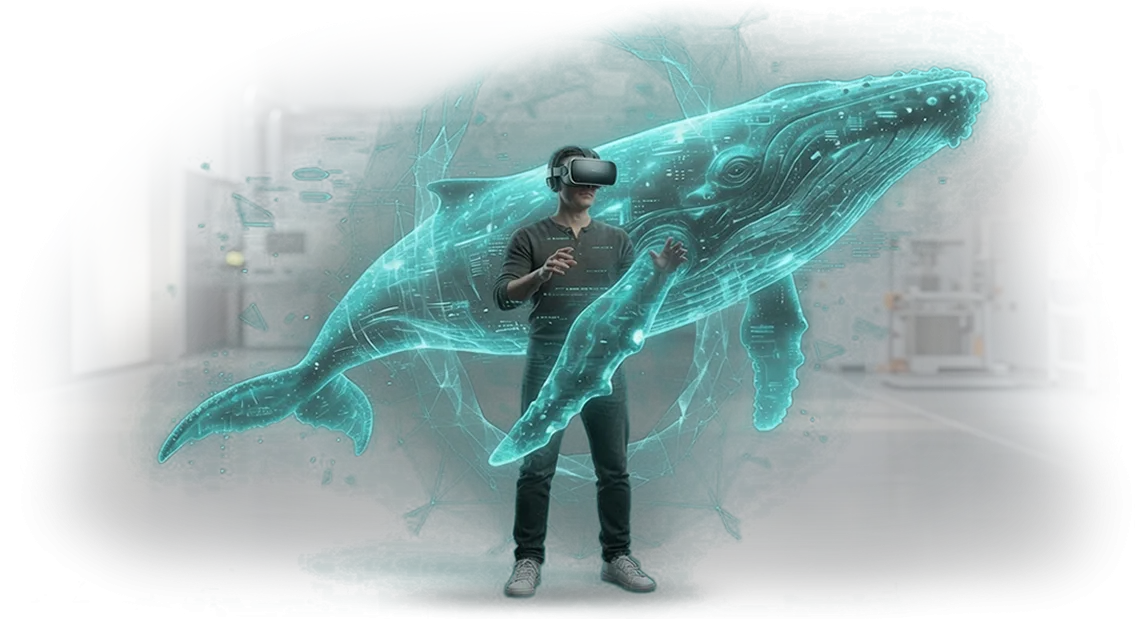
הצורך בבהירות ויזואלית בהנדסת מכונות כבר מזמן הפסיק להיות מותרות. VR לתעשייה ומודלים תלת-ממדיים מאפשרים להציג מוצר בקנה מידה 1:1, להסתכל פנימה לתוך המנגנון ולהעריך ארגונומיה ובטיחות.
זו לא רק תמונה יפה — זו דרך להסביר בדקות מה שנהג לקחת שבועות של משא ומתן. הדגמות מוצר כאלה זוכות במכרזים עוד לפני דיוני המחיר.
אנחנו עוזרים לחברות בהנדסת מכונות לסגור את הפערים האלה. אנחנו יוצרים מצגות מוצר שמדברות בעד עצמן: הלקוח רואה, מבין ומקבל החלטה.
אם אתה רוצה לקצר את מחזור המכירות ולהחזיר לעצמך שליטה על המכירות — התחל עם הדגמה שאי אפשר לפספס.
מה אתה מקבל מהטמעת פתרונות VR/AR
VR ו-AR משנים את המשחק בהנדסת מכונות: במקום שבו נהגת לבנות אבות טיפוס יקרים, להעביר מכונות לתערוכות או לשלוח מהנדסים לנסיעות עסקים, עכשיו מודל דיגיטלי מספיק.
הלקוח רואה את המוצר בקנה מידה אמיתי, עם גיאומטריה וחומרים מדויקים — ומקבל החלטה מהר יותר, בעוד אתה מוציא פחות על ייצור דוגמיות.
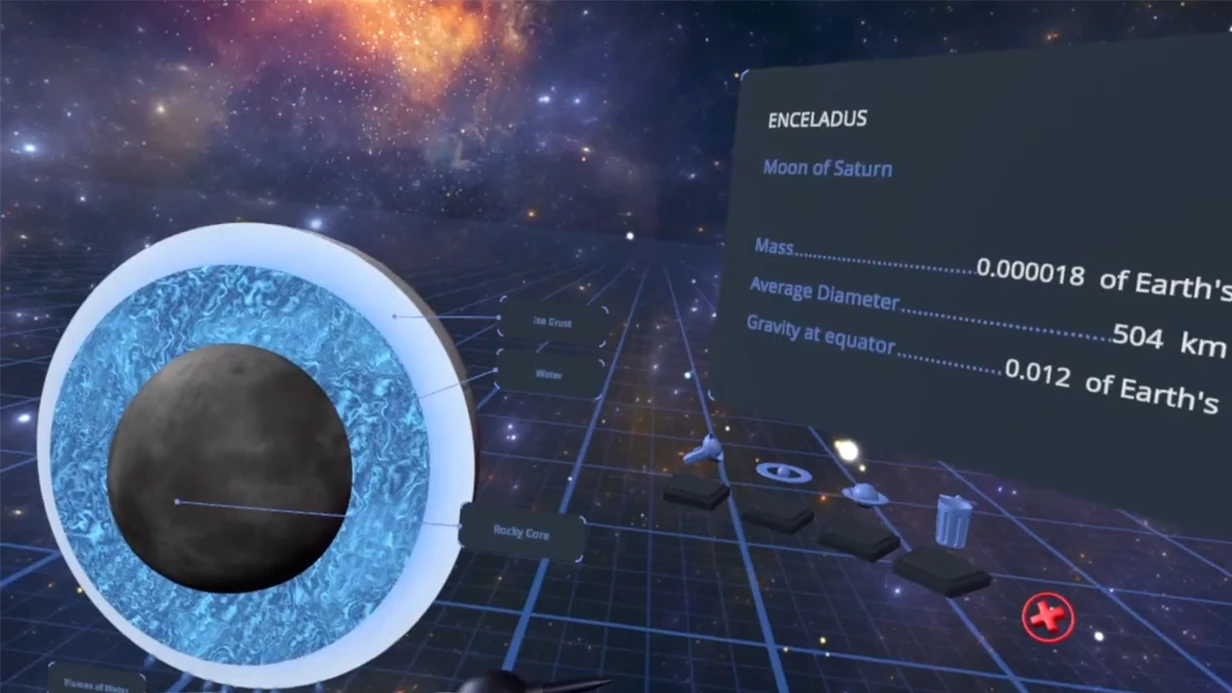
היתרון הראשון הוא המרת מכירות גבוהה יותר. מצגת VR מאפשרת להציג מכונה או יחידה ללקוח בכל קנה מידה, "לפרק" אותה לרכיבים ולהדגים פעולה לפני שהחלק הראשון אפילו יוצר.
הלקוח לא קורא שרטוטים ומפרטים — הוא נכנס פנימה לתוך המוצר העתידי, שואל שאלות ורואה בעצמו שהמוצר פותר את המשימות שלו. פורמט מכירה זה חותך את מחזור המכירות בחצי.
היתרון השני הוא עלויות אב טיפוס נמוכות יותר. במקום שתיים או שלוש דוגמיות פיזיות, אפשר לבנות אחת דיגיטלית: מהנדסים מבצעים שינויים בשעות במקום בחודשים. שגיאות עיצוב נתפסות בשלב מוקדם, לא על ספסל הבדיקה, שבו כל איטרציה היא יקרה ביותר.
אותם תרחישים חלים על הכשרת עובדים: הוראות AR מרכיבות הנחיות על ציוד אמיתי, ועובד חדש מתעדכן מהר יותר ללא סיכון נזק למכונות.
היתרון השלישי הוא מעורבות. אנשים זוכרים מה שהם רואים ונוגעים בו הרבה יותר טוב מאשר טקסט ודיאגרמות סטטיות. אימון VR נקלט 80% מהר יותר, וטעויות שפעם יכלו להוביל לתאונות מתורגלות עכשיו ללא השלכות.
זה חשוב במיוחד בהנדסת מכונות, שבה מחיר הטעות נמדד לא רק בכסף אלא גם בבטיחות אנושית.
הטמעת VR/AR משתלמת לא כ"טכנולוגיה לשם טכנולוגיה" אלא ככלי שמאיץ מכירות, מוריד עלויות פיתוח והופך את הצוות לבטוח יותר. אתה מקבל תוצאות מדידות — יותר הזמנות, פחות עלויות וצוות שעובד ברמה חדשה.
פורמטים של VR/AR למשימות הנדסת מכונות
בהנדסת מכונות, המוצר מורכב: אי אפשר פשוט להציג אותו בתמונה או להסביר אותו במצגת. הלקוח צריך לראות איך הציוד עובד, איך הוא ישתלב בקו הייצור שלהם וכמה הוא בטוח לתחזוקה.
לכן מה שמנצח הוא לא פורמט יחיד אלא שילוב של פתרונות VR/AR למשימה עסקית ספציפית.
סיור וירטואלי עוזר להציג אובייקט גדול — סדנה, קו או מכונה — ללא נסיעה לאתר. הלקוח "מסתובב" בסדנה ורואה ציוד בסביבת העבודה, בעוד מנהל המכירות לא מבזבז זמן על נסיעות עסקים.
קונפיגורטור תלת-ממדי מאפשר ללקוח להרכיב מכונה או מתקן לצרכים שלו — לשנות הספק, תצורה ומידות. זה מבטל שגיאות מפרט והחזרות בשלב בירור ההזמנה.
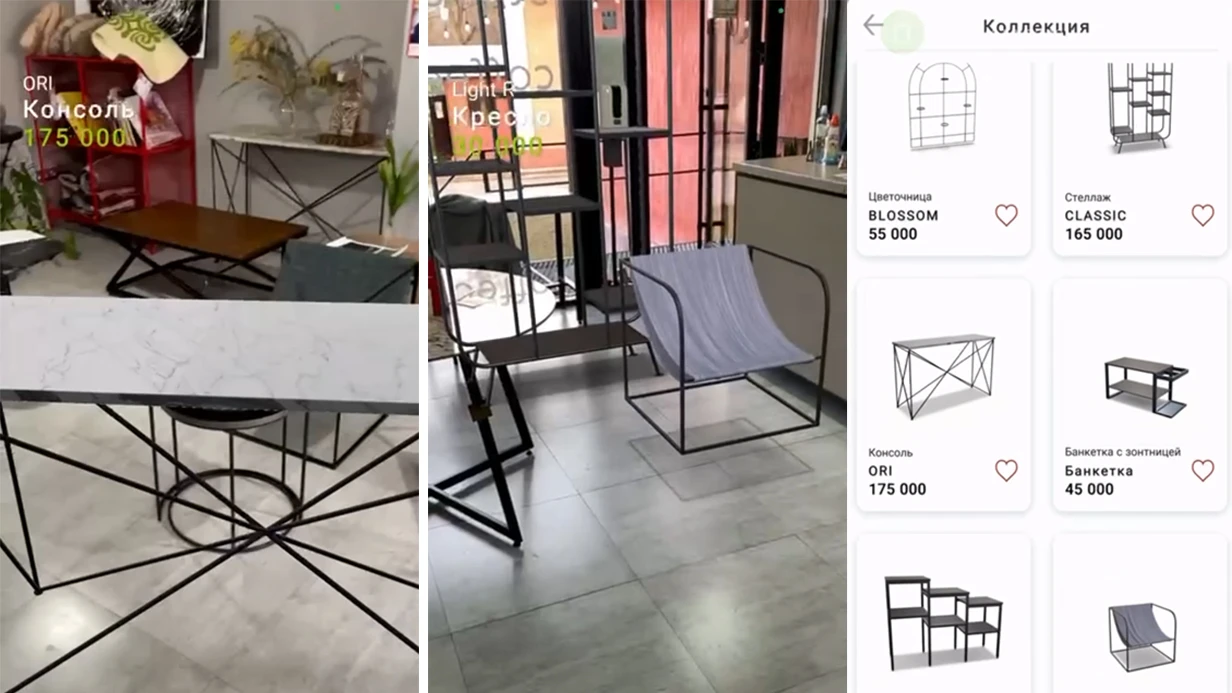
שכבת AR עובדת על אובייקט אמיתי: כוון את המצלמה למכונה וראה רמזים על רכיבים, מצבים ונקודות שירות. זה מפחית זמן השבתה במהלך תיקונים ומוריד את מספר השגיאות במהלך ההתקנה.
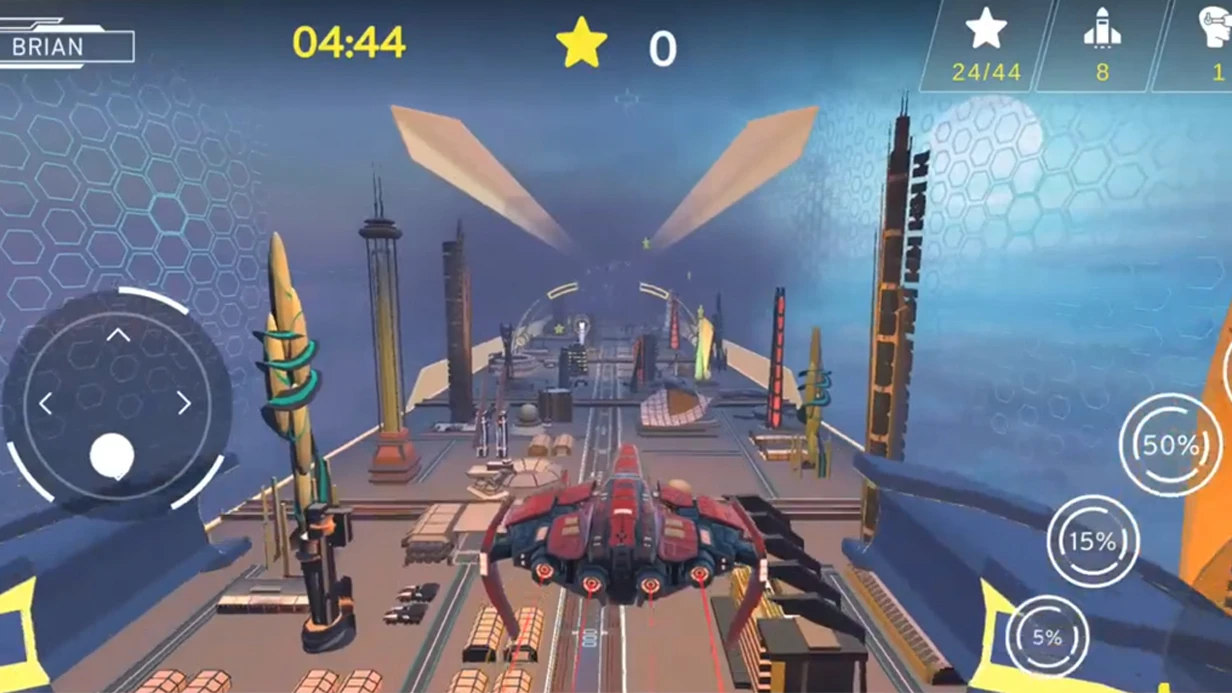
סימולטורי אימון מאפשרים לעובד חדש לתרגל מיומנויות על עותק וירטואלי של ציוד ללא סיכון למכונה יקרה או עצירת ייצור לצורך תרגול.
| פורמט | למי | מה זה נותן ללקוח |
|---|---|---|
| סיור וירטואלי | מחלקת מכירות, שיווק | הצגת מוצר בפעולה, הגעה ללקוחות באזורים אחרים, חיסכון בביקורי אתר |
| קונפיגורטור תלת-ממדי | מחלקת מכירות, מהנדסי לקוח | מפרט הזמנה מדויק, פחות החזרות, סל ממוצע גבוה יותר באמצעות אפשרויות נוספות |
| יישום AR | מחלקת שירות, מתקינים | אבחון מהיר, הוראות בזמן אמת, פחות שגיאות ופחות זמן השבתה |
| סימולטור אימון | מחלקת הדרכה, צוות ייצור | רכישת מיומנויות בטוחה, זמן קליטה קצר יותר |
בחירת פורמט היא לא עניין של טכנולוגיה אלא עניין של איזו משימה אתה פותר: הגדלת מכירות, האצת שירות או הכשרת עובדים.
בצוות שלנו אנחנו עוזרים לך לבחור את האפשרות הנכונה ולשלב פורמטים בפרויקט אחד כך שתקבל תוצאות, לא הדגמה לשם הדגמה.
איך מתנהל פרויקט פיתוח VR/AR
עבודה על יישום VR/AR להנדסת מכונות היא פרויקט צוותי שעוקב אחר נוהל ברור. מבננו את התהליך כך שהלקוח רואה את התוצאה בכל שלב ושולט בתקציב — מהבריף הראשון ועד ההשקה.
- בריף והתעמקות במשימה. אנחנו אוספים דרישות, חוקרים את תהליכי הייצור שלך ומגדירים תרחישי שימוש. הפלט הוא הערכת עלות מדויקת ותוכנית עבודה מפורטת.
- קונספט ואב טיפוס. אנחנו מחדדים את התרחיש, לוגיקת האינטראקציה והסגנון החזותי. אתה רואה איך הפתרון ייראה לפני שפיתוח מתחיל — ויכול לבצע עריכות ללא עלויות נוספות.
- מידול תלת-ממדי. בהתבסס על השרטוטים והחומרים שלך, אנחנו יוצרים מודלים תלת-ממדיים של ציוד, מכלולים ומתחמים. העובדים מקבלים עותק ריאליסטי של הסדנה או המוצר שניתן לעבוד איתו במשקפת.
- פיתוח היישום. אנחנו מתכנתים את הלוגיקה, הממשקים והאינטגרציות עם הנתונים שלך. אנחנו משתמשים בכלים מקצועיים כך שהיישום עובד ביציבות על כל מכשיר, כולל Vision Pro.
- בדיקות ועידון. אנחנו בודקים את המוצר על ציוד אמיתי, מוצאים ומתקנים באגים ומבהירים פרטים. אתה מקבל יישום שלא יאכזב אותך ברגע המכריע.
- השקה ותמיכה. אנחנו מפרסמים את היישום, מאמנים עובדים ומספקים תמיכה לאחר ההשקה. במידת הצורך, אנחנו מפתחים פונקציונליות במהירות — מוסיפים אובייקטים, תרחישים ואינטגרציות חדשים.
רצף שלבי הפיתוח הזה עוזר למנוע הפתעות ומבטיח שהמוצר הסופי פותר בדיוק את המשימה העסקית שלך — מהוראה ברורה ועד מאמן וירטואלי.
מה כלול במסירת פתרון VR/AR
כשאתה מזמין פתרון VR/AR להנדסת מכונות, חשוב להבין: אתה מקבל לא "הדגמה חד-פעמית" אלא כלי עבודה שחי בתוך התהליכים שלך.
אנחנו מספקים חבילה מלאה כך שהצוות שלך יכול להשתמש, לפתח ולתמוך במוצר ללא תלות בקבלנים חיצוניים.
- קוד מקור וזכויות — בעלות מלאה של החברה שלך. אתה יכול להביא כל מומחה לשינויים, להחליף קבלנים או לפתח את הפתרון עם צוות פנימי.
- תיעוד למנהלים ולמשתמשים — הוראות ברורות להתקנה, השקה ותפעול: מהתקנה על מכשיר ועד תיאורים של תרחישים אופייניים בסדנה ובמחלקת ההנדסה.
- הכשרת עובדים — מפגשים מעשיים למהנדסים, טכנולוגים ומפעילים. האנשים שלך לומדים לעבוד עם הוראות AR, סימולטורי VR ומודלים תלת-ממדיים במקום להבין את הממשק בניסוי וטעייה.
- תמיכה טכנית — מהנדס ייעודי זמין: עוזר בתקלות, עונה על שאלות, מעדכן תוכן כשהמוצרים או התהליכים שלך משתנים.
- עדכונים — שיפורי ממשק קבועים, תאימות לגרסאות חדשות של מכשירים ותוכנה. הפתרון שלך לא מתיישן יחד עם חומרה ישנה.
כתוצאה מכך, אתה מקבל לא "אב טיפוס גולמי" אלא כלי תעשייתי שמשתלם בעבודה יומיומית. הצוות מריץ באופן עצמאי קליטה לעובדים חדשים, מעדכן הוראות כשהתקנות משתנות ופותר במהירות בעיות טכניות ללא אישורים ארוכים.
מקרה בוחן: איך יישום VR עזר למכור מכונת כלים
מכירת מכונת כלים כבדה היא תמיד מחזור מכירות ארוך. הקונה צריך לראות את הציוד בפעולה, להעריך את מידותיו ולהבין אם הוא יתאים לסדנה.
להביא כל לקוח פוטנציאלי למתקן הייצור הוא יקר, ולהביא את המכונה לתערוכה הוא אפילו יקר יותר.
פתרנו את הבעיה הזו עבור מפעל להנדסת מכונות על ידי פיתוח יישום עבור Apple Vision Pro. עכשיו מנהל מכירות מבקר לקוח עם משקפת, והלקוח רואה את המכונה בקנה מידה אמיתי ממש בסדנה שלו.
הם יכולים להסתובב סביבה, להסתכל פנימה, לשנות את התצורה ולראות מיד איך היא תעבוד בתנאים ספציפיים. עבור המפעל, זה חסך את תקציב הלוגיסטיקה: אין צורך להעביר ציוד של טונות רבות לתערוכה או לארגן ביקורי לקוחות בייצור.
התוצאה הרשימה את הלקוח: מחזור המכירות הממוצע ירד מחודשיים לשבועיים. מתוך חמש הדגמות שנערכו בחודש הראשון, ארבע הסתיימו בחוזים, ושני לקוחות הזמינו ציוד נוסף שישה חודשים לאחר מכן. כך היישום החזיר את עצמו אחרי המכירה הראשונה.
היום הכלי הזה הפך לחלק ממשפך המכירות של המפעל. מנהלים משתמשים בו בתערוכות ובפגישות, ולקוחות משתפים סרטוני משקפת — מה שנותן חשיפה נוספת במדיה החברתית. אם הציוד שלך קשה להצגה "באופן אישי", הפורמט הזה עוזר למכור מהר יותר ובשכנוע רב יותר.
ספר לנו על המוצרים שלך — נמצא שיטת הדגמה שמקצרת את הדרך ממגע ראשון לחוזה חתום.
איך לבחור פורמט VR/AR למשימה שלך?
אין פורמט "הטוב ביותר" אוניברסלי — הבחירה תלויה באיזו בעיה עסקית אתה פותר. להנדסת מכונות, חשוב להפריד שלושה תרחישים: מכירת ציוד מורכב, הכשרת עובדים והשתתפות בתערוכות.
המטרה היא מה שקובע מה יניב תוצאות מדידות: מציאות רבודה, מציאות מדומה או מציאות מעורבת.
אם המשימה שלך היא מכירות ומשא ומתן עם לקוחות, בחר פתרון AR. הלקוח רואה את המוצר שלך בקנה מידה אמיתי ממש בסדנה או במשרד שלו, יכול "להסתכל פנימה" לרכיב ולהעריך מידות.
זה מקצר את מחזור המכירות: פחות נסיעות ואישורים, יותר אמון עוד לפני שהחוזה נחתם.
לאימון ותרגול מיומנויות, VR יעיל יותר. עובד נכנס לסביבה בטוחה שבה הוא יכול לפרק ולהרכיב יחידה, להגיב למצב חירום ולעשות זאת שוב ושוב ללא סיכון לציוד.
זה מאפשר לקלוט מומחים חדשים מהר יותר ולהפחית את מספר השגיאות על רצפת הייצור.
בתערוכות ומצגות לקהל רחב, MR — מציאות מעורבת — עובד חזק יותר. המבקרים רואים מודל דיגיטלי על גבי דוכן אמיתי, מתקשרים איתו באמצעות מחוות טבעיות וזוכרים את המותג שלך בין עשרות שכנים. זה מגדיל את החשיפה ואוסף אנשי קשר איכותיים למחלקת המכירות.
העיקר בבחירת פורמט הוא להגדיר נכון את המשימה: מה המשתמש צריך לעשות, ואיזו תוצאה אתה רוצה למדוד. אנחנו עוזרים לנסח קריטריונים אלה, לבחור את הטכנולוגיה המתאימה לתקציב וללוח הזמנים שלך, ואז להעביר את הפרויקט במפתח מלא. אתה מקבל לא רק יישום אלא כלי שפותר בעיה עסקית ספציפית.
ספקות נפוצים בהזמנת VR/AR
כל טכנולוגיה חדשה בייצור מעלה ספקות. עובדים רגילים לתהליכי העבודה הקבועים שלהם, מהנדסים לכלים ספציפיים, מנהלים לעלויות צפויות. בואו נסתכל על חששות אופייניים ונראה איך אנחנו מטפלים בהם לפני שהפרויקט אפילו מתחיל.
לעובדים יהיה קשה ללמוד VR/AR — אלה כלים לא מוכרים
ממשקים מודרניים מתוכננים למומחה רגיל, לא לגיימר. אימון לוקח יום או יומיים, וכל עובד מקבל מדריך עזר והוראות וידאו. אחרי זה, עבודה עם עוזר וירטואלי קלה יותר מאשר עם תיעוד פרויקט מסורתי.
ההטמעה יקרה ובלתי צפויה
אנחנו מתחילים עם אזור פיילוט: סדנה אחת, סוג ציוד אחד, משימה אחת. גישה זו מראה תוצאות אמיתיות בתקציב מוגבל, ואתה מרחיב לאזורים אחרים על בסיס פתרון מוכח, ללא סיכון לייצור.
פתרון ה-VR לא יהיה תואם למערכות שלנו
הפתרון מתחבר למערכות החשבונאות ומאגר החלקים שלך: פרמטרים נמשכים אוטומטית, אין צורך להעביר שום דבר ידנית. עבור הארגון, זה אומר שהיישום עובד בתוך תשתית ה-IT הקיימת שלך, לא במקומה.
אחרי מסירת הפרויקט, היישום יישאר ללא תמיכה
אנחנו חותמים על הסכם תחזוקה עם זמן תגובה קבוע. אם תהליך טכני משתנה או מתווסף חלק חדש, אתה מבצע שינויים עם התמיכה שלנו, במקום לחפש קבלנים חדשים או לשכתב את המערכת מאפס.
הפתרון יגדיל סיכוני אבטחת מידע
אנחנו פורסים את הפתרון על השרת שלך או בסביבה מוגנת, ללא גישה חובה לאינטרנט. גישה מבוססת תפקידים מוגדרת לפי הכללים שלך, כך שאבטחת ה-IT של הייצור נשארת בידיים שלך.
הזמן VR/AR לעסק שלך היום
השאר בקשה לפיתוח VR/AR — וקבל ייעוץ היום ממומחה שמבין במשימות הנדסת מכונות.
אנחנו נעזור לך להציג ציוד ללא דוכני הדגמה יקרים, לאמן עובדים ללא עצירת ייצור ולהציג את המוצר ללקוח כך שהוא יגיד "כן" מיד.
אחרי ביצוע ההזמנה, אתה לא מחכה ל"מתישהו אחר כך" — אנחנו מתחילים לעבוד מהיום הראשון. קודם שיחה קצרה כדי להבין את המשימה שלך, אחר כך הערכת עלות מקדימה והצעה ספציפית לפורמט שלך. אחרי זה, כל מה שנשאר זה להשיק את הפרויקט.
מה אתה מקבל מיד אחרי יצירת קשר:
- ייעוץ מומחה בפיתוח VR/AR ספציפית לתעשיית הנדסת המכונות;
- הערכת עלות וזמן מקדימה ללא תנאים נסתרים;
- בחירת הפורמט המתאים: מציאות מדומה או רבודה, יישום עבור Apple Vision Pro;
- דוגמאות לפתרונות לסביבות ייצור וציוד דומים;
- הערכה של האפקט העסקי: איפה תחסוך, מה תאיץ, מה תציג בצורה חיה יותר;
- התחלה מהירה ותוכנית ברורה של הצעדים הבאים.
השאר בקשה באתר — נחזור אליך, נענה על שאלותיך ונכין הערכת עלות. ככל שנתחיל מוקדם יותר, כך פיתוח ה-VR/AR שלך יתחיל לעבוד מהר יותר למען תוצאות: מכירות גבוהות יותר, חיסכון בתקציב ויתרון מוצק על פני מתחרים.