



הרפואה משתנה: כיצד VR ו-AR עוזרים למשוך מטופלים הרפואה המודרנית אינה רק טיפול, אלא גם היכולת למכור את הטיפול הזה למטופל. מרפאות מתחרות על כל מטופל, ואלה שיודעות לדבר בשפתו מנצחות.
הבעיה ברוב המוסדות הרפואיים היא שפרוצדורות וניתוחים נותרים "קופסה שחורה" עבור המטופל: הם לא מבינים מה יקרה, ולכן הם פוחדים, מהססים ודוחים את ההחלטה.
הפחד מהלא נודע הוא האויב העיקרי של ההמרה בתחום הבריאות. המטופל דוחה את הטיפול, מחפש חלופות, ובסופו של דבר הולך למתחרים שהצליחו להסביר ולהראות פתרון לבעיה שלו.
מצב זה משפיע ישירות על הכנסות המרפאה, נאמנות המטופלים והמוניטין בקהילה המקומית.
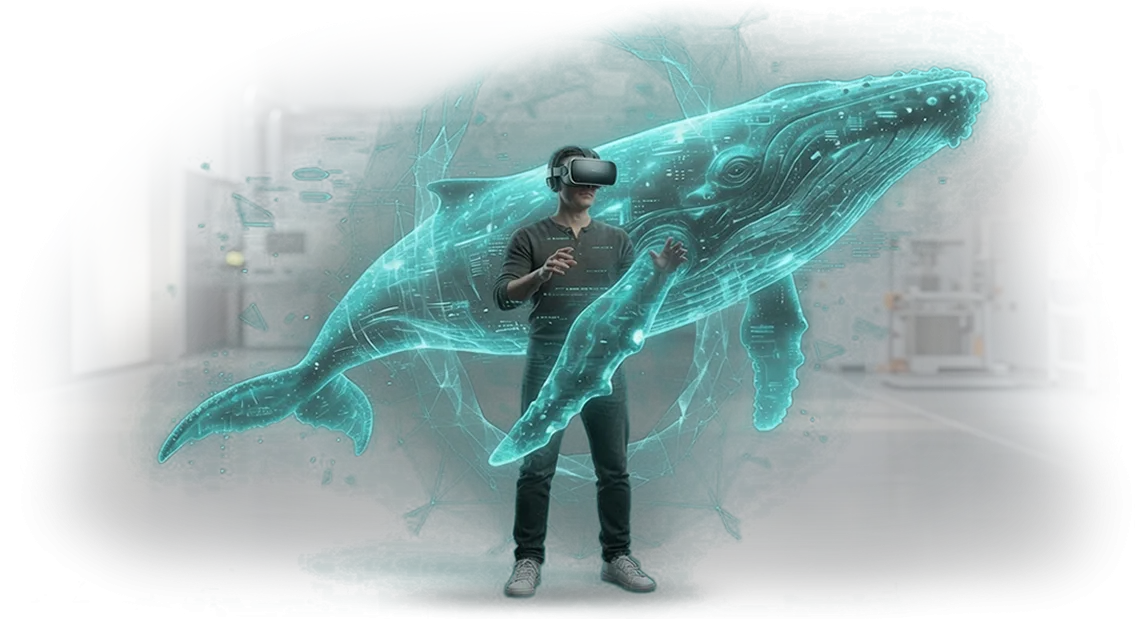
מציאות מדומה במרפאה פותרת בעיה זו. המטופל יכול לראות את הפרוצדורה העתידית שלו דרך עיניו של הרופא: לשקוע במודל תלת-ממדי של האיבר שלו, להבין את שלבי הטיפול ולצפות בתוצאה.
מציאות רבודה לרפואה הולכת אפילו רחוק יותר—היא מרבדת מידע דיגיטלי ישירות על גופו של המטופל, ומאפשרת לרופא להסביר את האבחנה בצורה ויזואלית ולמטופל לזכור את ההסבר ללא ז'רגון רפואי.
זה משנה את התנהגות האנשים: הם מרגישים מעורבים, מתחילים לסמוך על המרפאה, מקבלים החלטות מהר יותר וממליצים עליה ביתר קלות למכריהם.
במאבק התחרותי בין מרפאות, טכנולוגיות VR/AR הופכות לא למותרות, אלא לכלי עבודה למשיכת מטופלים. הן מבדילות את המרפאה מעשרות הצעות דומות ומספקות את רמת הבהירות הוויזואלית שהמטופל התובעני של היום מצפה לה.
מה מקבלים מהטמעת פתרונות VR במרפאה
הטמעת פתרונות VR במרפאה אינה מחווה לטכנולוגיה, אלא כלי עבודה שמספק תועלות מדידות. מטופלים זוכרים את יחס ואת הגישה המודרנית, בעוד רופאים מקבלים הזדמנויות חדשות לעבודה וצמיחה. בואו נפרק את היתרונות העיקריים עבור מרפאה.
הגדלת נאמנות המטופלים. מציאות מדומה הופכת ביקור לחוויה חיובית: היא מפחיתה חרדה לפני ניתוחים ופרוצדורות מורכבות ועוזרת למטופלים להירגע במהלך הטיפול.
מטופלים מוכנים יותר לחזור לפגישות מעקב ולהמליץ על המרפאה ליקיריהם—זה בונה מוניטין מוצק ומפחית נשירה.
גידול בפניות מטופלים. פרסום מפה לאוזן ושירות חדשני נראה לעין מייצרים זרם קבוע של פניות חדשות.
מרפאה עם פרויקט VR בולטת באופן ניכר בין ההצעות המסורתיות, ולכן אנשים מגיעים במיוחד—לאחר שלמדו על החוויה ממכרים או מהרשתות החברתיות.
הכשרת צוות רפואי. רופאים ואחיות מתרגלים מיומנויות מורכבות בסביבה בטוחה מבלי לסכן מטופלים. זה מזרז את ההכשרה ומשפר את איכות העבודה, במיוחד בהחדרת שיטות חדשות. טעויות במהלך פגישות אמיתיות הופכות נדירות יותר.
חיסכון בזמן לרופאים. VR נוטל חלק מהמשימות השגרתיות: הצגה ויזואלית של תוצאות, הכנת המטופל לפרוצדורה והסבר האבחנה.
רופאים מבזבזים פחות זמן על הסברים חוזרים ויכולים להתמקד בטיפול—לראות יותר מטופלים במשמרת מבלי לאבד איכות.
יתרון על פני מתחרים. תדמית חדשנית עוזרת למרפאה לבלוט בשוק רווי, למשוך שותפים ומשקיעים ולהעלות את מעמדה בקהילה המקצועית. זהו נכס ארוך טווח שקשה להעתיק במהירות.
פורמטים של יישומי VR/AR למשימות רפואיות
במרפאה רפואית, רכישת IT מוצדקת רק כשהיא פותרת משימה ספציפית—שיפור איכות השירותים, זירוז הכשרת רופאים או הגדלת זרם המטופלים. VR ו-AR עוזרים בארבעה תרחישים סטנדרטיים, לכל אחד ערך עסקי משלו.
| פורמט | לאילו משימות קליניות | מה זה נותן לעסק |
|---|---|---|
| הכשרת רופאים ב-VR | תרגול מניפולציות כירורגיות, מקרים קליניים נדירים, אלגוריתמים לטיפול חירום | איכות הכשרה סטנדרטית, פחות טעויות, קליטה מהירה של צוות חדש |
| הדגמת VR למטופל | הצגת ניתוח קרוב, אנטומיה ושלבי טיפול בפורמט ויזואלי | אמון גבוה יותר, הסכמה מדעת, פחות סירובים וסיכונים משפטיים |
| שיקום ב-VR | שיקום מיומנויות מוטוריות, שיווי משקל ותפקודים קוגניטיביים לאחר שבץ או פציעה | מעורבות מטופלים גדולה יותר, החלמה מהירה יותר, יתרון ייחודי למרכז |
| מידע AR במרכז | ניווט במרפאה, רמזים ויזואליים על פרוצדורות, תיוג מוגדל של ציוד | חוויית לקוח טובה יותר, חיסכון בזמן צוות, תדמית מודרנית |
גישה זו מאפשרת למרפאה לא רק "ליישם VR", אלא להשיג תוצאה מדידה: ביקורים חוזרים, פרסום מפה לאוזן, פחות זמן על הכשרת צוות.
הפורמטים ניתנים לשילוב בקלות—לדוגמה, מאמן VR לרופאים עובד במחצית הראשונה של היום כמערכת שיקום למטופלים במחצית השנייה.
אנחנו עוזרים לכם לבחור מה מתאים להתמחות שלכם ולהכין את הצוות כך שהטכנולוגיה תשתלם כבר מהחודשים הראשונים לפעילות.
איך אנחנו יוצרים יישום: 7 שלבים מבריף ועד השקה
בנינו את התהליך כך שבכל שלב אתם רואים את התוצאה ויכולים להשפיע על מהלך העבודה. לפרויקטים רפואיים, דיוק, בטיחות ולוחות זמנים צפויים חשובים במיוחד—לכן כל שלב מתועד בחוזה ומלווה בדוח.
- בריף והתעמקות. אנחנו לומדים את התחום שלכם: מי ישתמש ביישום—רופאים, מטופלים או סטודנטים—ואיזו משימה הכלי פותר. אנחנו מתעדים מטרות, קריטריוני הצלחה ומגבלות.
- עיצוב תרחיש. אנחנו חושבים על לוגיקת האינטראקציה: שלבים, בקרת עין ומחוות, משוב. אתם מקבלים דיאגרמה ברורה של היישום העתידי לפני תחילת הפיתוח.
- אישור אב טיפוס. אתם רואים מודל אינטראקטיבי על המכשיר ומנסים את התרחישים המרכזיים. אנחנו מבצעים שינויים בשלב זה—זה חוסך זמן ותקציב.
- פיתוח ויצירת תוכן. אנחנו בונים את הממשק, מודלים תלת-ממדיים ותוכן רפואי. אנחנו עובדים באיטרציות: כל שבוע או שבועיים, אנחנו מציגים תוצאות ביניים.
- בדיקה על תרחישים אמיתיים. אנחנו בודקים מודלים אנטומיים, פרוטוקולי בדיקה ומשימות אימון. אנחנו מתקנים שגיאות ומוודאים שהיישום פועל ביציבות.
- השקה והכשרה. אנחנו מגדירים מכשירים למתחם שלכם, מתקינים את היישום ומבצעים הדרכה. רופאים וצוות מתחילים להשתמש בכלי ללא דיחוי.
- תמיכה והתפתחות. אנחנו נשארים בקשר לאחר ההשקה: עדכונים, חידודים לפי בקשותיכם וייעוצים. אם פרוטוקולים משתנים או נוצרות משימות חדשות, אנחנו מתאימים את היישום במהירות.
מה כלול במסירת יישום VR לרפואה
למוסד רפואי חשוב לא רק לקבל תוכנה, אלא לשלב אותה במהירות בעבודה היומיומית. לכן, חבילת המסירה אינה אוסף קבצים, אלא מערכת עובדת: פונקציונליות מוכנה, הכשרת צוות, הוראות ותמיכה. אתם פותחים חדר VR ומתחילים להשתמש בו מהיום הראשון מבלי לערב מפתח.
הנה בדיוק מה שאתם מקבלים:
-
יישום VR מוכן המותאם למשימותיכם. תרחישי עבודה: הכשרת צוות, שיקום מטופלים וסימולציית פרוצדורות. היישום מוגדר לציוד ולפרופיל המרפאה—בית חולים, מרכז שיקום או קליניקה פרטית.
-
תרחישי שימוש מוגדרים. מתודולוגיה מוכנה לרופאים, צוות רפואי ומטופלים: משך מפגש, התקדמות עומס והערכת תוצאות. אין צורך לפתח פרוטוקולים מאפס.
-
הכשרת צוות. הדרכה פרונטלית או מקוונת לרופאים ואחיות: הפעלת מפגשים, ליווי מטופלים, הגדרת היישום ופעולה במקרה של אי נוחות. עובדים עובדים בביטחון מהיום הראשון.
-
תיעוד והוראות. נהלים ברורים להתקנה, הפעלה, תחזוקה שוטפת ופעולה במקרה של תקלות. ניתן לשלב את המסמכים בתקנים הפנימיים של המרפאה.
-
תמיכה באחריות. ייעוצים, סיוע מרחוק, תיקוני באגים ועדכוני תאימות. במהלך תקופת האחריות, אנחנו מתקנים תקלות ללא עלות; לאחר מכן, במסגרת הסכם תמיכה.
-
עדכונים והתפתחות. חידודים שוטפים של תרחישים לפי המשוב שלכם. כלי ה-VR נשאר רלוונטי ללא מעורבותכם.
לאחר מסירת חבילת המסירה, המרפאה משתמשת ב-VR באופן עצמאי לחלוטין. הכשרת צוות חדש, התאמה למשימות חדשות ועבודה יומיומית מטופלות על ידי הצוות שלכם עם תמיכת התיעוד וסיוע קצר מהצוות שלנו.
תוצאות הטמעה: מקרה בוחן של רשת מרפאות
כשרשת מרפאות פנתה אלינו, המשימה המרכזית הייתה למשוך מטופלים לפרוצדורת אבחון חדשה. פרסומות רגילות ועלונים לא עבדו: אנשים פחדו מהלא נודע ודחו את ביקוריהם.
הצענו סימולציית VR על Apple Vision Pro—בזמן ההמתנה לפגישה, המטופל נכנס לחדר וירטואלי, ראה את תהליך הבדיקה ויכל לשאול שאלות את המנהל.
תוצאת הבדיקה בשני סניפים של הרשת עלתה על הציפיות: במשך שלושה חודשים, הפניות לפרוצדורה גדלו ב-40%, והביטולים ירדו בחצי. מטופלים שעברו את הסיור הווירטואלי הרגישו רגועים יותר ונטו פחות לדחות את ביקוריהם.
עבור המרפאה, זה אומר ניצול יציב של הציוד וצמיחה בהכנסות ללא השקעות פרסום נוספות.
ראש הרשת העריך את התוצאה כך: "חשבנו ש-VR זה על חוויות, אבל קיבלנו תוצאה עסקית מדידה.
ההמרה מייעוץ לפגישה כמעט הוכפלה, ולמנהלים נעשה קל יותר לעבוד—רוב השאלות נפתרות לפני הביקור."
מקרה זה מראה ש-AR/VR ברפואה אינו צעצוע, אלא כלי שמפיג פחדי מטופלים ומגביר את ניצול חדרי הבדיקה.
התאמנו את הפתרון ללוגיקה של המרפאה, והוא השתלב בתהליכים העסקיים ללא שינויים בלוח הזמנים או תגמול נוסף לצוות.
רשת המרפאות "מדיקה" כבר פורסת את הסימולציה לאזורים נוספים שבהם הכנת מטופלים חשובה במיוחד.
איך לבחור את הפורמט של יישום VR/AR למשימות המרפאה שלכם?
הבחירה בין VR ל-AR מתחילה לא בטכנולוגיה, אלא במשימה של המרפאה.
אם צריך להטביע עובד בסביבה שלא ניתן לשחזר במציאות—לדוגמה, תרגול סיבוך נדיר או מניפולציה כירורגית מורכבת—מציאות מדומה מתאימה.
אם צריך להשלים את העולם האמיתי ברמזים או להראות למטופל איך תיראה תוצאת פרוצדורה, מציאות רבודה יעילה יותר.
הכשרת צוות בנויה יותר על תרחישי VR: הרופא רואה אנטומיה תלת-ממדית ויכול לחזור על פעולות ללא סיכון למטופל.
להדגמות למטופלים—לדוגמה, תכנון כירורגי או הדמיית שתלים—AR נוחה יותר: התמונה מוקרנת על הגוף או על מודל, והמטופל מבין בדיוק מה יקרה.
שיקום יכול להשתמש בשני הפורמטים: VR מספק סביבה מבוקרת לאימון, בעוד AR עוזר לבצע תרגילים במרחב האמיתי עם משוב דיגיטלי.
חשוב לא לחפש פתרון אוניברסלי, אלא לבחור פורמט לתרחיש ספציפי. בפרויקט אחד, מרפאה יכולה לשלב את שני הכיוונים: סימולטור למנתחים ויישום להסברת פרוצדורות למטופלים.
אנחנו עוזרים לכם לבקר את המשימות שלכם, לבחור את הפורמט הנכון וליצור אב טיפוס שניתן לבדיקה לפני פיתוח בקנה מידה מלא. זה חוסך תקציב ומאפשר להעריך במהירות את ההשפעה.
התשובה לשאלה "מה נבחר?" תמיד מתחילה בתשובה ל"איזו בעיה אנחנו פותרים?" תארו את התרחיש שלכם—אנחנו נציע את הפתרון האופטימלי ונראה איך הוא ישתלב בעבודת המרפאה.
ספקות נפוצים לפני הזמנת יישום VR
VR ורפואה הוא שילוב שמעלה באופן טבעי שאלות מהלקוח: האם יהיה קשה לצוות, האם נתוני מטופלים ידלפו, מה עם ציוד ולוחות זמנים. אנחנו מתייחסים לספקות המרכזיים כדי שההחלטה על ההשקה תהיה מושכלת.
האם לא יהיה קשה לצוות לשלוט ביישום VR?
ממשקי VR מודרניים מתוכננים כך שמחסום הכניסה יהיה מינימלי. רופאים ואחיות מתחילים לעבוד עם היישום לאחר הדרכה קצרה—תרחישים סטנדרטיים (בדיקה, שיקום, תרגול מיומנויות) כבר מובנים בלוגיקת הממשק.
הצוות שלכם מקבל תפקידים מוכנים: מה לראות, איך לתקשר ואילו פעולות מפעילות תגובת מערכת. השליטה מבוססת על מחוות טבעיות, כמו בחיי היומיום, כך שלא נדרשת הכשרה מיוחדת.
האם נתוני מטופלים בטוחים בסביבה וירטואלית?
עיבוד נתונים רפואיים כפוף לדרישות מחמירות, ואנחנו לוקחים זאת בחשבון ברמת הארכיטקטורה. נתונים אישיים אינם יוצאים מהפרימטר המוגן של המרפאה, הגישה מבוססת תפקידים, והמידע מועבר בערוצים מאובטחים.
ניתן לפרוס את היישום על שרתי הארגון שלכם או בענן מבודד—זה נדון בשלב הבריף ומתועד בתיעוד. אתם מקבלים כלי שעומד בתקנות הפנימיות ובחוק.
האם נצטרך לקנות ציוד VR יקר?
ברוב המקרים, למרפאה כבר יש חומרה מתאימה או שהיא יכולה לשכור אותה לתקופת הפיילוט. בהתחלה, אנחנו מבצעים ביקורת: אנחנו ממליצים אילו מכשירים מתאימים למשימותיכם—ממשקפי standalone ועד פתרונות לעבודה משותפת של צוות כירורגי.
אם נדרשת רכישה, נציע אפשרויות עם אורך החיים והתמורה הטובים ביותר. לתרחישי שיקום מסוימים, VR יכול להחליף כמה מכשירי אימון יקרים, מה שמחזיר את ההשקעה.
האם הפיתוח ייקח יותר מדי זמן?
אנחנו עובדים באיטרציות קצרות: התוצאות הראשונות מופיעות תוך מספר שבועות מההתחלה. ראשית, אנחנו בונים גרסה בסיסית לתרחיש המרכזי, אתם בודקים אותה על תהליך אמיתי—ורק אז אנחנו מרחיבים את הפונקציונליות. בכל שלב, אתם רואים מוצר עובד, לא מצגת.
גישה זו מאפשרת להשיק פיילוט תוך 1–2 חודשים וליישם את הגרסה המלאה מבלי לעצור את עבודת המרפאה.
האם יהיה עימות עם התהליכים הנוכחיים?
פתרון ה-VR משתלב בתהליכי העבודה הקיימים במקום לשבור אותם. היישום מייצר סטטיסטיקות ודוחות בפורמט נוח, מוריד נתוני מפגשים ומסנכרן תוצאות עם התיק הרפואי או מערכת החשבונאות שלכם.
אנחנו דנים בתרחיש בשלב הבריף: מי משתמש, אילו נתונים נאספים והיכן הם מאוחסנים. לאחר ההשקה, אתם מקבלים תמיכה ותגובה מהירה לשאלות הצוות.
כל ספק נפתר בשלב המשא ומתן: פשוט תארו את התהליך שלכם, ואנחנו נראה איך VR משתלב בו. בואו נדון בתרחיש שלכם—נשלח תוכנית של 2–3 עמודים עם שלבים, סיכונים ולוחות זמנים.בואו נדון בפרויקט שלכם? צרו קשר לייעוץ
אנחנו יודעים איך נראית הטמעת פתרון VR בפרקטיקה רפואית: מהשערות ראשוניות ועד הכשרת צוות ועבודה יומיומית של רופאים.
לכן, לאחר פנייתכם, אתם מקבלים לא "טווח מחירים", אלא תוכנית פעולה שקופה—הצוות שלנו נע איתכם מהשיחה הראשונה ועד אב טיפוס עובד.
כך התהליך עובד:
- פנייה ושיחה קצרה—אנחנו דנים במשימה, בקהל ובתוצאה הצפויה.
- ניתוח צרכים—אנחנו לומדים את המרפאה, תרחישי שימוש, מגבלות ומדדי יעד.
- חישוב עלות—אנחנו מציגים אומדן עלות שקוף עם הצדקה לכל שלב (עלות מחושבת לאחר ביקורת).
- תוכנית הטמעה—אנחנו מציעים ארכיטקטורת פתרון, שלבי בדיקה וקריטריוני קבלה.
- השקה ותמיכה—אנחנו מוסרים את הפתרון, מאמנים את הצוות ותומכים בכם בהתחלה.
לאחר השיחה הראשונה, אתם מקבלים:
- ניתוח מהיר של המשימה שלכם והמלצות על פורמט VR/AR;
- חישוב עלות פיתוח ולוחות זמנים לתקציב שלכם;
- תוכנית הטמעה שלב אחר שלב עם שלבים ואחראים;
- הצעה מסחרית עם תנאים קבועים;
- רשימת סיכונים ודרכים להפחתתם;
- דוגמאות לפרויקטים דומים בתחום הרפואי.
השאירו פנייה לייעוץ—נחזור אליכם תוך יום עסקים אחד, נבהיר את הפרטים ונכין אומדן עלות. התחילו בשיחה כדי שפתרון ה-VR שלכם כבר יעבוד ברבעון הזה.