



ניתוח פלסטי ללא VR: איך מאבדים מטופלים?
מטופל מגיע למרפאה עם בקשה — ואינו יכול לדמיין כיצד ייראה לאחר הניתוח. אפילו ייעוצים מפורטים ותמונות לפני/אחרי משאירים מקום לספק.
והספק הוא האויב העיקרי של הניתוח הפלסטי: האדם דוחה את ההחלטה, מחפש חלופות, או הולך למתחרים. כל עזיבה כזו היא הכנסה אבודה וחיזוק למרפאה של מישהו אחר.
השוק משתנה: מרפאות שמראות את התוצאה לפני הניתוח זוכות ליתרון תחרותי. הן מדברות בשפת הביטחון: "כך הפנים שלך ישתנו." ללא זה, אתם מאבדים מטופלים — הם בוחרים באלה שמציגים דברים בצורה ויזואלית.
התחרות בין מרפאות היום בנויה לא רק על מיומנות המנתחים אלא גם על השקיפות של התוצאה העתידית.
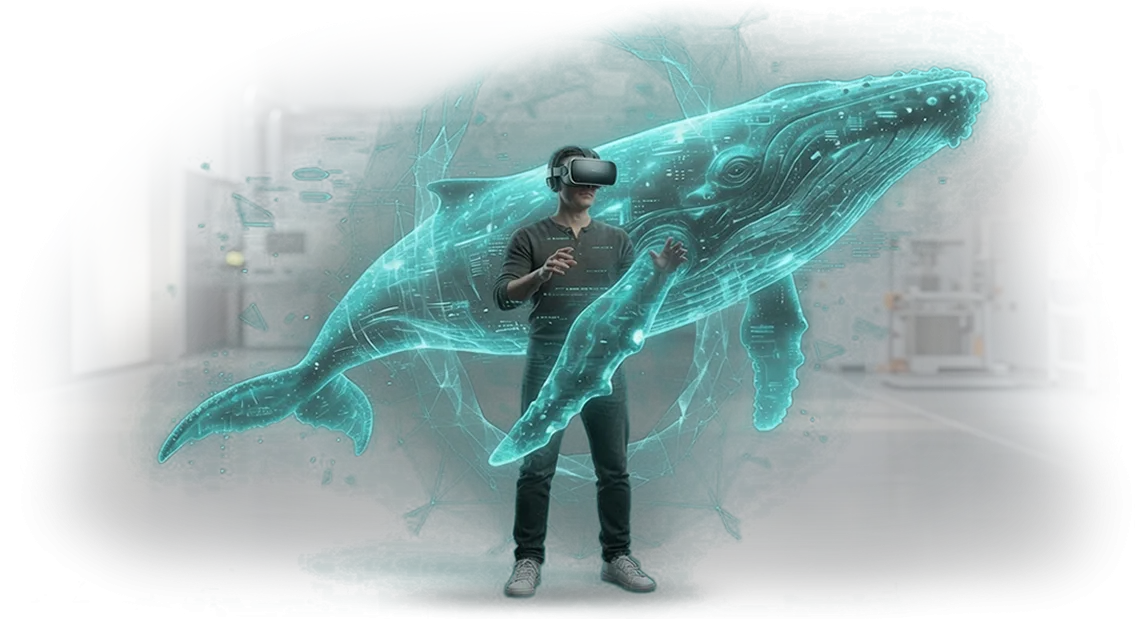
VR לניתוח פלסטי פותר את הבעיה הזו. עם הדמיה מרחבית על Apple Vision Pro, המטופל רואה תוצאה ריאלית, והמנתח מאמת את התוכנית הניתוחית מראש.
זו לא רק מודל תלת-ממדי אלא חוויה אינטראקטיבית: אפשר לבחון את הפנים מזוויות שונות, לראות כיצד האסימטריה נעלמת והתווי פנים משתנים. המטופל מפסיק להסתמך על דמיון ומתחיל לסמוך על מה שהוא רואה.
גישה זו מסירה את ההתנגדויות העיקריות: "מה אם זה יצא גרוע יותר?" ו"איך אני אראה?" המטופל הופך לשותף ליצירת התוצאה, והמרפאה הופכת למודרנית ואמינה.
אמון המטופל גדל עוד לפני הניתוח, ההמרה להזמנת תורים עולה, והמלצות מפה לאוזן מביאות מטופלים חדשים. אנשים משתפים בשמחה את החוויה של "מדידת" הפנים העתידיות שלהם — זה פרסום חינם אחרי הביקור.
אנו יוצרים יישומי מציאות מדומה ורבודה לניתוח פלסטי — מהקונספט ועד היישום. אנו עוזרים לכם להפסיק לאבד מטופלים ולהציג תוצאה שמוכרת את עצמה.
5 יתרונות מרכזיים של VR/AR למרפאת ניתוח פלסטי
יישום VR/AR בניתוח פלסטי אינו עוד ניסוי. היום זה כלי שיווק ומכירה עובד שמטופלים תופסים כדאגה להם, ומרפאות רואות בו דרך להתבלט מול מתחרים. אספנו 5 תוצאות שמרפאות משיגות לאחר השקת פתרונות כאלה.
-
עלייה בהזמנות ייעוצים. המטופל רואה את התוצאה העתידית לפני הביקור — זה מסיר את הפחד המרכזי של "מה אם זה יהיה גרוע יותר." לאחר פרסום הדמיה אינטראקטיבית, מרפאות מבחינות בעלייה משמעותית בפניות הנכנסות.
-
המרה גבוהה יותר לניתוח. במהלך הייעוץ, הרופא מראה למטופל מודל תלת-ממדי של התוצאה. האדם מפסיק להסתמך על הבטחות מופשטות — הוא רואה את עצמו לאחר הניתוח. זה מפחית ספקות ואת מספר הייעוצים החוזרים.
-
שיווק ללא פרסום יקר. אנשים משתפים בשמחה את תצוגת התוצאה האינטראקטיבית עם חברים ומפרסמים אותה ברשתות החברתיות. כל פוסט כזה בונה הכרה למרפאה ומביא מטופלים חדשים ללא תקציב פרסום נוסף.
-
פחות סירובים לאחר ייעוץ. מטופלים ש"ישנו על ההחלטה" חוזרים לעתים קרובות להדמיה בבית. היא מזכירה להם את התוצאה ומחזקת את ההחלטה — חלק הביטולים מסיבות רגשיות יורד.
-
תגובה חיובית ואמון מצד המטופלים. היכולת "למדוד" מראה עתידי נתפסת כרמת שירות גבוהה. מטופלים מרגישים שהמרפאה מתקדמת עם הזמן ומוכנים יותר להמליץ עליה לקרובים.
כל אחד מהיתרונות האלה מתחיל שרשרת: הדמיה מושכת → ייעוץ משכנע → המלצות מביאות את הבא. לכן VR/AR בניתוח פלסטי עובד לא כאטרקציה מפוארת אלא כחלק ממערכת גידול בהזמנות.
פורמטים של פתרונות VR/AR: מה לבחור למרפאה שלכם
משימות שונות במרפאה דורשות פורמטים שונים של מציאות רבודה ומדומה.
מה שחשוב הוא לא מספר הטכנולוגיות אלא התאמה לתרחיש: VR עוזר להראות את תוצאת ההתערבות, AR מערב את המטופל במגע ראשון, MR עוזר ליישר תוכנית טיפול מורכבת.
שלושה פורמטים — למטרות שונות של המרפאה
| פורמט | לאילו משימות הוא מיועד | מה הוא נותן למרפאה |
|---|---|---|
| הדמיית VR | להראות למטופל את התוצאה העתידית של הניתוח, ללוות אותו בשלבי ההחלמה | הפחתת חרדה לפני ההתערבות, יותר הסכמות להליכים |
| שכבת AR | למדוד שיפורים על תמונת המטופל או במראה בזמן אמת | "לפני/אחרי" ויזואלי ללא התקנת תוכנה, מעורבות ופניות מוגברות |
| פרויקטי MR | לשלב מודל תלת-ממדי עם התמונה האמיתית לצפייה משותפת של רופא ומטופל | הסבר ברור של התוכנית הניתוחית, אמון חזק יותר במנתח |
VR מוצדק לייעוצים לפני ניתוח, כשהמטופל צריך "לראות" את התוצאה ולהתכונן לשיקום. AR מיועד לשיווק ומגע ראשון: המטופל מתנסה בשינויים ישירות ברשתות החברתיות או באתר המרפאה.
MR מתאים למקרים מורכבים שבהם צריך להראות שינויים פנימיים ולסכם על היקף ההתערבות ללא לחץ.
אנו מתכננים תרחיש למרפאה שלכם — מפילטר AR פשוט למשיכת מטופלים ועד סימולטור שיקום VR מלא. הפתרון משתלב בעבודה של המנהלים והמנתחים, מבלי להוסיף עומס נוסף לצוות.
שלבי פיתוח יישום VR לעסק שלכם
פיתוח יישום VR לניתוח פלסטי הוא תהליך עסקי ניתן לניהול שבו אתם שולטים בכל שלב. מבננו את העבודה כך שהלקוח תמיד מבין מה קורה, אילו החלטות מתקבלות, ומה תהיה התוצאה בסוף.
-
בריף והתעמקות במשימה. אנו דנים במטרות המרפאה: משיכת מטופלים חדשים, הגברת אמון בהליכים, או הגדלת הזמנות. אנו מבררים אילו שירותים ותוצאות להציג, מי הקהל שלכם, ואיזה תדמית מותג צריך להעביר.
-
ניתוח ותרחישי שימוש. אנו קובעים כיצד המטופל יתקשר עם היישום: ניסיון וירטואלי של התוצאה, הדמיה ויזואלית של שלבי ההליך, או סיור אינטראקטיבי במרפאה. אנו מכינים את הקונספט ותוכנית היישום.
-
אב-טיפוס ואישור. אנו מציגים את מבנה המסכים וההיגיון של מסע המטופל כדי שתוכלו לראות את המוצר העתידי לפני תחילת הפיתוח הראשי. אנו מיישרים קו ומבצעים תיקונים — זה מונע אי-הבנות ועלויות נוספות לעבודה חוזרת.
-
עיצוב והדמיה. אנו יוצרים ממשק ומודלים תלת-ממדיים המשקפים את הרמה היוקרתית של המרפאה שלכם. המטופל צריך להרגיש ביטחון ומקצועיות עוד לפני הביקור הראשון — זה מגביר אמון.
-
פיתוח ואינטגרציה. אנו בונים את היישום, מגדירים אינטגרציה עם מערכת ה-CRM ומערכת ההזמנות שלכם. אנו משתמשים בכלים מוכחים וציוד מקצועי כדי שהכל יעבוד ביציבות וללא תקלות על Apple Vision Pro.
-
בדיקות, השקה ותמיכה. אנו בודקים את כל התרחישים, מאמנים את הצוות שלכם ועוזרים בהשקה. לאחר העלייה לאוויר, אנו נשארים בקשר: משפרים, מעדכנים ועונים לשאלות מטופלים.
כל שלב מסתיים בתוצאה ברורה, לא בדוח טכני. אתם תמיד יודעים מה קורה ושולטים בלוח הזמנים והתקציב.
מה כלול בחבילת מסירת פתרון VR/AR
כשאנו אומרים "חבילת מסירת פתרון VR/AR," אנחנו לא מדברים רק על היישום.
זו קבוצה מלאה של חומרים ושירותים המאפשרת למרפאת ניתוח פלסטי להשתמש בטכנולוגיה מיד בעבודה: בייעוצים, במכירת ניתוחים ובתקשורת עם מטופלים. להלן כל מה שאתם מקבלים במסגרת הפרויקט.
-
יישום מוכן לשימוש עבור Apple Vision Pro ומכשירי VR/AR אחרים — מותאם למשימות ניתוח פלסטי: הדגמה אינטראקטיבית של תוצאות, הדמיית לפני/אחרי, צפייה במודלים תלת-ממדיים בגודל מלא.
-
מודלים תלת-ממדיים של מטופלים — נוצרים מהתמונות שלכם ומראים בצורה ריאלית כיצד הפנים או הגוף ישתנו לאחר הניתוח. הבהירות הוויזואלית הזו עוזרת להתגבר על התנגדויות במהלך ייעוצים ומאיצה את החלטת המטופל.
-
לוח ניהול להעלאת מודלים חדשים — אתם מוסיפים מקרים חדשים ליישום באופן עצמאי ללא מתכנת. פשוט העלו תמונות — המערכת תכין מודל להדגמה.
-
הכשרת צוות המרפאה — אנו מעבירים הדרכה לרופאים ומנהלים: כיצד להפעיל את היישום, לעבוד עם מודלים תלת-ממדיים ולשלב הדגמת VR בפגישה הסטנדרטית. ההדרכה מתבצעת מרחוק או במקום.
-
תמיכה טכנית ותחזוקה — לאחר ההשקה, אנו נשארים בקשר: עונים על שאלות, עוזרים בהגדרות, פותרים בעיות טכניות. התמיכה כלולה לשנת הפעילות הראשונה.
-
חומרים מתודולוגיים — הוראות, סרטוני הדרכה ותרחישי ייעוץ מוכנים באמצעות VR/AR. רופאים לא צריכים להמציא דבר — הם פשוט משתמשים בחומרים שפותחו.
-
עדכונים ושיפורים — במהלך תקופת התמיכה, אתם מקבלים תכונות חדשות ושיפורים שהופכים את הפתרון לנוח עוד יותר עבור המרפאה והמטופלים.
כפי שאתם רואים, חבילת המסירה היא פתרון עבודה מלא. אתם מקבלים לא רק טכנולוגיה אלא כלי שעוזר למטופלים לקבל החלטות בביטחון רב יותר, מקצר את זמן הייעוץ ומגדיל את הזמנות הניתוחים.
מקרה בוחן: ייעוצי VR הגדילו את הזמנות הניתוחים במרפאה
מטופלים של מרפאות ניתוח פלסטי דוחים לעתים קרובות את ההחלטה לעבור ניתוח כי הם חוששים שלא יקבלו את התוצאה המצופה. תמונות לפני/אחרי של אחרים לא משכנעות: כל מקרה הוא ייחודי.
ייעוץ VR מסיר את המחסום הזה — המטופל רואה את הצורה העתידית שלו ומחליט בביטחון רב יותר.
מרפאת הניתוח הפלסטי "אסתטיקה" פנתה אלינו במטרה לצמצם את הפער בין הביקור הראשון להזמנת הניתוח.
יישמנו הדמיית VR המבוססת על Apple Vision Pro: במהלך הייעוץ, המנתח מדגמן את התוצאה תוך התחשבות במאפיינים האנטומיים, והמטופל צופה בה בתלת-ממד מזוויות שונות, משנה הבעות פנים — ומקבל תמונה אמיתית של העתיד שלו.
ההשפעה הופיעה בתוך החודש הראשון. ייעוצים ראשוניים שהסתיימו בהזמנת ניתוח ראשונית גדלו ב-40%. מטופלים הפסיקו "לצאת לחשוב" — לראות את הפרספקטיבה שלהם התברר כמשכנע יותר מכל תיאור מילולי. חודשיים לאחר מכן, המרפאה הזמינה ערכה שנייה לחדר הניתוח השני שלה.
היום ייעוץ VR הוא חלק מהפגישה הסטנדרטית: הרופא לא מדבר על התוצאה — הוא מראה אותה. זה מחזק את האמון ומבדל את המרפאה מהמתחרים.
מטופלים משתפים את החוויה עם קרובים, חוזרים להליכים חדשים ומביאים מכרים — עלות רכישת הלקוח יורדת ללא תקציב פרסום נוסף.
שאלות נפוצות על יישום VR/AR בפרקטיקה רפואית
עבור רופאים ומנהלי מרפאות, טכנולוגיה חדשה היא תמיד עניין של אמון. VR/AR בניתוח פלסטי נראה מרשים, אבל קודם כל רוצים לוודא שהוא אמין, בטוח ולא יפריע לתהליכים המוכרים. להלן תשובות לשאלות שנשאלות לרוב לפני תחילת פרויקט.
האם בטוח להשתמש ב-VR/AR עם מטופלים? האם יש סיכונים?
הטכנולוגיות משמשות רק ככלי עזר: הדמיית תוצאות, הדמיית אנטומיה, אימון. הן לא מחליפות את הרופא ולא משפיעות על מהלך הניתוח.
כל התרחישים נבדקים מראש, והציוד פועל במצב עדין, כך שזו חוויה בטוחה ונוחה למטופל.
האם היישום לא יפריע ללוח הזמנים של המרפאה?
היישום מתבצע בשלבים: קודם אנו מגדירים את המערכת ברקע, ואז מאמנים את הצוות. התהליכים המרכזיים של המרפאה לא מופרעים. בפועל, ההסתגלות אורכת כמה שבועות, ולאחר מכן הטכנולוגיה עובדת לבד ואינה דורשת תשומת לב מתמדת.
האם הפתרון תואם לציוד ולתוכנות שלנו?
אנו בונים אינטגרציה סביב המשימות הספציפיות של המרפאה. אנו משתמשים בתקנים פתוחים ובציוד מקצועי, כך שהפתרון מתחבר למערכות החשבונאות וההדמיה שלכם מבלי להחליף חומרה קיימת. אנו מטפלים בכל הצד הטכני; אתם לא צריכים להיכנס לפרטים.
מה קורה לאחר ההשקה? מי תומך בנו?
אנחנו לא מוסרים את הפרויקט "מפתח ביד" ונעלמים. מלווה אישי מלווה אתכם, ותמיכה טכנית זמינה בשעות העבודה. כל השיפורים והעדכונים מכוסים באחריות — אתם תמיד יכולים לפנות לעזרה ולקבל תשובה מהירה.
אם עדיין יש לכם שאלות על לוחות זמנים, עלות או פרטים ספציפיים של המרפאה שלכם — פשוט כתבו לנו. נספר לכם איך זה יעבוד במקרה שלכם, נראה דוגמאות ונעזור לכם להחליט בלי לחץ.הזמינו יישום VR/AR למרפאה שלכם
אפשר להזמין יישום VR לניתוח פלסטי בכמה צעדים — בלי להיכנס לפרטים טכניים. רק צריך להשאיר פנייה באתר או במסנג'ר, ואז אנחנו מלווים אתכם בכל שלב.
-
פנייה. אתם משאירים את פרטי הקשר — אנחנו חוזרים אליכם תוך יום עסקים אחד, מבררים את המטרות והקהל של המרפאה.
-
ייעוץ. אנו דנים בתרחיש: הדמיית תוצאות ניתוח, סיור וירטואלי במרפאה, קטלוג שירותים אינטראקטיבי.
-
הדגמה. אנו מציגים דוגמאות פתרונות לניתוח פלסטי ומסכמים על הקונספט לפני תחילת הפיתוח.
-
הערכת עלות. אנו מכינים תקציב, לוח זמנים ושלבים. אין עמלות נסתרות או אותיות קטנות.
-
חוזה ותוכנית עבודה. אנו קובעים לוחות זמנים ואחריות — אתם מבינים מה אתם מקבלים ומתי.
-
פיתוח והשקה. אנו יוצרים את היישום, בודקים אותו על מכשירים אמיתיים ומאמנים את הצוות שלכם.
-
תמיכה. אנו נשארים בקשר לאחר ההשקה: עדכונים, שיפורים, עזרה בצמיחה.
לאחר הפנייה, אתם מקבלים לא רק הצעה מסחרית אלא תוכנית פעולה מוכנה. ההדגמה והערכת התקציב מאפשרות לכם לקבל החלטה ללא סיכון: אתם רואים איך היישום יעבוד במרפאה שלכם עוד לפני התשלום הסופי.
השאירו פנייה היום — ותוך כמה ימים נראה לכם איך פתרון VR/AR יגדיל את הזמנות הייעוצים ויבדל את המרפאה שלכם מהמתחרים.
איך לבחור את פורמט יישום ה-VR/AR הנכון למטרה של המרפאה שלכם?
בחירת פורמט היא לא עניין של טכנולוגיה אלא של משימה ספציפית. מרפאה אחת צריכה כלי להדגמת תוצאת הניתוח, אחרת צריכה דרך לשמור על מעורבות המטופל במהלך הייעוץ.
אין "כדור כסף" אוניברסלי, ולכן אנחנו מתחילים בבריף: אנו דנים באיזה שירות אתם רוצים לקדם ואיזו התנגדות המנתחים שלכם נתקלים בה לרוב.
אם המטרה היא להראות את התוצאה לפני ההתערבות, סימולציה סוחפת על Apple Vision Pro או מכשיר AR אחר עובדת הכי טוב. המטופל רואה את עצמו במראה עם התוצאה הסבירה, "מודד" את הצורה העתידית של האף או קו הסנטר.
זה מסיר את ההתנגדות העיקרית "איך אני אראה?" ומקצר משמעותית את שלב הספק.
כשהמשימה היא להכיר למטופל את רשימת ההליכים, סיור וירטואלי במרפאה או קטלוג שירותים תלת-ממדי אינטראקטיבי יעילים. המבקר בוחן בשלווה את חדרי הניתוח, חדרי המטופלים ואזור הקבלה, וצופה באנימציות של כל התערבות.
הלקוח מקבל פורמט מצגת מודרני שמבדל את המרפאה ממתחרים עם ברושורים מנייר.
למשימות פנימיות, מודולי אימון VR מתאימים: תרגול מיומנויות ניתוח, היכרות של צוות חדש עם פרוטוקולים. זה משפר את ביצועי הצוות ומפחית את הסיכון לטעויות, מה שמשפיע בעקיפין על המוניטין של המרפאה.
אנחנו לא מוכרים "קופסה" — אנחנו בוחרים פורמט למשפך שלכם: איפה בדיוק אתם מאבדים את המטופל — בשלב בחירת המרפאה, במהלך הייעוץ או אחריו? לכל שלב יש פתרון ספציפי.
ספרו לנו על המשימה שלכם — נעזור לכם לנווט ונכין אב-טיפוס שיראה את האפקט עוד לפני השקת הפרויקט המלא.