



מדוע VR/AR חיונית בייצור חומרי בניין
יצרן חומרי בניין משקיע באיכות, בהרכב ובטכנולוגיה, אך הקונה אינו יכול להעריך את המוצר בפעולה.
דוגמית באולם התצוגה או תמונה בקטלוג אינה מראה כיצד החומר נראה על בניין אמיתי — בהקשר של החזית, התאורה והמבנים השכנים.
ללא תמונה כזו, הלקוח מהסס, שואל שאלות המשך ודוחה את ההחלטה. העסקה נמשכת שבועות, וחלק מההזמנות הולכות לאלה שיכולים להדגים את המוצר שלהם חזותית.
קטלוגים ודוגמיות פיזיות הם שטוחים וקטנים, בעוד התקנה באתר עבור כל לקוח אינה אפשרית. המכירה תלויה בדמיונו של הקונה ולא ביתרונות האמיתיים של החומר. מכאן אישורים ארוכים, החזרות והפסד הכנסות.
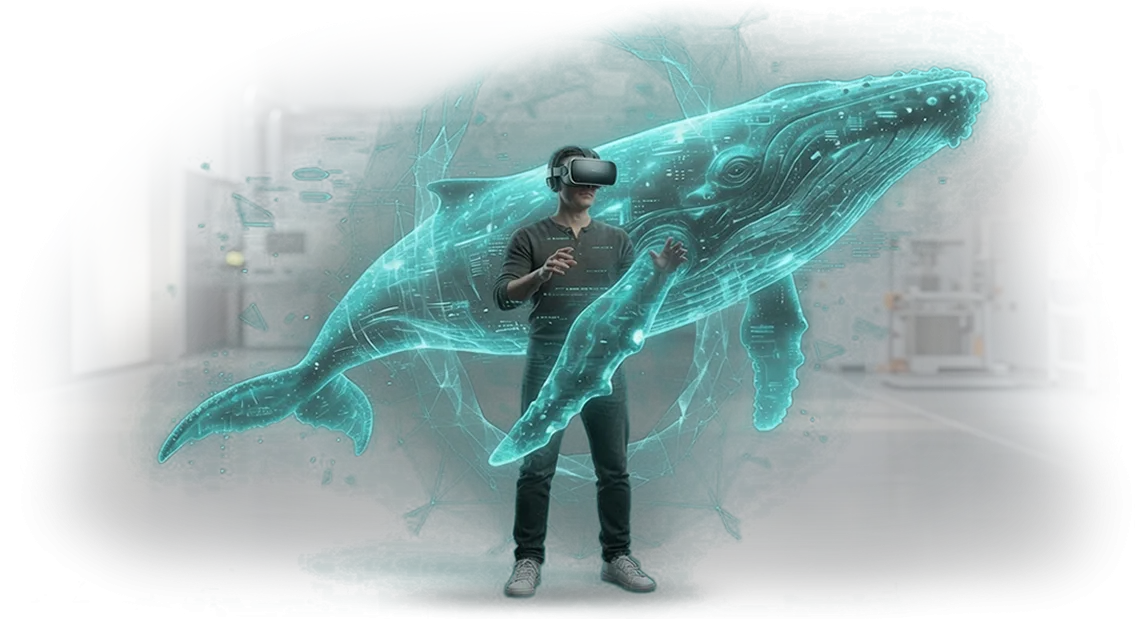
VR/AR מביאה מוצרים לעולם האמיתי. הלקוח רואה את החומר על חזית הבניין שלו או בפנים — בקנה מידה של 1:1, מזוויות שונות, תחת תאורה שונה. ניתן לשנות צבעים, טקסטורות ופריסות באופן מיידי. ויזואליזציה של מוצר הופכת מצגת מוצר לחוויה מוחשית ללא ניחושים.
אנו יוצרים יישומים כאלה עבור יצרני חומרי בניין, כולל עבור Apple Vision Pro. זה לא רק "תמונה יפה" אלא כלי מכירה: הקונה מבין את הערך מהר יותר, בוחר בביטחון ומחזיר הזמנות בתדירות נמוכה יותר.
הטמעת VR/AR מקצרת את הדרך של הלקוח מהמפגש הראשון ועד לעסקה — זה משפיע ישירות על הכנסות הייצור.
מה פיתוח Apple Vision Pro נותן ליצרן חומרי בניין
עבור מפעל חומרי בניין, Apple Vision Pro אינו גאדג'ט אלא כלי למכירות והדרכה. קונה לא תמיד יכול לבקר באתר הייצור או לדמיין כיצד אריחים, לוחות חזית או בידוד ייראו בפרויקט שלו.
קטלוגים ודוגמיות רגילים אינם מעבירים קנה מידה, טקסטורה או משחק אור. יישום מרחבי מאפשר להציג מוצרים בקנה מידה מלא ממש במשרד הלקוח או בתערוכה — עם שחזור צבע מדויק וחומרים ריאליסטיים.
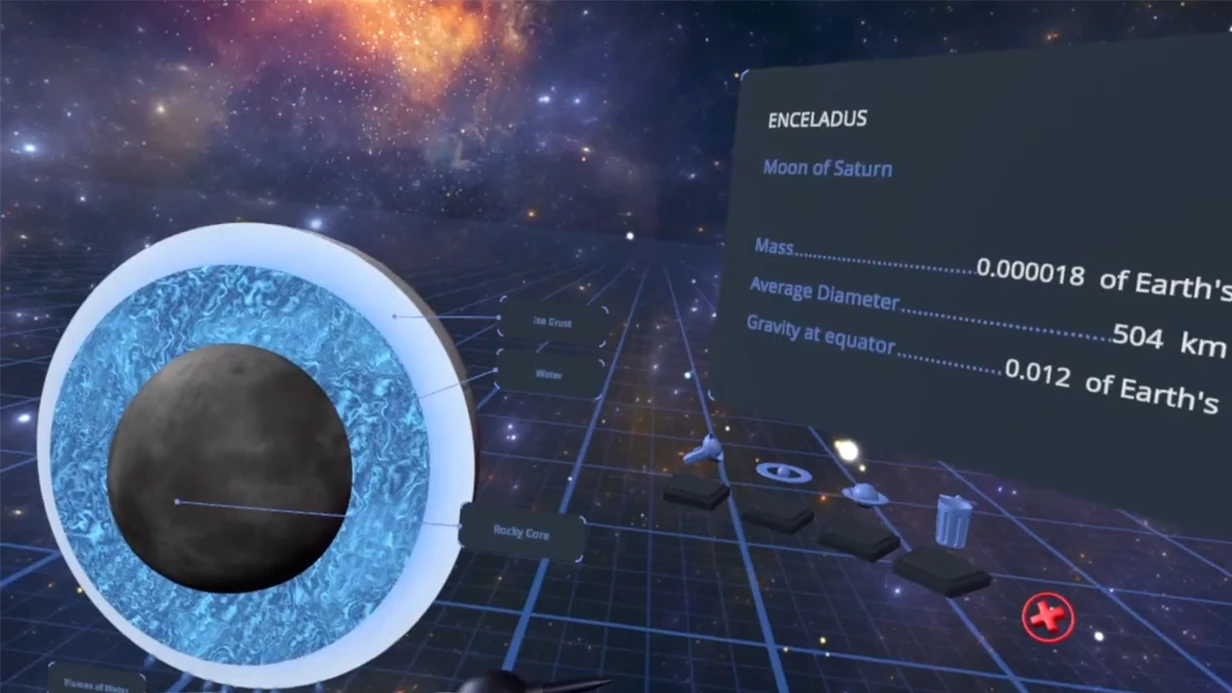
הצגת חומרי בניין הופכת ויזואלית: שנה אפשרויות גימור, הצג חתך קיר, פרופיל בידוד או חיבורי פאנלים. הלקוח רואה את המוצר "חי", לא בתמונה — זה מסיר התנגדויות ומאיץ את החלטת הרכישה.
ואם צריך להציג מספר אפשרויות, אין צורך להעביר דוגמיות — הכל ביישום אחד.
Apple Vision Pro עבור מפעל הוא גם הדרכת עובדים ללא עצירת ייצור. עובדים חדשים עוברים הדרכה עם הנחיות תלת-ממדיות שלב אחר שלב, לומדים רכיבי ציוד ורצפי תפעול ממש בעמדת העבודה. טעויות ממוזערות, וזמן הקליטה מצטמצם פי כמה.
מבחינה טכנית, אנו משתמשים בציוד מקצועי ובארכיטקטורת שרתים מוכחת — זה מספק תוצאות יציבות ללא תקלות וסיכונים נמוכים בהשקה. עבור הארגון שלך, זה אומר פריסה מהירה ואפקט צפוי.
ספר לנו על המטרות שלך — נראה כיצד יישומים מרחביים יכולים לחזק את המכירות והדרכת העובדים שלך.
פורמטים של VR/AR/MR לייצור חומרי בניין
כל משימה בייצור חומרי בניין דורשת פורמט משלה. אולם תצוגה וירטואלי להצגת קולקציה חדשה ושכבת AR על קיר אמיתי פותרים בעיות עסקיות שונות.
בחירה בפורמט הלא נכון משמעותה בזבוז זמן ותקציב, ולכן חשוב להבין מראש מה בדיוק אתה רוצה להשיג: הגדלת מכירות, הפחתת החזרות או האצת אישורים.
| פורמט | למי | מה זה נותן ללקוח |
|---|---|---|
| VR — אולם תצוגה וירטואלי | מחלקת מכירות, תערוכות, משווקים | הקונה "נכנס" לפנים עתידיים עם האריחים או החזית שלך, בוחר גימור ב-10 דקות במקום שעת משא ומתן, ושיעור ההמרה של לידים גדל. |
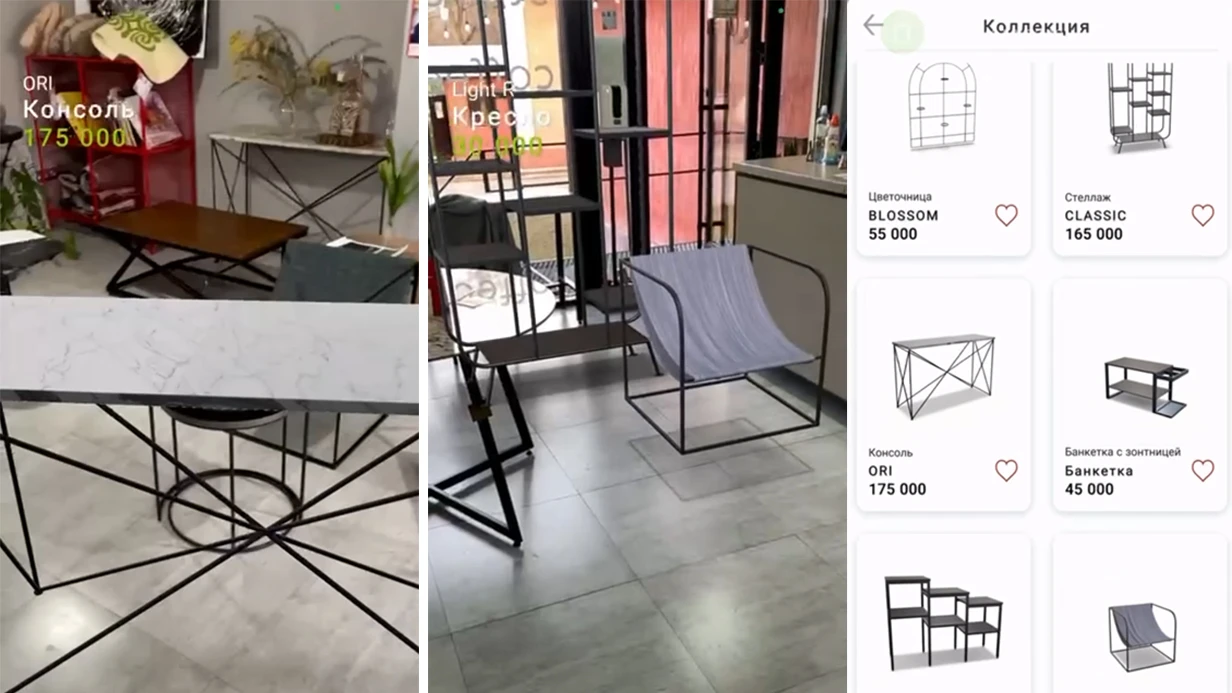
| AR — מציאות רבודה | מתקינים, אדריכלים, נציגי מכירות | הפניית המצלמה לקיר או לתוכנית בניין מראה את המראה הסופי של הציפוי. זה מבטל שגיאות בהזמנת חומרים ומפחית החזרות. |
| MR — מציאות מעורבת | מחלקות תכנון, פיקוח טכני, אישורים | מודל דיגיטלי משולב עם אובייקט פיזי — המנהל רואה פערים לפני הייצור ואינו מבזבז כסף על עבודה חוזרת. |
פורמטי VR, AR ו-MR אינם "צעצועים אופנתיים" אלא כלי עבודה למשימות ספציפיות. אם אתה צריך לקדם קולקציה חדשה — לך על אולם תצוגה וירטואלי. אם אתה צריך להפחית פגמים והחזרות — AR לחומרי בניין הוא הפתרון המתאים. לפרויקטים מורכבים עם קבלנים מרובים, MR יעיל יותר.
אנו קובעים במהלך בריף חינמי איזה פורמט ישתלם במקרה הספציפי שלך, ולאחר מכן מיישמים פרויקט למשימה ולתקציב שלך. אתה מקבל פתרון, לא "רק טכנולוגיה".
כיצד עובד פיתוח יישום VR/AR עבור הארגון שלך
ייצור בניין פועל לפי נהלים קפדניים — ופיתוח יישומי VR/AR צריך להיות ברור וניתן לניהול באותה מידה. אנו מפרקים את הפרויקט לשלבים כך שתוכל לראות התקדמות, לשלוט בלוחות זמנים ולהבין מה אתה מקבל בכל שלב.
- בריף והתעמקות במשימה. אנו לומדים את התהליך שלך: הדרכת עובדים, בקרת איכות, הצגת מוצר או משהו אחר. אנו מתעדים מטרות, קהל וקריטריוני הצלחה — כך שהיישום פותר את המשימה הספציפית שלך ולא רק "צעצוע טכנולוגי".
- אב טיפוס ותסריט. אנו מראים כיצד היישום ייראה וכיצד הוא יעבוד: מסכים, לוגיקה, פעולות מפתח. אנו מיישרים זאת איתך לפני תחילת הייצור המלא — זה חוסך זמן וכסף.
- פיתוח ותוכן. אנו יוצרים מודלים תלת-ממדיים, ממשק, תסריטי הדרכה ואינטגרציות עם הנתונים שלך. אנו שולחים גרסאות ביניים באופן קבוע — אתה רואה את התוצאה ועורך שינויים תוך כדי.
- בדיקה על ציוד אמיתי. אנו בודקים כיצד היישום מתנהג על המכשירים שאתה מתכנן להשתמש בהם: יציבות, שימושיות, מהירות תגובה. אנו מתקנים כל בעיה לפני ההשקה.
- השקה והפעלה. אנו מתקינים את התוכנה, מגדירים את הציוד ומכשירים את העובדים שלך. אנו מסייעים בהשקה הראשונית ועונים על שאלות הצוות שלך.
- תמיכה והתפתחות. אנו לא נעלמים לאחר ההשקה: אנו מעדכנים תוכן, מוסיפים תכונות חדשות ושומרים על פעילות יציבה. היישום חי וגדל לצד הייצור שלך.
גישה זו כבר סייעה לארגונים לקלוט עובדים חדשים מהר יותר, להפחית שגיאות מפעילים ולהציג מוצרים ללקוחות באופן ויזואלי. אתה מקבל לא רק פיתוח אלא כלי עבודה עם תהליך שקוף ותוצאה צפויה.
מה כלול במסירת פרויקט VR/AR ליצרן חומרי בניין
פרויקט VR/AR ליצרן חומרי בניין אינו רק יישום אלא כלי מוכן שמשתלב בתהליכים שלך. אנו מספקים חבילה מלאה כך שתוכל להתחיל להשתמש בטכנולוגיה מיד במכירות, בהדרכה ובמצגות.
המסירה כוללת:
- יישום מותאם למשימות שלך. הדגמת מוצר וירטואלית בקנה מידה אמיתי, קטלוגים אינטראקטיביים ותסריטי הדרכת התקנה — הכל למצגות ברורות ללקוחות ולעובדים.
- זכויות תוכן. כל הפיתוחים, המודלים התלת-ממדיים והתסריטים נשארים שלך. אתה יכול להשתמש בהם בחופשיות, לעדכן אותם ולהעבירם לקבלנים ללא אישורים נוספים.
- הוראות ותיעוד. מדריכים ברורים להתקנה, הגדרה ותפעול יומיומי. אפילו עובד ללא הכשרה טכנית יכול להתעדכן בערב אחד.
- הדרכת צוות. אנו מקיימים מפגשים מעשיים לצוות שלך: מפעילים, מנהלי מכירות ומומחים טכניים לומדים להשתמש ביישום במשימות אמיתיות.
- תמיכה טכנית VR. אנו תומכים בפרויקט לאחר ההשקה: ייעוץ בטלפון ובדוא"ל, עדכוני תוכן ועזרה בהגדרת ציוד. כל הבעיות נפתרות בתוך יום עסקים אחד.
חבילת מסירה זו מכסה את המחזור המלא — מההדגמה הראשונה ועד לשימוש יומיומי. אתה מקבל מערכת עובדת, לא רק קוד, ואתה יכול להרחיב אותה למוצרים וסניפים חדשים ללא עלויות פיתוח נוספות.
מקרה בוחן: כיצד מצגת VR הגדילה מכירות למפעל חומרי בניין
מפעלי חומרי בניין נתקלים לעתים קרובות בבעיה מביכה: כיצד להראות ללקוחות את מגוון המוצרים המלא כאשר הדוגמיות כבדות וחלק מהפריטים קיימים רק בקטלוג.
משווקים וחברות בנייה נאלצים לסמוך על מצגת מילולית או לנסוע לאתר הייצור — זה מבזבז זמן ומאט את קבלת ההחלטות. כתוצאה מכך, חלק מהעסקאות נתקעות בשלב "נבוא ונראה", והמחסן מתמלא בפריטים שלא נמכרו.
הצענו להעביר את אולם התצוגה למרחב וירטואלי עבור הלקוח. כעת מנהל פותח את מצגת ה-VR ממש בפגישה: השותף רואה מוצרים בקנה מידה מלא, מסובב אותם, משנה טקסטורה וצבע ו"מציץ פנימה" למבנים.
ללא לוגיסטיקת דוגמיות — כל קו המוצרים נמצא בקובץ אחד שניתן להשתמש בו גם בחדר הישיבות וגם בתערוכות.
האפקט היה מדיד כבר בחודשים הראשונים. מספר המשווקים שחתמו על חוזים לאחר המצגת הראשונה גדל ב-40%, ומחזור העסקה הממוצע התקצר משלושה שבועות לחמישה ימים.
המפעל קיבל הזמנות חוזרות מחברות שבחרו בעבר במתחרים — פשוט כי יכלו להעריך את כל אפשרויות המוצר מיד.
מנהל המכירות במפעל חומרי בניין העריך את התוצאה כך: "בעבר, לקוח היה הולך לחשוב כי לא יכול היה לדמיין איך זה ייראה בפרויקט מוגמר.
עכשיו הם 'עוברים' בעצמם בקטלוג שלנו, ותוך שעה אנחנו כבר דנים בכמויות הזמנה. ה-VR החזיר את עצמו בפרויקט אחד — ביטול נסיעות ודוגמיות חסך לנו יותר מעלות הפיתוח."
עבורך, זה אומר: המכירות שלך מפסיקות להיות תלויות במרחקים ובגודל המשרד. אתה יכול להציג את קו המוצרים של המפעל בכל אזור — בין אם בחדר הישיבות של יזם ובין אם בתערוכה ענפית.
ואם המוצר עדיין בשלב ההשקה, מצגת VR יוצרת דוגמית דיגיטלית לפני המשלוח הראשון, ומאפשרת לך לאסוף הזמנות מוקדמות.
כיצד לבחור את פורמט ה-VR/AR הנכון למשימות הייצור שלך?
כשמדובר בהטמעת VR/AR בייצור חומרי בניין, קל להרגיש מוצף: יש פורמטים רבים, מקטלוגי AR פשוטים ועד סימולטורי VR בקנה מידה מלא.
בחירה שגויה מובילה להוצאות יתר ולפונקציונליות שאינה מנוצלת, ולכן חשוב להבין מראש מה בדיוק הטכנולוגיה אמורה לפתור.
הקריטריון הראשון הוא המשימה הספציפית. אם אתה צריך להציג מוצרים בתערוכה או במשא ומתן, מציאות רבודה על טאבלט מספיקה: הלקוח רואה מידות, טקסטורות ואפשרויות גימור.
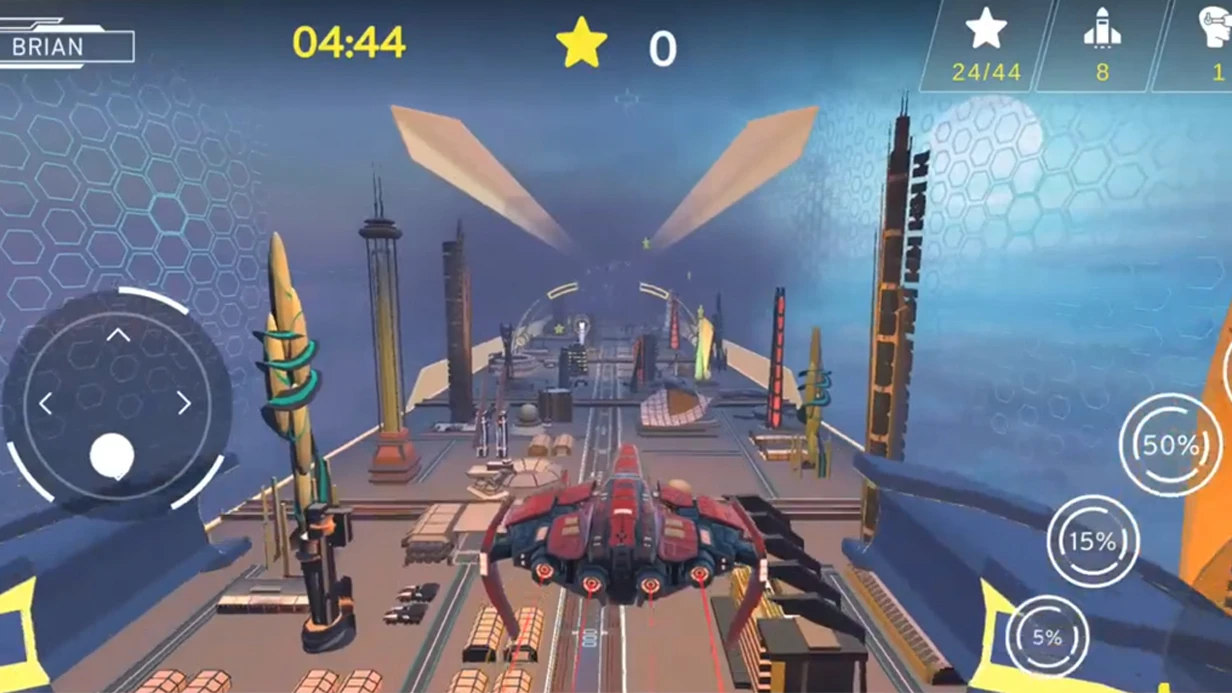
אם המשימה היא להכשיר עובדים על ציוד או נהלי בטיחות, אתה צריך סימולטור VR עם התעמקות מלאה. יישור פתרונות אדריכליים עם יזם נוח יותר במציאות מעורבת, כאשר אובייקט וירטואלי מוצב על משרד אמיתי.
הקריטריון השני הוא מי ישתמש בפתרון ובאילו תנאים. מפעילים ברצפת הייצור צריכים בקרות פשוטות וקסדה עמידה, בעוד מנהלי מכירות צריכים משקפיים קלים או טאבלט שאינו מפריע לתקשורת עם הלקוח.
הקהל גם קובע את מורכבות הממשק: עבור עובדים, מהירות הפעולות חשובה; עבור אורחים, המשיכה החזותית.
הקריטריון השלישי הוא תוצאה מדידה. הגדר את המדד מראש: זמן הדרכה מופחת, פחות שגיאות התקנה, המרת תערוכה גבוהה יותר. זה הופך את בחירת הפורמט למשימה הנדסית ולא לניחוש.
יש לנו ניסיון של שנים ביישום פרויקטים כאלה, ולכן אנו מציעים ייעוץ VR לפני תחילת הפיתוח.
בפגישה, אנו מנתחים את התהליכים שלך, בוחרים את הפורמט האופטימלי ומראים דוגמאות מהפרקטיקה שלנו — אתה מקבל החלטה על סמך עובדות, לא הבטחות שיווקיות. בחירת פתרון VR מתחילה בשיחה על העסק שלך, ואנחנו מוכנים לקיים אותה כבר עכשיו.
שאלות נפוצות על הטמעת VR/AR בייצור חומרי בניין
הטמעת VR ו-AR בייצור חומרי בניין מעלה שאלות רבות עוד לפני תחילת הפרויקט.
זה נראה מסובך, יקר ודורש ארגון מחדש של תהליכים — במציאות, רוב החששות נפתרים בשלב התכנון, ואנחנו ישירים בעניין זה.
להלן תשובות לשאלות אופייניות ממנהלים ובעלים של מפעלי בטון טרומי, יצרני קרמיקה, יצרני תערובות יבשות ויצרני חומרים אחרים.
האם זה לא קשה מדי להטמיע VR בייצור חומרי בניין?
המורכבות תלויה בתסריט הנבחר: הצגת מוצר ללקוח בתלת-ממד או הדרכת עובד על ציוד חדש הן משימות שונות. אנו בוחרים פתרון התואם את הרמה והשלב שלך: אנו מתחילים עם תסריט פיילוט אחד ומחברים בהדרגה תחומים נוספים.
אנו תומכים בך לאורך כל הדרך: אנו מטפלים בצד הטכני, מכשירים את המומחים שלך ומוסרים את הכלי לשימוש יומיומי. העובדים שולטים בו תוך כמה משמרות, בעוד המנהלים שומרים על שליטה מלאה.
כמה זמן לוקח לפתח את פתרון ה-VR הראשון?
הפרויקט הראשון אורך בין כמה שבועות ל-2–3 חודשים — לוח הזמנים תלוי במספר התסריטים ובמורכבות המודלים. בהתחלה, אנו קובעים תאריכים לכל שלב בתוכנית כך שתמיד תדע מה יהיה מוכן ומתי.
אם אתה צריך מהירות, אנו בונים גרסה מינימלית להדגמות ללקוחות בזמן לתערוכה הקרובה. במקביל, אנו מפתחים את הפונקציונליות המלאה מבלי לפספס מועדי השקה.
האם הפתרון ישתלב עם התהליכים הקיימים שלנו?
אנו לא מציעים "מוצר מדף" — אנו מתאימים תסריטים למשימות שלך. למכירות, אנו משתמשים בשרטוטים ובמודלים התלת-ממדיים שלך; להדרכה, בפעולות מחזור הייצור האמיתיות; לבקרת איכות, ברשימות הבדיקה וההוראות שכבר אומצו בארגון שלך.
העובדים עובדים עם ממשקים מוכרים וטרמינולוגיה סטנדרטית, כך שהתוצאה אינה נתפסת כ"צעצוע זר" אלא הופכת לכלי עבודה שחוסך זמן ומפחית פגמים.
אילו ערבויות אתם מספקים, ומה קורה לאחר ההשקה?
אנו עובדים על פי חוזה עם דרישות קבועות: אתה יודע מראש איזו פונקציונליות תקבל ומתי. בכל שלב, אנו מבצעים בדיקות ביניים כדי לבטל כל פער מהציפיות שלך.
לאחר ההשקה, אנו מספקים תמיכה: עדכוני תסריטים, סיוע טכני לצוות ופיתוח נוסף למשימות חדשות. אם מוצרים או ציוד משתנים, אנו מרחיבים את המערכת מבלי להפעיל מחדש את כל הפרויקט.
מה קורה לאחר הגשת בקשה לפיתוח יישום VR/AR
לאחר הגשת בקשה לפיתוח, אתה לא נשאר לבד עם שאלות טכניות.
אנו מנהלים את הפרויקט במפתח מלא: מהשיחה הראשונה ועד להשקת יישום VR/AR מוגמר למשימה שלך — הצגת מוצר, הדרכת עובדים, מציאות רבודה לקטלוגים ומצגות.
עבור יצרן חומרי בניין, זו דרך להציג מוצרים בקנה מידה והקשר: הלקוח רואה טקסטורה, מידות ושילובי חומרים לפני הרכישה, והמנהל סוגר עסקאות מהר יותר.
השלבים הבאים פשוטים ושקופים:
- אנו יוצרים קשר תוך יום עסקים אחד ומבהירים מה צריך להציג ולמי.
- אנו עורכים בריף: אילו מוצרים, באיזה פורמט, לאילו מכשירים — מטאבלטים ועד קסדות.
- אנו מכינים הערכת עלות ותוכנית פרויקט עם שלבים ולוחות זמנים — אתה רואה את העלות והלו"ז לפני שאנו מתחילים.
- אנו מיישרים את הקונספט והממשק — אין הפתעות בשלב הסופי.
- אנו מפתחים את היישום ומראים גרסאות ביניים כך שתוכל לשלוט בתוצאה.
- אנו מכשירים את הצוות שלך ונשארים בקשר לאחר ההשקה.
כל שלב מתועד בתוכנית הפרויקט, כך שתמיד תדע מה קורה ומתי תגיע התוצאה הבאה. אם עולים רעיונות חדשים בדרך, אנו מתאימים את המשימות, אך התקציב ולוחות הזמנים אינם משתנים ללא הסכמתך.
בסופו של דבר, אתה מקבל כלי עבודה למכירות והדרכה, לא אב טיפוס מופשט. היישום רץ על Apple Vision Pro וטאבלטים — מנהלים משתמשים בו בתערוכות, באולמות תצוגה ובפגישות שטח עם משווקים. זה מגביר את מעורבות הלקוחות ומקצר את הזמן הדרוש לקבלת החלטת רכישה.
ללא שגרה טכנית — אנו מטפלים בכל השלבים הבאים. הגש את בקשתך, ותוך דקות נתחיל לדון במשימה שלך.