



שיקום לאחר פציעות: למה מטופלים עוברים למתחרים
שיקום לאחר פציעות הופך פעמים רבות למסע ייסורים: תרגילים מונוטוניים, התקדמות איטית, חוסר במשוב חזותי. מטופלים מאבדים מוטיבציה, מדלגים על מפגשים, ובסופו של דבר מוותרים על ההחלמה לפני שהם מגיעים לתוצאות.
הרופא רואה שהתכנית שנקבעה אינה עובדת ביעילות אך אינו יכול להשפיע על המעורבות — וזה מערער את אמון הרופאים בשיטות שלהם עצמם.
עבור המרפאה, זה אומר הפסדים ישירים: מטופלים לא מרוצים לא חוזרים, ההמלצות מפה לאוזן פועלות לרעתכם, והמתחרים מציעים "משהו חדש" ולוקחים לקוחות. יעילות ההחלמה יורדת, ביצועי המרפאה מתדרדרים, ואיתם גם הרווחים.
שיקום לאחר פציעות מפסיק להיות יתרון תחרותי והופך למקור לנטישת מטופלים.
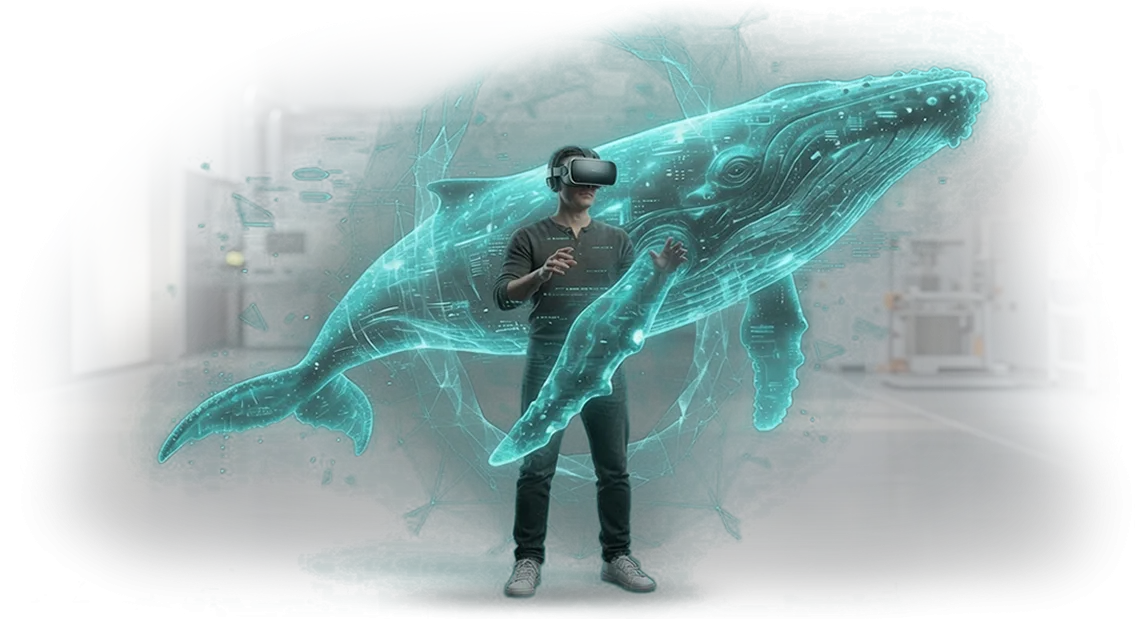
אנחנו סוגרים את הפער הזה. אנו יוצרים אפליקציות ל-Apple Vision Pro שהופכות שיקום משעמם לתהליך מרתק עם תרחישי משחק והתקדמות ברורה עבור המטופל.
הרופא מקבל נתונים אובייקטיביים על ביצוע התרגילים, והמרפאה מקבלת תוצאות מדידות ומטופלים מרוצים שחוזרים וממליצים עליכם לאחרים.
5 יתרונות של שיטות דיגיטליות למרפאה שלכם
שיטות דיגיטליות אינן עוד ניסוי — הן כלי עבודה שמשנה את האופן שבו מטופלים תופסים את הטיפול ומספק תוצאות מדידות למרפאה.
יישום תכניות כאלה על Apple Vision Pro עוזר לפתור כמה משימות בבת אחת: ממשיכת מטופלים חדשים ועד הגדלת ביקורים חוזרים. הנה חמישה יתרונות מרכזיים שתקבלו.
-
משיכת מטופלים חדשים. הפורמט הלא שגרתי של השיקום מייצר עניין בפני עצמו — אנשים משתפים אותו ברשתות החברתיות, והתקשורת המקומית כותבת עליו. מטופלים מגיעים "לראות את הפלא" ונשארים בשביל התוצאה. זהו ערוץ שיווק חינמי שעובד למען המוניטין שלכם.
-
נאמנות מוגברת וביקורים חוזרים. כשהשיקום הופך לתהליך מרתק, מטופלים משלימים את כל הקורס וחוזרים שוב. הם מרגישים דאגה וגישה מודרנית, ולכן נוטים פחות לחפש חלופות. קהל נאמן הוא זרם קבוע של פגישות ללא עלויות פרסום נוספות.
-
הכרת מותג המרפאה. שיטות דיגיטליות יוצרות תדמית של מרפאה שמתעדכנת עם הזמן. זה מבדל אתכם מהמתחרים ובונה את האסוציאציה "חדשני = איכותי".
מטופלים ממליצים על מרפאה כזו לחברים, והשם שלכם הופך לשם נרדף לרפואה מתקדמת.
-
הרחבת כיסוי הקהל. עם תכניות דיגיטליות, אפשר לעבוד עם קבוצות מטופלים שונות: מהחלמה לאחר פציעה ועד נוירו-שיקום. אותו כלי מכסה תחומים רבים, מה שאומר שאפשר לטפל ביותר מטופלים ללא הרחבת צוות או שטח.
-
לידים חדשים וצמיחה בהכנסות. מפגש ניסיון עם ציוד מודרני הוא דרך מצוינת להכיר למטופלים את המרפאה שלכם. לאחר חוויה כזו, אנשים מוכנים יותר להסכים לקורס מלא, לשירותים נוספים ולתכניות מקיפות. אתם הופכים עניין לכסף אמיתי.
היתרונות האלה עובדים כמכלול: משיכה יוצרת זרם, הזרם הופך למטופלים נאמנים, נאמנות מחזקת את ההכרה, וההכרה מביאה עוד פניות.
שיטות דיגיטליות מחזירות את ההשקעה לא רק באמצעות שיפור תוצאות הטיפול אלא גם באמצעות צמיחה במדדי העסקיים המרכזיים של המרפאה.
פורמטים של שיקום VR/AR: איך לבחור את המתאים למשימה שלכם
אין פתרון אחד שמתאים לכולם בשיקום. מטופלים עם אבחנות שונות זקוקים לפורמטים שונים: חלקם צריכים רק תרגילים ביתיים, אחרים זקוקים לשקיעה מלאה ולפיקוח רופא. כדי לא לשלם יותר מדי ועדיין לקבל תוצאות, הפורמט נבחר לפי המשימה הספציפית.
| פורמט | למי הוא מתאים | עלות יישום | תוצאה עבור המטופל |
|---|---|---|---|
| VR נייד | תרגילים ביתיים, ליקויים קלים | נמוכה | אימונים קבועים, גיימיפיקציה, בקרת מפגשים |
| מתחם VR נייח | מרפאות ומרכזי שיקום | בינונית | שקיעה מלאה, שיווי משקל וקואורדינציה, מעקב התקדמות |
| MR על Apple Vision Pro | מקרים מורכבים, כאב פנטום, תקופת החלמה מוקדמת | גבוהה | סביבה בטוחה, תנועות טבעיות, ניטור מרחוק על ידי רופא |
אם המשימה שלכם היא להגיע למטופלים בבית, התחילו עם VR נייד. אם במרפאה שלכם יש חדר פיזיותרפיה, מתחם נייח ייתן לרופאים יותר נתונים ויעסיק את המטופלים יותר בתהליך.
למקרים מורכבים, כדאי לשקול מציאות מעורבת: היא מאפשרת אימון תנועות ללא סיכון נפילה גם בתקופה האקוטית. דווקא בתרחישים אלה השימוש ב-Apple Vision Pro כבר מראה תוצאות החלמה יציבות.
אנחנו עוזרים לכם לבחור את הפורמט המתאים למחלקה שלכם, ליישם אותו ולהכשיר את הצוות. התוצאה: מוטיבציה מוגברת של מטופלים ויעילות גבוהה יותר באופן מדיד של קורס השיקום.
איך מתנהל הפרויקט: מהבריף ועד השקה בטוחה
בנינו את התהליך כך שתראו תוצאות בכל שלב ותמיד תבינו מה קורה. אין קופסה שחורה: אחרי הבריף אתם מקבלים תכנית; אחרי כל שלב — דוח ברור.
גישה זו עוזרת למרפאות ולמרכזי שיקום להשיק אפליקציות VR מבלי לפספס מועדים או להיתקע באישורים מיותרים.
- בריף והתעמקות במשימה. אתם מספרים לנו למי מיועדת האפליקציה ולאיזה שיקום היא נדרשת. אנו חוקרים פרופילי מטופלים, המגבלות והמטרות שלהם — כדי שהתרחיש יהיה שימושי ובטוח.
- קונספט ויישור קו עם הפרויקט. אנו מכינים את קונספט האינטראקציה והסגנון החזותי. אנו מיישרים קו לגבי החלטות מרכזיות לפני תחילת הפיתוח — שינויים נעשים ללא עלויות נוספות.
- תכנית פיתוח, לוח זמנים ובקרה. אנו קובעים לוח זמנים שלבי בחוזה. אתם יודעים מתי יהיו מוכנים התרחישים, גרסת האפליקציה והשחרור הסופי.
- פיתוח האפליקציה. אנו עובדים באיטרציות קצרות ומציגים תוצאות ביניים. אתם שולטים בהתקדמות הפרויקט ומשפיעים על הפרטים לאורך הדרך.
- בדיקות עם מומחים. אנו בודקים תרחישים על משימות שיקום אמיתיות: נוחות שימוש, משך מפגש, עומס על המטופל. אנו מבטלים ניואנסים לפני ההשקה.
- הכשרת צוות והשקה. אנו עורכים בריף למומחים ומכינים מדריך עזר קצר. ביום ההשקה, אנו עוזרים להריץ את המפגשים הראשונים.
- תמיכה לאחר ההשקה. אנו נשארים בקשר: עדכונים, סיוע טכני ועידון תרחישים על סמך תוצאות.
כך, הפרויקט הופך לתהליך צפוי ולא לניסוי מסוכן. אתם מקבלים אפליקציה עובדת, צוות מיומן וביטחון בתוצאה — מהבריף ועד השיקום היומיומי של המטופלים שלכם.
מה כלול במסירה: חבילה להתחלה מיידית
אנחנו מוסרים לא רק אפליקציה אלא חבילה מלאה להפעלת שיקום VR — מהיום הראשון לאחר המסירה. הצוות שלכם לא יצטרך להמציא תהליכים או ללמוד בניסוי וטעייה: הכל כבר ארוז בחומרים ברורים והכשרה.
- מדריך מתודולוגי לשימוש לשיקום: תרחישים מוכנים לקבוצות מטופלים שונות, משך מפגש, קריטריוני עומס וכללים לניטור מצב.
- הוראות שלב-אחר-שלב לצוות: איך להכין מטופל, לנהל מפגש, לרשום תוצאות ומה לעשות במצב לא שגרתי.
- הכשרה לרופאים ולמדריכים: סדנה מעשית עם הצוות שלכם כדי שמומחים ישתמשו בתכנית בביטחון כבר מהשבוע הראשון.
- התאמה לחצרים ולציוד שלכם: אנו בודקים את השילוב "אפליקציה + משקפיים" בתנאים שלכם ומתאימים את ההגדרות לחדר.
- חומרי מקור ותיעוד: אתם מקבלים ערכה מלאה לפיתוח התכנית — מתיאורי תרחישים ועד הוראות עדכון.
- מדריכי וידאו לצוות ולמטופלים: סרטונים קצרים שעוזרים לרענן ידע במהירות ואינם מסיחים את דעת הרופאים מהעבודה.
בסופו של דבר, הצוות שלכם חוסך זמן יישום, מטופלים מתחילים את הקורס מהר יותר, והתכנית עובדת כחלק מהמרפאה מהיום הראשון — ללא השבתה או שאלות מיותרות.
מקרה בוחן: איך שיטות דיגיטליות שיפרו תוצאות החלמה
שיקום לאחר פציעות וניתוחים נתקל פעמים רבות באותה בעיה: מטופלים מוצאים שתרגילים מונוטוניים משעממים, ובלי מפגשים סדירים, ההחלמה נמשכת. רופאים מבזבזים זמן בשכנוע מטופלים, והמרפאה מאבדת מטופלים שנושרים באמצע הקורס.
אנחנו פותרים בעיה זו עם מאמני VR שהופכים שיקום לתהליך מדיד עם תוצאות מהירות.
מקרה בוחן: רשת מרכזי ההחלמה Ortho-Life
עבור רשת מרכזי השיקום Ortho-Life, פיתחנו אפליקציית Apple Vision Pro עם מערך תרחישים — מהחלמה מוטורית לאחר שבץ ועד אימון שיווי משקל לאחר החלפת מפרק.
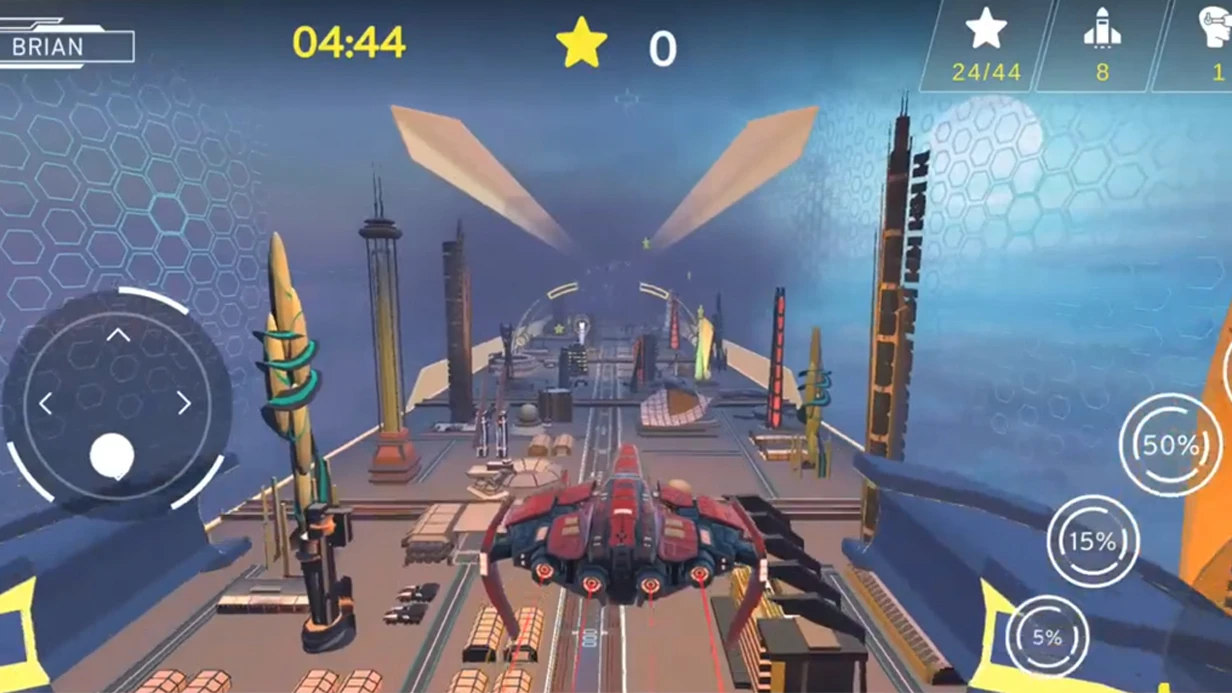
במקום תרגילים מפוזרים, המטופל מבצע משימות משחק, והמערכת רושמת אוטומטית טווח תנועה, דיוק והתקדמות לכל מפגש.
בשלושת החודשים הראשונים, הרופאים קיבלו כלי שמחזיק את תשומת הלב של המטופל בעצמו במקום לדרוש פיקוח מתמיד. המטפלים רואים דינמיקה אובייקטיבית, והמטופלים מבינים שכל מפגש מקרב אותם למטרה שלהם.
נתונים מרכזיים: השלמת קורס מלא עלתה מ-60% ל-85%, כיסוי המפגשים גדל פי 1.5 בזכות מפגשים מרחוק, והנאמנות גדלה — יותר משליש מהפגישות החדשות הגיעו מהפניות של מטופלים ובני משפחותיהם.
מנהל המרפאה ציין גם את ההשפעה הכלכלית: פחות קורסים שננטשו, יותר תכניות שהושלמו וצמיחה בביקורות חיוביות. במקביל, לא היה צורך לרכוש ציוד יקר לכל מטופל — תרחישים דיגיטליים מתאימים אישית.
גישה זו ניתנת להרחבה לנוירולוגיה, אורתופדיה ופרוטזות. אנחנו לוקחים על עצמנו פיתוח תרחישים, התאמת ציוד והכשרת צוות כך שהמרפאה תקבל כלי עובד ולא רק אוסף טכנולוגיות.
איך לבחור את הפורמט המתאים למשימה שלכם?
בחירת פורמט VR/AR/MR לשיקום אינה עניין של טכנולוגיה אלא עניין של משימה ותוצאה צפויה.
למרפאה אחת, מאמן VR פשוט המבוסס על תרחישים מוכנים מספיק; לאחרת, מערכת אקולוגית מלאה עם מעקב התקדמות ושילוב בתיקים רפואיים נדרשת.
זו הסיבה שהדבר הראשון שאנו שואלים את הלקוח הוא: למי וכמה מטופלים אתם מתכננים לשרת, אילו פתולוגיות, ואילו פרוטוקולי החלמה כבר מאומצים במרפאה שלכם.
ברגע שאנו מבינים את הפרטים של המרפאה, אנו בוחרים פורמט לתקציב: מפתרונות קומפקטיים עם ערכת ציוד אחת ועד מערכות מרובות משתמשים. לדוגמה, להשקה פיילוט ולבדיקת השערות, השכרת ערכת VR אחת עם שתיים או שלוש תכניות מותאמות מספיקה.
אם המטרה היא שיקום שיטתי וכיסוי של זרם מטופלים גדול, פיתוח ארוך טווח עם הרחבה והכשרת צוות משתלם יותר.
חשוב להבין: תקציב קטן יותר אינו אומר תוצאה קטנה יותר אם המשימה מוגדרת נכון. אנו עוזרים לחשב את ההשקעה האופטימלית כך שציוד ואפליקציות יחזירו את ההשקעה באמצעות יעילות מפגשים מוגברת וזמן הכנה מופחת של הרופא. אתם מקבלים הערכה ברורה לפני ההשקה ואינם משלמים יותר מדי עבור פיצ'רים שלא ישמשו אתכם.
אם אינכם בטוחים איזה פורמט מתאים למרפאה שלכם, אנו עורכים ביקורת פרויקט מקדימה: אנו מנתחים את התהליכים, העומס והשיטות הנוכחיות שלכם, ומציעים 2–3 אפשרויות עם תחזיות עלות והשפעה. כך, אתם מקבלים החלטה על סמך מספרים ולא על סמך הנחות.
העיקר הוא להתחיל בשיחה כנה על המשימה שלכם, לא על מפרטים טכניים.
שאלות נפוצות: מה אם משהו משתבש בשלב ההשקה?
אנחנו מבינים: ההחלטה ליישם שיקום VR אינה רק על טכנולוגיה אלא גם על אחריות לרציפות הטיפול במטופלים שלכם.
זו הסיבה שבנינו מנגנוני בטיחות לשלב ההשקה — מפורמט פיילוט ועד תמיכה מסביב לשעון. אתם לא נשארים לבד עם המוצר.
להלן התשובות לשאלות שהכי מעסיקות מנהלים לפני השקה. אם התרחיש שלכם לא כאן, פשוט התקשרו אלינו — נדון במקרה שלכם באופן אישי.
מה אם האפליקציה לא עובדת ביום ההשקה הראשון?
אנו עורכים בדיקות מלאות לפני מסירת המפתחות, וביום ההשקה המומחה שלנו תומך בתהליך מרחוק. אם מתרחש כשל טכני, אנו לוקחים על עצמנו ופותרים אותו תוך יום עסקים אחד. ערוץ תקשורת מואץ מסופק למצבים קריטיים.
האם אפשר להריץ פרויקט פיילוט קודם?
כן, זו הדרך האופטימלית לבדוק יעילות ללא השקעות גדולות. בפורמט פיילוט, אנו מחברים משרד אחד או קבוצת מטופלים אחת, אוספים נתונים ומראים לכם תוצאות תוך 2–4 שבועות. על סמך זה, אתם מקבלים החלטה על הרחבה.
מי יכשיר את הצוות לעבוד עם האפליקציה?
ההכשרה כלולה בעלות הפרויקט. אנו עורכים מפגש הכשרה למומחים שלכם — מרופאים ועד מנהלים. לכל היותר 2–3 מפגשים, ולאחריהם הצוות עובד בביטחון עצמאי.
אנו מספקים גם הוראות וידאו קצרות ומדריך עזר להתחלה מהירה בכל פעם שהרכב הצוות משתנה.
מה לגבי תמיכה טכנית לאחר מסירת הפרויקט?
החודש הראשון כלול במחיר — אנו זמינים בשעות העבודה ומגיבים במהירות. לאחר מכן, אתם בוחרים תכנית: בסיסית — ייעוץ טלפוני; מורחבת — עם זמן תגובה מועדף ועדכונים. כל העדכונים מתבצעים ללא הפרעה לתהליך הטיפול.
השקת פיילוט, הכשרה ותמיכה אינם תוספות אופציונליות אלא הסטנדרט של העבודה שלנו. אתם מקבלים תוצאה צפויה: האפליקציה עובדת, הצוות מיומן, והמטופלים מעורבים. כל מה שנשאר הוא לשפר את מדדי השיקום.מוכנים לקחת את המרכז שלכם לשלב הבא? השאירו פנייה
טכנולוגיות מודרניות בשיקום אינן עוד ניסוי — הן מספקות תוצאות מדידות: מעורבות גבוהה יותר של מטופלים, החלמה מהירה יותר ואמון גדול יותר במרכז.
אבל קשה למנהל להעריך אם פתרונות VR/AR/MR מתאימים למרפאה שלו עד שהוא רואה אותם בפעולה. אנו מציעים צעד ראשון בטוח: השאירו פנייה וקבלו תמונה מלאה ללא לחץ או התחייבויות.
לאחר פנייתכם, אנו לוקחים פסק זמן כדי להכין עבורכם את המידע השימושי ביותר. הנה מה שכלול בתשובה הסטנדרטית שלנו:
- ייעוץ אישי: אנו מנתחים את המשימות, תחומי השיקום ונקודות הצמיחה שלכם שבהן הטכנולוגיה תניב תוצאות מהירות.
- בחירת מקרי שימוש: אנו מסבירים אילו פורמטים — מפגשים אישיים, עבודה קבוצתית, תמיכה מרחוק — מתאימים למטופלים שלכם ספציפית.
- הצעה מסחרית עם מבנה שקוף: אנו קובעים היקף, לוח זמנים ועלות כדי שתוכלו לתכנן את התקציב.
- גישת הדגמה: אנו מציגים אב טיפוס עובד של אפליקציית Apple Vision Pro כדי שתוכלו להעריך את נוחות השימוש והפוטנציאל שלה.
- הערכת השפעה עסקית: אנו צופים כיצד הטכנולוגיה תשפיע על תפוסת המרכז, שביעות הרצון והמוניטין.
- התחלה מהירה: אנו יוצרים קשר תוך יום עסקים אחד, מבהירים פרטים ומכינים חומרים מותאמים אישית.
אין התחייבויות — רק מידע לקבלת החלטה. השאירו פנייה, ובתוך הימים הקרובים תבינו איך פרויקטים כאלה עובדים בפועל ומה הם נותנים למרכז שלכם. צעדו לעבר עתיד טכנולוגי מתקדם — התחילו בייעוץ ראשוני.