



ענף הספורט מאבד אוהדים: כיצד VR/AR מחזירים אותם
האוהד המודרני מוכן פחות ופחות לנסוע ברחבי העיר לאצטדיון, לעמוד בתורים במשך שעות, ולהסתפק בזווית צפייה אחת מהיציע. הם רוצים להיות בתוך האירוע, להרגיש את האווירה, ולראות את המשחק כאילו הם על המגרש ליד האלילים שלהם.
אם אירועי ספורט לא מספקים חוויה זו, הקהל עובר לשידורים חיים, לקטעים קצרים ולרשתות חברתיות — ובהדרגה מאבד את הקשר הרגשי עם המותג של המועדון או הטורניר.
יציאת אוהדים היא אובדן ישיר של הכנסות מכרטיסים, מרצ'נדייז וחוזי שותפות.
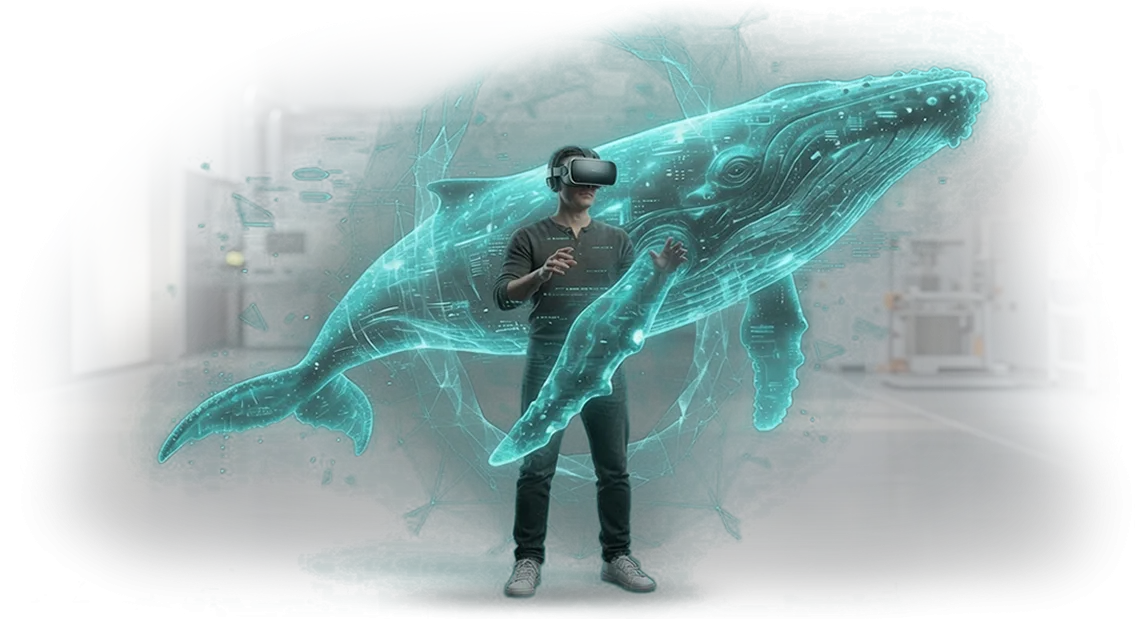
עם זאת, מציאות מדומה הופכת ספורט מצפייה פסיבית לחוויה אקטיבית: הצופה בוחר את זווית הצפייה, מוצא את עצמו במרכז ההתרחשות, וזוכר רגשות שהוא רוצה לחוות שוב.
האפקט הזה הוא שמוביל למעורבות קהל ונותן לאירוע משהו ששידור רגיל לא יכול לספק.
אירועי ספורט עם אזורי VR הופכים לאטרקציה עצמאית: מבקרים מביאים חברים, מצלמים תמונות וסרטונים, ומשתפים את החוויות שלהם לפני שריקת הסיום. זה מרחיב את טווח ההגעה ללא תקציב פרסום נוסף — כל אורח הופך לנושא הסיפור שלכם.
ומי שנשאר בבית מקבל עכשיו סיבה לבוא בפעם הבאה ולחוות את אותן תחושות באופן אישי.
אנחנו יודעים להפוך את הכאב הזה לפתרון: אנו מתכננים תרחישי AR ו-VR לצרכים הספציפיים של אירוע ספורט — מחימום לפני משחק ועד לניתוח משחק לאחריו.
הלקוח מקבל לא טכנולוגיה לשם הטכנולוגיה, אלא כלי שמחזיר רגשות, שומר על אוהדים ותיקים ומושך חדשים.
מה אתם מקבלים: רגשות אורחים, טווח הגעה וקשרים חדשים
אירועי ספורט מודרניים מנצחים מתחרים לא רק בתוצאות משחק, אלא גם באווירה.
אורחים מגיעים בשביל רגשות — ומציאות רבודה נותנת להם את ההזדמנות להיות בתוך המשחק: לראות סטטיסטיקות וירטואליות ליד המגרש, "למדוד" את הציוד של הקבוצה האהובה, או לצלם סלפי עם הקמע הדיגיטלי של המועדון.
רגעים כאלה נזכרים לאורך זמן, וחשוב מכך, מזוהים ישירות עם המותג של המארגן.
חוויות מרהיבות הן הסיבה הטובה ביותר עבור אורח לשתף אותן ברשתות החברתיות. פוסט עם אפקט AR יוצא דופן, סרטון מחדר הלבשה וירטואלי, או תמונה אינטראקטיבית עם חתימת ספורטאי מתפשט בקהל ללא תקציב פרסום.
כל אזכור הוא הכרת מותג, שחשובה במיוחד בקרב אוהדים צעירים שרגילים לפורמטים אינטראקטיביים וחדשים. משחק אחד עם אזור VR יכול לספק טווח הגעה גדול יותר משבוע של פרסום ממוקד.
אבל אינטראקטיביות עובדת לא רק על התדמית. תרחיש איסוף אנשי קשר המובנה באפליקציה הופך בידור למקור של לידים.
לדוגמה, כדי לקבל ניתוח VR אישי של דיוק הזריקות או פרס וירטואלי, משתתף משאיר את האימייל שלו או נרשם לערוץ של המועדון.
כך, אתם מקבלים מאגר של אוהדים מעורבים לעבודה: הזמינו אותם לאירועים עתידיים, הציעו מרצ'נדייז ומבצעים מיוחדים.
לבסוף, שימוש ב-Apple Vision Pro ובמכשירים מודרניים אחרים הוא הצהרת מנהיגות טכנולוגית בענף הספורט. אוהד זוכר את המועדון שנתן לו לראשונה את החוויה הזו ומתחיל לשייך את המותג לחדשנות.
זה מחזק את הנאמנות בקרב אוהדים קיימים ומושך קהלים חדשים שעבורם "מציאות רבודה" כבר מזמן אינה מדע בדיוני אלא ציפייה.
פיתוח אפליקציות מקצועי המותאם למשימות שלכם מכסה את כל הצרכים הללו: רגשות אורחים, טווח הגעה ואנשי קשר מדידים לעסק.
פורמטים של אפליקציות VR/AR לענף הספורט
ענף הספורט הוא מאבק מתמיד על תשומת לב האוהדים ועל יעילות אימון הספורטאים. מציאות מורחבת עוזרת לפתור את שתי המשימות: חלק מהפורמטים מגבירים רגשות ומעורבות, בעוד אחרים נותנים למאמנים ולספורטאים נתונים אובייקטיביים לשיפור תוצאות.
אנחנו לא קושרים את עצמנו לטכנולוגיה אחת אלא מתאימים את הפורמט למשימה שלכם. להלן טבלה של תרחישים אופייניים הנפוצים ביותר בענף הספורט.
| פורמט | למי | מה זה נותן ללקוח |
|---|---|---|
| אפליקציות VR לספורט | מאמנים, ספורטאים, מועדוני ספורט | אימון בטוח, תרגול טקטיקות ומצבי משחק, ניתוח תנועה מפורט |
| מסכות AR לאוהדים | מחלקות פרסום של מועדונים, מארגני שידורים | מעורבות קהל, טווח הגעה ויראלי ברשתות חברתיות, הגברת הכרת המותג |
| מקרי MR | מארגני אירועים, נותני חסות | מופעים אינטראקטיביים, סוגים חדשים של אזורי פרסום, פרסומות לא שגרתיות שנזכרות |
| סיור וירטואלי באצטדיון | מועדונים, מפעילי מכירת כרטיסים | הקונה רואה את הזירה ובוחר מקומות ללא נסיעה, הגדלת מכירת כרטיסים |
כל פורמט נותן מענה למשימה ספציפית: לפעמים צריך טווח הגעה וויראליות, לפעמים הכנת קבוצה, ולפעמים מכירות ישירות. אנחנו עוזרים לכם לבחור את האפשרות הנכונה, להעריך את העומס ולשלב את האפליקציה בתהליכים שלכם — מהאתר ועד למערכת הכרטוס.
כיצד מתנהלת העבודה על פרויקט ה-VR/AR שלכם
אפילו פרויקט VR/AR מורכב לענף הספורט הופך לתהליך ברור כאשר מחלקים אותו לשלבי פיתוח. אנו מובילים את הלקוח מהבריף הראשון ועד ההשקה והתמיכה, וקובעים לוחות זמנים ונקודות בקרה מראש. אתם תמיד יודעים מה קורה, מי אחראי על מה, ומתי התוצאה תהיה מוכנה.
- בריף והתעמקות במשימה. אנו נכנסים לשיחה ודנים במטרות: הגדלת מכירת כרטיסים, אימון שחקנים, מעורבות אוהדים. בהתבסס על השאלות, אנו ממלאים בריף אפליקציה — מתעדים את הקהל, התרחיש ומדדי ההצלחה.
- קונספט ואב-טיפוס. אנו מראים כיצד המשתמש יתקשר עם ממשק ה-AR/MR: מה הוא רואה, לאן הוא לוחץ, איך זה מגיב לתנועות. בשלב זה, אתם רואים את המוצר העתידי ללא כל תכנות.
- אישור פרויקט. אנו מאשרים את המפרט הטכני, הסגנון החזותי ולוח הזמנים. אנו חותמים על חוזה שקוף עם שלבים ותקציב — ללא תוספות נסתרות או הפתעות.
- פיתוח מוצר. אנו בונים את האפליקציה באמצעות ציוד מקצועי וכלים מוכחים, ומתאימים אותה ל-Apple Vision Pro ולמכשירים אחרים המשמשים את קהל הספורט. אנו מבטיחים ביצועים יציבים בתנאים אמיתיים.
- בדיקת VR על תרחישים אמיתיים. אנו בודקים שימושיות, מהירות תגובה ותאימות למכשירים שונים. אתם מקבלים דוחות בדיקה ורשימת שיפורים לפני ההשקה.
- השקה, הדרכה ותמיכה. אנו מפרסמים את האפליקציה בחנויות, מגדירים אנליטיקה ומכשירים את הצוות שלכם. לאחר ההשקה, אנו נשארים בקשר — אנו תומכים בעדכונים, מוסיפים פונקציונליות חדשה ועונים לשאלות משתמשים.
כל שלב מסתיים בנקודת בקרה: אתם רואים את התוצאה ומקבלים החלטה. גישה זו מפחיתה סיכונים ומאיצה אישורים — הפרויקט מתקדם לקראת השקה ללא השבתות או עבודות חוזרות.
מה כלול במסירה: ערכת השקה
הרכבנו ערכה שמכילה את כל מה שצריך כדי להשיק אפליקציה בענף הספורט — מממשק מוכן ועד להדרכת צוות. אתם לא צריכים לחפש קבלנים או להבין פרטים טכניים: אתם פשוט מקבלים את העבודה ומשתמשים בה בפרויקטים שלכם.
- אפליקציה מוכנה ל-Apple Vision Pro. עובדת על חומרה מקצועית, מותאמת לצרכים של מועדוני ספורט, זירות ומקומות אירועים. אורחים רואים את המוצר מיד לאחר ההשקה.
- ממשק ניהול. נהלו תוכן ללא מתכנתים: שנו לוחות זמנים, תוצאות משחק, הודעות והצעות מיוחדות דרך פאנל אינטואיטיבי. ההגדרה אורכת דקות.
- קוד מקור ותיעוד מלא. אתם מקבלים את הקוד, דיאגרמת הארכיטקטורה וההוראות. זה הרכוש שלכם: אתם יכולים לפתח את המוצר בעצמכם בכל עת או להזמין שיפורים מאיתנו.
- הדרכת צוות. אנו מקיימים הדרכות לצוות שלכם: מנהלים, מאמנים, מתנדבים. עובדים עובדים עם המערכת בביטחון מהיום הראשון, ללא תקופת הסתגלות ארוכה.
- אינטגרציה עם תשתית קיימת. אנו מחברים את האפליקציה לשירותי הכרטוס, ה-CRM והרשתות החברתיות שלכם. נתוני מבקרים ומכירות נאספים במערכת אחת.
- שירות תמיכה ואחזקת אחריות. אנו בקשר לאחר ההשקה: אנו עוזרים בעדכונים, פותרים בעיות במהירות ומנטרים פעולה יציבה.
- חומרים מתודולוגיים ללקוחותיכם. מדריכים ברורים למבקרים ולשותפים: כיצד להשתמש באפליקציה, אילו תכונות הופכות לזמינות. זה מאיץ את מעורבות הקהל.
בסופו של דבר, אתם מקבלים לא רק "תוכנה", אלא כלי עבודה למשיכת קהל ושימורו. כל הרכיבים נבדקו על פרויקטים אמיתיים, כך שההשקה עוברת ללא הפתעות.
מה שנשאר זה רק המשימות שלכם: חדרי הלבשה וירטואליים, אזורי צילום, ניווט בזירה או סטטיסטיקות אינטראקטיביות.
מקרה בוחן: כיצד הכפלנו את מעורבות האוהדים
הלקוח הוא מועדון הוקי עם זירה המכילה 8,000 צופים. אוהדים הגיעו למשחקים אבל בילו את ההפסקות בהסתכלות על הטלפונים שלהם במקום על הקרח.
המועדון רצה להפוך את ההפסקות הללו לאינטראקציה חיה עם הקבוצה והנותנים חסות, אבל תחרויות מסורתיות כבר לא החזיקו תשומת לב.
הצענו אפליקציה ל-Apple Vision Pro: במהלך ההפסקה, אוהד היה מוצא את עצמו בחדר ההלבשה הווירטואלי של הקבוצה. שם, הוא ראה את התוכנית הטקטית של התקופה הקודמת, סטטיסטיקות שחקנים וסלפי עם הגביע ברקע.
מבחינה טכנית, זהו מקרה פיתוח למחשוב מרחבי, אבל עבור האוהד, זו רגש ותחושת נוכחות אישית בתוך המועדון.
מה השתנה לאחר ההשקה
תוצאות היישום עלו על הציפיות. במהלך הפסקה אחת, הזירה יצרה עד 200 סשנים, עם משך ממוצע של 4 דקות. מעורבות נמדדה על ידי עומק האינטראקציה וחלקם של השקות חוזרות במשחקים הבאים.
בסוף העונה, המעורבות גדלה בדיוק פי 2. דוגמת הפרויקט הראתה שהפורמט המרחבי הוא כלי לשימור קהל, לא בידור חד-פעמי.
North Star, מנהל שיווק: "ציפינו לעניין בתכונה החדשה, אבל לא ציפינו שאוהדים יתחילו לעמוד בתור עוד לפני שהדלתות נפתחו. האפליקציה הפכה לחלק מטקס יום המשחק — רבים הגיעו בכוונה מוקדם יותר.
חודשיים לאחר מכן, החלטנו לשלב בה מכירות מרצ'נדייז והודעות על משחקים קרובים."
לאחר ההשקה, המועדון זכה לא רק בקהל מעורב אלא גם בפורמט חדש לשותפים: אינטגרציות ספונסרים בתוך החלל הווירטואלי נמכרות בנפרד מהשילוט הרגיל.
הלקוח חזר חודשיים לאחר מכן עם בקשה להרחיב את הפונקציונליות — האינדיקציה הטובה ביותר לכך שמקרה הפיתוח עבד.
מה לבחור: VR, AR או MR למשימה שלכם?
הבחירה בין VR, AR ו-MR אינה על אופנה טכנולוגית; היא על איזו בעיה עסקית אתם פותרים. כל פורמט משנה את האינטראקציה עם הקהל בדרכו שלו.
ההחלטה הנכונה חוסכת תקציב וזמן, בעוד טעות הופכת את הפרויקט לצעצוע יקר שאינו מניב תוצאות. בואו נסתכל על דוגמאות מענף הספורט.
VR (מציאות מדומה) נחוצה במקום שבו נדרשת טבילה מלאה ובידוד מהעולם האמיתי.
לספורט, זהו כלי אידיאלי לתרגול תרחישים שקשה או מסוכן לשחזר בחיים האמיתיים: אימון תגובות שוער, פירוטים טקטיים, הכנת ספורטאי לתחרויות בסיכון גבוה.
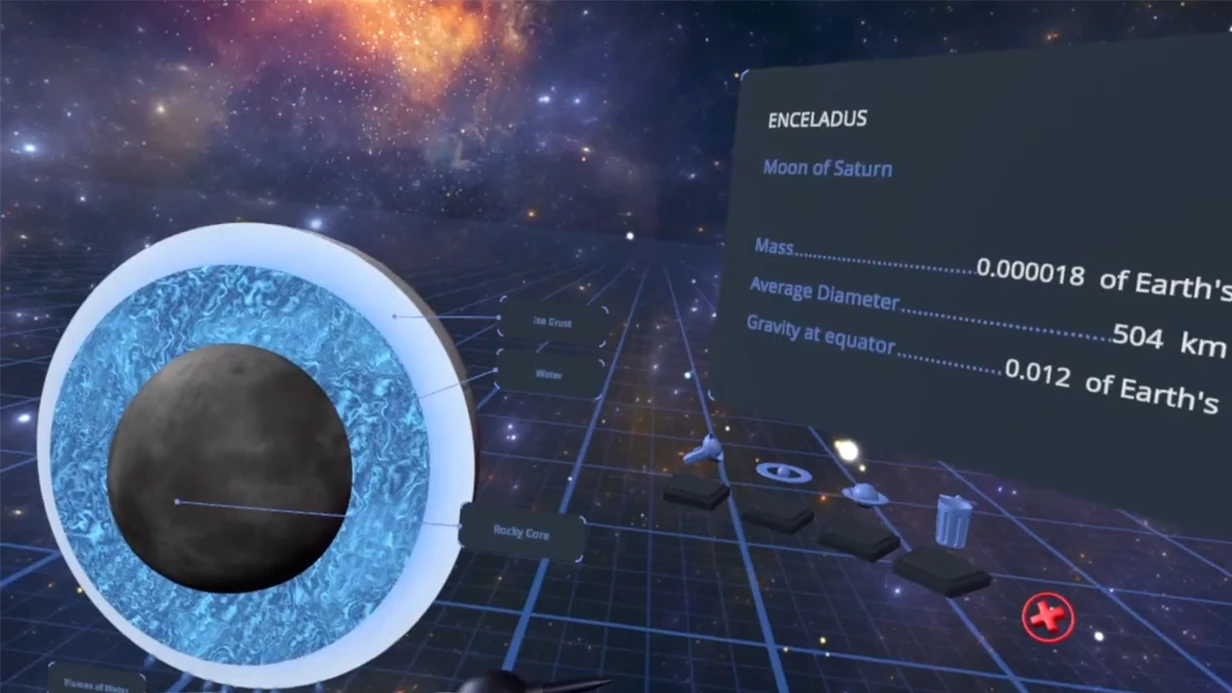
אוהד מקבל את ההזדמנות להיות באפיצנטר האירועים — לדוגמה, "להיות נוכח" ביציע במהלך משחק היסטורי. אם המשימה שלכם היא מעורבות רגשית או אימון מיומנויות בטוח, בחרו ב-VR.
AR (מציאות רבודה) עובדת אחרת: היא מוסיפה שכבות דיגיטליות על העולם האמיתי מבלי למשוך אדם ממה שקורה.
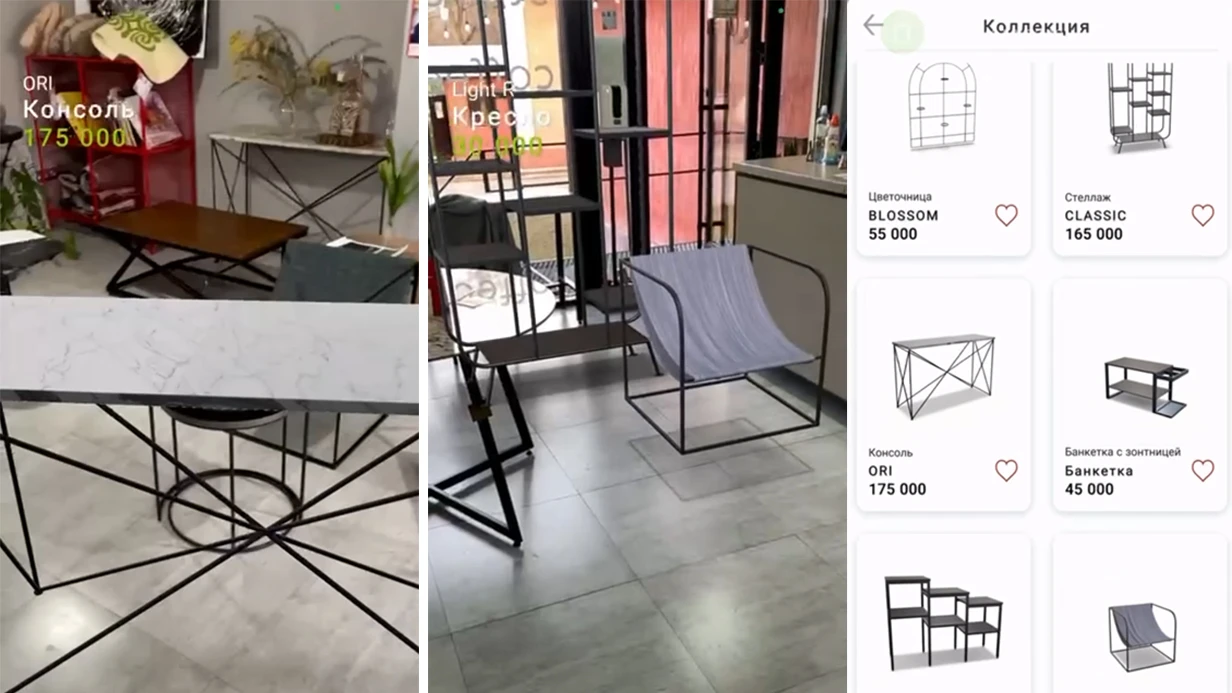
לצופים, זה אומר סטטיסטיקות חיות ישירות על מסך הסמארטפון במהלך שידור, ניווט אינטראקטיבי באצטדיון, או מדידת ציוד ספורט דרך המצלמה.
למאמנים ולאנליסטים, זה אומר רמזים תפעוליים בשדה הראייה: כיצד העומס של שחקן משתנה, היכן נפתח נתיב מסירה. AR פותרת משימות שבהן מידע בזמן אמת חשוב.
MR (מציאות מעורבת) היא סימביוזה: אובייקטים וירטואליים מתקשרים באופן הדוק עם החלל הפיזי ומגיבים אליו.
בספורט, היא חיונית לעבודה משותפת: הצוות המאמן רואה מודל תלת-ממדי של רגע משחק "מונח" על המגרש האמיתי ויכול להזיז דמויות וירטואליות תוך דיון בתוכנית ממש במהלך פגישה.
לשיווק, MR פותחת את האפשרות למקם מבני פרסום וירטואליים בחלל אמיתי ולהעריך את השפעתם לפני הדפסה. אם המשימה היא לחבר בין העולם הפיזי והדיגיטלי למודלים או מצגות, MR היא הבחירה שלכם.
אנחנו לא מוכרים "חומרה" ולא כופים פורמט יחיד. בתחילת פרויקט, אנו מבצעים ביקורת על המשימה שלכם ובוחרים טכנולוגיה שתניב תוצאה מדידה — מעורבות מוגברת, טווח הגעה או הפחתת עלויות אימון.
אם אתם לא בטוחים איזה פתרון מתאים לכם, שלחו בקשה: ננתח את המצב שלכם ונציע פורמט שישתלם.
שאלות נפוצות וחששות לפני הזמנה
לפני הזמנת אפליקציית VR ל-Apple Vision Pro, לארגוני ספורט יש בדרך כלל את אותן שאלות: האם לוחות הזמנים יחמיצו, האם התקציב יתנפח, עד כמה הנתונים מאובטחים, ומה קורה לאחר ההשקה. אנו מתייחסים לחששות העיקריים כדי שתוכלו לקבל החלטה ברוגע ובהבנה.
אילו ערבויות יש לכך שהאפליקציה תעבוד בדיוק כמו שאנחנו צריכים?
הערבות לתוצאה מעוגנת בחוזה: אנו מתעדים דרישות כבר בשלב הבריף, מראים גרסאות ביניים בכל שלב, ונותנים לכם זמן לבדיקות. רק לאחר שתאשרו שהכל עובד, הפרויקט נחשב למקובל.
אנו מספקים תקופת אחריות למוצר הסופי — במהלך תקופה זו, אנו מתקנים באגים וליקויים ללא תשלום.
כמה זמן לוקח לפתח אפליקציה לכיוון הספורט?
לוחות הזמנים תלויים במורכבות — בין אם זה סימולטור אימון, ניתוח משחק אינטראקטיבי או אזור מציאות רבודה באצטדיון. אבל אנחנו תמיד נותנים לוחות זמנים ריאליים לפני תחילת הפיתוח ומתעדים אותם בחוזה.
העבודה מתנהלת בשלבים: אתם רואים תוצאות תוך מספר שבועות, לא מחכים "לכל הפרויקט" במשך חודשים.
כמה עולה פרויקט כזה, והאם לא יהיו תשלומים נוספים בדרך?
העלות נקבעת לאחר הבריף — זהו אומדן קבוע, לא "ניחוש". אתם יודעים מראש על מה אתם משלמים: אנליטיקה, עיצוב, פיתוח, בדיקות והשקה. התשלום מחולק לשלבים, כך שאתם שולטים בתקציב בכל שלב.
אם אנו מציעים שינויים המשפיעים על המחיר, אתם יודעים על כך לפני העבודה, לא לאחר מעשה.
כיצד מאורגנת תמיכה טכנית לאחר ההשקה?
אנחנו לא נעלמים לאחר ההשקה. אתם מקבלים ערוץ תקשורת ייעודי ומדיניות זמני תגובה — אנחנו בדרך כלל מגיבים תוך מספר שעות בשעות העבודה. החבילה יכולה לכלול עדכוני תוכן שוטפים, תיקוני באגים והתאמה לגרסאות מערכת חדשות. אתם לא צריכים להבין פרטים טכניים — פשוט תארו את הבעיה, ואנחנו פותרים אותה.
עד כמה מאובטחים הנתונים של ספורטאים, צוות ולקוחות?
אנו מתכננים אבטחה מההתחלה, לא "מאוחר יותר": נתונים מאוחסנים על שרתים מאובטחים, והגישה מחולקת לפי תפקידים. אנו עומדים בדרישות עיבוד הנתונים האישיים וחותמים על הסכם סודיות.
במידת הצורך, אנו עורכים ביקורת אבטחה ומספקים לכם את התוצאות — כך שתוכלו להיות בטוחים בהגנת המידע.
שאלות אלו עוזרות להסיר אי-ודאות לפני שאתם אפילו מתחילים. הנקודה המרכזית היא שאתם תמיד יודעים מה אתם מקבלים, באיזה לוח זמנים ובאיזה עלות. אנו מכסים את הפרטים הנותרים בייעוץ חינמי, שבו אנו מסתכלים ספציפית על המשימה שלכם בענף הספורט.מוכנים להגדיל את מעורבות הקהל? בואו נדון בפרויקט שלכם
אוהדי ספורט זוכרים רגשות, לא רק את לוח התוצאות. אפליקציות VR/AR נותנות למועדונים ולמותגים את ההזדמנות למעורבות קהל באמצעות חוויות חדשות — סיור וירטואלי באצטדיון, מפגשים אינטראקטיביים עם שחקנים או מציאות רבודה ביציע.
גישה זו מגדילה את זמן המגע עם האוהדים, מגבירה את הכרת המותג ויוצרת נקודות שיחה שאנשים משתפים.
אנחנו עובדים על פרויקטי ספורט כבר למעלה מ-10 שנים. כדי להציע פתרון למועדון או לטורניר שלכם, אנחנו צריכים לדון ברעיון, במטרות ובמצב הנוכחי. שלחו בקשה לפיתוח — ניצור קשר, נערוך ייעוץ ונכין אומדן פרויקט. אתם לא צריכים להבין פרטים טכניים.
לאחר יצירת קשר, תקבלו:
- ייעוץ על אפשרויות VR/AR לקהל שלכם — תוך התחשבות במאפייני הספורט.
- ניתוח הרעיון שלכם והצעה לפורמט האפליקציה האופטימלי.
- אומדן פרויקט במונחים של לוח זמנים ותקציב — ללא סעיפים נסתרים.
- תוכנית עבודה ברורה: מאב-טיפוס ועד השקה.
- המלצות לאינטגרציה עם המערכות הקיימות של המועדון — כרטוס, אפליקציה, אתר.
- אמת מידה לתוצאות: מעורבות, טווח הגעה, ביקורים חוזרים.
דיון ברעיון אינו מחייב. אם נראה ש-VR/AR יכולים לפתור את הבעיה שלכם, נציע יישום סוהר. אם לא, נגיד לכם בכנות ונמליץ על כלים אחרים.
צרו קשר דרך הטופס באתר או במסנג'ר — נדון בפרויקט שלכם כבר בשבוע הבא. שליחת בקשה לפיתוח היא קלה: תארו את המשימה שלכם בשני משפטים, ואנחנו נטפל בשאר.