



VR/AR/MR לטלקומוניקציה: איך לא לאבד לקוחות
מנויים מודרניים בוחרים מפעיל לא רק לפי תעריף, אלא גם לפי מידת הנוחות והמעורבות של האינטראקציה.
בעוד שחברות טלקום מסוימות מסתפקות באפליקציות ובאתרים, אחרות מיישמות פיתוח VR ואפליקציות AR — והחברות האלה הן שזוכות בתשומת הלב של הקהל.
הפורמטים המסורתיים נכשלים בהדרגה בשמירה על לקוחות: הנטישה עולה, הנאמנות יורדת, וההישג של שירותים חדשים מצטמצם.
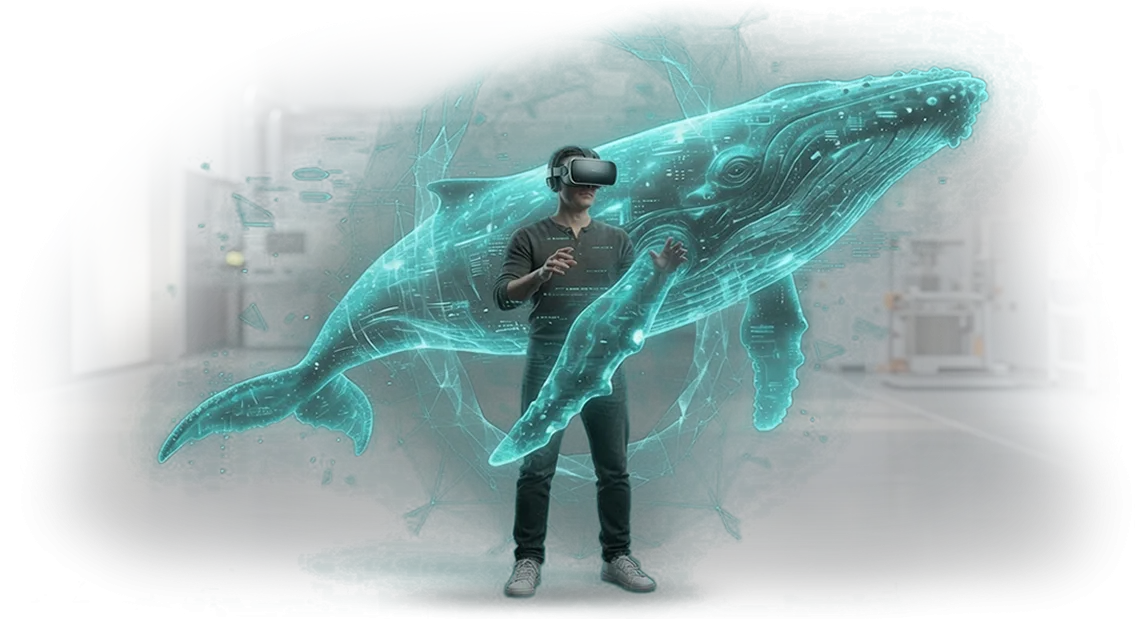
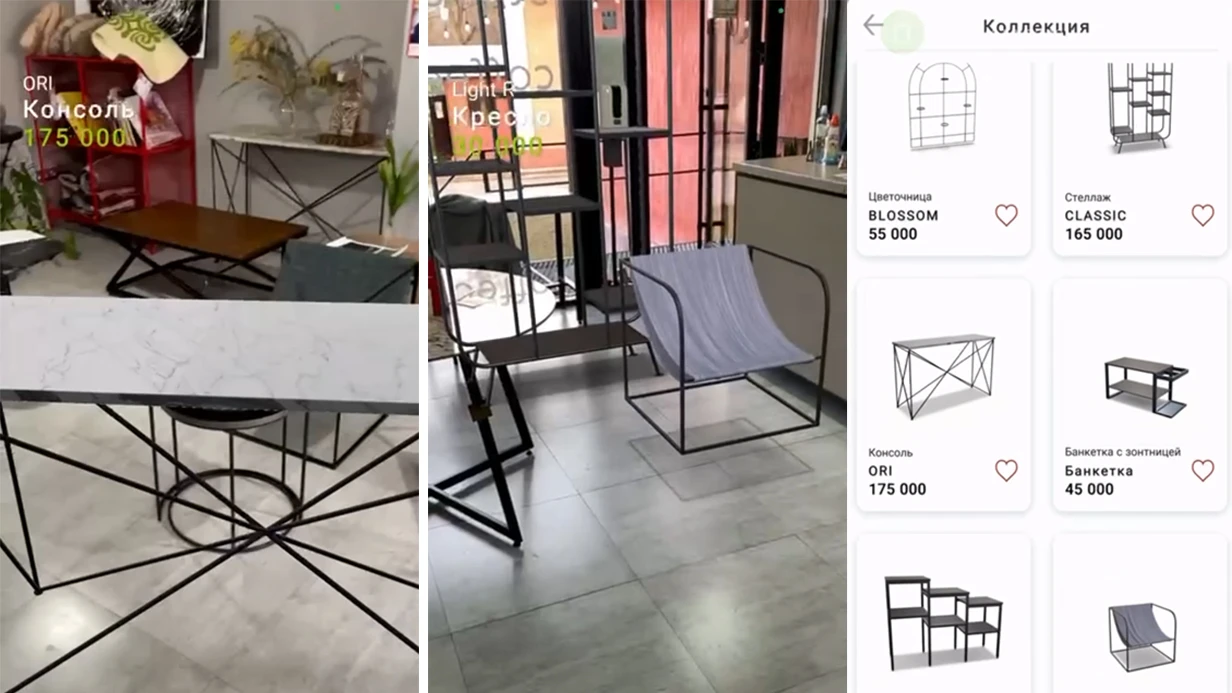
מציאות מדומה בטלקומוניקציה פותחת את מה שמסכים רגילים לא יכולים: לקוח יכול "להסתובב" בחנות וירטואלית, לבחור תעריף בפורמט תלת-ממדי, או לראות כיסוי רשת במציאות רבודה ישירות על מפת העיר.
פתרונות MR משלבים אובייקטים דיגיטליים עם העולם הפיזי — לדוגמה, טכנאי עם משקפיים חכמים רואה דיאגרמת ציוד באתר העבודה ופותר תקלות מהר יותר.
עבור מנויים, זה אומר מהירות ובהירות; עבור מפעילים, זה אומר חיסכון בהדרכה ובתמיכה.
התועלת העסקית ברורה: החברה שמציעה לראשונה חוויה סוחפת נזכרת ושומרת על לקוחות. פורמטים אינטראקטיביים מגדילים המרות ומפחיתים את מספר פניות התמיכה.
עבור טלקומוניקציה, שבה התחרות עזה, זו דרך להתבלט ללא הורדת מחירים.
אנו מתמחים בפיתוח VR וביצירת אפליקציות AR עבור מפעילי טלקום. אנו עוזרים לתכנן ולהשיק פתרון למשימה שלך — מדוכן וירטואלי ועד סימולטור MR לעובדים.
אנו מסתמכים על ציוד מקצועי וניסיון רב שנים כדי לספק תוצאה יציבה והשפעה מוחשית על העסק שלך.
היתרונות של אפליקציות VR/AR/MR עבור החברה שלך
מוצרי טלקום קשים לתפיסה: תעריפים מופשטים, היגיון כיסוי רשת, תנאי נדידה. ללקוחות קשה "להניח עליהם יד" — ולכן החלטות מתעכבות, ומנהלים מבלים שעות בהסברים חוזרים.
אפליקציות סוחפות מסירות את הבעיה הזו: הן הופכות מורכבות לבהירות ומחזיקות תשומת לב פי כמה יותר זמן מאשר מצגות או קובצי PDF.
Unity — המנוע שעליו אנו בונים את הפרויקטים שלנו — מאפשר לנו ליצור סצנות תלת-ממדיות מציאותיות שרצות על טאבלטים, סמארטפונים ומשקפי VR. הלקוח מקבל כלי שמוכר ומכשיר ללא צורך במומחה טכני.
מצגת מוצר שזוכרים
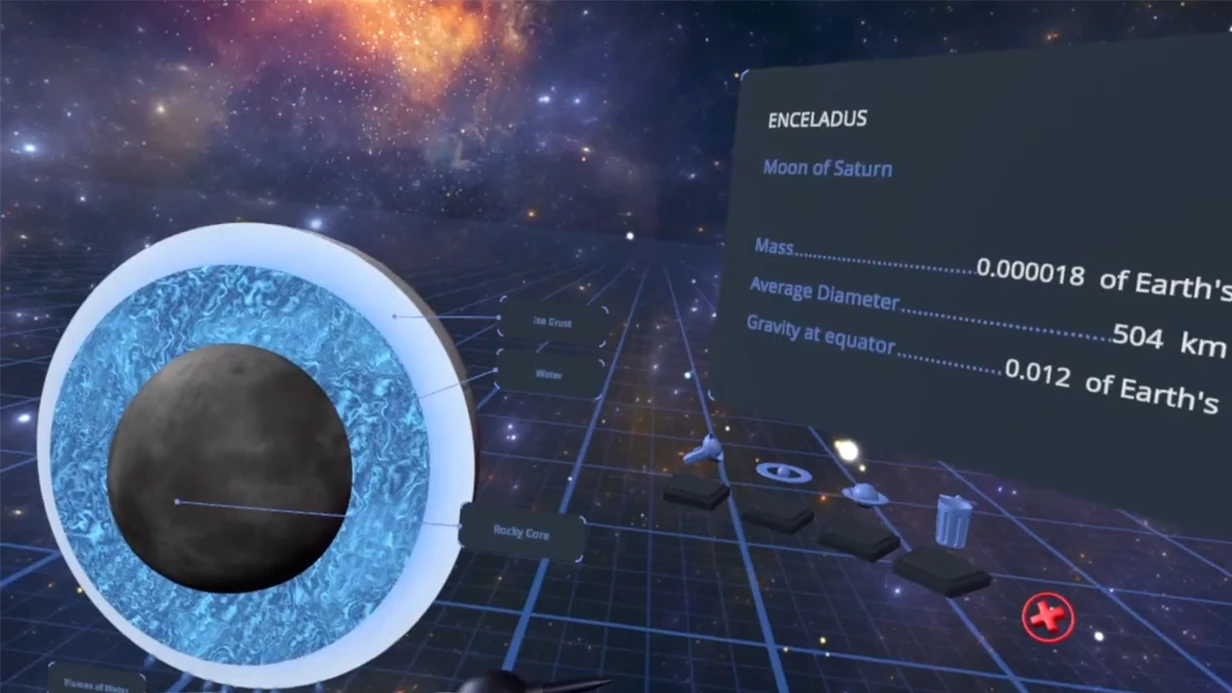
במקום דיאגרמה שטוחה, הלקוח רואה רשת כיסוי תלת-ממדית, "נכנס פנימה" לתעריף, או משווה אפשרויות במרחב וירטואלי.
זה מקצר את מחזור העסקה: שאלות מורכבות נפתרות חזותית במקום דרך עשרות שאלות המשך ממנהל.
הדרכת עובדים ללא הפרעה לעבודה השוטפת
עובדים חדשים כבר לא צריכים לבלות שבועות בלימוד מדריכים. תרחיש AR מראה שלב אחר שלב כיצד לעבד הזמנה או להפעיל שירות — טעויות על לקוחות אמיתיים הופכות לנחלת העבר. חונכות מהירה יותר ואיכות שירות גבוהה יותר.
הכרת מותג וזרם לידים
קטלוג אינטראקטיבי או אזור AR בתערוכה מושכים מבקרים: אנשים עומדים בתור כדי לנסות את הטכנולוגיה. כל אינטראקציה כזו היא הזדמנות להשאיר פנייה או להירשם לחדשות, בעוד שתמונות וסרטונים ויראליים מהאירוע מרחיבים את ההישג במדיה החברתית בחינם.
השורה התחתונה
אנחנו לא בונים "צעצוע לשם הטכנולוגיה" — אנחנו בונים כלי עבודה שמשתלם דרך המרות גבוהות יותר, למידה מהירה יותר ויותר פניות חוזרות. אתה מקבל תרחיש מוכן המותאם למשימה שלך, לא אב-טיפוס מופשט.
פורמטים של פתרונות VR/AR/MR למשימות טלקומוניקציה
חברות טלקום מתמודדות עם האתגר של הצגת תשתית מורכבת — ממגדלי סלולר ועד תוכניות תעריף — בצורה ברורה הן למנהלים והן למומחים טכניים.
שקופיות וסרטונים רגילים כבר לא משיגים את האפקט הרצוי: הלקוח לא יכול לראות את ההיקף, לא יכול "לגעת" בפתרון, ולוקח לו יותר זמן להחליט.
אנו מתאימים פורמטים של VR/AR/MR לתרחיש ספציפי: אולם תצוגה וירטואלי למצגות מוצר, הדרכת עובדים בסביבה בטוחה, והדגמות ברורות למכרזים ומשא ומתן. כל פורמט פותר משימה עסקית משלו ומשתלב בקלות בתהליכים קיימים.
| פורמט | למי | מה זה נותן ללקוח |
|---|---|---|
| אולם תצוגה וירטואלי (VR) | לקוחות עסקיים, מפיצים | מצגת תלת-ממדית רחבת היקף של ציוד ופתרונות ללא לוגיסטיקה — הלקוח יכול לחקור את המוצר בכל זמן, אפילו ממדינה אחרת |
| הוראות AR | צוותי התקנה, מהנדסי שירות | הנחיות שלב-אחר-שלב במהלך התקנת ציוד: פחות שגיאות, הפעלה מהירה יותר, פחות ביקורי שטח |
| הדגמת MR | הנהלה בכירה, ועדות מכרז | שילוב ברור של רשת וירטואלית עם מרחב אמיתי — מובן למנהלים ללא רקע טכני |
| סימולטור VR | מרכזי הדרכה, צוות טכני | תרגול תרחישי חירום ללא סיכון או עלות של ציוד אמיתי, עם הערכת מיומנויות אוטומטית |
נעזור לך לבחור את הפורמט למשימה שלך — מהדגמה קצרה ועד אולם תצוגה וירטואלי מלא. ספר לנו איזה תרחיש אתה רוצה לטפל בו, ואנחנו נציע פתרון שמאיץ מכירות ומפחית עלויות הדרכה.
איך עובד פיתוח אפליקציות VR/AR/MR: שלבי הפרויקט
אנחנו מבינים: עבור חברת טלקום, VR/AR/MR הוא כלי שחייב לספק תוצאות מדידות — להפחית עומס משרדי, להאיץ הכשרת עובדים ולהסביר תעריפים בבהירות.
לכן שלבי הפיתוח בנויים כך שבכל שלב תוכל לראות מה אתה מקבל ומתי תראה את התוצאה.
- בריף פיתוח. אנו לוכדים את המשימה העסקית, המשתמש ומדדי ההצלחה. אנו מציעים תרחיש ופורמט — VR, AR או MR — למשימה שלך.
- אישור אב-טיפוס ותרחיש. אנו מראים את היגיון האפליקציה: מסכים, פעולות משתמש, מעברים. אתה מבצע תיקונים לפני תחילת הפיתוח.
- אישור עיצוב ופריסה. אנו מעצבים את הממשק ואובייקטים תלת-ממדיים בסגנון המותג שלך. אתה מאשר את הפריסה — ורק אז מתחיל היישום הטכני.
- פיתוח ובדיקות. אנו בונים את האפליקציה לפלטפורמה הנדרשת, כגון Apple Vision Pro, ובודקים תרחישים על מכשירים אמיתיים וציוד מקצועי.
- השקת האפליקציה. אנו עוזרים בפרסום בחנות האפליקציות, הגדרת גישה ומתן הוראות לצוות שלך. אתה מקבל את הפתרון המוגמר.
- תמיכה ופיתוח. אנו מעדכנים תוכן ומוסיפים תרחישים חדשים ככל שהתעריפים והמוצרים משתנים. אנחנו נשארים בקשר לאחר ההשקה.
רצף זה מסיר את הסיכון המרכזי: כסף שהושקע אבל תוצאות שלא תואמות לציפיות. אתה תמיד יודע היכן עומד הפרויקט, מה אושר ומה הלאה. נתחיל בבריף קצר — זה ייקח לא יותר משעה.
מה כלול במסירת פתרון VR/AR/MR
כשמזמינים פתרון VR/AR/MR, חשוב להבין שאתה מקבל לא רק אפליקציה, אלא כלי עסקי עובד ושלם. אנו מרכיבים חבילת מסירה מלאה — מאב-הטיפוס הראשון ועד הכשרת עובדים ותמיכה טכנית. זה מאפשר לך ליישם את הטכנולוגיה בצורה חלקה ולראות החזר מהיר.
- אב-טיפוס אפליקציה — גרסה אינטראקטיבית שתוכל לבדוק לפני הפיתוח הסופי. אתה רואה איך הפתרון נראה ואיך הוא עובד, ומבצע תיקונים לפני ההשקה, וחוסך תקציב על עבודה חוזרת.
- אפליקציה סופית — מוצר פונקציונלי מלא המותאם למשימות שלך: ויזואליזציית רשת, הדרכת עובדים, הדגמות שירות לקוחות. הוא רץ על ציוד מקצועי ומספק תוצאות עקביות.
- תיעוד לצוות שלך — הוראות ברורות לניהול ושימוש בפתרון. העובדים שלך יוכלו לנהל תוכן ולבצע שינויים בעצמם ללא מעורבות מפתחים.
- הכשרת עובדים — מפגש מעשי שבו הצוות שולט במערכת ועובד דרך תרחישים טיפוסיים. יום אחרי ההכשרה, הצוות משתמש בביטחון באפליקציה בעבודה היומיומית.
- תמיכה טכנית — ערוץ תקשורת ייעודי עם צוות הפיתוח לכל תקופת התמיכה. אנו עונים על שאלות, מסייעים בעדכונים ופותרים במהירות כל בעיה.
- עדכונים ושכלולים — לאחר ההשקה הראשונית, אנו מבצעים שיפורים שהופכים את הפתרון לנוח עוד יותר למשימות שלך. זו לא מסירה חד-פעמית — זה כלי מתפתח.
חבילה זו מכסה את כל תהליך היישום: מאימות רעיון ועד פעולה יציבה. אתה מקבל תוצאה צפויה ולא תלוי בקבלני צד שלישי.
מקרה בוחן: איך חיזקנו מצגת של מפעיל טלקום
המשימה והפתרון
מפעיל טלקום היה צריך להראות לשותפים וללקוחות עסקיים את היכולות החדשות של הרשת שלהם — אבל מצגת סטנדרטית על מסך לא יכלה להעביר את ההיקף.
הצענו להעביר אותה לסביבה וירטואלית: המשתתפים שמים משקפי VR ו"נכנסים" למודל רשת אינטראקטיבי שבו הם יכולים לראות איך עובד הכיסוי, אזורי מהירות ותרחישי שימוש אמיתיים.
עבור המפעיל הגדול, הכנו שלושה אזורי הדגמה: אחד לפגישות עם לקוחות מפתח, אחד לתערוכה, ואחד להשקה פנימית של תוכנית תעריף.
השליטה פשוטה — מדריך מלווה את הקבוצה ומצביע על מה להסתכל, כך שהמשתתפים לא צריכים הכנה טכנית.
תוצאות
המצגת נמשכה שלוש שעות ומשכה 120 אורחים. כל אורח בילה בממוצע 9 דקות בסביבה הווירטואלית — פי ארבעה יותר מאשר שמירת תשומת לב במצגת שקופיות רגילה.
85% מהמשתתפים ביקשו גישת הדגמה למוצר לאחר המפגש, וחודש לאחר מכן המפעיל הזמין תרחיש מותאם לפורום תאגידי.
שכפול הפך לבונוס נוסף: התאמנו את אותו סיור VR למשרדים אזוריים, וקיצרנו את זמן הכנת המצגת מכמה ימים ליום אחד.
המקרה מראה: VR/AR בטלקום הוא לא קישוט דוכן — זה כלי שמחזיק את תשומת הלב של קהלי מפתח ומוביל לפניות קונקרטיות. נעזור לך ליצור פרויקט דומה למשימה שלך — מהתרחיש ועד ההשקה.
איך לבחור פורמט פתרון VR/AR/MR למשימה שלך?
בחירת פורמט לחברת טלקומוניקציה מתחילה לא בטכנולוגיה, אלא בשאלה: "מה צריך להשתנות אחרי היישום?" אם אתה צריך להטמיע עובד במלואו בהכשרת הפעלת ציוד — VR הוא הבחירה הנכונה.
אם אתה צריך להציג הנחיות על גבי אובייקט אמיתי במהלך התקנה או תחזוקת רשת — זו משימת AR. כשצריך לשלב מודל פיזי עם נתונים דיגיטליים למצגות למשקיעים או ללקוחות B2B — בחר ב-MR.
כל פורמט פותר משימה עסקית משלו, והמשימה הזו קובעת את התקציב האופטימלי, לא להיפך.
טעות נפוצה היא להתחיל בחיפוש אחר הפתרון "המתקדם ביותר". הלקוח משלם יותר מדי על עומק טבילה מיותר, בעוד שהתוצאה הרצויה הייתה מושגת עם תרחיש פשוט.
לדוגמה, הכשרת טכנאים בהתקנת סיבים אופטיים דורשת רק סימולטור VR: הוא מספק תרגול בטוח ללא סיכון לציוד אמיתי.
לתמיכה מרחוק של צוותי שטח, הנחיות AR על טאבלט יעילות יותר: המומחה רואה את הארון האמיתי, והמערכת מדגישה את היציאה הנכונה.
פתרונות MR נכנסים לפעולה כשצריך להראות מיקומי מגדלים וכיסוי רשת בנפח של משרד או חלל תערוכה.
כדי למנוע טעויות, יש לנו אלגוריתם פשוט. אנו שואלים שלוש שאלות: מי המשתמש (עובד, לקוח, שותף), איזו פעולה הם צריכים לבצע לאחר האינטראקציה, ואיזו תוצאה נחשבת להצלחה.
התשובות מבטלות מיד חצי מהפורמטים וקובעות את טווח התקציב. לאחר מכן אנו מראים שניים או שלושה אבות-טיפוס על המקרה שלך — כך שההחלטה מתקבלת לא על מילים, אלא על תחושה אמיתית של ערך.
קבע ייעוץ — תוך 30 דקות נסקור את המשימה שלך ונציע פורמט שמשתלם, לא רק שנראה מרשים.
שאלות נפוצות על פיתוח אפליקציות VR/AR/MR
אנחנו יודעים שלפני התחלת פרויקט VR/AR, ללקוחות יש ספקות זהים: לוחות זמנים, תאימות למערכות קיימות, סיכונים. אנו מתייחסים אליהם באמצעות דוגמאות מהפרויקטים שלנו עבור חברות טלקומוניקציה — כולל עבור Apple Vision Pro.
כמה זמן לוקח פיתוח אפליקציה?
לוחות הזמנים תלויים במורכבות התרחישים ובהיקף האינטגרציות. למשימות טיפוסיות — 4 עד 8 שבועות; לפרויקטים רחבי היקף המחוברים למערכות שלך — עד 4 חודשים.
בהתחלה, אנו קובעים לוח זמנים לפרויקט עם שלבים ותאריכים כדי שתוכל לראות התקדמות כל שבוע.
האם הפתרון תואם לחומרה ולתוכנה שלנו?
אנו מפתחים אפליקציות למכשירים ספציפיים ובודקים תאימות לתשתית שלך לפני ההשקה. זה חל על מערכות ניהול לקוחות, חיוב ושירותים פנימיים.
כתוצאה מכך, אתה מקבל פתרון שמשתלב בתהליכים קיימים במקום להתקיים בנפרד.
מהם הסיכונים ואיך מפחיתים אותם?
הסיכון המרכזי הוא הוצאת תקציב על ניסויים שלא מניבים תוצאות. אנו מתחילים באב-טיפוס ובדיקות קבוצת מיקוד כדי שתראה משוב אמיתי לפני פיתוח בקנה מידה מלא. אם התרחיש לא מהדהד, אנו משנים אותו בשלב מוקדם.
אילו ערבויות אתם מספקים?
החוזה מפרט לוחות זמנים, עלות ורשימת התכונות. לאחר ההשקה, אנחנו נשארים בקשר: אנו תומכים במערכת, פותרים בעיות ומשכללים תרחישים ככל שהמשימות העסקיות מתפתחות. אחריות על עבודה שבוצעה היא עד 12 חודשים.
איך עובד היישום?
אנחנו לא מוסרים מוצר "גולמי". ראשית, אנו מריצים בדיקות פיילוט עם העובדים או הלקוחות שלך, ואז מאמנים את הצוות ומשיקים בהדרגה. בכל שלב, אתה מקבל דוח על השפעת הפתרון על מדדי מפתח — זמן שירות, פניות חוזרות, הכנסות.
דון בפרויקט VR/AR/MR שלך — קבל הערכת עלות ותוכנית
לדון בפרויקט VR/AR/MR — במיוחד בטלקום — זה לא קל: יש יותר מדי אפשרויות ומונחים. זה מרגיש כאילו אתה צריך להבין את הטכנולוגיה קודם ורק אז לגשת לקבלן. במציאות, שיחה אחת עם מומחה שכבר פתר משימות דומות מספיקה.
אנו מזמינים אותך לפגישה — פנים אל פנים או מקוונת. תספר לנו איך העסק שלך עובד והיכן תרצה ליישם מציאות מדומה או רבודה: הכשרת עובדים, תמיכת התקנה מרחוק, ויזואליזציית תשתית רשת, או מצגות לקוח אינטראקטיביות. נציע את הפורמט האופטימלי ונסביר אילו תוצאות ניתנות להשגה באופן ריאלי.
לאחר בקשתך, אתה מקבל:
- ייעוץ אישי עם מהנדס ומפיק פרויקט;
- הערכה של התאמת VR/AR/MR למשימות שלך;
- הערכת עלות ולוח זמנים ליישום;
- תוכנית פרויקט עם שלבים, צוותים ואבני דרך;
- המלצות על בחירת מכשירים לעובדים וללקוחות;
- תשובה ברורה אילו משימות לא צריך לפתור דרך VR/AR — נחסוך לך כסף;
- הצעה מסחרית עם מחיר קבוע וערבויות.
בלי מצגות מופשטות — רק פרטים ספציפיים על סמך בקשתך. כדי לקבל את ההערכה והתוכנית, השאר פנייה או התקשר אלינו. נדון בפרטים, נענה על שאלותיך ונכין הצעה תוך כמה ימי עסקים.