



טלוויזיה וקולנוע ללא אינטראקטיביות מאבדים צופים
הצופים עייפים מצפייה פסיבית: סרט או תוכנית מוכרים כבר לא תופסים את תשומת הלב שלהם, והיד מושיטה אינסטינקטיבית לפיד ברשתות החברתיות או לסטרימינג.
הטלוויזיה והקולנוע מתמודדים עם אובדן קהל שיטתי — מספרי הצפייה יורדים, והמפרסמים עוברים למקום שבו הקשר עם הצופה ניתן למדידה והוא פעיל.
הבעיה אינה איכות הצילום או העלילה, אלא היעדר מנגנוני השתתפות.
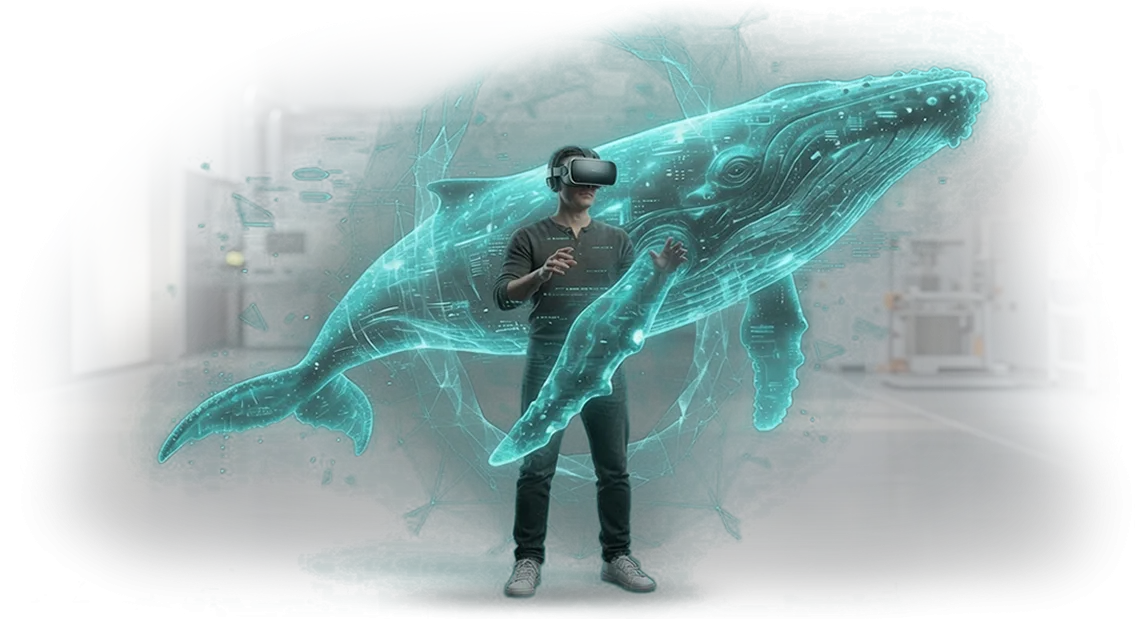
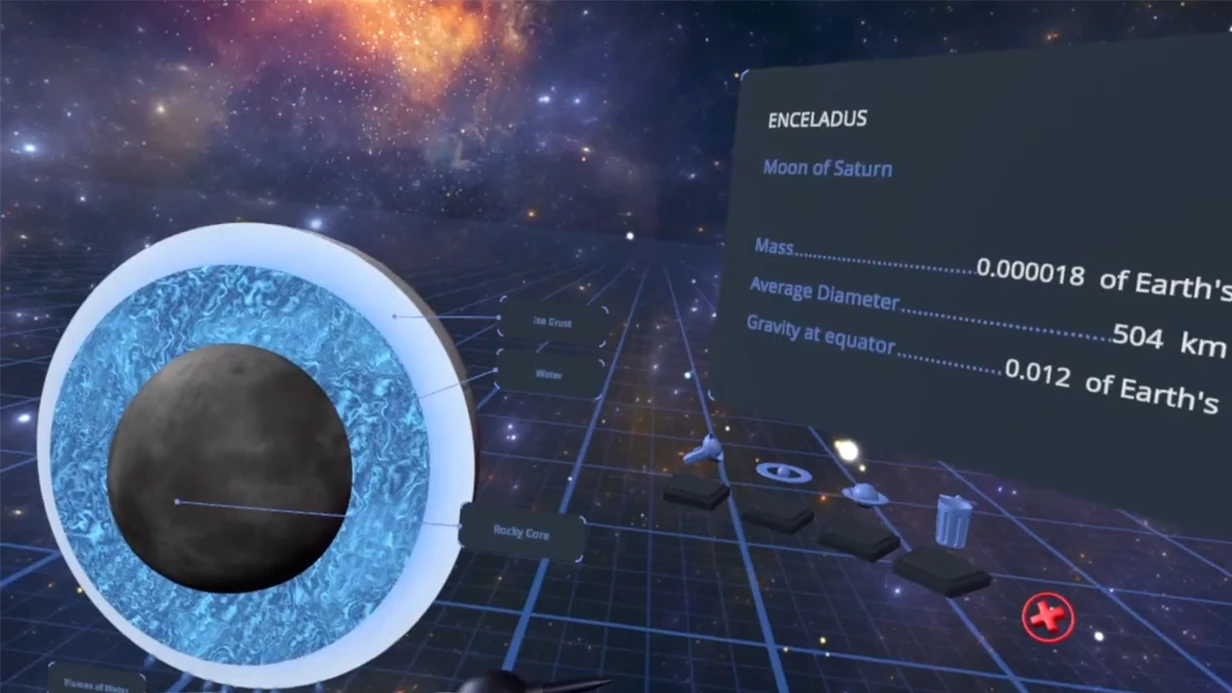
הצופה של היום מצפה שלסיפור יהיה המשך, בחירות והשפעה על האופן שבו האירועים מתפתחים. מציאות מדומה ומציאות רבודה מסירות את המגבלה הזו: הן הופכות את הצפייה לחוויה סוחפת ואת הצופה למשתתף.
פורמטים אינטראקטיביים מעניקים לטלוויזיה ולקולנוע חוויה ייחודית שאי אפשר לקבל בנגן רגיל — בדיוק מה שצריך כדי לשמור על תשומת הלב.
מהדורת VR מיוחדת של פרק, מציאות רבודה מעל שידור ספורט או בחירת ענפי עלילה בסמארטפון במהלך המופע החי — אלמנטים כאלה יוצרים אירוע סביב התוכן.
מעורבות הצופים גדלה דרך תחושת הנוכחות והמעורבות האישית: אנשים נשארים יותר זמן, חוזרים לפרקים הבאים, דנים ומשתפים את ההתרשמות שלהם.
עבור ערוץ טלוויזיה או אולפן, זה אומר שימור גבוה יותר וצפיות חוזרות ללא הגדלת תקציב הפרסום.
אנחנו מפתחים אפליקציות ל-Apple Vision Pro ולמכשירים אחרים, ומשלבים פורמטים קלאסיים עם היכולות של מציאות מדומה ורבודה. אנחנו מתאימים סיפורים לנרטיבים אינטראקטיביים תוך שמירה על הדרמטורגיה והסגנון החזותי.
אנחנו עוזרים לטלוויזיה ולקולנוע להחזיר לעצמם את הצופים דרך הפורמטים שהם בוחרים בפלטפורמות הדיגיטליות.
מה מקבלים מהטמעת פרויקט VR/AR/MR
הקהל של ערוץ טלוויזיה או קולנוע כבר מזמן הפסיק להיות צופה פסיבי. פשוט לראות את התמונה לא מספיק — הם רוצים להשתתף, להשפיע על העלילה ולקבל רגשות ששווה לשתף.
תוכן אינטראקטיבי מבוסס VR/AR/MR הופך צפייה רגילה לאירוע שמדברים עליו וזוכרים אותו.
עבור טלוויזיה וקולנוע, זו דרך ישירה להרחבת הקהל ולצמיחה בהכרת המותג. צופה שמקיים אינטראקציה עם התוכן שלך נשאר איתו יותר זמן וחוזר שוב.
הפורמט עצמו הופך לנושא חדשותי — כותבים עליו, דנים בו ברשתות החברתיות, והחשיפה גדלה ללא תקציב פרסום נוסף.
יתרון 1
חשיפה לקהל ואפקט ויראלי. פילטר AR ייחודי, סיור VR בסט הצילומים או פרסום אינטראקטיבי הם תוכן שהצופים שומרים ומעבירים הלאה. כל משתתף מביא איתו עוד כמה צופים פוטנציאליים, ומתחיל שרשרת של אזכורים חינמיים לפרויקט שלך. כתוצאה מכך, אתה מקבל צמיחה במנויים, צפיות ועניין בפרקים חדשים או בהקרנות בכורה.
יתרון 2
תגובה חיה ולידים. אינטראקטיביות מאפשרת לך לאסוף תגובות ישירות מהקהל: סקרים, בחירות של המשך עלילה, הורדות של חומרים נוספים. אתה לא רק מציג תוכן — אתה מקבל נתונים על מה שמעניין את הצופים ואנשי קשר של אלה שמוכנים למעורבות.
עבור מפרסמים, זה זרם לידים מוכן; עבורך, זה תובנת קהל וסיבה לפנייה המשך.
יתרון 3
תדמית מותג חדשנית. פרויקט VR/AR/MR מדגים שהחברה שלך צועדת עם הזמן ומוכנה להפתיע. זה בונה את המוניטין שלך לא רק מול הצופים אלא גם מול שותפים, משקיעים ומפרסמים. אומץ טכנולוגי הופך לחלק מהמיצוב שלך ומבדל אותך מהמתחרים.
אנחנו לוקחים על עצמנו את כל המסע: מהרעיון ועד ההשקה. אנחנו עובדים על ציוד מקצועי וכלים מוכחים, מה שאומר שאתה מקבל תוצאה יציבה במסגרת הזמן המוסכמת.
ספר לנו על המשימה שלך — נציע פתרון שמגדיל חשיפה, אוסף לידים ומחזק את המותג שלך.
פורמטים של פתרונות VR/AR/MR לטלוויזיה וקולנוע
בטלוויזיה ובקולנוע, הצופים כבר לא מסתפקים במסך שטוח — הם רוצים להיות בתוך הסיפור. פורמטי VR/AR/MR הופכים תוכן לחוויה: הצופה לא רק צופה בסיפור, הוא משתתף בו.
זה עובד להקרנות בכורה, קמפיינים פרסומיים ובניית תדמית של ערוץ או אולפן מתקדם טכנולוגית.
אנחנו מתאימים את הפורמט למשימה הספציפית: איפה צריך לשמור על תשומת לב, איפה צריך ליצור אפקט ויראלי, איפה צריך להטביע את הצופים באווירת הסרט. להלן תרחישים טיפוסיים שכבר מניבים תוצאות ללקוחות במדיה ובשיווק אירועים.
| פורמט | למי זה מיועד | מה הלקוח מקבל |
|---|---|---|
| אולפן וירטואלי עם מציאות רבודה | ערוצי טלוויזיה, מרכזי הפקה | ויזואליה מרשימה ללא תפאורה יקרה, יכולת לשנות את הסצנה במהלך השידור |
| טריילר אינטראקטיבי 360° | הפצה קולנועית, בתי קולנוע מקוונים | הצופים בוחרים את הזווית בעצמם — המעורבות וזמן הקשר עם המותג גדלים |
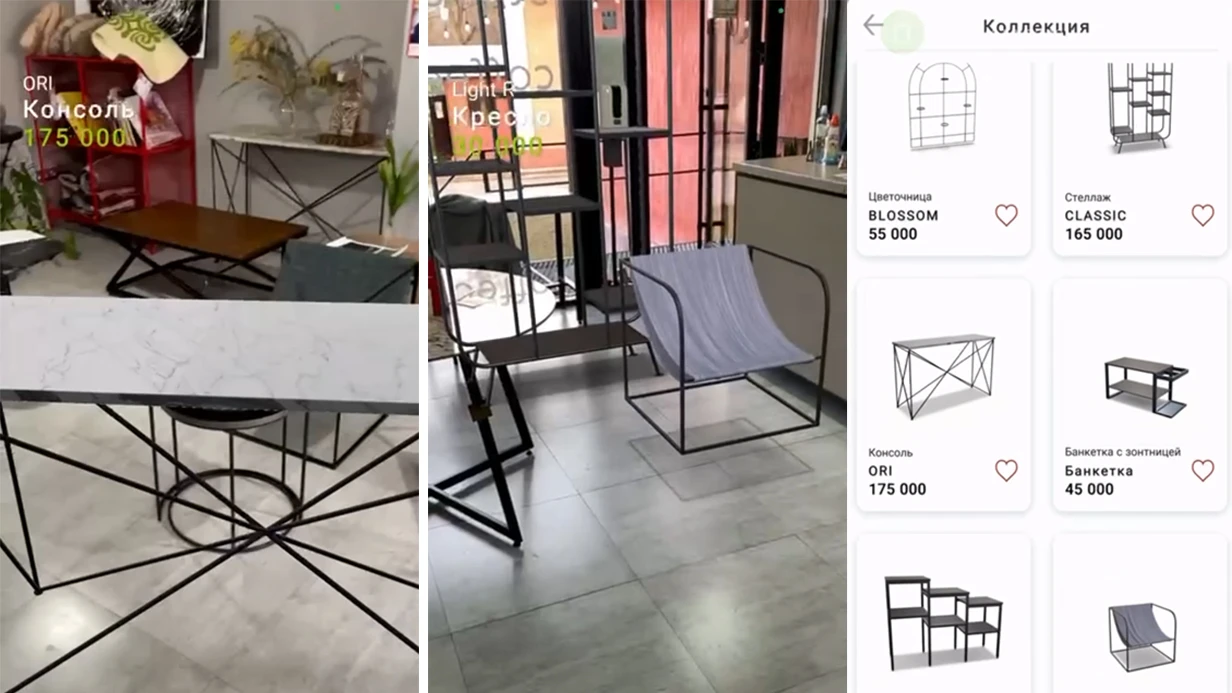
| סיור AR בסט הצילומים | אולפני קולנוע, פסטיבלים | סיבה נוספת להגיע לאירוע, אזור צילום וחשיפה ברשתות החברתיות |
| קולנוע וירטואלי מבוסס Vision Pro | הקרנות בכורה, הקרנות סגורות | אפקט "שורה ראשונה" לצופים בכל מקום בעולם, אקסקלוסיביות |
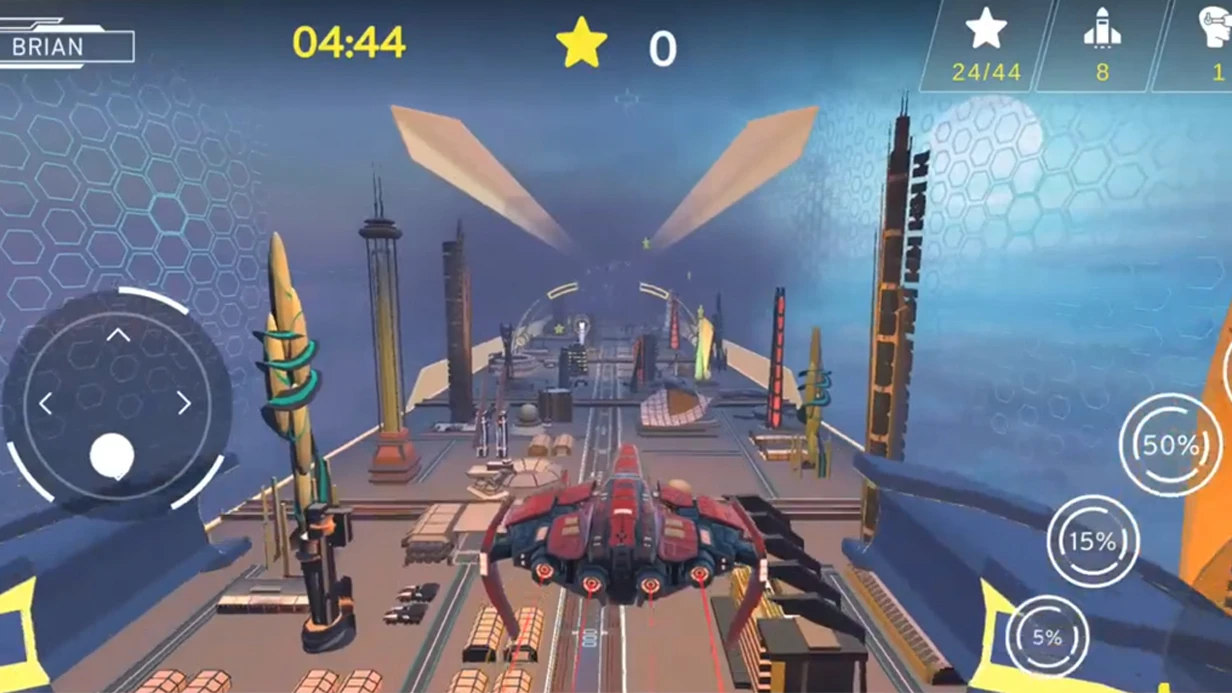
| משימת MR בהשראת הסרט | פארקי שעשועים, קידומי טלוויזיה | מאריכה את חיי התוכן לאחר ההשקה ומביאה מנויים חדשים |
כפי שאתה רואה, לכל פורמט יש מטרה משלו: מהרחבת קהל ועד יצירת מוצר נוסף סביב סרט או תוכנית.
אנחנו עוזרים לך לבחור את התרחיש הנכון ולשלב אותו באסטרטגיית השיווק שלך — תוך התחשבות בלוח הזמנים, בתקציב ובחשיפה הצפויה.
שלבי השקת הפרויקט: מהבריף ועד הבכורה
פיתוח אפליקציה ל-Apple Vision Pro לטלוויזיה וקולנוע הוא תהליך הפקה רב-שלבי שלא שונה מצילומי סרט. כדי להבטיח שהתוצאה תגיע בזמן ללא פגיעה באיכות, אנחנו פועלים לפי אלגוריתם שקוף עם נקודות ביקורת. בכל שלב אתה מבין מה קורה ומקבל את ההחלטות המרכזיות.
-
בריף וניתוח משימה — אתה מספר לנו על התרחיש, הקהל והתוצאה הרצויה. אנחנו שואלים שאלות מנחות, עוזרים לנסח את המשימה וקובעים אילו טכנולוגיות יהיו נחוצות לפתרון.
-
תוכנית ואב-טיפוס — אנחנו קובעים את התרחיש, הסגנון והלוגיקה של האינטראקציה. אנחנו יוצרים אב-טיפוס מהיר כדי שתוכל לראות איך הפרויקט ייראה על Apple Vision Pro לפני תחילת ההפקה המלאה.
-
אישור — אתה מאשר את הפתרון החזותי, לוח הזמנים ונקודות הביקורת. אנחנו מבצעים תיקונים בשלבים מוקדמים — זה חוסך זמן ותקציב.
-
יישום — הצוות מרכיב את הפרויקט המלא: גרפיקה, אנימציה, סאונד, אלמנטים אינטראקטיביים. אנחנו משתמשים בכלים מקצועיים כדי שהתמונה והסאונד יעמדו בסטנדרטים של קולנוע וטלוויזיה.
-
השקה ובדיקות — אנחנו בודקים את האפליקציה על מכשירים בתרחישים קרובים לשידור אמיתי. אנחנו מאתרים ומתקנים תקלות, מייעלים ביצועים ומכינים את הגרסה לבכורה.
-
תמיכה — אנחנו נשארים בקשר לאחר ההשקה: מתקנים תקלות, מוסיפים עדכונים ומתאימים את הפרויקט לפורמטי הקרנה חדשים או לפרקים הבאים.
מה כלול במסירה: חבילת הלקוח
אתה מקבל יותר מסתם קובץ מותקן — אתה מקבל חבילה עובדת שהצוות שלך יכול להשתמש בה באופן עצמאי.
עבור טלוויזיה וקולנוע, זה חיוני: התוכן משתנה מפרויקט לפרויקט, ואתה צריך את היכולת להגדיר מחדש סצנות במהירות לסרט, סדרה או קמפיין קידום חדש.
הנה מה שכלול במסירה:
- אפליקציה מוכנה לשימוש ל-Apple Vision Pro. היא נפרסת על המכשירים שלך ומוכנה מיד לשימוש באולפן, בסט או במהלך הצגת פרויקט.
- חומרי מקור. קוד, סצנות, גרפיקה וכל נכסי העבודה נשארים שלך. אתה לא תלוי במפתח ספציפי ויכול להמשיך לבנות את האפליקציה עם כל קבלן.
- תיעוד בעברית. הוראות ברורות: איך להפעיל את האפליקציה, איך הקבצים מאורגנים ואיך לבצע שינויים בבטחה מבלי לשבור את הלוגיקה.
- הדרכת צוות. אנחנו מעבירים סדנה לתסריטאים, במאים ומומחים טכניים. אנחנו מכסים את התרחישים הטיפוסיים שלך: הכנת סצנה, הוספת אובייקטים חדשים, הגדרת התצוגה.
- אחריות על האפליקציה. במסגרת התקופה המוסכמת, אנחנו מתקנים תקלות בחינם ועוזרים להתאים את המוצר למשימות חדשות.
- עדכוני פלטפורמה. אנחנו עוקבים אחר שינויי Vision Pro ומתריעים מראש על שיפורים נחוצים כדי שהאפליקציה לא תתיישן.
- תמיכה לאחר ההשקה. אנחנו עונים על שאלות ועוזרים במצבים בלתי צפויים כשאתה כבר עובד באופן עצמאי.
חבילה זו מבטלת את הסיכון המרכזי של הלקוח — תלות בספק. אתה מקבל שליטה על המוצר וביטחון שההקרנה לא תיכשל ברגע הקריטי ביותר.
מקרה בוחן: איך משכנו 10,000 צופים בבכורה
בכורת סרט היא קרב על תשומת הלב של הצופה. מצגת סטנדרטית כבר לא תופסת אותה: האורחים מצפים לרגשות, לא לדפדוף בשקופיות. הצענו ליוצרי הסרט אזור AR אינטראקטיבי שהופך צפייה להשתתפות.
מה עשינו
לבכורת הסרט באולפן Kinoprokat, פיתחנו אזור AR מבוסס ציוד מקצועי. הצופים כיוונו את מצלמות הסמארטפון שלהם לפוסטרים — וסצנות מהסרט קמו לחיים על המסך, חשפו פרטים נסתרים וחידות אינטראקטיביות. הכל עבד ללא התקנת אפליקציות, מכל מכשיר.
תוצאות
התוצאה עלתה על הציפיות: 10,000 צופים ביקרו באזור ה-AR במהלך שבועיים של הקרנות הבכורה. המעורבות — הזמן שבו שהו במיצג — גדלה פי שלושה בהשוואה לדוכנים רגילים. האורחים לא רק צפו; הם צילמו ופרסמו ברשתות החברתיות, ויצרו חשיפה חינמית.
אחד מכל שלושה צופים חזר לאזור פעם שנייה כדי להשלים את המשימה ולזכות בפרס. המפיקים קיבלו נתונים: כמה סשנים, כמה הפסקות, אילו סצנות עוררו את העניין הרב ביותר. זה אפשר להם להתאים את קמפיין השיווק של הסרט עוד לפני היציאה לאקרנים.
לאחר הצלחת הבכורה, האולפן הזמין משימת AR להפקה הבאה — והפרויקט הפך לשותפות ארוכת טווח.
איך לבחור את הפורמט הנכון למשימה שלך?
בחירת הפורמט תלויה ישירות במטרה שלך: פתרון אחד יהפוך אירוע למרהיב, אחר יגרום לאנשים לדבר על המותג שלך, ושלישי יביא פניות.
אין אפשרות אחת שמתאימה לכולם לטלוויזיה וקולנוע, אז קודם כל הגדר את התוצאה העיקרית שאתה מצפה מהאפליקציה.
ב-Apple Vision Pro ובפלטפורמות מרחביות אחרות, אנחנו יוצרים מגוון פורמטים — מסצנות וירטואליות מלאות ועד מציאות רבודה המשולבת בעולם האמיתי. זה מאפשר לנו לכסות גם מטרות תדמיתיות וגם מסחריות. להלן השוואה בין האפשרויות המרכזיות.
| פורמט | מרהיבות | הכרה | יצירת לידים |
|---|---|---|---|
| סצנת תלת-ממד סוחפת | גבוהה: טבילה מלאה, אפקט וואו | בינונית: דורשת תמיכה פרסומית | נמוכה: בדרך כלל עובדת לתדמית מותג |
| אובייקט AR או מסכה | בינונית: משפרת את המציאות | גבוהה: משתמשים משתפים בעצמם ברשתות החברתיות | בינונית: יכולה להניע תנועה לאתר |
| חלל תצוגה וירטואלי | בינונית: מדגים את המוצר בבירור | בינונית: תלוי בתרחיש | גבוהה: פניות ורכישות מובנות |
קריטריוני הבחירה פשוטים: להקרנות בכורה ופסטיבלים, בחר סצנות סוחפות; לקמפיינים פרסומיים ורשתות חברתיות, מסכות AR ופילטרים; למכירות ומצגות B2B, חללי תצוגה וירטואליים.
קח בחשבון גם מי הקהל שלך: קהלים צעירים מאמצים אינטראקטיביות מהר יותר, בעוד שצופים שמרניים יותר מעדיפים פורמטים מוכרים.
אנחנו עוזרים לך למצוא את הפורמט הנכון למשימה, להעריך את לוח הזמנים והתקציב, ואז להעביר את הפרויקט במפתח פתוח. ספר לנו על הרעיון שלך — נציע פתרון שיתן לך את התוצאה שאתה צריך.
שאלות נפוצות על VR/AR/MR — תשובות לפני שמתחילים
לקוחות בטלוויזיה ובקולנוע מגיעים לעתים קרובות עם אותם ספקות: האם לוחות הזמנים יחליקו, האם הצוות ימצא את זה נוח, האם הטכנולוגיה תשתלב בהפקה הקיימת, ומה אנחנו מבטיחים. אנחנו עונים על השאלות המרכזיות לפני שמתחילים — כדי שתוכל לקבל החלטה בתנאים ברורים.
האם יהיה צורך להכשיר מחדש את הצוות?
אנחנו מעצבים ממשקים כך שיהיו אינטואיטיביים לאנשים ללא רקע טכני. לוקח כמה שעות לשלוט בהם — מספיק סשן הדרכה קצר, ואז הצוות עובד באופן עצמאי. אנחנו תומכים בכל התהליך עם הוראות וסיוע.
האם הפתרון VR/AR ישתלב בזרימת העבודה הנוכחית שלנו?
כן. אנחנו משלבים אפליקציות עם הכלים שלך: צינורות עריכה, מערכות הקרנה, מאגרי תוכן. אנחנו מספקים את התוצאה בפורמטים מוכרים, ואם יש צורך בגישה ללא ציוד מיוחד, אנחנו יוצרים גרסת web. אתה מקבל כלי עובד, לא "צעצוע" שיושב בנפרד מההפקה שלך.
מה עם ערבויות אם משהו משתבש?
אנחנו מתעדים את השלבים, לוחות הזמנים והאחריות בחוזה. לאחר ההשקה, אנחנו נשארים בקשר: מתקנים תקלות במהירות, עוזרים בעדכונים ומכשירים עובדים חדשים. אם משהו נכשל באירוע, הצוות שלנו בכוננות — זה כתוב בהסכם התמיכה.
יש לנו לוח זמנים צפוף לפני הבכורה. תצליחו?
למקרים כאלה, יש לנו פורמט מואץ: אנחנו מייעלים אישורים, משתמשים במודולים מוכנים ומפעילים צוותים במקביל. המפתח הוא לנעול את הבריף ביום הראשון ולא לשנות אלמנטים מרכזיים. אז התוצאה הסופית תהיה מוכנה בדיוק בלוח הזמנים, ללא פגיעה באיכות.
אנחנו שומעים את השאלות האלה כמעט בכל פגישה עם מפיקי טלוויזיה וקולנוע. לכן בנינו את התהליך שלנו כך שלא ישאיר ספקות: שלבים ברורים, תנאים שקופים ותמיכה לאחר המסירה. ספר לנו על המשימה שלך — נראה איך VR/AR/MR יכול לעזור לך ספציפית.מוכן לדון בפרויקט שלך? השאר פנייה
מתכנן להביא VR/AR לטלוויזיה וקולנוע אבל לא יודע מאיפה להתחיל? רוב הפרויקטים נתקעים בשלב הרעיון: לא ברור איזה פורמט יניב תוצאות, כמה זמן ייקח היישום ואיך לשלב אותו בתהליכי ההפקה.
אנחנו מציעים צעד ראשון פשוט — השאר פנייה. לאחר מכן, המומחה שלנו יצור איתך קשר, ידון ברעיון ויציע אפשרויות פתרון קונקרטיות. זו ייעוץ שלאחריו יהיו בידיך הערכת פרויקט ודוגמאות ליישומים דומים.
מה תקבל לאחר הפנייה שלך:
- ניתוח המשימה שלך דרך עדשת הטכנולוגיות הסוחפות — לשידור, פלטפורמות מקוונות או הקרנות קולנועיות.
- ייעוץ על פורמטים: סרטונים אינטראקטיביים קצרים, אולפנים וירטואליים, סצנות AR ופרויקטי VR בקנה מידה מלא.
- הערכת פרויקט: לוח זמנים, שלבים ומשאבים נדרשים — כדי שתבין את ההיקף לפני חתימת החוזה.
- דוגמאות לעבודה שלנו עבור ערוצי טלוויזיה ואולפני קולנוע — נראה לך איך פתרונות כאלה נראו בפרויקטים אמיתיים.
- המלצות טכניות להפקה ותמיכה, כולל התאמה ל-Apple Vision Pro.
- צעדים ברורים להמשך להפעלה — אתה פשוט לוקח את התוכנית ומתחיל לנוע.
אתה יכול להזמין פתרון VR/AR בלחיצת כפתור אחת. השאר את הפנייה שלך, ובתוך יום עסקים אחד תקבל ייעוץ, הערכה ותשובות לשאלותיך. הצעד הבא הוא שלך: נשמח לקחת את הפרויקט עד לתוצאות.