



הטמעת עובדים חדשים: איך להפסיק לאבד עובדים חדשים
הטמעת עובדים חדשים מסתכמת לעתים קרובות במצגות אינסופיות, הוראות והמתנה שתהליך ההטמעה יגיע סוף סוף למשימות אמיתיות. עובד חדש הולך לאיבוד בזרם המידע, חושש לשאול שאלות, עושה טעויות ומרגיש כמו זר.
התוצאה האופיינית היא אובדן מוטיבציה והחלטה לעזוב לפני שהעובד מביא ערך אמיתי לחברה. סיפורים כאלה יוצרים תחלופת עובדים בחודשי העבודה הראשונים, וזו אחת הבעיות היקרות ביותר לעסק.
הבעיה אינה באנשים רעים, אלא בגישה עצמה. הכשרה קלאסית מבוססת על תיאוריה, בעוד העבודה היא פרקטיקה, תגובה מהירה ויכולת לפעול במצבים לא שגרתיים.
כדי ללמוד זאת, העובד זקוק לסביבה בטוחה שבה יוכל לנסות, לעשות טעויות ולצבור ניסיון ללא חשש מהשלכות. תקנות על נייר והדרכות מקוונות לא יכולות לספק זאת.
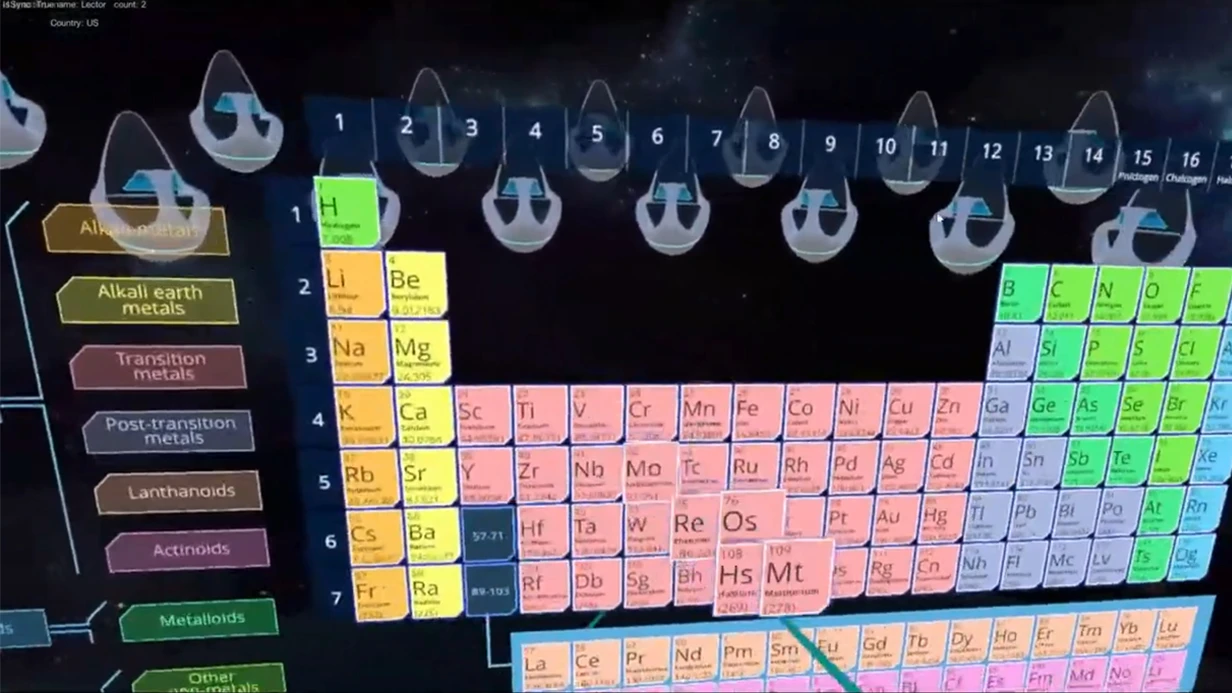
אנחנו סוגרים את הפער הזה עם פתרונות VR/AR להטמעת עובדים חדשים. עובד חדש נכנס לתרחישים מציאותיים: היכרות עם המשרד והצוות, תרגול סטנדרטים של שירות, משא ומתן מורכב, עבודה עם ציוד.
הם פועלים בעצמם, מקבלים משוב מיידי ומתרגלים את המיומנות עד שהיא הופכת לאוטומטית. טעות במרחב הווירטואלי לא עולה לעסק כלום, ותוך מספר ימים העובד צובר ניסיון מעשי שבעבר לקח חודשים.
ההטמעה מפסיקה להיות מלחיצה והופכת לתהליך ברור, ויזואלי ומהיר. אנשים רואים את ההצלחות שלהם, מרגישים את תמיכת החברה ומגיעים לביצועים מלאים מהר יותר. החברה מקבלת עובד בטוח בעצמו במקום "עובד חדש לנצח", כך שתחלופת העובדים פוחתת.
הטמעת עובדים חדשים הופכת לא לסעיף עלות אלא ליתרון תחרותי שעוזר לשמר עובדים חזקים.
מה העסק מרוויח מתוכניות הטמעה מבוססות AR/VR
הטמעת עובד חדש היא תמיד השקעה: זמן של חונכים, טעויות במשימות אמיתיות והסיכון שהאדם יעזוב בחודשים הראשונים. הכשרה קלאסית אורכת שבועות ותלויה מאוד במי ואיך מסביר את החומר.
תוכניות AR/VR משנות את ההיגיון עצמו של ההטמעה: העובד נכנס מיד לסביבת עבודה מדומה, פועל ומקבל משוב ללא השלכות עסקיות.
מהירות הלמידה עולה משמעותית. במקום מצגות ארוכות ותדריכים, עובד חדש עובר תרחישים המדמים מצבי עבודה אמיתיים: מעבודה עם ציוד ועד תקשורת עם לקוח.
הם יכולים לחזור על שלבים קשים כמה פעמים שצריך — ולהגיע לפרודוקטיביות מלאה כבר בימים הראשונים, לא אחרי חודש. זה חוסך ישירות זמן וכסף על תשלום עבור תקופה שבה העובד עדיין לא מוסיף ערך.
מעורבות היא ערך נפרד. הפורמט האימרסיבי מחזיק תשומת לב טוב יותר מכל הרצאה או וידאו: האדם לא מקשיב באופן פסיבי, אלא משתתף באופן פעיל.
הכשרה כזו נזכרת, מעוררת רגשות ויוצרת תחושה שהחברה משקיעה בפיתוח הצוות. כתוצאה מכך, העובד מאמץ במהירות את ערכי המותג ומתערב בתהליכים עם מוטיבציה גבוהה יותר.
העומס על חונכים ומשאבי אנוש פוחת. התוכנית עצמה מדריכה את העובד בכל השלבים, מתעדת טעויות ומראה מה צריך לשפר. חונכים אנושיים מתערבים רק בשלב הסופי, כשהעובד החדש כבר יודע את היסודות.
זה מאפשר להכשיר יותר אנשים ללא הרחבת הצוות ושומר על איכות גם כשמומחים פנימיים עסוקים.
התוצאה היא תחלופה נמוכה יותר. כשההטמעה מהירה, ברורה ואימרסיבית, האדם מרגיש בטוח ורואה שהזמן שלו מוערך. הסיכוי שיעזוב בחודשים הראשונים קטן יותר, והחברה מקבלת צוות יציב ותוצאות צפויות.
השקעות בהטמעת AR/VR מחזירות את עצמן דרך קיצור זמן ההגעה לפרודוקטיביות, מעורבות גבוהה יותר ושימור עובדים מוכשרים.
פורמטי הכשרה: בחירת AR/VR למשימה
כל עובד חדש מתמודד עם משימות שונות: חלקם צריכים לשלוט במהירות בתהליכי מחסן, אחרים צריכים לתרגל בבטחה עבודה עם ציוד, וחלקם פשוט צריכים להכיר את המוצר.
אין פורמט אוניברסלי — לכן אנחנו בוחרים פתרון AR/VR למטרת ההטמעה הספציפית. במקרים מסוימים, טבילה מלאה יעילה יותר; באחרים, רמז על מסך הסמארטפון מספיק; ובגיוס המוני, סימולציות ניידות נוחות יותר.
| פורמט | למי | מה זה נותן ללקוח |
|---|---|---|
| סימולטורי VR | עובדים שצריכים לתרגל פעולות נדירות, מורכבות או מסוכנות | תרגול בטוח ללא סיכון לציוד או לאנשים; העובד זוכר את ההליך לפני שהוא מגיע לאתר |
| רמזי AR | עובדים חדשים בייצור, לוגיסטיקה ותחזוקת שירות | ההוראה מופיעה מול העיניים ברגע הנכון — פחות טעויות ופחות שאלות לחונך |
| סימולציות ניידות | צוותים מבוזרים, גיוס תכוף, תפקידי משרד | הכשרה מכל מכשיר בזמן נוח — אין צורך לאסוף קבוצה או לשכור מקום |
| פורמט משולב | חברות עם תהליכים מורכבים רב-שלביים | העובד לומד תחילה תיאוריה בסימולציה, אחר כך מתרגל את המיומנות ב-VR, ובקרת AR מחזקת את התוצאה |
הפורמט הנכון מקצר את הזמן שעובד חדש צריך כדי להגיע ל-KPI יעד ומפחית את העומס על החונכים.
אם עובד חושש לעשות טעויות — בחרו בסימולטורי VR; אם הם מבזבזים זמן בחיפוש מידע — רמזי AR; אם צריך להכשיר במהירות מאות אנשים — סימולציות ניידות.
אנחנו עוזרים לכם לבחור ולשלב פורמטים למשימה שלכם כך שההטמעה תהיה מהירה, מדידה ולא תדרוש השקעה מיותרת בטכנולוגיה.
איך מתנהל פרויקט: מהגדרת המשימה ועד ההשקה
אנחנו מבנים את תהליך ההטמעה כך שתמיד תשלטו בתוצאה. במקום "קופסה שחורה" למשך חצי שנה, יש תוכנית ברורה עם שלבים, לוחות זמנים ונקודות אישור. בכל שלב אתם רואים מה אתם מקבלים ויכולים להשפיע על המוצר הסופי.
- בריף וניתוח משימה. אנחנו לומדים את תוכנית ההטמעה שלכם, את קהל העובדים החדשים ואת מטרות ההכשרה. אנחנו קובעים אילו תרחישים צריך לתרגל ב-AR ואילו יש להשאיר לפורמטים אחרים. הפלט הוא מפרט טכני מתועד.
- אישור קונספט ותרחיש. אנחנו מראים איך ייראו מצבי ההכשרה: מה העובד רואה, אילו פעולות הוא מבצע ואיך הוא מקבל משוב. אתם מאשרים את התרחיש לפני תחילת הפיתוח.
- יצירת אב טיפוס. אנחנו בונים גרסה עובדת של מודול הכשרה אחד — עם מכניקות מפתח וויזואליה בסיסית. אתם רואים את המוצר העתידי בפעולה ומתקנים פרטים לפני היישום.
- פיתוח תוכן והפקה. אנחנו מרכיבים את כל מודולי ההטמעה: טקסטים, סרטונים, אובייקטי תלת-ממד, רמזים ומערכת הערכת פעולות עובד. אתם מקבלים גרסאות ביניים לבדיקת התוכן.
- בדיקת פיילוט. אנחנו משיקים את הפתרון על קבוצה אמיתית של עובדים חדשים. אנחנו אוספים משוב: כמה קל להשתמש, איפה עולות שאלות ומה עבד הכי טוב. בהתבסס על התוצאות, אנחנו מבצעים התאמות סופיות.
- השקת הפרויקט. אנחנו מטמיעים את הפתרון בתהליך ההטמעה שלכם: עוזרים להגדיר גישה, מערבים את מחלקת ההכשרה ומוסרים הוראות. עובדים מתחילים להשתמש במאמן ה-AR מהיום הראשון לעבודה.
- תמיכה ופיתוח. אנחנו מייעצים לצוות, מתקנים תקלות ומשפרים מודולים כשהתקנות משתנות. אתם לא נשארים לבד עם המוצר — צוות פיתוח מנוסה לצידכם.
לכל שלב יש נקודת אישור ברורה: אתם מאשרים את המשימות, התרחיש, אב הטיפוס והפיילוט לפני שאנחנו עוברים לשלב הבא. זה מבטל הפתעות בסיום ומבטיח שהתוצאה תואמת את הציפיות.
מה כלול במסירה וביישום
אנחנו מוסרים לא "קוד גולמי", אלא פתרון עובד שמשתלב מיד בתהליכים העסקיים שלכם. היישום מתוכנן כך שלמשאבי אנוש, למנהלים ול-IT לא יהיו שאלות: מהיום הראשון אתם יודעים איך להשתמש במערכת ואיך לנהל חומרים בעצמכם.
חבילת המסירה כוללת:
- אפליקציה להטמעת עובדים חדשים: תרחישים, חידונים, משימות אינטראקטיביות — כל מה שצריך לטבילה בחברה.
- פאנל ניהול: אתם מוסיפים הוראות, משנים שאלות ועוקבים אחר השלמת שלבים בעצמכם — ללא מעורבות מפתחים.
- הוראות לצוות: מדריכים קצרים וברורים לעובדים ולחונכים — איך להפעיל, להשתמש ומה לעשות במקרה של בעיות.
- הכשרת צוות: מפגש מעשי למומחי משאבי אנוש ומנהלי מערכת, שלאחריו הם עובדים עם המערכת בביטחון.
- יישום והגדרה: אנחנו מחברים את האפליקציה לתהליכים שלכם, בודקים תרחישים ומוסרים הכל במצב עובד.
- תמיכה טכנית במהלך ההשקה: אנחנו מגיבים במהירות לשאלות כדי שהיישום לא יימשך זמן רב.
הניהול אינו דורש הכשרה מיוחדת — הממשק ברור לכל מי שיודע לעבוד עם תוכנות משרדיות. אתם שומרים על שליטה מלאה בתהליך ההטמעה ואינכם תלויים בקבלן בעבודה השוטפת.
בסופו של דבר, אתם מקבלים פתרון מוכן: מחבילת המסירה ועד למוכנות הצוות שלכם להשתמש בו באופן עצמאי.
דוגמה מהפרקטיקה: הטמעה מהירה ב-40%
עובדים חדשים מצטרפים לרשת קמעונאית כל יום — וכל שני עוזב לפני סוף תקופת הניסיון. הסיבה אינה האנשים, אלא המערכת: ההכשרה נמשכת שבועות, אין מספיק חונכים, והעובד החדש חושש לעשות טעויות. עבור העסק, זה אומר כסף מבוזבז על גיוס ולקוחות מאוכזבים.
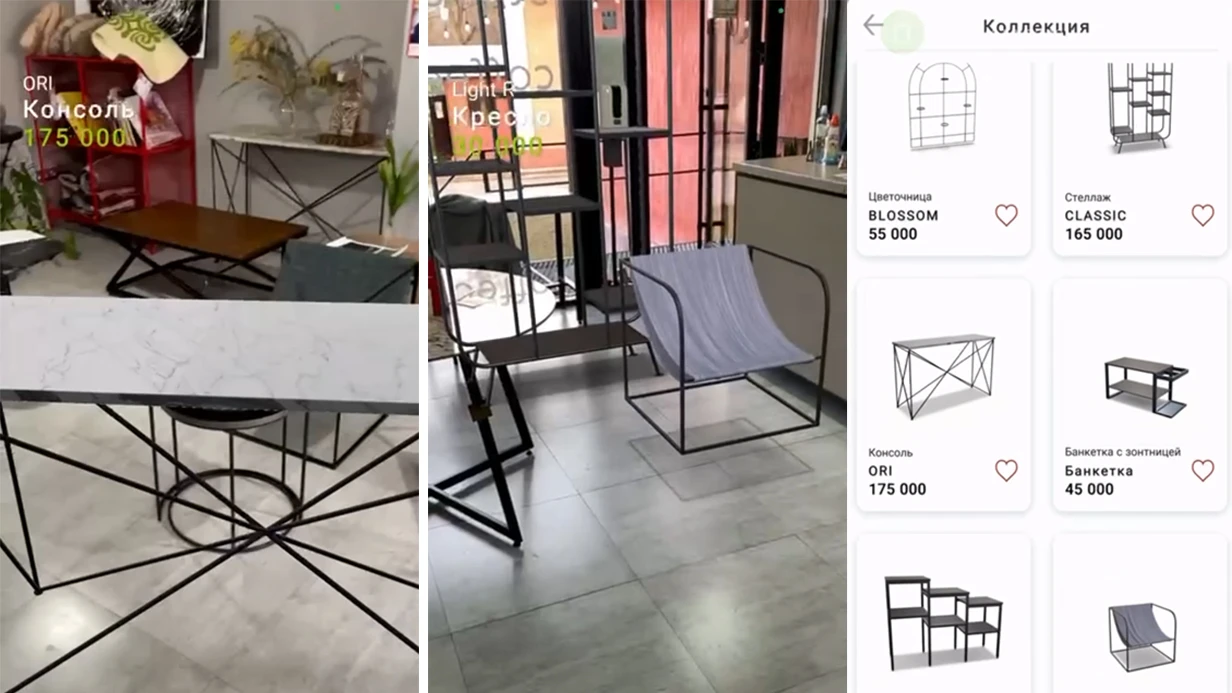
עבור רשת הקמעונאות Vesta, בנינו תוכנית הטמעה המבוססת על מציאות רבודה. עובד עם טלפון ביד רואה רמזים באולם המכירות: איפה למקם סחורה, איך להגיב לתלונה ואיזה תרחיש לבחור בשיחה עם לקוח. ההכשרה מתרחשת כאן ועכשיו, במקום העבודה בפועל, לא בכיתה.
איך זה מאיץ את ההטמעה
התרחישים מחולקים למודולים קצרים: מתכנון יומי ועד דיאלוגים מורכבים. במקום לחכות לחונך, יש תרגול עצמאי עם בדיקה מיידית. המנהל רואה התקדמות בדשבורד ומתערב רק אם האדם באמת תקוע.
תוצאות הפרויקט
- זמן ההטמעה ירד ב-40%: משלושה שבועות לשנים-עשר ימים.
- התחלופה בתקופת הניסיון ירדה ב-30% — עלויות נמוכות יותר לגיוס חוזר.
- חנויות הפיילוט של הרשת קיבלו תוכנית הכשרה מוכנה ללא גיוס מאמנים נוספים.
הרשת מרחיבה כעת את התוכנית לאזורים חדשים — דוגמה לאיך הטמעה מפסיקה להיות סעיף עלות והופכת לכלי לשימור עובדים.
איך לבחור פורמט למשימה שלכם ולא לשלם יותר מדי?
בחירת הפורמט מתחילה לא בטכנולוגיה, אלא במשימה שההכשרה צריכה לפתור. אם עובד חדש צריך לתרגל בבטחה פעולות נדירות או מסוכנות, תרחישי מציאות מדומה מספקים טבילה מלאה ויכולת להתאמן ללא סיכונים.
אם צריך להסביר במהירות איך מכשיר עובד או להציג רמזים על אובייקט אמיתי, מציאות רבודה מספיקה: היא עובדת דרך סמארטפון או טאבלט מבלי לחסום את הסביבה.
בחירת הפורמט משפיעה ישירות על התקציב ולוח הזמנים. תרחיש VR מלא דורש יותר זמן פיתוח וציוד ייעודי, ולכן הגיוני להשתמש בו במקום שבו טעות יקרה — בייצור, ברפואה ובלוגיסטיקה.
להטמעה המונית, כשצריך לכסות מאות עובדים במשרדים שונים, מציאות רבודה הופכת לפתרון יעיל: עובדים משתמשים במכשירים שלהם, ועדכוני תוכן נעשים מרכזית בזמן קצר.
קריטריון בחירה נוסף הוא דרישות ההכשרה: האם צריך הערכת מיומנות, ספירת שגיאות אוטומטית ורישום תוצאות.
אם חשוב לכם להבין היכן בדיוק לעובד יש קשיים, בחרו פורמט המספק אנליטיקה על פעולות — למשל, מעקב אחר שלבי מפתח וזמן השלמת תרחיש. נתונים אלה מאפשרים להתאים במהירות את תוכנית ההטמעה ולהפוך אותה לאישית.
העצה המרכזית היא לא לשלם יותר מדי עבור טכנולוגיה "יקרה" כשפתרון פשוט יותר פותר את הבעיה. בואו עם תיאור הבעיה והתוצאה הצפויה: כמה אנשים צריך להכשיר, אילו מיומנויות ועד מתי.
אנחנו נבחר פורמט שמכסה את הדרישות הללו בעלויות מינימליות ונראה היכן אפשר להתחיל עם פרויקט פיילוט קצר כדי להעריך את האפקט לפני הרחבה.
חששות נפוצים: מה אם הפתרון לא מתאים
ספקות לפני יישום הכשרת AR הם נורמליים. בעלי עסקים שואלים: "מה אם העובדים לא יקבלו את הטכנולוגיה? מה אם הציוד ייכשל?
מה אם האינטגרציה תיקח יותר מדי זמן ותשבש תוכניות?" אנחנו שומעים את השאלות האלה בכל פרויקט — ויש לנו תשובות מוכנות מגובות בפרקטיקה.
האם קשה לשלב פתרון AR בתהליכים קיימים?
האינטגרציה מתוכננת כך שלא תשבש את יום העבודה. אנחנו דנים בתרחיש מראש, מתאימים אותו לפרטים שלכם ומספקים הוראות ברורות. ההכשרה מושקת תוך שבוע-שבועיים — הצוות מקבל כלי מוכן ללא ארגון מחדש ארוך או השבתה.
מה אם ציוד נשבר או מתברר כלא אמין?
אנחנו בוחרים מכשירים מקצועיים למשימות ספציפיות ומספקים אפשרויות גיבוי. אם משהו משתבש במהלך התהליך, אנחנו תומכים מרחוק ומחליפים ציוד במהירות — תוכנית ההטמעה שלכם לא נעצרת.
מה אם עובדים מסרבים להשתמש ב-AR?
אנחנו הופכים את הממשק לאינטואיטיבי ואת התרחישים לקצרים ושימושיים. בהתחלה, אנחנו עוזרים לערב את הצוות ומסבירים את היתרונות לעובדים החדשים עצמם. ברוב הפרויקטים, עובדים חדשים שולטים בתרחיש בדקות הראשונות וממשיכים להשתמש בו ללא תזכורות.
אם נותר ספק — התחילו בהשקת פיילוט. נכשיר קבוצה אחת, נראה תוצאות עם מספרים קונקרטיים, ורק אז תחליטו אם להרחיב את הפתרון. כך אתם מקבלים ביטחון, לא הבטחות.הזמנת פיתוח: הצעד הבא
שליחת בקשה אינה התחייבות, אלא דרך לקבל שיחה מהותית על המשימה שלכם. אנחנו לא "חוזרים תוך שבוע" — אנחנו יוצרים קשר תוך יום עסקים אחד, שואלים את השאלות הנכונות ומציעים תוכנית פעולה קונקרטית.
לאחר הבקשה שלכם, אתם מקבלים:
- ייעוץ עם המומחה שלנו — אנחנו מנתחים כיצד הטמעת עובדים חדשים עם WebAR תאיץ את ההגעה ליעדי ביצוע ותקצר את זמן ההכשרה.
- הערכת פרויקט — לוחות זמנים, שלבים, היקף עבודה והשקעה ללא סעיפים נסתרים או "תוספות בדרך".
- הצעה מסחרית — אנחנו מתעדים את התרחישים, הפורמטים והרכב הצוות שנבחרו כדי שתוכלו להשוות פתרון מוכן במקום הבטחות מופשטות.
- דוגמאות הדגמה מהפרקטיקה — אנחנו מראים איך פרויקטים דומים עזרו לעסקים בענף שלכם לקצר את זמן ההטמעה ולהגדיל את מעורבות העובדים החדשים.
- המלצות השקה — מה נדרש מהחברה שלכם (תרחישים, סרטונים, גישה) ואילו משימות אנחנו מכסים בעצמנו.
- תמיכה לאחר ההשקה — עדכוני תוכן, שיפורי תרחישים ופיתוח מודולים כדי לענות על צרכים חדשים של הצוות.
אתם מקבלים את כל זה במסמך אחד ובשיחה אחת: אתם מבינים אילו משאבים נדרשים, אילו תוצאות אפשריות ומאיפה להתחיל בשבועות הקרובים.
אתם יכולים להזמין פיתוח פתרון WebAR להטמעה באמצעות הטופס למטה — השאירו פרטים, ואנחנו נציע פתרון שמתאים לתקציב וללוח הזמנים שלכם. ללא התחייבויות: קודם שיחה, אחר כך פרויקט.