

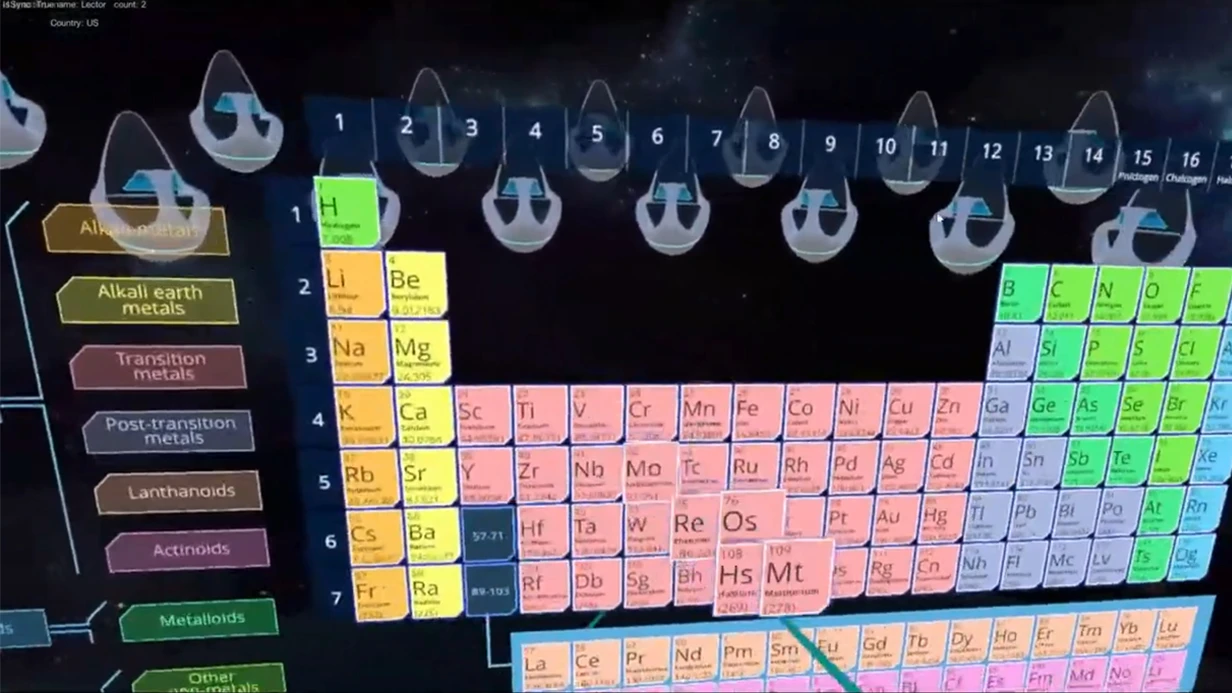


באנר אינטראקטיבי שאי אפשר לגלול מעליו
עיוורון באנרים הוא לא מיתוס: המבקר גולל על פני עשרות בלוקים פרסומיים בלי לעצור את מבטו על אף אחד מהם. התקציב הולך על חשיפות, והקשב של הלקוחות לא מושג — המודעות לא גדלה, אין פניות. באנר פרסומי רגיל מפסיד במירוץ הזה עוד לפני הזינוק, כי הוא לא נותן לאדם אף סיבה אחת לעצור.
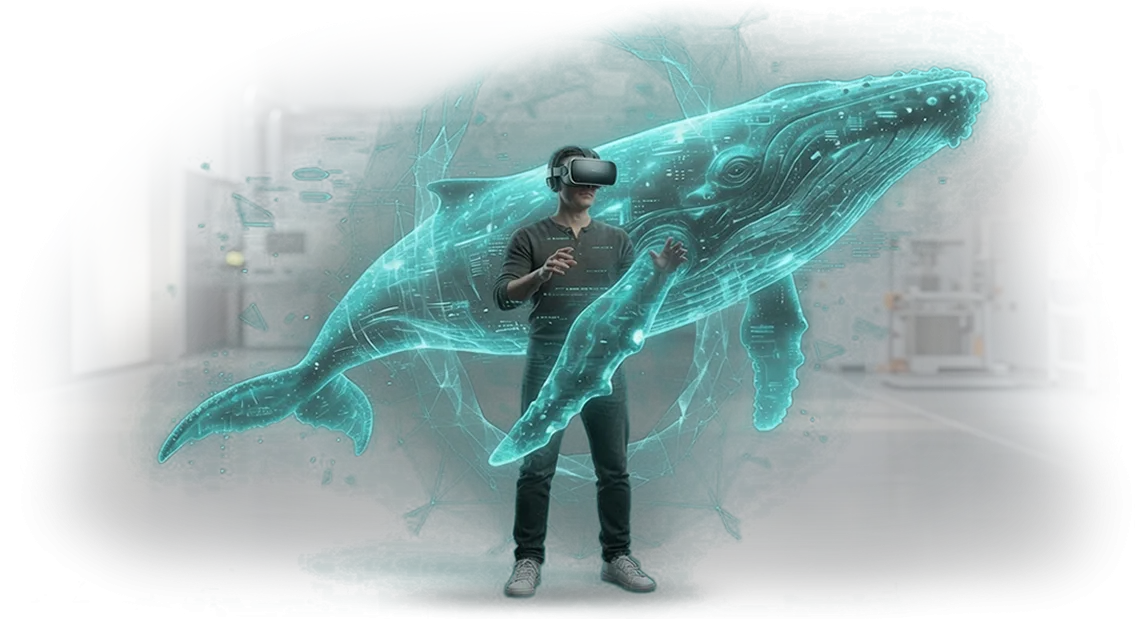
באנר אינטראקטיבי שובר את התרחיש הזה. במקום תמונה סטטית המבקר מקבל פעולה: לסובב את המוצר, להרכיב קונפיגורציה, לעבור תרחיש קצר, לראות את המוצר במציאות שלו.
מעורבות הקהל גדלה לא בזכות עוצמת הקריאייטיב, אלא בזכות הסקרנות — האדם עצמו מחליט "מה יש שם הלאה" ונשאר על הבאנר יותר זמן מאשר על הדף עצמו.
עבור העסק זה משנה את הכלכלה של הפרסום. אותו טראפיק מתחיל להניב יותר נגיעות: המבקרים מקיימים אינטראקציה זמן רב יותר, חוזרים לעתים קרובות יותר לבאנר ומשתפים אותו, והמותג נזכר דרך חוויה, ולא דרך חזרה על החשיפה. באנר אינטראקטיבי עובד גם על חשיפה וגם על מודעות בו-זמנית — בלי השקעות נוספות בתמיכה מדיה.
אנחנו בונים באנרים כאלה בהתאם למשימה של הלקוח: מהרעיון ותרחיש האינטראקציה ועד לפרסום מוכן באתר או ברשת פרסום. הלקוח מקבל לא "חדשנות" מופשטת, אלא כלי שמחזיק את הקשב של הלקוחות במקום שבו קודם איבדו אותו. נדון במשימה שלכם — נחזור עם הערכה ותוכנית.
מה תקבלו מבאנר אינטראקטיבי
באנר אינטראקטיבי הופך תצוגת פרסום פסיבית לפעולה: המבקר לא רק רואה את המסר, אלא מקיים איתו אינטראקציה — מכוון מצלמה, מסובב אובייקט, עובר תרחיש מיני. פורמט כזה מחזיק את הקשב פי כמה זמן רב יותר ממודעה סטטית, ולכן למותג יש זמן להיזכר. על זה בדיוק בנויה הצמיחה במעורבות: האדם מתערב בעצמו, בלי כפייה ובלי קריאות נדחפות.
זכירות המותג פועלת דרך רגש והשתתפות. כשהלקוח בעצמו "הרכיב" את המוצר על המסך או מדד אותו במציאות רבודה, נשארת אצלו חוויה אישית, ולא מבט חולף בתמונה. חוויה כזו צפה בזיכרון בבחירה הבאה — והמותג מקבל יתרון עוד לפני שהלקוח הגיע לרכישה.
לשיווק חשובה גם תשואה מדידה. באנר אינטראקטיבי משתלב באופן טבעי באיסוף לידים: כדי לקבל תוצאה או בונוס, המבקר משאיר פרטי קשר. במקביל גדלים המעברים לאתר — מתוך סקרנות האדם ממשיך ללחוץ הלאה, ולא סוגר את החלון.
יעילות הפרסום נעשית גלויה במספרים מובנים: כמה אנשים קיימו אינטראקציה, כמה השאירו פרטי קשר, כמה עברו לאתר.
אנחנו סוגרים את המשימה הזו כמקשה אחת: חושבים את תרחיש האינטראקציה, בונים את הבאנר ומחברים אותו לערוצים שלכם — מהאתר ועד למסכים חיצוניים. המזמין מקבל כלי שלא רק מציג פרסום, אלא אוסף קשב, פרטי קשר ומעברים בנגיעה אחת.
פורמטים של באנרים אינטראקטיביים למשימה שלכם
הפורמט של הבאנר האינטראקטיבי קובע לא את ה"יופי" של התמונה, אלא את מה שהאדם יעשה לאחר מכן: ילחץ, יסובב, ימדוד, ישאיר פרטים. לכן אנחנו קודם כול מפרקים את המשימה — מה אתם מפרסמים, היכן אתם מציגים, איזו פעולה נחשבת להצלחה — ורק אחר כך מציעים פורמט. להלן תרחישים טיפוסיים שאיתם פונים אלינו לרוב.
| פורמט | למי מתאים | מה נותן ללקוח |
|---|---|---|
| באנר עם מודל תלת-ממדי | מוצרים שבהם חשובים הפרטים וההתאמה | הקונה בוחן את המוצר מכל הכיוונים — פחות החזרות ופחות שאלות "איך זה נראה במציאות" |
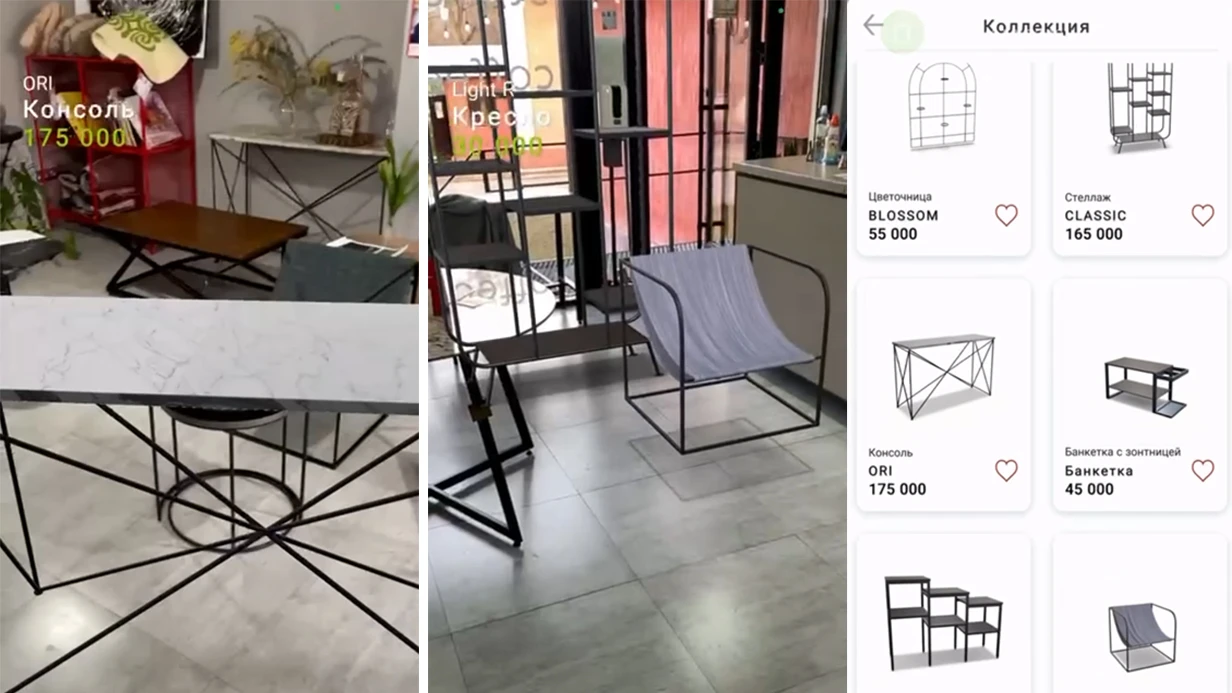
| מדידה במציאות רבודה | ביגוד, הנעלה, אקססוריז, אופטיקה | האדם "לובש" את המוצר ישירות מהעמוד — מעורבות גבוהה יותר וזמן שהייה ארוך יותר בבאנר |
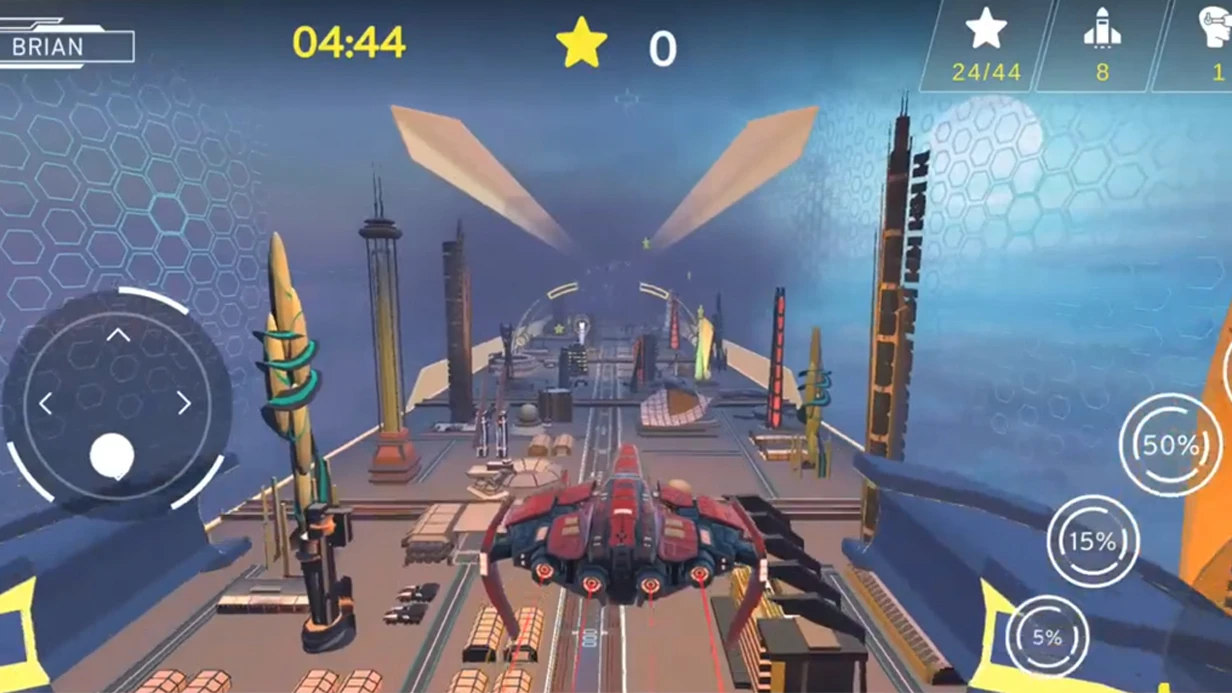
| מיני-משחק או חידון | קמפיינים רחבי היקף, מבצעים, איסוף קהל | המשתתף עובר את התרחיש ומשאיר פרטי קשר — גדל מספר הפניות וההרשמות |
| סיור וירטואלי או שואורום | נדל"ן, מלונות, מתחמים, רכב | הלקוח "נכנס" פנימה לפני השיחה — מגיעות פניות מוכנות וחמות |
| ניווט ורמזים במרחב | אירועים, תערוכות, נקודות מכירה גדולות | המבקר מוצא בעצמו את מה שהוא צריך — פחות עומס על הצוות ומסלול ברור יותר |
כיצד לבחור פורמט למשימה
הסתכלו לא על האפקט אלא על מטרת הקמפיין. אם צריך למכור מוצר מסוים — עובדים הדגמה ומדידה. אם צריך לאסוף קהל ופרטי קשר — תרחיש משחקי. אם צריך להציג אובייקט שקשה להביא — סיור או שואורום. אנחנו מתאימים את הפורמט לפי ההיגיון הזה ואומרים בכנות מתי המשימה נפתרת בפשטות ובזול יותר ממה שנדמה.
מה מקבלים בסוף
באנר מוכן שנפתח ישירות בדפדפן ובטלפון — בלי התקנת אפליקציות ובלי מעברים מיותרים. בנוסף, סטטיסטיקה ברורה: כמה אנשים היו מעורבים, עד לאן הגיעו בתרחיש, כמה השאירו פנייה. זה מאפשר להשוות בין פורמטים ולשנות בקנה מידה את זה שמביא תוצאה.
איך אנחנו עובדים על הפרויקט שלכם
עבודה על באנר אינטראקטיבי היא לא "תעשו את זה יפה עד יום שישי", אלא מסלול ברור מרעיון ועד כלי עובד שמביא חשיפה ולידים. להלן איך נראה המסלול בעיני הלקוח: אתם תמיד יודעים באיזה שלב נמצא הפרויקט, מה נדרש מכם ומה תקבלו בסופו.
- בריף ומטרה. דנים במשימה: היכן הבאנר יתפרסם, מי יראה אותו, איזו פעולה הוא צריך לעורר — מעבר, ליד, הרשמה, מעורבות במבצע. מגדירים לפי איזה תוצאה נמדוד הצלחה.
- תסריט ומבנה. חושבים מה האדם עושה בשניות הראשונות: איך הוא מגיב לתנועה, היכן הוא לוחץ, מה הוא מקבל בתגובה. מאשרים את הלוגיקה לפני שמתחילים להרכיב.
- עיצוב ואב-טיפוס. מראים איך הבאנר נראה ומתנהג בסביבה אמיתית — באתר, בפיד, על מסך המבקר. תיקונים בשלב הזה הם הזולים ביותר.
- הרכבה ותוכן. המהנדסים שלנו מרכיבים גרסה עובדת בכלים מקצועיים, מחברים אנליטיקה כדי שתראו כמה אנשים מקיימים אינטראקציה ובאיזה שלב הם נושרים.
- בדיקה במכשירים. מריצים את הבאנר בטלפונים, טאבלטים ומחשבים, בדפדפנים שונים. המטרה — שכל מבקר יקבל הכל עובד מהנגיעה הראשונה, בלי להתקין אפליקציות.
- השקה. מפרסמים את הבאנר, עוקבים אחרי הימים הראשונים של הפעילות, ובמידת הצורך מתקנים במהירות. אתם מקבלים לא קובץ, אלא כלי עובד בקמפיין.
- תמיכה ופיתוח. אחרי ההשקה נשארים בקשר: מעדכנים תוכן למבצעים חדשים, עוקבים אחרי יציבות, ומציעים מה לחזק לפי נתוני התוצאות.
מה זה נותן לכם כלקוח
שלבי עבודה שקופים אומרים שהתקציב והמועדים לא "בורחים" בלי לשים לב: כל שלב מאושר, והתוצאה נראית לפני המסירה הסופית. תהליך הפיתוח בנוי כך שתקבלו החלטות על סמך עובדות, ולא על סמך הבטחות — והשקת הבאנר והתמיכה שאחריה סוגרות את המשימה כולה, בלי לחפש ספקים נפרדים.
תארו את המשימה — נחזור עם הערכה ותוכנית לפרויקט שלכם.
מה ייכלל באספקה
האספקה אינה כוללת אוסף קבצים, אלא באנר אינטראקטיבי עובד, שהצוות שלכם יוכל להפעיל ולעדכן בלעדינו. אנו מעבירים את כל הדרוש להתחלה ולהמשך עבודה עצמאית: את המוצר עצמו, הוראות ברורות, גישה לסטטיסטיקה והדרכה למי שיעבוד איתו.
- באנר אינטראקטיבי מוכן — בנוי, נבדק ומוצב בפלטפורמה שלכם: באתר, ברשת פרסום או בדף קידום. אתם מקבלים כלי עובד, לא אב טיפוס.
- קוד מקור וזכויות — כל החומרים מועברים אליכם, אינכם כבולים אלינו ותוכלו לפתח את הבאנר בכוחות עצמכם או עם צוות אחר.
- מדריך להפעלה ולעריכות — הנחיה שלב-אחר-שלב: כיצד להפעיל את הבאנר, לשנות טקסט, תמונה, קישור ומועדי תצוגה. מיועד לעובד ללא רקע טכני.
- לוח אנליטיקה — דוח ברור: כמה אנשים ראו את הבאנר, כמה לחצו, כמה הגיעו לפעולה הרצויה. הנתונים בצורה נוחה, ללא ייצוא לשירותים חיצוניים.
- הדרכת הצוות — פגישה מקוונת עם אנשי השיווק ומנהלי התוכן שלכם: עוברים על ההפעלה, העריכות וקריאת הדוחות. מתעדים את הפגישה כדי שעובדים חדשים יוכלו לחזור אליה מאוחר יותר.
- תקופת ליווי — לאחר ההפעלה נשארים בקשר: מסייעים בשינויים הראשונים, עונים על שאלות ומוודאים שהבאנר פועל ביציבות בכל המכשירים.
- צ'ק-ליסט קבלה — מסמך קצר שלפיו אתם מקבלים את העבודה: מה אמור לעבוד, כיצד לבדוק ובמה להסתכל. בלי "הפתעות" לאחר המסירה.
כל סעיף סוגר סיכון קונקרטי: הבאנר לא יופעל, אף אחד לא יוכל לעדכן אותו, לא ברור אם הוא מביא תוצאה. אנו מוסרים את המוצר כך שתנהלו אותו בעצמכם — ותחזרו אלינו למשימות חדשות, ולא לעריכות קטנות.
מקרה בוחן: כיצד באנר אינטראקטיבי הגדיל את המעורבות
הלקוח הגיע עם משימה: להשיק לשוק קו מוצרים חדש ולקבל תגובה מדידה מהקהל, ולא רק "תמונה יפה" בתערוכה. באנרים רגילים ופוסטרים סטטיים הניבו תוצאה אחת בדיוק — חלפו על פניהם ושכחו. היה צורך בפורמט שיגרום לאדם לעצור ולהתחיל אינטראקציה בעצמו.
הרכבנו באנר אינטראקטיבי עם מציאות רבודה: המבקר כיוון את מצלמת הטלפון אל המודל המודפס וראה את המוצר מתעורר לחיים — אפשר היה לסובב אותו, להרכיב קונפיגורציה אישית ולשתף את התוצאה מיד. לא היה צורך להוריד אפליקציות, מה שעבור קהל רחב התברר כגורם מכריע.
המותג המזמין קיבל נתונים שקל להגן עליהם בפני ההנהלה: שיעור אלה שהחלו באינטראקציה גדל כמעט פי ארבעה בהשוואה לבאנר הסטטי הקודם, וזמן המגע הממוצע עם החומר גדל מכמה שניות לכדקה וחצי. כל משתתף שלישי חזר לבאנר בשנית — בתערוכה זה נדיר.
נציין בנפרד את האפקט שלאחר האירוע. אנשים שיתפו את האינטראקטיב ברשתות החברתיות, והחשיפה המשיכה לגדול כבר ללא מעורבות צוות הפרומו. הלקוח האריך את הפרויקט לעונה הבאה והוסיף עוד שני אתרים — עבורנו זה המדד הטוב ביותר לכך שהתוצאה הייתה עסקית ולא חד-פעמית.
אם יש לכם משימה דומה — להביא מוצר לשטח, לאסוף תגובה חיה ולהציג אותה בדוח — תארו אותה לנו. נחזור עם הערכה ותוכנית כיצד ניתן לממש זאת בהתאם לפורמט ולאתר שלכם.
איך לבחור את הפורמט המתאים למשימה?
בחירת פורמט מתחילה לא בטכנולוגיה, אלא בשאלה "מה צריך להשתנות אחרי המפגש עם הבאנר". אם המטרה היא חשיפה מהירה ומעבר לאתר, מספיק פתרון קל שנפתח בקישור או בקליק בנגיעה אחת ולא דורש התקנה.
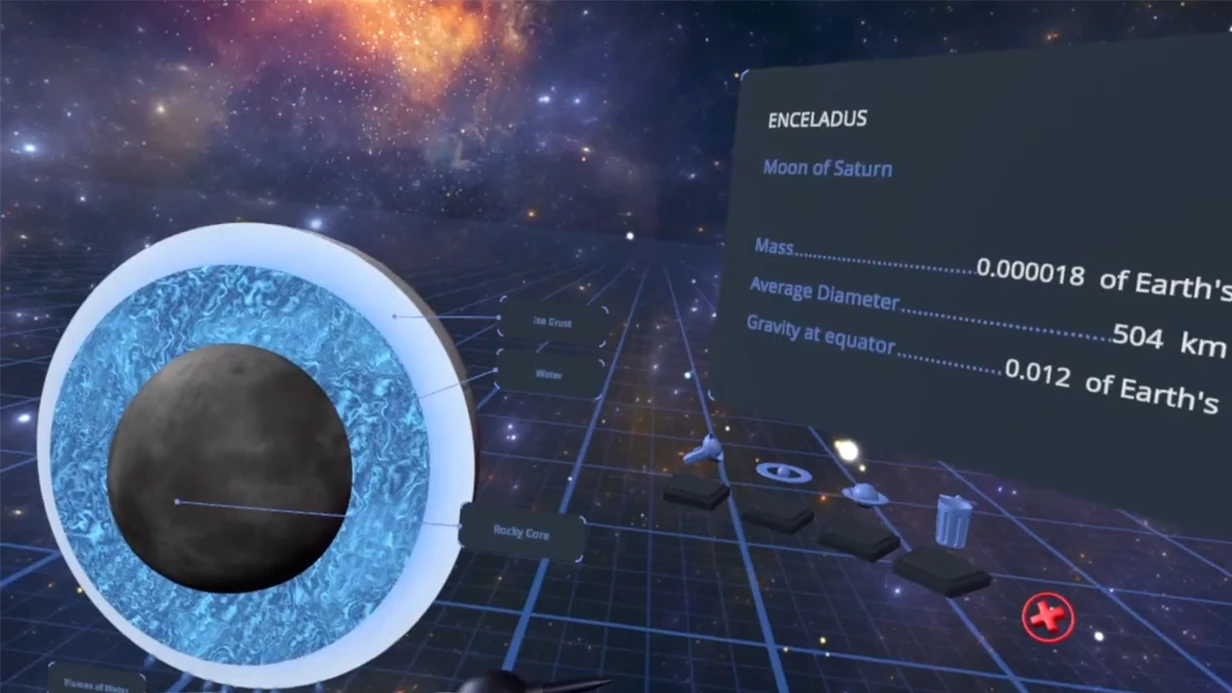
אם המשימה היא להחזיק את תשומת הלב ולהיזכר, יש טעם להוסיף אינטראקטיב: מדידה וירטואלית, משחק, ניווט בסצנה. אנחנו תמיד מתחילים מהמטרה ורק אחר כך בוחרים את הכלי — כך הבאנר פותר את המשימה, ולא רק "נראה מודרני".
הקהל מכתיב לא פחות מהמטרה. אנשים בתחבורה או ברחוב מסתכלים על המסך כמה שניות — הם זקוקים לתגובה מיידית ולצעד ראשון ברור. מבקרים בתערוכה או בשואורום מוכנים להתעכב ולקיים אינטראקציה זמן רב יותר, ולכן עבורם מתאימים תרחישים עם מעורבות.
גיל, הרגלים והמכשיר של הקהל גם הם חשובים: מה שנוח על מסך גדול עשוי לעצבן בטלפון. אנחנו עוזרים להתאים את הנתונים האלה לפורמט, כדי לא לשלם יותר מדי על מיותר.
בנפרד כדאי להעריך בכנות את הזירה ואת תנאי ההצגה. היכן הבאנר יוצב, כמה זמן אדם רואה אותו, האם יש рядом עובד שיסביר, והאם האינטרנט יציב — כל אלה משפיעים על הבחירה. לפעמים רעיון פשוט שנקלע בדיוק להקשר עובד טוב יותר מסצנה מורכבת שלא מספיקים לפתוח.
אנחנו מנתחים את התנאים האלה יחד איתכם ומציעים אפשרות אחת או שתיים עם נימוק ברור, ולא רשימה ארוכה של טכנולוגיות.
אם אתם מתלבטים בין כמה פורמטים, תארו את המשימה, הקהל והזירה — נחזור עם המלצה ותוכנית, איזו אפשרות תיתן את התוצאה הרצויה בתנאים שלכם.
שאלות נפוצות על פיתוח באנרים אינטראקטיביים
באנר אינטראקטיבי הוא לא תמונה ש"תלו ושוכחים". הוא חי ברשת הפרסום, באתר או באפליקציה, והלקוח לא מתעניין איך הוא בנוי מבפנים, אלא מה יקרה אחרי ההשקה: האם הוא לא יישבר, מי יתקן את הטקסטים, האם יהיה צורך לחפש מדי פעם ספקים חדשים. להלן תשובות לשאלות הנפוצות ביותר שמנהלי תחומים שואלים לפני ההתחלה.
מה יקרה אם הבאנר יפסיק לעבוד
אנחנו לא נוטשים את הפרויקט לאחר המסירה. הבאנר מתארח בצד שלנו, ולכן אנחנו אחראים ליציבות: אנחנו עוקבים אחרי זמינות, בודקים את תקינות התצוגה במכשירים שונים ומגיבים אם הפלטפורמה משנה את דרישותיה. אם משהו השתבש — אתם שומעים על כך מאיתנו, ולא מהלקוחות.
כיצד לעדכן תוכן ומבצעים
המבצע הסתיים, ההצעה השתנתה, צריך להוסיף מוצר חדש — זה לא סיבה לבנות את הבאנר מחדש מאפס. אנחנו מטמיעים אפשרות לעדכן טקסטים, תמונות וקישורים בלי לעצב מחדש את כל המכניקה, ולכן תיקונים אורכים שעות, ולא שבועות. עבור קמפיינים קבועים זה חוסך זמן לצוות שלכם ומאפשר להשיק הצעות חדשות למועד הרצוי.
האם נדרש תמיכה לאחר ההשקה
תמיכה נדרשת בדיוק בהיקף שבו אתם רוצים אותה. למישהו מספיק שאנחנו עוקבים אחרי התפקוד ומבצעים תיקונים לפי בקשה, ולמישהו — שאנחנו בעצמנו מציעים שיפורים על סמך הסטטיסטיקה. אנחנו מתעדים את ההסכמות מראש, כדי שלא יהיו הפתעות לא בלוחות הזמנים של התגובה ולא בהיקף העבודות.
מה אם הפלטפורמה שבה ממוקם הבאנר תשנה את כלליה?
אנחנו עוקבים אחרי שינויים כאלה ומתאימים את הבאנר לדרישות החדשות. זה חלק מהליווי, ולא פרויקט נפרד — לא תצטרכו לחפש מפיק חדש.
האם אפשר לאחר מכן להוסיף מכניקות או שפות חדשות?
כן. אנחנו מתכננים את הבאנר כך שניתן יהיה לפתח אותו: להוסיף תרחישים, גרסאות שפה, נקודות מגע חדשות עם הקהל. הרחבה לא מחייבת לשכתב הכל מחדש.
כמה מהר אתם מגיבים לתיקונים דחופים?
את לוחות הזמנים של התגובה אנחנו מתאמים כבר בהתחלה ומתעדים בהסכמות. למקרים דחופים יש סדר עבודה בעדיפות — אתם יודעים מראש למי לפנות ומתי תקבלו תוצאה.
נדון במשימה שלכם ונציע פתרון
באנר אינטראקטיבי הוא לא "עוד פורמט פרסום", אלא נקודת מגע שבה האדם עצמו מחליט ליצור אינטראקציה עם המותג. אנחנו יוצרים פתרונות כאלה בהתאם למשימה של הלקוח: מסצנה קצרה לקמפיין קידום ועד חלון ראווה מלא עם בחירת מוצר ישירות ממסך הסמארטפון. להלן מה שאתם מקבלים כאשר אתם מזמינים פיתוח אצלנו.
מה אתם מקבלים לאחר תחילת הפרויקט
- באנר אינטראקטיבי מוכן שמופעל באמצעות קישור או קוד QR — ללא התקנת אפליקציות וללא פעולות מיותרות מצד המשתמש.
- תרחיש בהתאם למשימה שלכם: להציג מוצר, לאסוף אנשי קשר, להעביר מיני-משחק או להוביל לרכישה.
- אנליטיקה ברורה — ניתן לראות כמה אנשים פתחו את הבאנר, כמה הגיעו לפעולה הרצויה והיכן העניין דועך.
- חומרים שניתן לעשות בהם שימוש חוזר: הבאנר חי בקמפיין, באתר, בניוזלטר ובמסכים אופליין.
- העברת הפרויקט לצוות שלכם — עם הוראות לעדכון תוכן ומבנה ברור, כך שעריכות לא ידרשו אותנו בכל פעם.
כיצד להתחיל
נדון במשימה: מה אתם מקדמים, היכן יוצג הבאנר, איזו פעולה האדם צריך לבצע וכיצד תדעו שהקמפיין עבד. בתום השיחה נחזור עם הערכה ותוכנית — עם לוחות זמנים, שלבים ומה נדרש מצדכם. בדרך כלל כדי להתחיל מספיק תיאור של המוצר ודוגמאות שאתם אוהבים.
בהמשך עובדים בשלבים: תרחיש, חלק ויזואלי, הרכבה, בדיקות על מכשירים אמיתיים והשקה. אתם רואים תוצאה ביניים בכל שלב ויכולים להשפיע עליה לפני הסיום, ולא אחריו. אם המשימה דחופה — אמרו זאת מיד, נציע פורמט שבו הקמפיין יצא בתאריך הרצוי.
כדי לקבל הערכה ולהתחיל את הפרויקט, כתבו לנו: בקצרה על המוצר, פלטפורמת הפרסום והתוצאה הרצויה. נחזור עם תוכנית ושאלות, אם משהו חסר לחישוב מדויק.