

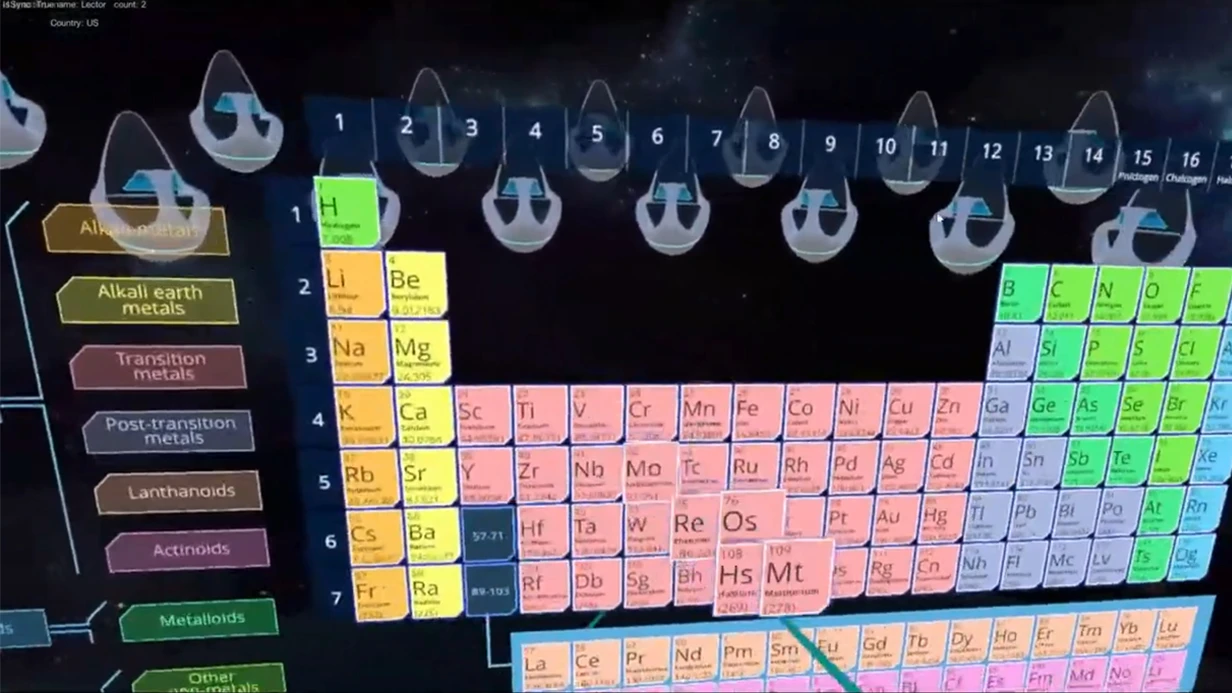


מקונפיגורטור מוצר ב-VR/AR: איך פותרים את בעיית הבחירה
הלקוח מהסס — וההיסוס הזה עולה לכם במכירות.
כשקונה לא יכול לדמיין איך המוצר נראה במציאות, האם הוא מתאים לחלל הבית שלו, האם הגודל והצבע עובדים — הוא דוחה את ההחלטה: בחירת המוצר נמשכת, עגלות ננטשות, וחלק מההזמנות חוזרות אחרי המשלוח.
זה לא רק עניין של הכנסות אבודות. מנהלים מבזבזים שעות על ייעוץ, עונים על אותן שאלות על מידות, חומרים ושילובים. בינתיים, מתחרים עם הדגמות מוצר ויזואליות זוכים בלקוח בלחיצה אחת.
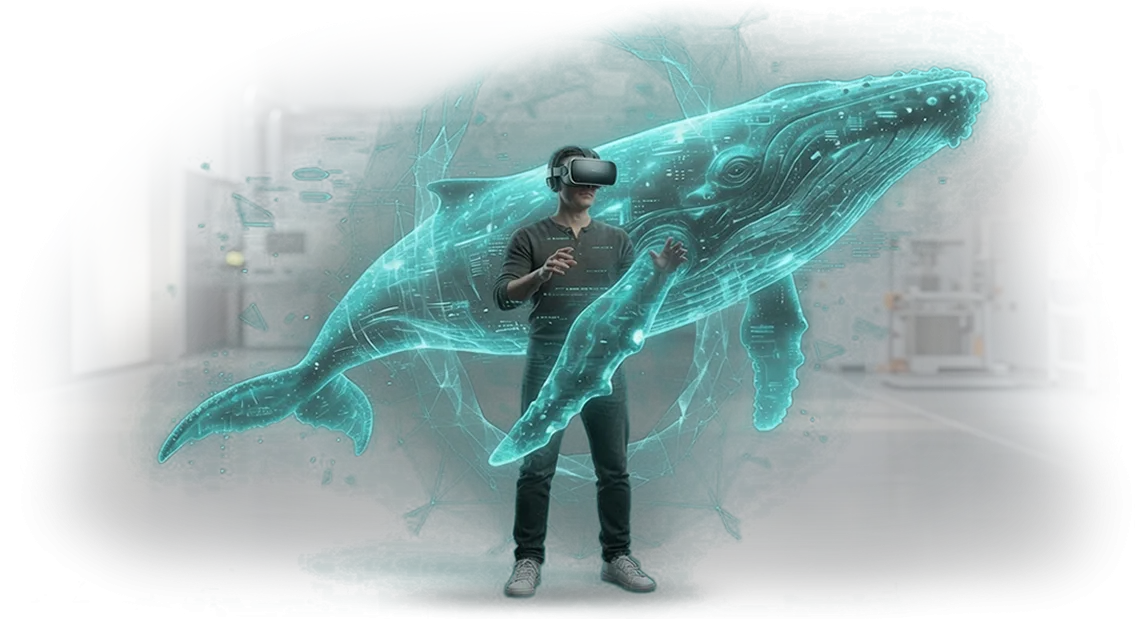
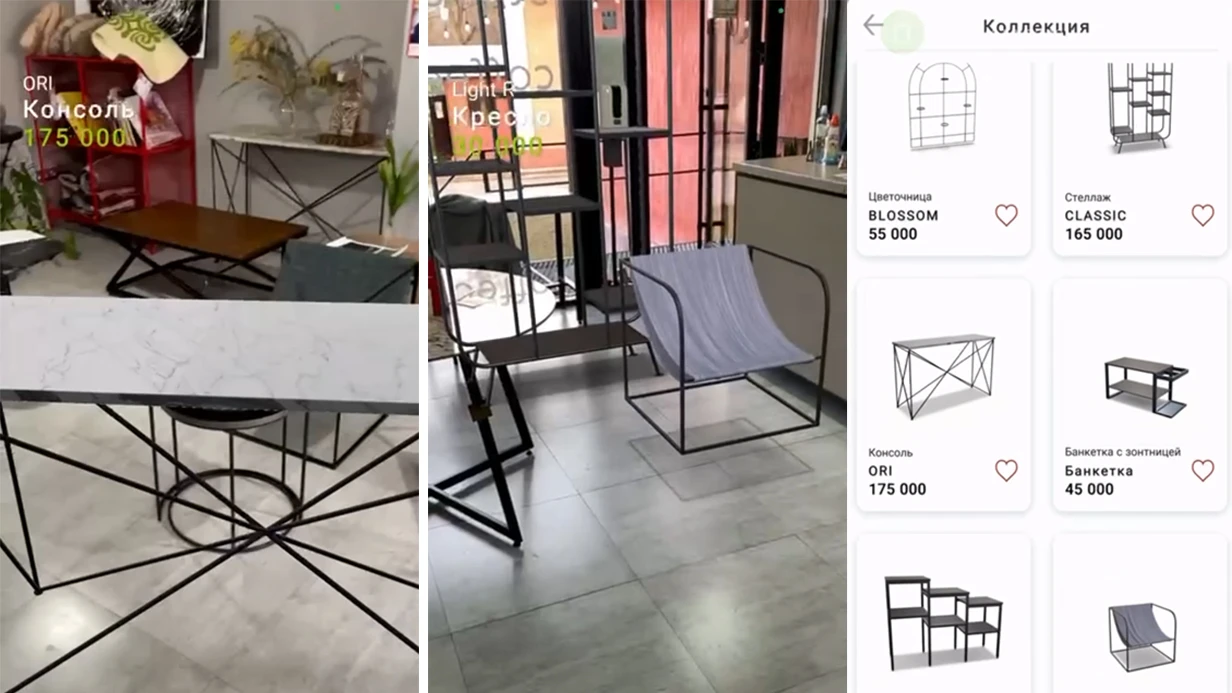
מקונפיגורטור VR/AR מחסל את הכאב הזה מהשורש. הקונה רואה את המוצר בגודל אמיתי, בחלל שלו, או באולם תצוגה וירטואלי, משנה צבע, חומרים וקונפיגורציה — ומקבל החלטה תוך דקות, לא ימים.
קטלוג אינטראקטיבי כזה לא רק מציג תמונה; הוא מאפשר ללקוח "לנסות" את המוצר לפני הרכישה.
ויזואליזציית מוצר מסוג זה עובדת בכל שלב במשפך: היא מושכת תשומת לב, שומרת על מבקרים בעמוד, מטפלת בהתנגדויות ובונה אמון בבחירה. ההמרות עולות, העומס על צוות המכירות יורד, ושיעור ההחזרות נופל.
אנחנו פותרים את הבעיה הזו כבר למעלה מעשור: אנחנו מתכננים מקונפיגורטורים למוצר שלכם, משיקים אותם באינטרנט ובאפליקציות מובייל, ומספקים תמיכה לאחר ההשקה. ספרו לנו על המוצר שלכם — נראה לכם איך מקונפיגורטור פותר את נקודת הכאב הספציפית שלכם.
מה העסק שלכם מרוויח ממקונפיגורטור VR/AR מותאם אישית
שיעורי המרה גבוהים יותר
הקונה רואה את המוצר בתלת-ממד ובחלל שלו — פחות ספקות, רצון חזק יותר להזמין. במקום תמונות שטוחות ותיאורים, אתם מאפשרים לו לבחון את המוצר מכל זווית, לשנות צבע וקונפיגורציה, ולהעריך מיד את התוצאה.
כשאדם מרכיב את הגרסה שלו, הוא נוטה פחות לעזוב כדי "לחשוב על זה" ומקבל החלטה מהר יותר. המקונפיגורטור מקצר את הדרך מעניין לרכישה, מעלה את ההמרה ואת ערך ההזמנה הממוצע.
מעורבות לקוחות
מקונפיגורטור VR/AR הופך גלישה למשחק: הלקוח מנסה שילובים שונים ומבלה משמעותית יותר זמן בקטלוג. ככל שהמגע ארוך יותר, כך עולה הסיכוי להחלטה והזיכרון של המותג שלכם חזק יותר.
הלקוח משתף את החוויה עם עמיתים וברשתות החברתיות, ומושך מבקרים חדשים ללא עלויות פרסום. גם אלה שעדיין לא מוכנים לקנות זוכרים את המותג — וחוזרים כשהצורך עולה.
הכרת מותג ולידים חדשים
הפורמט יוצא הדופן הופך לסיבה לדבר עליכם: מבקרים מצלמים מסכים ומזכירים את המותג בפוסטים. כך המקונפיגורטור עובד לטובת חשיפה והכרה.
נתוני התנהגות המשתמש הם אות לצוות המכירות: אתם רואים אילו אפשרויות פופולריות ומשתמשים בהן בהצעות מותאמות אישית. כל אינטראקציה אוספת ליד — אתם מקבלים לידים חמים ללא תקציב.
פורמטים של מקונפיגורטור מוצר: מ-WebAR ועד VR
בחירת פורמט מקונפיגורטור היא לא החלטה טכנית אלא שאלה של המטרה העסקית שלכם. אם אתם צריכים להציג את המוצר לקהל רחב בשתי לחיצות, WebAR הוא הפתרון. אם קונים עובדים עם הקטלוג באופן קבוע, AR במובייל יעיל יותר. אם העסקה היא בעלת ערך גבוה ודורשת погружение מלא, קחו את הלקוח ל-VR.
להלן דף רמאות לבחירה. אספנו תרחישי לקוח טיפוסיים כדי שתוכלו לזהות את שלכם מיד.
| פורמט | למי זה מיועד | מה זה נותן ללקוח |
|---|---|---|
| מקונפיגורטור WebAR | קמפיינים פרסומיים המוניים, רשתות חברתיות, אריזות ואירועים | הפעלה מיידית מהטלפון דרך קישור או קוד QR: הקונה רואה את המוצר בחלל שלו ללא התקנת אפליקציה. |
| אפליקציית AR למובייל | חנויות מקוונות וקטלוגים שבהם מגע חוזר חשוב | הקונה "מנסה" את המוצר בקנה מידה אמיתי, משווה אפשרויות וחוזר למקונפיגורטור שוב ושוב. |
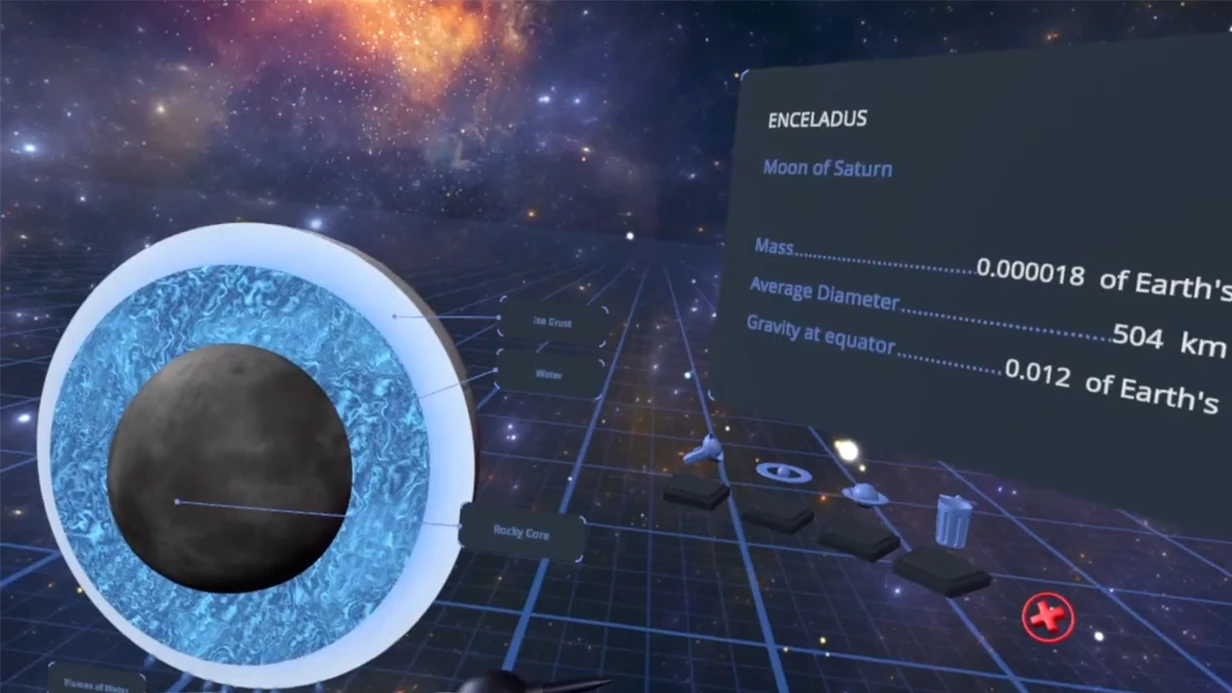
| אפליקציית VR | אולמות תצוגה, תערוכות ומכירות של ציוד מורכב, רהיטים ונדל"ן | התעמקות מלאה: הלקוח בוחן פרטים וקונפיגורציות בתלת-ממד, והמנהל מקבל הזמנה מוכנה במקום. |
אותה היגיון חל בכל הפורמטים: משנים צבע, חומר או גודל — המודל מתעדכן מיד. זה מקצר את הדרך לרכישה, מעלה את חלקם של בקשות עם מפרט מדויק ומפחית החזרות שנגרמות מפער בציפיות.
איך פיתוח מקונפיגורטור עובד עבור המשימה שלכם
כל מוצר וקהל הם ייחודיים, ולכן אנחנו לא מתחילים עם פתרון תבניתי. מסע הלקוח תמיד שקוף ומחולק לשלבים ברורים — מהבריף ועד ההשקה והתמיכה. בכל שלב אתם רואים מה קורה, מה תקבלו ומתי.
- בריף וגילוי. ראיון קצר שבו אתם מספרים לנו על המוצר, הקונים ותרחיש השימוש. אנחנו מבהירים אילו פרמטרים הלקוחות צריכים לבחור ואיזו תוצאה אתם רוצים להשיג. התוצאה היא מפרט טכני מוסכם ותוכנית עבודה.
- אב-טיפוס ואישור פרויקט. אנחנו מראים איך המקונפיגורטור ייראה: מבנה מסכים, היגיון בחירה ועיצוב ויזואלי. אתם עורכים שינויים לפני תחילת הפיתוח — זה חוסך זמן ותקציב.
- פיתוח ואינטגרציה. אנחנו בונים את המקונפיגורטור על פלטפורמה מקצועית ומחברים את קטלוג המוצרים או האפשרויות שלכם. כל התהליך נשאר בשליטה: אתם מקבלים גרסאות ביניים ויכולים לראות התקדמות.
- בדיקות ועידון. אנחנו בודקים ביצועים במכשירים שונים ובדפדפנים שונים כדי שלקוחות לא ייתקלו בשגיאות. אנחנו מתקנים בעיות ומביאים את הפתרון למצב יציב.
- השקה, הדרכה ותמיכה. אנחנו מפרסמים את המקונפיגורטור באתר שלכם או בעמוד ייעודי ומראים לצוות שלכם איך להשתמש בו. אחרי ההשקה אנחנו נשארים בקשר: עוזרים בעדכונים, עונים על שאלות ומשפרים פונקציונליות כשצריך.
הרצף הזה עוזר למנוע הפתעות ועלויות מיותרות: אתם מבינים מה מקבלים בכל שלב, ואישור הפרויקט מונע עבודה חוזרת על הפתרון המוגמר.
כתוצאה מכך, המקונפיגורטור שלכם באמת עובד למשיכת לקוחות במקום להישאר "עמוד יפה" ללא תוצאה.
מה כלול במסירת המקונפיגורטור
חבילת המסירה היא לא רק בנייה טכנית — היא כלי מכירות מוכן שעובד מהיום הראשון. אתם מקבלים כל מה שצריך להשקה ולשימוש שוטף: מודלי תלת-ממד ריאליסטיים, ממשק מוגדר, הוראות ברורות והדרכת צוות.
אנחנו מוסרים את החבילה המלאה כדי שהצוות שלכם לא יהיה תלוי במתכנתים ויוכל להשתמש מיד במקונפיגורטור בתקשורת עם לקוחות.
- קישור למקונפיגורטור העובד. הוא נפתח בכל דפדפן בטלפון, טאבלט או מחשב נייד — הקונה לא צריך להוריד או להתקין כלום.
- מודלי תלת-ממד של המוצר שלכם עם אפשרויות צבע, חומר וקונפיגורציה. המודלים נראים ריאליסטיים ועוזרים ללקוח לדמיין את המוצר לפני הרכישה.
- ממשק קונפיגורציה בסגנון המותג שלכם. הקונה בוחר פרמטרים ומיד רואה איך המראה והמחיר הסופי משתנים. זה מאיץ את קבלת ההחלטות.
- פאנל ניהול. אתם מוסיפים אפשרויות חדשות, משנים מחירים ותיאורים בעצמכם — בלי ידע בקוד או פנייה לקבלן.
- הוראות וחומרי הדרכה לצוות. מנהלים שולטים במקונפיגורטור תוך יום אחד ומשתמשים בו בביטחון בשיחות עם לקוחות.
- הדרכה מעשית לצוות. אנחנו מעבירים סשן, עוברים על תרחישים טיפוסיים ועונים על שאלות כדי שעובדים לא יפחדו מהכלי החדש.
- תמיכה בשבועות הראשונים אחרי ההשקה. אנחנו עוזרים להניע את התהליך ומבצעים התאמות במהירות אם נוצרים מצבים לא סטנדרטיים.
- אנליטיקת בחירות לקוחות. אתם רואים אילו קונפיגורציות מבוקשות ומתכננים רכישות, מבצעים והמלצות על סמך נתונים אמיתיים.
מקרה בוחן: איך מקונפיגורטור הכפיל מכירות
בעל מפעל רהיטים פנה אלינו עם כאב טיפוסי לתעשייה: לקוחות בילו זמן רב בבחירת מטבח מהקטלוג אבל לא הצליחו להבין איך הוא ישתלב בחלל האמיתי שלהם.
עסקאות נמשכו שבועות, וכל הזמנה חמישית הוחזרה אחרי מדידות — הציפיות לא תאמו את התמונה.
כדי להסיר התנגדויות לפני שהמודד בכלל הגיע, פיתחנו מקונפיגורטור web-AR לחברת KukhniPro.
הקונה מכוון את מצלמת הסמארטפון למטבח שלו, משנה את צבע דלתות הארונות, המשטח והאביזרים — ורואה את הרהיט העתידי בקנה מידה אמיתי, לפני הביקור באולם התצוגה. ההתקנה הזו אורכת 3–5 דקות, ואפשר לשמור את התוצאה ולשלוח למנהל.
מספרים שמדברים בעד עצמם
- המכירות הוכפלו תוך שלושה חודשים מההשקה.
- ערך ההזמנה הממוצע עלה ב-35% — לקוחות הוסיפו מודולים במודע.
- 60% מכלל ההזמנות החלו להתבצע דרך המקונפיגורטור במקום המצגת "הנייר".
- שיעור ההחזרות עקב פער בציפיות ירד בכמעט שני שלישים.
למה זה עבד
המקונפיגורטור טיפל בפחד הגדול ביותר של הקונה — "קניתי משהו לא נכון, זה לא מתאים כמו שציפיתי." הלקוח הרגיש כמעצב של המטבח שלו וקיבל החלטה מהר יותר, בעוד המפעל קיבל ביקוש צפוי: כל משתמש ראה בדיוק מה יקבל.
אחרי הפיילוט המוצלח, המפעל הזמין התאמה של המקונפיגורטור לאולמות תצוגה ולאתר. זה מאשר שהכלי מספק ערך מדיד ולא רק "אפקט וואו". אנחנו מוכנים להראות איך אותו תרחיש חל על המוצר שלכם.
איך לבחור את הפורמט המתאים למשימה שלכם?
הבחירה בין WebAR, AR ו-VR היא לא עניין של טרנד אלא של המטרה והתקציב שלכם.
אם המטרה היא להכיר ללקוח את המוצר בסביבה מוכרת, לעזור לו לבנות קונפיגורציה ישירות בדפדפן ולהשאיר אותו דבוק למסך, WebAR הוא הפתרון האופטימלי.
הוא לא דורש התקנת אפליקציה, עובד דרך קישור או קוד QR, ומגיע למספר המרבי של משתמשים ללא חסמים מיותרים.
כשהמקונפיגורטור הופך לחלק מתרחיש חוזר — למשל, אתם רוצים להשאיר לקוחות באפליקציה, לאסוף נתוני התנהגות ולעשות שימוש חוזר במודלי תלת-ממד בסעיפים אחרים — כדאי לשקול יכולות AR בתוך מוצר מובייל.
זו השקעה רצינית יותר, אבל המעורבות גבוהה יותר, והקונה חוזר למקונפיגורטור המוצר שוב ושוב.
VR, לעומת זאת, הגיוני רק במקום שבו נדרשת התעמקות מלאה: מצגות שותפים, הדרכות צוות, דוכני תערוכות.
עבור מקונפיגורטור לשוק המוני, זה כמעט תמיד מוגזם — מעט לקוחות ישימו קסדה רק כדי לבחור צבע או קונפיגורציה, והתקציב לפרויקט כזה משתלם רק בנישות צרות.
הבחירה בין הפורמטים האלה מונחית לא על ידי אינטואיציה אלא על ידי מטרות עסקיות: לאיזה קהל אתם מכוונים, איזה אחוז משתמשים יגיע מטלפון, איזה חסם כניסה מקובל, וכמה זמן הקונפיגורציה עצמה נשארת רלוונטית.
ככל שהקהל רחב יותר והחסמים נמוכים יותר, כך WebAR מתאים יותר. ככל שערך ההזמנה הממוצע גבוה יותר ומחזור העסקה ארוך יותר, כך אפליקציית AR הגיונית יותר.
אנחנו לא דוחפים טכנולוגיה ספציפית — אנחנו בוחרים פורמט על סמך התקציב והמדדים שלכם.
במהלך הייעוץ, אנחנו עוברים על התרחיש שלכם, מעריכים חשיפה, עלות מחושבת אחרי אודיט ומהירות להשקה, ואז מציעים פתרון שפותר את הבעיה ולא רק נראה מודרני.
ברוב המקרים של מקונפיגורטור מוצר, WebAR מספיק — כך אתם מקבלים תוצאה מדידה ללא השקעה מיותרת.
שאלות נפוצות על פיתוח מקונפיגורטור
לקוחות מהססים לעתים קרובות להזמין מקונפיגורטור כי הם חוששים מהלא נודע: כמה זמן זה לוקח, מה זה יעלה, והאם החומרה שלהם תעמוד בזה. אנחנו עונים על השאלות המרכזיות לפני תחילת העבודה — כדי שתבינו את התוצאה והתקציב כבר בשלב הבריף.
כמה זמן לוקח פיתוח מקונפיגורטור?
לוחות הזמנים תלויים בגודל הקטלוג ובמורכבות מודלי התלת-ממד. מקונפיגורטור פשוט ל-5–10 מוצרים לוקח 2–3 שבועות; פרויקט עם מאות אפשרויות וגרפיקה מפורטת לוקח 6–8 שבועות. אנחנו קובעים את ההערכה המדויקת בחוזה אחרי בריף קצר — ועומדים בה.
כמה עולה מקונפיגורטור מוצר?
אנחנו נותנים מחיר מדויק בשלב הגילוי, ברגע שאנחנו מבינים את הרכב הקטלוג והפונקציונליות הנדרשת. המחיר כולל מידול תלת-ממד, היגיון בחירת אפשרויות, התאמה למובייל ואינטגרציה עם ה-CRM שלכם. אין חיובים נסתרים: כל עבודה נוספת מסוכמת בכתב לפני שהיא מתחילה.
האם זה יעבוד בטלפונים ובמחשבים חלשים?
כן, אנחנו בונים מקונפיגורטורים שרצים בדפדפן רגיל — ללא צורך בהתקנת אפליקציה. הטכנולוגיה מתאימה את עצמה לביצועי המכשיר: מבקר בסמארטפון זול מקבל תגובה מהירה וויזואליה חלקה. לחומרה ישנה, אנחנו כוללים מצב צפייה מפושט.
מה אם אני צריך פונקציונליות לא סטנדרטית?
אנחנו יכולים לבנות אותה: למשל, השוואת שתי קונפיגורציות זו לצד זו, חישוב מחיר במטבע של שותף, או ייצוא הבקשה ישירות ל-1C. אם הבקשה מתאימה להיגיון של מקונפיגורטור, אנחנו כוללים אותה בהערכה לפני תחילת העבודה.
היקף העבודה המותאמת אישית תמיד מתועד בחוזה, כך שלא תקבלו חשבונית על "הבלתי צפוי".
אילו ערבויות ותמיכה זמינות אחרי ההשקה?
אתם מקבלים 30 ימי תמיכה חינם אחרי ההשקה: אנחנו מתקנים בעיות תצוגה, בודקים ביצועים במכשירי הלקוחות שלכם ועונים על שאלות הצוות. אנחנו מאמנים את הצוות שלכם לעדכן את מגוון המוצרים והמחירים בעצמם. אחרי זה, זה תלוי בכם: להישאר בתמיכה או לצאת לעצמאות.
תנאים שקופים הם חלק מדרך העבודה שלנו. אתם מקבלים מקונפיגורטור שבאמת מוכר — בלי דאגות לגבי לוחות זמנים או תקציב.שלחו בקשה למקונפיגורטור
כשאתם שולחים בקשה למקונפיגורטור, אנחנו לא שולחים "הצעה לשם הפרוטוקול". אתם מקבלים ייעוץ: אנחנו דנים במשימה, בקהל ובתרחיש השימוש — ותוך כמה ימים שולחים לכם הערכת פרויקט עם שלבים ולוחות זמנים ברורים.
אנחנו נעזור לכם להפוך את הרעיון לבריף טכני, גם אם אין לכם מפרט מוכן. תלמדו איך מקונפיגורטור WebAR משתלב באתר או בקטלוג הקיים שלכם, כמה זמן הפיתוח ייקח ואילו תוצאות אפשר לצפות. מה שתקבלו הוא תוכנית שקופה, לא הבטחות מופשטות.
מה תקבלו אחרי הפנייה אלינו:
- ייעוץ והערכה מקצועית של הרעיון — נייעץ לכם איך להפוך את המקונפיגורטור לנוח ללקוחות שלכם.
- הערכת פרויקט — לוחות זמנים, שלבים ועלות (ללא תוספות נסתרות) בצורת הצעה מסחרית ברורה.
- עזרה בהכנת הבריף — אנחנו מפרקים תרחישי יעד, קטלוג המוצרים שלכם ונקודות אינטגרציה.
- סקירת אתר עם המלצות היכן המקונפיגורטור יניב את ההשפעה הגדולה ביותר — בקטלוג, בעמוד הבית או בקמפיין פרסומי.
- הבנה של ROI: איך המקונפיגורטור משפיע על החזרות, מכירות נוספות ונאמנות לקוחות.
שלחו בקשה בעמוד זה — ותוך כמה ימי עסקים תקבלו אסטרטגיית השקה מוכנה עם נתונים קונקרטיים ודוגמאות. משם תוכלו להתקדם בלי לבזבז זמן על מחקר פרטים בעצמכם.