



דפוס חי — התשובה לשיעורי תגובה נמוכים בפרסום מודפס
פרסום מודפס עדיין תופס מקום בתקציבי השיווק, אבל כל שנה הוא מניב פחות תגובה. עלון נדפדף תוך שניות ספורות, פוסטר מבחינים בו בזווית העין, וקטלוג מונח בצד לטובת סמארטפון.
כתוצאה מכך, השקעות בהדפסות לא הופכות לשיחות, לפניות או לזכירת מותג — מדידת האפקטיביות של פרסום כזה היא כמעט בלתי אפשרית.
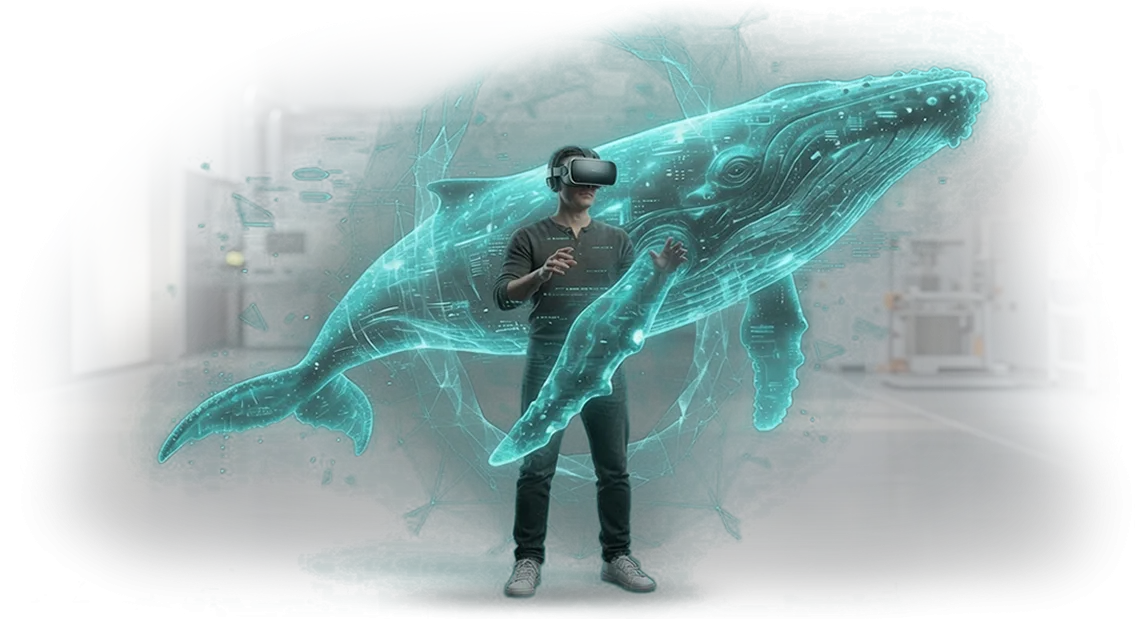
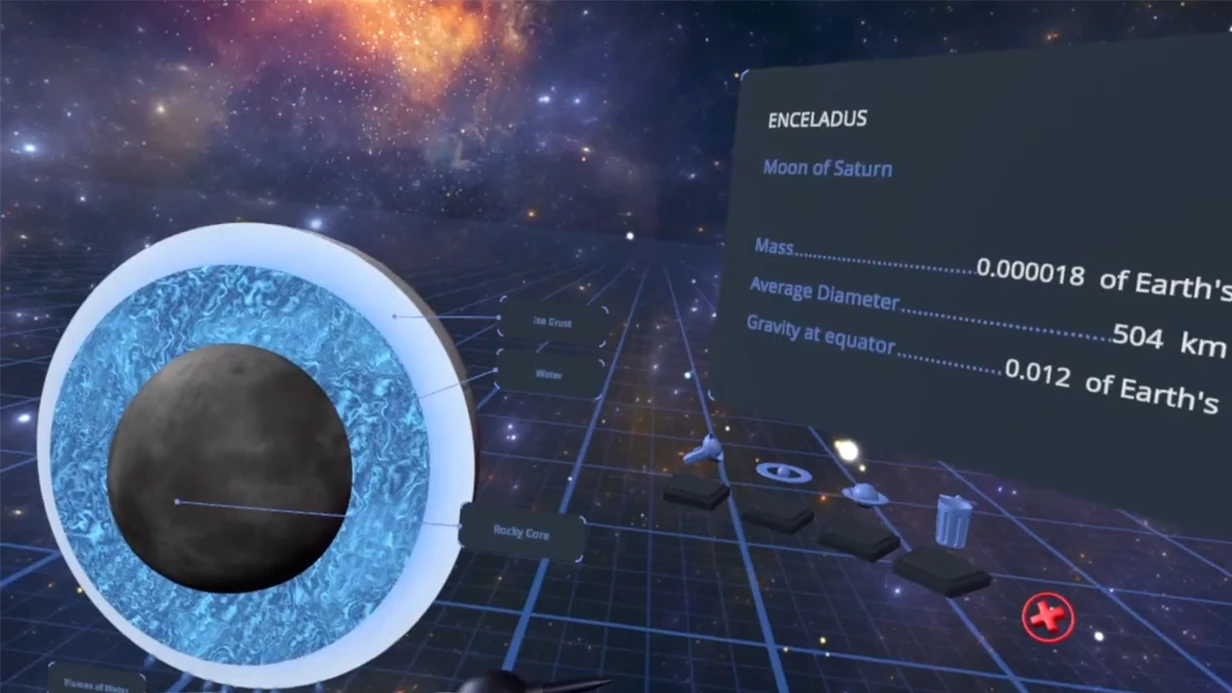
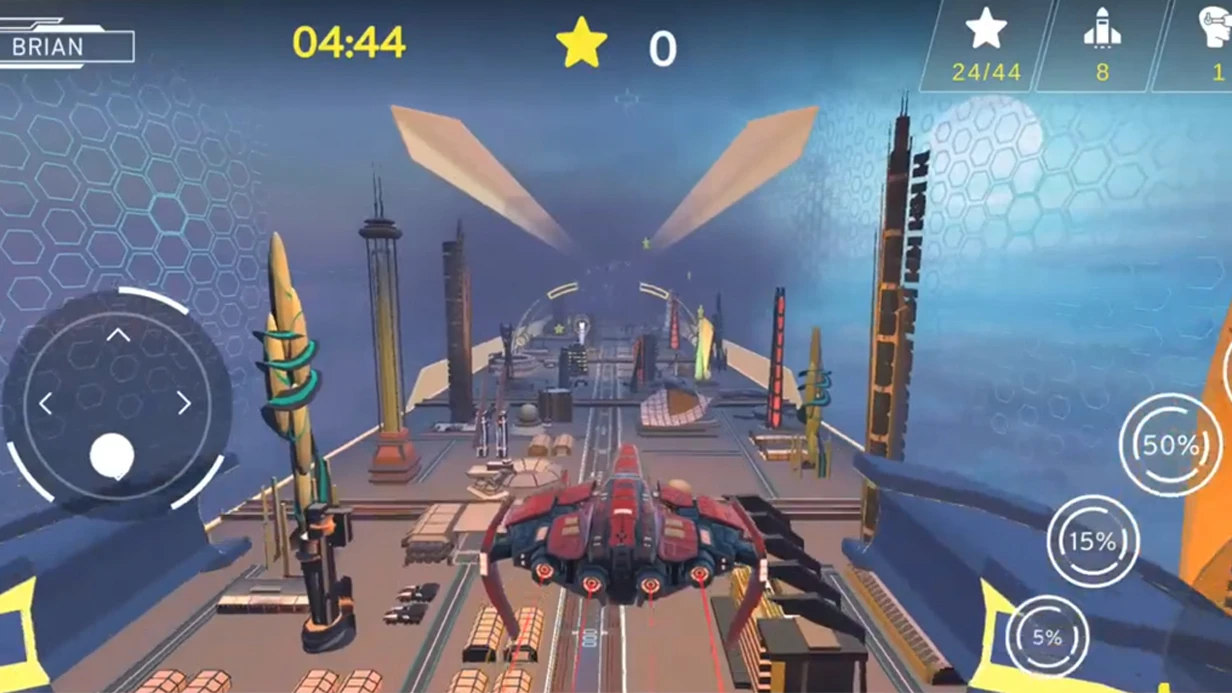
דפוס חי משנה את כללי המשחק. זה AR בדפוס: כוונו את מצלמת הסמארטפון לדף, ותמונה סטטית הופכת לוידאו, לאובייקט תלת-ממדי, לקטלוג עם מציאות רבודה או למשחק אינטראקטיבי.
כך עלון רגיל הופך לנקודת מגע שמפתיעה, שומרת על תשומת הלב ומעודדת לפעולה — ואנשים רוצים לשתף אותו, מה שמגדיל את החשיפה ללא תקציב פרסום נוסף.
ההבדל העיקרי מדפוס רגיל הוא היכולת למדוד. פרסום אינטראקטיבי מראה כמה אנשים סרקו את החומרים, אילו סעיפים עוררו עניין, וכמה זמן משתמש בילה בתוך התרחיש. הנתונים האלה עוזרים לכם להבין מה עבד ולחזק קמפיינים עתידיים.
אנחנו יוצרים דפוס חי במפתח אחד: עוזרים לכם לבחור את המכניקה, לפתח את העיצוב וליישם את הטכנולוגיה כך שתעבוד למען תוצאות עסקיות.
אילו יתרונות מביאים מוצרי דפוס אינטראקטיביים
דפוס רגיל מפסיד במאבק על תשומת הלב: פליירים וקטלוגים נזרקים לעתים קרובות מבלי להיקרא. דפוס חי הופך מדיה סטטית לתרחיש אינטראקטיבי: כוונו את מצלמת הסמארטפון — ותראו מודל תלת-ממדי, וידאו או הנחה.
זה לא רק "אפקט וואו" אלא כלי עבודה שמביא תוצאות עסקיות מדידות. אנחנו יוצרים את התרחישים האלה על הפלטפורמה המקצועית Zappar — היא מבטיחה הפעלה יציבה בכל סמארטפון.
לשיווק: הגדלת תגובה ומעורבות
- הגדלת תגובה לדיוורים ולקטלוגים: סצנת AR שומרת על תשומת הלב פי 3–5 יותר מאשר טקסט סטטי.
- מכניקה פשוטה: כוונו את הטלפון למרקר — קבלו וידאו, מודל תלת-ממדי או קוד קופון.
- פוטנציאל ויראלי: אנשים משתפים חוויות מרשימות ברשתות החברתיות, מה שמגדיל את החשיפה ללא הוצאות פרסום נוספות.
למכירות: לידים חדשים
- כל סריקה של מרקר מתועדת — אתם יודעים בדיוק איזו מדיה עבדה.
- סצנת AR כוללת טופס פנייה מובנה וכפתור חיוג: אנשי קשר נכנסים ישירות ל-CRM שלכם.
- מאגר "קר" מתעורר לחיים: שלחו ללקוח קטלוג עם מרקר AR — והוא כבר קיים אינטראקציה עם המוצר שלכם.
להנהלה: הכרת מותג והחזר השקעה מהיר
- מכניקה לא שגרתית מבדלת את החברה מהמתחרים ומשפרת את זכירת המותג.
- ההשקה אורכת בין 3 ימים לשבועיים — ניתן לעדכן קמפיינים במהירות.
- אנליטיקה לכל מדיה: מספר סריקות, משך סשן, פעולות שבוצעו.
היתרונות ברורים: דפוס אינטראקטיבי מגדיל תגובה, מגייס לקוחות, מחזק הכרה ומביא לידים. ספרו לנו על המשימה שלכם — נמצא פתרון למדיה ולתקציב שלכם.
פורמטים של דפוס חי למטרות שונות
כל פורמט דפוס AR פותר משימה משלו: אחד עוזר למכור, אחר מפתיע ומערב. חשוב לבחור את המדיה שמתאימה למטרת הקמפיין — ואז המציאות הרבודה הופכת לכלי עבודה, לא לגימיק חד-פעמי.
קטלוגים ועלונים
קטלוג עם מרקרי AR הופך דפים סטטיים לחלון ראווה אינטראקטיבי. הלקוח מכוון את הסמארטפון — ורואה את המוצר בפעולה, הדגמות חומרים או סקירת וידאו.
זה מקצר את הדרך מהרושם הראשוני להחלטת רכישה ומגדיל את ההמרה בדיוורים.
פוסטרים ושלטים
פוסטר ברחוב או בקניון הוא המדיה האידיאלית ל-AR. דמות חיה או מסר מונפש תופסים את העין, והאורחים שמחים לשתף תמונות מרשימות ברשתות החברתיות. זה נותן למודעה חשיפה נוספת ללא הגדלת תקציב המדיה.
אריזות
AR על אריזות עובד ברגע פתיחת הקופסה — השלב הרגשי ביותר במגע עם המוצר. סיפור מותג חי, הוראה או הפתעה לקונה מגדילים נאמנות ומעודדים רכישות חוזרות. לקוחות זוכרים את המותג יותר וממליצים עליו לחברים.
כרטיסים והזמנות
כרטיס עם מציאות רבודה הופך למסר אישי: הנמען מכוון את המצלמה ורואה ברכת וידאו, אנימציה או מסר נסתר. הפורמט הזה מעצים את הרושם של האירוע ומבדל אתכם מדיוורים רגילים.
| פורמט | למי זה מיועד | מה זה נותן ללקוח |
|---|---|---|
| קטלוג | חברות עם מגוון רחב | יותר זמן עם המוצר, יותר פניות |
| פוסטר | אירועים פיזיים, קמפיינים פרסומיים | אפקט ויראלי, תדמית מותג חיה |
| אריזה | יצרני מוצרים | רכישות חוזרות, חיבור רגשי |
| כרטיס | תקשורת אישית | גישה אישית, זכירות |
בחרו את הפורמט למטרה הספציפית שלכם — נתאים את מכניקת ה-AR למדיה שלכם ונעצב תרחיש שעובד עבור הקהל שלכם.
איך פרויקט עובר ממפרט טכני להשקה
בנינו את התהליך כך שלא תצטרכו לתהות מה קורה עם הפרויקט שלכם. כל שלב מתועד ומאושר איתכם — אתם רואים את התוצאה בכל שלב, לא רק בסוף. להלן המסלול הסטנדרטי ש"דפוס חי" עובר מרעיון להדפסה עובדת.
-
מפרט טכני — אנו מגדירים את המטרות: אילו דפים יתעוררו לחיים, איזו פעולה המשתמש יבצע, ואיזו תוצאה העסק צריך. אתם מקבלים מסמך עם לוחות זמנים, פורמט וקריטריוני קבלה.
-
אב-טיפוס וקונספט עיצובי — אנו מראים איך תיראה המציאות הרבודה על ההדפסה. אתם רואים את התרחיש: מכוונים את המצלמה לדפוס — ומופיע אובייקט תלת-ממדי או וידאו. זה השלב הקל ביותר לבצע שינויים ללא עיבוד מחדש של הפיתוח.
-
פיתוח תרחיש — אנו יוצרים את החלק האינטראקטיבי: אנימציות, וידאו, מודלים תלת-ממדיים, סאונד. אנו מתאימים הכל לדגמי סמארטפונים שונים כדי שללקוחותיכם לא יהיו בעיות הפעלה.
-
בדיקה על מכשירים אמיתיים — אנו בודקים איך המצלמה, לכידת התמונה ותגובת האפליקציה עובדים. אנו תופסים שגיאות לפני ההדפסה, לא בתערוכה או בחנות.
-
השקה ואינטגרציה — אנו מחברים שרתים, מעלים תוכן, ואתם מקבלים קישורים עובדים וקודי QR להדפסה. במקביל, אנו מספקים הוראות לצוות שלכם ובמידת הצורך, מאמנים אנשי מכירות או יחצנים.
-
תמיכה לאחר ההשקה — אנו עוקבים אחר יציבות ומעדכנים תוכן לפי בקשתכם. אם העיצוב משתנה או מתווסף דף חדש, פשוט שלחו את הקובץ — אנו מבצעים שינויים ומחזירים את הגרסה המוגמרת.
גישה זו הוכחה בעשרות פרויקטים, כך שלוחות הזמנים והתקציב נקבעים לפני ההשקה. אתם יודעים שמישהו אחראי על התוצאה בכל שלב, והפרויקט לא נעצר אחרי המסירה — יש מקום לצמוח.
מה כלול במסירה: מהדפסה ועד אנליטיקה
יחד עם הלקוח, אנו מגדירים את היקף המסירה מיד — אתם יודעים מראש מה תקבלו ואיך זה עובד. אין "נשלח מאוחר יותר": כל הנכסים נמסרים עם אישור קבלה, כולל קבצי מקור וגישה לפאנל הניהול.
הדפסות ועיצוב
נכין הדפסות מוכנות לדפוס של החומרים המודפסים שלכם — מכרטיסי ביקור ועד אריזות. אתם מקבלים קבצים בפורמטים הנדרשים, וכן אפשרויות עיצוב להצבת מרקר ה-AR.
- הדפסות מוכנות לדפוס: צבעי ספוט, דימום, סובלנויות.
- עיצוב מרקר AR והוראות הצבה.
- תיאום צבעים וחומרים תוך התחשבות בדפוס.
אפליקציה
אפליקציה עובדת (או פתרון web) ללא צורך בהתקנת תוכנות נוספות. הכל מופעל דרך קישור או מצלמה — ללא הגדרה מסובכת.
- אפליקציה מוכנה ל-iOS ולאנדרואיד.
- דף נחיתה עם קוד QR להדפסה.
- התאמה לעיצוב המותג ולתוכן שלכם.
אנליטיקה
לאחר ההשקה, אתם רואים איך הדפוס ה"חי" עובד: כמה משתמשים כיוונו את המצלמה, אילו דפים נצפו יותר זמן, ומאיפה הגיעו לקוחות.
- לוח מחוונים עם מדדים מרכזיים.
- דוח לכל מנת הדפסה בנפרד.
- המלצות לשיפור השקות עתידיות.
הדרכה והוראות
אנו מוסרים כל מה שצריך כדי שהצוות שלכם יוכל לעדכן תוכן ולהוסיף דפים חדשים בלעדינו.
- הוראות וידאו ומדריך עזר טקסטואלי לעובדים.
- הדרכת צוות שיווק (1–2 מפגשים מקוונים).
- רשימת בדיקה להפקת דפוס.
אתם מקבלים את החבילה המלאה במסגרת הזמן המוסכם, עם אחריות שהיא עובדת לאחר ההשקה. ואם צריך לעדכן תוכן או להוסיף סצנות חדשות, אפשר לעשות זאת בשתי לחיצות.
דוגמה: איך החייאנו קטלוג של יצרן רהיטים
בואו נראה בדוגמה אמיתית איך דפוס חי הפך קטלוג רגיל של יצרן רהיטים לכלי מכירות. הלקוח היה MebelPro, חברה שהפיקה קטלוג נייר עם תמונות מוצרים.
הבעיה הייתה שלקוחות דפדפו בדפים ועזבו: תמונה סטטית לא הראתה קנה מידה, מרקם, או איך ספה תיראה בסלון.
המשימה והפתרון
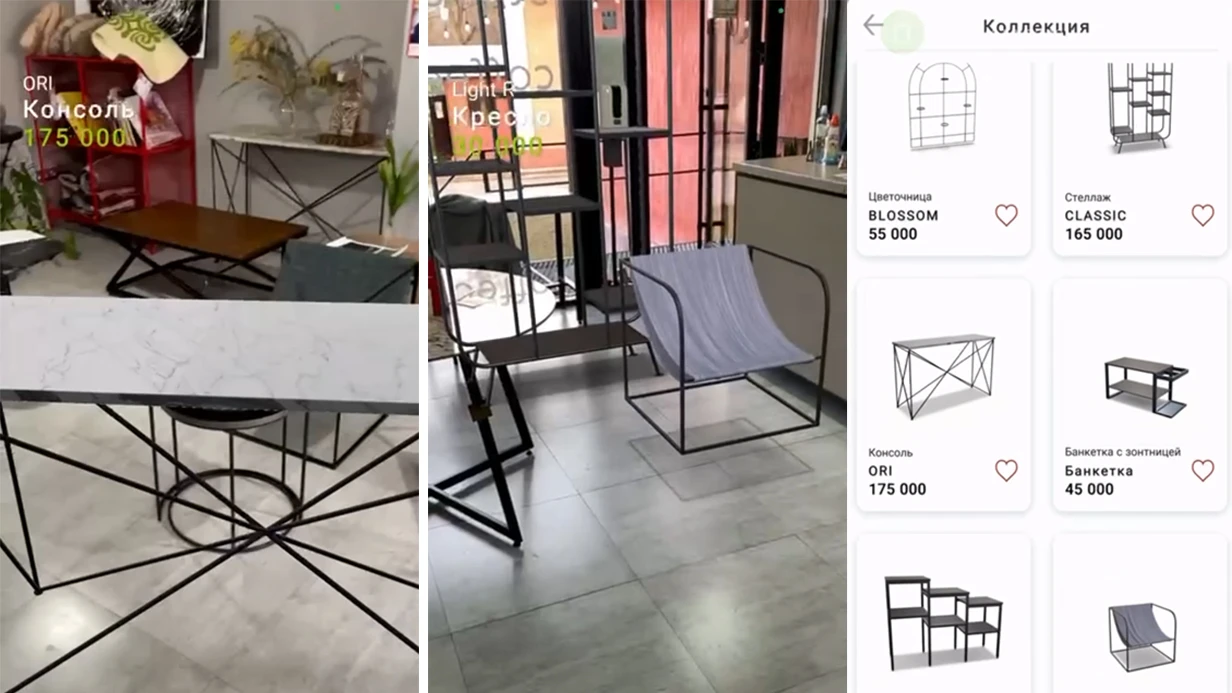
הצענו להחיות את הדפים המרכזיים של הקטלוג. עכשיו מבקר מכוון את מצלמת הסמארטפון לדף — ומודל תלת-ממדי של הפריט מופיע עליו. אפשר לראות את המוצר מכל הכיוונים, להתקרב לפרטים, ואפילו "למקם" אותו בחדר דרך מצלמת הטלפון.
אין צורך להתקין אפליקציות: הכל עובד בדפדפן, ובעמוד האחרון יש הוראה קצרה.
עבור היצרן, זה אומר שהקטלוג כבר לא היה רק עלון — הוא הפך לכלי הדגמה מלא. משווקים ולקוחות מבינים את המוצר מהר יותר, עם פחות שאלות על מידות וחומרים, מה שאומר פחות זמן לסגירת עסקה.
התוצאה
בחודש הראשון לשימוש, הקטלוג נפתח יותר משלושת אלפים פעמים, וזמן האינטראקציה הממוצע עם דף שולש בהשוואה לתמונות רגילות.
כל מבקר שני השתמש בתכונת המציאות הרבודה, והחברה ראתה עלייה משמעותית בעניין בקולקציות החדשות — חלק מהמשווקים הזמינו עיצובים מעודכנים לאולמות התצוגה שלהם.
אנחנו עובדים עם ציוד מקצועי ואלגוריתמי זיהוי מוכחים, כך שהתוצאה נשארת יציבה גם בסמארטפונים זולים. צרו קשר — נבנה פתרון דומה לחומרים המודפסים שלכם.
איך לדעת איזה פורמט מתאים לעסק שלכם?
בחירת פורמט מתחילה לא בטכנולוגיה אלא במשימה: מה בדיוק הדפוס החי צריך לפתור — להחזיק תשומת לב בתצוגה, להסביר מוצר מורכב, או להפוך אריזה לסיבה לקנות שוב?
ככל שהמטרה ברורה יותר, כך קל יותר לבחור פורמט שמביא תוצאות מדידות, לא רק תמונה מרשימה.
הגורם השני הוא הקהל. מבקר בתערוכה דפדף בקטלוג תוך כדי תנועה, קונה בחנות מחזיק אריזה בידיים, שותף קורא עלון במשרד. לכל אחד יש רמת מוכנות שונה לאינטראקציה עם מציאות רבודה.
אם לקהל שלכם לא נוח להוריד אפליקציה, הבחירה ברורה — פורמט שעובד מיד, דרך מצלמת הסמארטפון. זה מסיר את המחסום המרכזי: מרעיון לרושם בצעד אחד מהיר.
תקציב ולוחות זמנים גם קובעים את הפורמט. מנת הדפסה קטנה או קמפיין ניסיון אינם סיבה להשקיע בפיתוח מורכב עם אישורים ארוכים. מספיק להשיק דפים חיים על בסיס פתרון מוכח ולמדוד במהירות את התגובה.
אבל אם הדפוס ממלא תפקיד מפתח בשיווק שלכם ואתם מתכננים להשתמש בו במשך שנים, הגיוני לדון באינטגרציה עמוקה יותר עם המערכות שלכם.
בפועל, הפורמט מבוסס הדפדפן הוא אופטימלי עבור רוב העסקים: הוא לא דורש התקנת אפליקציה, משתלב בקלות בדפוס קיים ומושק במהירות. אתם מקבלים תוצאות יציבות מבלי להכביד על הלקוח בשלבים טכניים.
אנחנו עוזרים לכם לבחור פורמט למשימה, לתקציב ולקהל שלכם — ומראים איך זה יעבוד בתרחיש הספציפי שלכם.
שאלות נפוצות על מוצרי דפוס אינטראקטיביים
לקוחות שואלים לעתים קרובות אם זה מסובך מדי לשלב דפוס חי בתהליכים הקיימים שלהם. אנחנו מייצרים פורמטים אינטראקטיביים כבר יותר מ-10 שנים, אז אנחנו עונים על השאלות המרכזיות ישירות — ללא פרטים טכניים או ז'רגון מסובך.
הדבר החשוב ביותר: אתם לא צריכים להבין בטכנולוגיה. אנחנו מטפלים בפיתוח, ואתם מקבלים כלי מוכן שמפתיע לקוחות ומגדיל את הכרת המותג.
מתי נקבל את ההדפסה המוגמרת?
בדרך כלל 5 עד 10 ימי עסקים לפיתוח ואינטגרציה. אנו נותנים לוח זמנים מדויק לאחר הבריף — זה תלוי בהיקף ובמורכבות, אבל התהליך מכוונן היטב, כך שאנו מספקים את רוב הפרויקטים בזמן.
איך זה עובד עבור אורחים?
אין צורך בהתקנות או הוראות. מבקר מכוון את מצלמת הסמארטפון לתמונה — והיא מתעוררת לחיים ישירות בדפדפן. זה עובד גם באייפון וגם באנדרואיד, כך שכל אורח יכול לנסות.
מה אם משהו משתבש?
אנחנו מבטיחים את העבודה ונשארים בקשר לאחר ההשקה. אם עולות שאלות, נעזור במהירות כדי שהאירוע או הקמפיין שלכם ירוצו ללא הפרעות.
אם אתם לא בטוחים אם דפוס חי מתאים לעסק שלכם, פשוט ספרו לנו על המשימה. נציע איזה פורמט יניב תוצאות ונחשב לוחות זמנים לפרויקט שלכם.הזמינו פיתוח פתרונות אינטראקטיביים למוצרים מודפסים
דפוס חי הופך כרטיס ביקור, קטלוג או אריזה לערוץ מכירות אינטראקטיבי: כוונו את המצלמה — קבלו וידאו, מודל תלת-ממדי או הצעה אישית. אבל כדי שפרויקט כזה ישתלם, צריך לדון בו עם אנשים שכבר השיקו פתרונות דומים. לכן אנחנו מתחילים בייעוץ והערכת עלות — ללא התחייבויות וללא "פלפולים".
מה תקבלו לאחר פנייתכם:
- ייעוץ על תרחיש ההפעלה שלכם: ננתח את המשימה ונייעץ היכן WebAR ישפר את הדפוס והיכן מספיק קוד QR פשוט.
- הערכת פרויקט: עלות ולוחות זמנים להדפסה, פורמט ומורכבות התרחיש — מקישור וידאו פשוט ועד קטלוג אינטראקטיבי.
- הצעה מסחרית: אנו מגדירים היקף עבודה, שלבים, תוצאה ועלות. אתם מבינים על מה אתם משלמים.
- בחירת פורמט: כרטיסי ביקור, עלונים, פוסטרים, אריזות, תפריטים — אנו מראים מה ניתן להשיג באופן ריאלי במסגרת התקציב שלכם.
- דוגמאות מהתעשייה שלכם: אנו מציגים מקרים דומים למשימה שלכם כדי שתוכלו לראות את התוצאה לפני שמתחילים.
- דרישות טכניות לדפוס: אנו מסבירים כיצד להכין את ההדפסה כך שמרקרים יעבדו בצורה אמינה בכל מכשיר.
לאחר מכן, אתם מקבלים החלטה: להזמין פיתוח מאיתנו או להשתמש בתוכנית עם קבלן אחר. גם אם אתם לא מוכנים להתחיל מחר, תקבלו הערכת עלות ברורה ותוכנית יישום.
השאירו פנייה או כתבו לנו בהודעה — נגיב תוך יום עסקים אחד, נשאל שאלות הבהרה ונכין הערכת עלות. זה אינו מחייב אתכם בשום צורה.
נראה גם איך דפוס חי עובד עם דוגמאות אמיתיות, כדי שתוכלו לראות את האפקט לפני הפגישה.