



מדידת רחפן לפני קנייה: איך לא לאבד לקוח
רוב רוכשי הרחפנים מקבלים החלטה אחת ולתמיד: הציוד יקר, ולמתחילים אין ניסיון טיסה. בחנות מקוונת רגילה יש רק תמונות ומפרטים — אבל איך מבינים אם הרחפן מתאים לכם?
חוסר הוודאות הזה יוצר את בעיית בחירת הרחפן: האדם מהסס, דוחה את הקנייה, פונה למתחרים, או מזמין בעיוורון ואז מחזיר את המוצר. כל אחד מהתרחישים האלה משמעותו אובדן לקוח והפסדים ישירים.
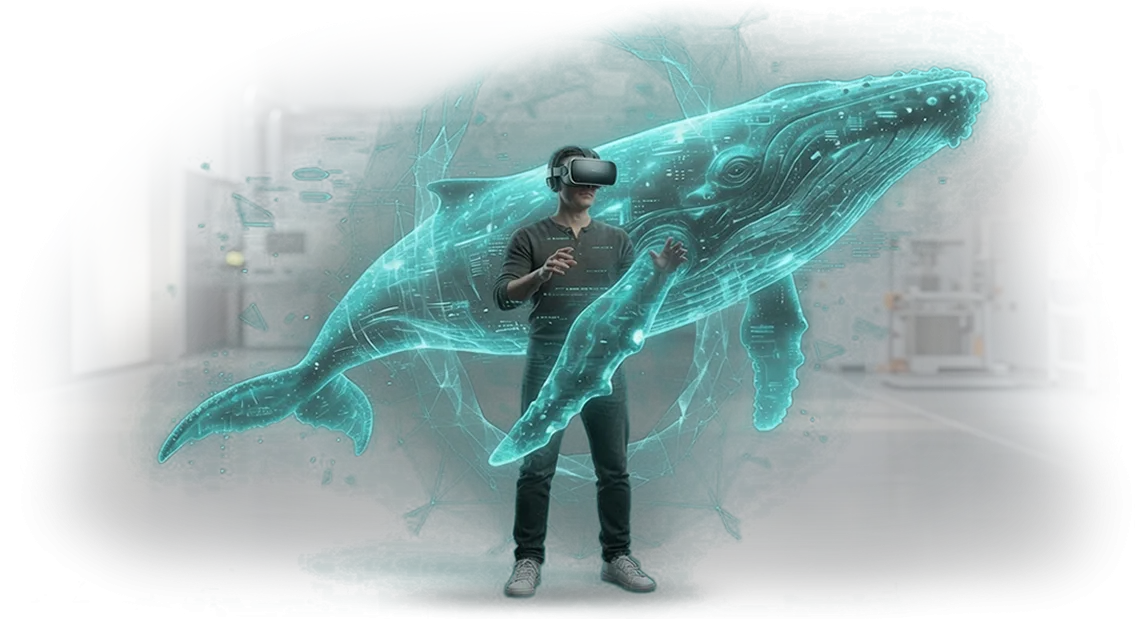
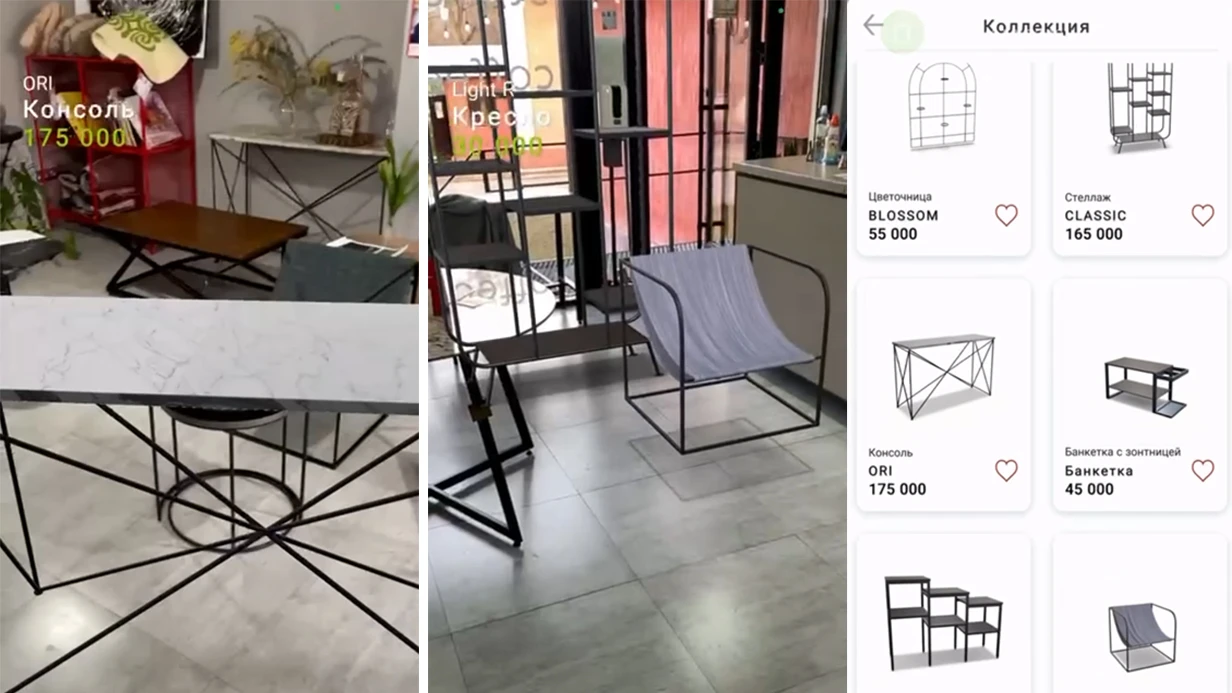
מדידת רחפן וירטואלית באמצעות מציאות רבודה משנה לחלוטין את התהליך הזה. הקונה מכוון את מצלמת הסמארטפון לרצפה או לשולחן ורואה את הדגם בקנה מידה אמיתי: הוא יכול להסתובב סביבו, לבחון את הפרטים, ולהעריך כיצד הרחפן ישתלב בחלל.
זו לא בידור אלא כלי עבודה — מציאות רבודה למכירות שמפחיתה את החשש מטעות בבחירה ומגבירה את הביטחון לפני התשלום.
הלקוח מפסיק להשוות "לפי העין" ובמקום זאת מקבל ויזואליזציה ברורה, שבחנות רגילה הייתה זמינה רק במפגש פנים אל פנים.
אנחנו מיישמים פתרונות כאלה במסחר אלקטרוני כבר 10 שנים. הפלטפורמה שלנו מאפשרת לכם להוסיף מדידה וירטואלית לאתר או לאפליקציה ללא הכנה טכנית מורכבת.
כתוצאה מכך, עסקים רואים שיעורי המרה גבוהים יותר, פחות החזרות, ולקוחות מרוצים יותר שחוזרים לרחפנים חדשים וממליצים על החנות לחברים.
כך, מדידת רחפן לפני קנייה מפסיקה להיות בעיה והופכת ליתרון שמבדל אתכם מהמתחרים.
מה מקבלים מתצוגת WebAR לרחפנים
ללקוחות קשה לדמיין רחפן מתמונות או סרטונים: הם לא יכולים לראות את הממדים האמיתיים או איך הוא מתאים לצרכים שלהם. תצוגת ה-WebAR של הצוות שלנו פותרת זאת בכך שהיא מאפשרת ללקוחות למדוד את הרחפן במרחב האמיתי.
הקונה פותח את מצלמת הסמארטפון ו"ממקם" את הרחפן בחדר או על כף היד — הדגם נראה אמיתי, ניתן לבחון אותו מכל הצדדים, לשנות את הצבע שלו, ואפילו לבדוק אם הוא עובר דרך דלת.
הבהירות החזותית הזו מעלה ישירות את שיעור ההמרה. לקוחות מפסיקים להתלבט, מקבלים החלטות מהר יותר, ומחזירים מוצרים פחות. בפרויקטים שלנו, תצוגות עם מדידה מגדילות את חלקם של פעולות היעד בעד 40% — מאומת על ידי קמפיינים אמיתיים.
מעורבות המשתמשים מגיעה גם היא לרמה חדשה: אנשים מבלים כמה דקות עם התצוגה, משתפים הקלטות מסך, ומצלמים סרטונים לרשתות החברתיות. כל פוסט הוא חשיפה חינמית וצעד לקראת הכרת המותג. ניתן להוסיף לתצוגה טופס פנייה כדי להפוך עניין ללידים.
הפורמט הזה עובד ללא התקנת אפליקציות — מספיק קישור או קוד QR. זה מסיר את חסם הכניסה: כל אחד עם סמארטפון יכול להשתתף. אנו מגדירים את התצוגה והאנליטיקה, כך שתוכלו לראות אילו דגמים נצפו הכי הרבה ואיפה המשתמשים עצרו.
הנתונים האלה עוזרים להתאים את המבחר והפרסום. בסופו של דבר, תצוגת WebAR לרחפנים הופכת לערוץ שיווקי עובד: שיעור ההמרה גבוה יותר, הלקוחות מעורבים, המותג נזכר — ואתם מקבלים לידים חדשים ללא השקעה נוספת.
פורמטים של מדידת רחפן: לכל תרחיש מכירה
רוכש רחפן ממעט להחליט לשלם מיד: הוא צריך לראות את המכשיר במרחב שלו ולהעריך את הגודל והצבע. תמונות רגילות לא מספקות זאת — עסקאות אובדות וההחזרות גדלות.
המציאות הרבודה משנה את התמונה: הלקוח "ממקם" את הרחפן על השולחן שלו, מסובב אותו, פותח את הזרועות — ורק אז מקבל החלטה.
שלושה פורמטים למשימות שונות
אנו משתמשים בשלושה פורמטי מדידה מוכחים. הם נבדלים בעומק ההתעמקות ובנקודת המגע: מקישור מהיר לחנות מקוונת ועד לקונפיגורטור הולוגרפי לתערוכות.
| פורמט | למי זה מיועד | מה זה נותן ללקוח |
|---|---|---|
| WebAR — מדידה דרך קישור, ללא התקנת אפליקציה | חנויות מקוונות, מרקטפלייסים, רשתות חברתיות | שיעור המרה גבוה יותר, פחות החזרות, חשיפה ויראלית |
| אפליקציית AR — קטלוג דגמים באפליקציה אחת | סוכנים, אולמות תצוגה, משווקים | מגעים חוזרים, נאמנות, מכירות נוספות |
| קונפיגורטור MR — דגם הולוגרפי במרחב אמיתי | תערוכות, מצגות, אולמות תצוגה | מעורבות מבקרים, צילומים, זרם לידים |
כל פורמט פותר את המשימה שלו. WebAR הוא מדידה מרחוק דרך קישור: הקונה פותח אותו בטלפון ורואה את הרחפן בחלל הביתי שלו. אפליקציית AR היא ערוץ קבוע מול הלקוח: דגמים חדשים מופיעים ישירות בסמארטפון שלו.
קונפיגורטור ה-MR מוסיף נוכחות פיזית של "הולוגרמה" — דוכן כזה בתערוכה מושך קהל ומייצר יותר אנשי קשר מכל חומר פרסומי.
אנו נבחר פורמט למשפך המכירות שלכם או נשלב כמה: רבים מתחילים עם WebAR לחנות המקוונת ואז מוסיפים קונפיגורטור MR לאולם התצוגה. כל הפורמטים רצים על ציוד מקצועי וארכיטקטורת שרתים מוכחת — התוצאה יציבה ברגע המכירה.
איך מתנהל הפיתוח: מהבריף ועד ההשקה
בנינו את התהליך כך שתמיד תבינו באיזה שלב נמצא הפרויקט ומה הלאה. אין "קופסה שחורה": אתם משתתפים בהחלטות מפתח ורואים תוצאות מהימים הראשונים.
שלבי פיתוח מדידת רחפן במציאות רבודה כוללים אישור פרויקט חובה — זה מסיר סיכונים ועריכות מיותרות בסוף.
- בריף פיתוח. אתם מספרים לנו על המשימה: היכן תושמש המדידה, מי הקהל שלכם, ואיזו תוצאה אתם צריכים. אנו שואלים שאלות הבהרה כדי להציע פתרון אופטימלי — בלי לשלם יותר מדי על תכונות מיותרות.
- תוכנית והערכת עלות. אנו מכינים תוכנית שלבים מפורטת, לוח זמנים והיקף עבודה. אתם מקבלים הערכת עלות שקופה ללא תוספות נסתרות ומבינים על מה אתם משלמים בכל שלב.
- אישור פרויקט. אנו קובעים את תרחיש המדידה, הסגנון החזותי והלוגיקה של הממשק. אתם מאשרים את הקונספט לפני תחילת הפיתוח, כך שלא יהיו שינויים בלתי צפויים בהמשך.
- אב טיפוס ועיצוב. אנו מראים איך ייראה מסך הטלפון ואיך המבקר מתקשר עם הרחפן. בשלב הזה קל להתאים פרטים — זול יותר מלעשות מחדש את הפתרון המוגמר.
- פיתוח ובדיקות. אנו בונים את האפליקציה ובודקים אותה על מכשירים שונים ובתנאי תאורה שונים. עבורכם זה אומר שהמדידה תעבוד ביציבות וללא תקלות באירוע או בחנות.
- השקת האפליקציה. אנו מפרסמים את האפליקציה ומגדירים גישה דרך קישור או קוד QR. אנו עוזרים אם צריך להטמיע אותה בדוכן, באתר או בניוזלטר.
- תמיכה לאחר ההשקה. אנו נשארים בקשר: מעדכנים תוכן, מוסיפים דגמי רחפנים חדשים, ומתקנים כל תקלה שדווחה. אתם אף פעם לא נשארים לבד עם המוצר.
היקף המסירה: מה כלול בפרויקט מפתח
אתם מקבלים לא רק אפליקציית AR למדידת רחפן, אלא פתרון מפתח מלא: מקבצי הפרויקט ועד להכשרת הצוות. תכננו את היקף המסירה כך שהצוות שלכם יוכל להפעיל את המדידה באופן עצמאי, ללא מומחים טכניים פנימיים.
הנה מה שכלול בפרויקט:
- אפליקציית AR מוכנה לשימוש למדידת רחפן — עובדת בדפדפן בסמארטפונים וטאבלטים, ללא התקנות למבקרים.
- קבצי מקור של הפרויקט — כל הקוד וההגדרות מועברים אליכם; אתם לא תלויים בקבלן ויכולים להמשיך לפתח את המוצר.
- הוראות השקה וניהול — מדריכים פשוטים שלב אחר שלב: איך לפרוס, לעדכן ולהחליף דגמי רחפנים.
- פאנל ניהול מובנה — אתם יכולים לשנות את המבחר, המחירים, המבצעים ותנאי המדידה בעצמכם, ללא מפתחים.
- הכשרת הצוות שלכם — אנו מקיימים מפגש מקוון למנהלים ולצוות האירועים: מראים איך לעזור ללקוח במהירות ולפתור שאלות נפוצות.
- תמיכה טכנית בתקופת האחזקה — אנו עונים על שאלות, מעדכנים לדפדפנים ומכשירים חדשים, ומנטרים יציבות.
כל זה ארוז במבנה ברור: אתם מקבלים גישה לפרויקט, תיעוד ואנשי קשר של המומחים האחראים. אין "קופסאות שחורות" — רק מה שעוזר לצוות שלכם להשתמש במדידה יומיומית ולהפיק ממנה ערך.
תמיכה לאחר ההשקה כלולה בחוזה. אנחנו זמינים כשצריך לעדכן את הקטלוג, להוסיף פונקציונליות חדשה או לפתור מצב לא סטנדרטי — כך שהפרסום והאירועים שלכם ממשיכים להניב תוצאות ללא הפרעות.
מקרה בוחן: איך מכירות הרחפנים גדלו לאחר יישום AR
אחד הסוכנים של DJI פנה אלינו עם כאב אופייני לשוק שלהם: רחפן נקנה "בעיניים", אבל קשה להראות אותו בפעולה באולם תצוגה או בתערוכה.
הפעלת הציוד בתוך מבנה היא מסוכנת ואין מקום, ותצוגה סטטית לא מעבירה קנה מידה או יכולות. הקונה הפוטנציאלי לא מבין למה לשלם על מכשיר שאפילו לא החזיק בידיים.
הצענו מדידת WebAR. המבקר מכוון את מצלמת הסמארטפון לרצפה — ומודל תלת-ממדי בגודל אמיתי של הרחפן מופיע מולו. הוא יכול לבחון אותו מכל הצדדים, "להטיס אותו באוויר", לראות את הממדים ואיך הוא נע.
הכל קורה ישירות בדפדפן, ללא התקנת אפליקציות — כך שההשתתפות מתחילה תוך שניות, לא אחרי רישום ארוך.
תוצאות היישום הורגשו מיד: ההמרה לנסיעת מבחן ולבקשות ייעוץ גדלה ב-27%.
המבקרים החלו לשהות בדוכן פי 2–3 יותר זמן, והמנהל כבר לא נאלץ להסביר את היסודות — הלקוח כבר "חש" את המוצר. זה הגדיל את מהירות הטיפול בכל מבקר, והתור בדוכן התקדם מהר יותר.
המקרה היה כה מוצלח עד שהלקוח הזמין פורמט נוסף — לתערוכות מקומיות ומבצעים.
עכשיו מדידת הרחפן עובדת לא רק באולם התצוגה אלא גם בכל נקודת מכירה: אותו תרחיש AR רץ על כל סמארטפון, כלומר הסוכן מקבל כיסוי ללא הוצאה על ציוד נוסף.
עבורנו זו אישוש: מכניקת AR נכונה מגבירה מעורבות והופכת תשומת לב למכירות.
מה אם יש לכם דרישות מיוחדות לפרויקט?
דרישות מיוחדות הן לא בעיה — הן המומחיות שלנו. אנחנו לא מציעים תבנית שמתאימה "כמעט לכולם". כל פרויקט, ובמיוחד משימה כמו מדידת רחפן, מתחיל בלימוד המצב שלכם, הקהל ותנאי השימוש.
קחו לדוגמה מדידת רחפן: צריך להראות איך המכשיר נראה בסביבה אמיתית, כמה אורגני הוא משתלב בחלל, ואיך הוא מתנהג כשזווית הצפייה משתנה. קטלוגים סטנדרטיים עם כרטיסי מוצר לא עובדים כאן.
אנו מפתחים תרחיש למשימה שלכם — מנקודת הופעת הדגם ועד לפעולות שחשובות ללקוח שלכם: סיבוב, זום, הדגמת תנועה.
פיתוח מותאם אישית אומר שאנו מתאימים לא רק את הוויזואליה אלא גם את הלוגיקה.
לדוגמה, אינטגרציה עם האתר או מערכת ניהול הלידים שלכם, מעקב אחר פעולות משתמש, תנאי אנימציה מיוחדים, ואפילו פורמטי השקה לא סטנדרטיים — כשהלקוח נכנס לסצנת ה-AR לא בלחיצת כפתור אלא בהכוונת המצלמה לאובייקט.
אתם מקבלים כלי שפותר את הבעיה העסקית הספציפית שלכם, לא "תוכן ממוצע לתעשייה".
תהליך ההתאמה בנוי כך שאתם שולטים בתוצאה בכל שלב. אנו אוספים דרישות, מציעים אפשרויות יישום, מראים גרסאות ביניים, ומבצעים עריכות לפני שהעבודה עוברת לגמר.
דרישות AR ספציפיות הן לא סיבה עבורנו לנפח את המורכבות, אלא הזדמנות למצוא פתרון מדויק יותר שעובד לתוצאה שלכם.
בסופו של דבר, אתם מקבלים כלי מוכן לתרחיש ספציפי: הקונה מודד את הרחפן לפני הרכישה, מבין את קנה המידה והפונקציונליות, ואתם מפחיתים את זרם שאלות ההבהרה ומגבירים את ביטחון הלקוח בבחירתו.
אם אתם לא בטוחים אם הרעיון ה"מיוחד" שלכם אפשרי, שלחו לנו תיאור משימה: נייעץ כיצד ליישם וכמה זמן זה ייקח. נשיב תוך יום עסקים אחד.
ספקות נפוצים לפני תחילת הפיתוח
לפני השקת כל פרויקט VR/AR, לקוחות שואלים את אותה שאלה: מה קורה אם משהו נשבר אחרי המסירה? האפליקציה רצה על מכשירי מבקרים בתנאים שונים — אף אחד לא רוצה להישאר לבד עם בעיה. אנחנו שומעים את החשש הזה כמעט בכל פגישה.
לכן הפיתוח שלנו לא מסתיים בהשקה. אתם מקבלים אחריות על העבודה ותהליך תמיכה ברור — ללא תנאים נסתרים או אישורים ארוכים. להלן תשובות לספקות נפוצים שעולים לפני חתימת החוזה.
מה קורה אם האפליקציה נשברת אחרי ההשקה?
אנו נותנים אחריות על הפונקציונליות שפותחה — משך האחריות מצוין בחוזה. אם מתרחשת שגיאה באחריותנו, אנו מתקנים אותה בחינם ובעדיפות. לא יהיו לכם הוצאות נוספות כל עוד הפרויקט באחריות.
אילו ערבויות אתם שמים בחוזה?
אנו מפרטים את היקף העבודה, לוחות הזמנים והאחריות. כל ליקוי בצד הפיתוח מתוקן ללא חיובים נוספים ובמועדים מוסכמים. זה מגן עליכם מעלויות בלתי צפויות והופך את התהליך לשקוף.
מי תומך באפליקציה אחרי ההשקה?
אותו צוות שבנה את הפרויקט — אין צורך להכשיר אנשים חדשים. אתם בוחרים את הפורמט: סיוע חד-פעמי או אחזקה שוטפת עם שיפורים. התמיכה מותאמת לפרויקט ולתקציב שלכם.
בואו נדון בפרויקט שלכם ב-30 דקות
השאירו בקשת פיתוח — נחזור אליכם תוך יום עסקים אחד ונקבע זמן נוח לייעוץ. ב-30 דקות נסקור את המשימה שלכם ונראה כיצד מדידת רחפן ב-AR יכולה להשתלב בעסק שלכם.
שיחת טלפון אחת מועילה יותר משבוע של הודעות: תבינו אילו תרחישי מדידה עובדים בנישה שלכם, אילו פורמטים — מ-WebAR ועד אפליקציה מלאה — מתאימים לתקציב וללוח הזמנים שלכם, וכיצד לשלב את הפתרון בתהליכים הנוכחיים שלכם.
כך מתנהל הייעוץ:
- אתם משאירים בקשה — אנו רואים את הפנייה שלכם ומתכוננים לשיחה.
- אנו מתקשרים בזמן נוח. ללא התחייבות.
- אנו דנים בפרויקט: קהל, תרחיש מדידה, אילוצים טכניים, תוצאה צפויה.
- אנו מראים דוגמאות ואפשרויות יישום למשימה שלכם.
- אנו נותנים הערכה גסה של עלות, זמן ושלבים — כדי שתוכלו לתכנן את התקציב.
- אנו קובעים את הצעדים הבאים: מה בצד שלכם, מה אנחנו לוקחים על עצמנו.
אחרי השיחה תקבלו סיכום קצר עם הסכמות ועדיפויות. ההחלטה נשארת אצלכם — אנחנו לא דוחפים דבר.
כבר בייעוץ תבינו את טווח המחירים ל-AR, סיכונים אפשריים והדרך להשקה. זה מסיר אי-ודאות וחוסך זמן בבחירת קבלן. הבקשה אורכת דקה, והשיחה נותנת לכם חצי שעה של תובנות חשובות.
השאירו בקשה עכשיו — יחד נדון בפרויקט ונמצא פתרון למטרות שלכם.