



התאמת מטבחים אונליין: איך לא לאבד את הלקוח
קונים ממעטים להחליט על מטבח מתוך קטלוג.
הספקות העיקריים הם: "האם המטבח יתאים לגומחה, איך הוא משתלב עם הרצפה והקירות, האם יהיה נוח לבשל בו?" כאשר אין תשובה, הלקוח דוחה את הרכישה ואז הולך למתחרה שהראה את המטבח "כאילו באמת". ההפסד הוא לא רק הזמנה אחת: לקוח אחד עם חוויה רעה לוקח איתו גם כמה לקוחות פוטנציאליים באמצעות שמועות.
מציאות רבודה לרהיטים מסירה את החסמים האלה עוד לפני שהלקוח יוצר קשר עם אולם התצוגה.
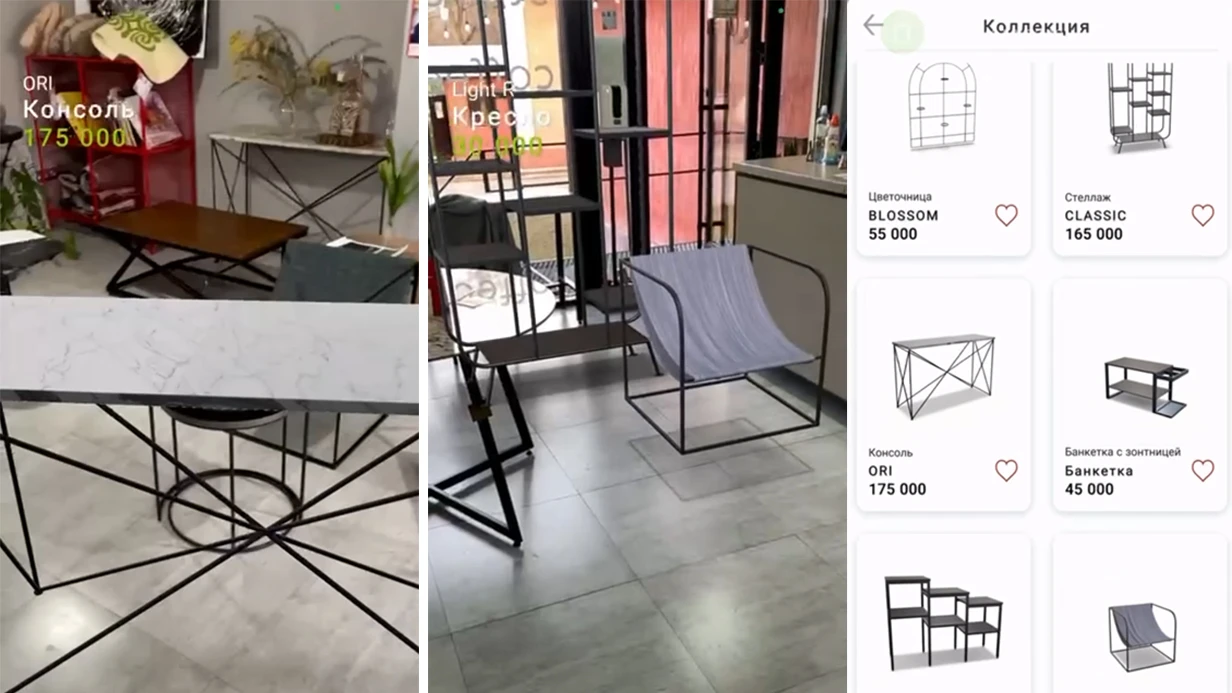
אדם פותח את האתר בטלפון שלו, מכוון את המצלמה למטבח שלו, ורואה את המטבח בקנה מידה אמיתי: הוא יכול להסתובב, להעריך את הצבע בתאורה שונה, לפתוח את החזיתות, ולוודא שהכל מתאים בצורה מושלמת.
זו לא רק מודל תלת-ממדי — זו התאמת רהיטים וירטואלית מדויקת הקשורה לגיאומטריה של החדר.
הקונה מתנסה במטבח תוך כמה דקות ובונה אמון במותג. הוא לא צריך ללכת לאולם תצוגה, לחכות לביקור מדידה, או לנחש מתמונות.
אינטראקציה זו מקצרת את מחזור קבלת ההחלטות ומגבירה את ההמרה באתר — המבקר מפסיק להיות "רק מסתכל" ומגיע לבקשת חישוב עלות.
אנחנו בונים התאמת WebAR שעובדת ישירות בדפדפן, ללא התקנת אפליקציה וללא כישורים מיוחדים. מספיק סמארטפון רגיל — טכנולוגיית מציאות רבודה מקצועית ותשתית שרת מכווננת היטב עושים את השאר. אתה מקבל כלי שמוכר מטבחים בכל שעה ביום ומכל מכשיר.
מה ויזואליזציה אינטראקטיבית תלת-ממדית של מוצר נותנת לעסק
ויזואליזציה אינטראקטיבית תלת-ממדית של רהיטים הופכת קטלוג רגיל לכלי מכירה. הלקוח לא רק מסתכל על תמונה — הוא רואה איך המטבח ישתלב במטבח שלו ואיך חומרים וצבעים משתלבים יחד.
זה מסיר את החסם העיקרי לרכישה: הפחד מטעות ובחירה ב"דבר הלא נכון".
הודות לבהירות החזותית, הלקוח מקבל החלטות מהר יותר. בחנות רהיטים עם ויזואליזציה תלת-ממדית, עסקאות נסגרות לעתים קרובות יותר באופן ניכר: במקום רינדור מופשט, האדם מקבל תרחיש אישי משלו.
ככה בדיוק ההמרה גדלה בחנות רהיטים — המבקר מגיע לקופה במקום לעזוב כדי "לחשוב על זה" ולעולם לא לחזור.
כאשר קונים רואים את המוצר במרחב שלהם מראש, הסיכון לפער בין ציפיות למציאות פוחת.
פחות החזרות משמעותן חיסכון במשלוח, אריזה, ושיקום מצב המוצר למכירה, כמו גם שמירה על מרווח רווח שבדרך כלל הולך לאיבוד במכירה חוזרת או בהנחות.
ויזואליזציה אינטראקטיבית תלת-ממדית של רהיטים גם עוזרת להציג פריטים נלווים: משטחי עבודה, חיפויי קיר, מכשירי חשמל מובנים, ואביזרים. כתוצאה מכך, הסל הממוצע גדל — הלקוח מוסיף ברצון דברים שמתאימים בצורה מושלמת לפרויקט שלו.
והחוויה של "להרכיב את המטבח שלי" יוצרת חיבור רגשי למותג: לקוחות כאלה חוזרים לעוד רהיטים וממליצים על החנות לחברים.
פורמטים של יישום AR/VR לעסקי הרהיטים
משימות שונות דורשות כלים שונים: מישהו צריך להראות במהירות מטבח ללקוח באתר, מישהו רוצה להשאיר מבקרים באולם התצוגה זמן רב יותר, ומישהו רוצה לתת לקונה "לחיות עם" המטבח במשך שבוע לפני הרכישה.
אנחנו בוחרים פורמט למשפך המכירות שלך כך ש-AR/VR יעבוד למדד עסקי ספציפי: גידול בהמרה, סל ממוצע, או פניות חוזרות.
להלן שלוש אפשרויות יישום עיקריות. זה לא על טכנולוגיה, אלא על תרחישים: איפה כל פתרון נותן תוצאה מקסימלית.
| פורמט | למי זה מיועד | מה זה נותן ללקוח |
|---|---|---|
| התאמה באינטרנט (WebAR) | לחנויות מקוונות, קטלוגים, פרסום ממוקד | הקונה "ממקם" את המטבח במטבח שלו ישירות בדפדפן, ללא התקנת אפליקציות. תצוגה מהירה באתר — המרה גבוהה יותר לפניות, פחות ספקות והחזרות משלוח. |
| אפליקציית AR לנייד | לאולמות תצוגה, משווקים, תוכניות נאמנות | יועץ אישי בטלפון: הלקוח יכול לנסות מטבחים בבית, לשמור אפשרויות מועדפות, ולהביא אותן לאולם התצוגה. דיאלוג נוח עם המותג וסיבה לביקור חוזר. |
| אולם תצוגה VR | לאולמות תצוגה, ירידים, משאים ומתנים B2B | שקיעה מלאה: הלקוח "מסתובב" במטבח העתידי, פותח ארונות, ומחליף חומרים בזמן אמת. רושם חזק ותחושה של פרויקט מושלם — קל יותר למכור מטבחים יקרים ולסגור עסקאות מהר יותר. |
באיזה פורמט כדאי לבחור? זה תלוי איפה אתה מאבד את הלקוח לרוב. אם זה באתר, התחל עם התאמה באינטרנט: היא מופעלת מהר ואינה דורשת פעולה מהמשתמש. אם אתה צריך אפקט וואו וסלים גדולים יותר, לך על אולם תצוגה VR.
ואפליקציה לנייד מועילה כאשר אתה צריך קשר מתמשך עם הלקוח לאחר ביקור באולם התצוגה.
אנחנו עוזרים לך להחליט על התרחיש וליישם את הפורמט הנכון — מאב-טיפוס ועד השקה. אתה מקבל לא "טכנולוגיה לשם טכנולוגיה", אלא כלי שמודד תוצאות במספרים שאתה מבין: מספר התאמות, פניות, ופניות חוזרות.
שלבי יישום הפרויקט להתאמה: מבריף ועד אנליטיקה
ללקוח, מה שחשוב זה לא פרטים פנימיים אלא שקיפות: מתי יופיעו התוצאות הראשונות, מי אחראי על כל שלב, ואיך אתה עוקב אחר ההתקדמות.
לכן אנחנו מפרקים את יישום התאמת המטבח ב-WebAR לשלבים ברורים — עם לוחות זמנים קבועים ונקודות בדיקה.
-
בריף והגדרת מטרות. אנחנו מתעדים מה אתה רוצה להשיג: התאמה לדגם אחד או לקו שלם, לאיזה קהל אתה מתכנן להגיע, ובאילו מכשירים לקוחות יפתחו את התרחיש. התוצאה היא מפרט טכני ולוח זמנים עבודה.
-
הכנת מודלים תלת-ממדיים של מטבחים. אנחנו הופכים תמונות, שרטוטים, או מודלים קיימים לגרסאות תלת-ממדיות מותאמות שנטענות מהר בסמארטפונים. אנחנו מוודאים את הריאליזם של חומרים, צבעים, ואביזרים — המטבח חייב להיראות כמו אמיתי.
-
הרכבת תרחיש התאמת ה-AR. אנחנו מגדירים זיהוי חדר, קנה מידה, ומיקום המטבח ביחס לקירות ורצפה. אנחנו חושבים על הפקדים: החלפת צבעי חזיתות, פתיחת מגירות, שינוי גודל — כל מה שחשוב ללקוחות שלך.
-
בדיקה על מכשירים אמיתיים. אנחנו בודקים את התרחיש על דגמי iPhone ו-Android פופולריים: דיוק שכבת העל, מהירות הפעלה, ונוחות הממשק. בשלב זה אנחנו מתקנים את כל השגיאות כך שהלקוח לא יתקל בבעיות בזמן השימוש.
-
שילוב WebAR באתר או בקטלוג שלך. אתה מקבל קישור מוכן וקוד הטמעה — ההתאמה נפתחת עם כפתור, ללא התקנת אפליקציה. אנחנו מחברים אנליטיקה: אתה רואה כמה משתמשים הפעילו את התרחיש, כמה זמן הם interacted, ובאילו שלבים הם עוצרים.
-
השקה, הדרכת צוות, ואנליטיקה. אנחנו מספקים הוראות פשוטות ועוזרים לך למקם כפתורים וקודי QR במקומות הנכונים. אחרי השבועות הראשונים, אנחנו מראים מדדים: המרה לפניות, ביקורים חוזרים, זמן אינטראקציה — ומציעים שיפורים אם אנחנו רואים נקודות צמיחה.
לוח הזמנים לפרויקט התאמה תלוי במספר המודלים ובמורכבות התרחיש: בדרך כלל 1 עד 3 שבועות למחזור מלא. כל שלב מסתיים בבדיקה קצרה כדי שתוכל לראות את התוצאה ולהתאים סדרי עדיפויות בלי לאבד תקציב או זמן.
מה כלול במסירת הפרויקט הסופית
כאשר אתה מזמין פיתוח של התאמת מטבח ב-AR, אתה מקבל לא "קוד פרומו" אלא כלי מכירה מוכן לשימוש. הפרויקט מורכב מאבני בניין ברורות: האפליקציה, השילוב עם הקטלוג שלך, הדרכה, ותמיכה לאחר ההשקה. להלן הרשימה המלאה של מה שכלול במסירה הסופית.
- אפליקציית AR עובדת להתאמת המטבח. היא נפתחת על הסמארטפון של הלקוח ללא מאמץ נוסף: האדם מכוון את המצלמה לסמן, בוחר מודולים, מחליף צבעים וחזיתות, ורואה את קנה המידה והמיקום במרחב שלו.
- שילוב עם קטלוג הרהיטים שלך. המודלים, החומרים, והמחירים שלך נטענים למערכת; כאשר הקטלוג מתעדכן, התאמת ה-AR מתעדכנת עצמה — ללא מעורבות מתכנת.
- תרחישי שימוש מוכנים. אנחנו מגדירים את ההתאמה לאתר, לאולם התצוגה, וליריד ונותנים הוראות כיצד לפרוס אותה במהירות בכל נקודת מגע עם הלקוח.
- לוח מחוונים לניהול פרויקט. אתה רואה פעילות משתמשים: כמה אנשים "ניסו" את המטבח, אילו מודולים נצפו הכי הרבה, ובאילו ערים זה הופעל — הנתונים האלה עוזרים לך להבין ביקוש.
- חומרי הדרכה למנהלים שלך. מדריך וידאו ודף רמזים קצר כדי שהמוכרים שלך יוכלו להראות ללקוחות איך לפתוח את ההתאמה ולהשתמש בה כדי לסגור עסקה.
- תמיכה בפרויקט לאחר ההשקה. אנחנו מטפלים בתחזוקה טכנית, ניטור יציבות, ועדכונים — אתה לא נשאר לבד עם הקוד.
בקיצור: חבילת מסירת פרויקט AR ללא הפתעות. הכל כבר מוגדר, מתועד, ונתמך — כל מה שאתה צריך לעשות זה להשתמש בתוצאה במכירות ולהראות ללקוחות את המטבח העתידי שלהם לפני שהם קיבלו החלטה.
מקרה בוחן: איך סטודיו רהיטים הגדיל פניות פי 2.5
סטודיו הרהיטים UyutKuhnya התמודד עם בעיה טיפוסית: מבקרים בילו זמן רב בבחירת מטבח אך לעתים קרובות סירבו לקנות כי לא יכלו לדמיין איך הוא ישתלב במרחב שלהם. לקוחות הגיעו לאולם התצוגה, מדדו, ואז הלכו לאיבוד בספקות.
פיתחנו עבורם אפליקציית מציאות רבודה מבוססת אינטרנט: הקונה מכוון את מצלמת הסמארטפון למטבח שלו ורואה את המטבח הנבחר בקנה מידה אמיתי. אין צורך להוריד כלום — הכל עובד ישירות בדפדפן.
תוצאות היישום
ברבעון הראשון, מספר הפניות גדל פי 2.5. זמן הבחירה הממוצע ירד משלושה שבועות ליומיים — לקוחות הפסיקו לעזוב "לחשוב על זה". וחלק הביקורים החוזרים באולם התצוגה גדל ב-30%.
המלצת לקוח
ראש הסטודיו, אירינה, מציינת: "נהגנו לבזבז שעות על ייעוץ, אבל עכשיו לקוחות מגיעים כבר עם החלטה. התאמת ה-AR הפכה לטיעון המרכזי שלנו במשא ומתן."
היישום לא דרש שינויים בתהליך הייצור של הסטודיו — הגדרנו שילוב עם הקטלוג שלהם והדרכנו את המנהלים. המקרה מראה בבירור שהתאמת ה-AR מחזירה את עצמה בתוך החודשים הראשונים, ונותנת לעסק תוצאה מדידה.
איך לבחור פורמט לתקציב ולמטרות שלך?
הבחירה בין WebAR קל לפתרון VR מלא נקבעת לא לפי עלות הטכנולוגיה עצמה, אלא לפי התוצאה שאתה רוצה להשיג.
אם המטרה שלך היא להראות את המטבח לכמה שיותר לקוחות ללא חסם התקנת אפליקציה, WebAR הוא האפשרות הטובה ביותר: האדם פותח קישור, מכוון את המצלמה, ורואה את המטבח בדירה שלו.
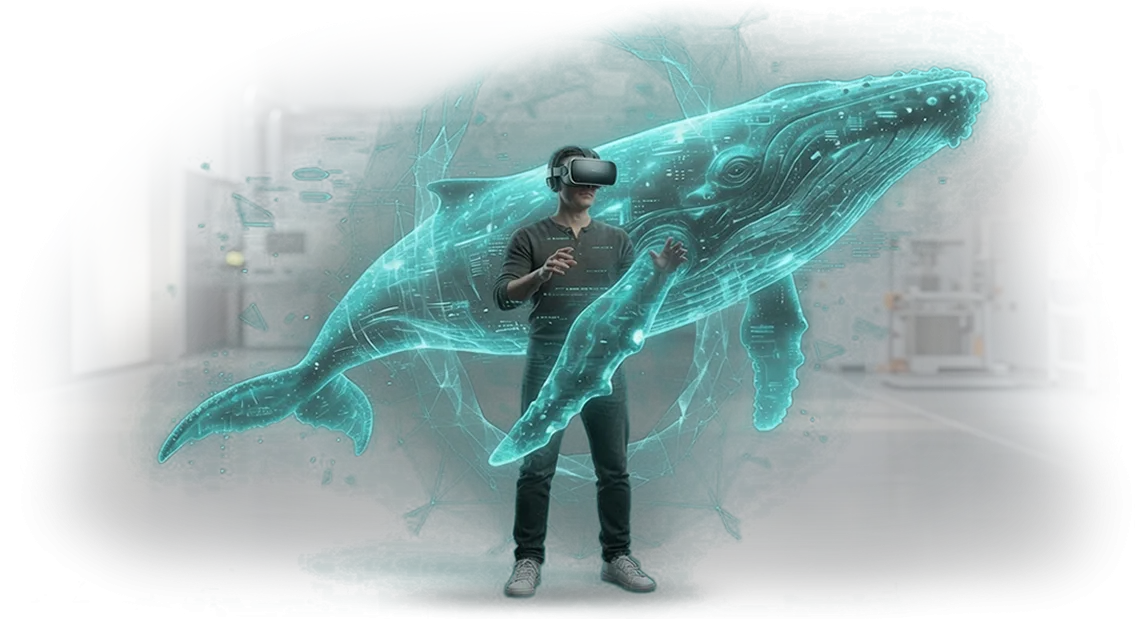
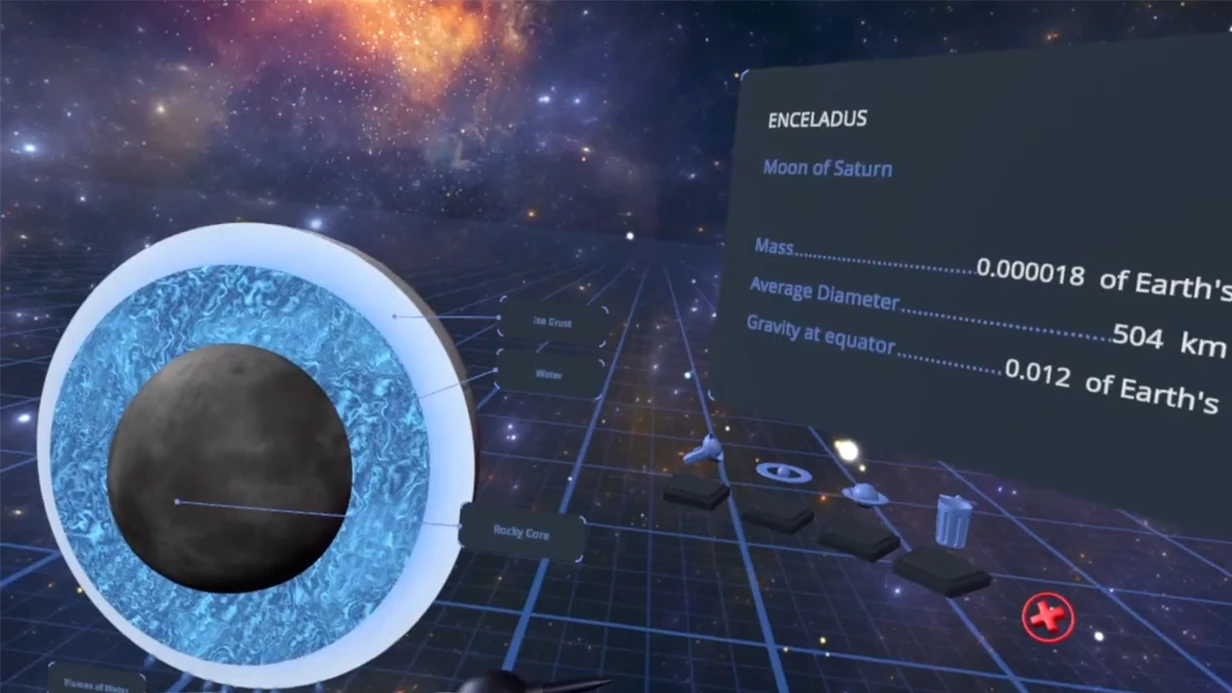
אם אתה צריך שקיעה עמוקה, רינדור חומרים מפורט, ויכולת "לחיות דרך" תרחיש, אז סביבת VR מלאה היא הבחירה הנכונה.
הקריטריון השני הוא הקהל וערוצי המכירה. לקמפיין פרסומי במדיה חברתית ובאתר, WebAR מספק טווח הגעה מיידי ונשירה מינימלית.
לאולם תצוגה, יריד, או מכירות אישיות עם מנהל, VR יוצר אפקט וואו ומחזיק תשומת לב לאורך זמן. תחשוב איפה הלקוח פוגש את המוצר שלך: ככל שיש לך יותר נקודות מגע, כך פורמט קל יותר הוא קל יותר. ככל שהפתרון מורכב ויקר יותר, כך שקיעה מלאה הגיונית יותר.
הנקודה השלישית היא תרחיש ההתאמה. WebAR מתמודד עם המשימה הבסיסית בצורה מושלמת: הצגת מידות, צבע, וסגנון המטבח בסביבה אמיתית.
VR מוסיף אינטראקטיביות: אתה יכול לפתוח חזיתות, למשוך מגירות, להחליף משטח עבודה בזמן אמת, ו"להסתובב" במטבח. אם לקוח צריך להעריך ארגונומיה ופרטים, VR חיוני. אם יישור חזותי מספיק, WebAR יעשה את העבודה מהר יותר וזול יותר.
כמו כן, שקול מי קהל היעד שלך. קהל צעיר יותר מתחבר בקלות לפורמטים חדשים, אבל עבור לקוחות מבוגרים או כאלה שלא נוח להם עם טכנולוגיה, WebAR עם פעולות מינימליות יהיה אמין יותר.
כמו כן, זכור תמיכה טכנית: פתרון VR מלא דורש הגדרת ציוד בנקודת המגע, בעוד WebAR עובד על כל סמארטפון מודרני.
אם אתה לא בטוח איזה פורמט מתאים לעסק שלך, התחל עם פיילוט קטן: אנחנו נעזור לך לבחור פתרון AR לתקציב ולמטרות שלך, נראה איך כל פורמט משתלב במשפך המכירות שלך, ונכין גרסת בדיקה.
כך אתה מקבל תוצאה מדידה לפני השקעות גדולות ומקבל החלטה על סמך מספרים, לא ניחושים.
שאלות נפוצות על יישום התאמה אינטראקטיבית
לפני השקת התאמה אינטראקטיבית, לכל צוות יש את אותן שאלות: האם מבקרים יוכלו להתמודד עם זה, האם הפתרון יעבוד עם המכשירים הקיימים, וכמה זה מאובטח.
אנחנו עונים על החששות העיקריים בקצרה ולעניין — כדי שתוכל לקבל החלטות על סמך עובדות ולא ניחושים.
האם קשה למבקרים להבין את זה?
התאמה אינטראקטיבית מעוצבת כך שאורח יכול להתחיל להשתמש בה ללא הוראות: פתח את המצלמה — ראה את המטבח במרחב שלו. הודות לממשק אינטואיטיבי והנחיות על המסך, חלק ההפעלות המוצלחות מגיע ל-90% מהמגע הראשון.
שגיאות ממוזערות, ואם עולות שאלות, הצוות שלנו יראה לעובדים שלך איך לעזור לאורח תוך כמה שניות.
אין צורך להכשיר צוות לתרחישים מורכבים: בריף קצר אחד, והצוות יכול לתמוך במבקרים בכוחות עצמו. אנחנו גם מספקים דף רמזים לעובדים כדי שכל שאלה של אורח תיפתר במקום.
מה אם מבקר לא משתמש בסמארטפון?
אנחנו מספקים תרחיש חלופי: מצב הדגמה נפתח על הטאבלט שלך, שבו המנהל מראה איך המטבח נראה בחדר. זה עוזר לערב אפילו את אלה שלא רוצים להרים טלפון.
אילו מכשירים נתמכים?
הפתרון עובד על סמארטפונים וטאבלטים מודרניים מבוססי iOS ו-Android — כך שהוא מתאים כמעט לכל מבקר. אין צורך לרכוש ציוד נוסף: אין משקפיים, סמנים, או חיישנים מיוחדים. זה גם מבטיח הגדרה קלה באולם תצוגה או על דוכן תערוכה.
אנחנו גם בודקים תאימות לרשימת המכשירים שלך בשלב הבדיקות מראש, כך שעד זמן ההשקה אתה יודע בוודאות שהכל עובד ללא תקלות.
אם לחלק מהאורחים יש חומרה ישנה יותר, האלגוריתם החכם מציע מצב צפייה מפושט מבלי לאבד את ההשפעה החזותית.
מה אם למבקר יש חיבור אינטרנט חלש?
יש לנו גרסה לא מקוונת למודלים מרכזיים: בזמן שהאינטרנט נטען, האורח כבר רואה את ההתאמה במצב מפושט. התמונה משתפרת אוטומטית ברגע שהחיבור הופך ליציב.
איך נתוני הלקוחות מוגנים?
אנחנו מבינים שהתאמה לא צריכה להפוך לאיסוף נתונים אישיים. לכן פיתחנו את הפתרון כך שהוא לא דורש הרשאה, והתמונות והסרטונים של המבקר מעובדים ישירות על המכשיר שלו ולא נשלחים לשרת אלא אם כן יש צורך.
אף צד שלישי לא מקבל גישה להקלטה — זה עומד בדרישות אבטחה בסיסיות ומגן על המוניטין של המותג שלך.
כל האנליטיקה של השימוש היא אנונימית: אתה רואה רק סטטיסטיקה כללית — כמה אורחים פתחו את ההתאמה, כמה זמן הם interacted, ועל איזה דגם מטבח הם עצרו. זה עוזר לך לאמוד עניין מבלי לחשוף את זהותו של לקוח ספציפי.
האם יש צורך לקבל הסכמה לעיבוד נתונים?
ברוב המקרים, לא, כי אתה לא אוסף או מאחסן נתונים אישיים. אם יש לך מדיניות פנימית או דרישות חוקיות, נתאים את התנהגות המערכת בהתאם — לדוגמה, נוסיף מסך אזהרה או נשבית הקלטת וידאו.
אם עדיין יש לך שאלות על יישום או רוצה לבדוק את ההתאמה על המכשיר שלך, כתוב לנו. נמצא פתרון לפורמט שלך ונראה לך איך זה עובד בפועל.הזמן הערכת עלות לפרויקט שלך
כל פרויקט התאמת מטבח הוא ייחודי: יש לך מידות חדר משלך, סגנון פנים, ופרופיל לקוח. אין פתרון קופסא מוכן למשימות כאלה, אז אנחנו מחשבים את העלות לרעיון ספציפי ולא משתמשים במחירון ממוצע.
זה מונע תשלום יתר על אפשרויות מיותרות ונותן לך הערכה מדויקת לפני תחילת העבודה.
השאר בקשת פיתוח — ונחזור אליך תוך יום עסקים אחד עם הצעה אישית. היא תכלול:
- חישוב עלות AR למשימה שלך: היקף עבודה, לוח זמנים, ושלבים ללא עמלות נסתרות.
- בחירת פורמט: WebAR ללא התקנת אפליקציה או אולם תצוגה VR — מה שיותר קל ונוח ללקוחות שלך.
- ניתוח תרחיש התאמה: כמה מטבחים, חזיתות, וחומרים להציג כדי שהקונה יקבל החלטה מהר יותר.
- המלצות לשילוב עם הקטלוג והחנות המקוונת שלך — איך להפוך צפיות לפניות.
- דרישות טכניות לאתר ולסמארטפונים של המבקרים — מה צריך לשפר ומה כבר מוכן להשקה.
- תוכנית יישום ברורה: ממודל ועיצוב ועד בדיקה על מכשירים אמיתיים ומסירת הפרויקט אליך.
כך אתה מקבל הערכה שקופה והבנה איך בדיוק כלי ה-AR ישפיע על ההמרה. לא "תתקשר אלינו בעוד שבוע" — אנחנו שולחים פתרון מוכן שאתה יכול לדון בו, להתאים, ולאשר עם ההנהלה שלך.
כדי לקבל הערכת עלות AR, מלא את הטופס למטה או כתוב לנו בהודעה. נבהיר כמה שאלות על המשימה שלך, נכין הצעה אישית, וניתן לך לוח זמנים לתקציב ולמטרות שלך.