



מתאימים ציוד ספורט בלי חדר מדידה: האם אתם מפסידים מכירות?
קונה בוחר קסדה, כפפות או ציוד לא לפי תמונה בקטלוג אלא לפי תחושה. אם אי אפשר למדוד את הציוד ולהעריך את ההתאמה, הספק מנצח — האדם סוגר את הטאב ועובר למתחרים שבהם קיימת אפשרות למדידת מוצר.
אלה הפסדים שקטים: אתם משלמים על תנועה ופרסום, אבל ההמרה צונחת דווקא בשלב בחירת המידה וההתאמה.
חנויות מקוונות ורשתות קמעונאיות מאבדות עד מחצית מקוני ציוד הספורט כי בלי למדוד, קשה להאמין שהפריט יתאים.
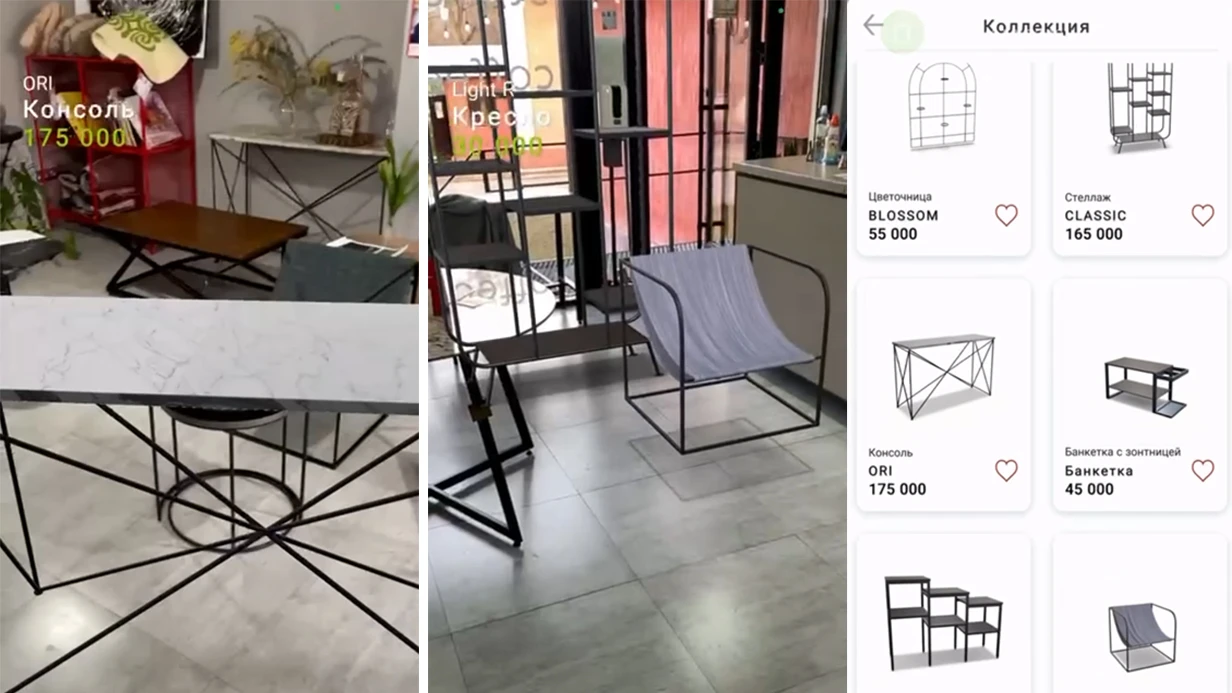
מדידה וירטואלית באמצעות AR פותרת את הבעיה: הקונה "לובש" את המוצר ישירות בדפדפן בטלפון שלו, רואה את הפרופורציות ומקבל החלטה מהר יותר. זה לא העתיד — זה כלי עובד שכבר מגדיל המרות ומפחית החזרות.
הטמעת AR לחנויות לא דורשת התקנת אפליקציות או ציוד מורכב. מצלמת סמארטפון מספיקה: הלקוח פותח את דף המוצר ותוך כמה שניות רואה איך הציוד מתאים לו.
המבחר והמותג נשארים זהים, אבל הספק "האם זה יתאים לי" נעלם — ההחלטה מתקבלת כאן ועכשיו, בלי נסיעה לחנות פיזית.
אנחנו נותנים מענה לצורך הזה: אנחנו מפתחים מדידה וירטואלית לציוד ספורט שמשתלבת באתר שלכם ועובדת מהקליק הראשון. המוכר מקבל המרה גבוהה יותר, הקונה מקבל ביטחון בבחירה שלו, ואתם מקבלים יתרון תחרותי שמחזיר את ההשקעה כבר מההזמנות הראשונות.
מה הטמעת AR נותנת לחנות שלכם
מדידה וירטואלית היא דרך להסיר את המחסום המרכזי לקניית ציוד ספורט באינטרנט: אי-הוודאות של "האם זה יתאים, האם זה יתאים לי." הלקוח רואה את הציוד על עצמו לפני התשלום — ומחליט בביטחון, לא באקראי.
הטמעת AR מחזירה את ההשקעה לא כ"טכנולוגיה לשם הטכנולוגיה" אלא ככלי שמשפיע ישירות על הכנסות והחזרות.
אנחנו מיישמים פתרונות כאלה לקמעונאות כבר שנים ויודעים בדיוק אילו יתרונות חנות מקבלת כשמשיקה מדידה וירטואלית.
יתרון: פחות החזרות
החזרות הן כסף אבוד ולוגיסטיקה. כשהלקוח רואה איך קסדה, תרמיל או ציוד מגן נראים עליו, הוא עושה פחות טעויות במידה ובדגם.
בפרויקטים שלנו, חלק ההחזרות לאחר השקת מדידת AR יורד ב-20–30%, מה שאומר עלויות משלוח חוזר נמוכות יותר ופחות זמן צוות בעיבוד.
יתרון: ערך הזמנה ממוצע גבוה יותר
מדידה מעודדת מכירות נוספות: לקוח "לובש" קסדה ומיד רואה כפפות תואמות, ועם אופניים — משקפיים ומגני ברכיים. רמזים ישירות בממשק מרכיבים סט של כמה מוצרים.
כתוצאה מכך, ערך ההזמנה הממוצע גדל — הקונה לוקח לא פריט אחד אלא כמה כי הוא יכול לראות איך הם עובדים יחד.
יתרון: נאמנות לקוחות
חוויה יוצאת דופן ונוחה נזכרת. אם המדידה עובדת מהר ובלי תקלות, הלקוח נוטה יותר לחזור לחנות ולספר עליה לאחרים ברשתות החברתיות.
זו חשיפה חינמית ומוניטין של "חנות טכנולוגית," שחשוב במיוחד לקהלים צעירים יותר.
יתרון: נתוני לקוחות
AR מראה אילו מוצרים משתמש מנסה, כמה זמן הוא מבלה בעמוד ומה הוא משלב. משווקים וקונים יכולים לראות את הנתונים האלה: אילו דגמים פופולריים, אילו מידות מבוקשות. זה הופך את המבחר למדויק יותר ואת קמפיינים הפרסום לזולים ויעילים יותר.
בסך הכול, מדידה וירטואלית הופכת אתר מקטלוג לכלי מכירות אינטראקטיבי. היא עובדת עבור ה-ROI שלכם: מפחיתה עלויות, מגדילה המרות ובונה קשרים ארוכי טווח עם לקוחות.
פורמטי אינטגרציה: WebAR, משקפי VR או אפליקציה לנייד
לחנויות ציוד ספורט ולמותגי ציוד, מדידה היא רגע המפתח של הספק: האם המידה תעבוד, האם ההתאמה תהיה נכונה, האם יהיה נוח בתנועה.
שלושה פורמטי אינטגרציה פותרים את המשימה הזו אחרת, והבחירה תלויה במקום שבו הלקוח פוגש את המוצר: באתר, בחנות או באפליקציית המותג.
| פורמט | למי זה מיועד | מה זה נותן ללקוח |
|---|---|---|
| WebAR — מדידה באתר באמצעות מצלמת סמארטפון | חנויות מקוונות, מרקטפלייסים, מותגים עם נוכחות פעילה ברשתות חברתיות | הקונה "לובש" נעלי ספורט או קסדה בנגיעה אחת — בלי להתקין אפליקציות. ההמרה לעגלה עולה ושיעור ההחזרות עקב מידה שגויה יורד. |
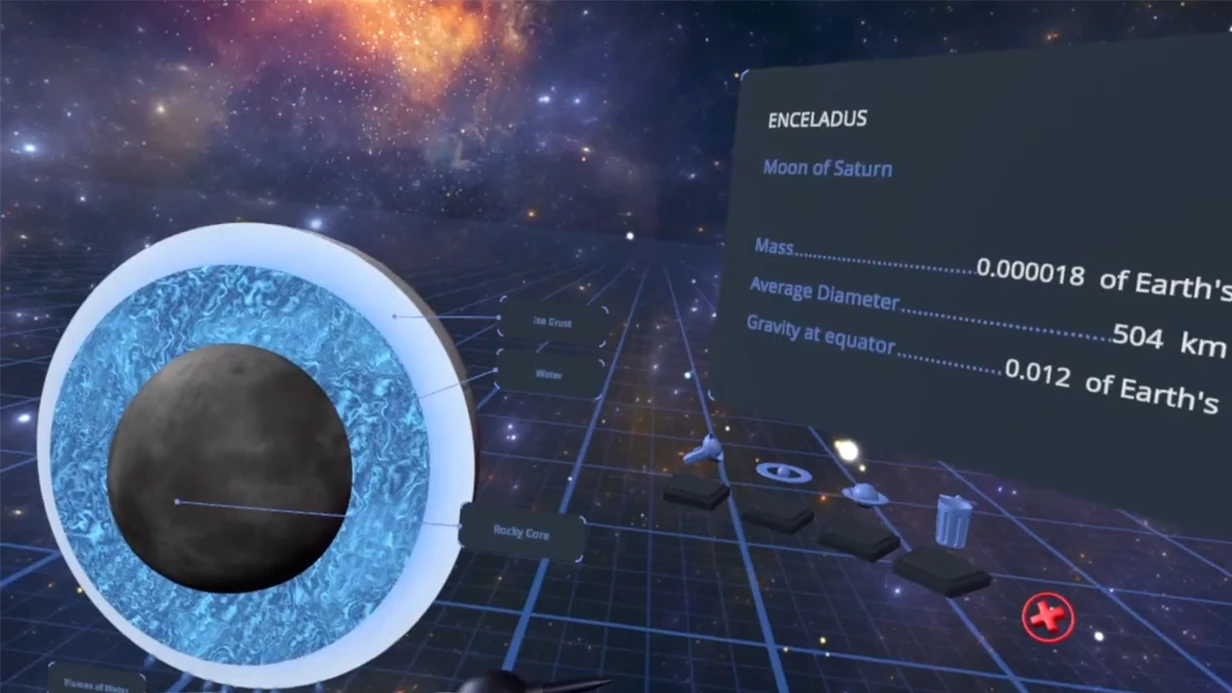
| משקפי VR — טבילה מלאה בסביבה | מיקומים קמעונאיים, אולמות תצוגה, אירועי ספורט | המבקר מנסה ציוד במרחב וירטואלי, יכול לבחון אותו מכל הצדדים ולהעריך את ההתאמה בתנועה. יוצר אפקט וואו, שומר על תשומת לב בדוכן ומגדיל את זמן השהייה עם המותג. |
| אפליקציה לנייד — קטלוג עם צפיית AR והמלצת מידה | מותגים עם קהל נאמן ותוכנית נאמנות | ערוץ תקשורת קבוע: הלקוח חוזר, מקבל מבחרים מותאמים אישית ומנסה פריטים חדשים בלי לצאת מהבית. מגדיל מכירות חוזרות ואוסף נתוני העדפות. |
כל פורמט פותר משימה משלו: WebAR מסיר את המחסום באתר, משקפי VR הופכים את המדידה לחוויה רגשית במיקום פיזי, ואפליקציה לנייד בונה קשרים ארוכי טווח עם הקונה.
אנחנו נמליץ על האפשרות הטובה ביותר עבור מודל המכירות שלכם ונעזור לשלב אותה עם התהליכים הקיימים שלכם.
איך מתנהל הפיתוח: שלבי הפרויקט
פיתוח פתרון AR למדידת ציוד ספורט הוא תהליך שבנינו כך שתבינו מה קורה ומתי תקבלו את התוצאה. שלבים שקופים עם נקודות אישור מבטלים הפתעות ועלויות מיותרות.
-
בריף וצלילה למשימה. אנחנו מנתחים איפה ואיך הלקוחות שלכם ימדדו ציוד — באתר, באפליקציה או במיקום קמעונאי. הפלט הוא מפרט טכני והערכת עלות.
-
אישור אב טיפוס ותסריט. אנחנו בונים מודל אינטראקטיבי ומראים את ההיגיון והעיצוב של המדידה העתידית. אתם עורכים שינויים לפני תחילת הפיתוח הראשי.
-
פיתוח ואינטגרציה. אנחנו יוצרים את הפתרון עצמו: טעינת מודלים תלת-ממדיים, בחירת מידה, שכבת-על על התמונה, אנליטיקה. אנחנו משתמשים בכלים מוכחים — התוצאה יציבה בכל מכשיר.
-
בקרת איכות. אנחנו בודקים במכשירים שונים ובתנאי תאורה שונים, בודקים מהירות ודיוק שכבת-העל. אתם מקבלים דוח בדיקות.
-
השקה וחיבור. אנחנו פורסים את הפתרון באתר או באפליקציה שלכם, מגדירים אנליטיקה ו-CRM ונותנים הוראות לצוות שלכם.
-
תמיכה ופיתוח. אנחנו עוקבים אחר יציבות, מעדכנים מודלים כשהמבחר משתנה ומוסיפים פונקציות לפי המשימות שלכם.
כתוצאה מכך, כל שלב מסוכם, אתם רואים תוצאות ביניים ושולטים בלוח הזמנים. פרויקט טיפוסי אורך 2–4 שבועות — אתם יודעים בדיוק מתי האפליקציה תעלה לאוויר.
מה כלול במסירה: ערכת הפתרון המלאה שלכם
מה כלול במסירה
כשאתם מזמינים פיתוח WebAR למדידת ציוד ספורט, אתם לא מקבלים "רק קבצי מקור במייל" אלא מוצר מוכן לשימוש מלא. אנחנו מוסרים פתרון שאפשר להשיק, לתחזק ולפתח מיד — בלי תלות בנו.
-
אפליקציית WebAR עובדת — מועלית לאחסון שלכם ומוגדרת לעבודה עם המצלמה של כל סמארטפון מודרני. מבקר פותח את העמוד, מכוון את המצלמה אל עצמו ורואה קסדה, משקפיים או ציוד מגן על הפנים שלו בזמן אמת.
-
פאנל ניהול — המשווק ומנהל התוכן שלכם יכולים לשנות באופן עצמאי דגמי ציוד, מבצעים עדכניים ומחירים. לא צריך מפתח: הממשק אינטואיטיבי.
-
קוד מקור — מכלול הקוד המלא וכל הנכסים שבהם נעשה שימוש בפרויקט. הם עומדים בתקני פיתוח, מתועדים ונשארים רכושכם ללא הגבלות.
-
תיעוד — שני חלקים: הוראה קצרה לעובדים ("איך להעלות מודל חדש") ותיעוד טכני לצוות הפיתוח שלכם ("איך הפרויקט בנוי ומה לשנות"). זה מסיר תלות באנשים ספציפיים.
-
הכשרת צוות — שני מפגשים מקוונים שבהם המשווק ומנהל התוכן שלכם לומדים לעבוד עם פאנל הניהול. אנחנו לא "מוסרים את הפרויקט ונעלמים"; אנחנו מביאים את הצוות לשימוש עצמאי ובטוח.
-
תמיכה טכנית — חודשיים של תמיכה לאחר ההשקה. אתם מקבלים ערובה שכל שאלה לגבי תפעול האפליקציה תיפתר במהירות בזמן שהצוות שלכם נכנס לעניינים.
הערכה הזו נותנת מענה לפחד האופייני של הלקוח: "מה יקרה כשהמפתח יסיים את העבודה?" הכל כבר מחושב — מהחלפת תמונת מוצר ועד חיבור מודל חדש.
אתם לא קונים תהליך פיתוח; אתם קונים כלי עובד שמחזיר את ההשקעה מהיום הראשון ולא דורש מכם להבין בפרטים טכניים.
מקרה בוחן: איך מדידת AR הגדילה את ההמרה של חנות
חנות ציוד ספורט פנתה אלינו עם כאב אופייני: מבקרים היססו לעתים קרובות בבחירת ציוד, חששו לטעות במידה או בסגנון, ולכן נטשו עגלות בקופה. ההחזרות החמירו את המצב — עד שליש מההזמנות הוחזרו כי הציפיות לא תאמו.
הצענו לשלב מדידת AR ישירות בכרטיס המוצר כך שהקונה יוכל "למדוד" קסדה, תרמיל או ציוד מגן לפני הקנייה.
עבור רשת חנויות ציוד ספורט שבה יישמנו את הפרויקט הזה, קיבלנו תוצאה מדידה כבר בחודש הראשון. ההמרה לעגלה עלתה ב-38%, וחלק ההחזרות ירד ב-27% — קונים התחילו לקבל החלטות מהר יותר ומדויק יותר.
ערך ההזמנה הממוצע גם גדל ב-15%: כשאדם רואה את המוצר על עצמו, הוא מוכן יותר לבחור פריט יקר יותר שבאמת מתאים לו.
האינטגרציה ארכה פחות משבועיים בצד הלקוח שלנו: הקונה לא צריך להוריד כלום — המדידה נפתחת ישירות בדפדפן הנייד.
מבחינה טכנית, השתמשנו ב-WebAR, אבל עבור צוות החנות זה נשאר שקוף — הם קיבלו מודול מוכן שמשתלב בחנות הקיימת ולא דורש שינוי בתהליכים.
עבור הקונה, זה נראה כמו צפייה רגילה במוצר: הוא מכוון את המצלמה אל עצמו, בוחר את הציוד, רואה אותו בקנה מידה אמיתי, יכול להסתובב ולהעריך את ההתאמה. כל המחזור אורך כדקה, והכי חשוב — הוא מסיר את הפחד המרכזי מקנייה באינטרנט.
עבור החנות, זה לא "תחבולה" אלא כלי עובד להגדלת הכנסות והפחתת עלויות החזרות.
איך לבחור את הפורמט הנכון למשימה שלכם?
בחירת פורמט היא לא שאלה של טכנולוגיה אלא של מטרות ותקציב. למדידת ציוד ספורט, שתי אפשרויות מתאימות לרוב: WebAR (פתחו מצלמה — ראו את עצמכם עם קסדה) ו-VR (טבילה מלאה עם משקפיים). אנחנו עוזרים לבחור את האחת שתביא תוצאות עבור ההשקעה שלכם.
WebAR לא דורש התקנת אפליקציות — הלקוח פשוט פותח קישור או סורק קוד QR. זה נותן חשיפה מקסימלית ועובד לקמפיינים פרסומיים, אתרים ורשתות חברתיות.
VR מספק תמונה מפורטת יותר ומאפשר לבדוק ציוד בתנועה, אבל הוא דורש משקפיים ואזור ייעודי — זה מוצדק לאולמות תצוגה ואירועים. לרוב משימות מדידת ציוד הספורט, WebAR הוא אופטימלי.
| קריטריון | WebAR | VR |
|---|---|---|
| גישת לקוח | דרך דפדפן, ללא התקנה | משקפיים מיוחדים ואזור הדגמה |
| חשיפת קהל | כל סמארטפון עם מצלמה | רק מבקרים עם משקפיים |
| ריאליזם ופירוט | מספיק להערכת מידה ומראה | מקסימלי, בדיקת ציוד בתנועה |
| תקציב השקה | נמוך | גבוה: ציוד, שטח, צוות |
| זמן יישום | 1–2 שבועות | מחודש |
קריטריוני הבחירה המרכזיים הם היכן הפורמט ישמש, כמה אנשים צריכים "למדוד" את הציוד, ומה חשוב יותר: חשיפה המונית או עומק חוויה. אם המשימה היא להפוך מדידה לחלק מאתר או קמפיין פרסומי, בחרו ב-WebAR.
אם אתם מכינים דוכן תערוכה ורוצים להרשים מבקרים בטבילה מלאה, שקלו VR.
אנחנו מבצעים ביקורת על המשימה שלכם ומציעים שתיים או שלוש אפשרויות עם תקציבים שונים — ממודול אתר פשוט ועד דוכן VR מלא. אתם רואים מספרים, לוחות זמנים וחשיפה צפויה, לא "אפשרויות" מופשטות. התחילו עם WebAR: הוא עולה לאוויר מהר ונותן נתונים לשלבים הבאים. השאירו פנייה — תוך יום נכין חישוב עלות ונעזור לכם לבחור את הפורמט.
שאלות נפוצות וחששות לפני התחלה
הפחד המרכזי לפני השקת פרויקט VR/AR נשמע פשוט: "מה אם זה יתקלקל?" עבורכם, זה לא עניין טכני קטן אלא סיכון להרוס אירוע, לפגוע באמון הלקוחות ולאבד תקציב. לכן אנחנו בונים את העבודה כך שיהיו פחות חששות ויותר ביטחון.
מה קורה אם האפליקציה מתקלקלת במהלך אירוע?
אנחנו ערבים לעבודת הפיתוח שלנו ונשארים בקשר לאחר ההשקה. אם משהו משתבש ביום האירוע, אתם לא צריכים להבין את זה לבד.
אתם פונים אלינו, ואנחנו פותרים את הבעיה במהירות: אנחנו מטפלים באבחון, תיקונים וניטור בזמן שהצוות שלכם מתמקד באורחים.
איזו אחריות חלה על הפיתוח?
אנחנו מספקים אחריות אמינות מ-12 חודשים. בתקופה זו, אנחנו מתקנים שגיאות בחינם ומתאימים את המדידה לעדכוני דפדפן ומכשירים. עבורכם, זה אומר: הכסף המושקע לא "נשרף" אחרי מסירת הפרויקט אלא ממשיך לעבוד לתוצאות.
מה כלול בתמיכת AR לאחר ההשקה?
תמיכה היא לא מנוי פורמלי אלא ערוץ תקשורת ייעודי, תיקונים בעדיפות גבוהה וניטור יציבות. אם מבקרים מדווחים על בעיה, אנחנו לוקחים אותה לטיפול וסוגרים אותה בזמן מוסכם. אתם תמיד יודעים מי אחראי על השירות ויכולים להתמקד ברוגע במשימות שלכם.
אילו סיכונים אתם לוקחים על עצמכם?
הסיכון המרכזי הוא אובדן אמון הקהל עקב פיגור או שגיאות במהלך המדידה. אנחנו מסירים אותו עם השקות ניסיון במכשירים אמיתיים, מרווח אמינות בעומסי שיא ותוכנית פעולה ברורה למצבים בלתי צפויים. אתם מקבלים השקה צפויה והגנה מהפתעות.
אם נותרו ספקות — שאלו אותם לפני שמתחילים. נסביר בדיוק איך האחריות עובדת בתרחיש שלכם ונראה מה כבר עשינו למשימות דומות.דונו במשימה שלכם וקבלו הערכת פרויקט
ספרו לנו על המשימה שלכם — וקבלו הערכת פרויקט עם לוחות זמנים ברורים והיקף עבודה. אנחנו יוצרים פתרונות VR/AR/MR לעסקים כבר למעלה מ-10 שנים, כך שאנחנו מיד רואים אילו משימות נפתרות בפשטות ואילו דורשות גישה לא סטנדרטית.
לאחר ייעוץ קצר, תבינו איך מדידת AR משתלבת בתהליך המכירות שלכם ומה נדרש כדי להשיק אותה.
אתם לא משלמים כלום עבור הבדיקה הראשונה: זה ביקורת חינמית, לא התחייבות להזמין. נשאל שאלות על פורמט החנות שלכם, הקהל ותסריט המדידה, ואז נציע אפשרויות יישום — מגרסת דמו מהירה ועד אינטגרציה מלאה עם מאגר המוצרים שלכם. תקבלו לא מילים כלליות אלא רשימת צעדים, אינדיקציית תקציב ותוצאות צפויות.
מה תקבלו מיד לאחר יצירת קשר:
- הערכת פרויקט במונחים של לוחות זמנים ועלות — עלות מחושבת לאחר ביקורת.
- המלצת פורמט: מה יתאים ללקוחות הספציפיים שלכם — WebAR, אפליקציה או אפשרות משולבת.
- תוכנית יישום ברורה בלי פרטים טכניים, בשפה עסקית.
- דוגמאות לפתרונות לחנויות ספורט ומותגים שכבר עשינו.
- תשובות לשאלות על תאימות, בדיקות ותמיכה לאחר ההשקה.
- מנהל ייעודי שמוביל את הפרויקט מבריף ועד שחרור.
השאירו פנייה לייעוץ AR — נחזור אליכם תוך יום עסקים אחד. נדון במשימה שלכם, נראה איך מדידת AR תגדיל המרות ותפחית החזרות, ונציע תקציב לפורמט שלכם. אפשר להתחיל עם ביקורת חינמית: היא לא מחייבת אבל נותנת בהירות לגבי הצעד הבא.