



לקוחות עוזבים כשאין ויזואליזציה של תהליך הייצור
כשתהליך הייצור נראה רק בשרטוטים ובגיליונות אלקטרוניים, קשה ללקוח להאמין בתוצאה.
הם לא יכולים לדמיין איך ייראה בית המלאכה, איך הקווים נעים, היכן נוצרים צווארי בקבוק, או כמה ריאלי לעמוד בלוחות הזמנים המוצהרים. המשא ומתן נמשך, שאלות חדשות ממשיכות לצוץ, ובסופו של דבר הלקוח הולך למי שיכול להראות זאת ויזואלית.
בלי ויזואליזציה של ייצור, אתה מאבד לא רק את העסקה אלא גם את המוניטין של מומחה שלקוחות חוזרים אליו.
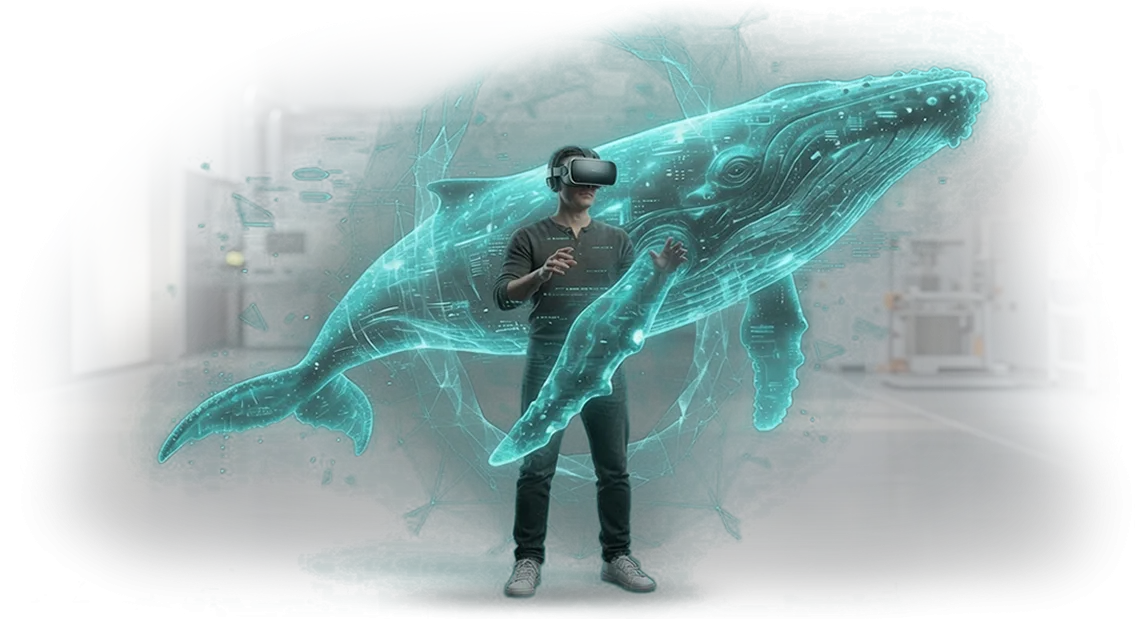
מודל אינטראקטיבי של בית המלאכה משנה את התמונה. הלקוח "מסתובב" בעצמו בתהליך הייצור, פותח קטעים, רואה זרימות חומרים ותפעול ציוד לפני ההשקה.
זו לא רק תמונה יפה — זו דרך לדבר עם הלקוח בשפה שהוא מבין, לטפל במהירות בהתנגדויות, ולקצר את מחזור קבלת ההחלטות. במקום עשרות שקופיות — כלי אחד שעונה לשאלות הלקוח ברגע האמת.
במכרזים, ויזואליזציה של ייצור הופכת ליתרון משמעותי. בזמן שמתחרים מביאים מצגות מבוססות טקסט, אתה מדגים אב טיפוס עובד.
חברי הוועדה רואים שהפרויקט מחושב עד לפרט הקטן ביותר, הסיכונים ברורים, והתוצאה צפויה. הצעה כזו נזכרת, זוכה ליותר נקודות, ובונה תדמית של שותף טכנולוגי ולא רק ספק שירות.
ויזואליזציה תומכת גם בשירות לקוחות לאחר ההשקה. אפשר להשתמש בה להכשרת עובדים, לאישור שינויי פריסה, ולהראות ללקוח כיצד המודרניזציה תשפיע על הייצור.
זה בונה אמון ובסיס למערכות יחסים ארוכות טווח — הלקוח רואה שאתה נשאר איתו בכל שלב ולא נעלם אחרי חתימת תעודת הקבלה.
כבר עזרנו למפעלים לסגור משימות כאלה. אנחנו מפתחים מודלים אינטראקטיביים וויזואליזציות ווב שברורות גם למנהל וגם לטכנולוג — זה המומחיות שלנו בתחום VR/AR/MR.
אם אתה רוצה לשמר לקוחות ולזכות במכרזים, נתחיל בבריף ונראה לך איך ייראה בית המלאכה שלך. אז השיחה תהיה על תוצאות, לא על ניחושים.
אילו יתרונות אתה מקבל מפרויקט WebAR
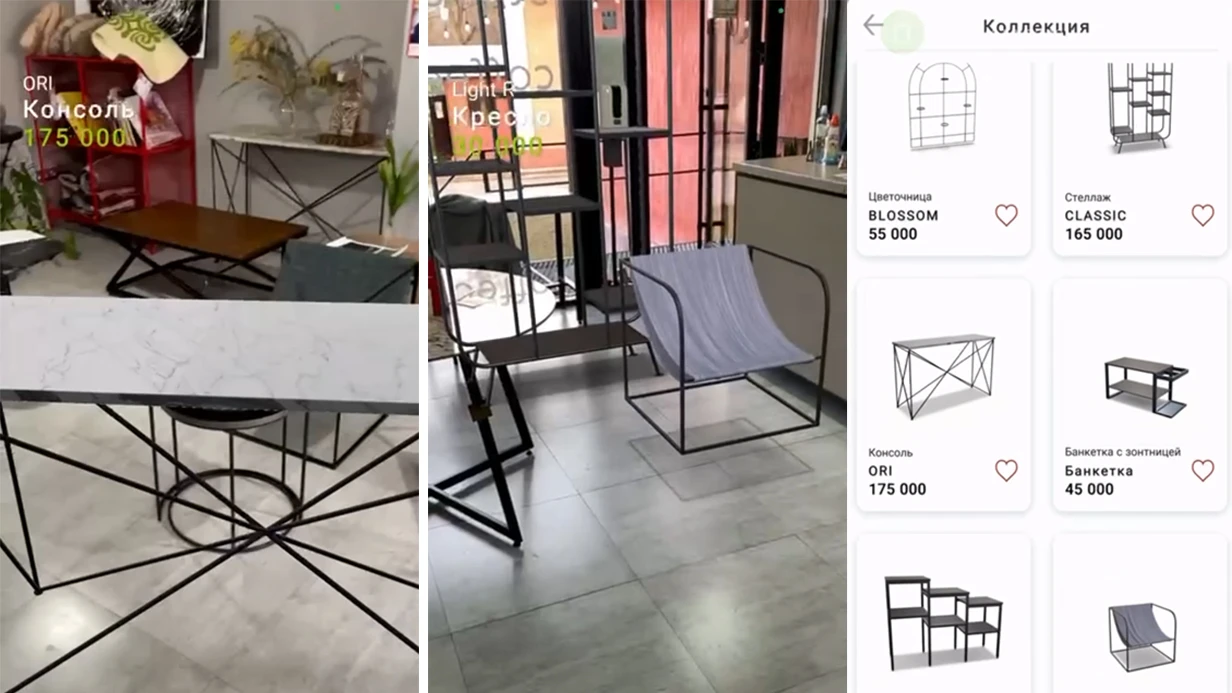
ויזואליזציה של תהליך ייצור דרך WebAR נפתחת דרך קישור או קוד QR ישירות בסמארטפון — בלי התקנת אפליקציות או ציוד נוסף. המבקר רואה מודל תלת-ממדי, יכול לסובב אותו, להתקרב לפרטים, ולראות איך הכל עובד. הפורמט הזה הופך תיאור טכני מורכב לחוויה ויזואלית שמניעה מכירות.
הצוות שלנו יוצר ויזואליזציות AR/VR ליצרנים ואינטגרטורים כבר למעלה מעשר שנים. אנחנו לוקחים את השרטוטים, הדוגמאות והתיעוד שלך ובונים סצנה תלת-ממדית אינטראקטיבית שמעבירה במדויק את מבנה המוצר. זה חוסך זמן במשא ומתן ומניב תוצאות מדידות.
מה אתה מקבל:
- מעורבות מוגברת. המבקרים מסובבים את המודל בעצמם, מפעילים אנימציות, וחוקרים פרטים. האינטראקציה הזו שומרת על תשומת הלב הרבה יותר זמן מאשר עלון או מצגת.
- תשובות מהירות לשאלות. מכלולים, חתכים ומנגנונים נעים מראים הכל ויזואלית, כך שמנהל לא צריך להסביר את מבנה המוצר עשר פעמים. המשא ומתן מתנהל מהר יותר ופרודוקטיבי יותר.
- המרה גבוהה יותר. הלקוח רואה את המוצר בפירוט לפני הפגישה ומקבל החלטה מהר יותר. ויזואליזציית WebAR מקצרת את מחזור המכירות ומגדילה את חלק הפניות שמגיעות לשלב החוזה.
- חיסכון באביזרי תצוגה וחומרים. במקום הדפסת דוכנים יקרים, באנרים ומשלוח דוגמאות פיזיות — מודל וירטואלי אחד לאתר, לתערוכות ולדיוור. שינויים נעשים בלי עלויות הדפסה.
- רושם בלתי נשכח. הדגמה מבוססת טכנולוגיה בונה אמון ביצרן ומבדלת את המותג מהמתחרים. פרויקטים משותפים ונדונים — ההכרה גדלה בלי תקציב פרסום.
ספר לנו על המוצר שלך — נראה לך איך WebAR יכול לחזק את המכירות שלך.
פורמטים של מציאות רבודה לייצור
משימות שונות בייצור דורשות פורמטים שונים של מציאות רבודה. מישהו צריך מדריך הרכבה שלב-אחר-שלב, מישהו צריך סיור בבית מלאכה שעדיין לא נבנה, ומישהו צריך להכשיר עובד חדש בלי סיכון לשבירת ציוד.
אין פתרון אחד שמתאים לכולם — אבל יש פורמטים מוכחים של WebAR שמטפלים במשימות עסקיות ספציפיות.
| פורמט | לאיזו משימה הוא משרת | מה הוא נותן לייצור |
|---|---|---|
| ויזואליזציית תהליך WebAR | הצגת הרכבה, הגדרה או תיקון ציוד שלב-אחר-שלב | מקצר את זמן ההכשרה ואת שיעורי השגיאות, מביא הוראות ישירות לעמדת העבודה |
| AR למצגות | הדגמת מוצר או קו ייצור חדש ללקוח, משקיע או בתערוכה | מראה ויזואלית מה שעדיין לא יוצר — מאיץ אישורים ומכירות |
| הכשרת עובדים | תרגול פעולות על תאום דיגיטלי של הציוד | מונע תקלות ופציעות בשלב ההכשרה, מגביר את ביטחון העובדים |
| דוכן וירטואלי | הצגת בית מלאכה, מחלקה או מתקן שלם כסיור תלת-ממדי | מחליף אביזרי תצוגה יקרים וביקורי שטח — נוח להדגמות מרחוק |
בחירת הפורמט תלויה במי ישתמש בפתרון ובאילו תנאים. לעבודה באולם הייצור, תרחיש WebAR קל שנפתח בכל סמארטפון דרך קישור או קוד QR נוח יותר. למשא ומתן עם לקוחות, מצב טאבלט עם מודלים גדולים ותסריט מצגת עובד טוב יותר.
אנחנו בוחרים את הפורמט למשימה שלך, ואם צריך, משלבים תרחישים שונים לפתרון אחד. אחר כך אנחנו בונים אב טיפוס באמצעות נתונים אמיתיים מהייצור שלך ומראים אותו על המכשיר שלך — לפני שפיתוח מלא מתחיל.
כך אתה מבין מראש איך זה יעבוד ומקבל החלטה על סמך עובדות ולא תיאורים.
איך אנחנו יוצרים ויזואליזציה לייצור שלך
אנחנו לא מתחילים עם קוד וטכנולוגיה — קודם כל אנחנו מבינים את משימת הייצור שלך. האם צריך להראות הרכבה של יחידה, להכשיר מפעיל לעבוד עם מכונה, או להדגים ללקוח איך התהליך עובד? כל תרחיש הוויזואליזציה תלוי בזה.
אחר כך אנחנו מתקדמים במסלול קצר ושקוף, ובכל שלב אתה מבין מה קורה ואיזו תוצאה תקבל.
- בריף ויזואליזציה. אנחנו עורכים ראיון קצר איתך ועם הטכנולוגים שלך: אנחנו מזהים איזה אזור ייצור להראות, מי ישתמש בתרחיש ה-AR, ומה הוא צריך להסביר.
- תוכנית וקונספט. אנחנו מגדירים את הפורמט — תוכנית שלב-אחר-שלב, מודל תלת-ממדי אינטראקטיבי, או שכבת הוראות על גבי אובייקט אמיתי. אנחנו קובעים לוחות זמנים ונקודות אישור.
- אישור מודל. אתה מקבל גרסת טיוטה של התרחיש העתידי: טקסטים, רצף פעולות, תוכנית ויזואלית. אתה מאשר או עורך שינויים לפני שהעבודה המרכזית מתחילה.
- הכנת חומרים. אנחנו לוקחים את השרטוטים, המפות הטכניות, התמונות והסרטונים שלך, ויוצרים כל מודל תלת-ממדי חסר במידת הצורך. הכל מותאם למסכי טאבלט וטלפון.
- הרכבה ובדיקות. אנחנו בונים את תרחיש ה-AR ובודקים אותו על מכשירים שונים ובתנאי אולם ייצור — תחת תאורה משתנה, עם הסמארטפונים הרגילים של העובדים.
- השקה. אנחנו פורסים את הוויזואליזציה דרך קישור או קוד QR ומקיימים תדריך לצוות. בלי התקנות מסובכות — פותחים, מכוונים, רואים את המידע שאתה צריך.
- תמיכה ושיפורים. אחרי ההשקה אנחנו נשארים בקשר: עורכים טקסטים, משנים את סדר השלבים, ומוסיפים יחידות ייצור חדשות כשנדרש.
כל התהליך אורך שבועיים עד ארבעה שבועות בהתאם למורכבות הייצור שלך. אתה תמיד יודע באיזה שלב נמצא הפרויקט ומה קורה הלאה, במקום לקבל "קופסה שחורה" בסוף.
מה כלול במסירת פתרון WebAR
כשמזמינים ויזואליזציית WebAR של תהליך ייצור, חשוב להבין בדיוק מה מקבלים בסוף. אנחנו מרכיבים חבילה שעובדת למען המטרה שלך — מהכשרת עובדים ועד מצגות בית מלאכה ללקוחות — לא רק "תמונה יפה".
- מודל תלת-ממדי של בית המלאכה או קו הייצור שלך. העתק מדויק של המתקנים והציוד שניתן לצפות בו מכל זווית. השתמש בו לתכנון, הדגמות ואישורים מקדימים.
- תרחישים אינטראקטיביים לצוות. הוראות שלב-אחר-שלב שמופיעות על המסך ומנחות את העובד דרך הפעולות — מהגדרת מכונה ועד בקרת איכות. פחות שגיאות ופחות שאלות למדריכים.
- חומרי הכשרה לעובדים חדשים. עם ויזואליזציה, עובד חדש מתעדכן מהר יותר: הוא רואה איך הייצור מאורגן ומתרגל שלבים סטנדרטיים בלי סיכון לציוד.
- הוראות שימוש ברורות. אנחנו מתארים איך לפתוח את הוויזואליזציה בטלפון או בטאבלט, איזה ציוד תואם, ומה לעשות אם משהו משתבש. העובדים שלך לא יצטרכו לנחש.
- קבצי מקור וזכויות עליהם. אתה הבעלים של כל התוצאה — המודל, התרחישים וכל הפרויקט. אתה יכול לשפר אותם בעתיד — איתנו או עם צוות אחר.
- תיעוד אינטגרציה טכני. אם תרצה להטמיע את הוויזואליזציה בפורטל הארגוני או במערכת ניהול למידה, זה יעבוד בלי עבודה חוזרת.
הכל נמסר בשלבים, עם תמיכת השקה וסיוע שוטף. בסוף אתה מקבל לא הדגמה חד-פעמית אלא כלי עבודה: אתה מאמן אנשים מהר יותר, מראה ייצור לשותפים בצורה ברורה יותר, ומתקן תהליכים בתוך החברה שלך.
למה לקוחות סומכים על הפיתוח שלנו
יצרנים רבים מתמודדים עם אותו כאב: איך להכשיר עובדים במהירות על תהליך חדש כשפס הייצור משתנה כל הזמן? הוראות נייר מתיישנות ברגע שהן מושקות, והסבר משימות לצוות טכני לוקח שעות של זמן מדריך יקר.
הלקוח שלנו — מפעל למבני מתכת — חיפש דרך להראות בבירור רצף הרכבה חדש בלי לעצור את הייצור.
הצענו פתרון מבוסס WebAR: עובד מכוון את מצלמת הסמארטפון לאזור העבודה ורואה ויזואליזציית הרכבה שלב-אחר-שלב — עם רכיבים מודגשים, רצף פעולות ונקודות בקרה. ההשקה ארכה רק שישה שבועות, מבריף ועד מסירה.
הטכנולוג של המפעל שיבח את התוצאה: "זו פריצת דרך — עכשיו עובד חדש מבין את התוכנית ביום אחד, לא בשבוע" — הטכנולוג הראשי של המפעל.
תוצאת הפרויקט עלתה על הציפיות: זמן ההדרכה הראשונית קוצץ בכמעט חצי, שגיאות ההרכבה פחתו, והביקוש לויזואליזציה התפשט למחלקות שכנות.
העובדים משתמשים ב-WebAR ישירות על פס הייצור בלי ציוד מיוחד — מספיק טלפון רגיל שכבר יש לכולם.
אנחנו לא רק עושים "תמונה תלת-ממדית יפה" — אנחנו פותרים משימת ייצור ספציפית. זו הסיבה שלקוחות סומכים עלינו: יש מאחורינו עשרות ויזואליזציות תעשייתיות, וכל אחת מאושרת על ידי דבריהם של אנשים שעובדים עם התוצאה כל יום. זו הערובה המרכזית שלנו — לא מצגת, אלא ערך מדיד לבית המלאכה שלך.
איך לבחור את הפורמט הנכון למשימה שלך?
בחירת פורמט הוויזואליזציה תלויה לא בטכנולוגיה אופנתית אלא במשימה הספציפית: מה צריך להראות, למי, ולאיזו מטרה.
לפרויקט אחד מספיק מודל AR פשוט על מסך סמארטפון; לפרויקט אחר נדרש מאמן VR מלא עם תרחיש שלב-אחר-שלב. כשאנחנו מבינים את המשימה, בחירת הפתרון הופכת לפשוטה.
הקריטריון הראשון הוא מורכבות תהליך הייצור. אם צריך להראות איך נראה ציוד או שלבי הרכבה, WebAR מספיק: הלקוח מכוון את המצלמה לסמן ורואה מודל תלת-ממדי עם רכיבים מסומנים.
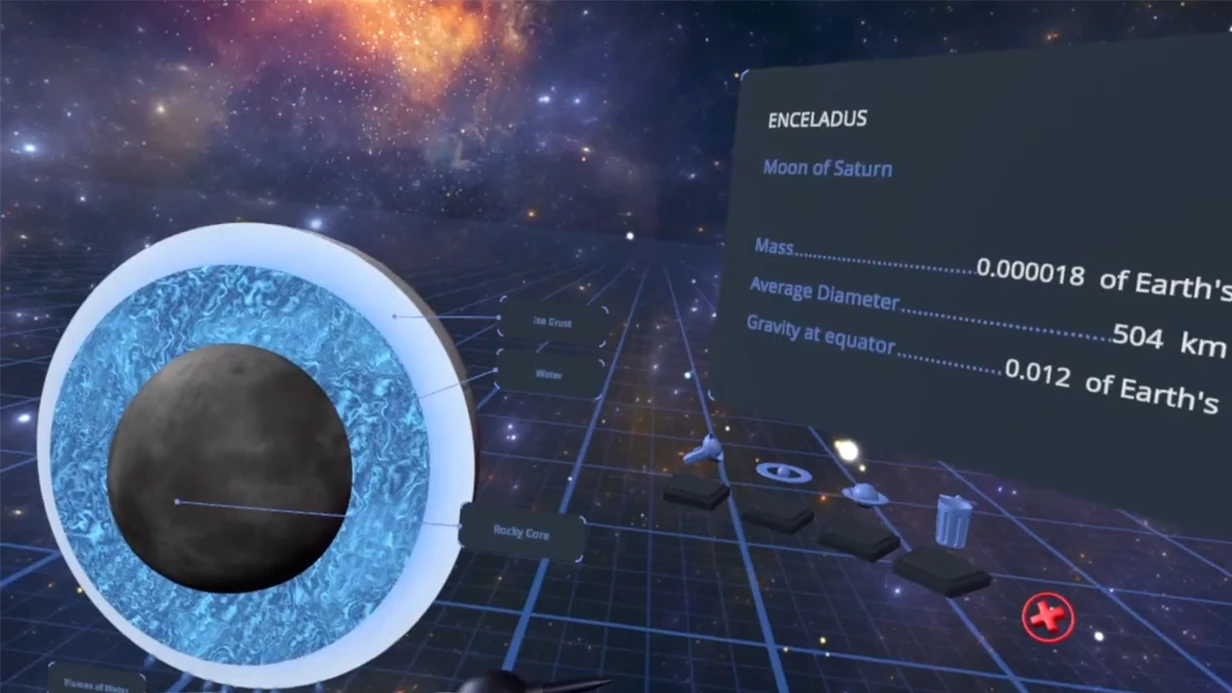
אם מדובר במחזור הכשרה מלא לרצף פעולות של עובד — תרחיש VR עדיף, שבו אפשר ליצור אינטראקציה עם אובייקטים ולשלוט בשגיאות.
הקריטריון השני הוא קהל וטווח הגעה. WebAR עובד דרך דפדפן ונפתח דרך קישור או קוד QR בכל סמארטפון: זה נוח לתקשורת המונית — למשל, הצגת מוצר ללקוח או משקיע.
VR מספק אפקט סוחף לקבוצה מצומצמת — הכשרת מפעילים או תרגול תגובה למצבי חירום. לפעמים כדאי לשלב את שני הפורמטים: WebAR למצגת סקירה, VR לפיתוח מיומנות עמוק.
הקריטריון השלישי הוא מהירות ההשקה והאינטגרציה עם תהליך העבודה. WebAR קל יותר להטמעה במערכת ייצור קיימת: העובד מקבל הוראות ישירות באולם הייצור, בלי ציוד מיוחד.
VR דורש חלל ייעודי, משקפי ראש וזמן להסתגלות המשתמש. אבל אם המטרה היא לא רק להראות אלא לבנות מיומנות עד כדי אוטומציה, ההשקעה ב-VR מחזירה את עצמה מהר יותר דרך פחות תאונות ופגמים.
כדי לבחור את הפורמט הנכון, שאל את עצמך: האם הלקוח צריך להבין את הטכנולוגיה או ללמוד לעבוד איתה? בהירות התשובה קובעת ישירות את התוצאה — ואנחנו נעזור לך לקבל את ההחלטה בשיחת ייעוץ.
ספקות נפוצים לפני תחילת פרויקט
לפני השקת ויזואליזציית WebAR של תהליך ייצור, לקוחות מוטרדים מספקות: האם הטכנולוגיה תיכשל, האם העובדים יקבלו אותה, האם התוצאה מדידה. זה נורמלי — כל חדשנות נבחנת בפועל.
ביצענו עשרות הטמעות ואנחנו יודעים איך להסיר את החששות האלה עוד לפני ההתחלה.
העיקרון המרכזי הוא פיילוט מדורג באזור אחד. אנחנו בודקים את הפתרון בתנאים קרובים לייצור אמיתי ומספקים תמיכה במהלך השבועות הראשונים. אם משהו משתבש, אנחנו מתקנים בלי לעצור את הייצור.
בואו נבחן ספקות נפוצים של לקוחות:
מה אם תקלה טכנולוגית עוצרת את הייצור?
תקלה בכלי WebAR פירושה פשוט מעבר להוראות הרגילות — הייצור לא נעצר. הסיכון לתקלה מופחת בשלב הבדיקות, ובעיות נפתרות מיד לאחר ההשקה.
מה מבטיח את התוצאה?
אנחנו מתעדים מדדים: זמן פעולה, מספר שגיאות, מהירות הסתגלות. אחרי הפיילוט — דוח עם מספרים לפני ואחרי. אם היעדים לא מושגים, אנחנו מתקנים את הפתרון או אומרים זאת בכנות לפני ההרחבה.
מה אם הצוות לא רוצה להשתמש בכלי החדש?
הסיבה לדחייה היא ממשק לא נוח, לא התנגדות של הצוות. אנחנו מעצבים את ההנחיות סביב המשימות של העובד, ההכשרה אורכת יומיים-שלושה, ומשוב משולב בשיפורים. הכלי הופך לעוזר.
התחל בסקירה חינמית של האתר שלך — נציע תרחיש פיילוט ונראה היכן WebAR יניב תוצאות מהירות. השאר פנייה, ונחזור תוך יום.שלח פנייה לפיתוח אפליקציית WebAR
אחרי מילוי הטופס, אתה לא רק מקבל תשובה של מנהל — אתה מקבל את הצעד הראשון לקראת השקת ויזואליזציית WebAR של תהליך הייצור שלך.
אנחנו מעריכים את הזמן שלך, ולכן אנחנו הופכים את הפנייה שלך למסלול קצר וברור: מבקשה לפתרון מושלם, אתה תמיד יודע מה קורה ומתי תגיע התוצאה.
מיד אחרי יצירת הקשר אתה מקבל:
- שיחת ייעוץ — אנחנו דנים במשימה, בפורמט ובלוחות הזמנים בלי התחייבויות.
- סקירה של שרשרת הייצור שלך — אנחנו קובעים איזה שלב הכי כדאי להראות ב-WebAR.
- תוכנית מקדימה — אנחנו מתארים איך האפליקציה תשתלב בתהליכים הנוכחיים ומה נדרש להשקה.
- הערכת תקציב ולוחות זמנים — אנחנו מספקים טווח זמן ועלות מחושבים אחרי אישור הפרטים.
- הדגמה של פרויקטים דומים — אנחנו מראים איך פתרנו משימות דומות ליצרנים אחרים.
- הצעה מסחרית — אנחנו מגדירים את היקף העבודה, השלבים והערבויות.
אז בשיחה אחת אתה מקבל את התמונה המלאה: מה נעשה, מתי נתחיל, ואיזו תוצאה תקבל. שליחת פניית פיתוח אורכת כמה דקות, ואז אנחנו מנהלים את הפרויקט — מהסקיצות הראשונות ועד ההשקה והתמיכה.
שלח את פניית הפיתוח שלך עכשיו — נתחיל בשיחת ייעוץ שבה תבין איך WebAR יכול לחזק את הייצור שלך.
ככל שתתחיל את הפרויקט מוקדם יותר, כך האפליקציה מתחילה להניב ערך מהר יותר: הכשרת עובדים, הפחתת שגיאות והרשימת לקוחות.