



מדוע השכרת נדל"ן מסחרי דורשת פורמטים חדשים
הצגת נדל"ן מסחרי קלאסית עובדת היום לאט וביוקר: השוכר צריך לפנות זמן, להגיע לנכס, לעבור בין הקומות, ולהשוות תוכניות קומה.
כל ביקור כזה הוא שרשרת של אישורים, ולבעלים זה אומר ימים אבודים ופנויות הולכת וגדלה. במקביל, השוק האיץ: החלטות מתקבלות בשבועות, לא בחודשים, וכל מחסום בדרך לצפייה מקטין את הסיכויים לסגירת עסקה.
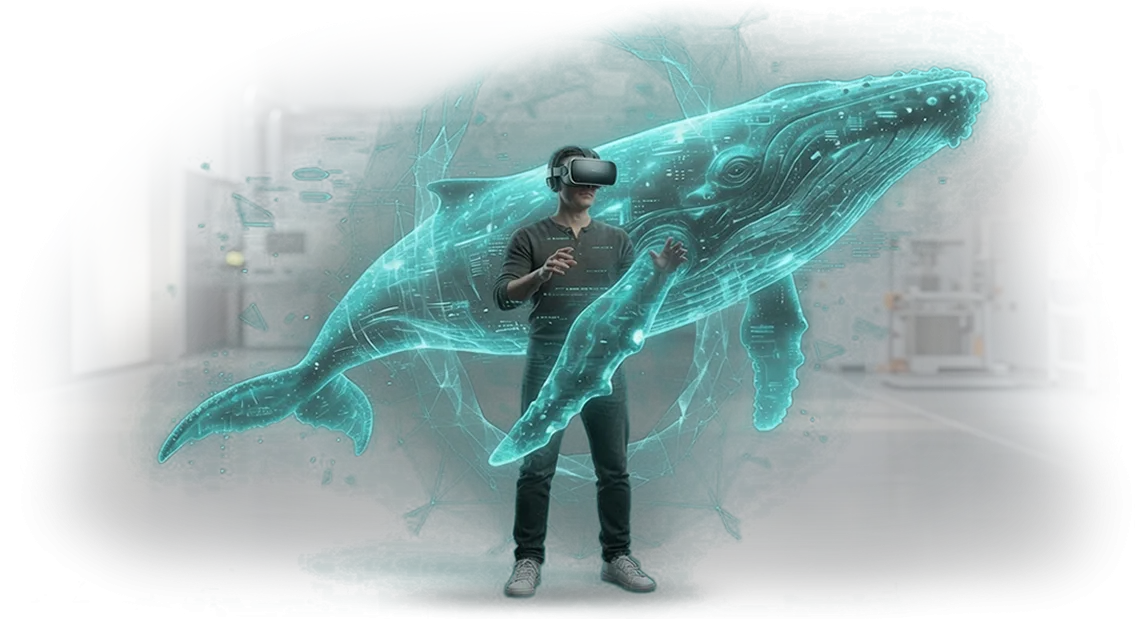
סיורים וירטואליים למשרדים משנים את המשחק: שוכר פוטנציאלי מוצא את עצמו בתוך החלל מכל מקום בעולם, ללא תיאום פגישה וללא פקקים.
הם רואים את הקנה מידה, את התאורה, את התכנון, ואפילו את הנוף מהחלונות — בפורמט ריאליסטי שמעורר אמון.
זו לא תחליף לביקור פיזי אלא צעד ראשון חכם: הלקוח מסנן בעצמו אפשרויות לא מתאימות ומגיע לצפייה כבר מוכן לעסק.
לבעלים, זו השפעה ישירה על מדדי מפתח. טווח ההגעה של הנכס גדל פי כמה — הנכס נראה על ידי שוכרים מערים אחרות ואפילו מדינות שמעולם לא נחשבו קודם.
מהירות קבלת ההחלטות עולה, מה שאומר שהפנויות יורדת מהר יותר וללא הנחות כפויות. משיכת שוכרים מפסיקה להיות תלויה בפגישות אישיות והופכת לתהליך שיטתי, מדיד ושקוף.
אנחנו יוצרים פורמטים כאלה עבור בעלים ומנהלים של נדל"ן מסחרי כבר יותר מ-10 שנים. אנחנו מטפלים בהכל: מתפיסת הצפייה ועד השקת פתרון שעובד עבור התוצאות שלך — תפוסה ורווחיות של הנכס.
מה מקבלים מהטמעת פתרונות VR/AR
הצגת נדל"ן מסחרי היא השלב היקר ביותר בעסקה: בעל הבית משקיע שעות בפגישות, והשוכר משקיע זמן בנסיעות.
פתרונות VR/AR הופכים את התהליך לסיור אינטראקטיבי שזמין מסביב לשעון ואינו תלוי בלוחות זמנים של צפיות. זה מגדיל את מספר הצפיות בנכס, חוסך בתקציב ועוזר לסגור את העסקה הממוקדת מהר יותר.
- סיור נכס אינטראקטיבי — השוכר לומד את התכנון לפני הביקור, כך שמספר הצפיות גדל ללא פרסום נוסף. הפורמט הזה שימושי במיוחד עבור מגרשים בעלי ערך גבוה.
- חיסכון בצפיות — במקום 5–7 פגישות, מספיק ביקור ממוקד אחד: מועמדים לא מתאימים מסוננים מראש.
- בהירות ויזואלית — מיקום רהיטים עתידי, תאורה וחדרי ישיבות נראים לעין; השוכר מקבל החלטה מהר יותר.
- מעורבות — אינטראקטיביות שומרת על תשומת לב; נכסים כאלה נחקרים זמן רב יותר ומוחזרים אליהם לעתים קרובות יותר.
- גיאוגרפיה מורחבת — שוכרים מחוץ לעיר ובינלאומיים מעריכים את הנכס מרחוק, וטווח ההגעה גדל ללא נסיעות עסקים.
הצוות שלנו בונה פתרונות כאלה למטרות בעל הבית: מסיורי אינטרנט לנכסים ועד משרדים וירטואליים למשא ומתן. אתה מקבל כלי עבודה שמקצר את מחזור העסקה ומגדיל את ההמרה מצפייה לשאילתה.
פורמטים של VR/AR להצגת נדל"ן מסחרי
בחירת פורמט להצגת נדל"ן מסחרי מתחילה לא בטכנולוגיה אלא בשאלה: מה השוכר צריך לעשות אחרי הצפייה? אם הוא צריך לקבל החלטה מרחוק, יש צורך בסיור VR לנדל"ן מסחרי.
אם צריך להראות מיקום רהיטים או חלוקה לאזורים, שכבת AR על תוכנית הקומה היא התשובה. ולצורך היכרות מהירה עם הנכס ללא ציוד מיוחד, מספיק סיור תלת-ממדי בחללים.
אנחנו עוזרים לך לבחור פורמט למשימה שלך ולא רק לייצר "תמונה". להלן השוואה בין האפשרויות העיקריות.
| פורמט | למי | מה זה נותן ללקוח |
|---|---|---|
| סיור VR לנדל"ן מסחרי | בעלים ומתווכים | שקיעה מלאה בנכס ללא נסיעות, חיסכון בזמנו של השוכר |
| שכבת AR על תוכנית הקומה | צוותי פרויקט ומתכננים | ייצוג ברור של רהיטים או חלוקה לאזורים ישירות על השרטוט |
| סיור תלת-ממדי בחללים | מחלקות שיווק ומכירות | הצגת נכס אינטראקטיבית מכל מכשיר, ללא משקפיים מיוחדים |
כפי שאתה רואה, הפורמטים משלימים זה את זה. בעלים מזמינים לעתים קרובות שתי אפשרויות בבת אחת: סיור תלת-ממדי לשליחה לשוכרים פוטנציאליים וסיור VR לפגישות אישיות עם לקוחות גדולים.
שכבת AR על תוכנית הקומה חשובה במיוחד בשלב הגימור, כשצריך להראות איך החלל ייראה אחרי השיפוץ.
כל פורמט מסופק במפתח פתוח: צילום, עיבוד והעלאה לאתר שלך או לאפליקציה שלך. אנחנו נעזור לך לבחור ולהראות דוגמאות של נכסים דומים — השאר בקשה לייעוץ.
איך מפתחים פרויקט במפתח פתוח
פיתוח סיור VR להשכרת נדל"ן מסחרי הוא תהליך ברור שלב אחר שלב. אתה תמיד יודע באיזה שלב נמצא הפרויקט ואילו החלטות מתקבלות. להלן השלבים העיקריים של פיתוח פרויקט VR, מהבריף ועד ההשקה.
-
בריף פיתוח. אנחנו דנים במטרות, בשוכרי היעד, בלוח הזמנים ובתקציב. אנחנו קובעים את היעדים ואת הערכת העלות הראשונית.
-
אישור פרויקט. אנחנו בוחרים את הפורמט: סיור כללי, אולם תצוגה וירטואלי או סיור בניין אינטראקטיבי. אנחנו מאשרים את הקונספט לפני תחילת ההפקה.
-
ויזואליזציה תלת-ממדית. אנחנו יוצרים עותק דיגיטלי של הנכס: תוכניות קומה, גימורים, רהיטים, תאורה. אנחנו מציגים עיבודים ביניים ומבצעים את ההתאמות הראשונות.
-
פיתוח ובדיקות. אנחנו בונים את האפליקציה האינטראקטיבית ובודקים אותה על מחשבים, טאבלטים ומשקפי VR. אנחנו מבטלים שגיאות לפני ההשקה.
-
השקה ואינטגרציה. אנחנו מעלים את הפרויקט לאתר או לפורטל שלך. אנחנו מגדירים גישה כך שמנהלים יוכלו לשלוח קישורים ללקוחות בלחיצה אחת.
-
תמיכה ועדכונים. אנחנו מעדכנים את התוכן, מוסיפים בניינים וחללים חדשים ועוזרים לצוות שלך לעבוד עם הסיורים.
לכל שלב יש נקודת ביקורת ונקודת אישור. לכן פיתוח במפתח פתוח אורך בין שבועיים לשמונה שבועות — תלוי במספר הנכסים ובמורכבות. אתה מקבל כלי מכירה מוכן, לא רק תמונה.
מה כלול במסירה של פתרון מלא
חבילת המסירה המלאה מתחילה במודל תלת-ממדי של הנכס שלך ומסתיימת בהדרכת מנהלים. הרכבנו רשימת בדיקה כדי שתדע בדיוק מה אתה מקבל ואיך זה עובד להשכרת נדל"ן מסחרי.
- מודל תלת-ממדי מותאם של החללים. תוכניות קומה מדויקות, חומרים ותאורה. השוכר רואה את החלל לפני הביקור — שיחות לא רלוונטיות וצפיות מיותרות מתבטלות.
- סיור אינטראקטיבי בדפדפן. הקישור נפתח בכל מכשיר, אין צורך להתקין כלום. פשוט שלח אותו לשוכר במייל או במסנג'ר.
- תרחישים למשימות שונות. אפשר להראות קומה שלמה או מגרש בודד לחנות, משרד או מחסן. אתה בוחר מה להציג ללקוח.
- אינטגרציה לאתר ול-CRM שלך. הסיור ממוקם בעמוד הנכס, אינו מאט את הטעינה ועובד כראוי בסמארטפונים. דרך ה-CRM אפשר לראות אילו שוכרים פתחו את הסיור וכמה זמן חקרו את החלל.
- הוראות והדרכת צוות. סרטונים קצרים ומדריך נוהל: איך לשלוח את הסיור, מה לשאול את השוכר אחרי הצפייה. העובדים שלך משתמשים בפתרון מהיום הראשון בלי להפריע לעבודה.
- השקה ותמיכה. אנחנו מפעילים את הפרויקט, בודקים אותו על מכשירים שונים ונשארים בקשר. אם התכנון או הרכב החללים משתנה, אנחנו מעדכנים את המודל במהירות.
החבילה הזו מקצרת את הזמן המושקע בצפיות ומגדילה את מספר השאילתות האיכותיות. אתה מקבל כלי מכירה מוכן, לא רק תמונה ויזואלית — עם מדריך נוהל ברור, תמיכה והדרכת צוות.
מקרה בוחן: הגדלת עניין בחלל משרדי אחרי סיור VR
בעל מרכז עסקים חיפש שוכר לקומה פנויה — 1,500 מ"ר, לא גמורה, עם תכנון פתוח.
לקוחות פוטנציאליים מערים אחרות לא יכלו להגיע לצפייה, וצפיות מקומיות ארכו שעות: היה צריך לעבור בכל חדר, להסביר את מיקום החלונות, גובה התקרה והלוגיסטיקה למטרו.
העניין אבד לפני הפגישה הראשונה — שוכרים עברו לאפשרויות שניתן היה להעריך מרחוק.
הצענו לסגור את השלב הזה עם סיור VR. הרכבנו פנורמות של כל החדרים, הוספנו ניווט בין קומות וסמנים אינטראקטיביים עם מידות ותוכניות קומה.
התוצאה הייתה סיור מלא שנפתח דרך קישור בדפדפן בכל מכשיר — ללא התקנת אפליקציות או ציוד מיוחד.
השוכר רואה את המשרד העתידי "כמו שהוא" עוד לפני ביצוע שיחת טלפון, וחברת הניהול חוסכת זמן על כל מגע ראשוני.
תוצאות היישום
בחודש הראשון, הסיור נצפה יותר מ-400 פעמים — בעיקר על ידי חברות מאזורים אחרים שמעולם לא שקלו את הנכס הזה קודם.
מספר בקשות הצפייה שולש, והזמן שהושקע בצפיות פיזיות נחתך בחצי: השוכרים כבר למדו את התכנון והגיעו עם שאלות ספציפיות על גימורים ותנאי חוזה. כתוצאה מכך, החלל הושכר תוך חודשיים — ארבעה חודשים מהר יותר מהמתוכנן.
הלקוח מייחס את האצת העסקה ישירות לסיור הווירטואלי:
לפני סיור ה-VR, בילינו שעתיים על כל מבקר, וחצי מהם אפילו לא הגיעו למשרד. עכשיו שוכרים מבקשים לתאם פגישה בעצמם אחרי הצפייה המקוונת. כבר הזמנו סיורים לשלושה חללים נוספים. ראש מחלקת השכרת נדל"ן מסחרי
המקרה הזה מאשר שסיור VR עובד לא כ"תכונה נוחה" לאתר אלא ככלי מכירה מלא. הוא מקצר את מחזור העסקה, מגדיל את ההמרה מעניין לצפייה בפועל והופך את הנכס לאטרקטיבי עבור שוכרים מכל עיר.
אלה בדיוק התוצאות שאנחנו בונים לכל פרויקט — עבור הנכס שלך, הקהל שלך ולוח הזמנים שלך.
איך לבחור את הפורמט המתאים לנכס שלך?
אין תשובה אוניברסלית — בחירת הפורמט תלויה במאפייני הנכס ובמשימה שאתה פותר.
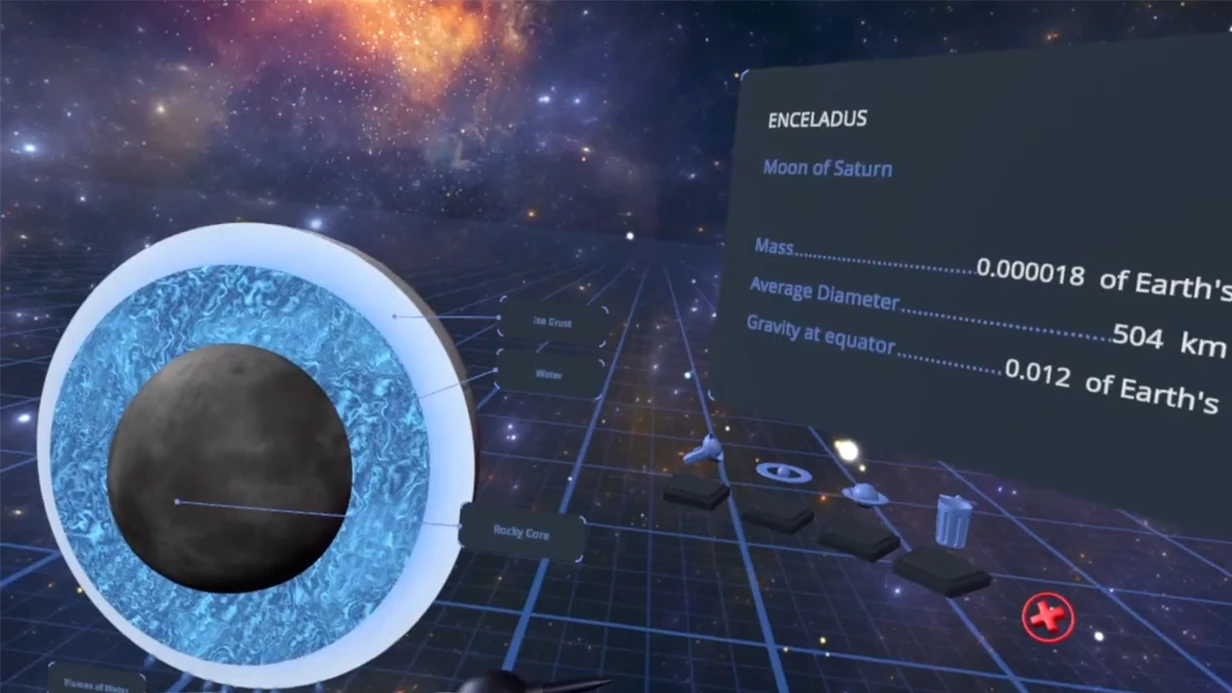
אם צריך להראות את הנכס לשוכרים מערים אחרות והבניין עדיין בבנייה, VR נוח יותר: אדם עם משקפיים עובר בחללים העתידיים ורואה את הנפח, התכנון והנוף מהחלונות.
זה מסיר את המחסום המרכזי — "אני לא יכול לדמיין את עצמי בחלל הזה" — ומקצר את הדרך מהצפייה הראשונה לשאילתת שכירות.
כשהבניין מוכן וצריך להרשים את השוכר ולעזור לו "למדוד" במהירות את החלל לעסק שלו, AR עובד טוב יותר.
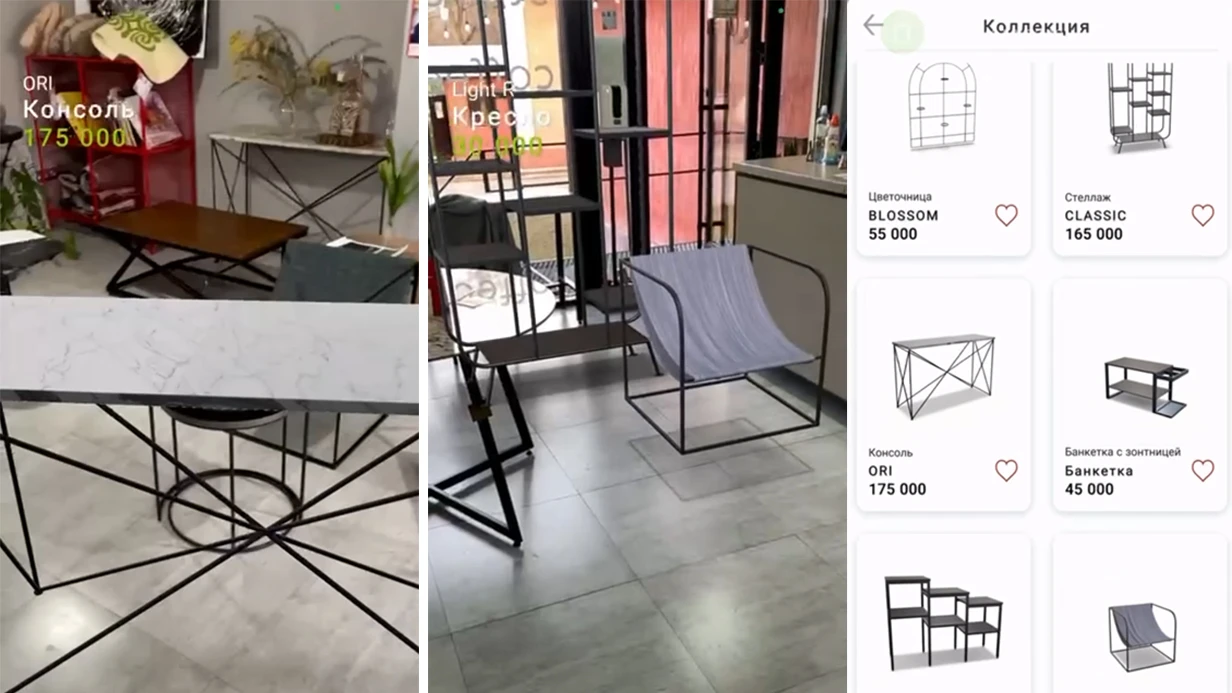
פשוט כוון מצלמת טאבלט או סמארטפון לתוכנית הקומה — והלקוח רואה מיקום רהיטים, חלוקה לאזורים ואפשרויות זיגוג חזית.
במקום "בערך 120 מטר" מופשט, השוכר רואה תרחיש שימוש קונקרטי ומוכן יותר לחתום על החוזה.
עבור נכסים מורכבים — לופטים גדולים, גלריות קניות, מחסנים — הגיוני לשלב את שני הפורמטים.
VR משמש כסיור וירטואלי להיכרות מרחוק, ו-AR משמש לעידון מפורט באתר: איפה ימוקמו ציוד, איפה יעברו תשתיות, איך ייראה השילוט מבחוץ. הגישה הזו מטפלת גם בטווח ההגעה לקהל וגם באמון השוכר.
הכלל המרכזי הוא לא להתחיל בטכנולוגיה אלא במשימה הספציפית שלך: מי השוכרים שלך, איפה הם נמצאים ומהן ההתנגדויות האופייניות שלהם.
בהתחלה, אנחנו עורכים בריף קצר, מנתחים את הנכס והקהל, ורק אז מציעים פורמט: VR, AR או שילוב. אתה מקבל לא "טכנולוגיה אופנתית" אלא כלי שבאמת מאיץ צפיות ומגדיל המרה לשאילתות.
אם אתה לא בטוח איזו אפשרות מתאימה לנכס שלך, שלח לנו את המידע על החלל, ונכין המלצה עם הנימוקים לבחירה תוך יום.
תוכל לקבל החלטה לפני תחילת הפיתוח, עם הבנה ברורה של התוצאה הצפויה.
תשובות לשאלות נפוצות על פרויקטי VR/AR
לקוחות לעתים קרובות דוחים השקת פרויקטי VR/AR בגלל ציפיות לא ברורות: כמה זה עולה, מתי זה יהיה מוכן, ומה עם תאימות. אנחנו עונים על השאלות המרכזיות — בקצרה ולעניין, בלי מורכבות טכנית. תקבל תמונה ברורה של התהליך ואיך אנחנו מטפלים בסיכונים אופייניים.
כמה עולה לפתח אפליקציית VR לשכירות?
העלות תלויה במספר הנכסים, ברמת הפירוט של המודלים התלת-ממדיים ובפונקציונליות הנדרשת: סיור וירטואלי, תוכניות קומה, אינטגרציה עם ה-CRM שלך. אנחנו קובעים את הערכת העלות אחרי הבריף ולא משנים אותה אם היקף העבודה נשאר זהה.
עבורך, זה אומר תקציב צפוי ללא תוספות נסתרות ויכולת להשוות אותו לסעיפי הוצאה שיווקית אחרים.
מהם לוחות הזמנים לפיתוח?
פרויקט טיפוסי — סיור וירטואלי של נכס בודד — אורך שבועיים עד ארבעה שבועות. עבור מספר בניינים או תרחישים אינטראקטיביים, לוח הזמנים מתארך, אבל אנחנו יוצרים לוח זמנים בהתחלה ועומדים בו. אתה רואה תוצאות ביניים, מבצע התאמות ויודע את תאריך ההשקה המדויק לפני תחילת העבודה.
באילו מכשירים האפליקציה תעבוד?
אנחנו בונים פתרונות חוצי פלטפורמות: הפרויקט רץ על משקפי VR פופולריים וגם על סמארטפונים וטאבלטים ללא ציוד נוסף.
הלקוחות שלך יכולים לחקור את הנכס מטלפון רגיל, ובאולם תצוגה או בתערוכה הם יכולים לשקוע בסיור וירטואלי דרך משקפיים. זה מסיר את מחסום הכניסה ומרחיב את הקהל להצעות שלך.
האם בטוח להשתמש באפליקציית VR לנתונים מסחריים?
אנחנו עובדים בערוצים מאובטחים ושומרים רק את המידע הדרוש לצפייה. צפייה בנכס אינה דורשת מסירת נתוני דרכון או מסמכים — ההרשמה אופציונלית.
במידת הצורך, אנחנו יכולים להוסיף אימות תאגידי או להגביל גישה לתוכניות קומה מסוימות כדי שתשלוט מי רואה מה.
אם עדיין יש לך שאלות על עלות, לוחות זמנים או תאימות — שאל אותן ישירות, ונשיב תוך יום עסקים אחד. ואחרי בריף קצר, נכין חישוב עלות למשימה שלך עם רשימת עבודות ברורה.מוכן לדון בפרויקט פיתוח האפליקציה שלך?
ספר לנו על המשימה שלך — נעזור לך להבין איזה פורמט יפתור אותה מהר יותר ובעלות-תועלת גבוהה יותר.
אנחנו מייעצים על היישום: ננתח את המאפיינים של הנכס שלך, הקהל והמטרות כדי להציע פתרון עובד ולא טכנולוגיה מופשטת. על בסיס זה, נכין חישוב עלות פרויקט עם לוחות זמנים ושלבים ברורים.
אין צורך להבין פרטים טכניים — נתרגם את המשימה לשפת התוצאות: טווח הגעה, מעורבות מבקרים, מהירות עסקה.
אחרי שיחה קצרה, תקבל תמונה שקופה: איזו אפשרות מתאימה לתקציב שלך, מה כלול בעלות ואיזה אפקט לצפות.
מה תקבל אחרי הפנייה:
- ייעוץ מומחה להטמעת פתרונות VR/AR באסטרטגיית השכירות שלך — מותאם לשוק ולסוגי הנכסים שלך.
- חישוב עלות פרויקט: הערכה מדויקת, היקף עבודה ולוחות זמנים ריאליים לפני ההתחלה.
- בחירת פורמט — סיור וירטואלי, ניווט AR או אפשרות משולבת — מותאם למשימה הספציפית שלך.
- דוגמאות של פרויקטים שהושלמו בנדל"ן מסחרי עם מדדי ביצועים.
- תוכנית שלבים ברורה: מבריף ועד השקה והדרכת הצוות שלך.
- תמיכה לאחר ההשקה ואחריות ליציבות הפתרון.
תן לנו להוריד ממך את כאב הראש של היישום — כל מה שיישאר זה להראות ללקוחות שלך תוצאה מרשימה. השאר בקשה או התקשר אלינו: נדון במצבך ונכין הצעה תוך כמה ימים.