



מוסך מאבד לקוחות ללא אולם תצוגה אינטראקטיבי בתלת-ממד
כאשר בעל מוסך מציע שירותים וחלקים כטקסט ותמונות שטוחות, הלקוח לא רואה אותם. הם לא יכולים לדמיין את תוצאת התיקון, את פנים הרכב, או איך ציוד חדש עובד — והם דוחים את ההחלטה. כתוצאה מכך, המבקר הולך למתחרה שהציג את המוצר והשירות בצורה חיה יותר.
היעדר הדגמה ויזואלית פוגע ישירות בהכנסות. הלקוחות מטילים ספק באיכות, מבזבזים זמן על הודעות הלוך ושוב, ומזמינים במקום אחר.
המוסך מאבד אנשים שכבר היו מעוניינים — פשוט כי הוא לא יכול היה להדגים את המומחיות שלו מרחוק.
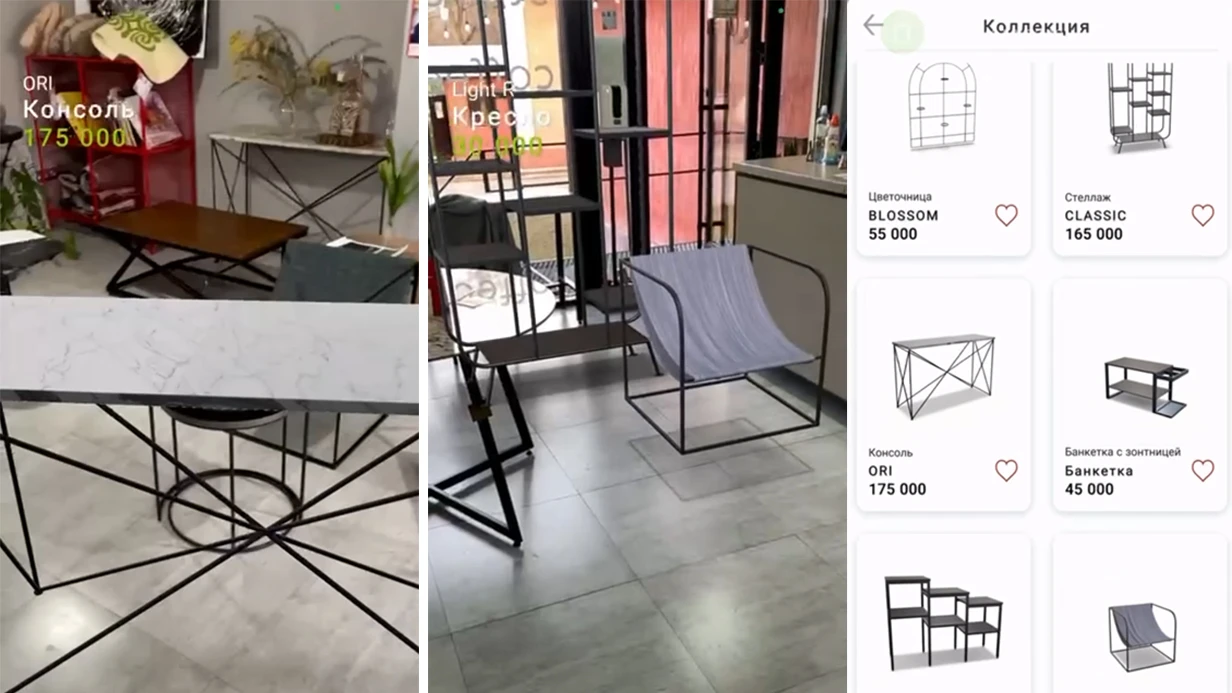
אולם תצוגה וירטואלי פותר את הבעיה הזו. זהו קטלוג אינטראקטיבי של מכוניות, חלקים ושירותים שבו הלקוחות חוקרים את הרכב מכל זווית ישירות באתר או באפליקציה, משנים את הצבע, פותחים את הדלתות, ו"מציצים" מתחת למכסה המנוע.
הצגת רכב תלת-ממדית כזו מחליפה אלף מילים והופכת את ההצעה למוחשית לפני שהלקוח אפילו מבקר במוסך.
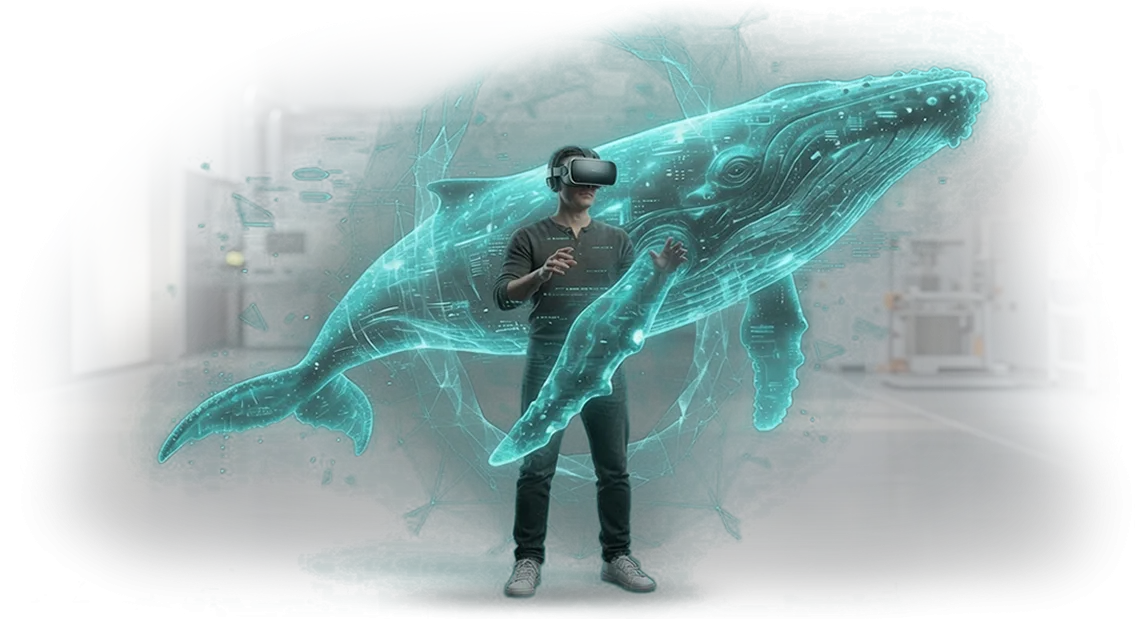
VR למוסכים לוקח את המעורבות לשלב הבא. הלקוח מרכיב משקפת ומוצא את עצמו בתוך המכונית העתידית: מעריך את תנוחת הישיבה, את הראות ואת חומרי הפנים.
זה יעיל במיוחד במכירת מכוניות משומשות, כוונון (טיונינג) או שירותים יקרים — אנשים מפסיקים להתלבט ומקבלים את החלטת ההזמנה מהר יותר.
אנחנו בונים פתרונות אלה במפתח פתוח (turnkey) — החל מתכנון ועיצוב ועד השקה ותמיכה. הלקוחות שלך מקבלים חוויה אינטראקטיבית ברורה, והמוסך מקבל יותר אמון, יותר הזמנות שירות וביקורים חוזרים.
מה אפליקציית מציאות מדומה תיתן לעסק שלך?
לקוחות לא יכולים לראות מה קורה עם הרכב שלהם — ומכאן חוסר האמון, החששות והוויכוחים הממושכים לאחר תיקונים. מציאות מדומה פותרת את זה: הבעלים יכול לצפות באבחון ובהתקדמות העבודה בכל עת, כאילו הוא עומד ליד הטכנאי.
שקיפות מסירה את ההתנגדות העיקרית, "האם הם החליפו לי את החלקים?" והופכת מבקר חד-פעמי ללקוח נאמן וחוזר שבוטח במוסך.
אמון משפיע ישירות על גובה החשבון הממוצע. כשאנשים מבינים על מה הם משלמים, הם מוכנים יותר להסכים לעבודות נוספות מומלצות ולא הולכים לחפש מוסך זול יותר.
מניסיוננו, מוסכים שמאמצים דוחות VR מעלים את החשבון הממוצע שלהם ב-15–20%: הלקוח רואה את הבלאי ברכיבים בעצמו ומקבל החלטה מושכלת במקום להתווכח עם הטכנאי.
יתרון נוסף הוא משיכת קהל צעיר יותר. בעלי מכוניות מתחת לגיל 35 רגילים לפורמטים מודרניים: הם יעדיפו לחקור מודל רכב תלת-ממדי או סיור וירטואלי בתהליך התיקון מאשר לקרוא דוח נייר.
הטכנולוגיה מבדלת אותך מהמתחרים ונותנת ללקוחות סיבה לדבר על המוסך ברשתות החברתיות — מה שמעניק לך חשיפה חינמית ולידים נוספים ללא תקציב פרסום.
אפליקציית VR משתלבת באסטרטגיית אומניצ'נל (omnichannel): לקוח יכול להתחיל באתר, לקבל מצגת VR בהודעה, ולסיים בהזמנה דרך האפליקציה. כל נקודת מגע אוספת נתוני העדפות, ומאפשרת לך להציע שירותים מותאמים אישית ולהגביר נאמנות.
זו לא סתם חידוש טכנולוגי — זה כלי שמחבר בין אונליין לאופליין למערכת מכירות אחת.
אם אתה רוצה לשמר לקוחות, להגדיל את החשבון הממוצע ולמשוך דור חדש של בעלי מכוניות — אפליקציית VR משיגה את כל שלוש המטרות בבת אחת. אנחנו מטפלים בפיתוח ועוזרים לשלב אותו בתהליכים שלך כך שתרגיש בתוצאות כבר בחודש הראשון.
פורמטי VR/AR למוסכים: אולם תצוגה, הדרכה, אבחון
הלקוח לא צריך להבין איך מכונית עובדת — הוא רוצה לדעת על מה הוא משלם. אולם תצוגה VR מציג שירותים לפני הביקור, אבחון AR מסביר תקלות ויזואלית, והדרכה וירטואלית מפחיתה טעויות של צוות על מכוניות אמיתיות.
בואו נפרק את הפורמטים המרכזיים עבור המוסך שלך ואת המשימה המעשית שכל אחד מהם פותר.
| פורמט | למי | מה הוא נותן ללקוח |
|---|---|---|
| אולם תצוגה VR | מבקרי אתר, לקוחות פוטנציאליים | הדגמות רכב, אזור תיקון ושירותים נוספים לפני הביקור — מגדיל את ההמרה להזמנות |
| הדרכת צוות | טכנאים חדשים, מנהלי שירות | תרגול תהליכי אבחון וטיפול בלקוחות ללא סיכונים בעולם האמיתי — מקצר את תקופת הקליטה |
| אבחון AR | יועצי שירות, לקוחות במרכז השירות | הצגת דיאגרמת תקלה על הרכב האמיתי — שיחה שקופה על "מה אנחנו מתקנים ולמה" |
| הצגת שירות | שיווק, תערוכות, לקוחות עסקיים | דוכן אינטראקטיבי שבולט מהמתחרים ומייצר חשיפה ברשתות החברתיות |
פורמטי VR ו-AR משלימים זה את זה. לדוגמה, לקוח יכול קודם לחקור את אולם התצוגה באתר, אחר כך להזמין אבחון שבו טכנאי משתמש ב-AR כדי להראות אזורים בעייתיים, ומנהל מציע שירותים שמודלים ב-VR. השילוב הזה מגדיל נאמנות ואת החשבון הממוצע.
אנחנו מתכננים פתרונות לאתגרי מוסכים — ממצגת VR פשוטה ועד מערכת הדרכה מקיפה. נעזור לך לבחור פורמט שמספק תוצאות מהירות ומחזיר את ההשקעה.
איך עובד פיתוח אפליקציה למוסך
פיתוח אפליקציית VR למוסך הוא תהליך מובנה — אתה אף פעם לא נשאר לבד מול המשימה. בכל שלב אתה מבין מה קורה, לאן הולך הכסף ומתי תגיע התוצאה.
בסופו של דבר, אתה מקבל כלי שמביא לקוחות למוסך, מגדיל את החשבון הממוצע והופך את המותג למודרני.
כך העבודה מתנהלת:
-
בריף וניתוח. אנו בוחנים את המאפיינים הספציפיים של המוסך שלך: אילו שירותים צריך להציג, מי הלקוחות שלך ומה מונע מהם להגיע. אנו מציבים יעדים — לדוגמה, הגדלת הזמנות אבחון או מכירות של עבודות נוספות. אנו מסכימים על הקונספט ולוח הזמנים.
-
אב-טיפוס ותסריט. אנו משרטטים זרימה פשוטה של איך לקוח יעבור בחנות הווירטואלית ומה הוא יראה. אתה מאשר את ההיגיון: סקירת האזור, בחירת שירות, שליחת בקשה. זה מבטל שגיאות לפני תחילת הפיתוח.
-
עיצוב ויצירת חלל. אנו יוצרים את הממשק ומודלים תלת-ממדיים שנראים כמו המוסך האמיתי שלך. אנו עובדים עם כלים מקצועיים, כך שהאפליקציה נפתחת אפילו בטלפונים של הלקוחות — ללא צורך בהתקנה או הגדרה מסובכת.
-
בדיקות וחתימה על הפרויקט. אנו נותנים לך קישור בדיקה — אתה מנסה בעצמך ומראה לכמה מבקרים. אנו אוספים משוב ומבצעים תיקונים לפני ההשקה הסופית. אין הפתעות ביום המסירה.
-
השקת האפליקציה. אנו מארחים את סיור ה-VR ויוצרים קוד QR לדלפק הקבלה ולרשתות החברתיות. אנו מעבירים הדרכה קצרה לצוות כדי שיוכלו להפעיל ולהציג אותה ללקוחות בעצמם. מרגע זה, האפליקציה מתחילה לעבוד עבור העסק שלך.
-
תמיכה וצמיחה. אנו עוקבים אחר יציבות ומעדכנים תוכן: משנים מבצעים, מוסיפים שירותים חדשים, מתקנים טקסט. אנו מציעים שיפורים באופן קבוע כך שההמרה תמשיך לגדול במקום לרדת לאחר ההשקה.
המחזור המלא — מהבריף הראשון ועד קישור עובד — אורך בדרך כלל 2–4 שבועות. אתה מקבל פרויקט ברור עם שליטה בכל שלב. אנו מובילים אותו עד לתוצאה ומספקים תמיכה, בזמן שאתה מתמקד בניהול המוסך שלך.
מה כלול בחבילת אפליקציית ה-VR/AR
כשאתה מזמין אפליקציית VR/AR למוסך שלך, אתה מקבל יותר מסתם קוד — אתה מקבל פתרון מוכן שניתן להפעיל ביום המסירה. אנו מרכיבים חבילה שבה כל פרט מחושב: מהתקנה ועד הדרכת צוות.
לא תצטרך לחפש קבלני משנה או להבין בעיות טכניות בעצמך — הכל כלול.
הנה מה שהחבילה הסטנדרטית כוללת:
- אפליקציה מוכנה — מצגת רכב וירטואלית, סימולטור אבחון או קטלוג שירותים אינטראקטיבי המותאם לצרכי המוסך שלך. התוכנית רצה על טאבלטים, משקפות או מחשבים שכבר יש לך.
- פאנל ניהול — אתה מעדכן מחירים, תמונות ותיאורי שירותים בעצמך ללא שכירת מתכנתים. פשוט בצע שינויים בטופס ידידותי, והנתונים מופיעים באפליקציה מיד.
- תיעוד — הוראות ברורות להתקנה, השקה ושימוש יומיומי. כתוב בשפה פשוטה, כך שכל מנהל יכול להתמודד עם זה.
- הדרכת צוות — אנו מקיימים מפגש מעשי לטכנאים ולמנהלים שלך: עוברים על תרחישי שימוש, מסבירים איך לעבוד עם הפאנל ואיך לענות על שאלות לקוחות.
- תמיכה טכנית — אנו נשארים בקשר לאחר ההשקה. אנו מספקים ייעוץ, עוזרים בעדכון תוכן ומגיבים לשאלות במהירות — בדרך כלל תוך יום עסקים אחד.
- אחריות ועדכונים — במהלך תקופת האחריות, אנו מתקנים כל בעיה ללא תשלום ומתאימים את האפליקציה לשינויים בשירותים שלך.
חבילה זו מכסה את כל הצרכים של מוסך — מההיכרות הראשונה של הלקוח עם השירותים שלך ועד לפעולות היומיומיות של הצוות. אתה מקבל לא אב-טיפוס גולמי, אלא כלי עבודה שמספק תוצאות מהיום הראשון.
מקרה בוחן: איך מוסך הגדיל מכירות עם VR
לקוחות מוסך לא יכולים לראות מה קורה לרכב שלהם באזור המוגבל, והם תוהים לאן הולך הכסף שלהם. תמונות סדנה פשוטות ורשימת שירותים לא מספיקות — אמון נבנה לפני הביקור, לא אחריו.
ספקות בשלב ההזמנה הופכים לסיבה העיקרית לסירוב, במיוחד כשהתיקון יקר או מורכב.
מה עשינו
פיתחנו סיור VR לרשת מוסכים. עם משקפת או באמצעות דפדפן, הלקוח עוקב אחר כל מסע הרכב — מקבלה ואבחון ועד מסירה — ורואה את אזורי תיקון המרכב, תא הצביעה ובקרת האיכות.
מדים, ניקיון וציוד מודרני מדברים בעד עצמם ללא מילים — זה עובד טוב יותר מטיעונים מוכנים מראש של מנהל.
תוצאות במספרים
בתוך שלושה חודשים מההשקה, ההמרה מפנייה להזמנה עלתה מ-14% ל-23%, וחלקם של הלקוחות שבוחרים באבחון מקיף גדל בשליש.
38% מהמבקרים שצפו בסיור לפני שהתקשרו הגיעו לבדיקה ראשונית — פי שניים מאשר דרך האתר הרגיל. גם החשבון הממוצע גדל: לאחר שראו את היקף העבודה, הלקוחות נטו פחות לסרב לשירותים נוספים.
למה זה עובד עבור הבעלים
לא יצרנו "תמונה יפה לשם האפקט." לפני ההשקה, חקרנו התנגדויות טיפוסיות — "לאן הולך הכסף," "מה יקרה לרכב," "איך מבקרים את האיכות" — ובנינו את התשובות לתוך תסריט ה-VR.
סיור ה-VR מתארח באתר ובאזור ההמתנה, כך שהוא עובד גם לפני הביקור וגם ברגע קבלת ההחלטה.
שישה חודשים לאחר מכן, המוסך הזמין סיור לסניף השני שלו: צמיחת מכירות מדידה והזמנה חוזרת מאשרים את הערך, לא רק פורמט מעניין.
איך לבחור את פורמט ה-VR/AR המתאים למשימה שלך?
בחירת פתרון VR לא מתחילה בטכנולוגיה — היא מתחילה במשימה. אותה פלטפורמה יכולה למכור שירותים בצורה מבריקה בעוד שהיא לגמרי לא מתאימה להדרכת צוות.
אז הדבר הראשון שאנחנו עושים הוא לפרק את המטרה העסקית שלך: למשוך לקוחות חדשים, להגדיל את החשבון הממוצע, להפחית את הזמן הדרוש להסבר שירות מורכב, או להפוך את המוסך שלך למוכר.
הקריטריונים לבחירת פורמט פשוטים: למי אתה מציג את הפתרון, איפה זה קורה, ואיזו תוצאה אתה מחשיב להצלחה.
אם הלקוח צריך "להיות בתוך" התהליך — לדוגמה, לראות את פנים הרכב לפני שהוא אפילו מורכב — אתה צריך מציאות מדומה מלאה.
אם המשימה היא להציג מידע נוסף על מכונית אמיתית, כמו מצב חלקים או שלבי טיונינג, מציאות רבודה מספיקה.
וכשאתה צריך גישה קלה דרך דפדפן ללא התקנת אפליקציות, אנו בוחרים בפורמט WebVR — הוא עובד על כל מכשיר מודרני ולא יוצר חסמים למבקרים.
עבור מוסך, פורמטים אלה מכסים צרכים שונים. מציאות מדומה עוזרת לך להראות ללקוח את התוצאה של תיקון מורכב או טיונינג מראש — האדם מקבל את ההחלטה לפני שהעבודה מתחילה, ואתה מפחית את מספר המחלוקות.
מציאות רבודה מאיצה הסברים באבחון: הלקוח רואה את הבעיה ישירות על הרכב שלו ומבין על מה הוא משלם. גישה זו מגדילה אמון ואת חלקם של הביקורים החוזרים.
המפתח הוא לא לדחוף את המשימה שלך לפורמט אופנתי, אלא ההפך: לבחור את הפורמט למשימה עסקית ספציפית.
אנו מנתחים את הקהל שלך, תרחיש השימוש ונקודות המגע עם הלקוח, ואז מציעים אפשרות שמספקת תוצאות מדידות: יותר פניות, יותר הזמנות שירות וסטטיסטיקות מעורבות ברורות. כך אתה מקבל לא רק "טכנולוגיה נחמדה" אלא כלי שעובד עבור ההכנסות שלך.
אם אתה לא בטוח איזה פורמט מתאים לך, התחל בייעוץ. ספר לנו על המשימה שלך, ואנחנו נציע את הפתרון הטוב ביותר ונראה דוגמאות ליישומים בעסקים דומים.
זה ללא התחייבות — אבל תבין במהירות איזה תרחיש יניב תוצאות במקרה הספציפי שלך.
חששות נפוצים של לקוחות ותשובות
חששות טיפוסיים לגבי הכנסת VR במוסך אינם על טכנולוגיה אלא על איך זה ישפיע על עבודת הצוות, לוחות הזמנים ובטיחות הלקוחות. בואו נתייחס לפחדים העיקריים — נקודה אחר נקודה, ללא מורכבות טכנית מיותרת.
זה לא יהיה לא נוח לצוות — הם לא יצליחו להבין את זה?
אנו מעצבים ממשקי אפליקציית VR כך שכל עובד יוכל להשתמש בהם ללא הכשרה מיוחדת. כל מה שצריך זה להרכיב את המשקפת ולעקוב אחר ההנחיות — כל השאר אינטואיטיבי.
בפועל, חמש דקות מספיקות לאדם כדי לנווט בביטחון לקוח בהדגמה וירטואלית.
האם היישום יימשך חודשים וישבש את הפעילות השוטפת?
אנו משתמשים באבני בניין קיימות ובתרחישים מוכחים, כך שההשקה אורכת שבועיים עד ארבעה שבועות מרגע אישור התצורה. אתה מקבל גרסאות ביניים בכל שלב ושולט בתהליך עם כלים פשוטים — אין צורך להיכנס לפרטי הפיתוח.
האם זה בטוח למבקרי המוסך?
כל התרחישים בנויים על צפייה נייחת עם תנועת מצלמה חלקה — ללא אפקטים מטלטלים או סצנות אקשן. אנו בוחרים קצב נוח ואורך מפגש כך שהלקוח ירגיש רק סקרנות, לא אי-נוחות. במידת הצורך, ניתן לעצור את המפגש בלחיצה אחת.
למה בכלל לעשות את זה — הלקוחות לא יעריכו את זה?
ניסויים וירטואליים של טיונינג או תצוגות מקדימות של עבודות תיקון שומרים על מבקרים במוסך זמן רב יותר ובונים אמון. אנשים רואים את התוצאה הסופית לפני שהעבודה אפילו מתחילה — זה מפחית מחלוקות ומגביר נאמנות.
פרויקטים כאלה זוכים להרבה יותר אזכורים ברשתות החברתיות, מה שאומר פרסום חינמי למוסך.
אם עדיין יש לך שאלות על לוחות זמנים, עלות או התהליך — צור איתנו קשר: נייעץ לך איזה פורמט VR מתאים ביותר למשימות שלך ונראה דוגמאות מתעשיות קשורות.מוכן לדון בפרויקט שלך? השאר בקשה
השאר בקשה לייעוץ, ואנחנו נעריך ללא תשלום כיצד פתרון VR/AR/MR יכול לחזק את המוסך שלך. תקבל מקרי שימוש קונקרטיים לטכנולוגיה המותאמים למשימות שלך: מהדגמות שירות וירטואליות ועד להדרכת צוות.
מה תקבל לאחר פנייה:
- הערכת פרויקט — נקבע איזה פורמט (VR/AR/MR) מתאים לך ואילו תוצאות הוא יניב.
- ייעוץ אישי עם מומחה — נדון במטרות המוסך שלך, בקהל היעד ובתועלות הצפויות.
- תוכנית ברורה של הצעדים הבאים — תלמד על לוח הזמנים, השלבים והרכב הצוות לפני תחילת העבודה.
- דוגמאות לפתרונות למוסכים — נראה כיצד מצגות חלקים וירטואליות או קליטה אינטראקטיבית מגדילות את אמון הלקוחות ומאיצות את השירות.
- הערכה כתובה והמלצות — ללא תנאים נסתרים, תקבל מסמך שתוכל לסקור פנימית.
ספר לנו על הרעיון שלך, ואנחנו נציע פתרון שמחזיר את ההשקעה. מלא את הטופס, ונחזור אליך תוך יום עסקים אחד ונגיע ישר לעניין: אילו תרחישים אתה צריך, איזו משימה לפתור קודם, ומה חשוב ללקוחות שלך.