



הדגמת מוצר: איך להחזיק את תשומת הלב של הלקוח
כאשר לקוחות לא יכולים לראות את המוצר בעין, העניין שלהם דועך במהירות. תמונות ותיאורים רגילים לא מעבירים קנה מידה, חומרים או פרטים. הקונה מהסס, דוחה את ההחלטה, ובסופו של דבר הולך למתחרה שהצליח להציג את המוצר בצורה ויזואלית.
זה קריטי במיוחד לרהיטים, מכשירי חשמל גדולים, ציוד בנייה ומכוניות — מוצרים שקשה להעביר ולהראות לכל לקוח.
מוכרים מבלים שעות במשא ומתן, אבל בלי הדגמה ויזואלית, לקוחות לא יכולים לדמיין את המוצר בסביבה שלהם — ולכן לא מוכנים לשלם. ככל שמחיר המוצר גבוה יותר, כך גדל הספק — והסיכון לאבד את העסקה גדל.
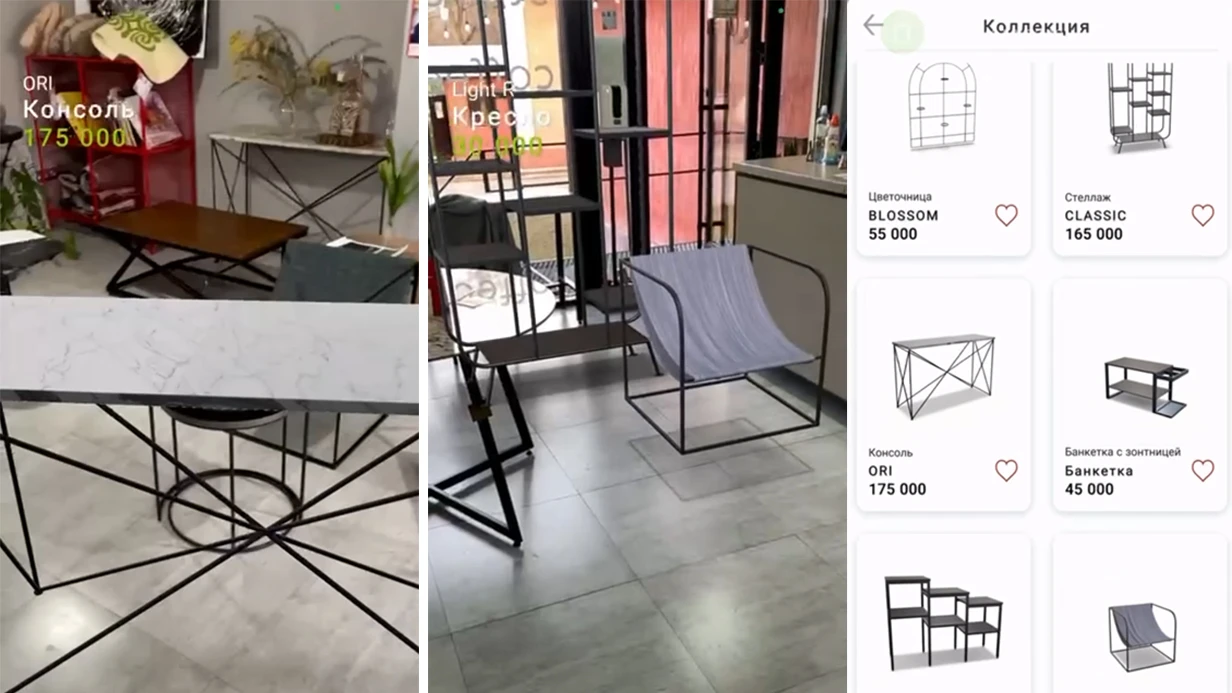
הפתרון הוא מצגת אינטראקטיבית. עם הדמיית תלת-ממד, אתה מציג את המוצר בקנה מידה אמיתי, מאפשר ללקוחות לבחון אותו מכל זווית, ולשנות צבעים וחומרים.
וויטרינה וירטואלית הופכת גלישה לחוויה מלאה: הלקוח מסובב את המודל, מתקרב לפרטים, ורואה איך המוצר משתלב בפנים או בקו הייצור שלהם.
הדגמה כזו עובדת בכל מקום: באתר, בקטלוג, בתערוכה, או ישירות בהודעה. הלקוח מקבל תמונה מלאה תוך כמה דקות ומקבל החלטה מהר יותר.
אתה מקצר את מחזור המכירה, מפחית את שיעור הדחיות, ומגדיל את ההמרה — בלי הוצאות נוספות על לוגיסטיקה ותצוגות פיזיות.
אנחנו מטפלים בכל הפיתוח: מיצירת המודל ועד לתרחיש הדגמה מוכן. כל מה שאתה צריך לעשות זה לשלוח קישור — והלקוח כבר "בתוך" המוצר שלך. כך אתה מחזיק את תשומת הלב, מסיר את הפחד מהקנייה, ומשיג מכירות יציבות.
מה מצגת תלת-ממד אינטראקטיבית נותנת לעסק שלך
מצגת תלת-ממד אינטראקטיבית הופכת את גילוי המוצר מצפייה פסיבית למעורבות פעילה.
במקום תמונות סטטיות, הלקוחות מקבלים יכולת לבחון את המוצר מכל הצדדים, להתקרב לפרטים, לשנות צבע או תצורה — הכל בדפדפן, בלי להתקין אפליקציות. גישה זו מחזיקה את תשומת הלב הרבה יותר זמן ויוצרת תחושת נוכחות.
מה בדיוק העסק מרוויח:
-
מעורבות לקוחות. הקונים שולטים בחוויית הצפייה בעצמם, כך שהעניין לא דועך: הם חוקרים את המוצר, חוזרים לפרטים, ונשארים בדף זמן רב יותר. זה מגדיל את הסבירות להזמנה ומפחית את אחוז הדחיות.
-
הכרת המותג. פורמט יוצא דופן נזכר וגורם לאנשים לרצות לשתף את החוויה. הלקוחות עצמם מפרסמים סרטונים וצילומי מסך של המצגת האינטראקטיבית ברשתות החברתיות, יוצרים חשיפה חינמית ומחזקים את התדמית של חברה חדשנית.
-
גידול במכירות.
הדגמה ויזואלית מסירה את הספקות המרכזיים לפני הקנייה: "איך זה נראה במציאות", "אפשר לראות הכל", "האם זה תואם למציאות". כתוצאה מכך, ההמרה מצפייה לקנייה גדלה, ומחזור קבלת ההחלטות מתקצר.
בצוות שלנו אנחנו מתמחים בפתרונות כאלה ועוזרים לעסקים ליישם מצגות אינטראקטיביות במפתח מלא — מהרעיון ועד ההשקה. אנחנו מתאימים כל פרויקט למטרות החברה הספציפיות: זה יכול להיות קטלוג מוצרים, אולם תצוגה וירטואלי, או קונפיגורטור תלת-ממד. התוצאה העיקרית היא גידול מדיד במעורבות, בהכרה ובמכירות.
פורמטים של מצגת אינטראקטיבית למשימות שונות
כשבוחרים פורמט מצגת, קל לטעות: לבנות מתקן VR יקר במקום שבו קטלוג אלקטרוני היה מספיק, או להסתפק בתמונות שטוחות כשצריך להציג את המוצר "בחיים". זה משפיע ישירות על מהירות העסקה ועל הרושם של הלקוח. אנחנו משווים פורמטים לפי תרחישי שימוש כדי שתקבל כלי שבאמת עובד למען תוצאות.
קטלוג אינטראקטיבי מתאים למכירות יומיומיות ולמשא ומתן מרחוק. אולם תצוגה וירטואלי מיועד להצגת מוצרים חדשים ומוצרי פרימיום. אזור VR מיועד לאירועים שבהם צריך לתפוס תשומת לב וליצור חיבור רגשי עם המותג.
כל הפורמטים האלה אפשר לשלב על בסיס אחד — ואז המודל התלת-ממדי של המוצר הופך לכלל אוניברסלי של מחלקת המכירות.
| פורמט | למי זה מיועד | מה זה נותן ללקוח |
|---|---|---|
| קטלוג אינטראקטיבי | מנהלי מכירות, משווקים | המוצר נפתח ישירות בדפדפן בלי להתקין אפליקציות. במהלך משא ומתן אפשר להציג את כל הגרסאות, הצבעים והתצורות בכמה קליקים — זה מזרז את הבחירה ומפחית את מספר הפגישות. |
| אולם תצוגה וירטואלי | שיווק, מסחר אלקטרוני | המבקר "מסתובב" באולם, בוחן את המוצר מכל צד, ומתקרב לפרטים. זה יוצר תחושת נוכחות ובונה אמון במוצר לפני הקנייה. |
| אזור VR בתערוכה | מארגני אירועים, קידום מותג | האורח מרכיב משקפיים וצולל לתוך המוצר תוך 2-3 דקות. זה מושך תור לדוכן, מייצר תמונות מרשימות ודיונים ברשתות החברתיות — חשיפה חינמית אחרי האירוע. |
כל הפורמטים מבוססים על מודל מוצר אחד, כך שאתה לא משלם על פיתוח כמה פעמים. אנחנו בוחרים את האפשרות הנכונה למשימה ולקהל שלך, ואם צריך, מחברים בין מקוון ולא מקוון.
כלי מקצועי המבוסס על WebVR עובד על כל מכשיר מודרני, ואתה מקבל ערוץ הדגמה אמין שמחזיר את ההשקעה דרך הגדלת ההמרה להזמנות.
איך הפרויקט עובד: מבריף ועד השקה
בנינו את התהליך כך שתבין מה קורה בכל שלב ומתי תקבל את התוצאה. בלי "קופסאות שחורות": כל שלבי הפיתוח מתואמים איתך.
שלבי העבודה
-
בריף והתעמקות. אנחנו מקיימים פגישה, מנתחים את המוצר, הקהל ומטרות ההדגמה שלך. מתעדים משימות, קריטריוני הצלחה ולוחות זמנים.
-
אישור אבטיפוס. אנחנו מציגים את הממשק העתידי ואת הלוגיקה של האפליקציה על מסך, בלי משקפיים מיוחדים. אתה מתאים את התרחיש עד שיהיה נוח גם לך וגם ללקוח.
-
תוכנית והערכת עלות. האבטיפוס המאושר הופך לתוכנית עבודה שלבית עם תאריכים ואחראים. אתה רואה כמה זמן כל חלק לוקח.
-
פיתוח והדגמות ביניים. אנחנו בונים אב-טיפוס, בודקים אותו על מכשירים אמיתיים, ומראים לך את התוצאה. אתה עורך שינויים תוך כדי, לא בסוף כשחוזרים על הכל בעלות גבוהה.
-
בדיקות ואופטימיזציה. אנחנו מוודאים יציבות, נוחות שליטה, ותצוגת מוצר תקינה במכשירים שונים. אנחנו מבטלים שגיאות לפני ההשקה.
-
השקת האפליקציה. אנחנו ממקמים את האפליקציה במקום שנוח לך: בדוכן, באפליקציית החברה, או דרך קישור. אנחנו עוזרים להכין הוראות לעובדים ולחבר ציוד.
-
תמיכה לאחר ההשקה. אנחנו נשארים בקשר: עונים על שאלות, מתקנים שגיאות במהירות, ומשפרים את התרחיש אם המשימות שלך משתנות.
רצף זה מסיר את הסיכון של "לבנות דבר לא נכון" ונותן לך שליטה בכל שלב — מהבריף ועד ההשקה.
מה כלול במסירה: חבילה מלאה לצוות שלך
אתה מקבל לא רק אפליקציה מוכנה, אלא כלי עבודה שהצוות שלך יתחיל להשתמש בו מהיום הראשון. אנחנו מוסרים חבילה מלאה: חומרי מקור, הוראות ברורות והדרכת עובדים.
זה מבטל תלות במפתח ומאפשר לך לשנות תוכן למשימות חדשות בלי עלויות נוספות.
חבילת המסירה כוללת:
- אפליקציית VR/AR מוכנה — בנויה ומותאמת לציוד שלך, עם אינטגרציה חלקה בתהליכי המכירה או השיווק הקיימים.
- קבצי מקור של הפרויקט — אתה מקבל נכסים דיגיטליים ומבנה הפרויקט, נשאר הבעלים של הפתרון, ויכול לפתח אותו עם כל צוות פיתוח.
- תיעוד טכני — תיאור ארכיטקטורה, הוראות פריסה ותחזוקה. מחלקת ה-IT שלך תוכל לתמוך במערכת בלי לפנות אלינו לכל בעיה.
- פאנל ניהול — ממשק אינטואיטיבי לעדכון קטלוג, מחירים ותיאורי מוצרים באופן עצמאי, בלי לערב מתכנת.
- הדרכת צוות — אנחנו מקיימים הדרכה למנהלים ואנשי מכירות: עבודה עם בקרים, טעינת סצנות, תרחישי שימוש אופייניים. הצוות שלך מריץ הדגמות בביטחון כבר למחרת.
- הוראות וידאו ודפי עזר — סרטוני הדרכה ומדריכי עזר מהירים להטמעה מהירה של עובדים חדשים, חוסכים זמן למנטורים.
- תמיכה באחריות — סיוע חינם בתקופת האחריות וקו תקשורת עדיפות עם צוות ההנדסה שלנו.
גישה זו הוכחה בעשרות פרויקטים לקמעונאות, נדל"ן ותעשייה.
לקוחות מעריכים את זה כי תיעוד טכני והדרכת צוות הופכים טכנולוגיה מ"צעצוע" לכלי עסקי מדיד: עובדים שולטים במוצר מהר יותר, ואתה מקבל שליטה ושקיפות בכל שלב.
מקרה בוחן: איך הגדלנו המרת מכירות עם VR
כשקונים רואים מוצר על מדף, הם לעתים קרובות לא יכולים לדמיין איך הוא ייראה בפנים שלהם. פרסום מבטיח דבר אחד, אבל המציאות שונה — והלקוח הולך למתחרה בלי להחליט לקנות.
בדיוק את הבעיה הזו הביא אלינו לקוח כשהם היו צריכים הדגמת מוצר ויזואלית.
יצרן גדול של רהיטי ארונות רצה להראות ללקוחות את המטבחים שלהם בסביבה אמיתית, אבל פתיחת אולמות תצוגה בכל עיר לא הייתה כדאית.
פיתחנו אפליקציית מציאות מדומה מבוססת אינטרנט: מבקרים בוחרים דגם, משנים צבעי חזיתות, חומרי משטחים, ו"מסתובבים" במטבח העתידי שלהם בסמארטפון או בטאבלט. עבור הלקוח, זה מרגיש כמו משחק; עבור העסק, זה כלי מכירה עובד.
מה השתנה אחרי ההשקה
תוך חודשיים, ההמרה לפניות גדלה פי 2.4, וזמן האינטראקציה הממוצע עם המוצר הגיע לארבע דקות — לעומת שלושים שניות עם תמונות רגילות.
כל אדם שלישי שהשתמש בהדגמת ה-VR ביצע הזמנה מוקדמת, והחברה קיבלה הזמנת פיתוח חוזרת לקולקציה הבאה.
בנוסף, העומס על המנהלים ירד — שאלות כמו "איך זה ייראה בבית שלי" כבר לא תפסו זמן של אנשי מכירות.
כאן, טכנולוגיית VR היא לא רק "אפקט וואו" אלא כלי שמסיר את ההתנגדות העיקרית של הלקוח: אי-ודאות לגבי התוצאה. ככל שהלקוחות יכולים לדמיין קנייה בצורה מדויקת יותר, כך הם מחליטים מהר יותר.
אם יש לך משימה דומה — נראה לך על המוצר שלך איך מכניקה כזו מגדילה מכירות.
איך לבחור פורמט הדגמת מוצר למשימה שלך?
בחירת פורמט הדגמה מתחילה לא בטכנולוגיה, אלא ביעד העסקי שלך. מה אתה רוצה להשיג: יותר הזמנות, פחות החזרות, או הכרת מותג? הפתרון הנכון תלוי במטרה.
למוצרים מורכבים או גדולים, תמונות רגילות לא מעבירות קנה מידה ופרטים. מודל תלת-ממד אינטראקטיבי או סיור וירטואלי מאפשר ללקוחות לבחון את הפריט מכל הצדדים ולהבין איך הוא ייראה במציאות. זה מפחית החזרות ומגביר את ביטחון הקנייה.
למוצרים פשוטים וזולים, פורמט קל מספיק — תצוגת 360 מעלות או קונפיגורטור צבעים. כאן, מהירות הטעינה וממשק ברור חשובים: הקונה חייב לראות במהירות איך המוצר מתאים לו ולעבור להזמנה.
קבע את פלטפורמת ההדגמה — אתר, רשתות חברתיות, תערוכה או פגישה אישית. לקהלים המוניים, פורמטים אינטרנטיים שנפתחים בדפדפן בלי התקנת אפליקציות נוחים.
למשא ומתן ממוקד עם לקוחות גדולים, משקפי VR מוצדקים: תחושת הנוכחות עוזרת למכור פתרונות פרימיום.
אנחנו עוזרים לבחור את הפתרון הנכון בהתחלה: אנחנו מנתחים את המוצר, הקהל וערוצי המכירה, ואז מציעים פורמט מותאם למשימה שלך עם לוחות זמנים ותקציב ברורים. בסופו של דבר, אתה מקבל לא רק טכנולוגיה, אלא כלי עבודה עם תוצאות מדידות.
שאלות נפוצות לפני הזמנה
לפני הזמנת פתרון VR/AR, לכל לקוח יש את אותן שאלות: "האם זה לא יהיה קשה מדי ללקוחות שלי?", "כמה מהר זה יחזיר את ההשקעה?", "מה אתה צריך ממני?" זה נורמלי — פורמטים יוצאי דופן תמיד מעלים ספקות.
אספנו תשובות לשאלות הנפוצות ביותר כדי שתוכל לקבל החלטה על סמך עובדות, לא ניחושים.
מה אם מבקרים לא יבינו איך להשתמש באפליקציה?
אנחנו מעצבים את הממשק כך שיהיה אינטואיטיבי אפילו למי שרואה VR בפעם הראשונה.
בתרחיש הדגמת מוצר, אין מה "ללמוד": אדם מרכיב משקפיים או פותח קישור ומיד רואה את המוצר, יכול לסובב אותו, להתקרב ולבחון פרטים. בנוסף, אתה מקבל מדריך טקסט פשוט לצוות — למקרה שלקוח צריך עזרה.
כמה זמן לוקח הפיתוח ומתי נראה את התוצאה?
פרויקט סטנדרטי להדגמת מוצר יחיד לוקח 2-4 שבועות — מבריף ועד קישור מוכן. בכל שלב, אתה רואה גרסאות ביניים: קודם אבטיפוס סצנה, אחר כך טיוטת מודל, ואז הבנייה הסופית.
אנחנו לא מוסרים את הפרויקט "בסוף" — אנחנו מציגים את התוצאה בהדרגה כדי שתוכל לערוך שינויים תוך כדי.
באילו מכשירים זה יעבוד?
אנחנו בונים אפליקציות שנפתחות בסמארטפון רגיל, טאבלט או מחשב דרך דפדפן — בלי התקנת תוכנה נוספת. אם אתה מתכנן להשתמש במשקפי VR, נבחר דגם תואם לתקציב שלך.
בכל מקרה, אתה מקבל קישור שאתה יכול לשתף עם לקוח, להטמיע באתר, או להציג בדוכן.
מה אתה צריך מהחברה שלנו?
כל מה שאנחנו צריכים ממך הוא גישה למידע על המוצר: תמונות, מידות, מאפיינים. כל השאר — המודל התלת-ממדי, האינטראקטיביות, הממשק — אנחנו מטפלים בעצמנו. אם חסרים נתונים מסוימים, המעצבים שלנו ישפרו את הוויזואליה על סמך הפניות. אתה לא מסיח את דעת העובדים שלך ולא מבזבז זמן על פרטים טכניים.
לסיכום: הסיכון העיקרי הוא לא "האם זה יצליח", אלא "כמה זמן נמשיך לדחות את זה." אנחנו עובדים מרחוק בכל אזור חבר העמים, קובעים לוחות זמנים בחוזה, ומספקים אחריות על התוצאה. כתוב לנו — נתחיל לעבוד על המוצר שלך כבר השבוע.מוכן לדון במשימה שלך? קבל ייעוץ
נדון במשימה שלך ונראה לך בדיוק איך הדגמת מוצר וירטואלית יכולה להגדיל מכירות ולהפחית עלויות. נסביר אילו פורמטים מתאימים למוצר ולתקציב שלך, ומה דרוש להשקה.
אחרי השיחה, תקבל תוכנית ברורה והבנה מאיפה להתחיל. אנחנו לא מעמיסים עליך פרטים טכניים — אנחנו מסבירים בשפה עסקית מה אנחנו עושים, למה אנחנו עושים את זה, ואילו תוצאות לצפות.
כשתפנה אלינו, אתה:
- תקבל ייעוץ אישי למשימה שלך — ללא התחייבות.
- תלמד איך הדגמת WebVR יכולה להגדיל המרה ואיך היא עדיפה על תמונות וסרטונים רגילים.
- תוכל להעריך תקציב ולוחות זמנים לפני תחילת הפרויקט.
- תבין אילו שלבים נדרשים כדי להשיק את הפתרון במהירות ובלי עלויות נוספות.
- תקבל המלצות לאינטגרציה באתר או בפלטפורמת המסחר שלך — מותאמות לתהליכים ולכלים שלך.
- תלמד איך אנחנו תומכים בפרויקט אחרי ההשקה ועוזרים לצוות שלך לעבוד עם החנות החדשה.
פנה אלינו בכל דרך נוחה — נגיב תוך יום עסקים אחד. כדי להזמין ייעוץ, פשוט השאר בקשה בעמוד או כתוב לנו בהודעה. נדון במשימה שלך ונציע פתרון שבאמת עובד לעסק שלך.