



תעשיית הכרייה: תאונות וקנסות הנגרמים מהדרכה לקויה
בתעשיית הכרייה, מחיר הטעות נמדד לא בזמן אבוד, אלא בחיי אדם ובמוניטין של החברה. תדריכי הבטיחות המסורתיים הם הרצאות ופוסטרים שאינם מאפשרים לעובדים לחוש בסכנה האמיתית.
התוצאה — תאונות, פציעות, קנסות מרשויות הפיקוח והשבתות של אזורי ייצור שלמים.
אבל הבעיה עמוקה יותר: גם לאחר מעבר מוצלח של מבחנים, העובדים שוכחים במהירות את הנהלים למצבי חירום.
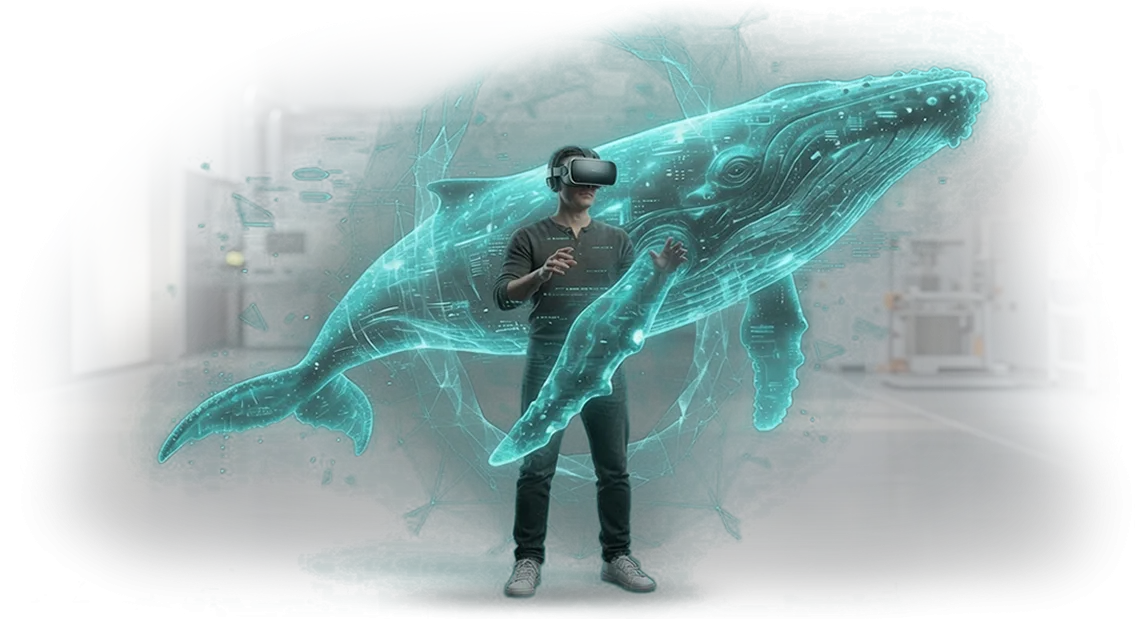
זה נכון במיוחד עבור עובדים חדשים ועובדים ותיקים הרגילים לפעול "כמו תמיד". כאן נכנסת ההדרכה ב-VR לכורים — היא מאפשרת לעובדים לתרגל תרחישים מסוכנים ללא סיכון לבריאותם וללא עצירת הפקה.
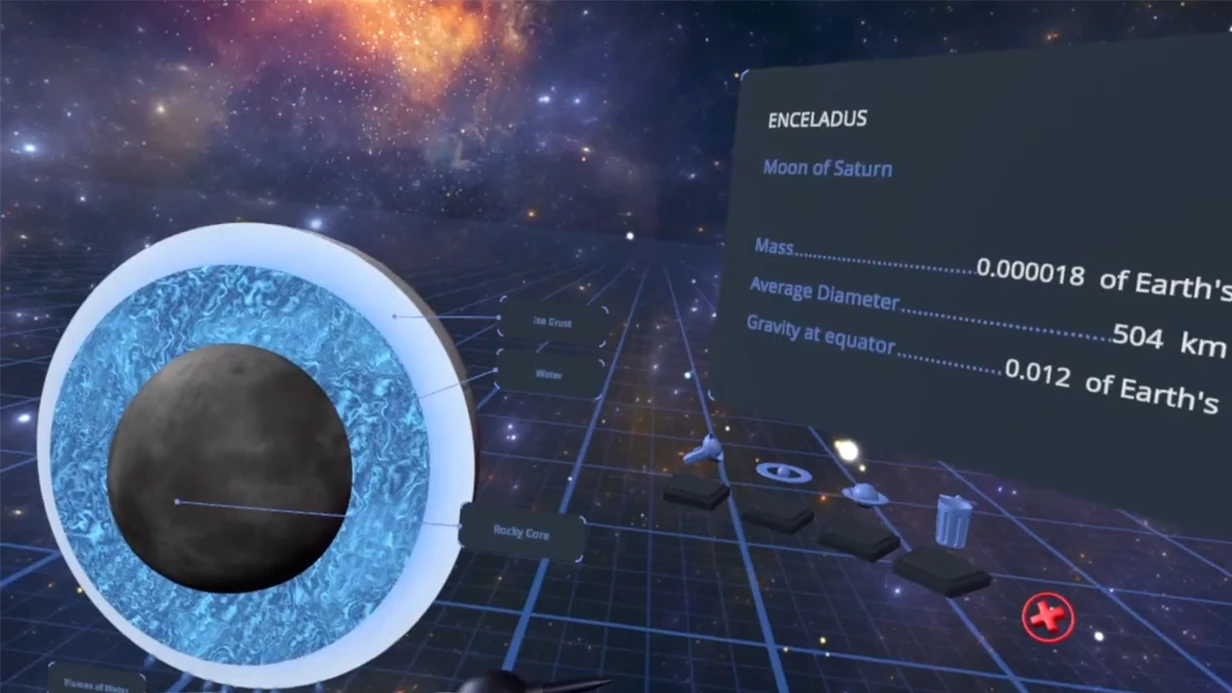
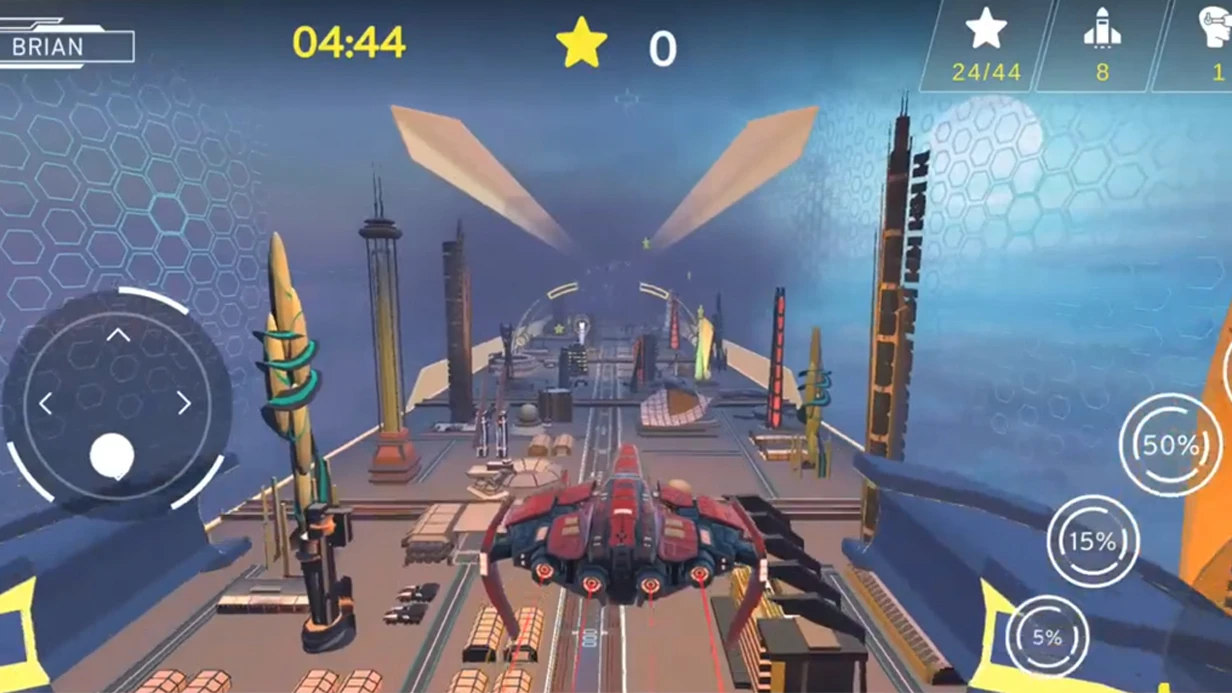
סימולטורים וירטואליים מודרניים לכרייה מדמים תנאים אמיתיים: עשן, קריסת סלעים, תקלת ציוד. העובדים לומדים לקבל החלטות תחת לחץ, והמערכת מתעדת כל פעולה שלהם.
גישה זו מפחיתה הפרות והופכת את הבטיחות בעבודה מפורמליות לתהליך ניתן לניהול.
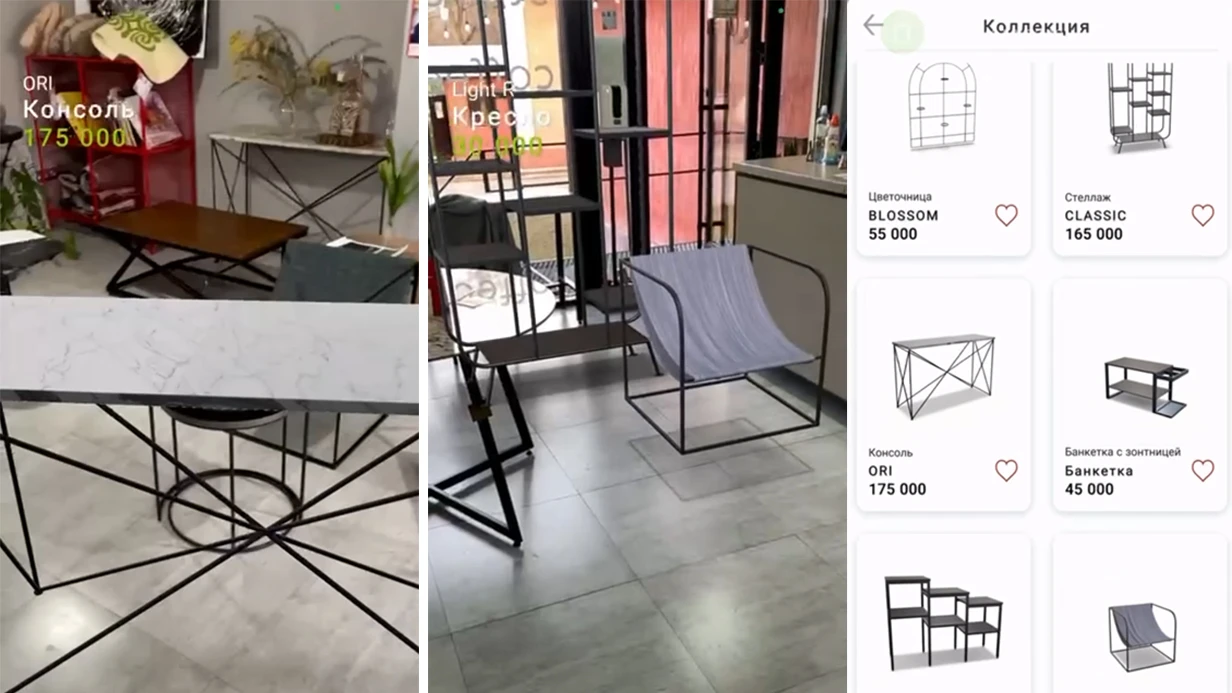
בנוסף, הוראות AR למכרות מציגות רמזים ישירות על הציוד האמיתי: העובדים רואים את רצף הפעולות, נקודות הבקרה והאזהרות ברגע ביצוע המשימה.
זה מקצר את זמן קליטת העובדים ומפחית את מספר השגיאות הנגרמות מהגורם האנושי.
אנחנו יודעים להפוך הדרכה להגנה אמיתית על העסק שלכם. אנו מסייעים בהטמעת פתרונות VR/AR שמחזירים את ההשקעה באמצעות הפחתת קנסות, השבתות ותשלומי ביטוח. צרו קשר — נראה לכם איך זה עובד באתר הייצור שלכם.
מה מקבלים מ-VR/AR בייצור: יתרונות עסקיים
עבור תעשיית הכרייה, מחיר הטעות נמדד לא בתקציב אבוד, אלא בבטיחות אנשים ובהפקה רציפה.
מציאות וירטואלית ומציאות רבודה מעבירות את התהליכים המסוכנים והיקרים ביותר לסביבה דיגיטלית ניתנת לניהול — ללא עצירת ייצור ועם אפקט מדיד לעסק.
הניסיון של הצוות שלנו מראה: חברות שהטמיעו פתרונות כאלה מאמנות צוות מהר יותר, עוצרות עבודה עקב תאונות בתדירות נמוכה יותר, ושולטות באיכות בצורה מדויקת יותר בכל שלב.
חיסכון בהדרכת עובדים
הכנת מפעיל מכונה או מפעיל מתקן ריסוק דורשת בדרך כלל שעות עבודה על ציוד אמיתי — כלומר השבתות, צריכת דלק ובלאי ציוד.
סימולטור VR מאפשר לעובדים לתרגל עד 30% מהמיומנויות בעותק וירטואלי בטוח של בית המלאכה או המחצבה, והעובד מגיע לאתר האמיתי עם בסיס מוכן.
כתוצאה מכך, הזמן הנדרש להכשרת עובד חדש מתקצר, העומס על המדריכים פוחת, והסיכון לתאונות במהלך ההדרכה נעלם.
הסבה לעובדים ותיקים זולה יותר גם היא: ניתן להפעיל תרחיש באופן מיידי, וניתן לתרגל מצבי חירום נדירים ללא הכנת אתר אמיתי.
הפחתת פציעות ושיעורי תאונות
תרגול פעולות במהלך קריסת סלעים, שריפה או תקלת ציוד בחיים האמיתיים הוא יקר ומסוכן מדי. בסימולציית VR, כל עובד יכול לחוות עשרות מצבים קריטיים וללמוד להגיב ללא כל איום על בריאותו.
החברה מקבלת התנהגות צפויה של הצוות בתנאי חירום ומפחיתה את מספר האירועים הגורמים להשבתות.
לפי סטטיסטיקות פרויקטים, הדרכה כזו מפחיתה השבתות חירום בעד 40% בתוך השנה הראשונה — זה כסף ישיר שנחסך על קנסות, תיקונים והפקה אבודה.
הטמעה מהירה ללא עצירת ייצור
פריסת פתרון VR אינה דורשת מודרניזציה של ציוד או שינויים במחזור הטכנולוגי. אנו מתאימים את הסימולטורים למכונות ולתקנות שלכם, והעובדים שולטים בתוכנית במפגש קצר אחד — אין צורך בחודשים של ארגון מחדש של תהליכים.
זה חשוב במיוחד עבור מפעלים פעילים, שבהם כל יום השבתה גורם להפסדים. תוצאות ההדרכה הראשונות מופיעות תוך שבועיים-שלושה: הצוות מתחיל לעבוד עם המודל הווירטואלי מבלי להמתין למערך המלא של תרחישי ההדרכה.
בקרת ייצור בזמן אמת
ממשקי AR מציגים נתונים על מצב הרכיבים ופרמטרי הפעלה ישירות על הציוד. מנהל רואה חריגות מהנורמה מיד, לא אחרי משמרת, ויכול למנוע תקלה או פגם לפני שהם הופכים לבעיה יקרה.
מציאות רבודה מסייעת גם בקבלת עבודות: מהנדס רואה אינדיקטורים בפועל, משווה אותם למתוכנן ומתעד הפרות.
שקיפות הבקרה מפחיתה אובדן חומרי גלם וזמן, והדיווח נוצר אוטומטית — פחות ניירת וגורם אנושי.
פורמטים של VR/AR לתעשיית הכרייה
משימות שונות בתעשיית הכרייה דורשות פורמטים דיגיטליים שונים. סימולטורי VR, רמזי AR ואבות טיפוס MR פותרים משימות עסקיות משלהם: מהדרכת צוות ועד אישור פרויקטים מול ההנהלה. להלן טבלה קצרה כדי שתוכלו לבחור את הפורמט המתאים למשימה ספציפית.
| פורמט | למי | מה זה נותן ללקוח |
|---|---|---|
| סימולטורי VR למכרות | עובדים חדשים, מפעילי מכונות, צוות תחזוקה | תרגול פעולות במצבי חירום ללא סיכון לחיים. הצוות מגיע לאתר האמיתי כבר מנוסה, ומספר האירועים הנגרמים מהגורם האנושי פוחת. |
| הוראות AR לציוד | שירותי תיקון, מפעילים, טכנולוגים | רמזים שלב-אחר-שלב ישירות על גוף המכונה או היחידה. העובדים מוצאים את הרכיב הנכון מהר יותר, עושים פחות טעויות ואינם מבזבזים זמן על מדריכי נייר. השבתות הציוד מופחתות. |
| הנדסת MR | מהנדסים, מתכננים, הנהלת המכרה | מודלים תלת-ממדיים של מנהור וציוד עתידיים שניתן להסתובב סביבם ולבדוק לפני הבנייה. שגיאות תכנון נראות מיד, לא במהלך ההתקנה — חיסכון בעבודות חוזרות ואישורים. |
אם יש לכם מספר משימות — הדרכה ותחזוקת ציוד — קל לשלב את הפורמטים למערכת אחת. אנו בוחרים את הפורמט למצב הספציפי שלכם ולא "מוכרים" את אותו מוצר לכולם. במהלך ייעוץ, נראה לכם מה יחזיר את ההשקעה הכי מהר בארגון שלכם.
שלבי פרויקט VR/AR: מהבריף ועד ההשקה
בתעשיית הכרייה, עלות טעות בהדרכה גבוהה מדי — עובד שלא הוכשר כראוי עלול להוביל לתאונות והשבתות.
לכן אנו בונים את פיתוח סימולטור ה-VR כתהליך ברור שלב-אחר-שלב, שבו שלבי פיתוח ה-VR מסוכמים אתכם מראש ואתם רואים את התוצאה בכל שלב. להלן איך זה נראה.
-
בריף וניתוח משימה. אנו לומדים את התקנות שלכם, מצבי חירום אופייניים ותרחישי התנהגות של הצוות. יחד אנו קובעים אילו מיומנויות הסימולטור העתידי צריך לתרגל כדי שההדרכה תניב תוצאות אמיתיות.
-
אישור פרויקט. אנו מפתחים תרחיש הדרכה מפורט ומוסרים אותו למומחי הבטיחות בעבודה ולטכנולוגי הייצור שלכם. הם מבצעים תיקונים — רק לאחר מכן אנו סוגרים את התוכנית ולוחות הזמנים.
-
אב טיפוס. אנו יוצרים גרסה עובדת עם חלק מתרחישי ההדרכה. אתם בודקים את ריאליזם הוויזואליה, נוחות השליטה ואיכות המשוב. הערות מטופלות לפני שלב הפיתוח המרכזי.
-
פיתוח גרסה מלאה. אנו מכינים מערך מלא של תרחישים, בודקים את הסימולטור על העובדים שלכם ומנתחים את תגובותיהם. בשלב זה אנו משכללים את רמת הקושי וההצגה כדי להתאים למשימות שלכם.
-
השקת סימולטור VR. אנו מתקינים את הפתרון על הציוד שלכם, מגדירים תחנות עבודה ומכשירים מדריכים. ההשקה מתבצעת ללא עצירת תהליך הייצור — ההדרכה מתנהלת במקביל.
-
תמיכה בפרויקט VR. לאחר ההשקה, אנו נשארים בקשר: מעדכנים תרחישים בהתאם לתקנות חדשות, מוסיפים מפגשי הדרכה ומסייעים בניתוח ביצועי העובדים.
מה כלול במסירת פתרון VR/AR ללקוח
חבילת המסירה כוללת את כל הדרוש להשקה ותפעול יציב של הפתרון בסביבת הארגון שלכם. אנו מספקים לא רק תוכנית, אלא כלי מוגדר במלואו שהעובדים שלכם יתחילו להשתמש בו במהירות וללא השבתות.
- תוכנה עובדת. מודולי VR/AR מוכנים המותקנים על הציוד שלכם או פרוסים על התשתית שלנו — מותאמים לפרטי תהליכי הכרייה.
- תיעוד פרויקט VR. מדריכים ברורים למפעילים, מנהלי מערכת ומנהלים: נהלי הפעלה, הגדרות תרחישים, כללי עדכון ובדיקת תקינות.
- הדרכת צוות VR. הכשרה מעשית לעובדים שלכם: הדרכה למפעילים, קורס קצר למהנדסים וניתוח מצבים אופייניים. ההדרכה מתבצעת באתר שלכם או מרחוק.
- תמיכה טכנית VR. ערוצי תקשורת עם המהנדסים שלנו, תחזוקה שוטפת ותגובה מהירה לאירועים כך שהשבתות לא ישפיעו על תוכניות העבודה.
- אינטגרציה עם המערכות שלכם. חיבור לתקנות פנימיות, מאגרי הדרכה ובקרת גישה — ללא שינוי תהליכים עסקיים מוכרים.
- התאמה למשימות. שיפור תרחישים וממשקים על סמך הפעלת ניסיון כך שהפתרון יתחשב באתרים, בציוד ובשרשראות הטכנולוגיות הספציפיות שלכם.
- תוכנית פיתוח. המלצות להרחבת השימוש ב-VR/AR: תרחישי הדרכה חדשים, פריסה למחלקות אחרות, חיבור משימות קשורות.
מקרה בוחן: כיצד סימולטור VR הפחית פציעות במכרה פחם
מפעלי כרייה גדולים פותרים את אותה בעיה במשך שנים: כיצד ללמד מפעילי מכונות לפעול במצבי חירום מבלי לסכן אנשים וציוד.
הדרכה על ציוד אמיתי היא יקרה, גוזלת זמן ולעיתים קרובות מסוכנת — טעות של מתחיל עלולה להוביל להשבתה או פציעה.
במכרה פחם פתוח אחד, הטמענו סימולטור VR להדרכת מפעילי ציוד כרייה. המטרה הייתה פשוטה — לתרגל את התרחישים הרגישים ביותר לתאונות: כשל בלמים, עשן בתא הנהג ובלימת חירום במדרון.
במשך שלושה חודשים, 48 מפעילים השלימו את הסימולטור, ובתוך שישה חודשים הארגון ראה תוצאה מדידה: מספר אירועי הפציעה ירד ב-37%, והזמן הממוצע להבאת עובד חדש לעבודה עצמאית ירד מחודשיים לשלושה שבועות.
מנהל המכרה העריך את התוצאה כך: "ציפינו ש-VR יהיה רק עמדת הדרכה מודרנית. במציאות, קיבלנו כלי ששינה את תרבות הבטיחות: אנשים התחילו לתרגל תרחישים מסוכנים בעצמם עד שהפכו לאוטומטיים. זה חסך לנו יותר מעלות הפרויקט כולו".
ההטמעה ארכה ארבעה שבועות: הכנו מודל תלת-ממדי של המחצבה והציוד, התאמנו תרחישים לתקנות הארגון והכשרנו מדריכים.
כיום הסימולטור משמש לא רק לעובדים חדשים — הוא משמש גם לבדיקת מפעילים לפני משמרות קריטיות ולתרגול פעולות לתקלות ציוד שלא ניתן לשחזר על מכונות אמיתיות.
הדבר החשוב ביותר עבורכם במקרה זה הוא לא הטכנולוגיה עצמה, אלא התוצאה הניתנת לשחזור.
השקנו פרויקטים דומים במספר מפעלי כרייה: בכל מקרה תיעדנו ירידה בשיעור התאונות, עלייה במהירות הדרכת הצוות וכתוצאה מכך, הפחתת השבתות.
אם תרצו לדון בתרחיש דומה לייצור שלכם, נערוך ביקורת ונחשב את האפקט הפוטנציאלי — נשלח לכם את החישוב בתוך שלושה ימי עסקים לאחר הבריף.
שאלות נפוצות על VR/AR לתעשייה
בתעשיית הכרייה, הספקות בדרך כלל אינם לגבי הטכנולוגיה עצמה, אלא לגבי שילובה בתהליך. להלן תשובות לשאלות אופייניות: מורכבות אינטגרציה, עלות, אבטחת מידע ומה קורה במקרה של תקלה.
האם קשה להטמיע VR/AR בייצור?
אנו מתכננים עבור האתר שלכם: הדרכה, בקרה, הדגמה. ההטמעה אורכת שבועיים עד ארבעה שבועות ואינה עוצרת את תפוקת הייצור. העובדים מקבלים תרחישים מוכרים בפורמט חדש, והתמיכה פועלת מרחוק.
כמה עולה פרויקט VR?
העלות תלויה במספר התרחישים ותחנות העבודה. אנו מחשבים לא עבור הציוד, אלא עבור התוצאה: הפחתת זמן הדרכה, פחות שגיאות ותאונות. הערכה שקופה קבועה בחוזה — ללא תשלומים נסתרים.
מה לגבי אבטחת מידע?
המערכת פועלת ברשת מבודדת במידת הצורך. הגישה מובחנת, ומידע אינו מועבר לצדדים שלישיים. במידת הצורך, אנו פורסים על השרתים שלכם — הנתונים נשארים בשליטה מלאה שלכם.
מה קורה אם משהו מתקלקל?
ניתנת תמיכה: אבחון, עדכונים והחלפת תוכן. במקרה של תקלה, אנו מתחברים מרחוק ובדרך כלל פותרים את הבעיה תוך יום עסקים אחד. מערכות קריטיות נתמכות תחת SLA — ללא עצירת פעולות.
VR אינו ניסוי, אלא כלי עבודה. אנו מטפלים באינטגרציה, אבטחה ונושאי אחריות כך שתקבלו תוצאה צפויה.מוכנים ליהנות מהיתרונות של VR/AR? השאירו פנייה
השאירו פנייה — ונראה כיצד VR/AR פותרים את המשימות של הארגון הספציפי שלכם.
עבור תעשיית הכרייה, זו לא רק "טכנולוגיה לשם הטכנולוגיה": סימולטורים וירטואליים מקצרים את זמן הדרכת הצוות, ומציאות רבודה מאיצה תיקון ציוד ומפחיתה את הסיכון לתאונות.
אנו מיישמים פתרונות VR/AR ללקוחות תעשייתיים כבר למעלה מ-10 שנים. אנו עובדים מרחוק, אך מתעמקים בפרטי הייצור שלכם. הצוות שלנו יוצר פרויקטים שמחזירים את ההשקעה באמצעות בטיחות מוגברת, מהירות ומעורבות עובדים.
לאחר הפנייה שלכם, תקבלו:
- ייעוץ VR — ננתח אילו משימות של הארגון שלכם ניתנות לפתרון בפועל באמצעות מציאות וירטואלית ורבודה.
- הערכת פרויקט VR — הערכה ראשונית ולוחות זמנים ללא תנאים נסתרים.
- הדגמת VR — פתרון לדוגמה שתוכלו להעריך לפני תחילת הפיתוח.
- ניתוח תרחישים — נראה היכן VR/AR יספקו אפקט מקסימלי: הדרכה, תיקון, בקרה, שיווק.
- תוכנית הטמעה — רצף ברור של שלבים מפיילוט ועד הרחבה.
- תמיכה בכל השלבים — זמינים לפני ההשקה ואחריה.
אינכם צריכים להשקיע זמן רב בלימוד הטכנולוגיה ולשאול אם היא תתאים לכם. פשוט תארו את המשימה שלכם — אנו נטפל בשאר. השאירו פנייה היום, ועד השבוע הבא תקבלו חזון קונקרטי של הפרויקט שלכם עם חישוב והדגמה.
כיצד לבחור את פורמט ה-VR/AR המתאים לארגון שלכם?
אין פורמט אוניברסלי אחד לכל הארגונים — הבחירה תלויה במשימה הספציפית שאתם פותרים. אם אתם צריכים להכשיר עובדים במהירות לעבודה בטוחה במכרה או במפעל עיבוד, טבילה מלאה בסביבה וירטואלית מתאימה.
אם חשוב יותר להראות למשקיע מתקן עתידי או להדגים טכנולוגיה ויזואלית, מציאות רבודה, המשתלבת במרחב האמיתי, יעילה יותר.
התחילו בשאלות לצוות שלכם: מי ישתמש בפתרון — עובדים, מהנדסים, מנהלים או לקוחות? היכן הוא ישמש: במגרש אימונים, בבית מלאכה, על ציוד אמיתי? התשובות מצמצמות מיד את השדה.
קריטריוני בחירת AR כוללים נוחות שימוש בתנאי שטח, עמידות לאבק ורעידות, ומהירות הצגת הוראות על גבי עצמים אמיתיים.
לבחירת פתרון VR, עומק התרחישים, היכולת לחזור על מצבי חירום והיכולת לשלוט בפעולות של כל משתתף חשובים יותר.
קחו בחשבון את דרישות ה-VR הספציפיות לתעשיית הכרייה: תנאי ההפעלה שונים לעיתים קרובות מתנאי משרד, ולכן הציוד חייב להיות מוגן, והממשק חייב להיות מובן לאנשים ללא הכשרה טכנית.
אם לארגון יש מספר אתרים, כדאי לתכנן מראש את פריסת הפתרון ואת היכולת לעדכן חומרים באופן מרכזי.
אנו מסייעים ללקוחותינו לבחור פורמט לפני שהתקציב מושקע בהרחבה. אנו עורכים ביקורת קצרה של המשימות שלכם, עונים על שאלות ומציעים 2–3 אפשרויות עם לוחות זמנים ברורים להטמעה.
כתוצאה מכך, אתם מקבלים לא מצגת מופשטת, אלא תרחישים קונקרטיים המותאמים לפרטים שלכם. אנו מזמינים אתכם לשיחת ייעוץ: נדון במטרותיכם ונקבע יחד איזה פורמט יניב תוצאה מהירה ומדידה.