



חינוך מכיל: מדוע שיטות סטנדרטיות לא עובדות
כיתה שבה כל התלמידים קולטים חומר באותה דרך היא מיתוס. שיעור רגיל מסתמך על טקסט, שפה מדוברת ותמונות סטטיות — כלומר, על דרך אחת בלבד להעברת מידע.
תלמיד עם הבדלים בשמיעה, ראייה, מוטוריקה או התפתחות קוגניטיבית מוצא את עצמו לעיתים קרובות מחוץ לתהליך: קשה לו להדביק את הקצב, וקשה למורה להסביר את אותו חומר בצורה שונה לכל תלמיד.
כתוצאה מכך, גם בתנאים שוויוניים פורמלית, סביבה נגישה לעולם לא נוצרת. שיטות מסורתיות נותנות לילד עם מוגבלות שום הזדמנות לבטא את עצמו, בעוד שאר התלמידים מאבדים מוטיבציה כי החומר לא מעניין אותם.
חינוך מכיל דורש לא רק "לשים את כולם בכיתה אחת" אלא ליצור תנאים שבהם כל תלמיד יכול ללמוד בקצב שלו ובדרך שמתאימה לו.
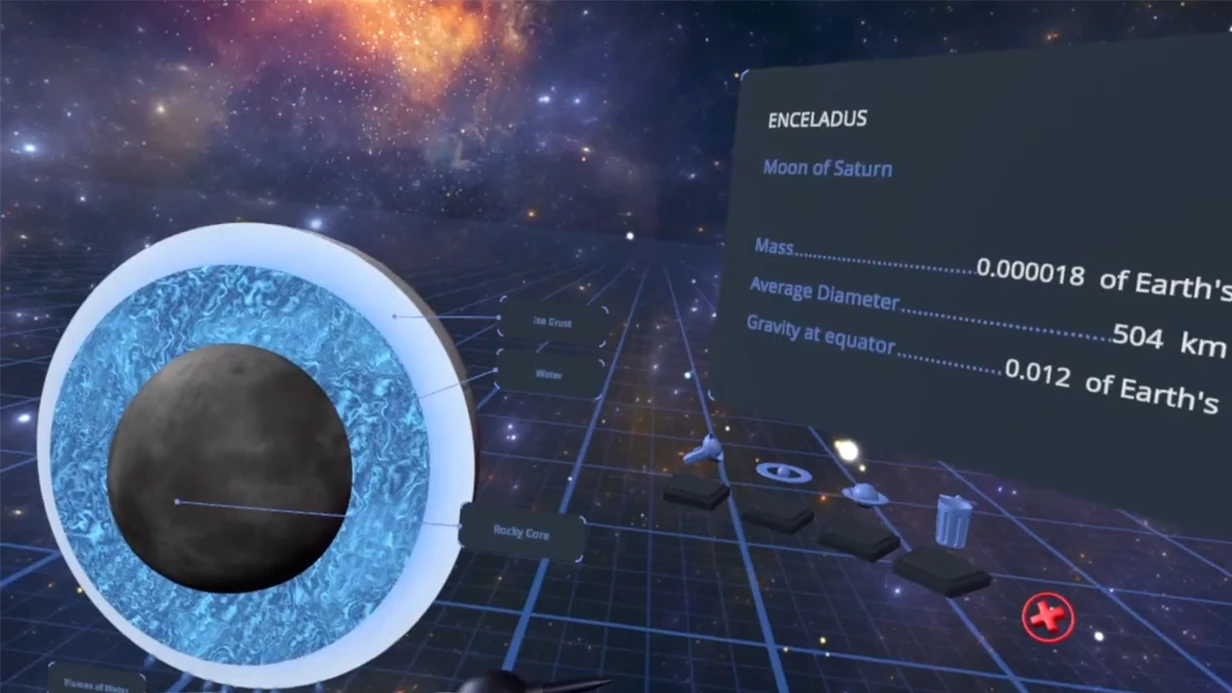
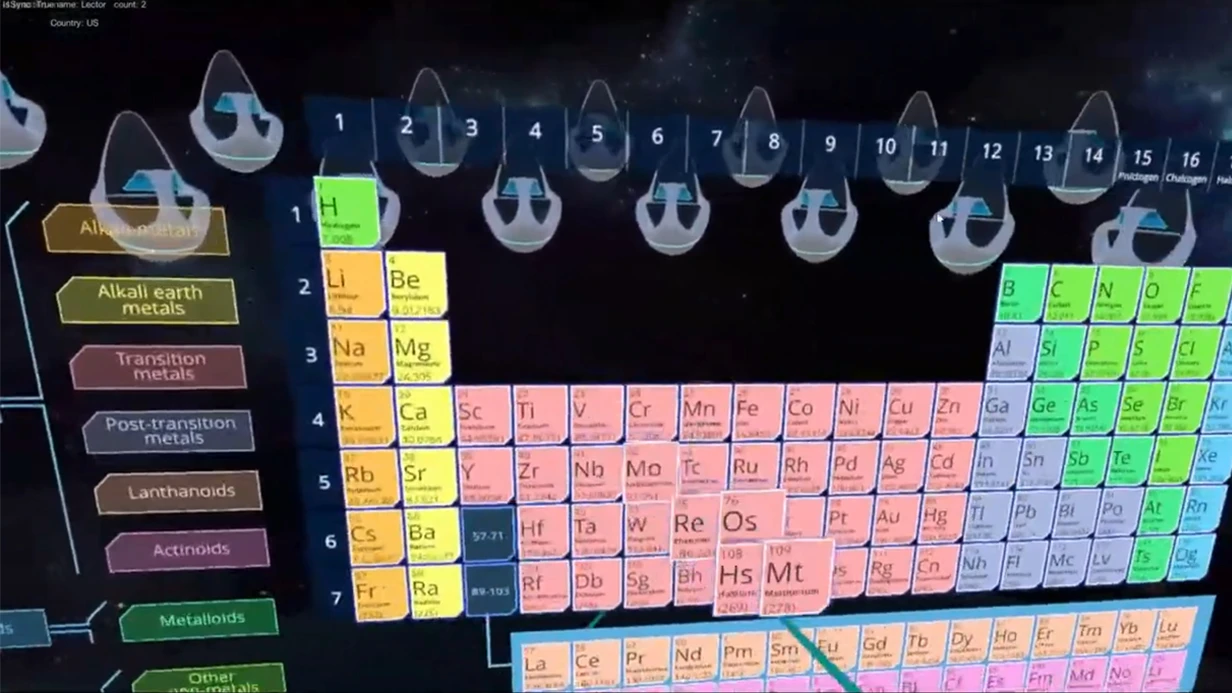
כאן בדיוק נכנסת הטכנולוגיה הדיגיטלית בחינוך. סצנות תלת-ממדיות אינטראקטיביות, מעבדות וירטואליות, תמיכה באודיו ווידאו, היכולת לשנות קנה מידה, מהירות ודרך מסירה — כל זה מאפשר להתאים את אותו שיעור לצרכים שונים.
תלמיד יכול לחזור לקטע קשה, לצפות בו מזווית אחרת, והמורה מקבל כלי שמדבר "בשפה" של כל תלמיד.
בצוות שלנו אנו מפתחים פתרונות WebVR לחינוך מכיל: הם רצים בדפדפן, אינם דורשים ציוד מורכב ומשתלבים בקלות בקורסים קיימים.
זו לא תחליף למורה אלא מערכת תמיכה שהופכת את הלמידה לנגישה, ויזואלית ומרתקת. כך, סביבה נגישה מפסיקה להיות פורמליות והופכת לכלי עבודה שעוזר לכל תלמיד להשיג תוצאות.
מה הארגון שלך מרוויח מפתרונות VR/AR
שיטות הוראה קונבנציונליות לא תמיד מצליחות להחזיק את תשומת הלב של תלמידים עם צרכים שונים. פתרונות VR/AR הופכים שיעור לחוויה אישית: ילד לא רק מקשיב אלא פועל בתוך הנושא הנלמד.
בצוות שלנו אנו יוצרים פורמטים כאלה כבר למעלה מ-10 שנים ואנחנו רואים את הדבר המרכזי — הם עובדים במקום שבו מצגות רגילות וספרי לימוד חסרי אונים.
מעורבות תלמידים
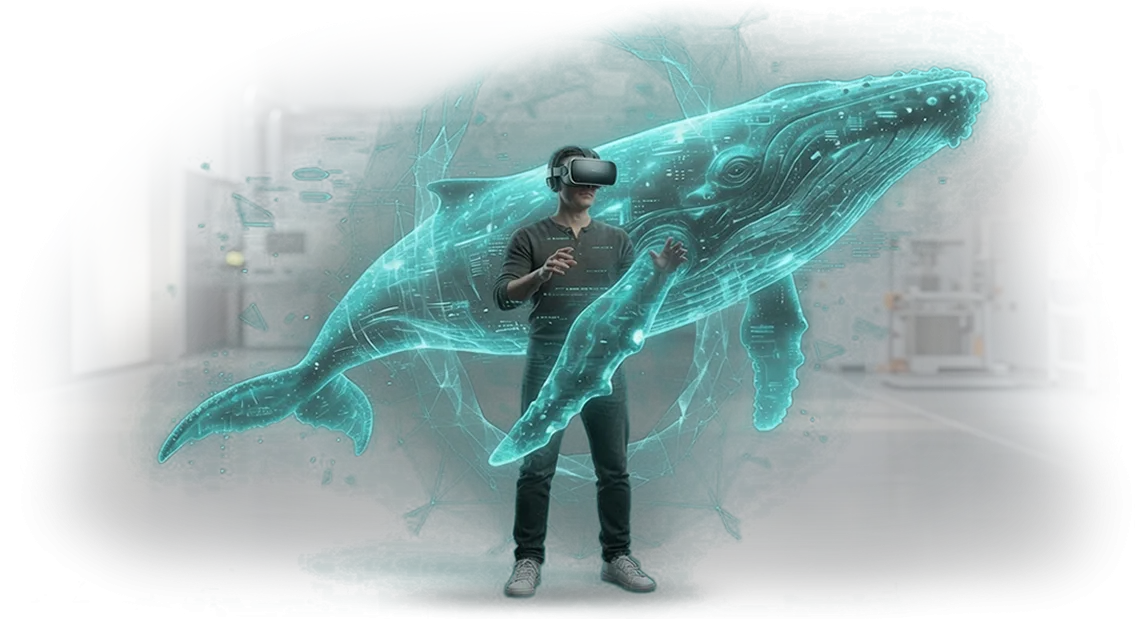
מציאות מדומה יוצרת אפקט של טבילה מלאה — המוח תופס את המתרחש כאירוע אמיתי. זה מחזיק את תשומת הלב של אפילו ילדים עם הפרעות קשב: שיעור הופך מפעילות חובה לחקירה שהתלמיד רוצה להמשיך בה.
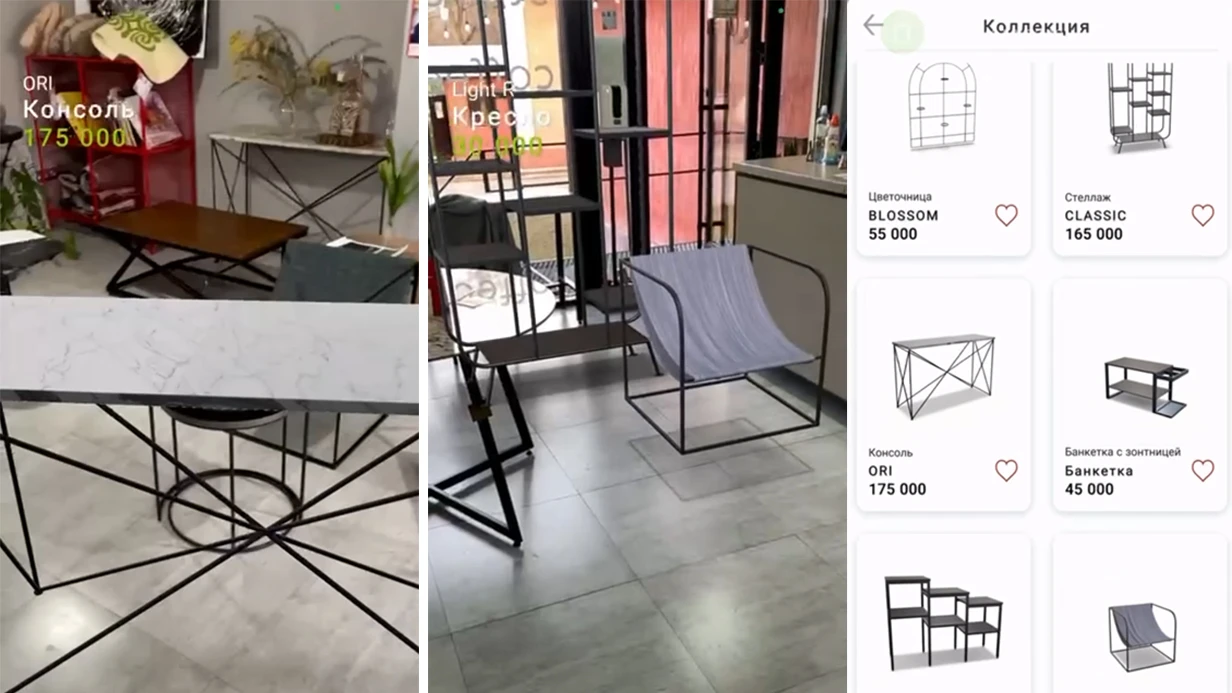
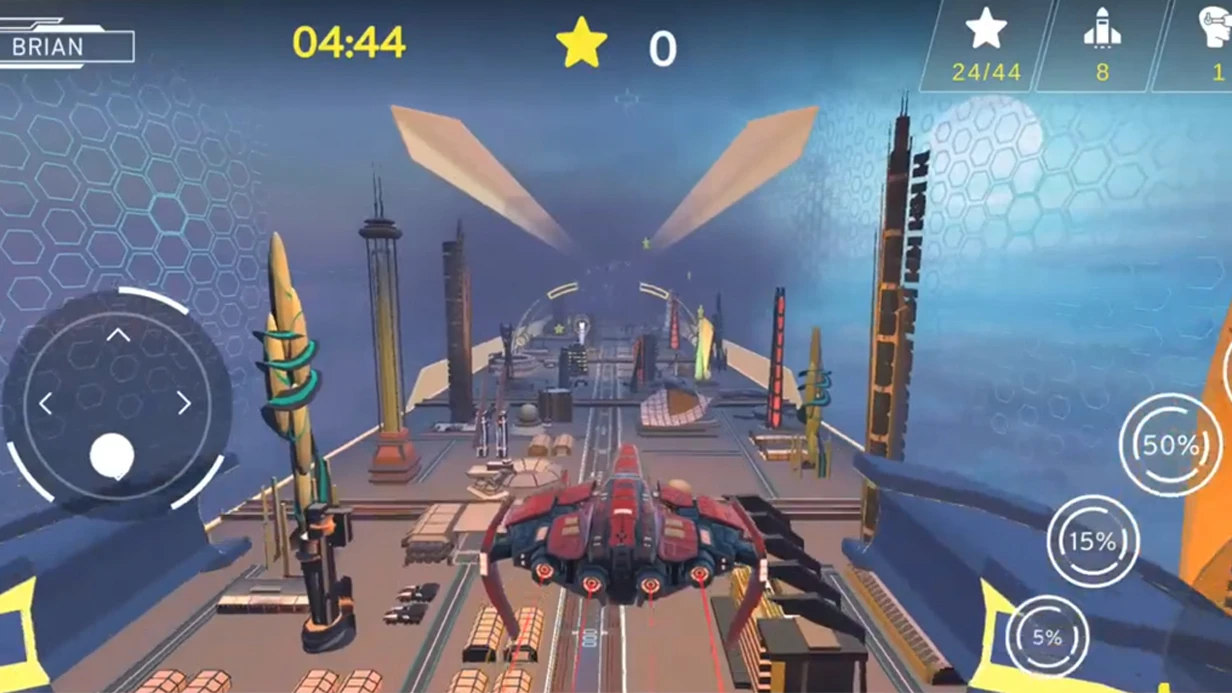
מציאות רבודה מוסיפה אלמנטים משחקיים למשימות מוכרות. לדוגמה, דיאגרמות מונפשות או אובייקטים תלת-ממדיים על השולחן הופכים מושגים מופשטים למוחשיים, ולכן מובנים.
נגישות החינוך
סביבת VR מאפשרת להתאים את התרחיש לתלמיד ספציפי: לשנות את הקצב, הקושי ודרך מסירת החומר.
זה חשוב במיוחד לילדים עם מוגבלויות — הם מקבלים את אותן הזדמנויות כמו כולם, אבל במצב נוח עבורם.
עבור בית ספר, זו דרך לספק גישה אינדיבידואלית מבלי להגדיל את עומס העבודה של המורה. המורה מפעיל פתרון מוכן, והמערכת מסתגלת לבד.
נראות ארגונית
פתרונות חינוכיים מודרניים הם נכס תדמיתי. בית ספר שמאמץ VR/AR נתפס בעיני הורים ושותפים כפרוגרסיבי ואכפתי כלפי ילדים. שמועות מפה לאוזן ופוסטים ברשתות החברתיות עובדים בחינם — מספיק להראות קטע חי אחד מתוך שיעור.
תוצאות מדידות
סטטיסטיקות מובנות מראות כמה זמן תלמיד השקיע במשימה, אילו שלבים השלים והיכן נוצרו קשיים. זהו נתון להערכות, דוחות והתאמת תוכנית הלימודים — שקוף להנהלה ולהורים.
פורמטים של יישומי VR/AR לחינוך מכיל
חינוך מכיל דורש שכל תלמיד ירגיש חלק מהתהליך המשותף.
ניתן להתאים חומר בקלות לצרכים מיוחדים, אבל בלי הפורמט הטכנולוגי הנכון, מאמצי המורים יורדים לטמיון — חלק מהילדים מאבדים מוטיבציה, ומתודולוגים מבזבזים זמן על פיתוחים אישיים.
פורמט היישום קובע ישירות כמה תלמידים מקבלים גישה לשיעור ועד כמה בנוח הם קולטים את התוכנית.
הצוות שלנו אורז למידת VR/AR לשלושה פורמטים בסיסיים — כל אחד פותר משימת לקוח ספציפית: מכיסוי קהל ועד עומק טבילה. להלן איך זה נראה בפועל.
| פורמט | למי זה מיועד | מה זה נותן ללקוח |
|---|---|---|
| יישומי Web | בתי ספר, כיתות משאבים, חינוך ביתי | גישה מכל מכשיר ללא התקנת תוכנה — תנאים שוויוניים לכל התלמידים, עדכוני תוכנית מיידיים וניתוח התקדמות |
| יישומים ניידים (AR) | שיעורי שטח, שיעורי בית, ילדים עם מוגבלות בניידות | המשך השיעור מעבר לכיתה: הצבת אובייקטים דיגיטליים על העולם האמיתי הופכת את החומר לוויזואלי ואינה דורשת ציוד מיוחד |
| מתחמי VR נייחים | כיתות משאבים, מרכזי שיקום, מרכזי הכשרה ארגוניים | אפקט טבילה מלאה לתרגול תרחישי סוציאליזציה ומיומנויות מקצועיות — בסביבה וירטואלית בטוחה הנשלטת על ידי המורה |
לרוב, תוכניות מכילות מרוויחות משילוב פורמטים: אזור VR נייח מספק חוויה קבוצתית ואת "אפקט הנוכחות," בעוד פתרונות web וניידים מכסים את אלה שאינם יכולים להיות פיזית בכיתה.
בחירת הפורמט הנכון אינה עניין של טכנולוגיה — היא עניין של הבטחת גישה לידע לכל תלמיד ללא מחסומים.
שלבי פיתוח: איך הפרויקט שלך מתקדם
בנינו את התהליך כך שבכל שלב אתה מבין מה קורה ומה התוצאה שאתה מקבל. אין "קופסאות שחורות" — רק צעדים ברורים, לוחות זמנים קבועים ונקודות אישור. אתה תמיד יודע באיזה שלב נמצא הפרויקט ומה הלאה.
-
בריף וצלילה עמוקה למשימה. אנו מקיימים שיחה או פגישה, מנתחים את הקהל שלך, המטרות והמאפיינים הספציפיים של קבוצות מכילות. אנו מבהירים מה אמור לקרות עם התלמידים לאחר השימוש בפתרון ה-VR.
-
ניתוח וקונספט. אנו מציעים תרחיש שימוש, פורמט אינטראקציה ומסבירים איך זה יעזור למשתמשים הספציפיים שלך. אנו מראים אילו משימות הכי טוב לפתור באמצעות מציאות מדומה — ואילו לא.
-
אישור מפרט טכני. אנו נועלים פונקציונליות, ממשק, לוחות זמנים ואבני דרך. אתה מקבל מסמך ברור שמקל על מעקב אחר התקדמות הפיתוח וקבלת תוצאות העבודה.
-
פיתוח והדגמות ביניים. אנו בונים אב טיפוס ומראים לך אותו. לאחר מכן מגיעה הרכבה הדרגתית של הפתרון עם הדגמות קבועות — בערך כל שבוע וחצי עד שבועיים. אתה רואה את הפרויקט חי ומבצע שינויים בעודם זולים.
-
בדיקות עם קהל אמיתי. אנו בודקים את הפתרון עם אנשים בעלי מאפייני תפיסה ותנועה שונים. אנו מתאימים את הממשק, עומס העבודה ושיטות השליטה כך שכולם יהיו בנוח ובטוח.
-
השקה והדרכה. אנו מוסרים את הפתרון המוגמר, הוראות וחומרי הדרכה קצרים למורים. אנו עוזרים בשיעורים הראשונים ועונים על שאלות הצוות.
-
תמיכה וצמיחה. אנו נשארים בקשר לאחר ההשקה: מעדכנים תוכן, משכללים פונקציונליות ומנטרים יציבות. כשצריך, אנו מרחיבים תרחישים למשימות חדשות.
כתוצאה מכך, אתה מקבל לא רק יישום אלא כלי עבודה המשולב בתהליכים החינוכיים שלך. לוח הזמנים הממוצע של פרויקט הוא חודשיים עד ארבעה חודשים, תלוי במורכבות התרחיש ובמספר ההתאמות. בתחילת הדרך, אנו מספקים הערכה ריאלית ועומדים בה.
מה אתה מקבל: היקף המסירה
הפרויקט לא מסתיים בהשקה — אתה מקבל חבילה שהצוות שלך יכול להמשיך לעבוד איתה באופן עצמאי. כל מה שנוצר במהלך הפיתוח מועבר אליך בתנאים ברורים ובמבנה מסודר.
- יישום מוכן: סביבת WebVR מוגדרת במלואה שנפתחת בדפדפן ללא התקנת ציוד. תלמידים ומורים משתמשים בה מיד — במחשבים ניידים, טאבלטים ומשקפי VR.
- תיעוד והוראות: תיאורי תרחישים, הגדרות, כללי גישה ופעולות סטנדרטיות למנהל. איש צוות יכול להבין את המערכת תוך יום, גם ללא ניסיון קודם ב-VR.
- קוד מקור וחומרים ניתנים לעריכה: ניתן להרחיב ולהתאים תוכן לנושאים חדשים ולצרכים מיוחדים של תלמידים. אתה לא קשור אלינו לנצח.
- הדרכת צוות: אנו מקיימים מפגש מעשי למורים ומנהלים, ומראים כיצד להפעיל שיעורים ולעבוד עם תרחישים. הצוות מקבל הקלטה של מפגש ההדרכה לחזרה בעת הצורך.
- תמיכת אחריות: לתקופה קבועה — תיקוני באגים וייעוץ. אם משהו לא עובד או עולה שאלה — אתה פונה אלינו ישירות, ללא חיפוש קבלנים חיצוניים.
- מפת דרכים לפיתוח: עם סיום הפרויקט, אנו מתעדים נקודות צמיחה — אילו מודולים ותרחישים ניתן להוסיף בשלבים מאוחרים יותר כדי שהיישום יתפתח יחד עם התוכנית שלך.
תנאי התמיכה קבועים בחוזה לפני תחילת העבודה, כך שלא נוצרות עלויות בלתי צפויות לאחר מסירת הפרויקט. ההדרכה מתקיימת באינטרנט או באתר שלך — אנו מתאימים את עצמנו ללוח הזמנים שלך.
התוצאה העיקרית היא לא רק טכנולוגיה אלא כלי חינוך מכיל עובד שהצוות משתמש בו כל יום.
מקרה בוחן: איך הלקוח שלנו הגדיל נוכחות ב-35%
מרכז החינוך המכיל "עולם פתוח" פנה אלינו עם בעיה שרבים מכירים: תלמידים עם מוגבלויות החמיצו שיעורים באופן קבוע. הסיבה לא הייתה חוסר רצון ללמוד אלא מחסומים — נסיעות, עייפות, חוסר יכולת לעבור במהירות למצב בית ספרי. שיחות וידאו רגילות לא עזרו: ילדים איבדו במהירות תשומת לב והרגישו מבודדים.
הצענו פתרון WebVR — כיתה וירטואלית שהתלמיד נכנס אליה מדפדפן רגיל, ללא התקנת יישומים או קניית ציוד יקר. הילד רואה חברים לכיתה ואת המורה, יכול להרים יד, לגשת ללוח ולעבוד בקבוצות.
עבור הלקוח, זו הפכה לדרך להחזיר לחינוך את אלה שנשארו בעבר בצד.
תוצאות הפרויקט ששינו את הגישה
בחודשיים הראשונים, הנוכחות גדלה ב-35%, וחשוב מכך — גדלה המעורבות. ילדים לא רק "מופיעים" לשיעורים אלא מגיבים באופן פעיל: מורים מדווחים על השתתפות ב-9 מתוך 10 שיעורים.
הורים אומרים שהילד הפסיק לתפוס את בית הספר כעונש ועכשיו מזכיר להם כשהשיעור עומד להתחיל.
- נוכחות — עלתה ב-35% בממוצע בקבוצה.
- פעילות — תלמידים מצטרפים לדיאלוג ב-90% מהשיעורים.
- התרחבות — המרכז הרחיב את התוכנית לשלוש כיתות נוספות לאחר הרבעון המוצלח הראשון.
מדוע ניתן לחזור על ניסיון זה
ההצלחה נקבעה לא על ידי הטכנולוגיה עצמה אלא על ידי תרחיש הלמידה. יחד עם מורים, ארגנו מחדש את השיעור לסביבה הווירטואלית: בלוקים קצרים, שינויים תכופים בפעילות, אינטראקציה חיה בין תלמידים.
המורה רואה את כולם "בכיתה" ויכול לגשת לכל תלמיד — ההכלה הפסיקה להיות פורמליות.
עבורנו, זה אישור: הגישה הנכונה ב-VR מספקת תוצאות עסקיות מדידות. אנו מיישמים את אותו עיקרון בהכשרה ארגונית, אירועים ופרויקטים מוזיאליים — ואנו מוכנים להתאים אותו למשימה שלך.
איך לבחור את הפורמט הנכון למטרות שלך?
בחירת פורמט היא תמיד איזון בין שלושה קריטריונים: מטרות למידה, יכולות קהל ותקציב פיתוח. אין פתרון אוניברסלי: מה שעובד מצוין למשימות מסוימות יהיה מוגזם או בלתי נגיש לאחרות.
אז קודם כל כדאי לקבוע מי ישתמש במוצר ואיך, ורק אחר כך להסתכל על הטכנולוגיה.
בחינוך מכיל, קהל היעד הוא המסנן הראשוני. תלמידים עם מאפייני תפיסה, מוטוריקה או קוגניציה שונים זקוקים לממשק פשוט ומוכר.
פתרונות WebVR רצים בדפדפן במחשבים ניידים רגילים, טאבלטים וסמארטפונים — ללא ציוד מיוחד או הדרכה נוספת. גישה זו מסירה מחסומי כניסה ומאפשרת לכל תלמיד לקחת חלק בשיעור.
מטרות הלמידה קובעות את עומק הטבילה. אם אתה צריך לתרגל מיומנויות מעשיות בסביבה מבוקרת לחלוטין — לדוגמה, פעולות תגובה למצבי חירום — כדאי לשקול משקפי VR מלאים.
אם המשימה היא להסביר חומר מורכב, להראות תהליכים או ללמד אינטראקציה קבוצתית, WebVR מספק מעורבות מספקת תוך הגעה ליותר תלמידים בבת אחת. עבור קבוצות מכילות, שימוש חוזר ונגישות חשובים לעיתים קרובות יותר מאפקט הנוכחות המקסימלי.
תקציב הפיתוח גם מצמצם את האפשרויות. פרויקטי VR בקנה מידה מלא דורשים מימון לפיתוח, רכישת משקפיים ותחזוקה. WebVR עובד על מכשירים שבית הספר או המרכז כבר מחזיקים, ותהליך היצירה עצמו מהיר וזול יותר.
יחד עם זאת, חיסכון בכסף לא אומר אובדן איכות: תרחיש מעוצב כראוי משיג תוצאות דומות לפתרונות יקרים.
ספר לנו מה אתה מצפה מהפרויקט — ואנו נבחר פורמט שמשיג את המטרה ללא עלויות מיותרות ודרישות בלתי נגישות. במהלך בריף, ננתח את המשימות, הקהל והתקציב שלך, נציע את האפשרות האופטימלית וננמק אותה. כך תוכל להיות בטוח שאתה משקיע במשהו שבאמת יעבוד.
שאלות נפוצות של לקוחות על פרויקטי VR/AR
לפני תחילת פרויקט VR/AR לחינוך מכיל, ללקוחות יש בדרך כלל את אותם ספקות: מה אם זה לא יעבוד, כמה מהר אפשר לבצע שינויים, והאם הטכנולוגיה תזיק לילדים. המשימה שלנו היא להסיר את הסיכונים האלה לפני ההתחלה ולתמוך בפרויקט לאחר ההשקה.
מה אם הפתרון לא יעבוד עבור התלמידים?
אנו לא מוסרים מוצר "גולמי". אנו בודקים את התרחיש עם מורים ותלמידים לפני המסירה הסופית. אם מתרחש כשל לאחר ההשקה, אנו מתקנים אותו על חשבוננו במסגרת הזמן המוסכמת.
איך מבצעים שינויים לאחר ההשקה?
אנו ממנים מנהל שמקבל בקשות לשיפורים. עריכות קטנות מטופלות במסגרת תוכנית התמיכה; תרחישים חדשים מוערכים בנפרד. אתה תמיד יודע את לוח הזמנים והעלות.
כמה זמן לוקח הפיתוח?
מודול טיפוסי לשיעור אחד לוקח 2–3 שבועות; קורס מלא מתחיל מ-6 שבועות. לוח הזמנים המדויק קבוע בחוזה ואינו משתנה ללא הסכמתך.
האם VR/AR בטוח לילדים עם הבדלים התפתחותיים?
אנו מתכננים מפגשים קצרים, בהירות וצליל מתכווננים, הפסקות ובקרות חלופיות. אנו מספקים הוראות למורים והמלצות מתודולוגיות. עומס העבודה נשלט על ידי המורה.
מי אחראי על תמיכה ויציבות?
הצוות שלנו נשאר בקשר: תמיכה, עדכונים וייעוץ כלולים בתוכנית התחזוקה.
הזמן פיתוח וקבל ייעוץ
חינוך מכיל הוא לא רק שליחות חברתית אלא גם משימות קונקרטיות: הפיכת חומר לנגיש לתלמידים עם צרכים שונים ומעורבותם בלמידה. VR ו-AR עוזרים לפתור זאת — אבל רק כשהפרויקט מעוצב סביב הקהל שלך. אנו עוזרים ללקוחות להשיג בדיוק את התוצאה הזו — ללא סיכון של תשלום יתר או הגעה למבוי סתום.
הזמן פיתוח כבר עכשיו וקבל ייעוץ: נבחן את המשימה שלך, נציע פורמטים וניתן לך עלות כנה המחושבת לאחר ביקורת. זה ללא התחייבויות — אתה מקבל מומחיות והבנה ברורה מאיפה להתחיל.
מה אתה מקבל כשאתה פונה אלינו:
- ייעוץ עם מומחה מתחום — מישהו שמכיר את המאפיינים הספציפיים של פרויקטי חינוך מכילים.
- הערכת עלות ולוח זמנים — מספרים מדויקים לפני תחילת העבודה, ללא תוספות נסתרות.
- בחירת הפורמט הנכון: מאמן VR, יישום AR או גרסת דפדפן לשיעורי כיתה.
- המלצות על ציוד ודרישות טכניות — מותאמות לתקציב שלך.
- תוכנית עבודה שקופה ונקודת קשר אחת לכל הפרויקט — אתה תמיד יודע מה קורה.
- תמיכה לאחר ההשקה: בדיקות, שכלולים ותחזוקה.
יצירת קשר היא פשוטה: השאר בקשה בעמוד או כתוב לנו בהודעה — נגיב תוך יום עסקים אחד. נדון במשימה שלך, נכין הערכה ונראה כיצד VR/AR יחזקו את התוכנית החינוכית שלך. נתחיל בייעוץ — ואתה מקבל את ההחלטה הסופית.