

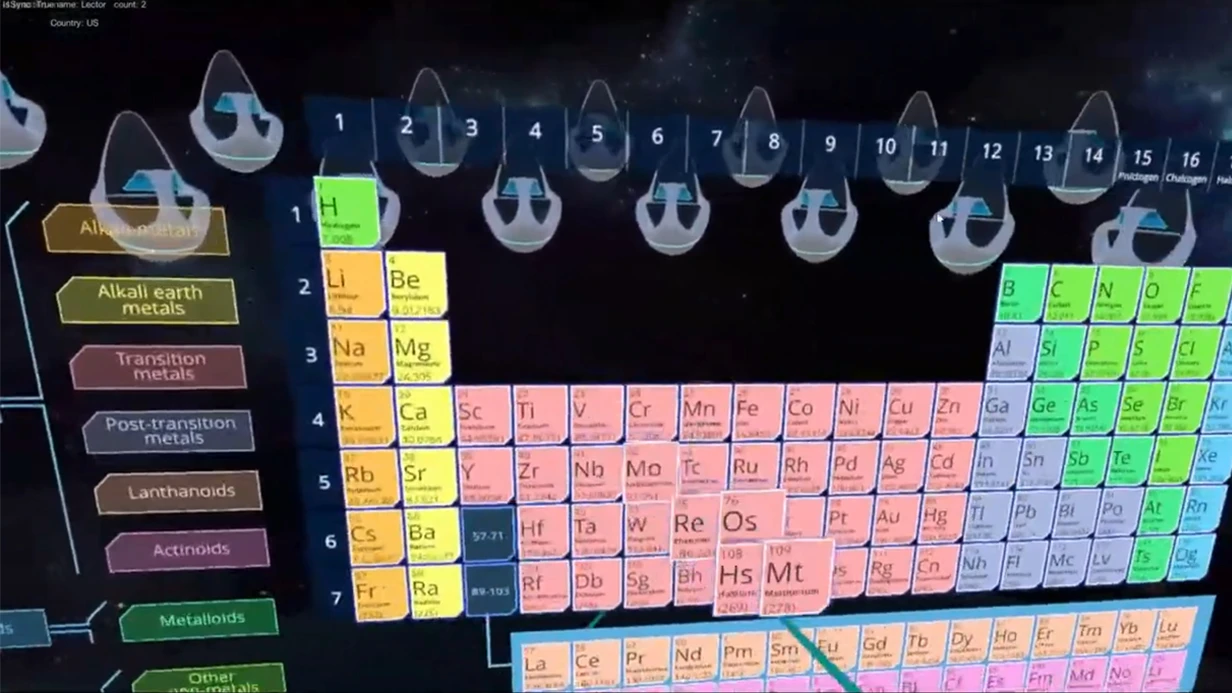


מדוע מעבדה זקוקה לאפליקציית VR משלה
מחקר מעבדתי נשאר לעיתים קרובות מאחורי דלתות סגורות: מבקרים רואים תצוגות ומצגות, אך לא מבינים מה הצוות עושה בפועל ולמה זה חשוב.
ללא פורמט אינטראקטיבי, קשה להדגים את ערך העבודה ולהחזיק את תשומת הלב של המבקרים ליותר מכמה דקות.
כתוצאה מכך, אפילו תוצאות מדעיות חזקות לא זוכות לתהודה הראויה. שותפים לא רואים את הפוטנציאל, סטודנטים פוטנציאליים ומומחים צעירים חולפים על פניהם, ואירועים פנימיים הופכים לפורמליות גרידא. המעבדה מפסידה את ההזדמנות להשמיע את קולה באמצעות חוויה מעשית.
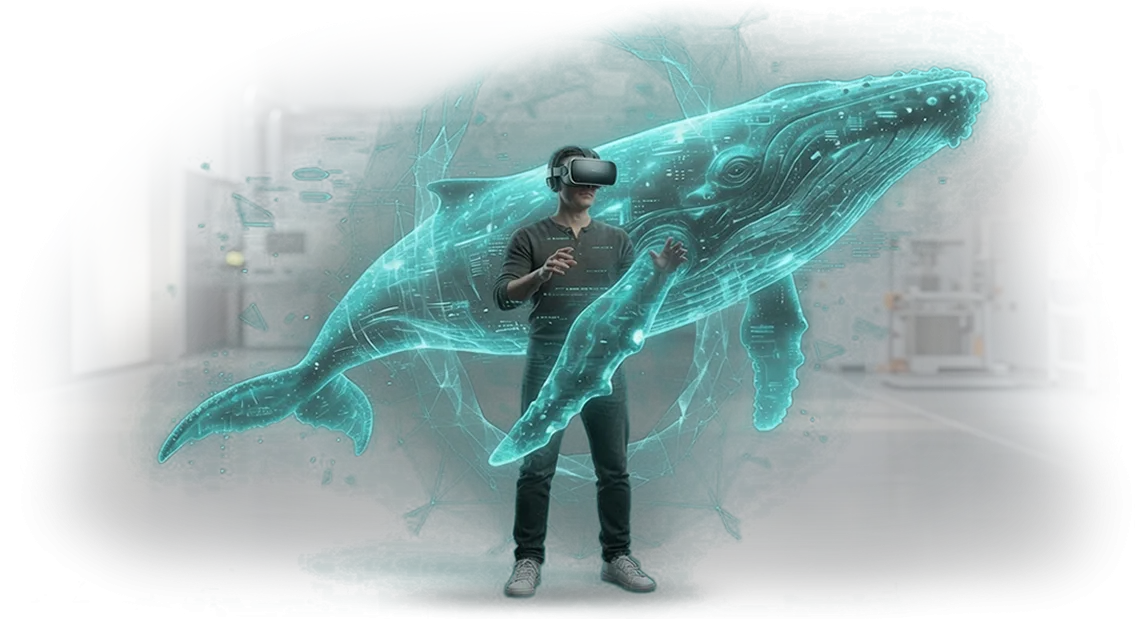
אפליקציית VR מותאמת אישית למעבדה פותרת בעיה זו. היא הופכת נתונים מורכבים להדמיה אינטראקטיבית: מבקרים מפעילים ניסוי בעצמם, מתפעלים מודלים, ורואים את תוצאות פעולותיהם. זו אינה חיקוי לשם גאדג'ט—זו דרך חדשה לספר את סיפור העבודה המדעית.
מעבדה וירטואלית נזכרת בצורה חיה יותר מכל דוכן. מבקרים מבלים כמה דקות בתרחיש ואז משתפים את החוויה עם עמיתים וברשתות החברתיות.
עבור שותפים, פורמט זה הוא סימן לבגרות טכנולוגית; עבור אורחים, זו הזדמנות לגעת במדע ללא הכשרה מיוחדת.
אנו מתכננים פתרונות VR למשימות הספציפיות של מעבדה נתונה: אנו עוזרים לבחור תרחיש, לתכנן את האינטראקציה, ולהשיק את האפליקציה באירועים. כתוצאה מכך, המעבדה מקבלת כלי שעובד למען הכרה והבנה של המחקר שלה.
מה WebVR נותן למעבדה: רושם, טווח הגעה, פניות
מעבדה וירטואלית בדפדפן הופכת מחקר מורכב לרושם מובן. מבקרים לא קוראים תיאורים ארוכים—הם נעים בחלל בעצמם, צופים בניסויים, ומתקשרים עם מכשירים.
פורמט זה מחזיק תשומת לב הרבה יותר זמן מאשר עמוד סטטי—וזה הדבר הראשון שמבדיל את WebVR מאתר מעבדה טיפוסי.
היתרונות של מעבדה וירטואלית ברורים הן ללקוח והן לרשות. גישה מרחוק למחקר עובדת מסביב לשעון: שותף מעיר אחרת פותח קישור ורואה את הציוד, המתודולוגיה והתוצאות ללא צורך בתזמון פגישה או ארגון ביקור.
אותו סיור ניתן להציג בתערוכה, בניוזלטר, ובאתר—טווח ההגעה לקהל אינו תלוי עוד בגאוגרפיה או בשעות עבודה.
עבור המותג, WebVR למעבדה הוא הכרה. פורמט יוצא דופן נזכר, אנשים מספרים עליו לעמיתים, וקטעי סיור וירטואלי מתפשטים ברשתות החברתיות כתוכן טבעי.
בסופו של דבר, המעבדה מקבלת לא פרסום חד-פעמי, אלא כלי שעובד כל הזמן למשיכת פניות.
אנחנו צוות ואנו בונים WebVR עם כלים מוכחים וציוד מקצועי. זה אומר שהפרויקט מושק בזמן, עובד כראוי מטלפונים ומחשבים ניידים, וניתן להרחבה בקלות עם תרחישים חדשים.
מה אתה מקבל
- מעורבות מבקרים: טבילה מחזיקה תשומת לב ומעודדת פנייה.
- גישה ללקוחות מרוחקים: הסיור עובד כמצגת ללא מעורבות צוות.
- הגברת הכרה: הפורמט המקורי נדון ומשותף.
פורמטים של פתרון VR למשימה שלך
מעבדה היא מתקן מורכב שאי אפשר להראות לכל מבקר: בקרת גישה, בטיחות ודיוק ציוד—כל אלה חשובים. אך ללא בהירות ויזואלית, קשה למשוך שותפים, סטודנטים פוטנציאליים או לקוחות מחקר.
לכן פורמטי VR למעבדות אינם בידור אלא כלי עבודה: אתה בוחר תרחיש לקהל ספציפי, ואנחנו הופכים אותו לפתרון שמשתלם באמצעות טווח הגעה וחיסכון במשאבים.
כדי להקל על הניווט, זיהינו שלושה פורמטים בסיסיים. הם מכסים את רוב המשימות—מהצגת יכולות ועד הכשרת עובדים.
| פורמט | למי | מה הוא נותן ללקוח |
|---|---|---|
| דוכן וירטואלי | לתערוכות, ימי פתוח, פגישות עם משקיעים | מציג ציוד ותהליכים ללא גישה לאזור הנקי, עובד בכל זמן |
| סיור מקוון | לסטודנטים פוטנציאליים, שותפים, מבקרי אתר | מסיר מגבלות מרחק וגישה, מגדיל את טווח ההגעה לקהל |
| סימולטור הדרכה | לסטודנטים, עובדים חדשים, צוותים טכניים | בונה מיומנויות בבטחה, ללא צריכת ריאגנטים או סיכון לתקלות |
קל לשלב בין הפורמטים: דוכן וירטואלי הופך לבסיס לסיור מקוון, וסימולטור הדרכה הופך להרחבה של הדוכן לעבודה עם צוות.
אנו מתכננים פתרון למעבדה שלך ולא מוסיפים אפשרויות מיותרות—רק מה שמקדם אותך לתוצאה מדידה.
איך הפיתוח עובד: מבריף ועד השקה
עבדנו עם מעבדות וצוותי מחקר במשך זמן רב, ולכן אנו יודעים: מה שהכי חשוב לך הוא לא פרטים טכניים אלא תוצאות צפויות.
בנינו את התהליך כך שבכל שלב אתה מבין מה קורה ויכול להשפיע על התוצאה לפני שהיא הופכת לסופית.
- בריף וטבילה במשימה — אנו דנים במטרות האפליקציה, בקהל ובתרחיש העבודה במעבדה הווירטואלית. אנו קובעים לוחות זמנים, תפקידים וקריטריוני קבלה.
- תוכנית שלבים עם תאריכים — אתה מקבל לוח זמנים ברור: מה אנחנו עושים, מתי אנו מציגים את התוצאה, ואילו החלטות נדרשות ממך לאישור הפרויקט.
- אישור אב-טיפוס ופריסה — לפני הפיתוח העיקרי, אנו מראים איך האפליקציה נראית ועובדת. עריכות נעשות בשלב זה, לא לאחר ההשקה.
- פיתוח האפליקציה — אנו בונים את הממשק, לוגיקת הניסוי והסצנות הווירטואליות עם כלים מקצועיים. אתה רואה גרסאות ביניים ועוקב אחר ההתקדמות.
- בדיקה בתרחישים אמיתיים — אנו בודקים את האפליקציה יחד עם העובדים שלך ועל הציוד שלך. אנו מבטלים שגיאות שעלולות לצוץ ברגע הגרוע ביותר.
- השקה והכשרת צוות — אנו מתקינים את הפתרון, מגדירים את תחנת העבודה, ומסבירים בקצרה לעובדים כיצד להשתמש במעבדה. אתה מקבל סביבה מוכנה, לא מוצר גולמי.
- תמיכה לאחר ההשקה — אנו נשארים בקשר: אנו משכללים תרחישים, מוסיפים ניסויים חדשים, ומתאימים את הממשק ככל שעבודת המעבדה משתנה.
לוחות הזמנים קבועים בתוכנית בתחילת הפרויקט ואינם משתנים ללא הסכמתך. אפליקציה טיפוסית אורכת ארבעה עד שישה שבועות; פלטפורמת מחקר גדולה אורכת מחודשיים.
אבל העיקר הוא שאתה תמיד יודע באיזה שלב נמצאת העבודה ומתי תקבל את התוצאה.
מה כלול במסירת פתרון VR
החדשות הטובות: אתה מקבל לא פרויקט "גולמי" אלא חבילת מסירה מלאה לפתרון VR למעבדה. בפנים יש סצנה מוכנה, פאנל ניהול, תיעוד והכשרת צוות—כך שההשקה לא הופכת לפרויקט נפרד עבור העובדים שלך.
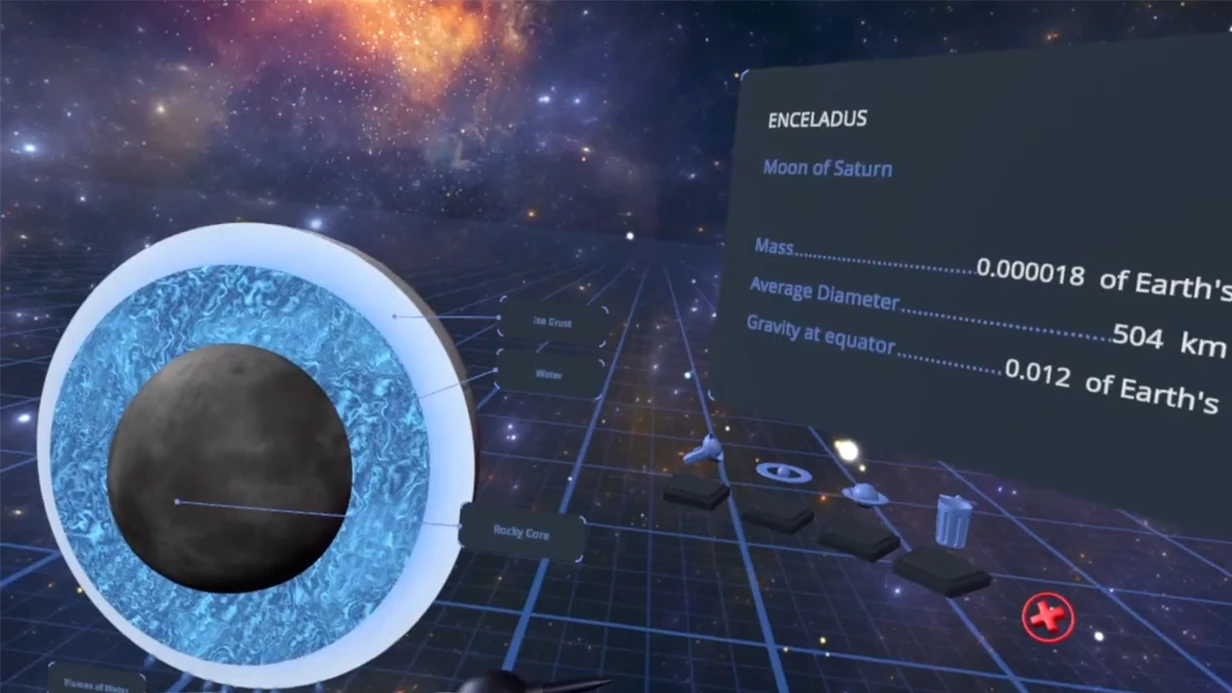
- סצנת VR מוכנה למעבדה. דוכנים וירטואליים, מכשירים ואזורי ניסוי משכפלים את הציוד האמיתי שלך—עובדים וסטודנטים לומדים תהליכים ללא סיכון למכונות יקרות.
- פאנל ניהול. אתה מוסיף תרחישים חדשים בעצמך, משנה משימות, ומעניק גישה לקבוצות ספציפיות—ללא פנייה למפתחים או המתנה בתור.
- מערכת ניהול. חשבונות אישיים, יומן השלמה וסטטיסטיקות לכל משתמש. אתה יכול לראות מי מצליח ואיפה יש צורך לחזור על חומר.
- הוראות ותיעוד. מדריכים קצרים למורים ולמי שיפעיל את המערכת. אין צורך להבין בניסוי וטעייה.
- הכשרת צוות. אנו מקיימים מפגש מעשי עם הצוות שלך: אנו מראים כיצד להפעיל תרחישים, לנהל משתמשים ולסקור שגיאות.
- תמיכה לאחר ההשקה. אנו עונים על שאלות ועוזרים בעדכונים ושיפורים—המעבדה לעולם לא נשארת לבד עם המערכת.
כל זה ארוז במערכת ברורה: אתה מקבל תוצאה צפויה ותהליך יישום שקוף. אם אתה צריך להרחיב תרחישים או להוסיף תרגילי מעבדה חדשים, זה מטופל דרך פאנל הניהול או בפנייה אלינו פעם אחת.
מקרה בוחן: כיצד הדגמת VR הכפילה את פניות המרכז המדעי
המרכז המדעי Vector עורך מחקר בביוטכנולוגיה. מחלקת המכירות התמודדה עם בעיה טיפוסית: מצגות וקטלוגים לא הסבירו ללקוחות מה באמת קורה במעבדה.
ארגון ביקור אישי הוא קשה—אורחים מגיעים מערים אחרות, ורק חלק קטן מהמתעניינים מצטרף לשיחות מקוונות.
הצענו סיור VR במעבדה: מבקר מרכיב משקפיים, "הולך" בין מחלקות, ורואה ציוד, דגימות וממשקי מערכת אנליטית. הפקדים אינטואיטיביים—אדם ללא ניסיון ב-VR מבין זאת תוך דקה.
בנינו את הסיור ממודל תלת-ממדי של המרכז והוספנו סמנים אינטראקטיביים עם הסברים ותוצאות מחקר.
תוצאות
חודש לאחר ההשקה, המרכז קיבל 40+ פניות להדגמות וייעוץ—כפול מהמספר הרגיל. חשוב מכך, איכות הפניות השתפרה: לקוחות הגיעו כבר כשהם מבינים איך העבודה מתנהלת, ושאלות המשך לקחו חצי מהזמן. זה שחרר את החוקרים.
ההשפעה על שותפים בינלאומיים צוינה במיוחד. כדי ללמוד על המרכז, הם כבר לא צריכים לטוס מעבר לגבול—סיור ה-VR מוצג במשא ומתן, והעניין בפרויקטים משותפים גדל באופן ניכר.
סיכום
הדגמת ה-VR הפכה ל"יום פתוח" קבוע עבור המרכז ללא עומס על הצוות. כמה חודשים לאחר מכן, הלקוח חזר עם בקשה לעדכן את הסיור—הוספנו מעבדות חדשות ותרחישים נוספים לקהלים שונים. הזמנה חוזרת היא המדד העיקרי לכך שהפתרון מספק ערך.
איך לבחור את הפורמט הנכון למשימה שלך?
בחירת פורמט ה-VR נקבעת לא על ידי הטכנולוגיה הזמינה אלא על ידי המשימה הספציפית: את מי אתה רוצה לעניין ואיזו תוצאה אתה רוצה להשיג.
עבור מעבדה, זה בדרך כלל אומר שלושה תרחישים—להראות את החלל, להכשיר אנשים על ציוד, או להדגים תהליך ויזואלית. התשובה ל"מה האורח או העובד צריך?" תציע אוטומטית את הפורמט הנכון.
כדאי לבחור סיור VR אם המטרה שלך היא להציג את המעבדה מרחוק—לסטודנטים פוטנציאליים, שותפים או משקיעים. הוא יוצר אפקט של נוכחות אישית ללא נסיעות ועובד כחלון ראווה 24/7 ליכולות שלך.
סיור וירטואלי פותר את בעיית טווח ההגעה וההכרה, ויצירתו אינה דורשת ארגון מחדש של תהליכי עבודה.
סימולטור הדרכה הוא פורמט לבניית מיומנויות ופיתוח מקצועי. אם למעבדה יש ציוד מורכב, ריאגנטים יקרים או פעולות מסוכנות פוטנציאלית, הסימולטור מאפשר לעובדים וסטודנטים להתאמן ללא סיכונים או עלויות.
כל משתתף מקבל תרחיש שניתן לחזרה, ואתה מקבל שליטה על הבנת החומר והאצת קליטה לעבודה אמיתית.
דוכן וירטואלי מתאים להדגמות אישיות של מתודולוגיה, ניסוי או פעולת ציוד—לדוגמה, בתערוכה, בהגנה על פרויקט או במצגת ללקוח.
הוא מחזיק תשומת לב למשך 5–7 דקות והופך הסבר מורכב לסיפור ויזואלי שקל לזכור ולספר.
אם אינך בטוח איזה משלושת התרחישים מכסה את המשימה שלך, הזמן ייעוץ. נשאל 3–4 שאלות על הקהל שלך והתוצאות הצפויות, ונציע פתרון VR עם לוחות זמנים ספציפיים והיקף עבודה.
זה אינו מחייב אותך להתחיל את הפרויקט—אבל זה חוסך לך את הטעות של "בנינו את הפורמט הלא נכון".
אנו מתייחסים לחששות נפוצים לפני שאתה מתחיל
לפני השקת פרויקט VR, ללקוחות יש לעיתים קרובות אותן שאלות: האם האורחים יצליחו להתמודד עם הפקדים, האם הציוד יעבוד עם החומרה הקיימת שלהם, מה לעשות אם משהו משתבש. זה נורמלי—טכנולוגיה לא מוכרת תמיד מעלה ספקות.
בצוות שלנו, במהלך השנים אספנו פחדים טיפוסיים ואנו מוכנים להתייחס אליהם לפני שאתה מתחיל.
נתחיל בדבר המדאיג ביותר—בטיחות. משקפי VR מכסים לחלוטין את שדה הראייה שלך, ולכן אנו משתמשים רק במשקפיים מוסמכים עם בקרת מרחק לחפצים והגנה מפני התחממות יתר.
מפגש נמשך לא יותר מ-15 דקות, ואחרי כל מפגש יש הפסקה חובה. אמצעים אלה מונעים סחרחורת ואי-נוחות אפילו עבור מבקרים מבוגרים וילדים.
האם קשה לאורחים להשתמש ב-VR?
הפקדים מתוכננים כך שמשתמש צריך רק להרכיב את המשקפיים ולעקוב אחר ההנחיות על המסך. אין צורך בהוראות או הכשרה—מלווה עוזר להרכיב את המשקפיים ומדריך אותם בדקות הראשונות. האדם הממוצע מתרגל תוך 30 שניות.
האם VR יעבוד עם הציוד שלנו?
אינך צריך מחשב לקוח חזק כדי להפעיל אותו. אנו עובדים עם ערכת מקצועית משלנו: משקפיים עצמאיים או מחשבים ניידים עם רמת כרטיסי מסך מתאימה. אם כבר יש לך תשתית—לדוגמה, מסכים או שרתים—אנו מתאימים את הפרויקט אליה. רק ספר לנו על המכשירים שלך בשלב הבריף.
מה קורה אם משהו נכשל במהלך אירוע?
אנו מביאים ערכת ציוד גיבוי ומחליפים אותה תוך 5–10 דקות ללא עצירת התוכנית. טכנאי נוכח תמיד במקום כדי לפקח על הפעולות ולפתור בעיות במקום. יש לנו גם ביטוח לכוח עליון—אתה לא מפסיד זמן או כסף.
עכשיו אתה יכול לראות שהחששות הללו ניתנים לפתרון. עדיין יש שאלות? שאל אותנו—נספר לך איך הפרויקט שלך יתנהל ונציע פתרון מותאם לצרכים שלך.הזמן פתרון VR למשימות שלך עכשיו
המעבדה שלך עובדת עם שיטות ייחודיות ועל ציוד משלה—אפליקציות VR סטנדרטיות לא יתאימו כאן. פיתוח מותאם אישית משחזר את המערכים, התגובות והפרוטוקולים המדויקים שלך, ועובדים מתאמנים ללא סיכון לעצמם או לריאגנטים יקרים. אינך צריך להבין בטכנולוגיה—פשוט שלח בקשה, ואנחנו נטפל בזה משם.
לאחר פנייה אלינו, אתה מקבל חבילת החלטה מלאה:
- ייעוץ מומחה — אנו מסבירים בשפת המעבדה שלך היכן VR יאיץ דברים והיכן אין צורך בו. ללא ז'רגון טכני, ללא אפשרויות כפויות.
- הערכת עלות — מוכנה לאחר תיאור קצר של המשימה, עם פירוט שקוף וללא עמלות נסתרות. אתה רואה את התקציב לפני תחילת הפיתוח.
- אב-טיפוס הדגמה — אנו מראים פתרון לדוגמה על הציוד שלך או באמצעות שיחת וידאו. כך תוכל להעריך את הממשק והתרחישים לפני התשלום הסופי.
- התאמה לתהליכים שלך — אנו מתחשבים בפרוטוקולים, יחידות המידה, תקני הבטיחות ורמות המיומנות של הצוות שלך.
- תוכנית יישום והכשרה — אנו פורסים שלב אחר שלב מי יתחיל לעבוד ב-VR ובעוד כמה ימים. היישום אינו משבש את לוח הזמנים הנוכחי של המעבדה.
- אחריות ותמיכה — אנו משכללים את הפתרון לאחר ההשקה, מעדכנים אותו ככל שהתהליכים משתנים, ונשארים זמינים לצוות שלך.
הזמנת VR עכשיו פירושה קבלת הכשרת צוות ניתנת לניהול, חיסכון בחומרים ותוצאות ברורות ללקוחות ולמפקחים שלך. שלח בקשה באתר: ניצור איתך קשר תוך יום עסקים אחד, נבהיר את הפרטים, ונכין הערכת עלות.
נציג הדגמה לפני שתחליט, ואחרי מסירת הפרויקט תהיה לך תמיכה ועדכונים שוטפים.